Artwork
Portrait of Karl XI, King of Sweden
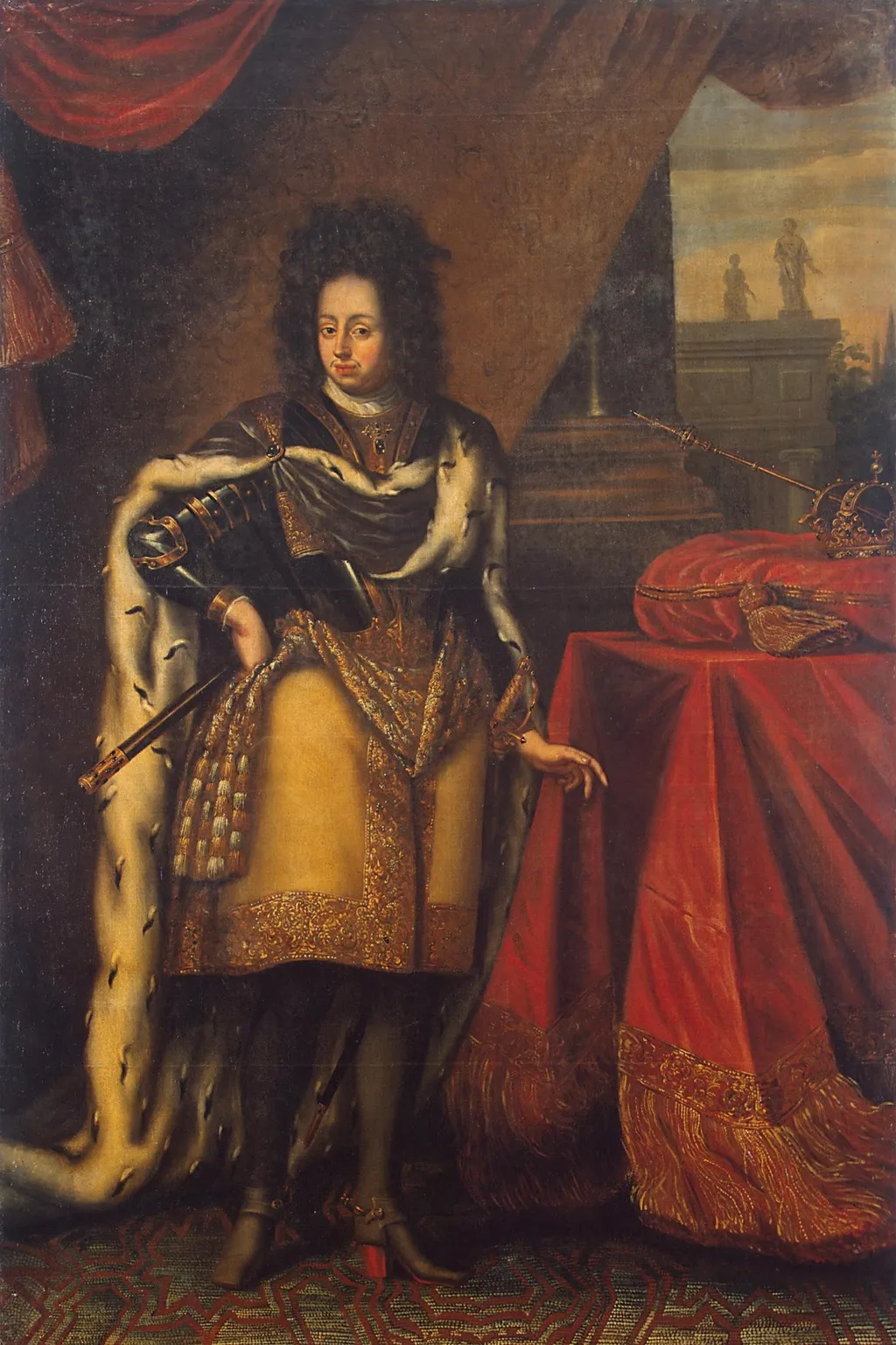
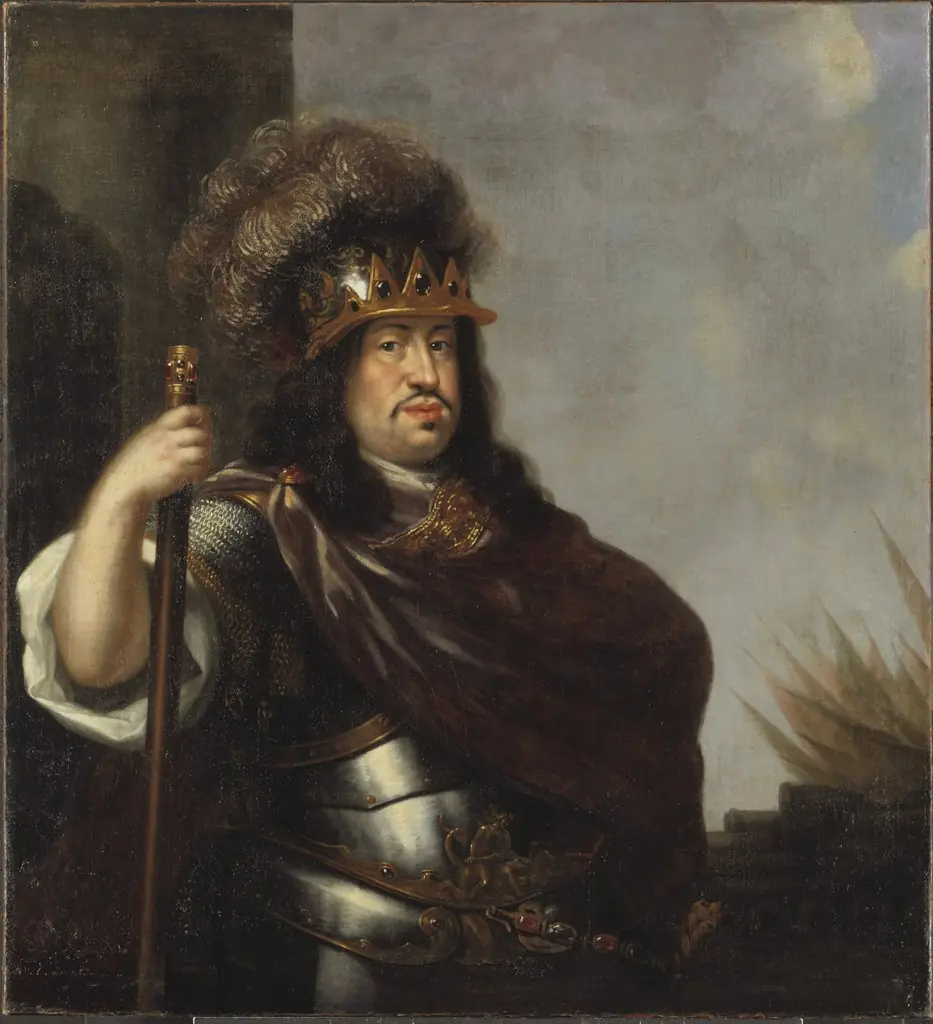
Portrait of Karl XI, King of Sweden is an oil painting by Unknown. It dates from 1705 and is held in the collection of the Hermitage Museum. The canvas portrays Karl XI, monarch of Sweden, rendered in oil.
About this work
Overview
The canvas portrays Karl XI, monarch of Sweden, rendered in oil. He is depicted in an opulent, gold‑trimmed coat, one hand resting on his hip and the other gripping a sword, while a fur‑lined cloak falls around him. A deep red curtain frames a window that opens onto a tranquil garden with classical statues, and an empty, velvet‑covered throne with crown and scepter stands to his right.
Subject & Meaning
The composition emphasizes regal authority through the juxtaposition of martial attire and the vacant throne, suggesting sovereign power even in the king’s standing pose. The serene garden beyond the window offers a visual counterpoint, hinting at the monarch’s dominion over both warlike and peaceful realms.
Technique & Style
Executed in oil, the work displays meticulous attention to texture, from the sheen of the gold‑trimmed coat to the plushness of the fur lining and velvet drapery. The artist employs a rich palette of reds, golds, and deep shadows to create depth, while the crisp rendering of the garden’s statues conveys a controlled, courtly aesthetic.
History & Provenance
The portrait is part of the State Hermitage Museum’s collection in Saint Petersburg. Its acquisition history is not detailed in the provided information, but the painting has been displayed within the Hermitage’s holdings, contributing to the museum’s representation of European royal portraiture.
Context
Created during the reign of Karl XI (1655–1697), the portrait reflects the baroque sensibility of European courts, where monarchs were often shown in elaborate dress and surrounded by symbols of authority. The inclusion of a throne, crown, and scepter aligns with contemporary conventions of royal iconography.
Artist & collection

 Domestic Scene
 Giacomo and Cardinal Marco, investing Andrea, Abbot of San Zeno, with his Benefice
 The Nymph of Fontainebleau
 Portrait of a Woman
 Madonna and Child with Saints in the Enclosed Garden
 Venus and Minerva
 Family Group of Four on Sofa
 Wall painting from Room H of the Villa of P. Fannius Synistor at Boscoreale
 Karl XII
 Portrait of Philip V, King of Spain
 Louis XV, roi de France (1710-1774)
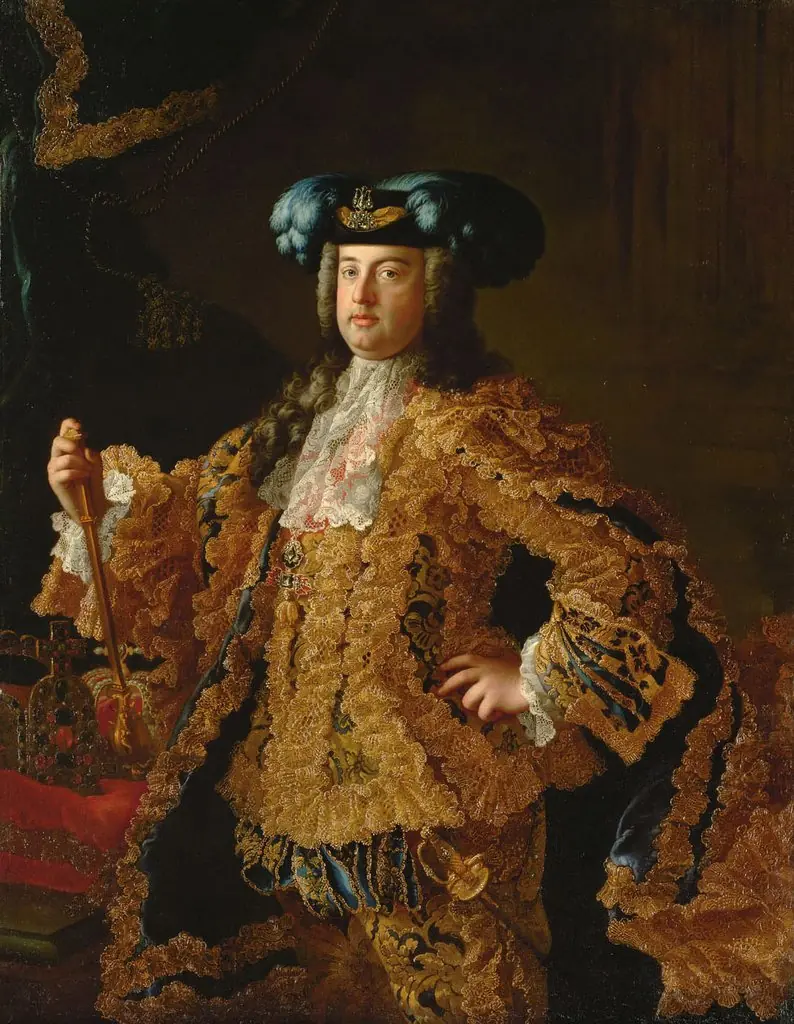 Herzog Franz (I.) Stephan von Lothringen (1708-1765), in reichem Hofkleid, Kniestück
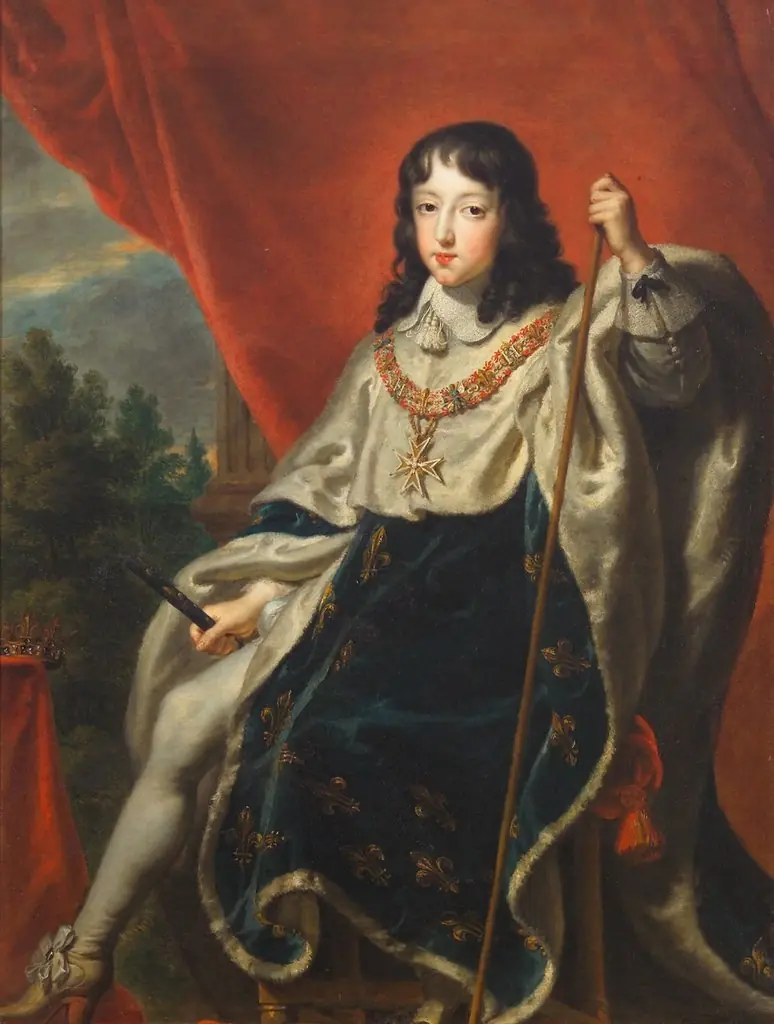 Herzog Philippe von Orleans (1640-1701)
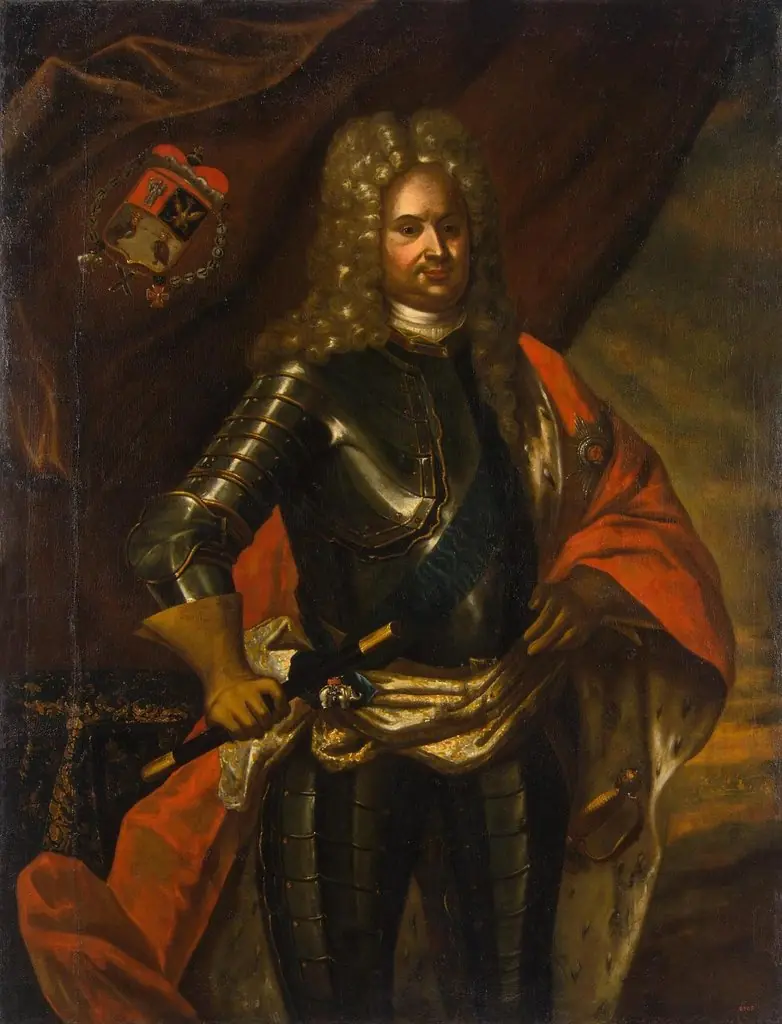 Portrait of General Prince Nikita Repnin
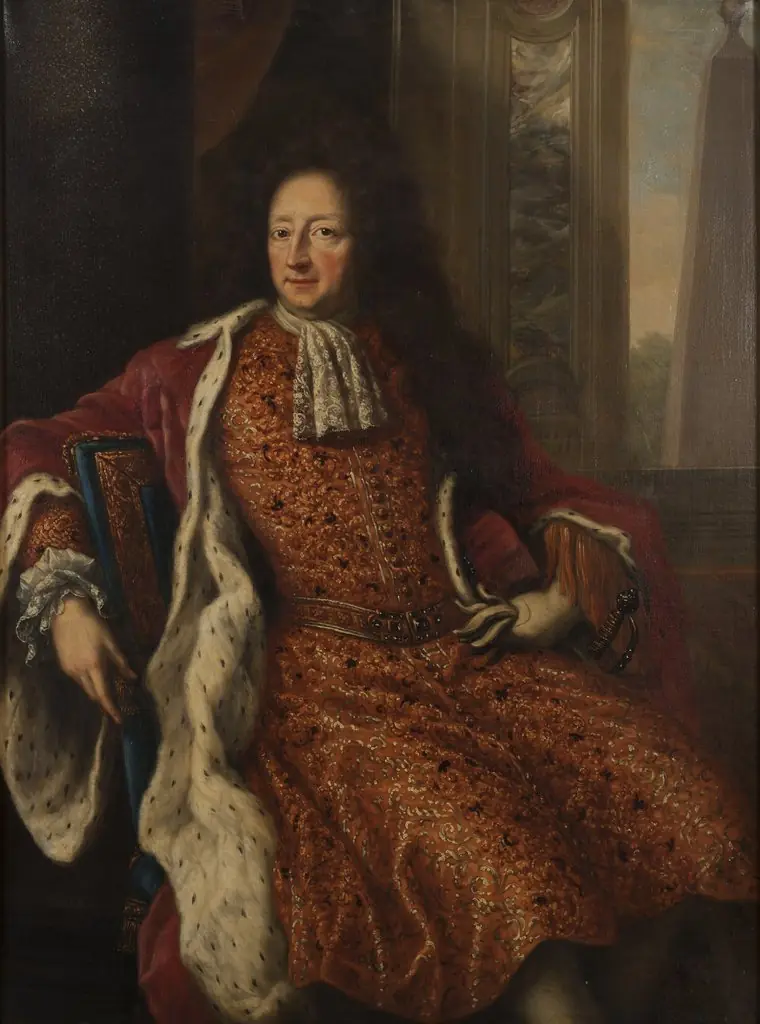 Hans Wachtmeister af Johannishus, 1641-1714
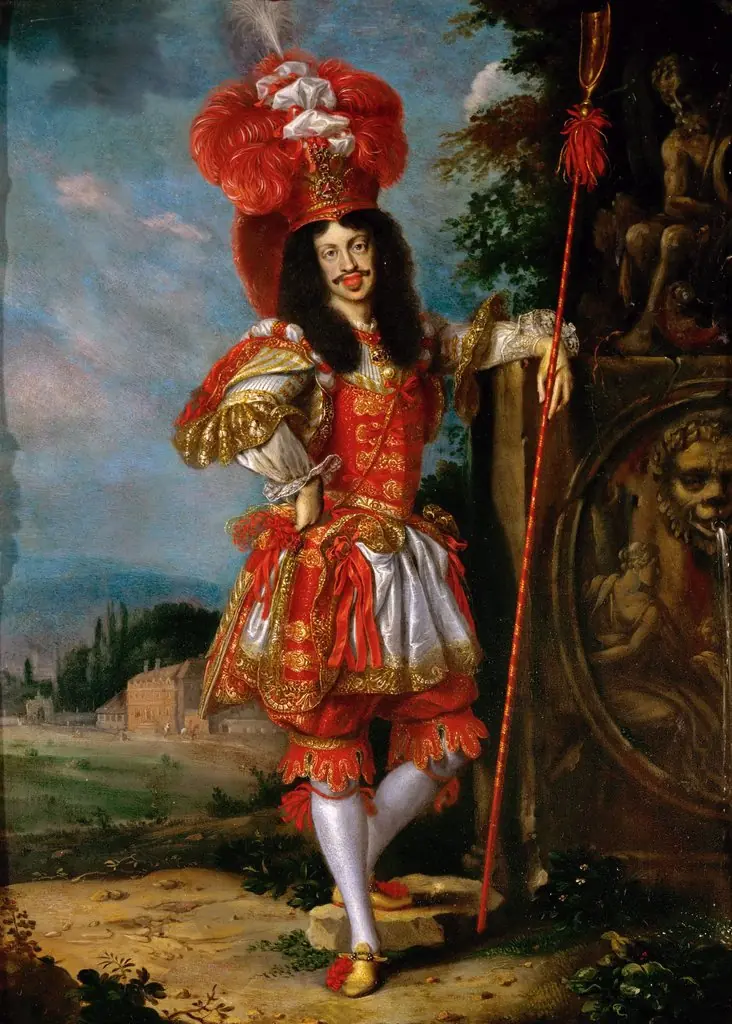 Leopold I as Acis in the play "La Galatea"
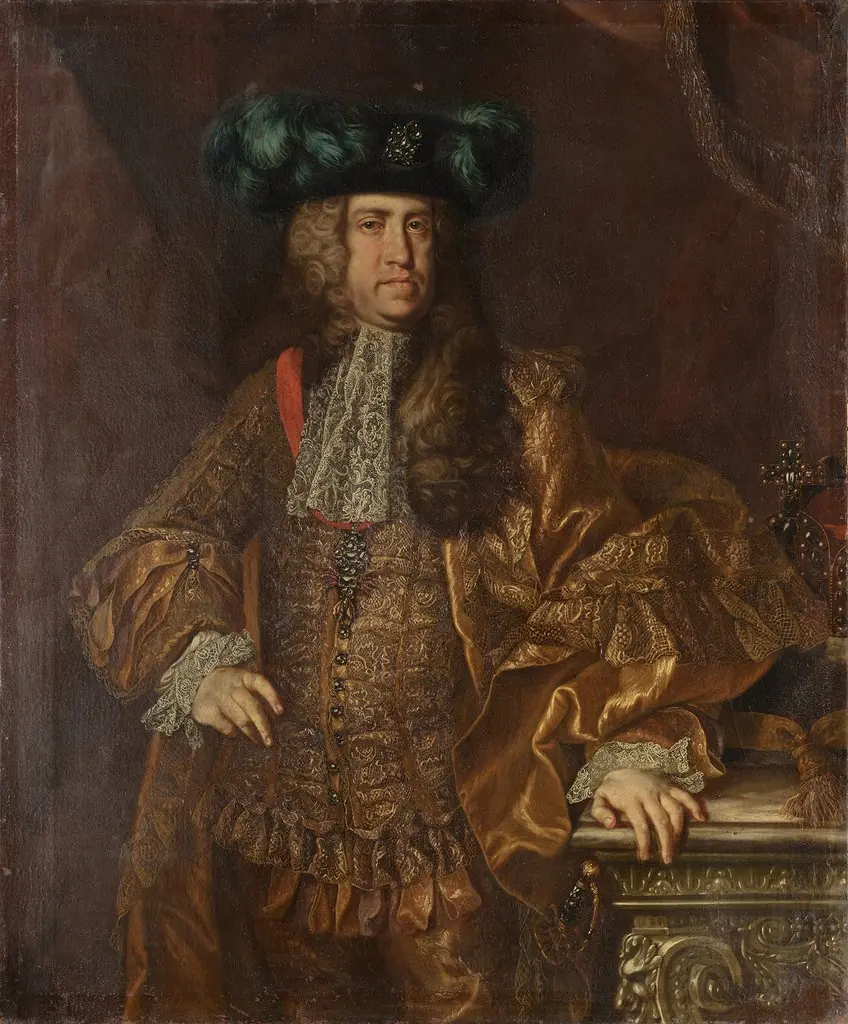 Emperor Karl VI.
 Portrait of Frederik V in Anointment Robe
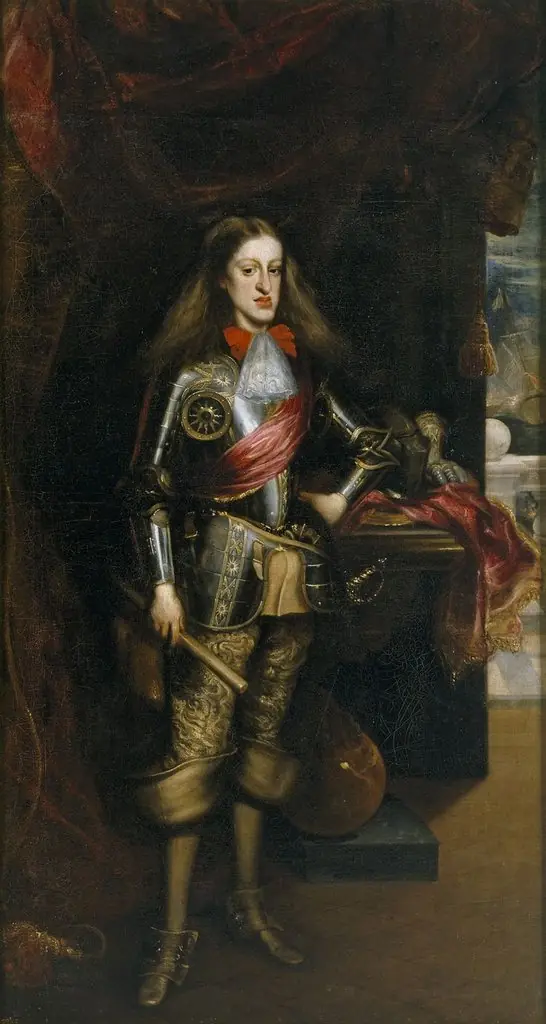 Charles II in armour
 King Charles X Gustavus