Artwork
Karl XII
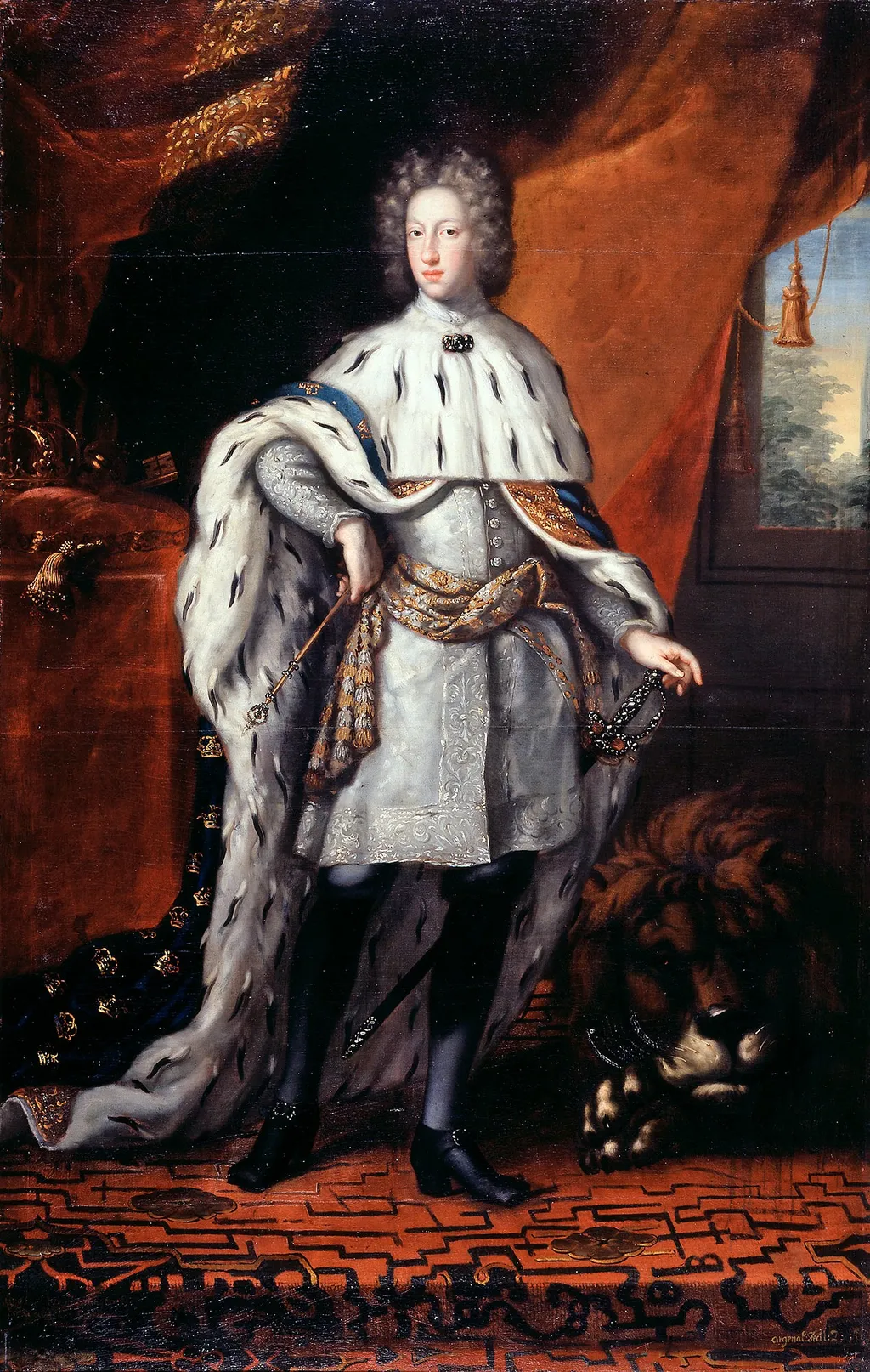
Karl XII is an oil painting by the Rococo painting artist Unknown. It dates from 1699 and is held in the collection of the Nationalmuseum.
About this work
Overview
This oil painting portrays a youthful figure, likely of royal status, adorned in regalia and accompanied by symbolic elements, rendered through a style emphasizing strong light and dark contrasts.
Subject & Meaning
The subject, identified as Karl XII, is depicted with symbols of power and nobility: a scepter, ornate sash, and a lion at his feet, which may signify bravery or dominion. His attire indicates a high rank, possibly royalty.
Technique & Style
The painting employs chiaroscuro, a technique characterized by pronounced contrasts between light and dark, to create a three-dimensional effect and add depth to the figure and its surroundings.
Context
The work's style aligns with artistic trends of its time, suggesting an influence from contemporary European painters who utilized dramatic lighting effects to convey power and status.
Legacy
While the painting's direct impact is not specified, its adherence to chiaroscuro techniques places it within a broader artistic movement, contributing to the visual language of portraying authority through light and shadow.
Artist & collection

 Domestic Scene
 Giacomo and Cardinal Marco, investing Andrea, Abbot of San Zeno, with his Benefice
 The Nymph of Fontainebleau
 Portrait of a Woman
 Madonna and Child with Saints in the Enclosed Garden
 Venus and Minerva
 Family Group of Four on Sofa
 Wall painting from Room H of the Villa of P. Fannius Synistor at Boscoreale
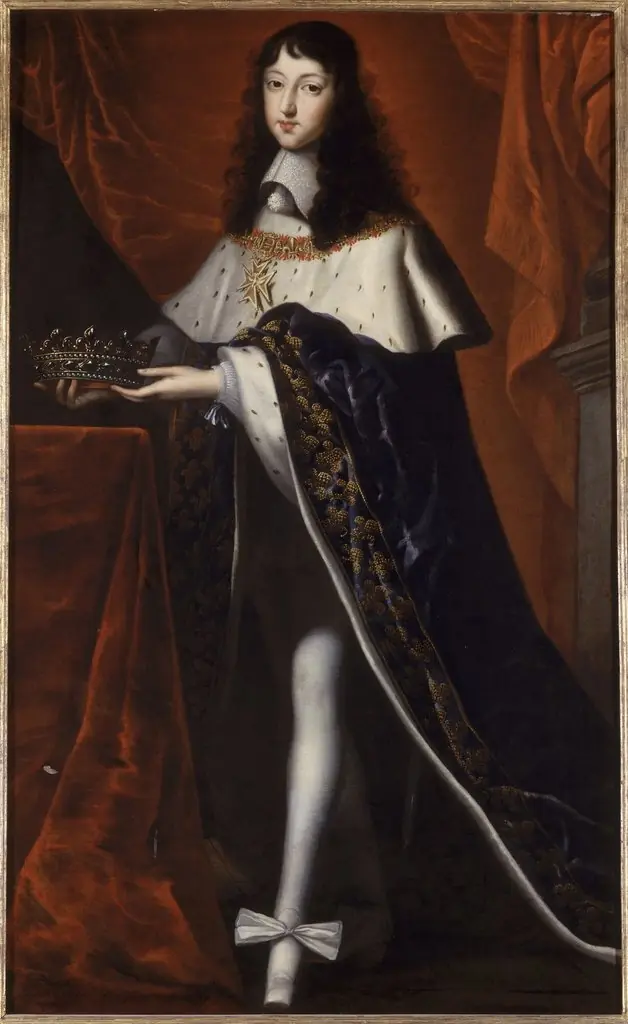 Philippe of France, Duke of Orleans
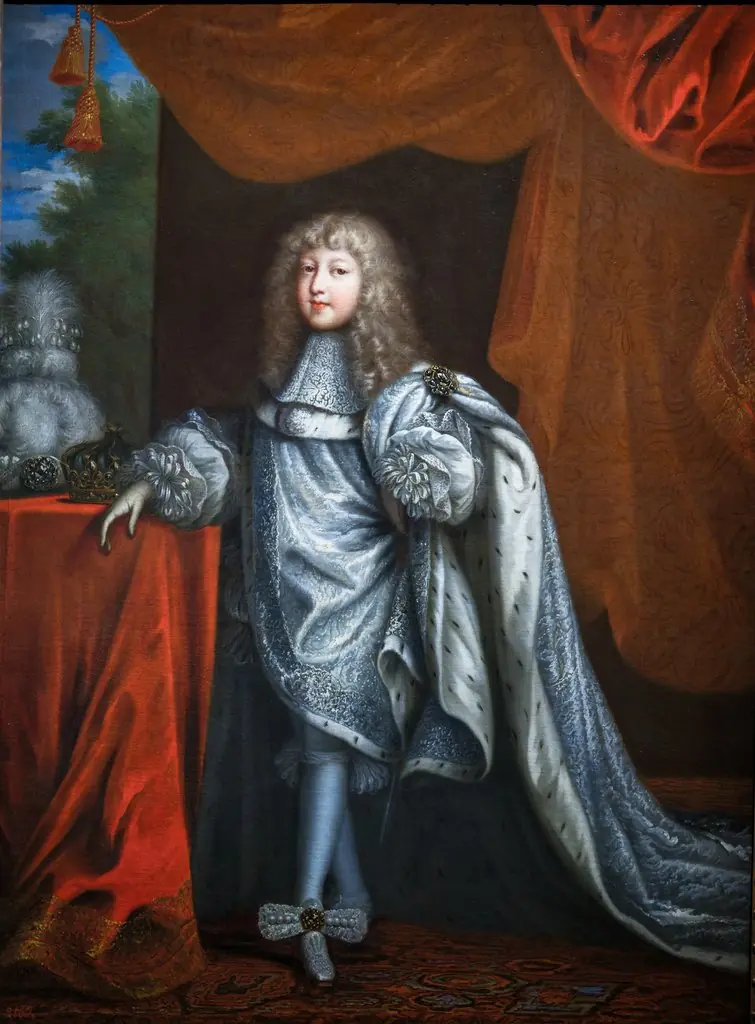 Louis of France, the Grand Dauphin
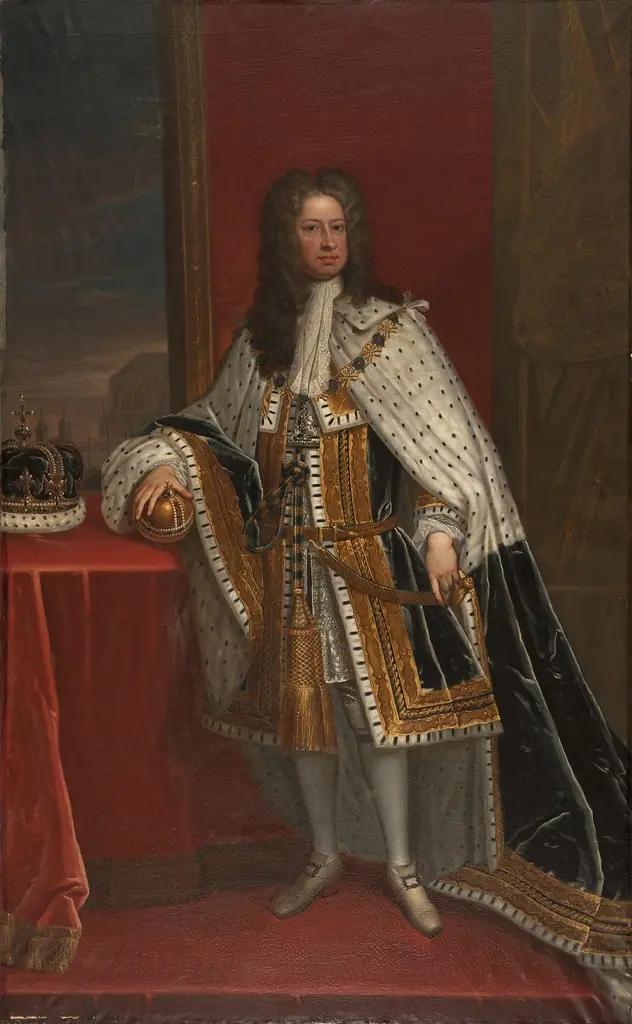 Georg I, 1660-1727, kung av England, kurfurste av Hannover
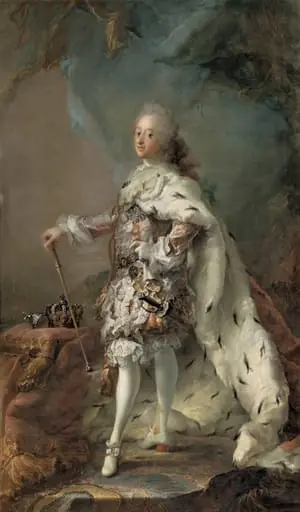 Portrait of Frederik V in Anointment Robe
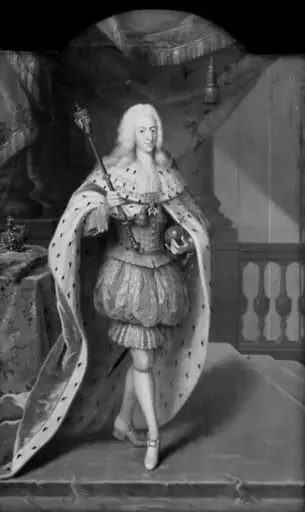 Christian VI
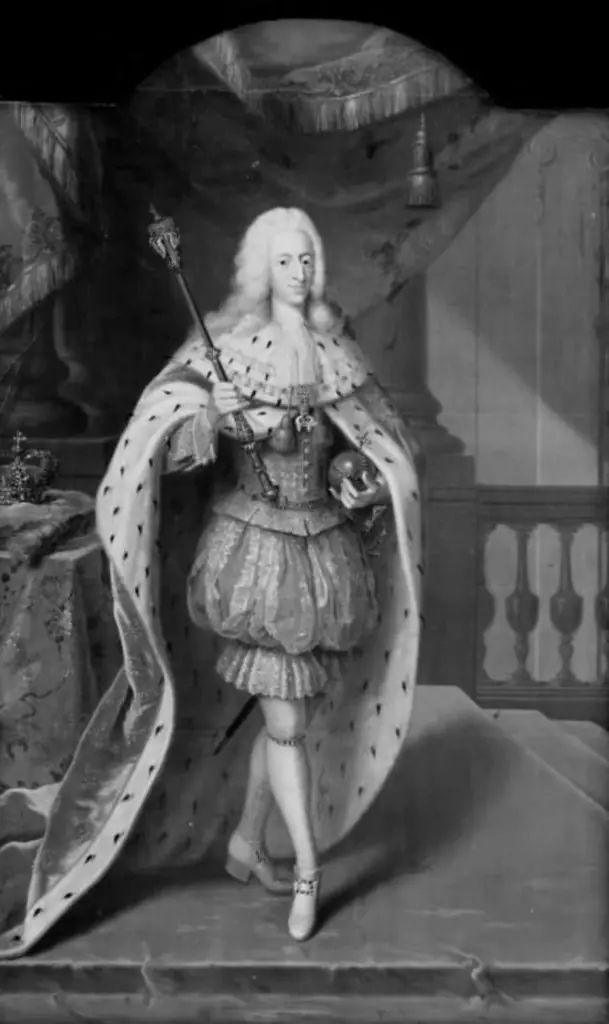 Christian VI
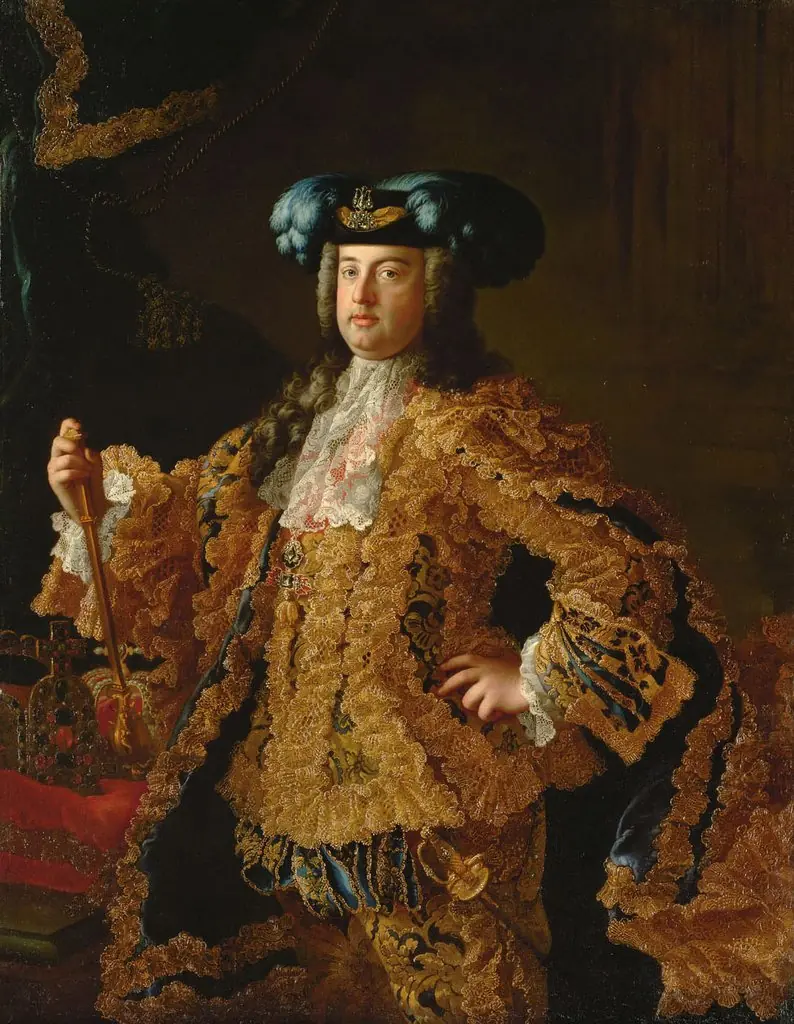 Herzog Franz (I.) Stephan von Lothringen (1708-1765), in reichem Hofkleid, Kniestück
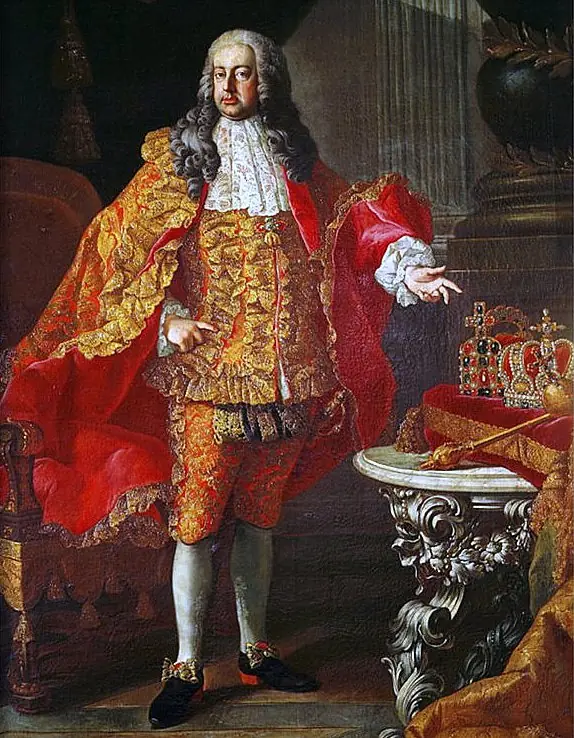 So-called Portrait of Charles VI of Austria
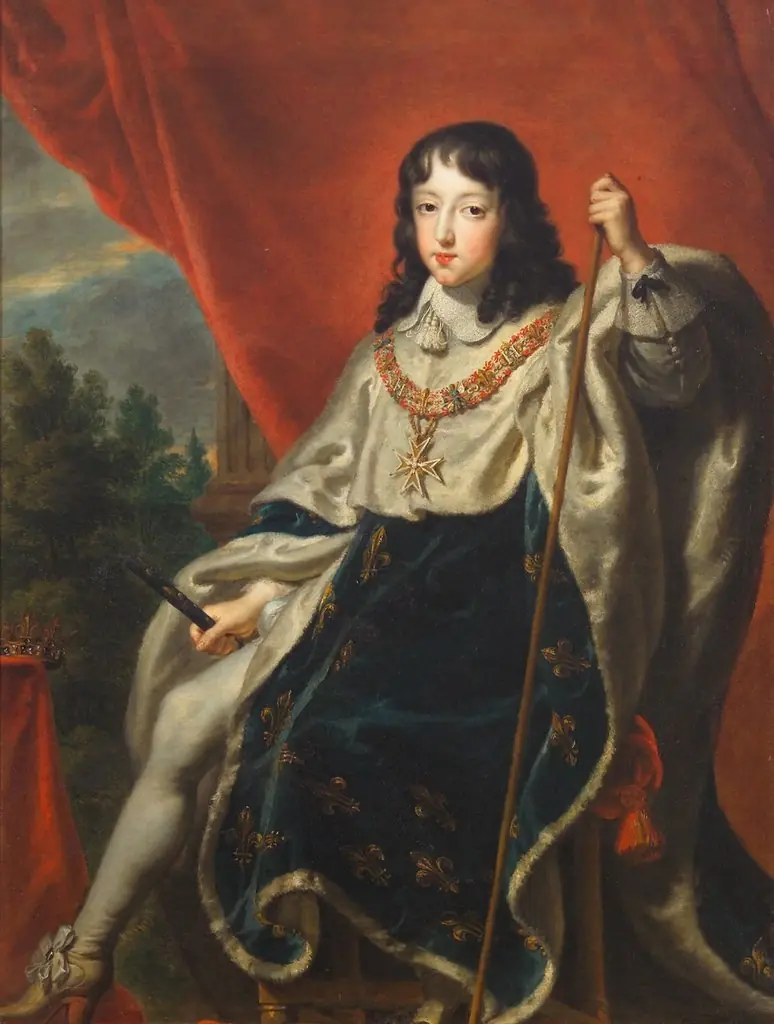 Herzog Philippe von Orleans (1640-1701)
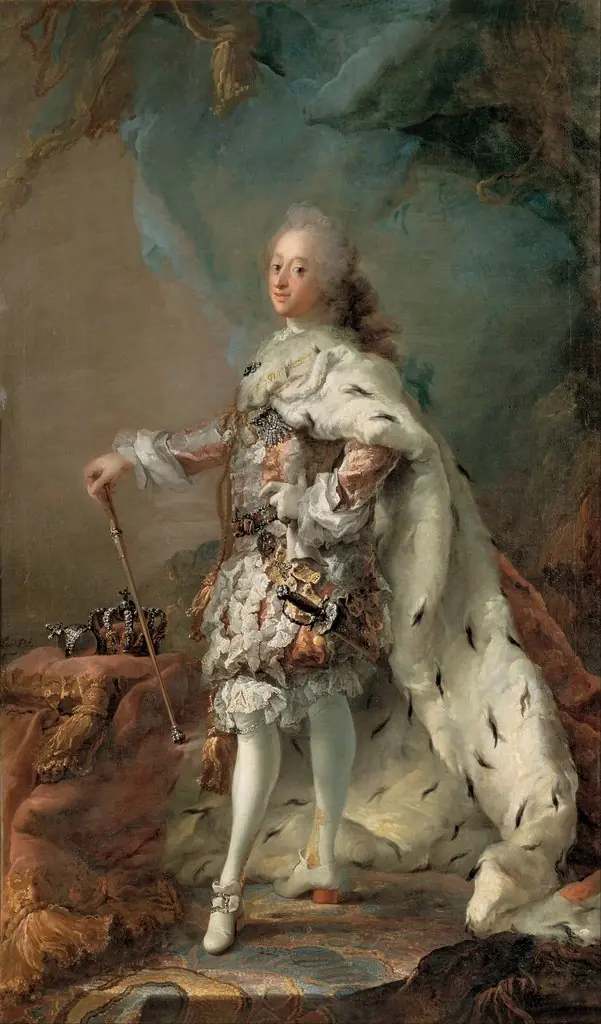 Portrait of Frederik V in Anointment Robe