Artwork
Portrait of an unknown man
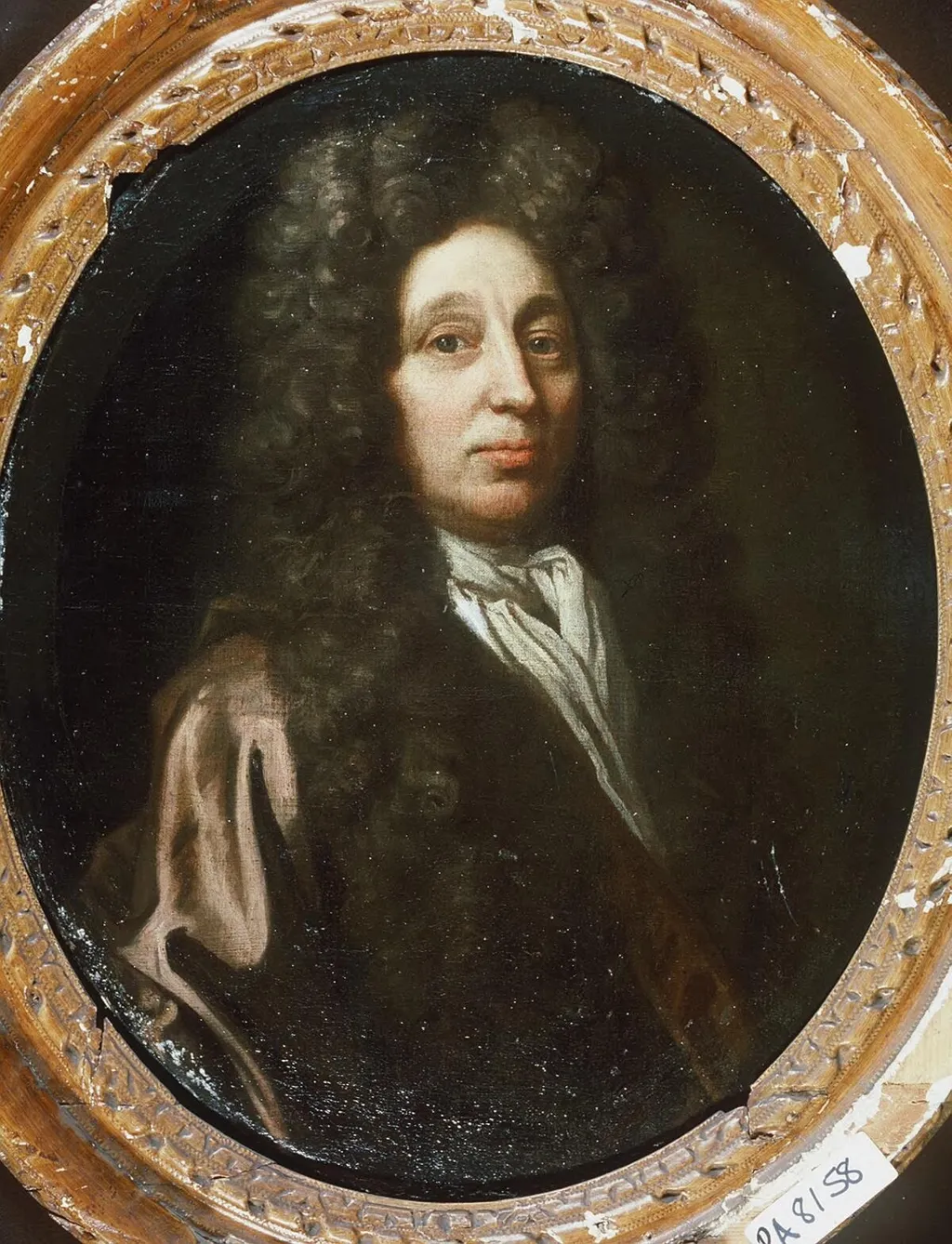
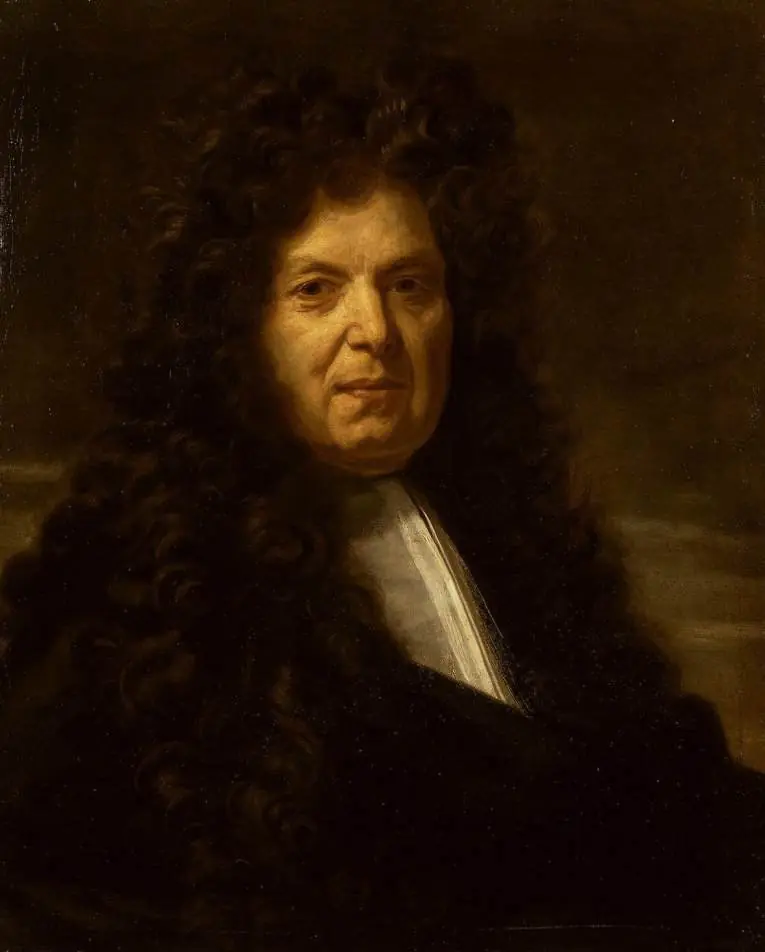
Portrait of an unknown man is an oil painting by the Rococo painting artist Unknown. It dates from 1700 and is held in the collection of the National Library of Wales. This oil painting portrays an unidentified man, rendered with careful attention to facial expression and form.
About this work
Overview
This oil painting portrays an unidentified man, rendered with careful attention to facial expression and form. Set against a dark, unobtrusive background, the figure emerges through precise lighting. The work is held in the collection of the National Library of Wales and exemplifies the use of chiaroscuro to define volume and spatial presence without elaborate setting or ornamentation.
Subject & Meaning
The identity of the sitter remains unknown, and no inscriptions or contextual clues suggest his social role or profession. The direct gaze and neutral expression convey a quiet dignity, typical of portraiture focused on presence rather than narrative. The absence of symbols or attributes invites interpretation centered on individuality rather than status or achievement.
Technique & Style
The artist employed oil paint to achieve subtle gradations of tone, using chiaroscuro to model the face and hands with dramatic light. Shadows fall heavily around the figure, isolating it from the background and enhancing three-dimensionality. The texture of the dark jacket contrasts with the crisp white shirt, reinforcing the focus on the man’s features through controlled tonal contrast.
History & Provenance
The painting entered the collection of the National Library of Wales at an undocumented time, with no record of its original commission or early ownership. Its survival suggests it was preserved as a personal or familial artifact before institutional acquisition. No documentation links it to a known artist or period beyond its stylistic affinities with early modern portraiture.
Context
Created in an era when oil portraiture was common among European elites, this work reflects a quieter, more introspective tradition. Unlike grand commissions, it lacks heraldic elements or elaborate settings, aligning instead with private or modestly funded likenesses. Its emphasis on light and form echoes broader trends in Northern European painting of the 16th and 17th centuries.
Legacy
Though unsigned and unattributed, the painting remains a studied example of chiaroscuro applied to intimate portraiture.
Though unsigned and unattributed, the painting remains a studied example of chiaroscuro applied to intimate portraiture. It contributes to the understanding of how light and shadow were used to convey presence beyond social identity. Its preservation in a national institution ensures continued access for scholars examining regional painting practices and the evolution of likeness in non-elite imagery.
Artist & collection

 Domestic Scene
 Giacomo and Cardinal Marco, investing Andrea, Abbot of San Zeno, with his Benefice
 The Nymph of Fontainebleau
 Portrait of a Woman
 Madonna and Child with Saints in the Enclosed Garden
 Venus and Minerva
 Family Group of Four on Sofa
 Wall painting from Room H of the Villa of P. Fannius Synistor at Boscoreale
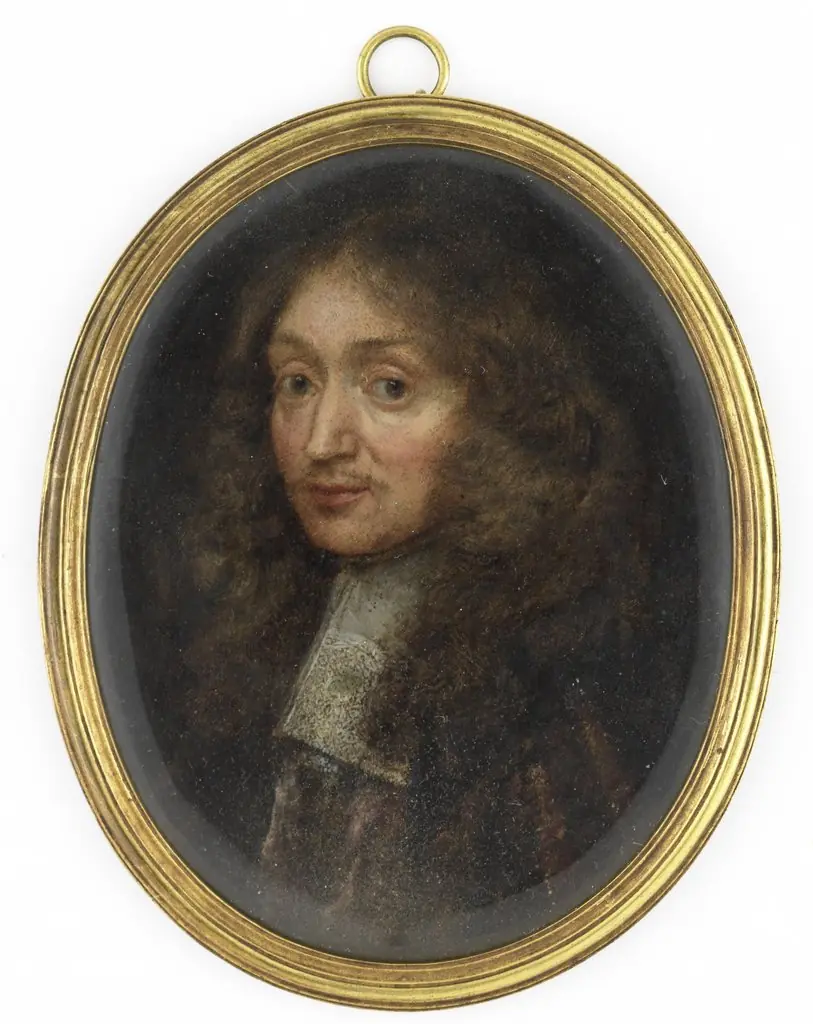 Miniature portrait of an unknown man
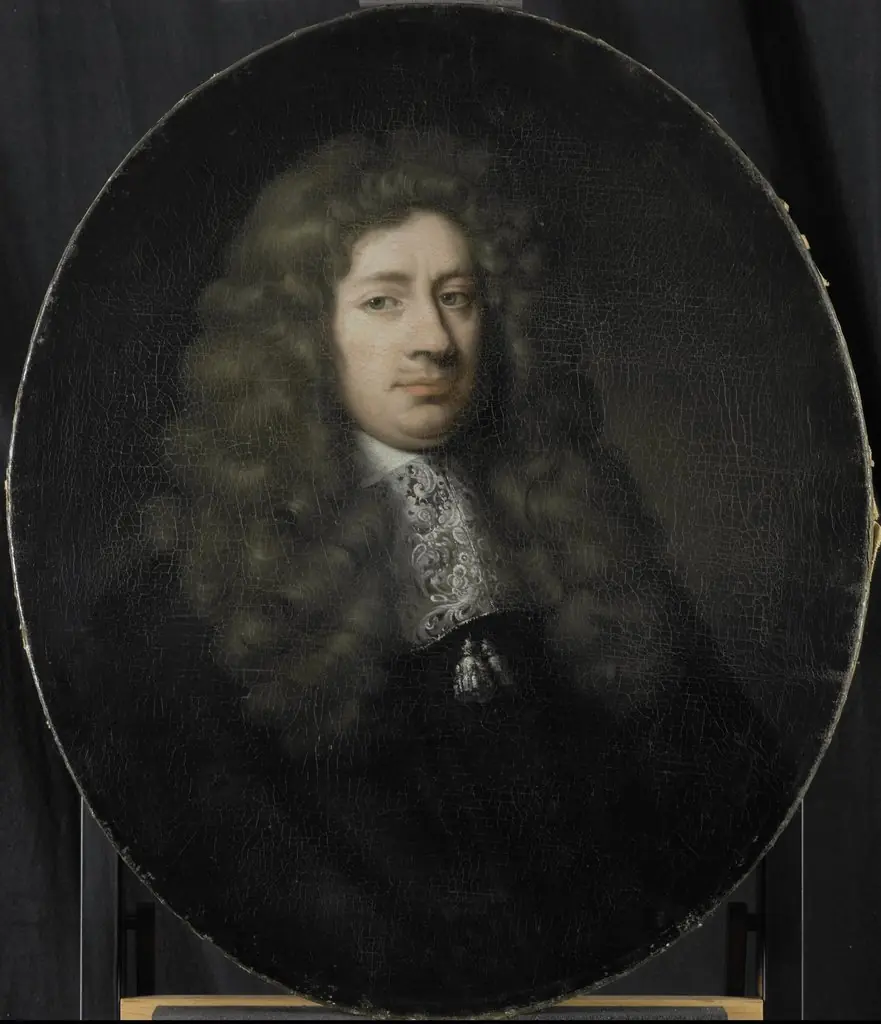 Portrait of Dominicus Rosmale, Director of the Rotterdam Chamber of the Dutch East India Company, elected 1677
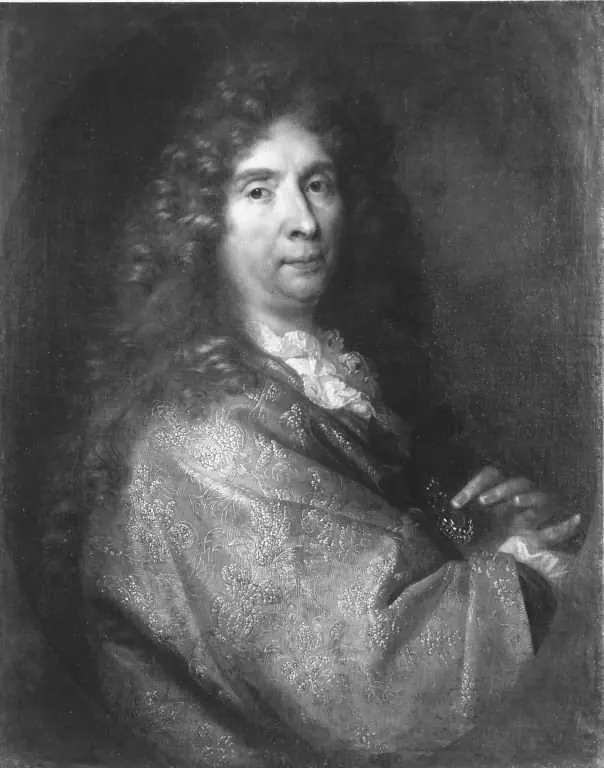 Bildnis des Charles Le Brun
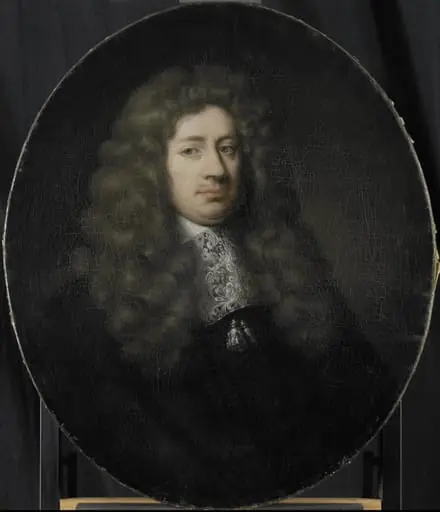 Portrait of Dominicus Rosmale, Director of the Rotterdam Chamber of the Dutch East India Company, elected 1677
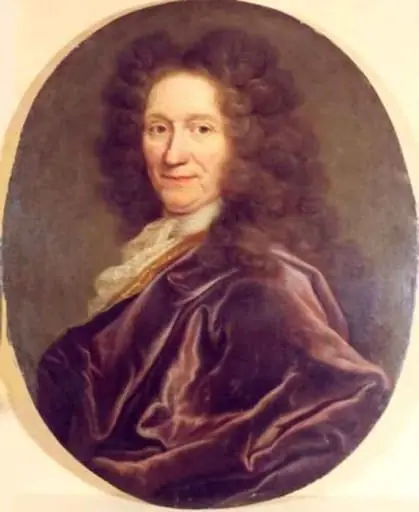 Vicontele d' Argesson
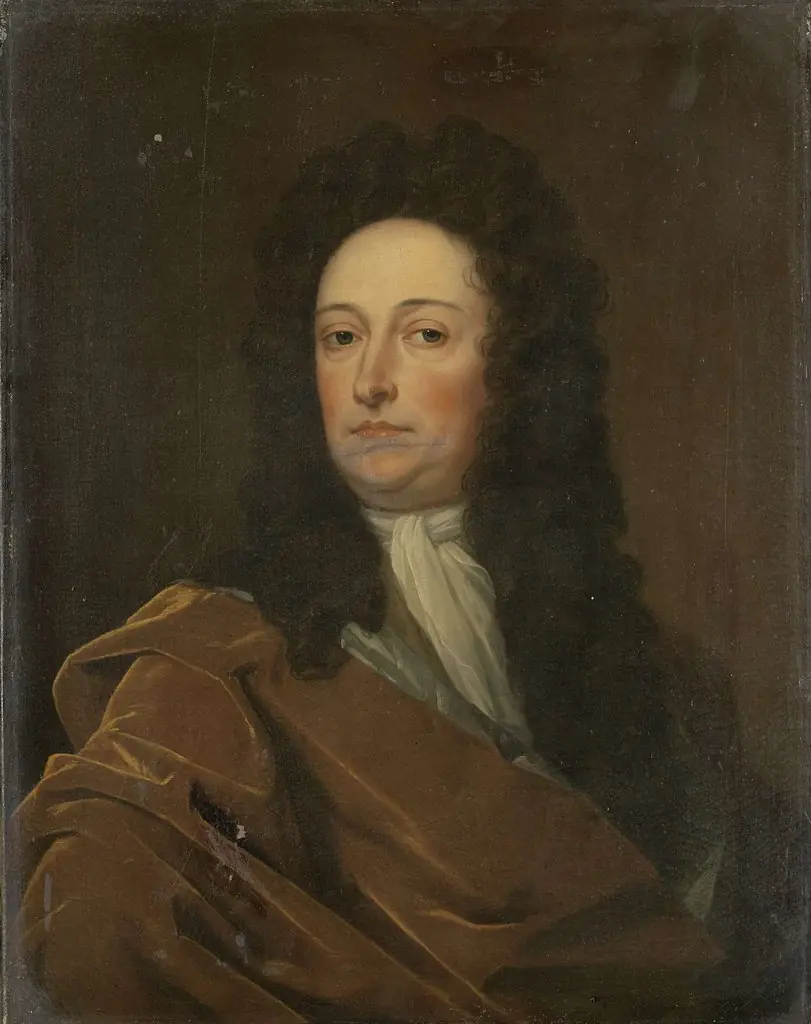 Aernout van Citters (1633-96), Ambassador of the Dutch Republic in London
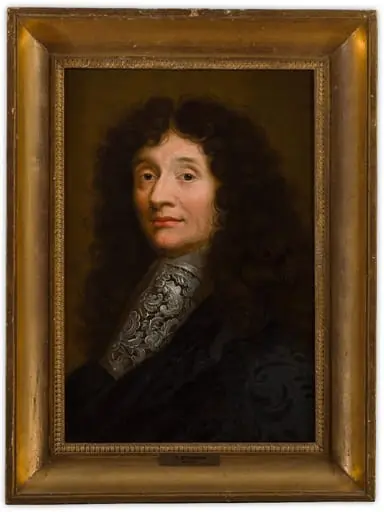 Markiisi Simon Arnauld de Pomponne
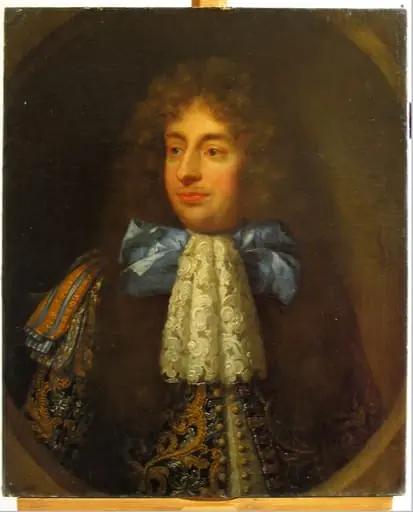 Portretul unui necunoscut
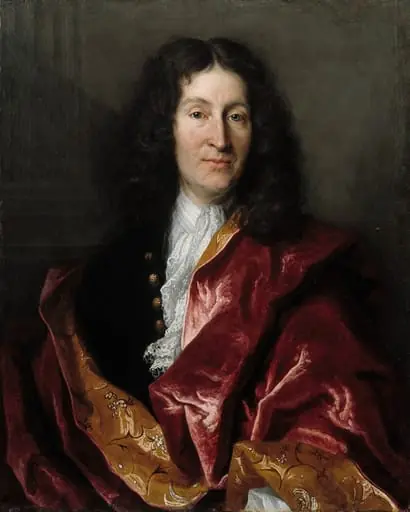 Jean de La Fontaine (?)
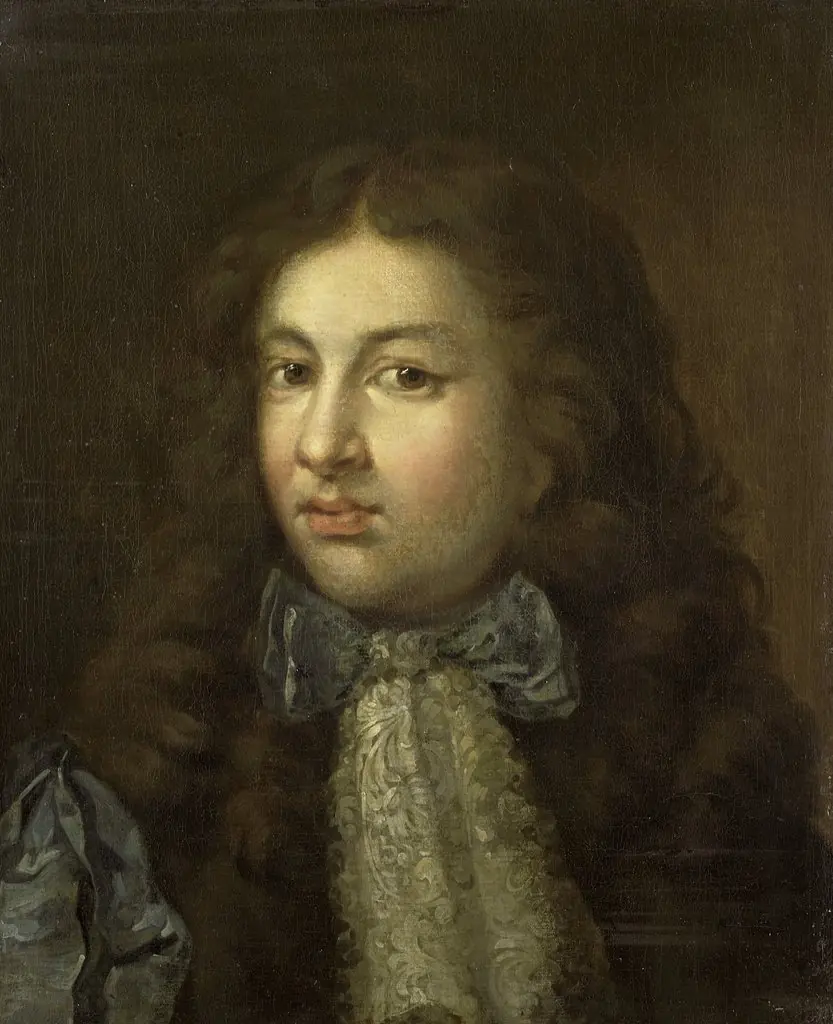 Portrait of Thedoor Netscher (1661-1728), the painter's oldest son
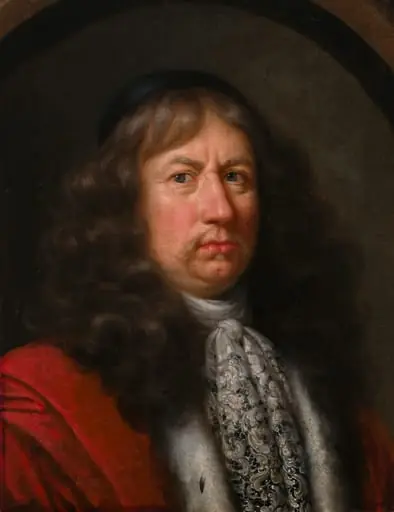 Valtioneuvos, kreivi Bengt Oxenstjernan muotokuva
 Portrait of an Unknown Man