Artwork
Vicontele d' Argesson
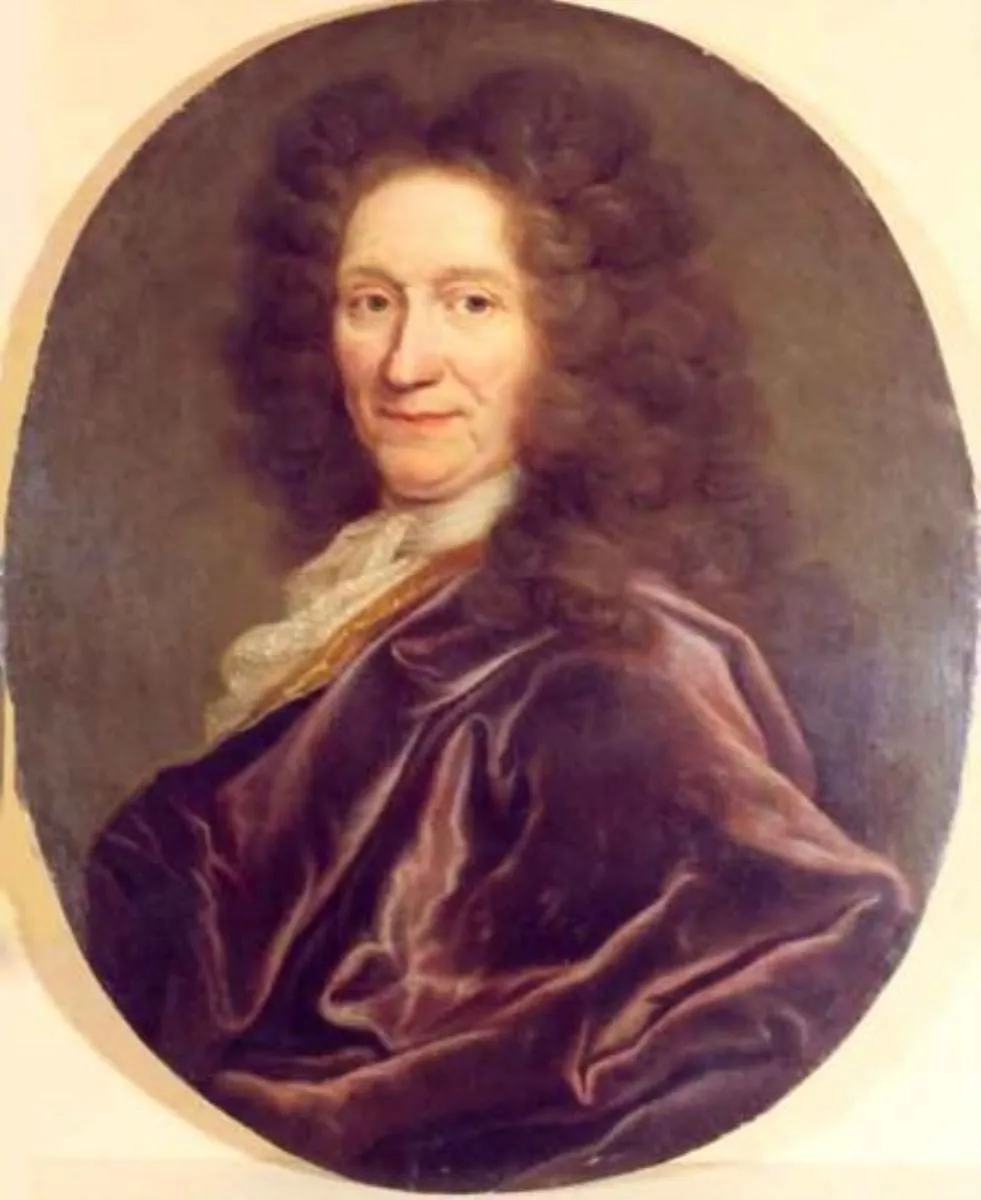
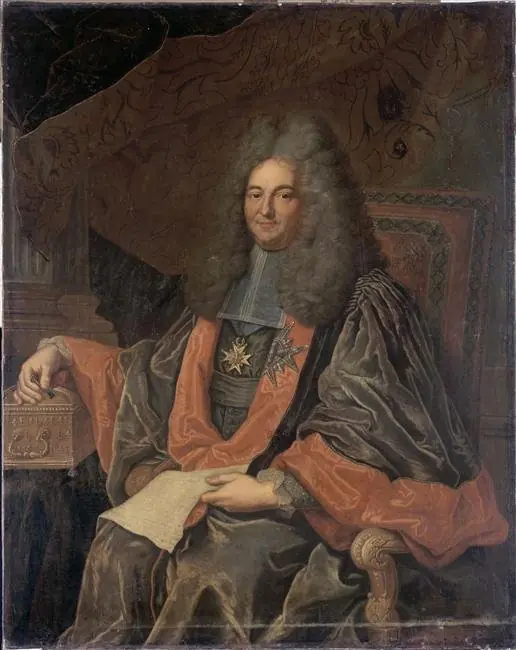
Vicontele d' Argesson is an unspecified painting by Nicolas de Largillière. It dates from 1699 and is held in the collection of the National Museum of Art of Romania.
About this work
Overview
The lighting is carefully modulated to model form without dramatic contrast, reflecting the refined aesthetic of late 17th-century French portraiture.
Painted around 1699 by Nicolas de Largillière, this portrait depicts Vicontele d'Argesson, a French nobleman. The composition focuses tightly on the sitter’s upper body, set against a deep, unadorned background that enhances the prominence of his figure. The lighting is carefully modulated to model form without dramatic contrast, reflecting the refined aesthetic of late 17th-century French portraiture.
Subject & Meaning
Vicontele d'Argesson is portrayed with quiet dignity, his gray curls and faint smile suggesting age and composure. His attire—dark velvet coat, crisp white lace collar, and cuffs—signals aristocratic status without ostentation. The restrained expression and formal posture convey social poise rather than individual personality, aligning with the conventions of elite portraiture in Louis XIV’s France.
Technique & Style
Largillière employed smooth, precise brushwork to render textures: the soft sheen of silk, the crispness of lace, and the subtle contours of skin. Shadows are gently blended to create volume, particularly around the face and hands, using a restrained chiaroscuro that avoids theatricality. The palette is muted, dominated by dark tones with accents of white and silver, emphasizing elegance over spectacle.
History & Provenance
The portrait was likely commissioned during Largillière’s peak years as a favored painter of the French court. It remained in private French collections for centuries before entering public ownership. Documentation confirms its attribution to Largillière and dates it to c. 1699, consistent with the artist’s mature style and the sitter’s known social standing.
Context
Created during the height of Louis XIV’s reign, the portrait reflects the era’s emphasis on decorum and hierarchy. Aristocrats like d'Argesson were depicted not as individuals but as embodiments of social order. Largillière, trained in Flemish realism yet adapted to French tastes, balanced naturalism with formal restraint, making his work a standard for noble portraiture.
Legacy
Though not widely exhibited today, the portrait exemplifies the quiet sophistication of French court portraiture in the late 1600s. Largillière’s technique influenced later generations of portraitists who sought to capture status through subtlety rather than grandeur. The work remains a reference for studies of aristocratic identity and painterly refinement in the Ancien Régime.
Artist & collection
Artist
French portraitist of the late 1600s and early 1700s, Largillière painted silk robes, lace collars, and the exact tilt of a wig across the forehead.

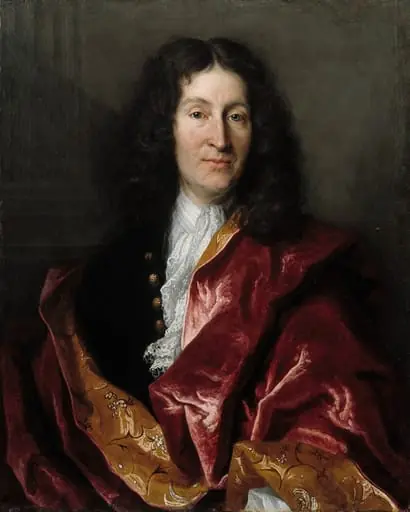 Jean de La Fontaine (?)
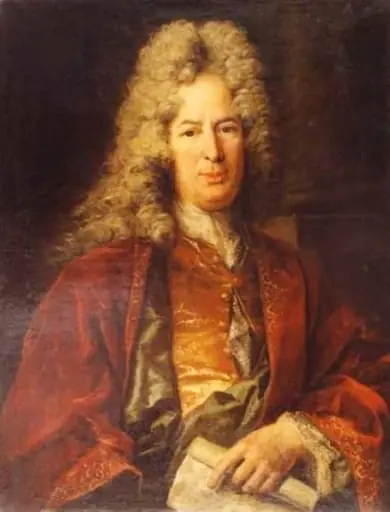 Johann Traugott von Seilen din Brașov
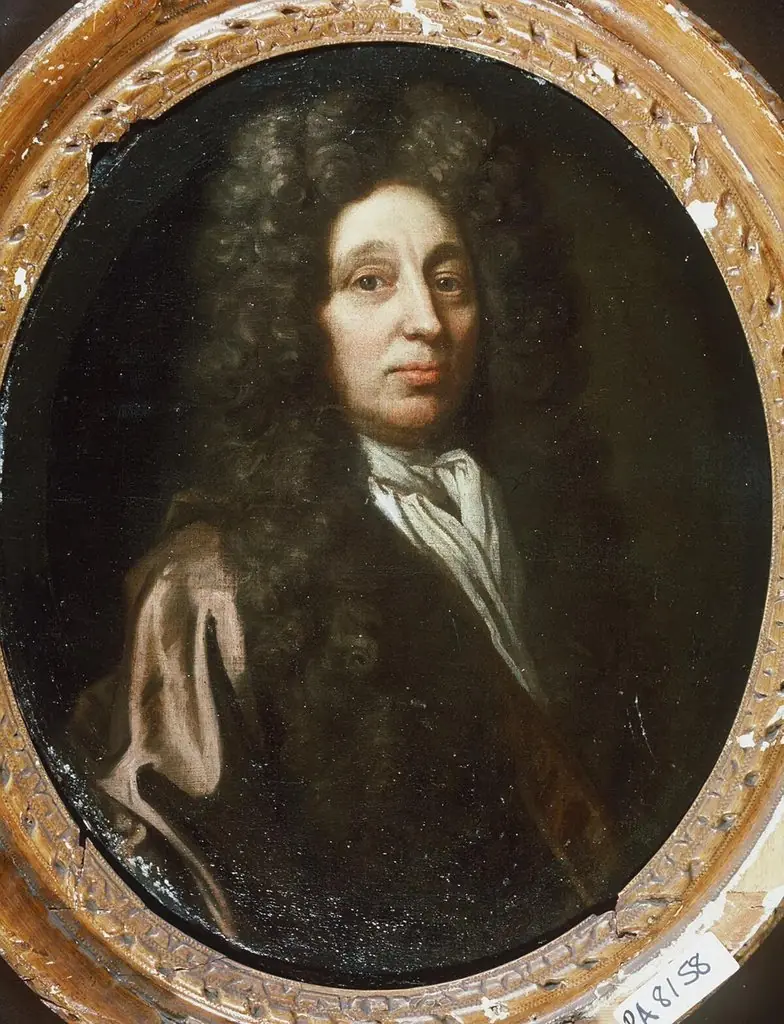 Portrait of an unknown man
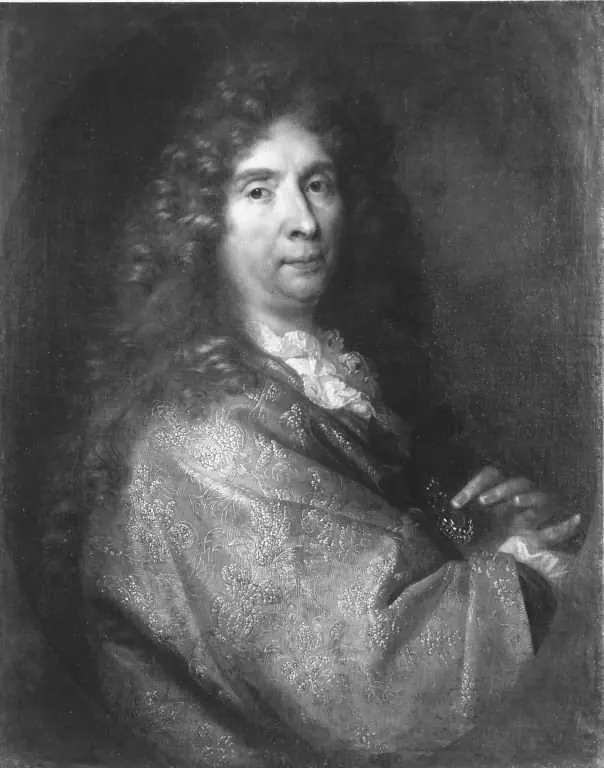 Bildnis des Charles Le Brun
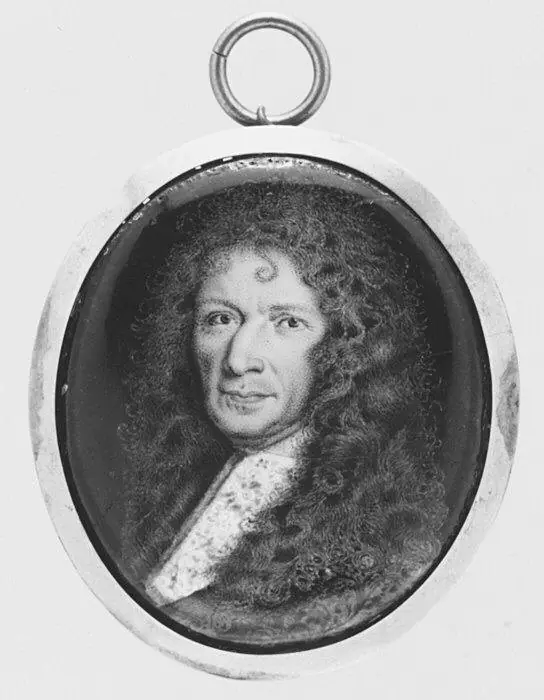 Portrait of a Man
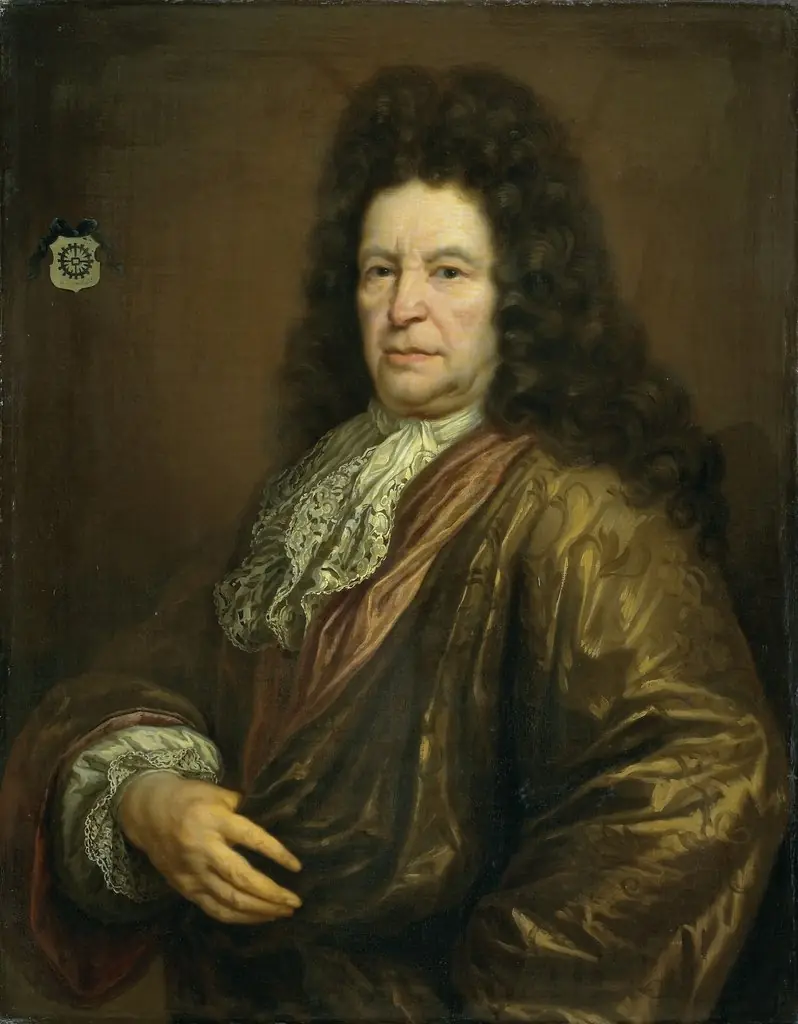 Portrait of Diederik van Hogendorp, Lord of Cromstrijen, Councilor and Steward of the Domains of Stadtholder King William III
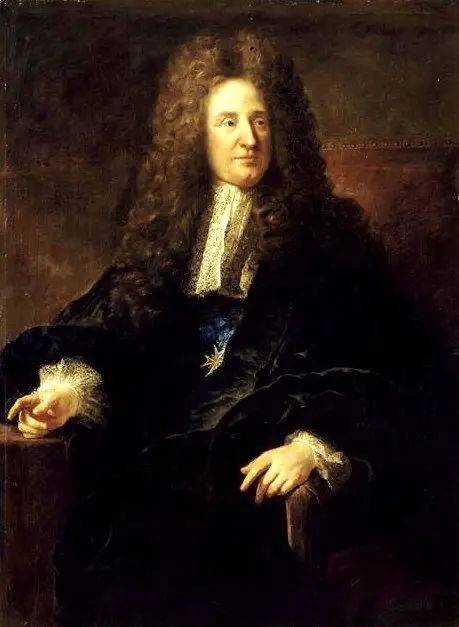 Jules Hardouin-Mansart, count of Sagonne (1646-1708)
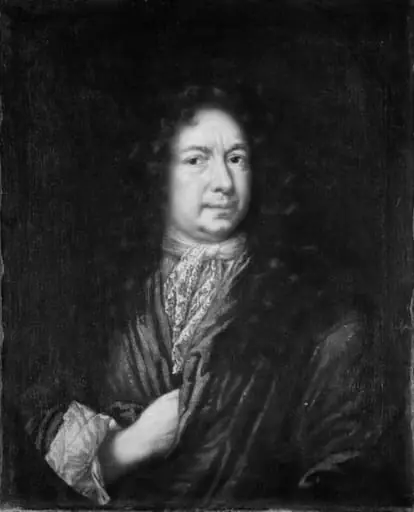 Portrait of the Artist
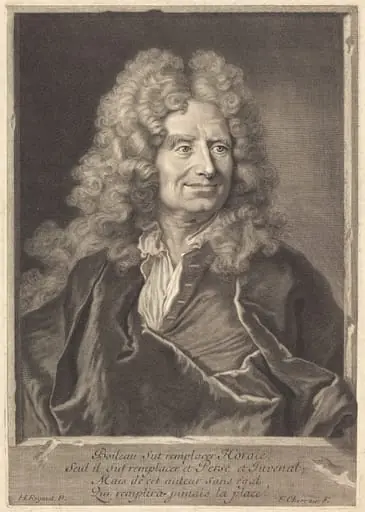 Nicholas Boileau
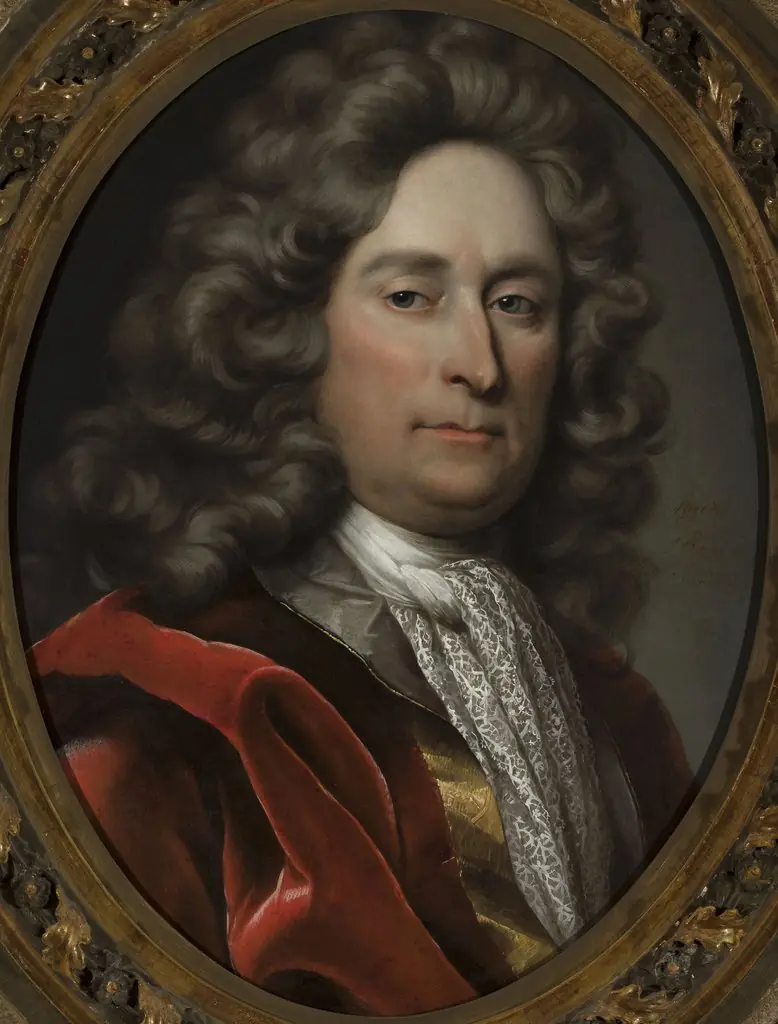 Portrait of a man in a grey wig
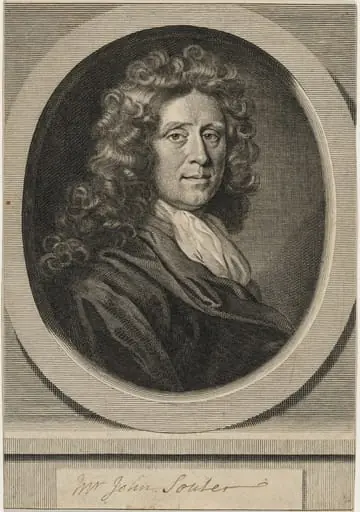 John Souter, Merchant at Exeter
 Portrait de Joseph Fleuriau d'Armenonville (1660-1728)