Artwork
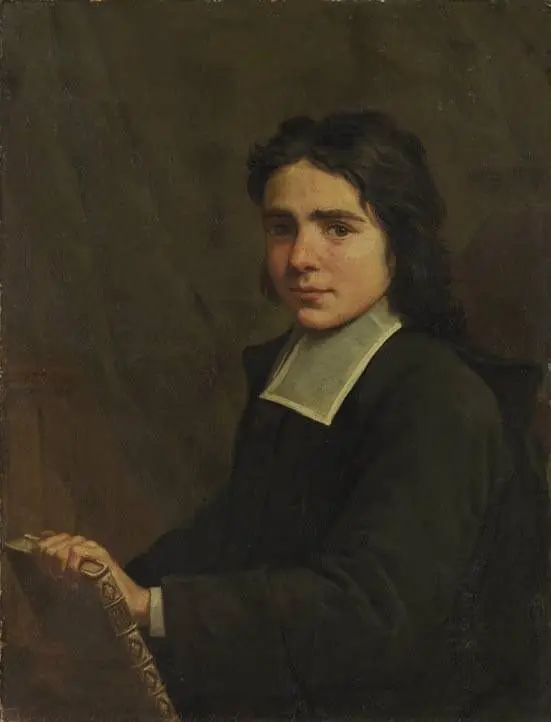
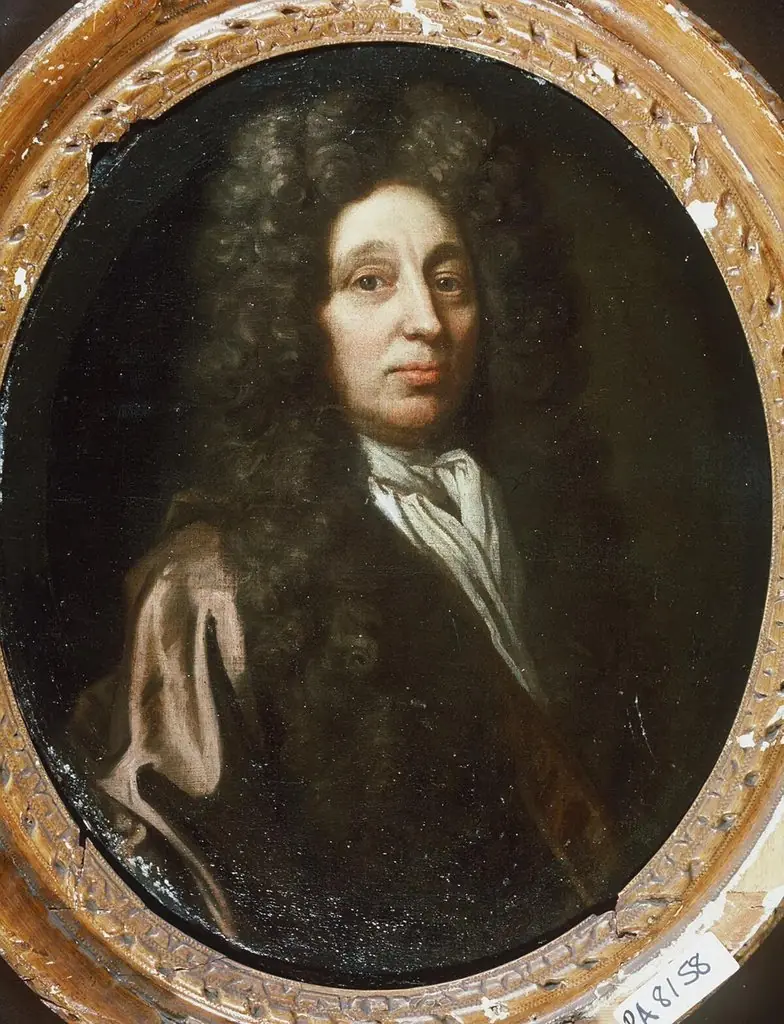
Portrait of an Unknown Man
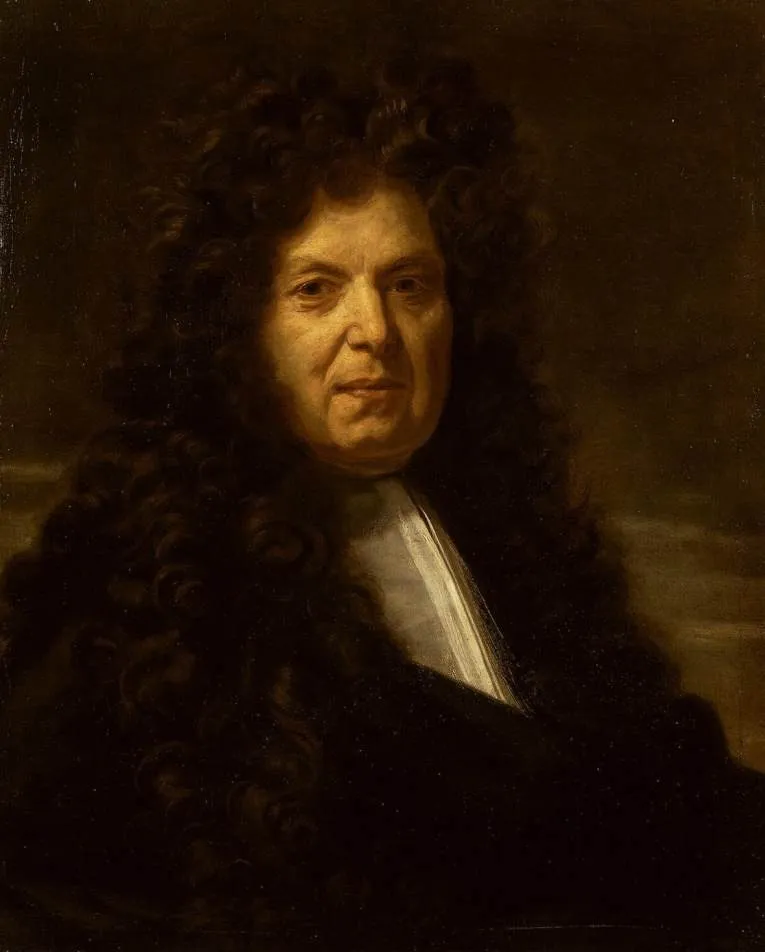
Portrait of an Unknown Man is an oil painting by the Rococo painting artist Jean Jouvenet. It dates from 1700 and is held in the collection of the Hermitage Museum.
About this work
Overview
Created in 1700, this oil portrait by French artist Jean Jouvenet presents a solitary male figure rendered in the Rococo idiom. The work is part of the State Hermitage Museum’s collection and exemplifies the painter’s capacity to move beyond his usual religious subjects into secular portraiture, offering a focused study of character and form.
Subject & Meaning
The sitter, whose identity remains unknown, is shown with dark, curly hair and a solemn expression. He wears a dark coat trimmed with a white collar, set against a muted background. His direct gaze meets the viewer, imparting a quiet intensity that invites contemplation of his personal presence rather than any narrative context.
Technique & Style
Jouvenet employs chiaroscuro to model the figure, using stark light‑dark contrasts that give the face and clothing a three‑dimensional quality. The oil medium allows for subtle texture in the hair and fabric, while the smooth handling of paint captures fine details, creating a realistic yet refined surface typical of early Rococo portraiture.
History & Provenance
After its completion, the portrait entered a private collection before being acquired by the State Hermitage Museum, where it remains on display. Its provenance traces a path from early 18th‑century France to Russia, reflecting the broader European circulation of French art during the period.
Artist & collection
Artist
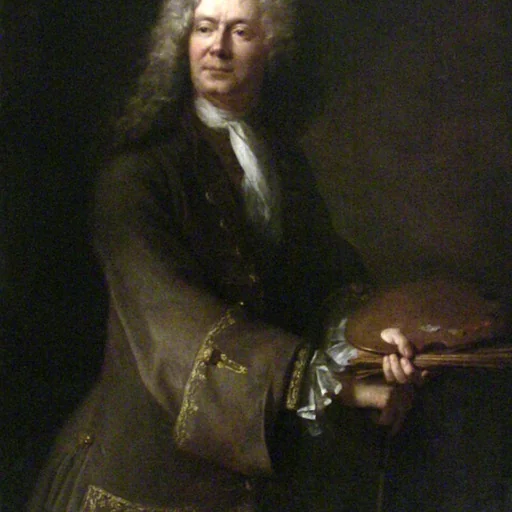
Jean-Baptiste Jouvenet (French pronunciation: ; 1 May 1644 – 5 April 1717) was a French painter, especially of religious subjects.

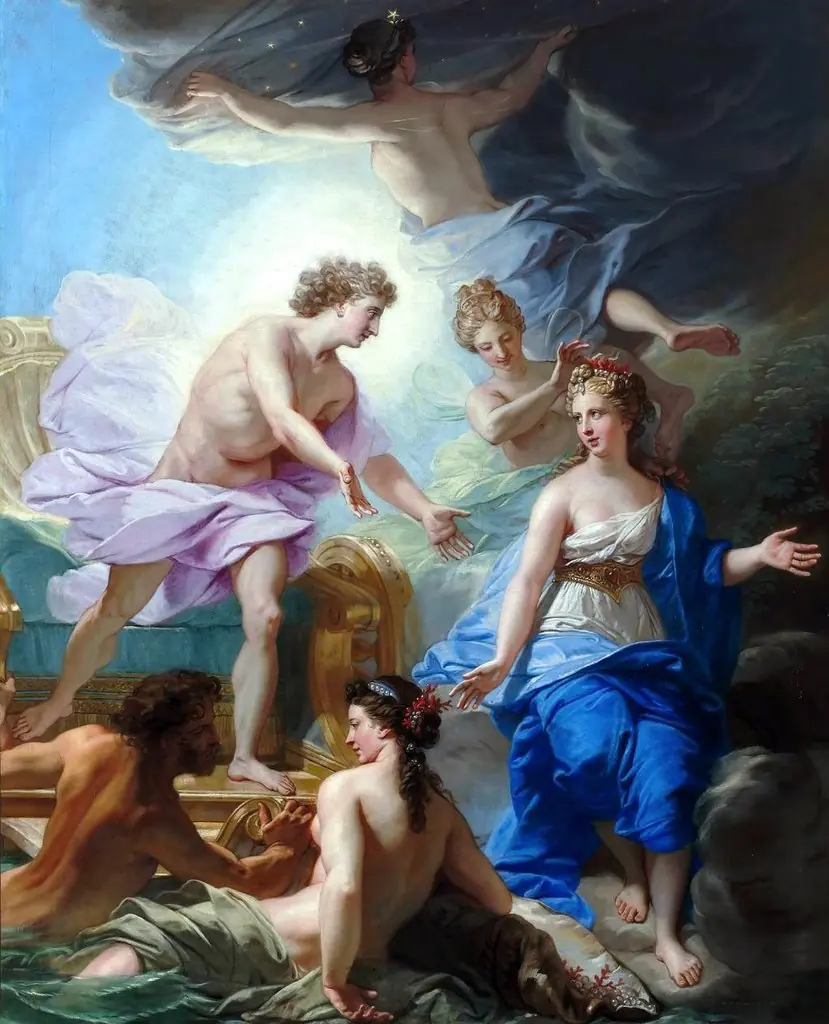
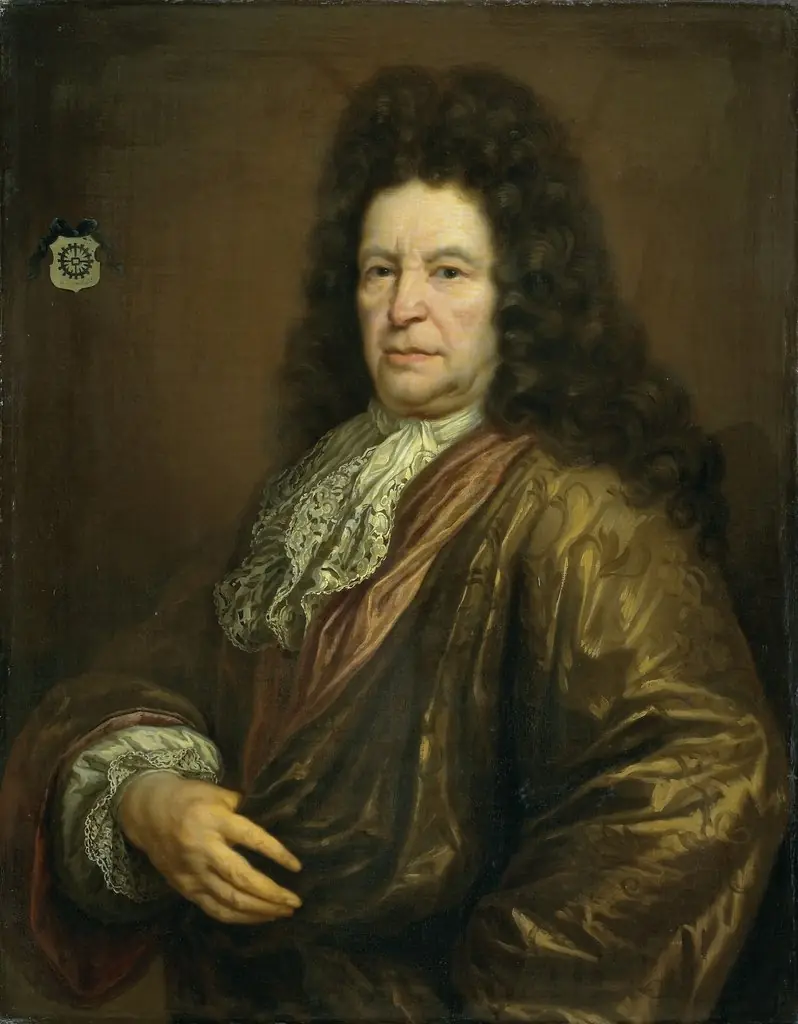 Portrait of Diederik van Hogendorp, Lord of Cromstrijen, Councilor and Steward of the Domains of Stadtholder King William III
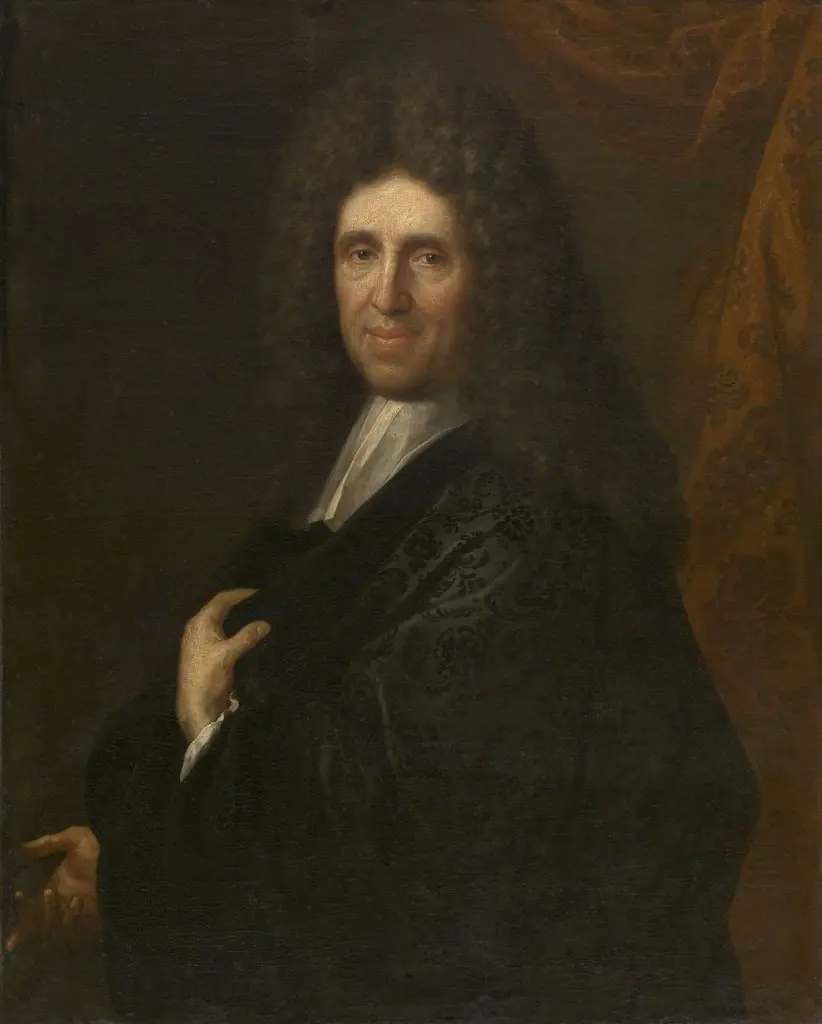 Gregorius Martens, Mayor of Antwerp and Dean of the Guild of Saint Luke
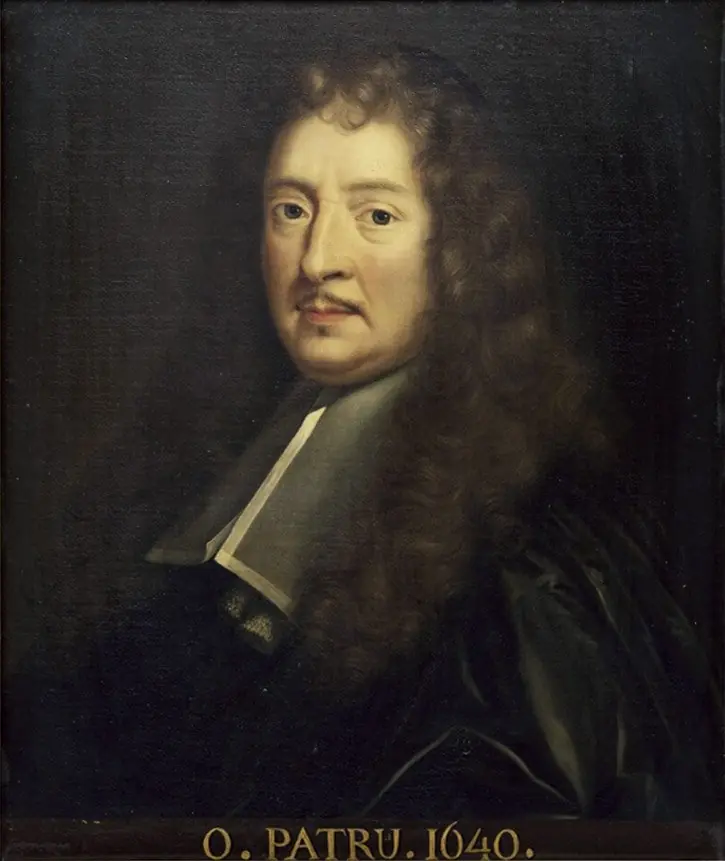 Olivier Patru (1604-1681), avocat au Parlement de Paris, membre de l'Académie française
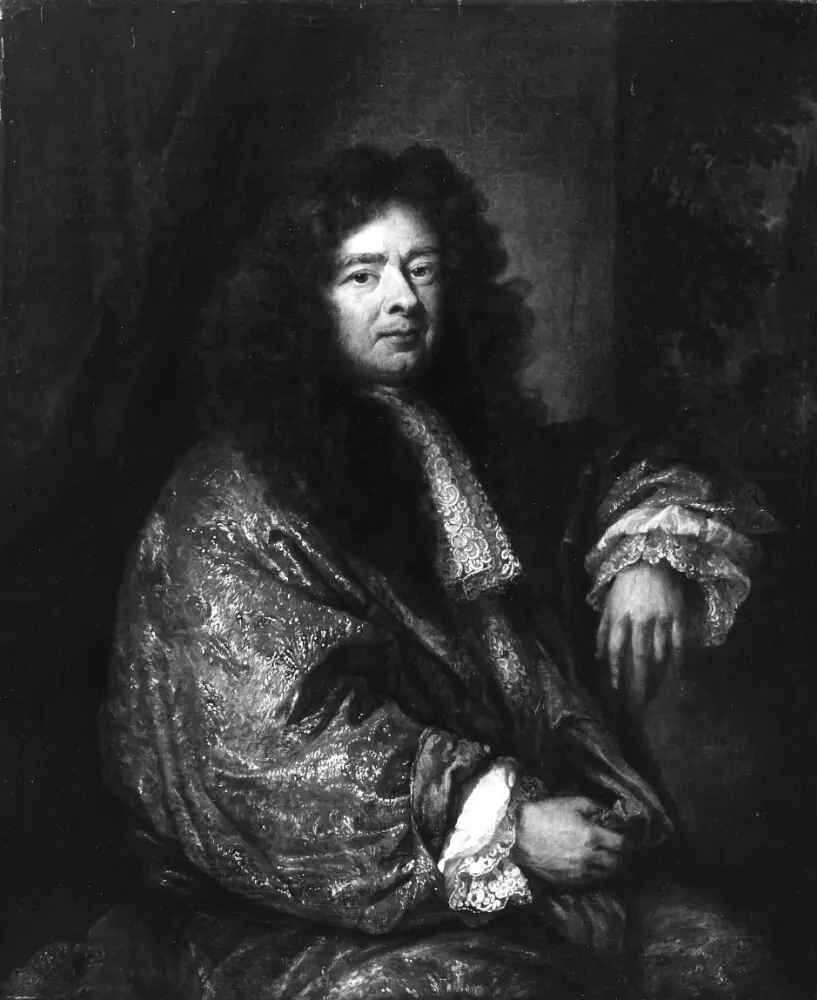 Portrait of a Man in a Gold-embroidered Coat
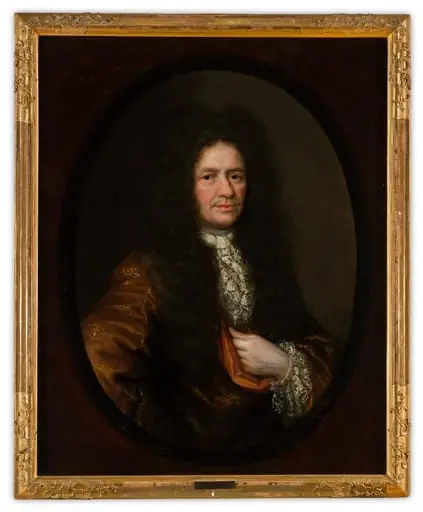 Hovioikeuden varapresidentti Henrik Georg Falkenberg af Bålby
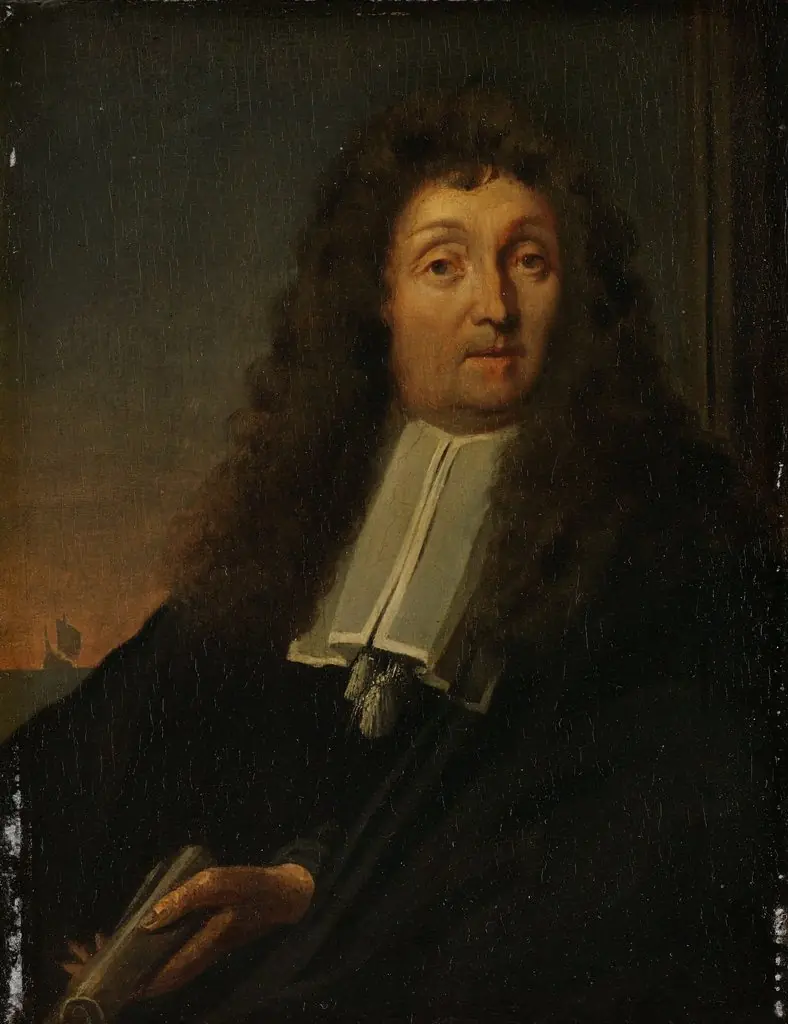 Self portrait
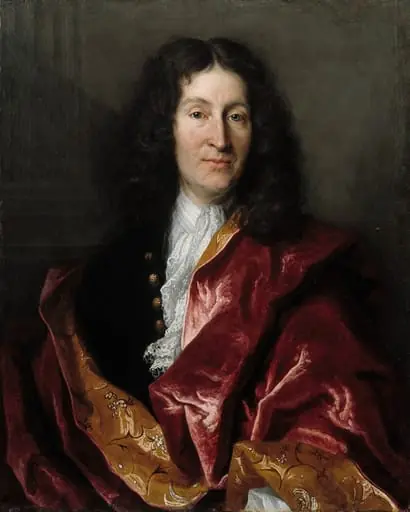 Jean de La Fontaine (?)
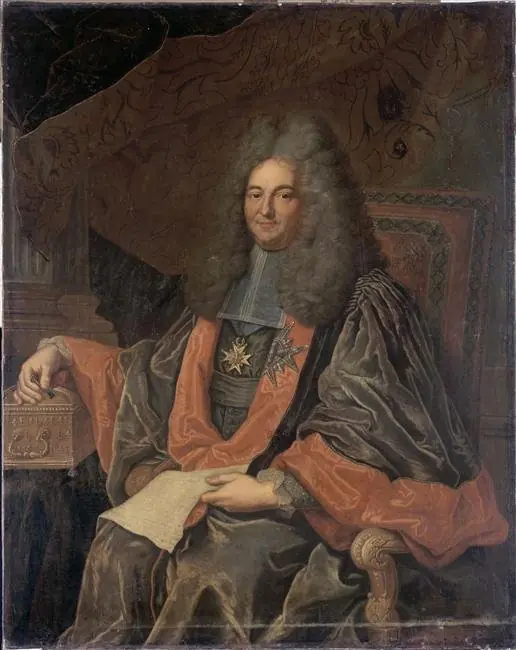 Portrait de Joseph Fleuriau d'Armenonville (1660-1728)
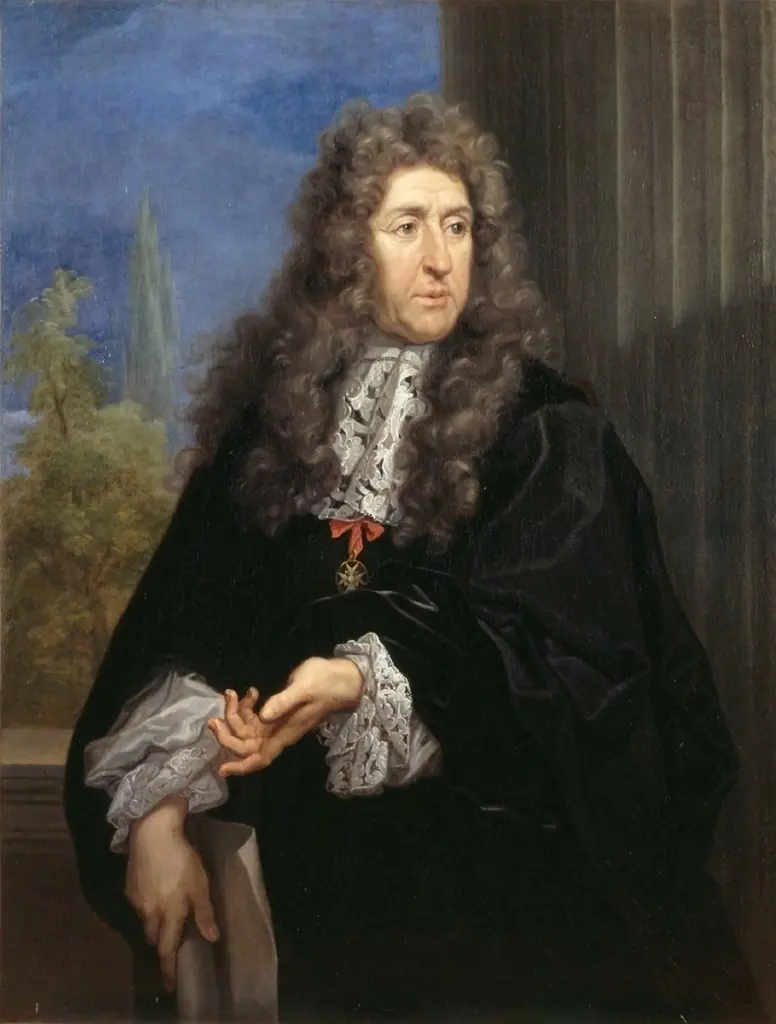 André Le Nôtre
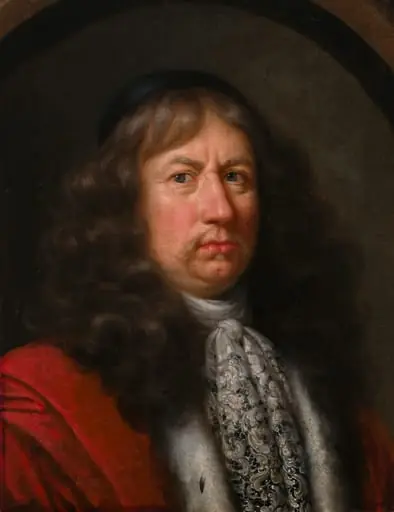 Valtioneuvos, kreivi Bengt Oxenstjernan muotokuva
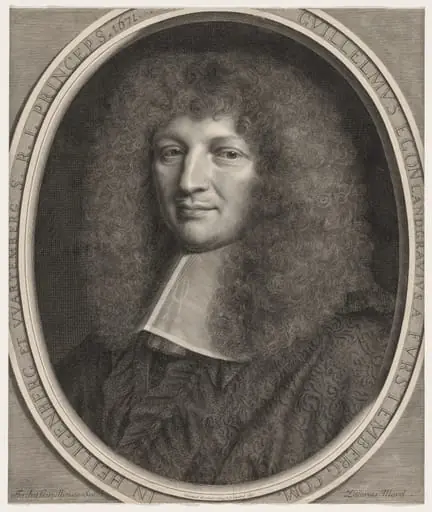 Cardinal of Furstenberg
 Portrait of an unknown man