Artwork
Jean de La Fontaine (?)
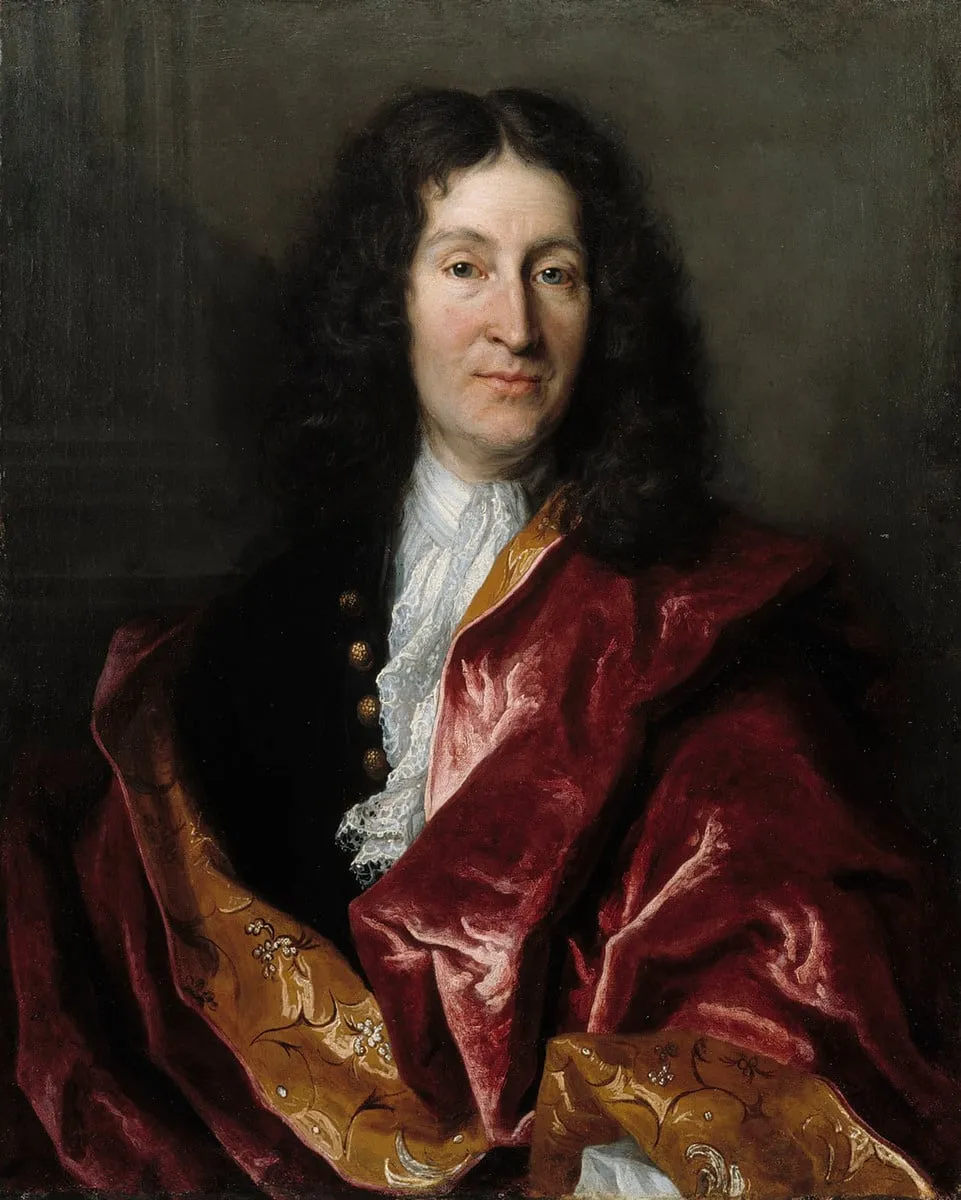
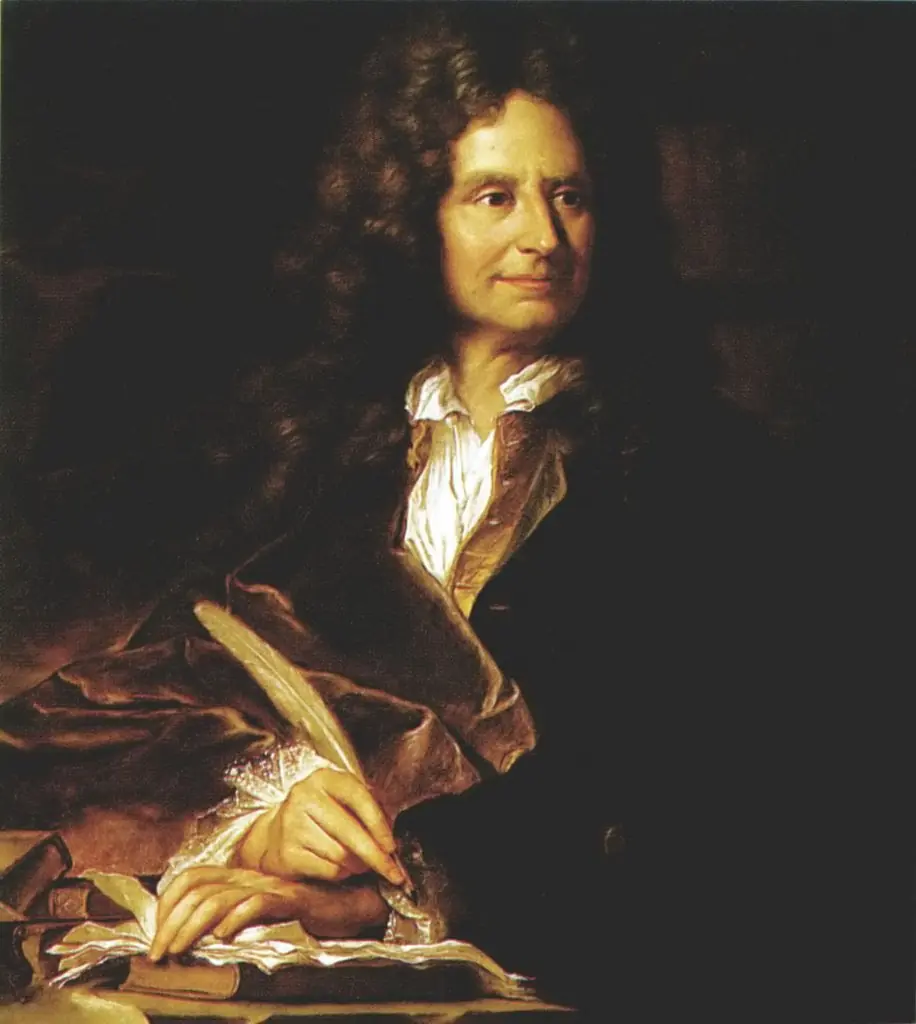
Jean de La Fontaine (?) is an unspecified painting by Henri Millot. It is held in the collection of the Finnish National Gallery. This portrait depicts a man dressed in an elaborate red robe adorned with gold embroidery, set against a dark, unbroken background.
About this work
Overview
This portrait depicts a man dressed in an elaborate red robe adorned with gold embroidery, set against a dark, unbroken background.
This portrait depicts a man dressed in an elaborate red robe adorned with gold embroidery, set against a dark, unbroken background. The composition isolates the figure, drawing attention to his facial expression and attire. Subtle lighting enhances the texture of fabric and skin, creating a quiet intensity. The style suggests a 17th-century French or Flemish origin, though the subject’s identity remains uncertain.
Subject & Meaning
The figure is believed by some to be Jean de La Fontaine, the famed French fabulist, though this attribution lacks definitive evidence. His composed demeanor, refined clothing, and restrained smile suggest a man of intellect and social standing. The portrait conveys dignity rather than grandeur, emphasizing quiet authority over theatrical display, consistent with literary figures of the era.
Technique & Style
The artist employs chiaroscuro to model the face and robe, using soft gradations of light to define form against the deep background. Fine brushwork captures the sheen of gold embroidery and the delicate transparency of the lace collar. The restrained palette and lack of contextual detail focus the viewer’s attention entirely on the subject’s presence, reflecting a preference for psychological realism over narrative.
History & Provenance
The painting’s early ownership is undocumented, and its attribution to La Fontaine remains speculative. It entered institutional collections in the 19th century, where it was tentatively linked to the poet based on stylistic parallels with known portraits. No contemporary records confirm the sitter’s identity, leaving the connection as a plausible but unverified tradition.
Context
Created during a period when French literary figures were increasingly portrayed as cultural icons, this portrait aligns with a trend of dignified, intimate likenesses. Unlike courtly portraits, it avoids symbols of power, instead highlighting personal refinement. Such images reflected the rising status of writers and thinkers in early modern European society.
Legacy
Though not widely reproduced, the portrait endures as a representative example of 17th-century French portraiture that prioritizes subtlety over spectacle. Its association with La Fontaine, however tenuous, has ensured its continued presence in discussions of literary iconography. It remains a quiet testament to the visual culture of intellectual life in early modern France.
Artist & collection

 Vicontele d' Argesson
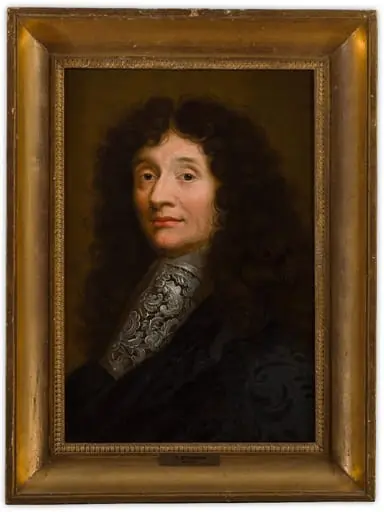 Markiisi Simon Arnauld de Pomponne
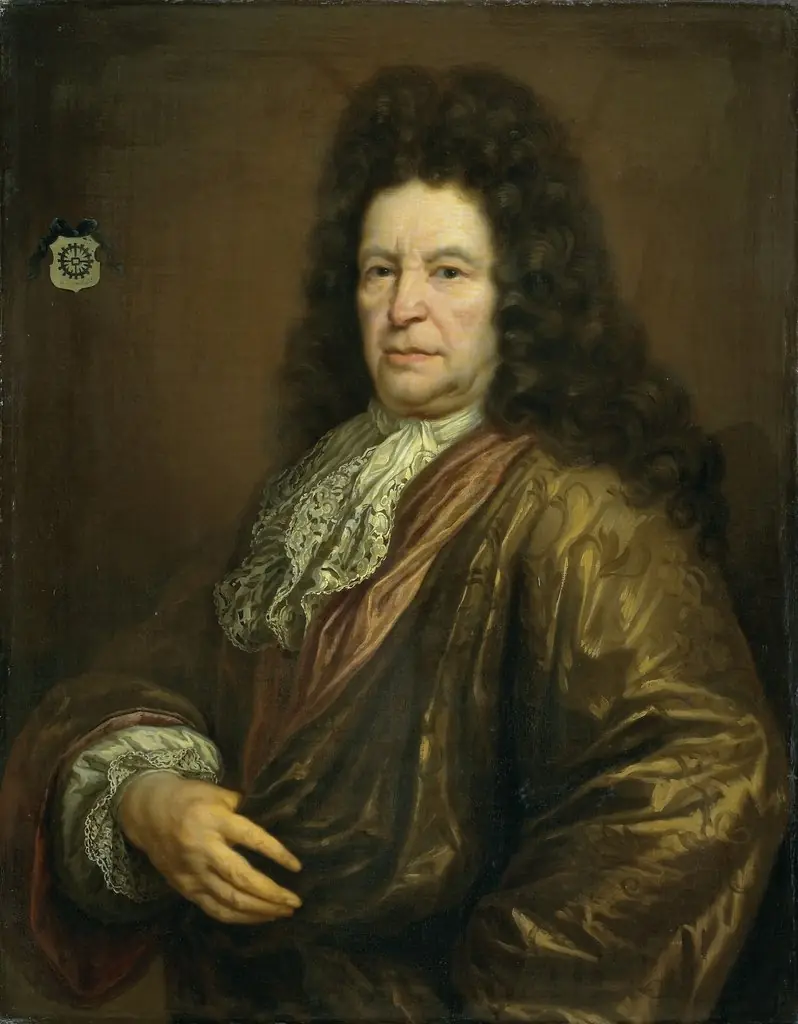 Portrait of Diederik van Hogendorp, Lord of Cromstrijen, Councilor and Steward of the Domains of Stadtholder King William III
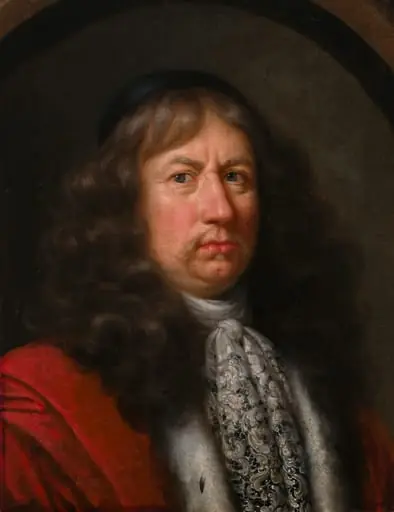 Valtioneuvos, kreivi Bengt Oxenstjernan muotokuva
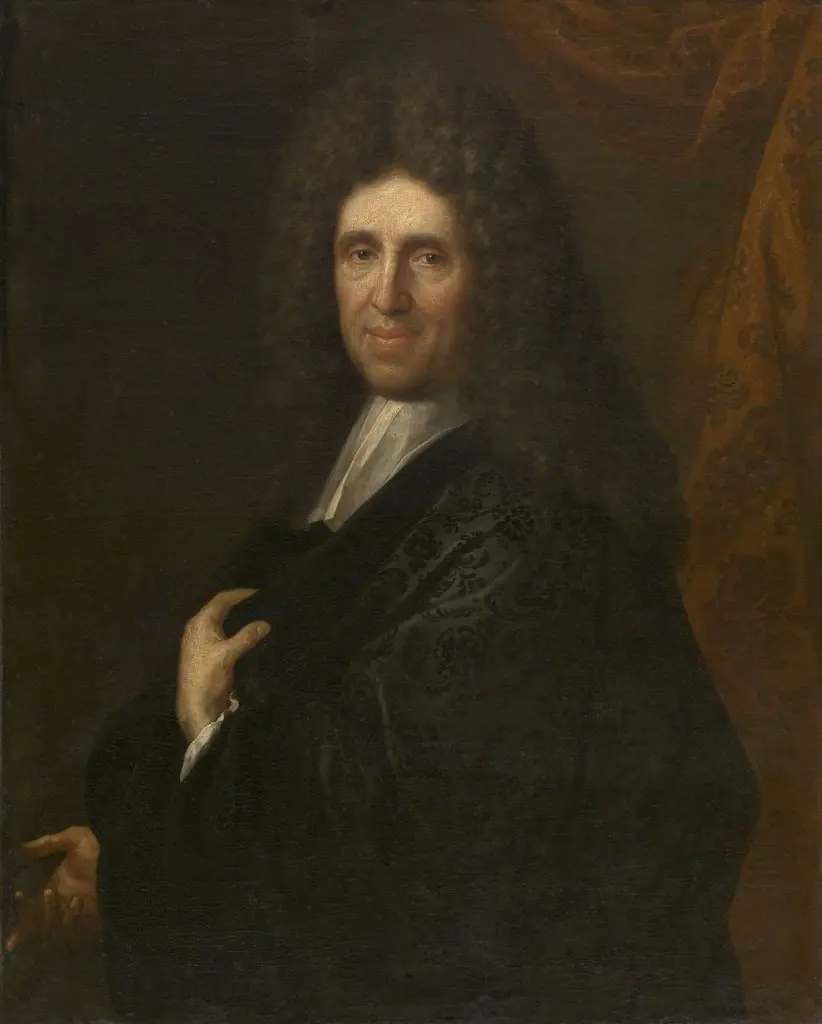 Gregorius Martens, Mayor of Antwerp and Dean of the Guild of Saint Luke
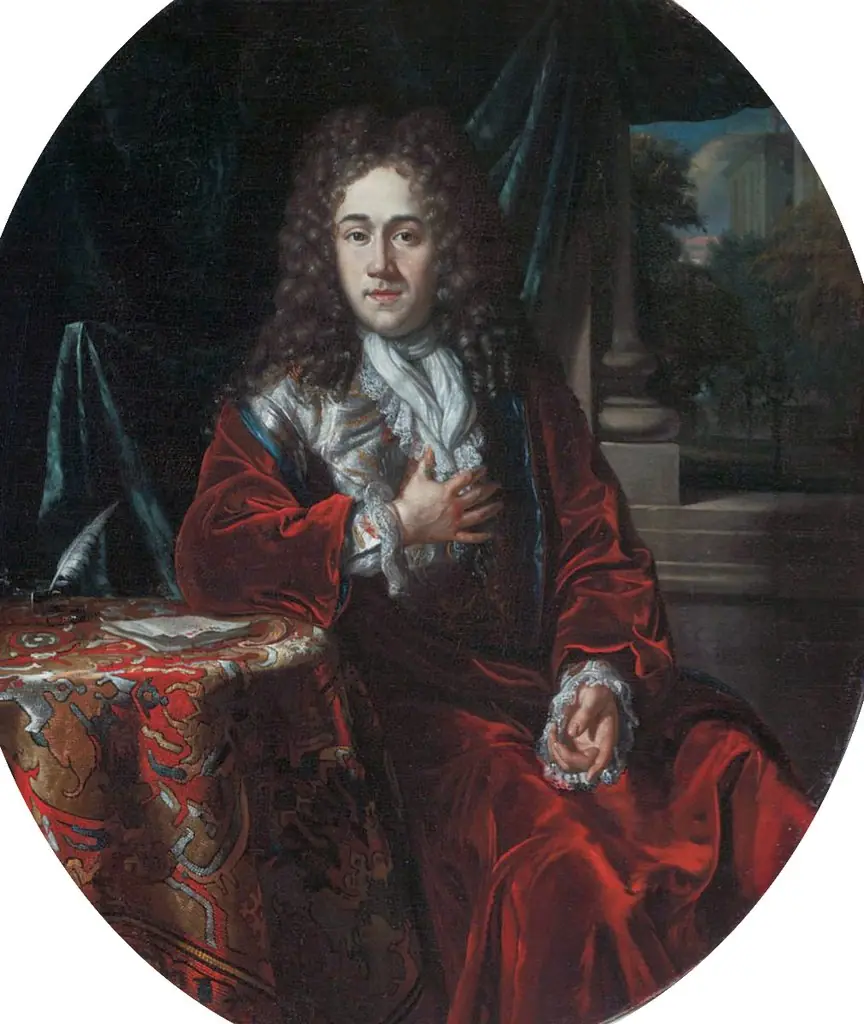 Arent van der Houven
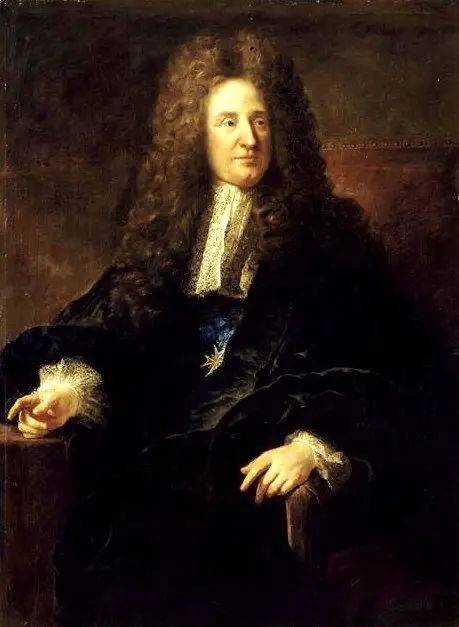 Jules Hardouin-Mansart, count of Sagonne (1646-1708)
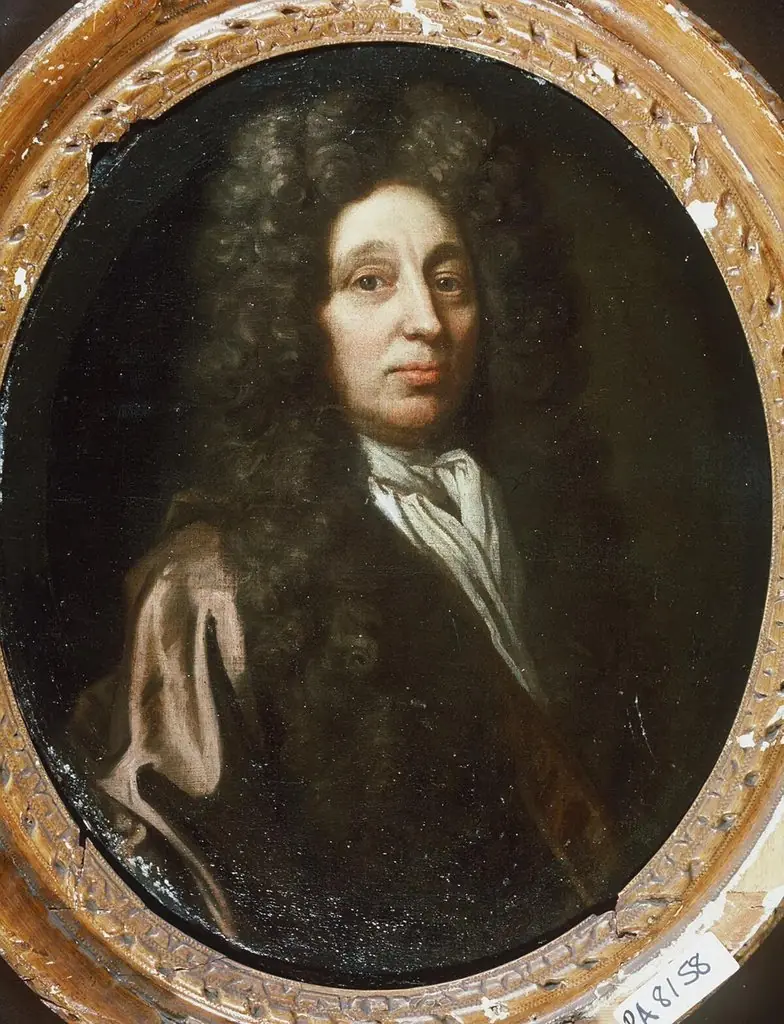 Portrait of an unknown man
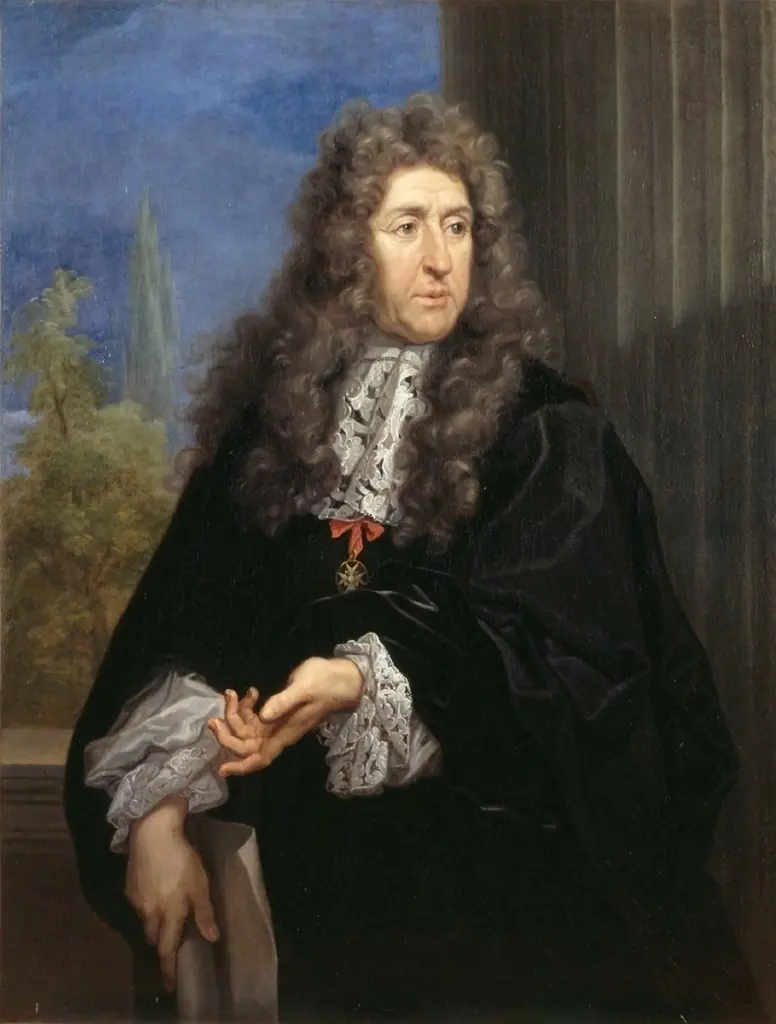 André Le Nôtre
 Nicolas Boileau-Despréaux
 Portrait of an Unknown Man
 Portrait of a Young Man