Artwork
Astronomia
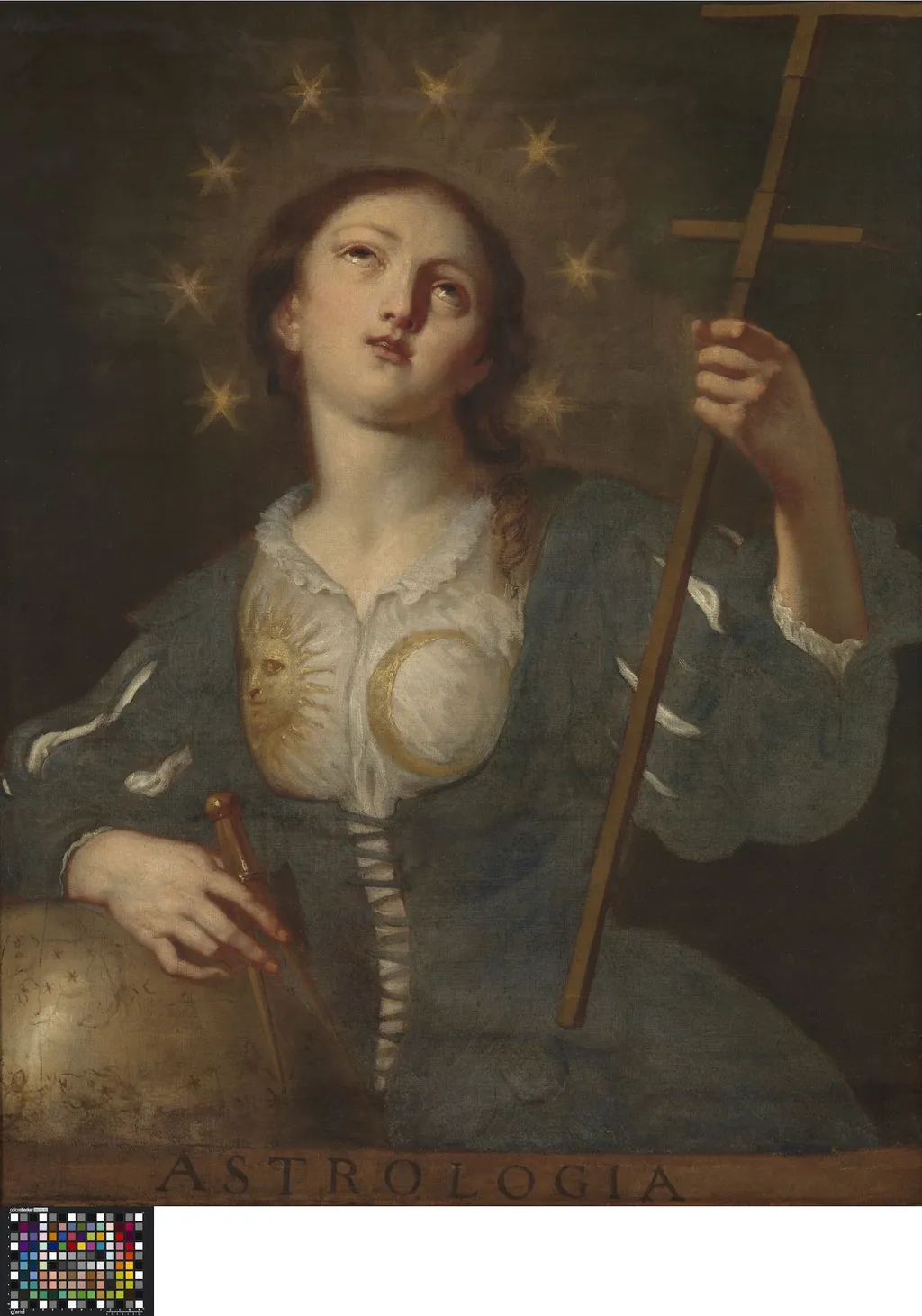
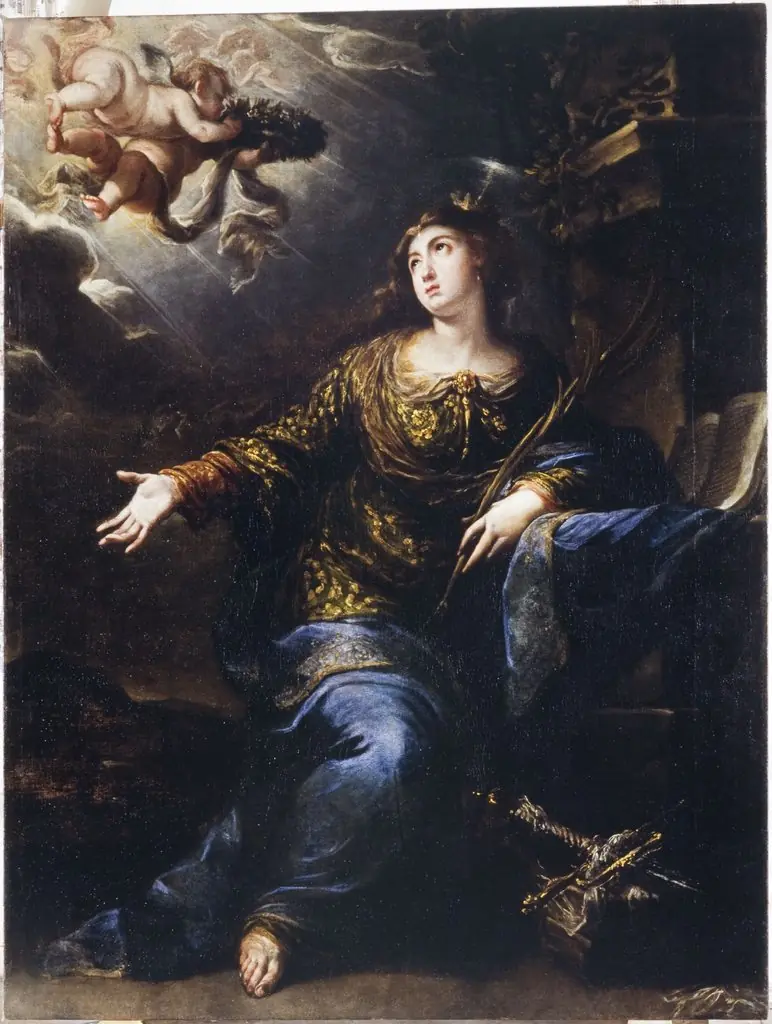
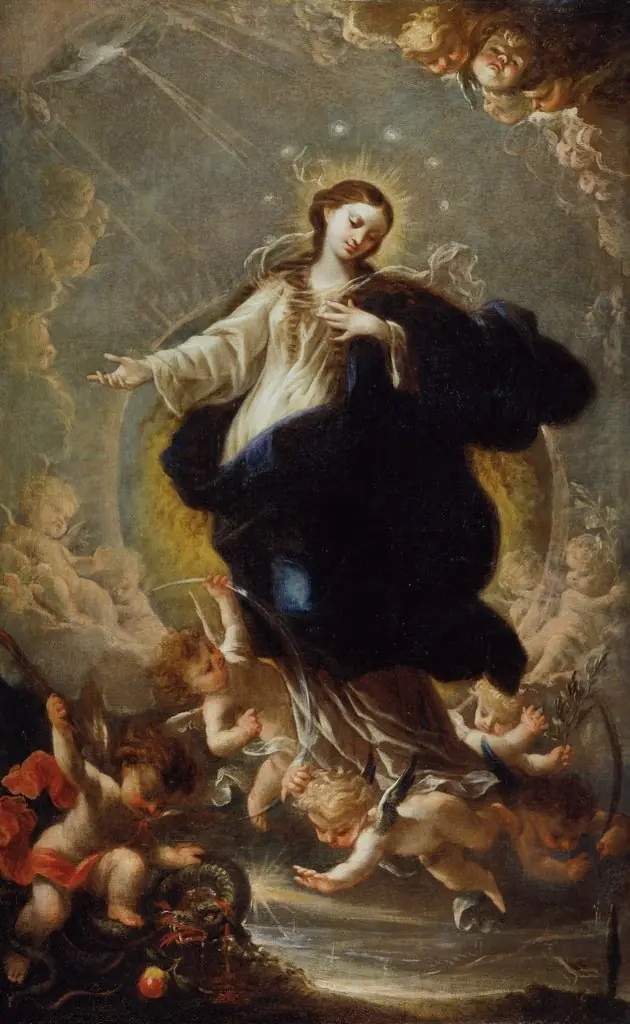
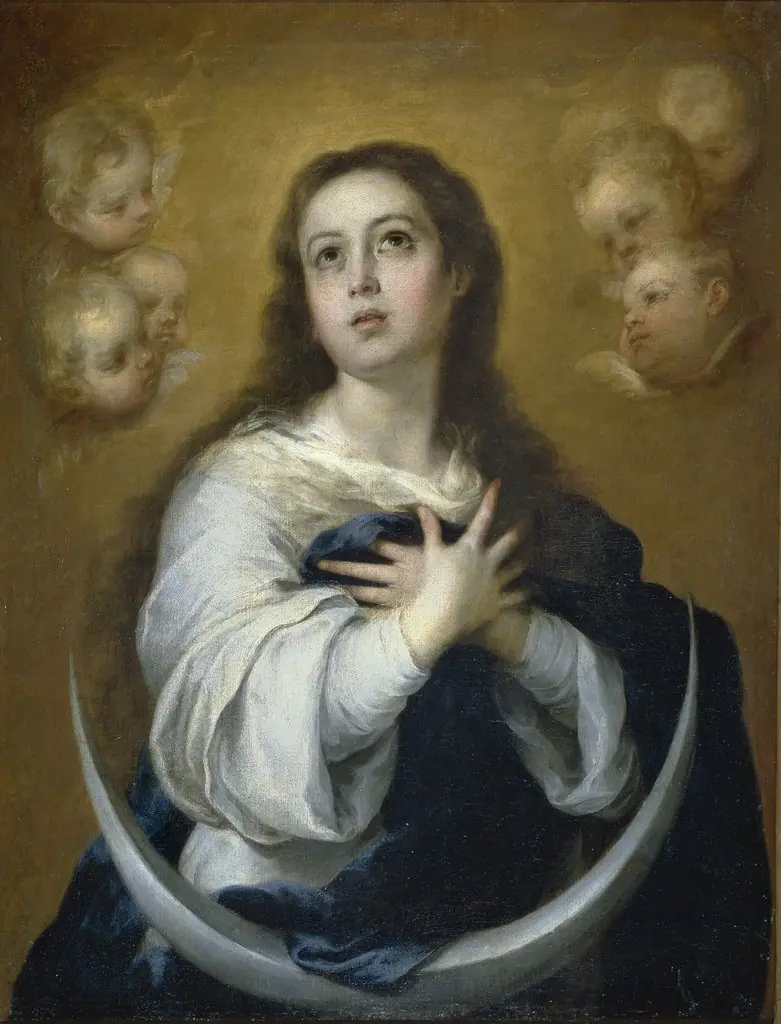
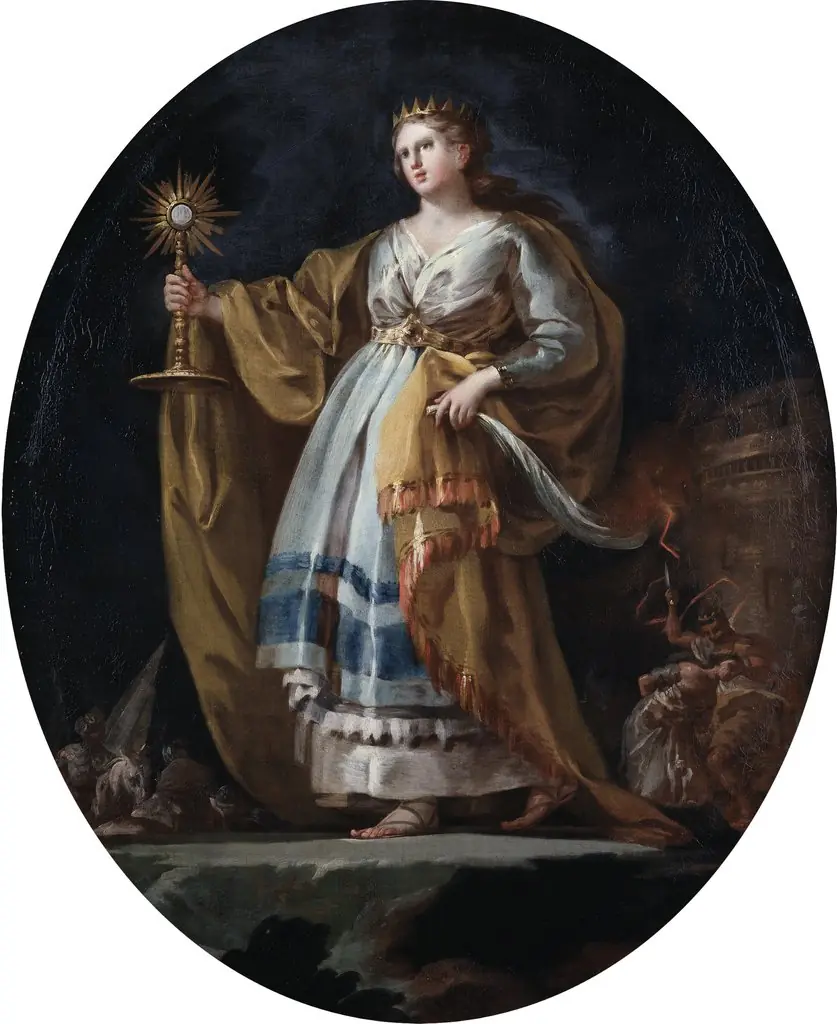
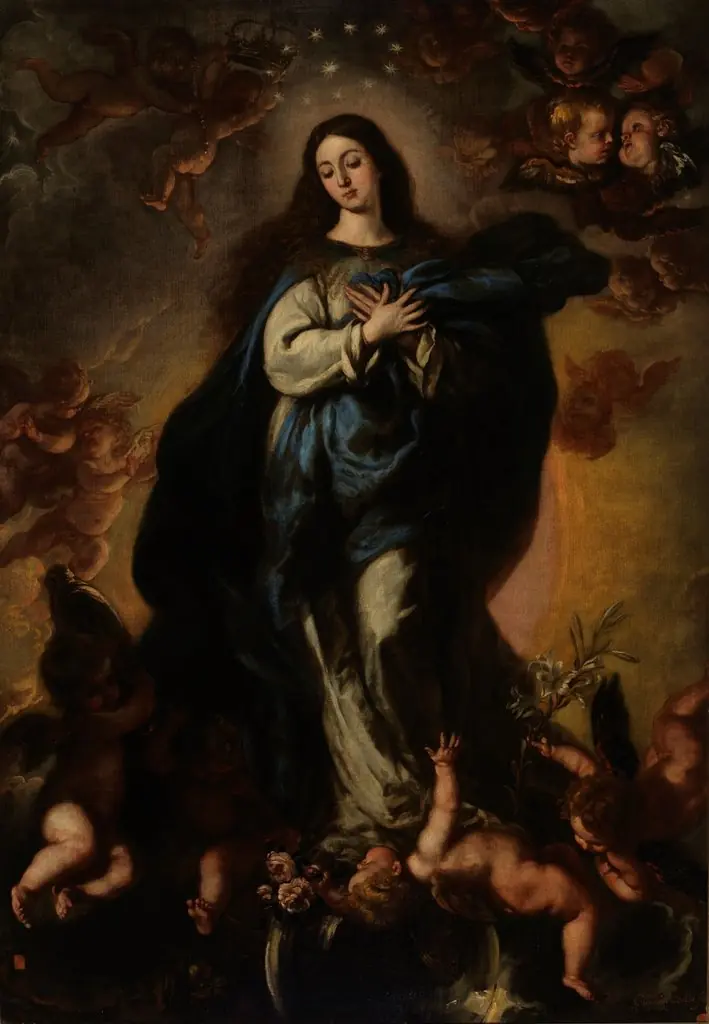
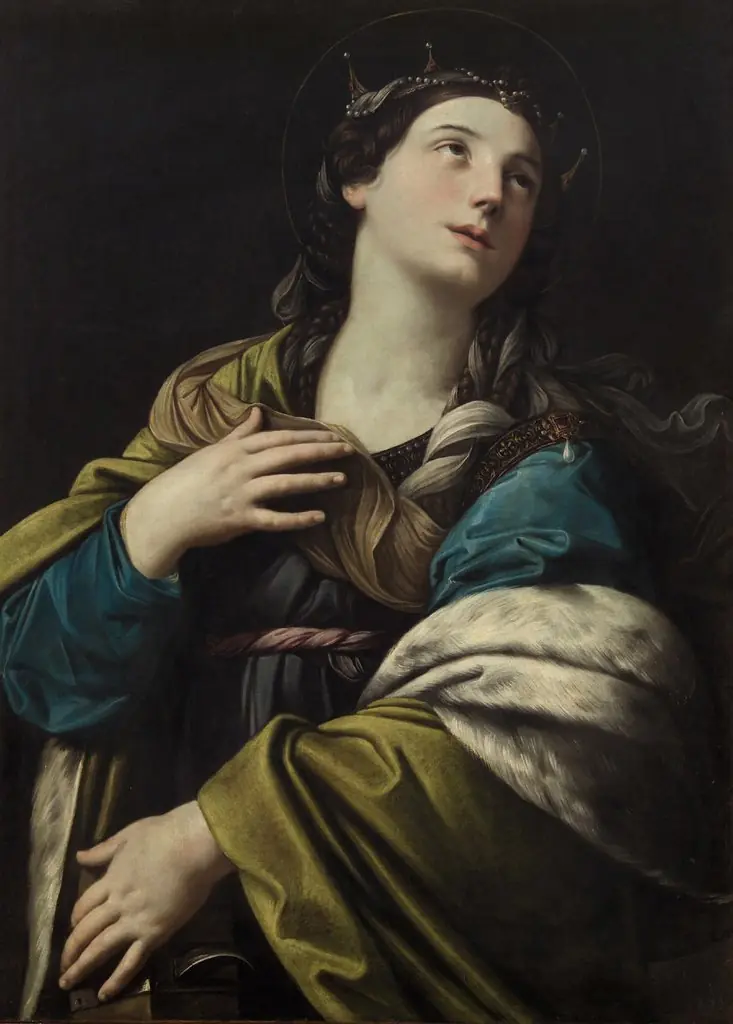
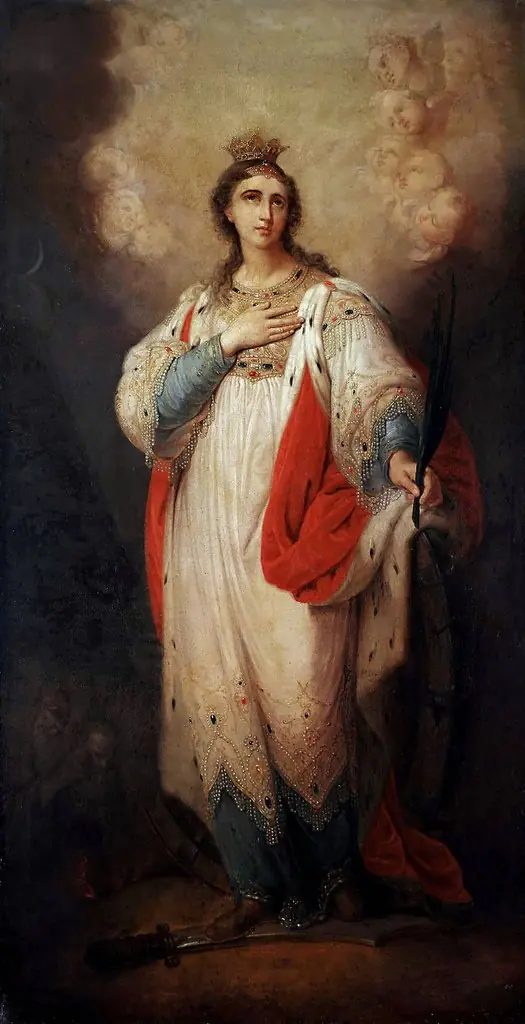
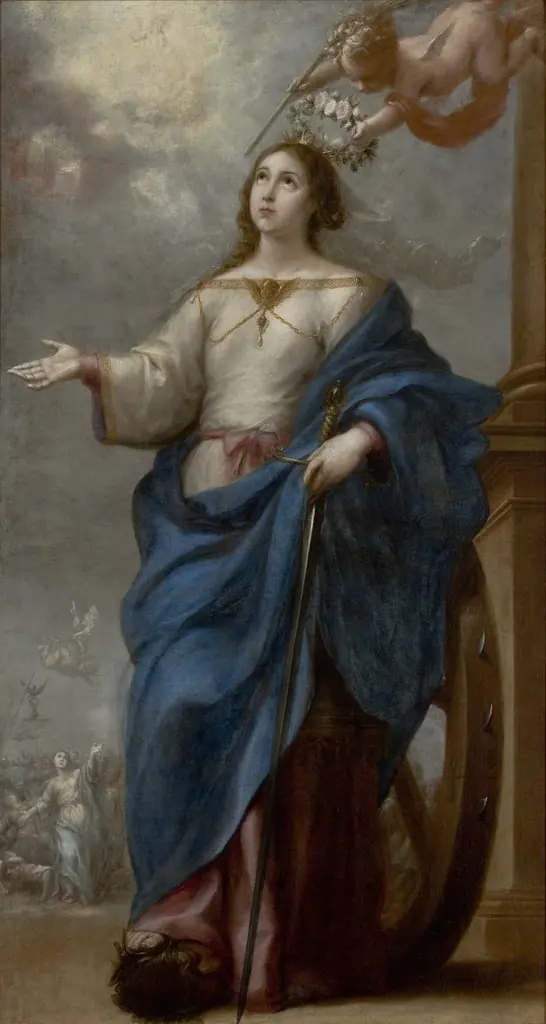
Astronomia is an oil painting by the Dutch Golden Age artist Unknown. It dates from 1651 and is held in the collection of the Groeningemuseum. This oil painting depicts a female figure in a blue robe with white edging, holding a staff in one hand and a sword in the other.
About this work
Overview
This oil painting depicts a female figure in a blue robe with white edging, holding a staff in one hand and a sword in the other.
This oil painting depicts a female figure in a blue robe with white edging, holding a staff in one hand and a sword in the other. Her attire includes a white tunic adorned with gold symbols of the sun and moon. Above her, stars and a circular halo suggest celestial association. Her gaze is directed upward and to the right, creating a sense of contemplation or divine attention. The medium and composition point to a late medieval or early Renaissance origin.
Subject & Meaning
The figure’s attributes—staff, sword, celestial symbols, and halo—align with representations of astronomical or divine women in religious or mythological traditions. The sun and moon on her tunic may symbolize cosmic order or duality, while the halo implies sanctity. Her upward gaze and celestial backdrop suggest a connection to heavenly knowledge, possibly personifying Astronomia, the personified muse of astronomy, or a saint associated with celestial wisdom.
Technique & Style
Oil paint is applied with careful layering to render texture in fabric and luminosity in the halo and metallic symbols. The figure’s drapery is rendered with subtle gradations, suggesting awareness of light and volume. The background is minimally detailed, focusing attention on the central figure. The stylized rendering of stars and the rigid posture reflect conventions of early Northern European religious painting, prioritizing symbolic clarity over naturalism.
History & Provenance
The painting’s origin is undocumented in public records, but its materials and iconography suggest it was created in the 15th or early 16th century, likely in the Low Countries or southern Germany. It may have been part of a devotional or scholarly context, possibly commissioned for a monastery or university setting. No known artist signature or documented ownership chain exists, limiting precise attribution.
Context
During the late Middle Ages and early Renaissance, personifications of the liberal arts, including Astronomy, were common in academic and ecclesiastical art. Figures like this one often appeared in manuscripts or altarpieces to represent intellectual pursuits aligned with divine order. The blending of Christian symbolism with classical motifs reflects the period’s effort to reconcile faith with emerging scientific inquiry.
Legacy
This work contributes to a broader visual tradition of allegorical female figures representing celestial knowledge. Though not widely known today, it reflects the enduring cultural practice of visualizing abstract concepts through human form. Its preservation offers insight into how pre-modern societies encoded scientific and spiritual ideas in religious imagery, influencing later iconographic developments in scientific illustration.
Artist & collection

 Domestic Scene
 Giacomo and Cardinal Marco, investing Andrea, Abbot of San Zeno, with his Benefice
 The Nymph of Fontainebleau
 Portrait of a Woman
 Madonna and Child with Saints in the Enclosed Garden
 Venus and Minerva
 Family Group of Four on Sofa
 Wall painting from Room H of the Villa of P. Fannius Synistor at Boscoreale