Artwork
The Immaculate Conception
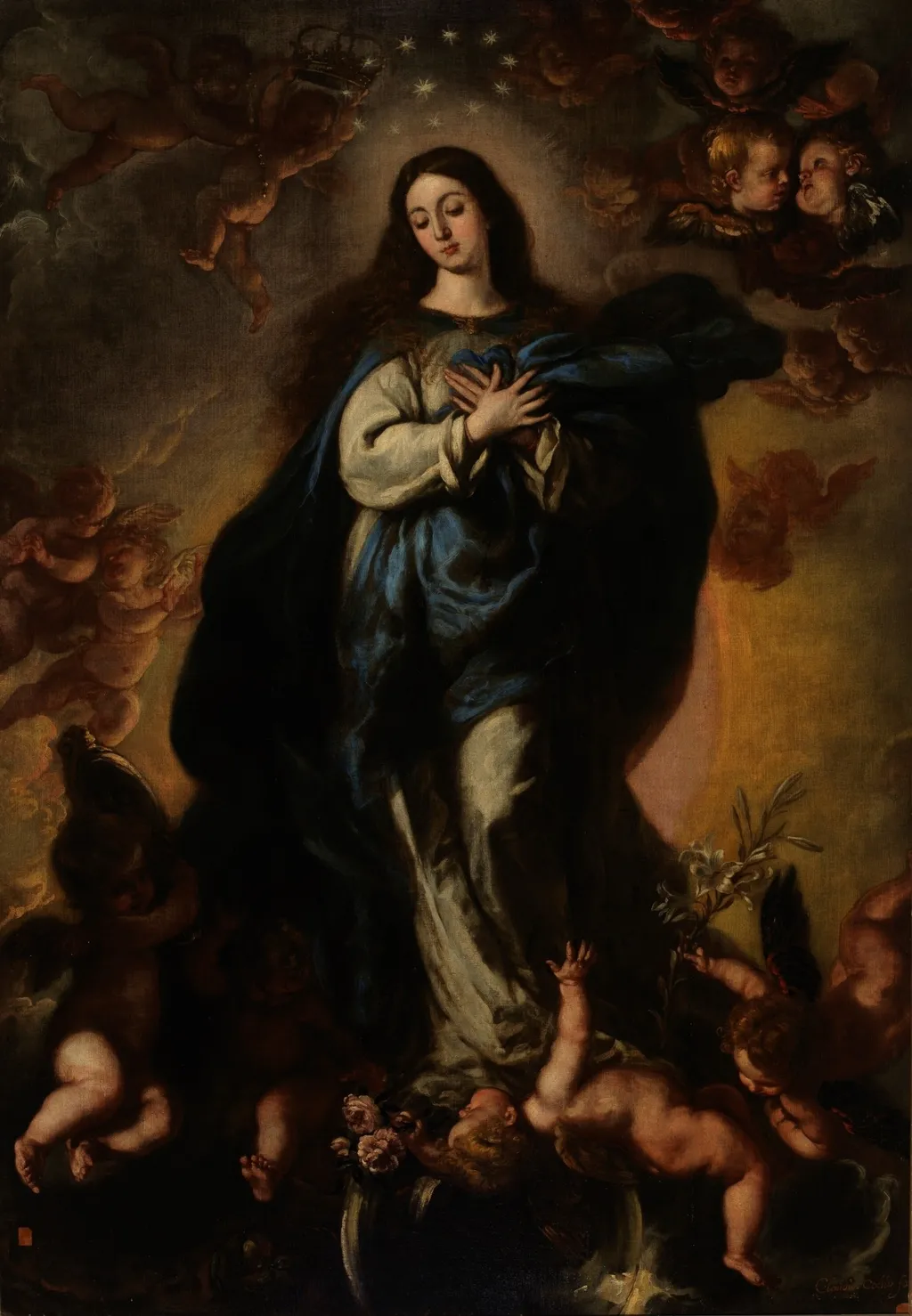
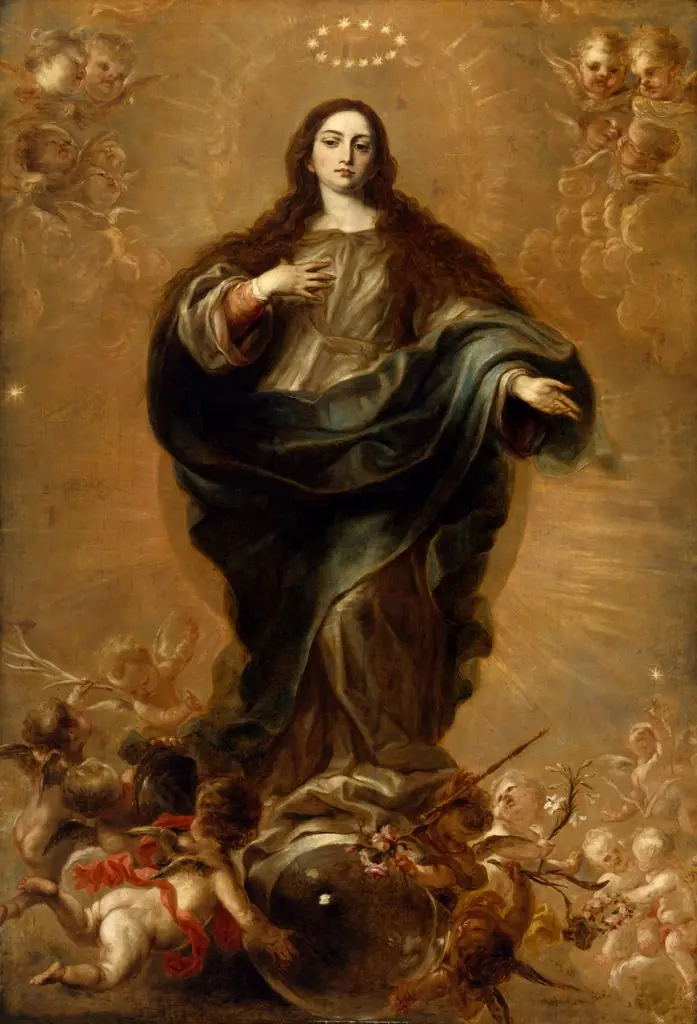
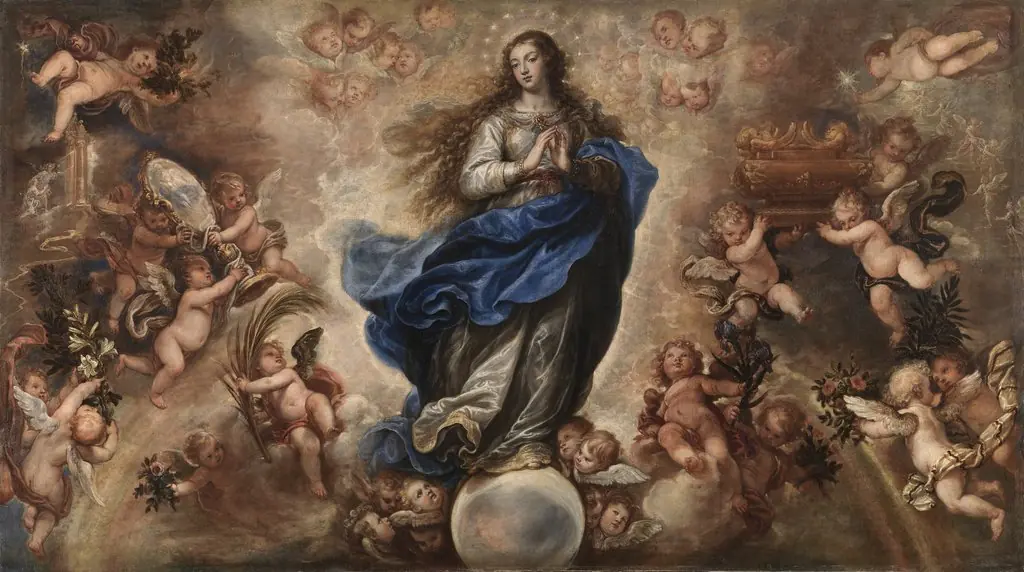
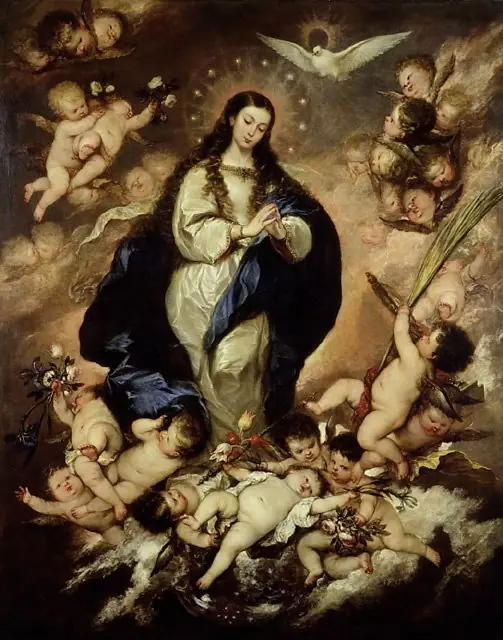
The Immaculate Conception is an oil painting by the Early Baroque Italian artist Claudio Coello. It dates from 1651 and is held in the collection of the Museo de la Trinidad.
About this work
Overview
Created in 1651, *The Immaculate Conception* is an oil painting by Claudio Coello, a Spanish‑Portuguese artist active in the Baroque period. The work is part of the Prado Museum’s collection in Madrid and exemplifies the religious subject matter typical of the era.
Subject & Meaning
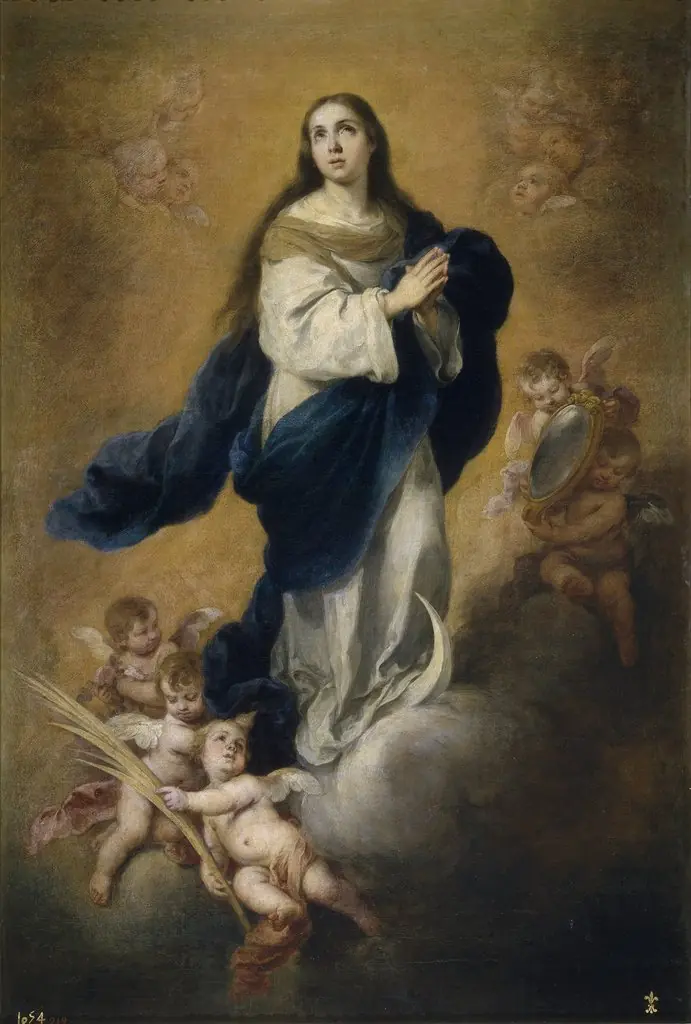
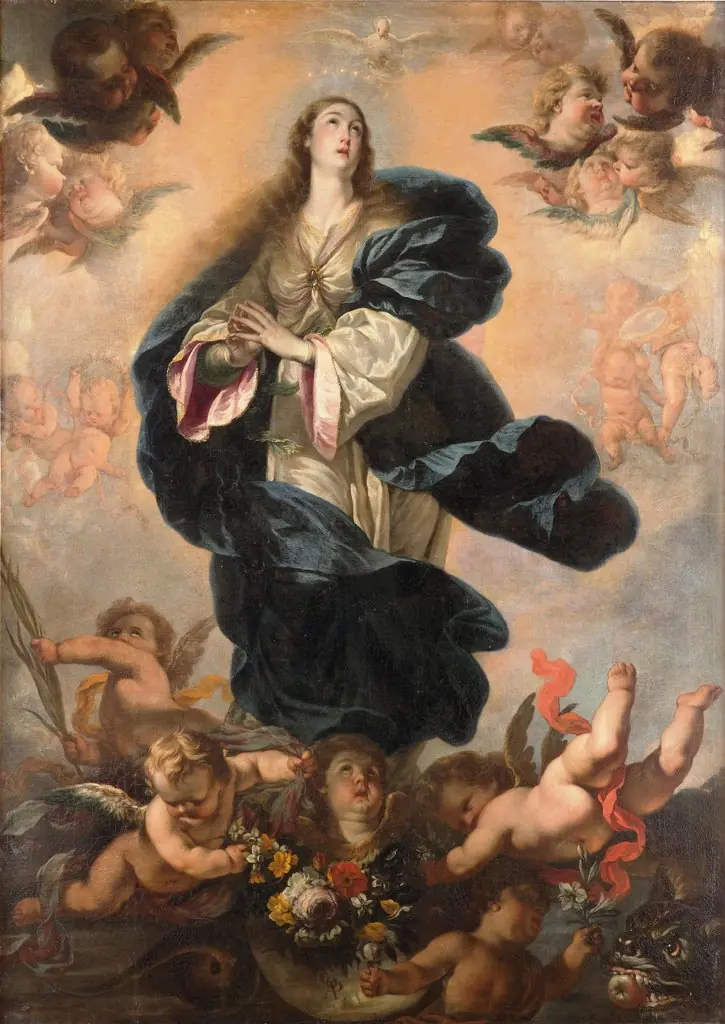
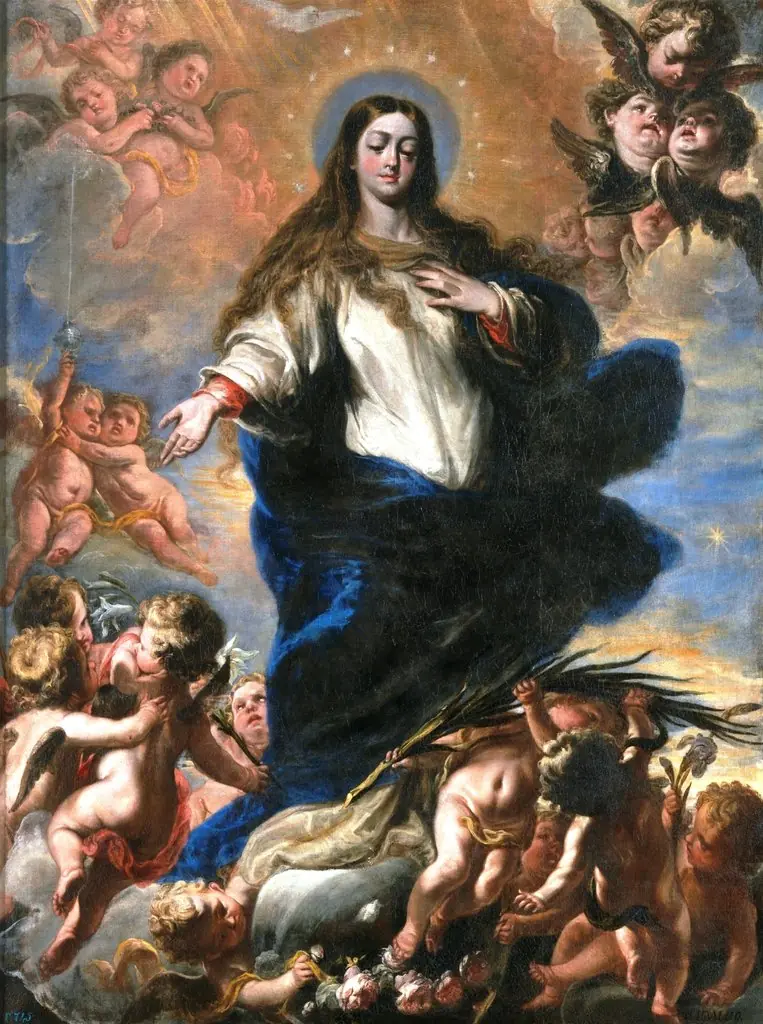
The composition shows the Virgin Mary standing atop a globe, encircled by cherubs and angels. She wears a blue mantle over a white robe, with her hands placed over her heart, a gesture that underscores her purity and devotion within the doctrine of the Immaculate Conception.
Technique & Style
Coello employs a chiaroscuro palette, using strong contrasts of light and dark to model the figure and give her a three‑dimensional presence against a stormy, cloud‑filled sky. Visible brushwork and textured oil layers enhance the sense of depth and the spiritual atmosphere.
History & Provenance
Trained by his father, the Portuguese sculptor Faustino Coello, Claudio later served as court painter to Charles II of Spain. The painting entered the Museo del Prado’s holdings, where it remains on display as part of the museum’s Baroque collection.
Context
The piece reflects the early Baroque Italian influence that permeated Spanish court art in the mid‑17th century, aligning with the Counter‑Reformation’s emphasis on vivid, emotionally resonant religious imagery.
Own this work as a print
Artist & collection
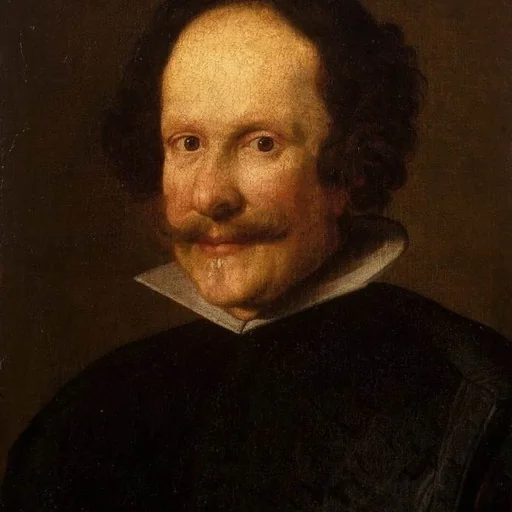
Artist
Claudio Coello (2 March 1642 – 20 April 1693) was a Spanish-Portuguese Baroque painter.

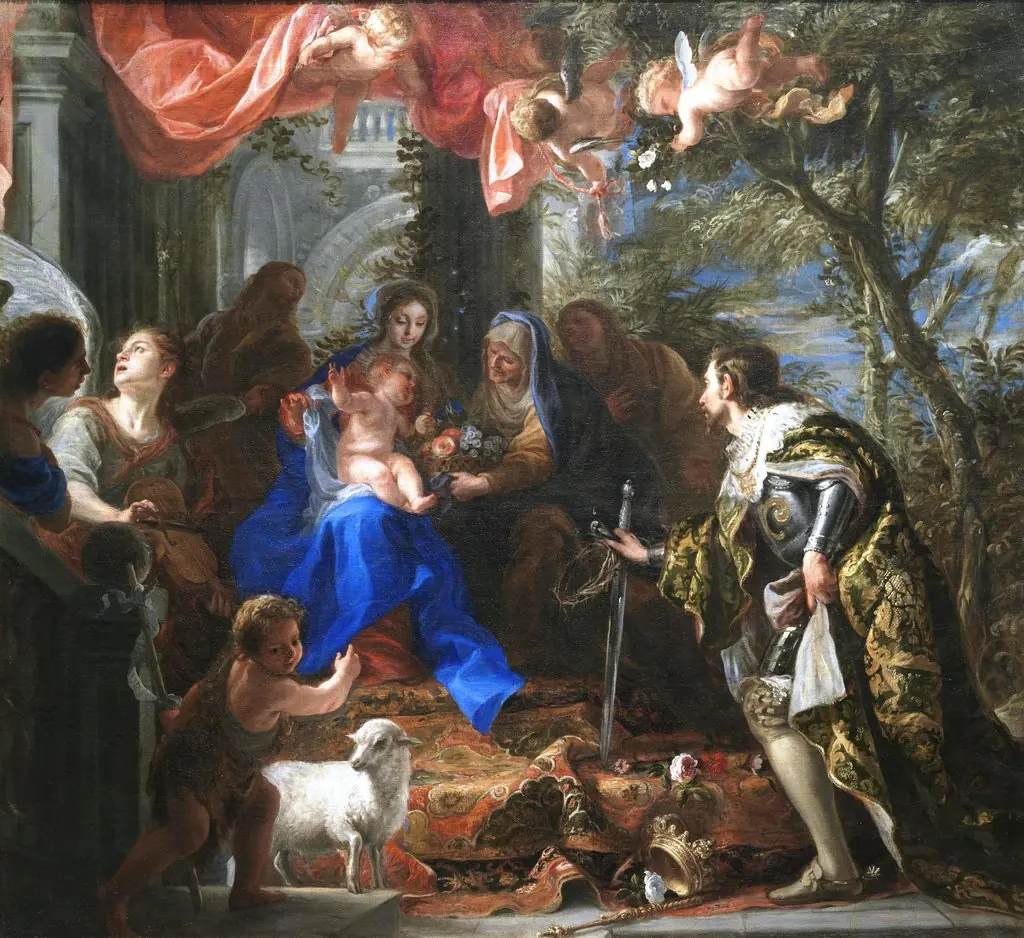 The Virgin and Child adored by Saint Louis, King of France
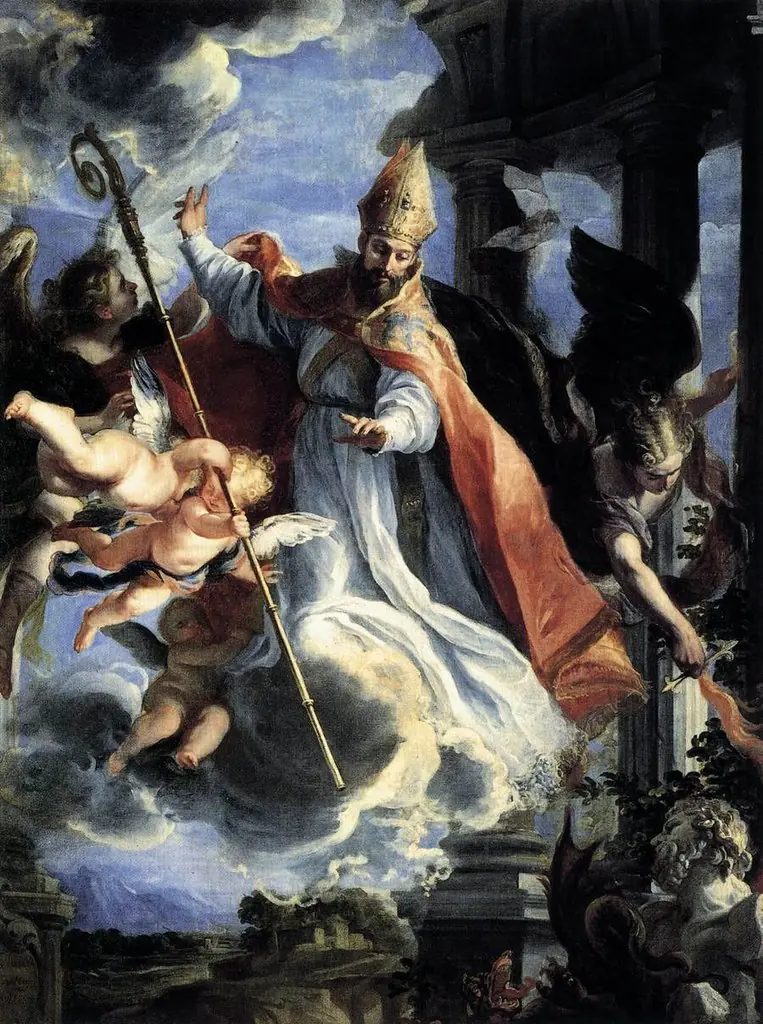 The Triumph of Saint Augustine
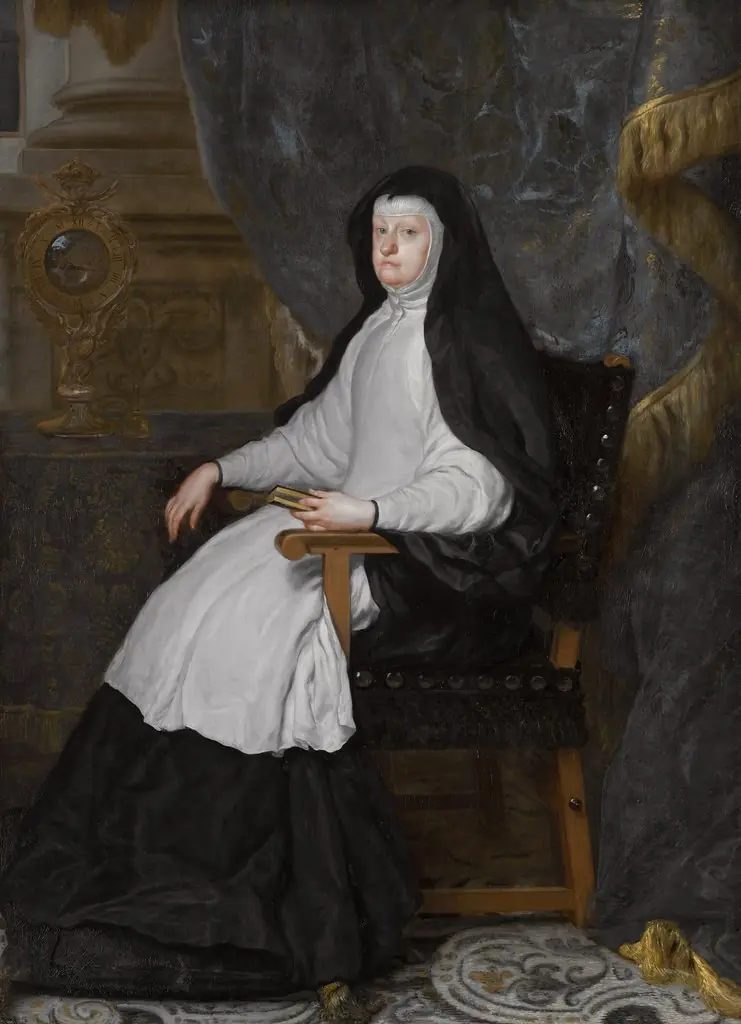 Mariana of Austria, Consort of King Philip IV of Spain, as a Widow
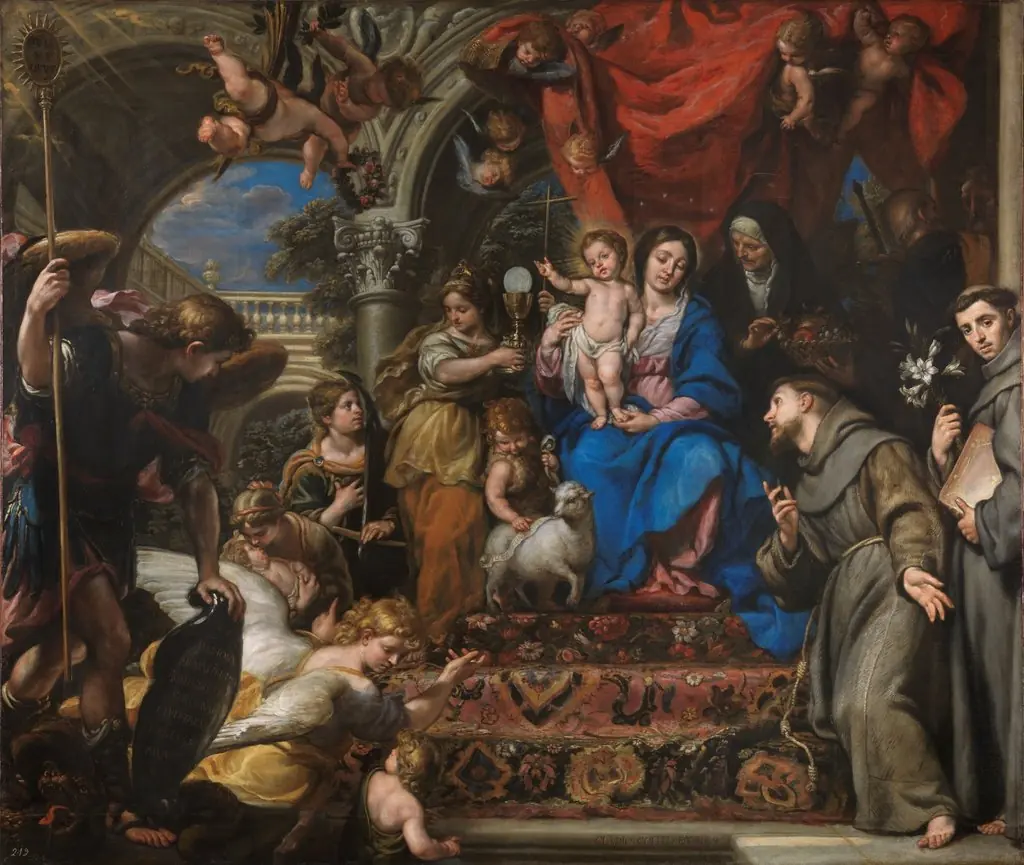 The Virgin and Child between the Theological Virtues and Saints
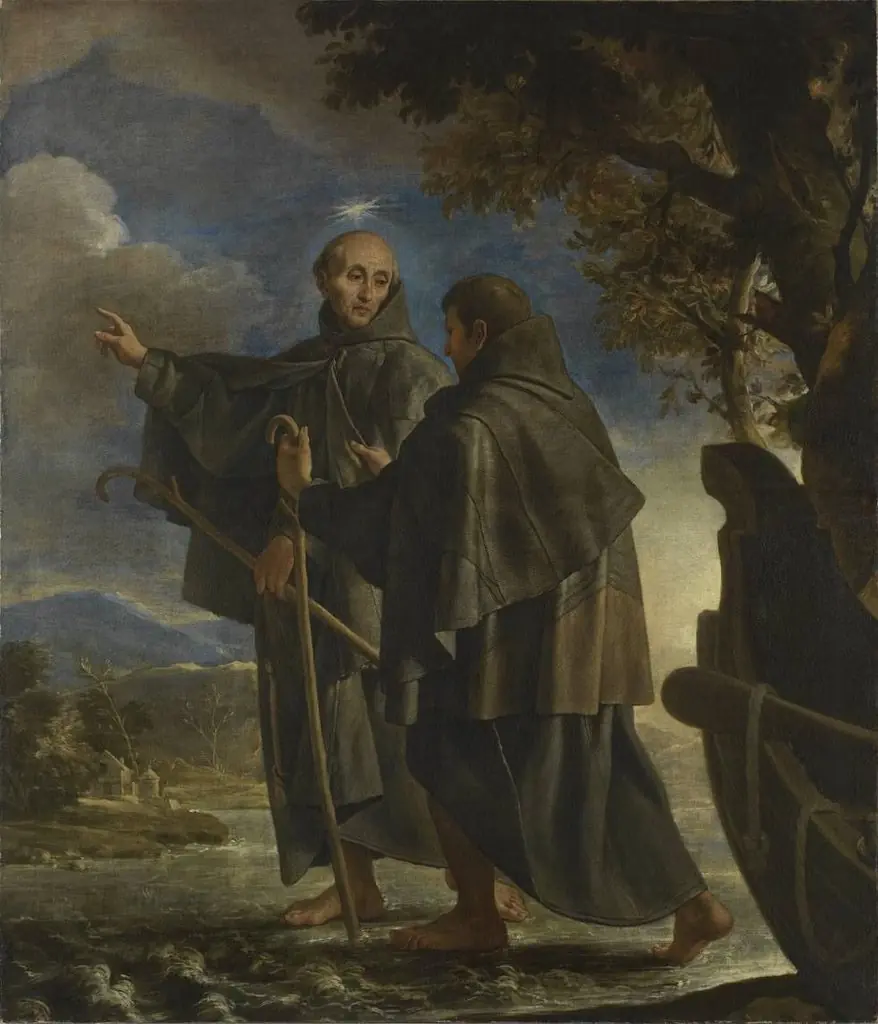 Der hl. Petrus von Alcántara wandelt über den Fluss Quadiana
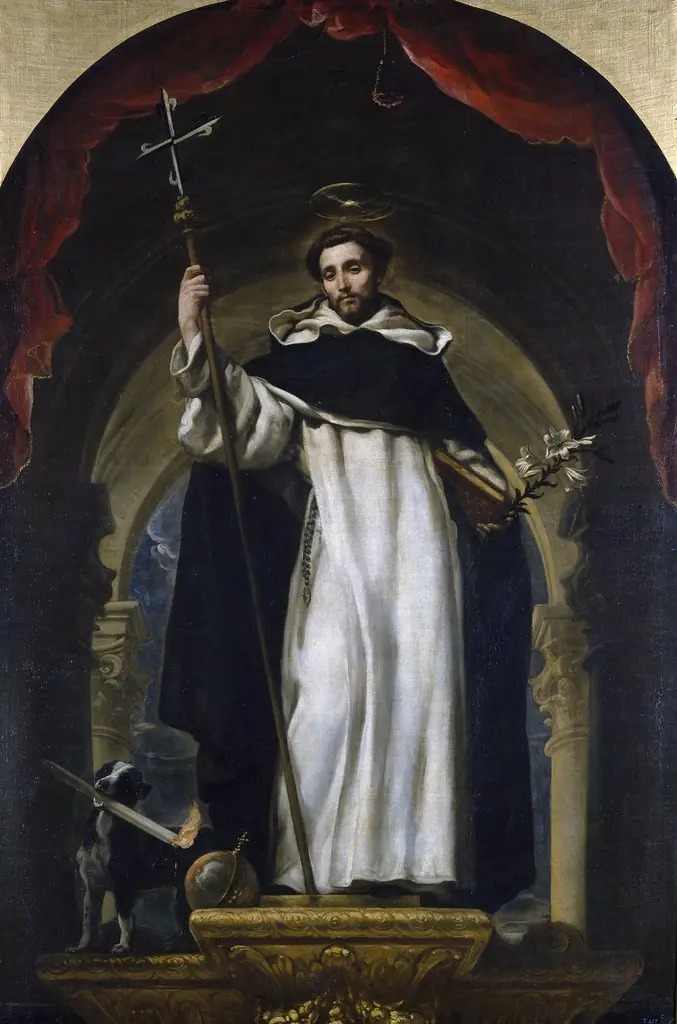 Saint Dominic of Guzmán
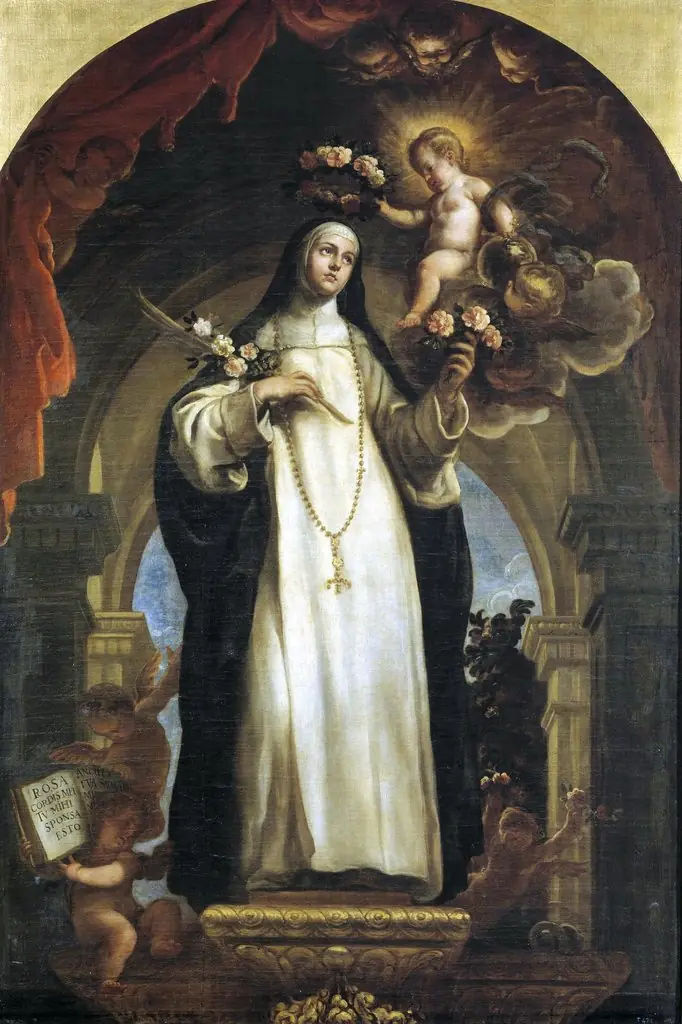 Santa Rosa de Lima
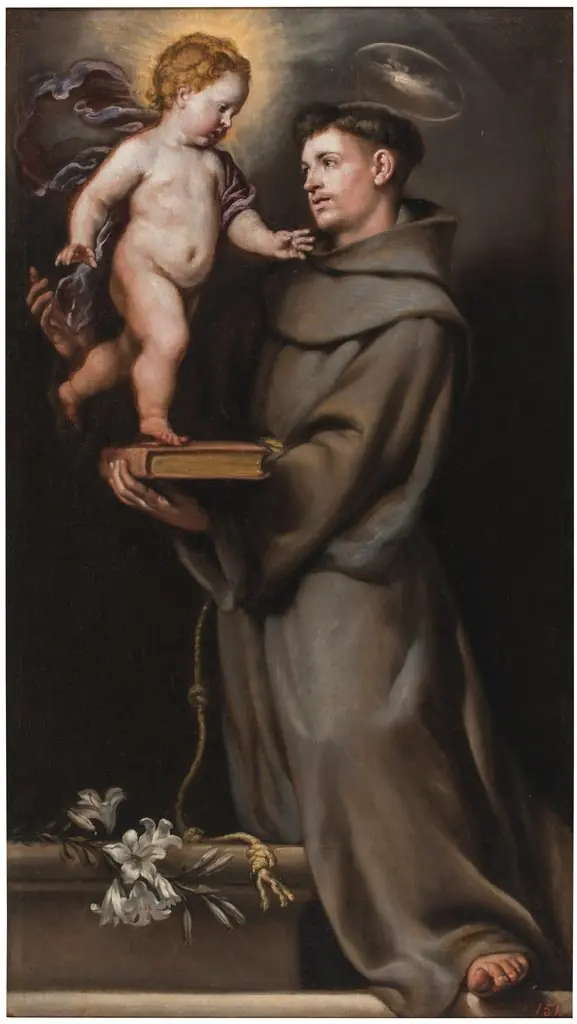 Saint Anthony of Padua