Artwork
Page from Tales of a Parrot (Tuti-nama): text page
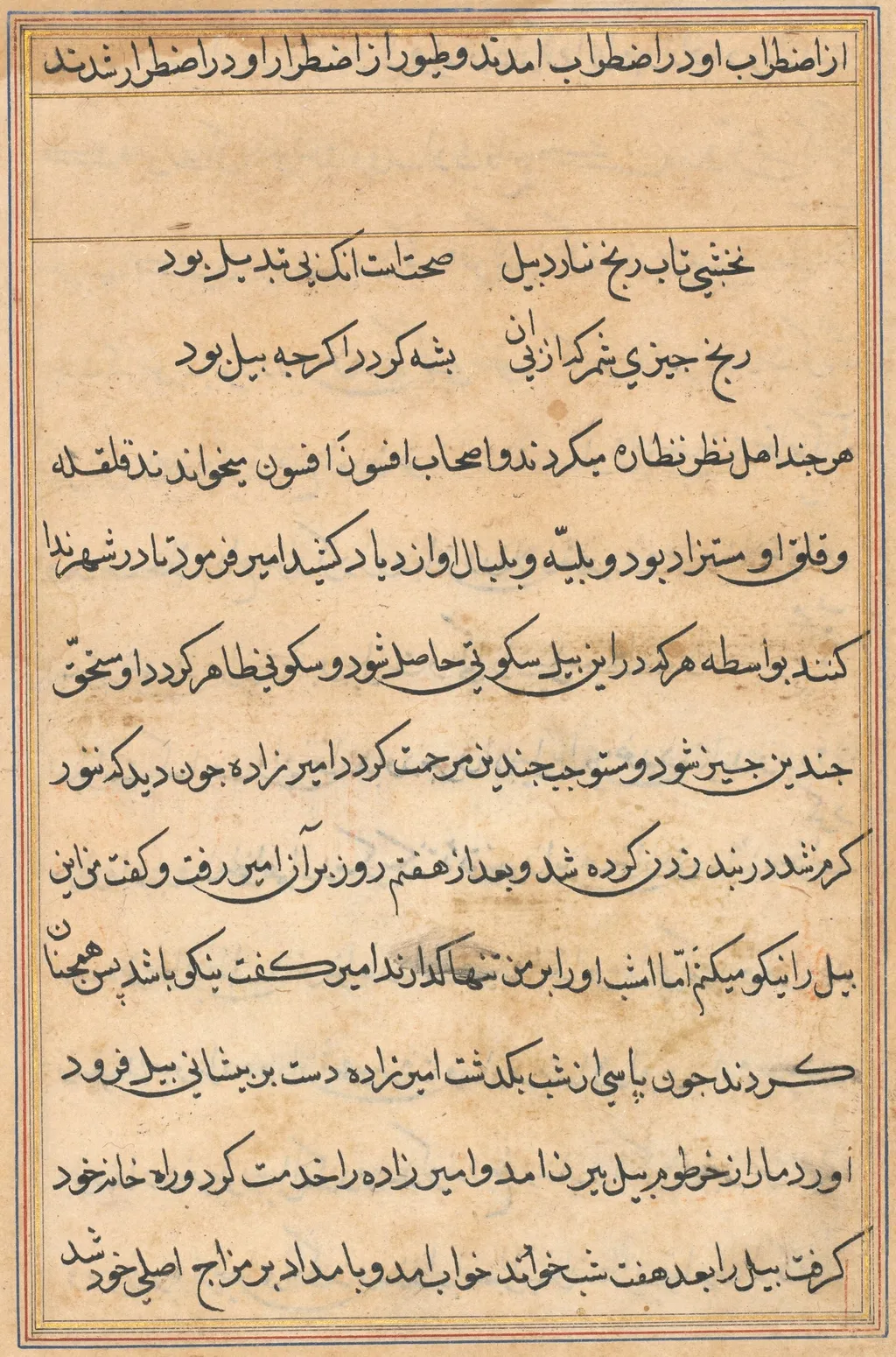
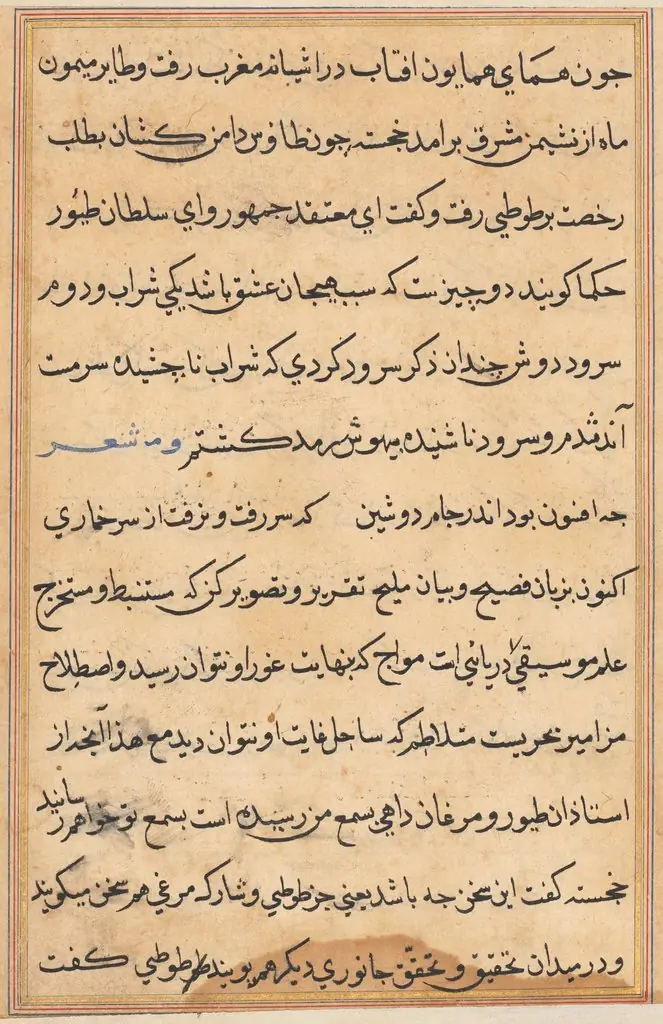
Page from Tales of a Parrot (Tuti-nama): text page is an unspecified painting. It dates from 1560 and is held in the collection of the Cleveland Museum of Art. This artifact is a single leaf from the 1560 manuscript known as the *Tales of a Parrot* (Tuti‑nama).
About this work
The page has a simple yet elegant design, with a focus on the text rather than any elaborate illustrations or decorations.
This painting is a page from the "Tales of a Parrot" (Tuti-nama), created in 1560. It features a text page with black script on a light-colored background. The text is written in a flowing style, with some words and phrases highlighted in bold or larger font. The page has a simple yet elegant design, with a focus on the text rather than any elaborate illustrations or decorations. The use of black script on a light-colored background creates a sense of contrast and makes the text stand out.
Overview
This artifact is a single leaf from the 1560 manuscript known as the *Tales of a Parrot* (Tuti‑nama). The page consists solely of written material, presented in black ink against a pale parchment surface. Its layout emphasizes readability, with a flowing hand and occasional enlarged or bolded passages that draw the viewer's eye to key sections of the text.
Subject & Meaning
The page belongs to a literary work that recounts stories narrated by a parrot, a common motif in Persian storytelling that blends moral instruction with entertainment. The highlighted words likely mark verses or moral conclusions, underscoring the didactic purpose of the narrative while guiding the reader through the tale’s structure.
Technique & Style
The script is executed in a graceful, cursive hand typical of mid‑16th‑century Persian calligraphy. Black ink provides stark contrast with the light‑colored parchment, enhancing legibility. Selective use of bolder or larger lettering serves both aesthetic and functional roles, creating visual hierarchy without resorting to ornamental illumination.
History & Provenance
Created in 1560, the page reflects the manuscript production practices of the Safavid period, when literary texts were often compiled for elite patrons. While the complete codex’s later ownership is not recorded here, the surviving leaf suggests it was preserved as part of a collection valuing textual content over lavish illustration.
Context
During the mid‑16th century, Persian literary culture prized works that combined poetic storytelling with moral instruction. The *Tuti‑nama* fits within this tradition, and its minimalist presentation aligns with a trend toward emphasizing the written word, especially in texts intended for scholarly or courtly audiences.
Legacy
Although modest in visual decoration, the page exemplifies the period’s calligraphic standards and the enduring appeal of animal‑narrated tales in Persian literature. Its preservation offers insight into the balance between textual clarity and aesthetic restraint that characterized many Safavid manuscripts.
Artist & collection

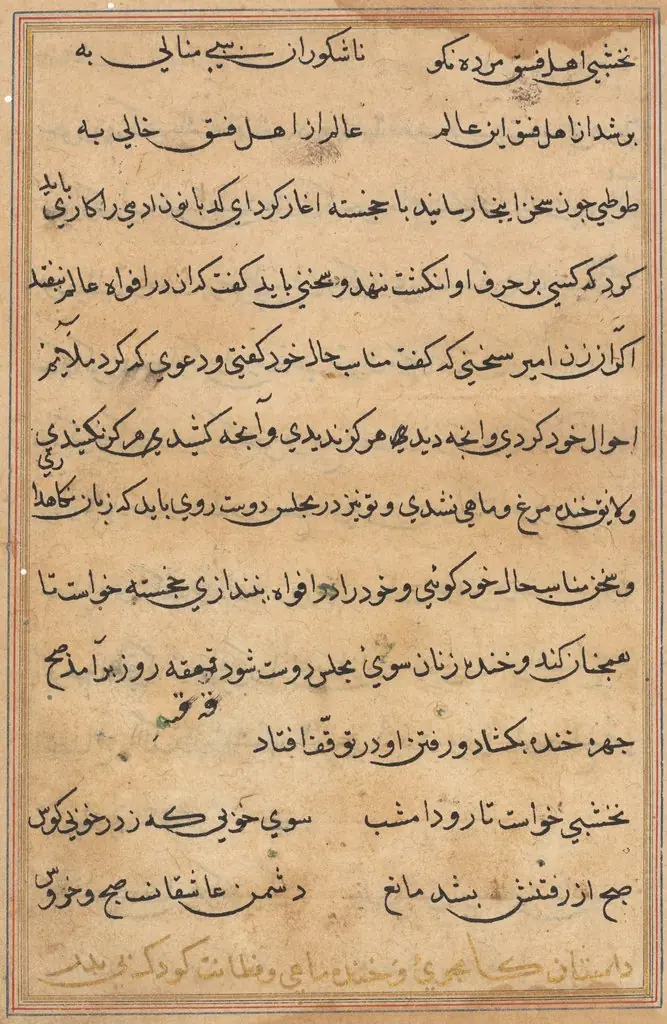 Page from Tales of a Parrot (Tuti-nama): text page
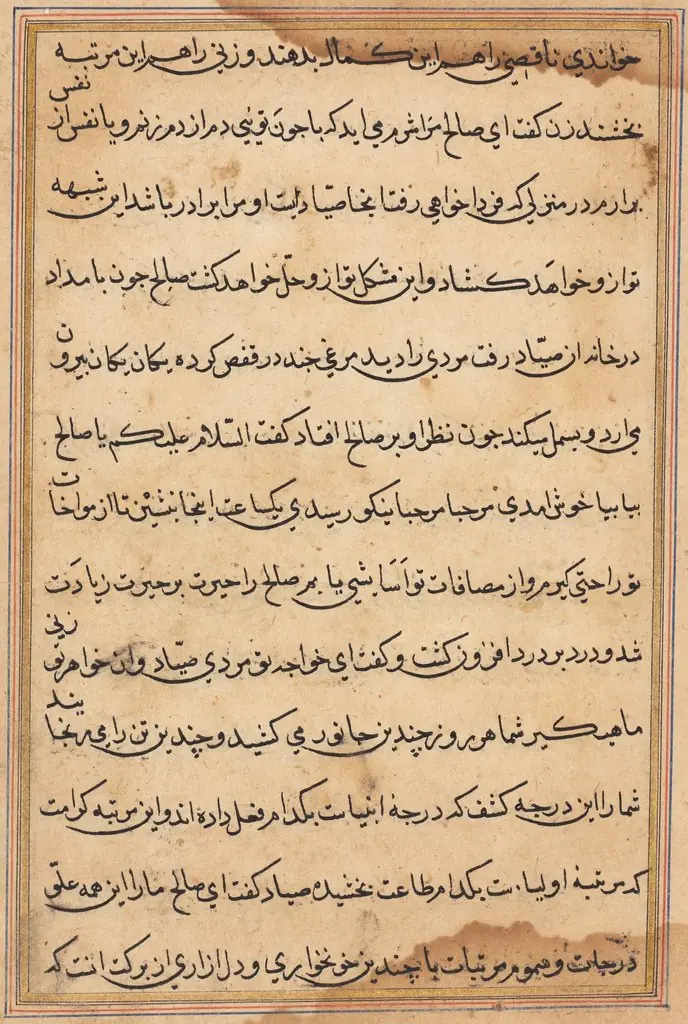 Page from Tales of a Parrot (Tuti-nama): text page
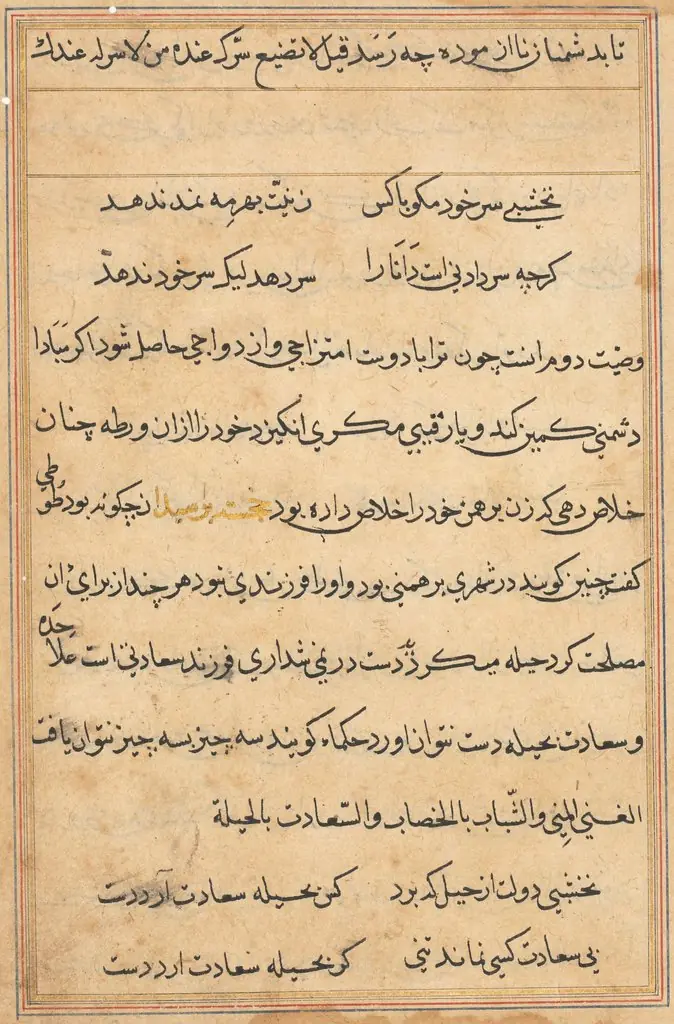 Page from Tales of a Parrot (Tuti-nama): text page
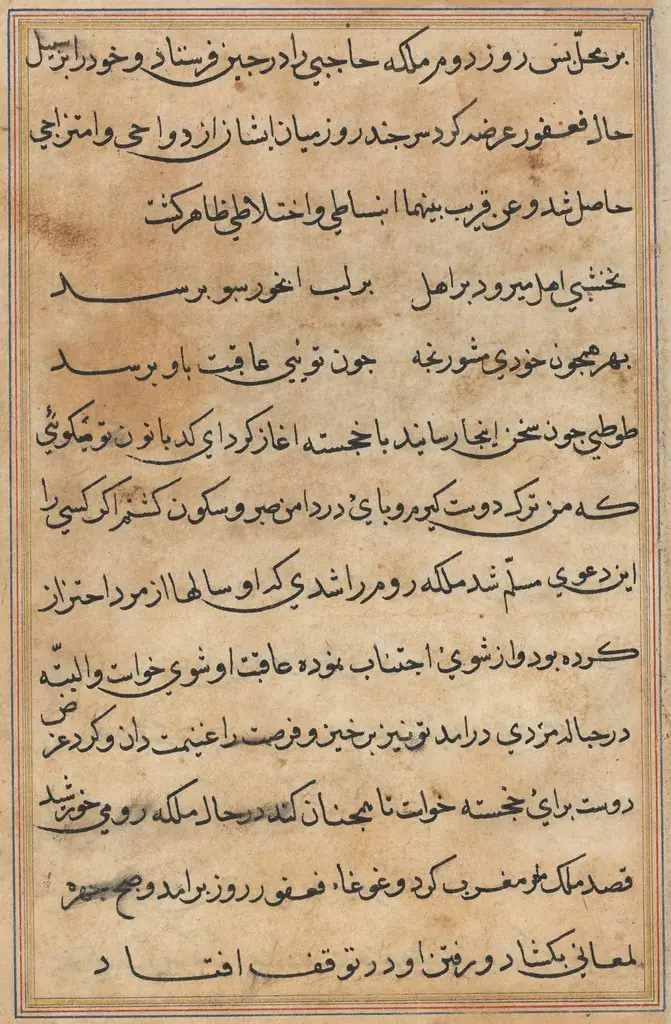 Page from Tales of a Parrot (Tuti-nama): text page
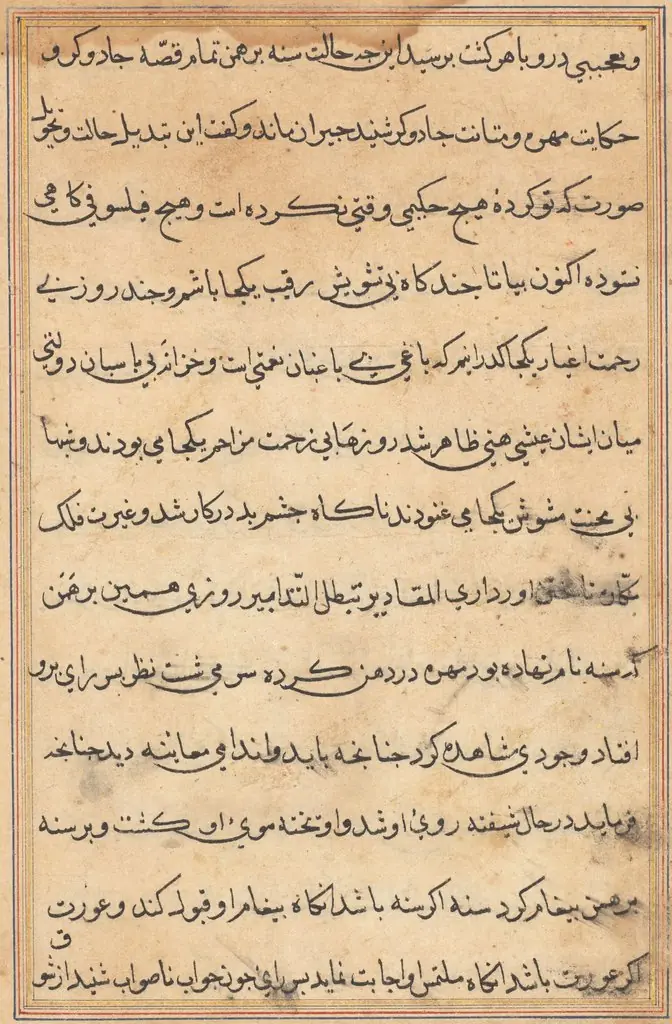 Page from Tales of a Parrot (Tuti-nama): text page
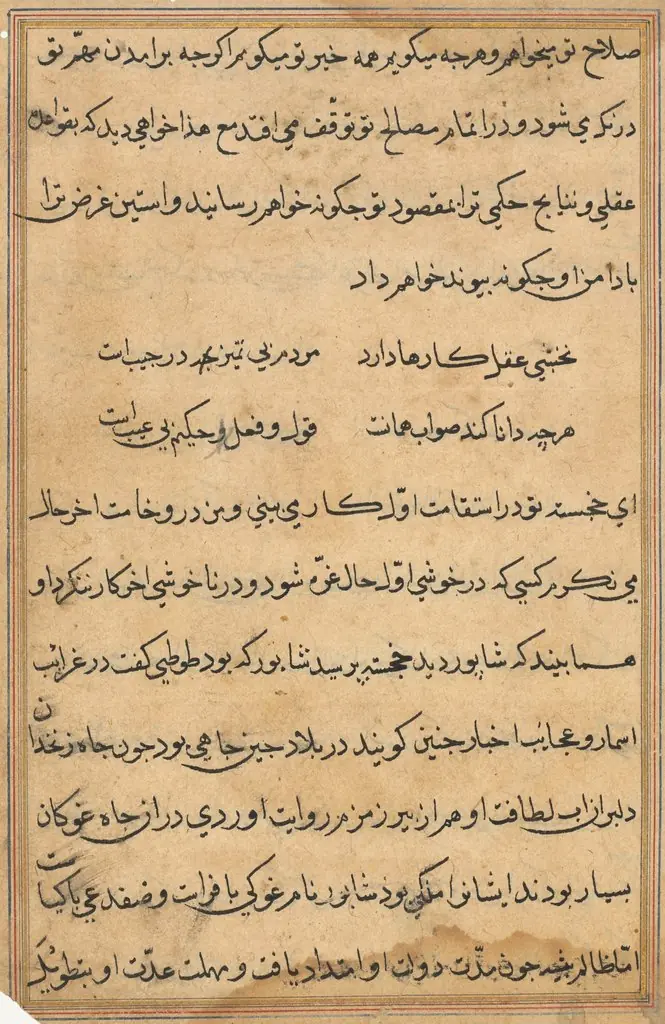 Page from Tales of a Parrot (Tuti-nama): text page
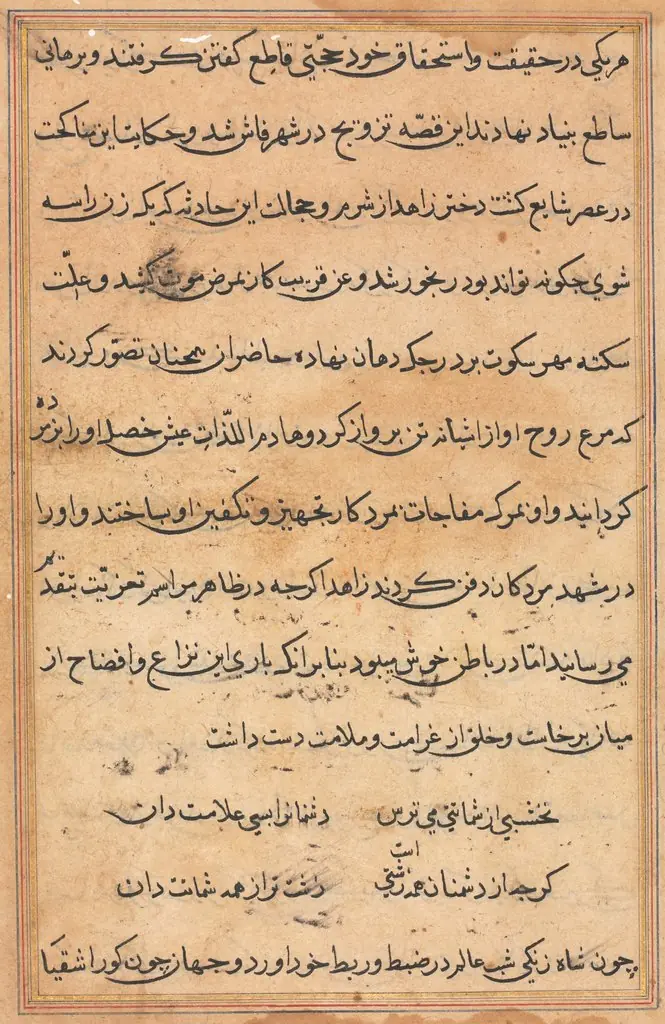 Page from Tales of a Parrot (Tuti-nama): text page
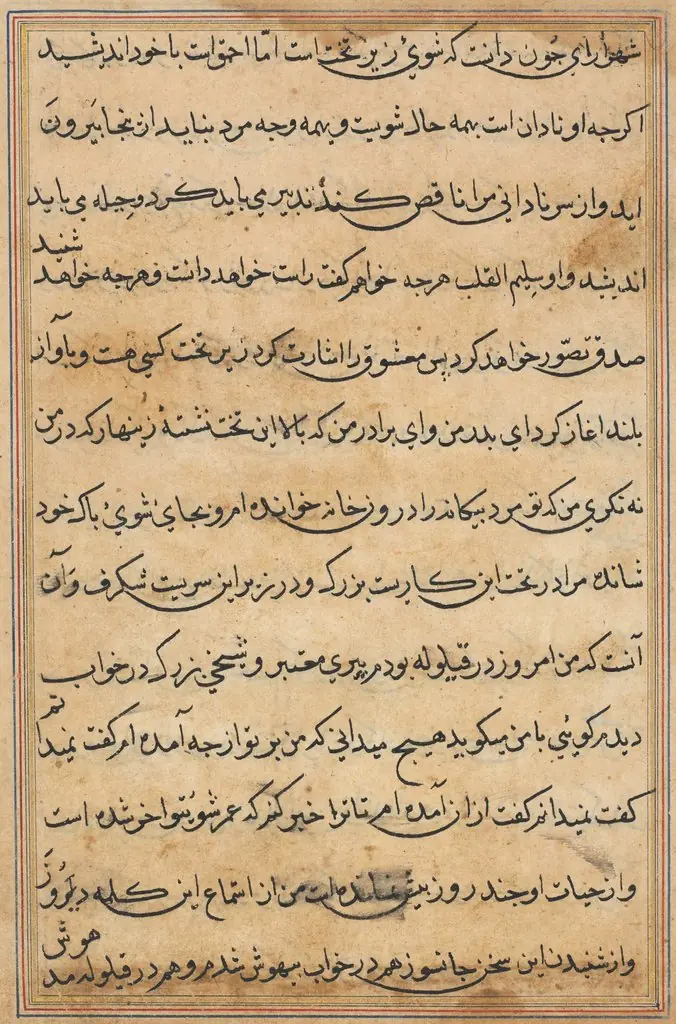 Page from Tales of a Parrot (Tuti-nama): text page
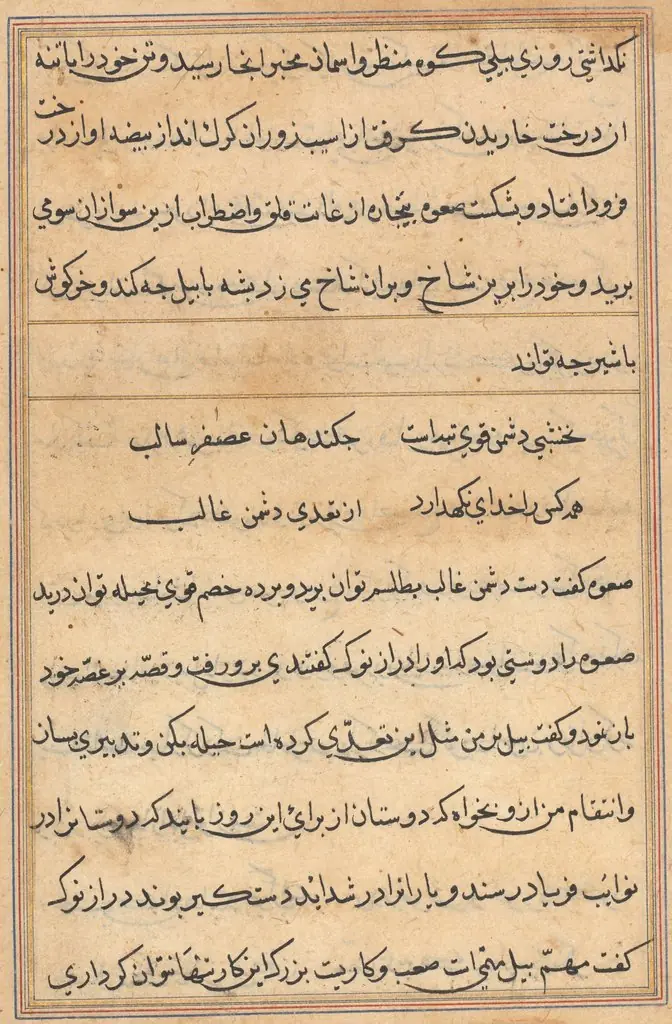 Page from Tales of a Parrot (Tuti-nama): text page
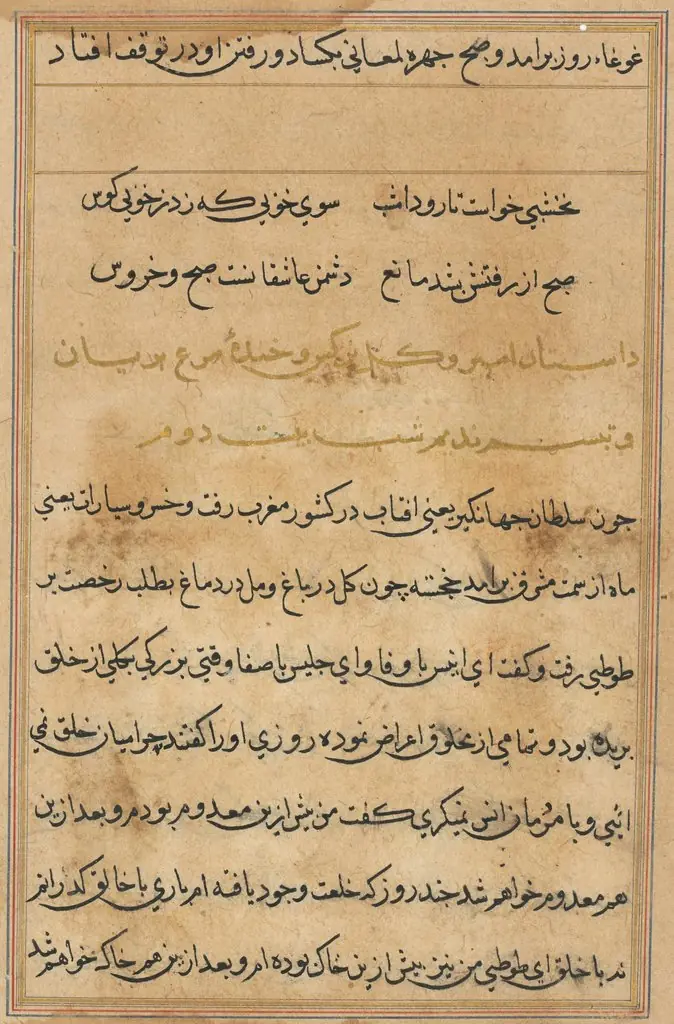 Page from Tales of a Parrot (Tuti-nama): text page
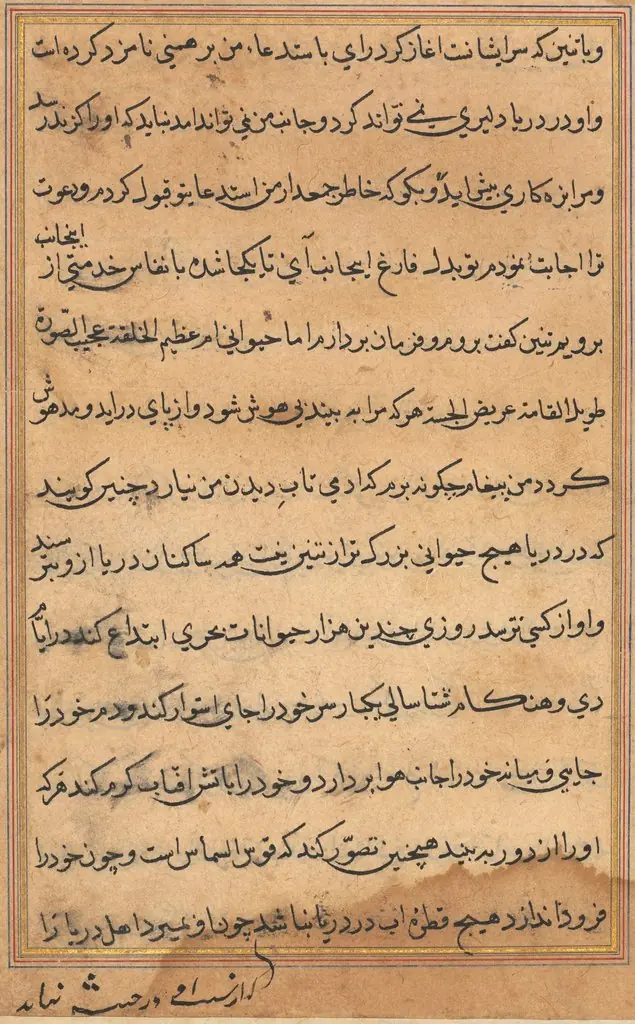 Page from Tales of a Parrot (Tuti-nama): text page
 Page from Tales of a Parrot (Tuti-nama): text page