Artwork
Page from Tales of a Parrot (Tuti-nama): text page
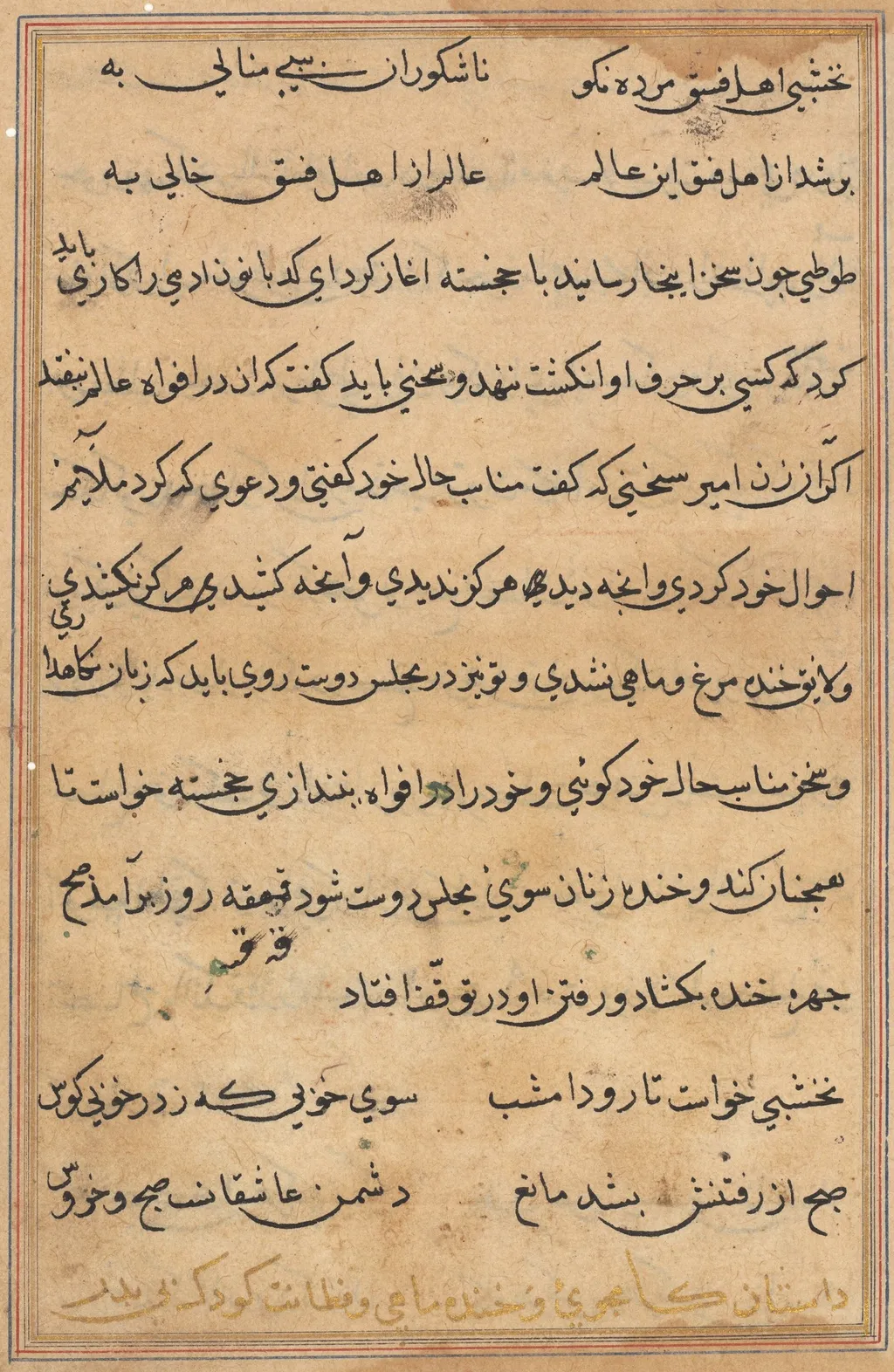
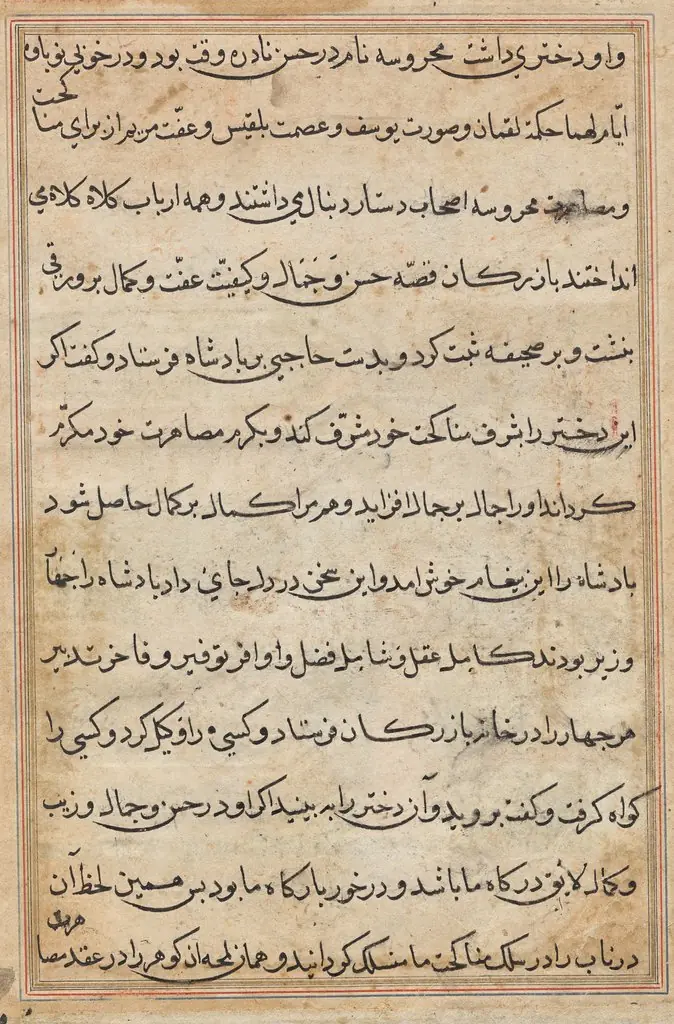
Page from Tales of a Parrot (Tuti-nama): text page is an unspecified painting. It dates from 1560 and is held in the collection of the Cleveland Museum of Art. The object is a painted page from the Persian manuscript known as Tales of a Parrot (Tuti‑nama).
About this work
Overview
The object is a painted page from the Persian manuscript known as Tales of a Parrot (Tuti‑nama). Executed on a warm‑toned paper, the surface is covered with dense black calligraphy arranged in orderly horizontal lines, bordered by a narrow red frame. Small specks of green and blue pigment appear sporadically, adding subtle visual interest.
Subject & Meaning
The text recounts a narrative about a loquacious parrot, a popular motif in Persian literature that often conveys moral lessons through animal dialogue. Though the story is whimsical, its inclusion in a deluxe codex reflects the patron’s appreciation for both entertainment and didactic content.
Technique & Style
The page demonstrates meticulous pen work, with flowing black ink strokes rendered in a refined, decorative hand characteristic of courtly manuscripts. The thin red border, applied with pigment, delineates the text block, while the faint colored flecks suggest the use of mineral pigments applied sparingly for decorative effect.
History & Provenance
Commissioned for Prince Salim, a member of the Safavid elite, the page illustrates the high value placed on illuminated books among aristocratic patrons. The manuscript later entered the collection of the Cleveland Museum of Art, where it is displayed as part of the museum’s Persian art holdings.
Context
Produced during a period when Persian courts fostered a flourishing manuscript tradition, the Tuti‑nama combined literary sophistication with visual elegance. Such works were often created in royal workshops, employing skilled calligraphers and painters to satisfy the aesthetic and intellectual tastes of the nobility.
Artist & collection

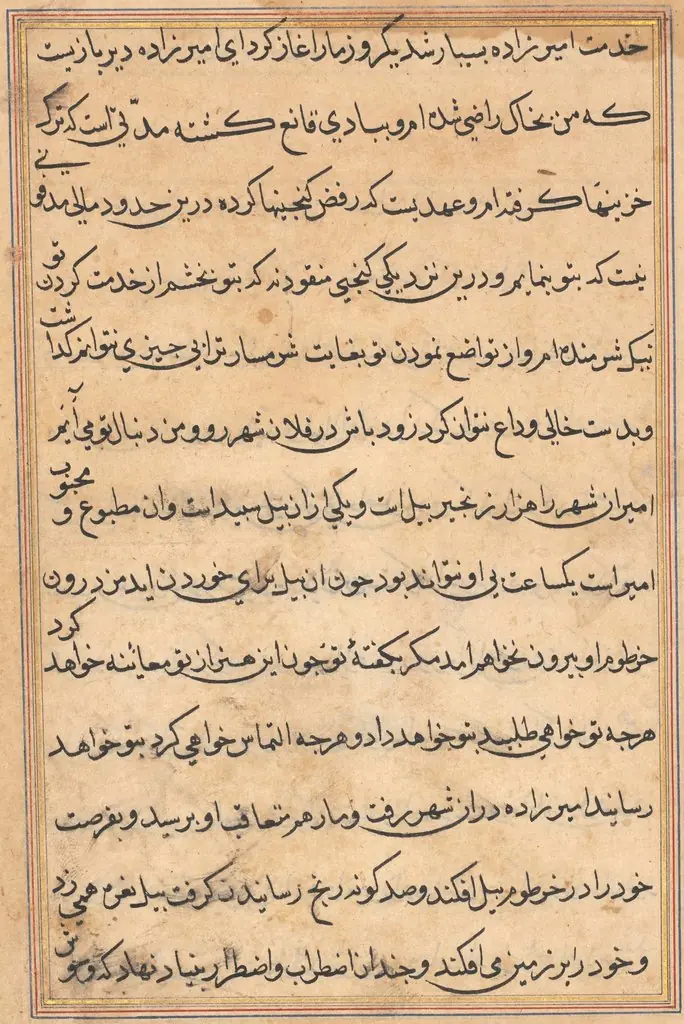 Page from Tales of a Parrot (Tuti-nama): text page
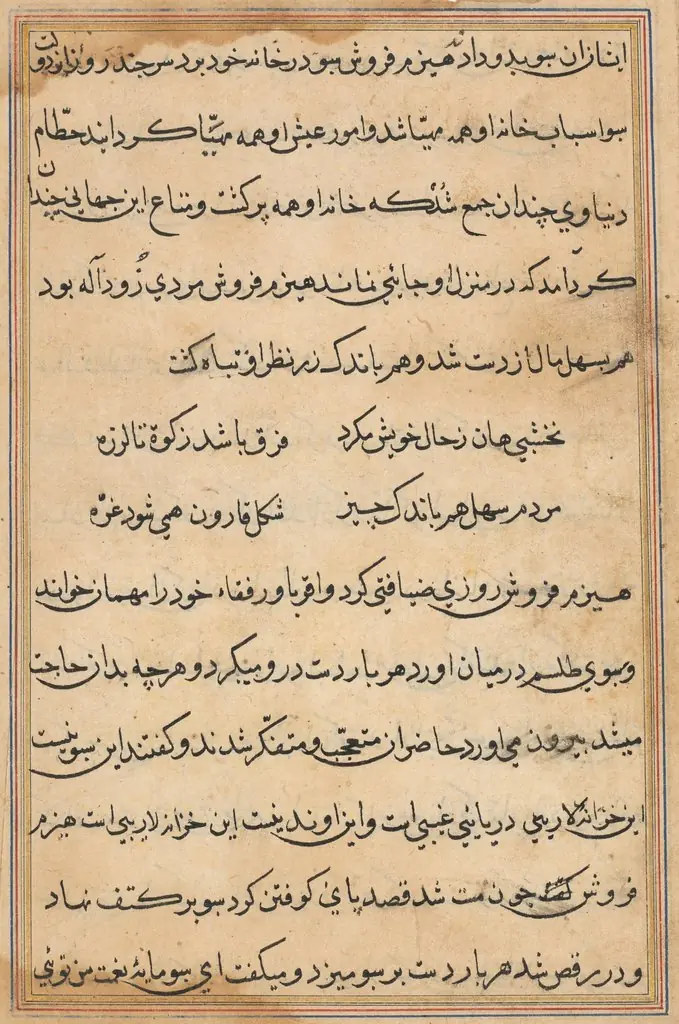 Page from Tales of a Parrot (Tuti-nama): text page
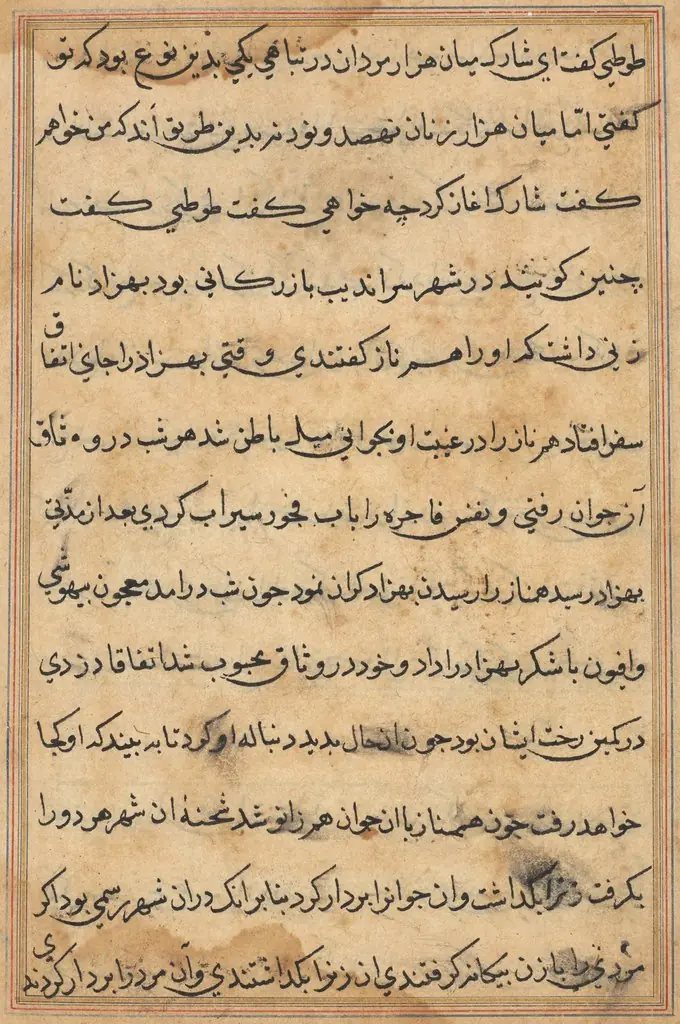 Page from Tales of a Parrot (Tuti-nama): text page
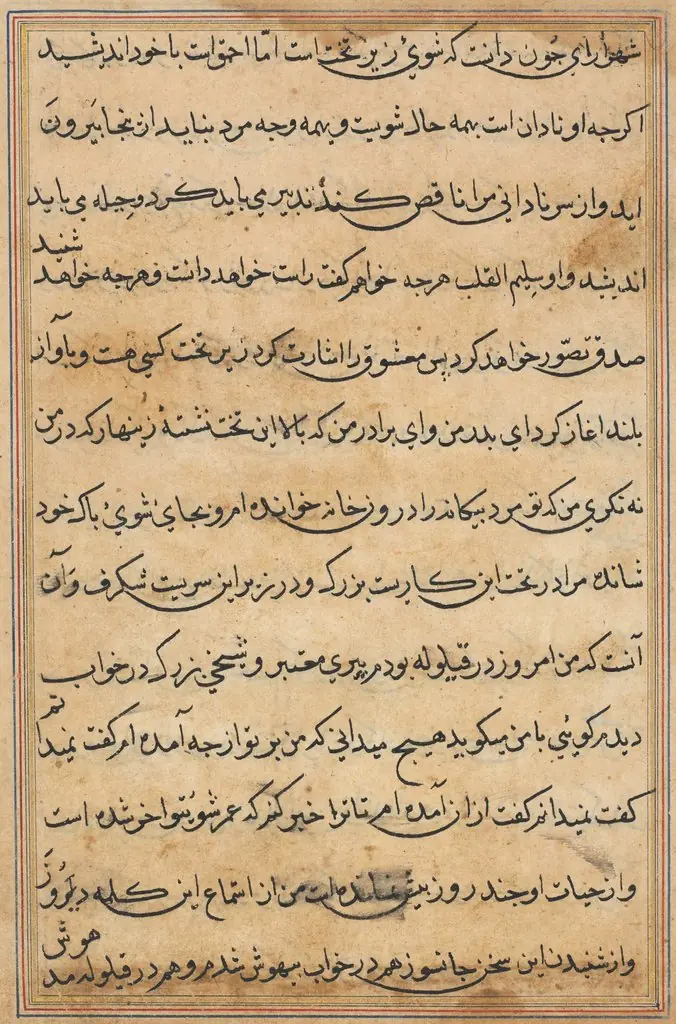 Page from Tales of a Parrot (Tuti-nama): text page
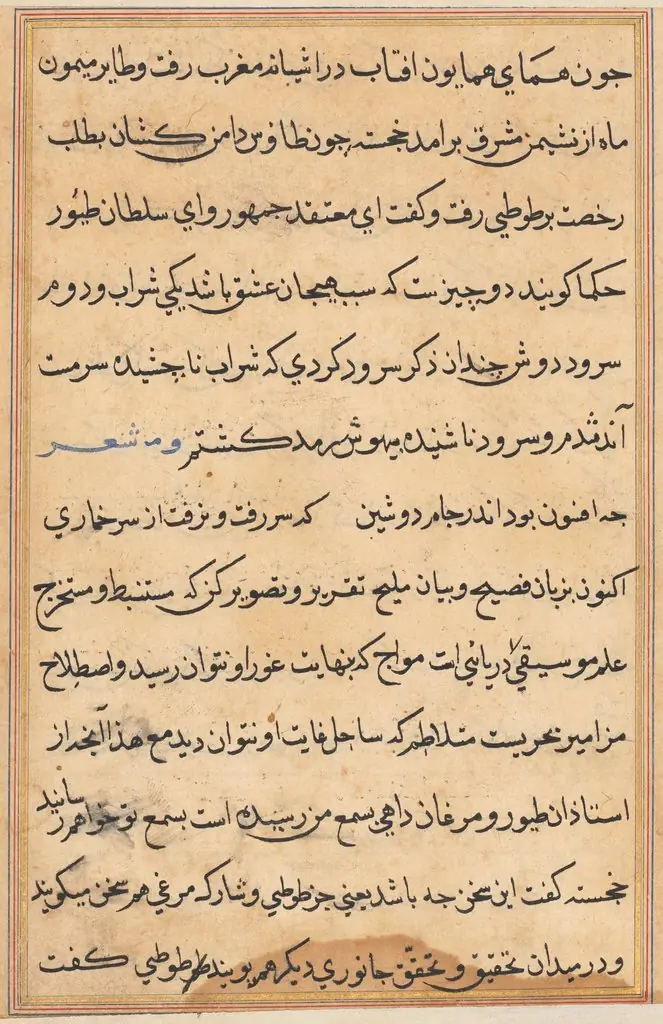 Page from Tales of a Parrot (Tuti-nama): text page
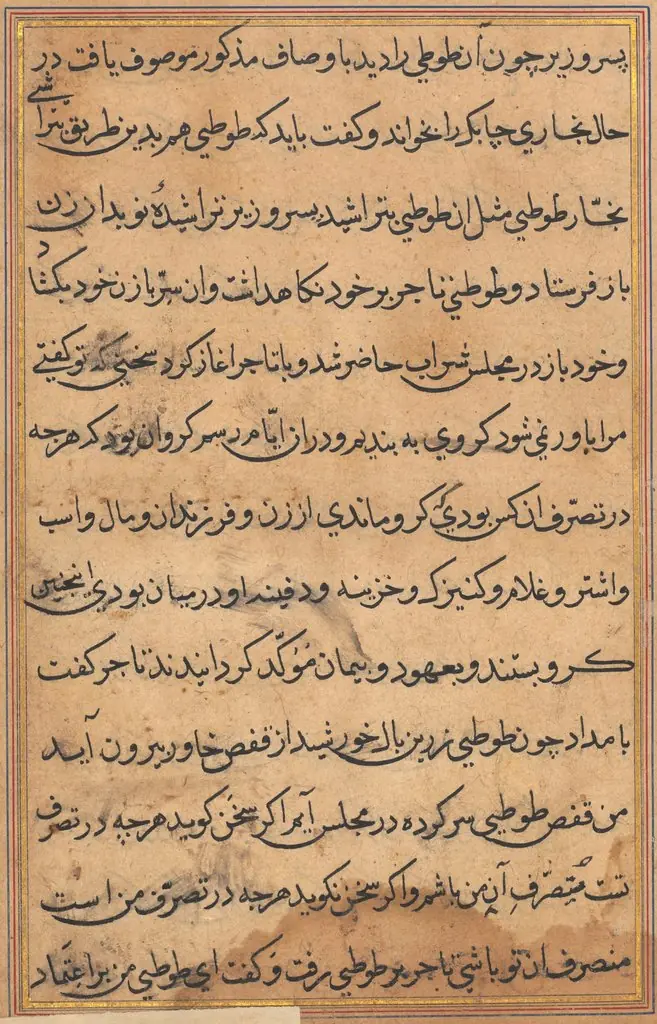 Page from Tales of a Parrot (Tuti-nama): text page
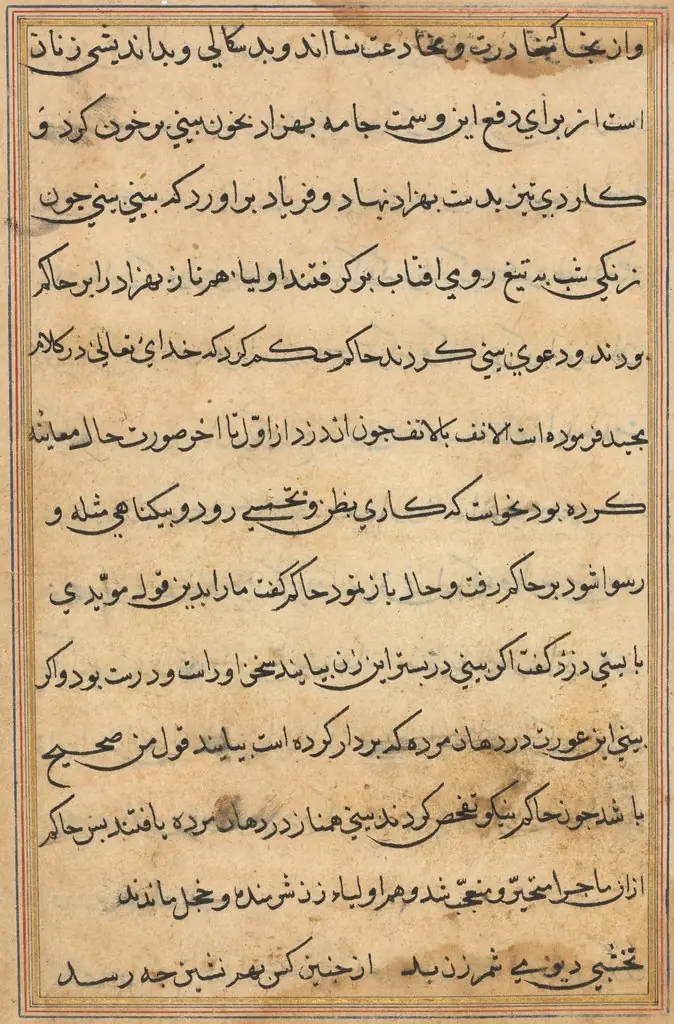 Page from Tales of a Parrot (Tuti-nama): text page
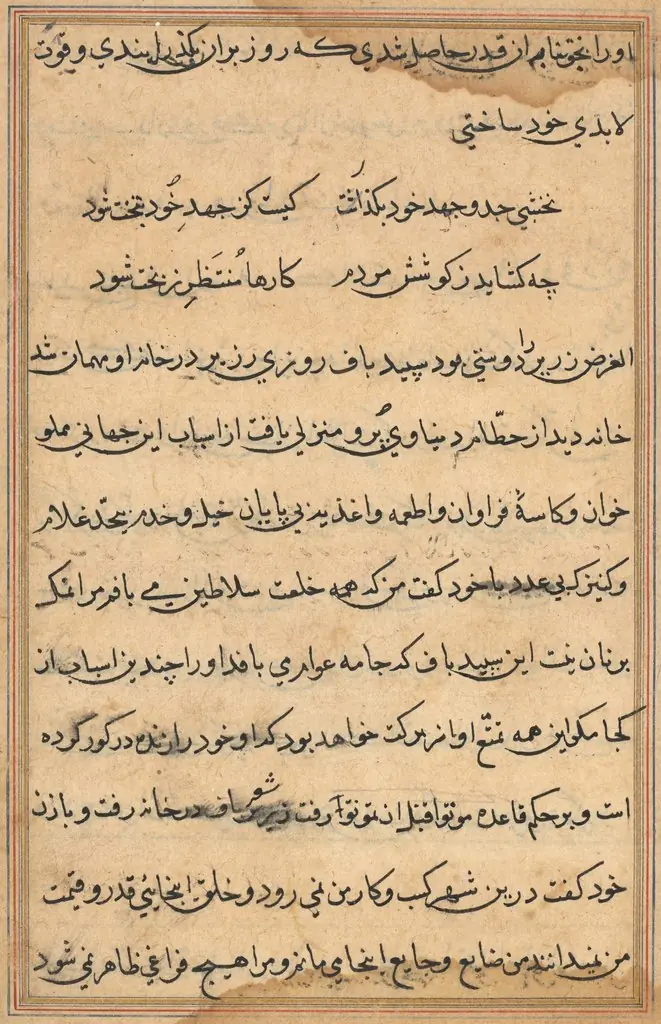 Page from Tales of a Parrot (Tuti-nama): text page
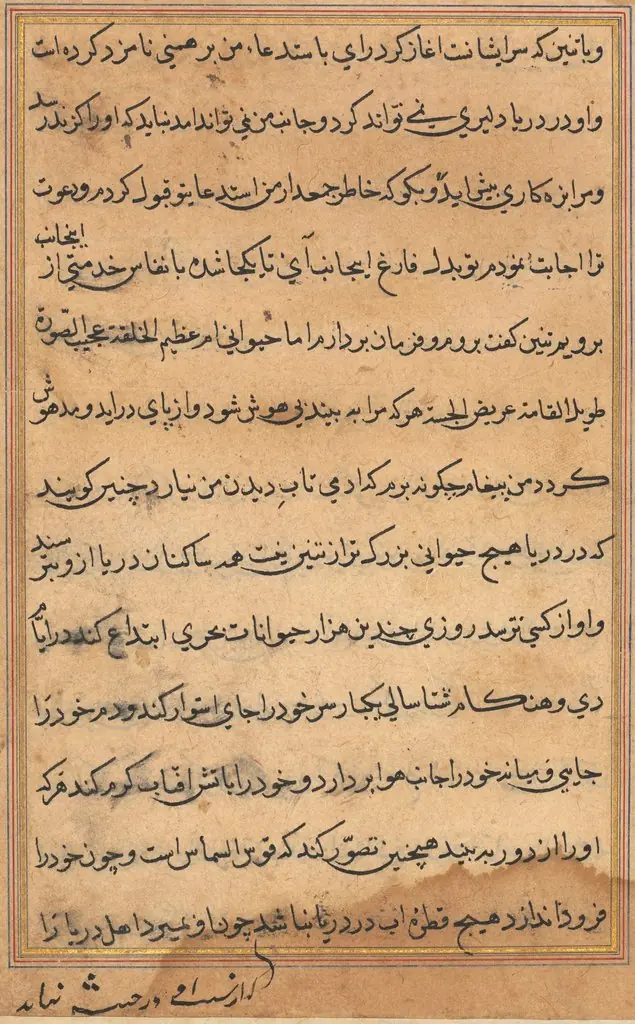 Page from Tales of a Parrot (Tuti-nama): text page
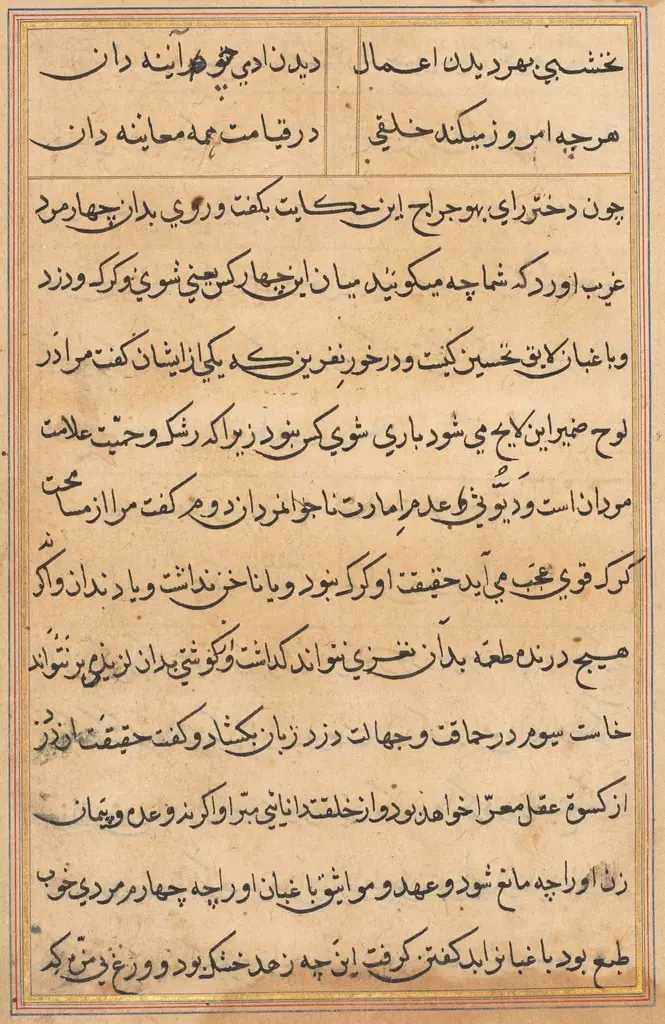 Page from Tales of a Parrot (Tuti-nama): text page
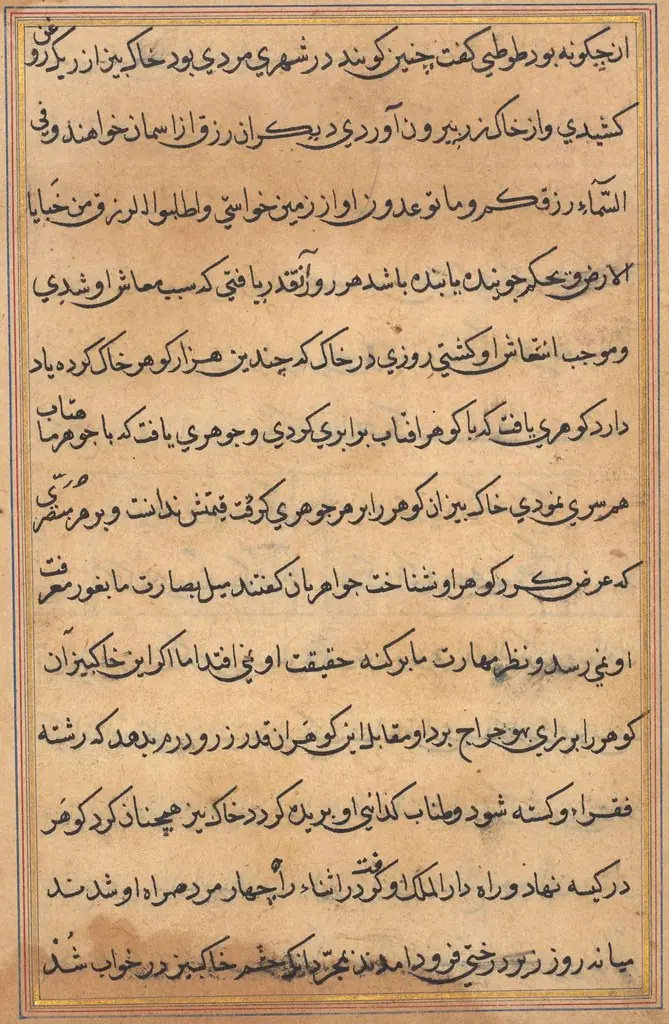 Page from Tales of a Parrot (Tuti-nama): text page
 Page from Tales of a Parrot (Tuti-nama): text page