Artwork
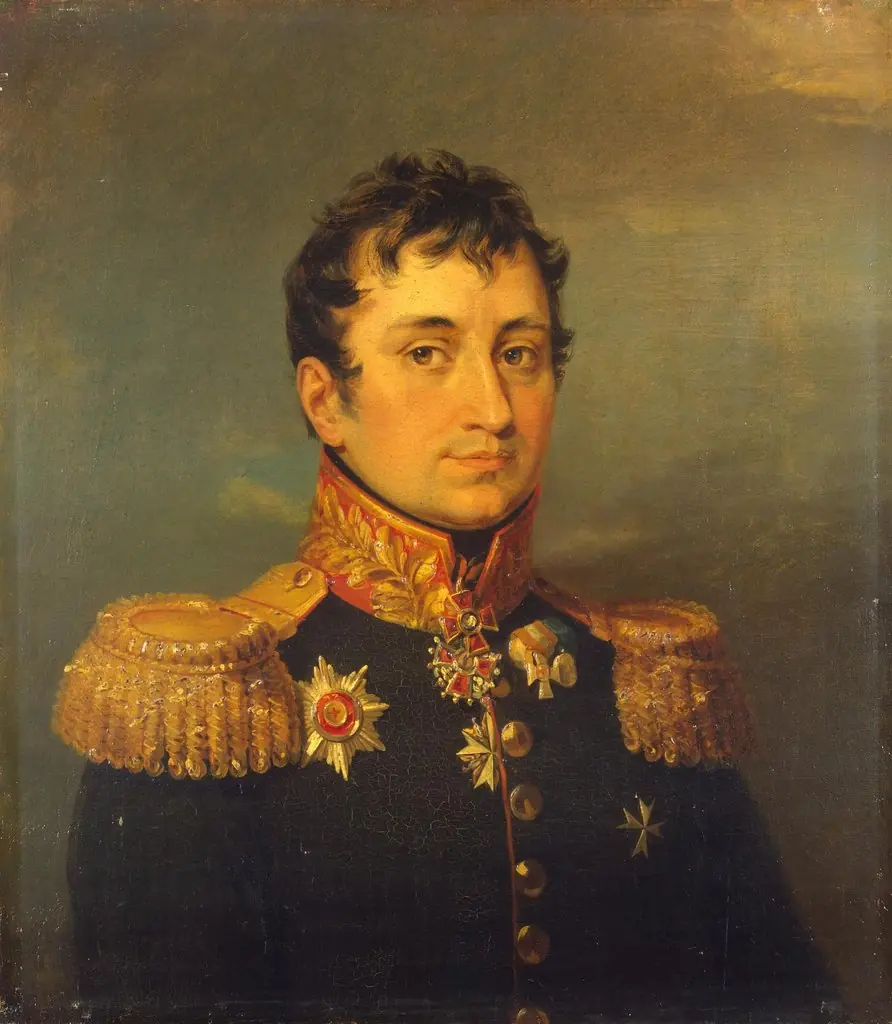
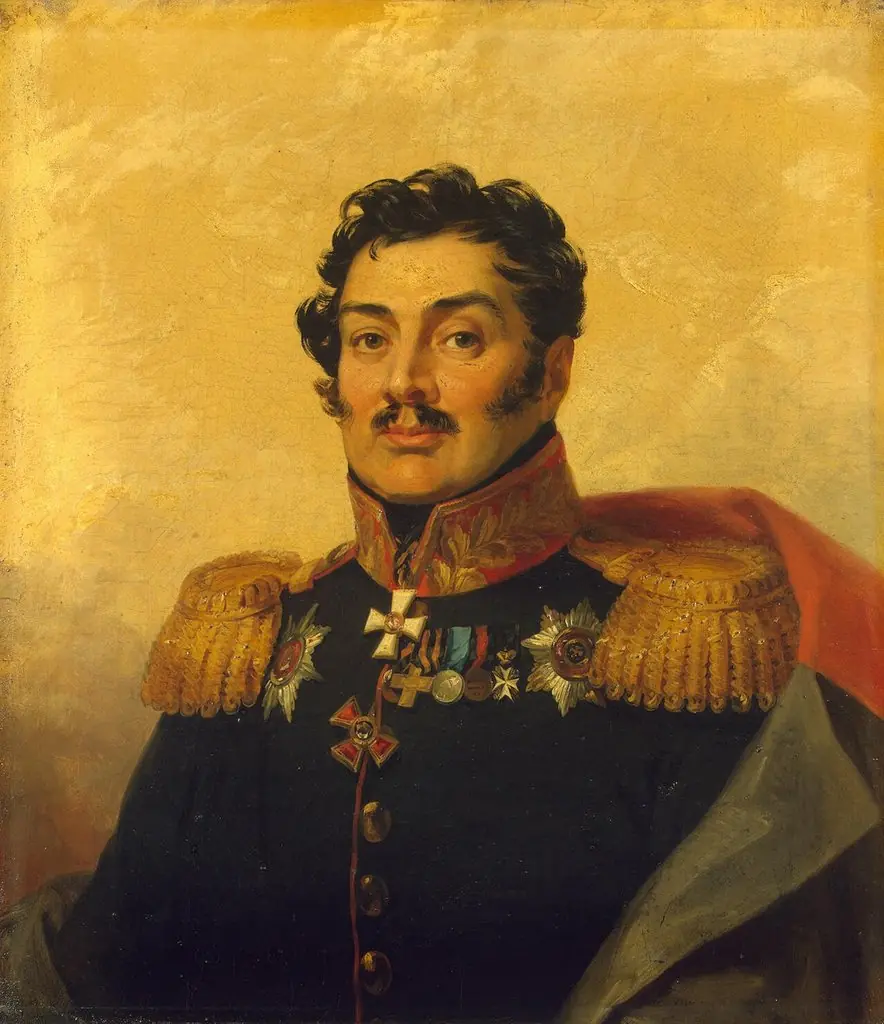
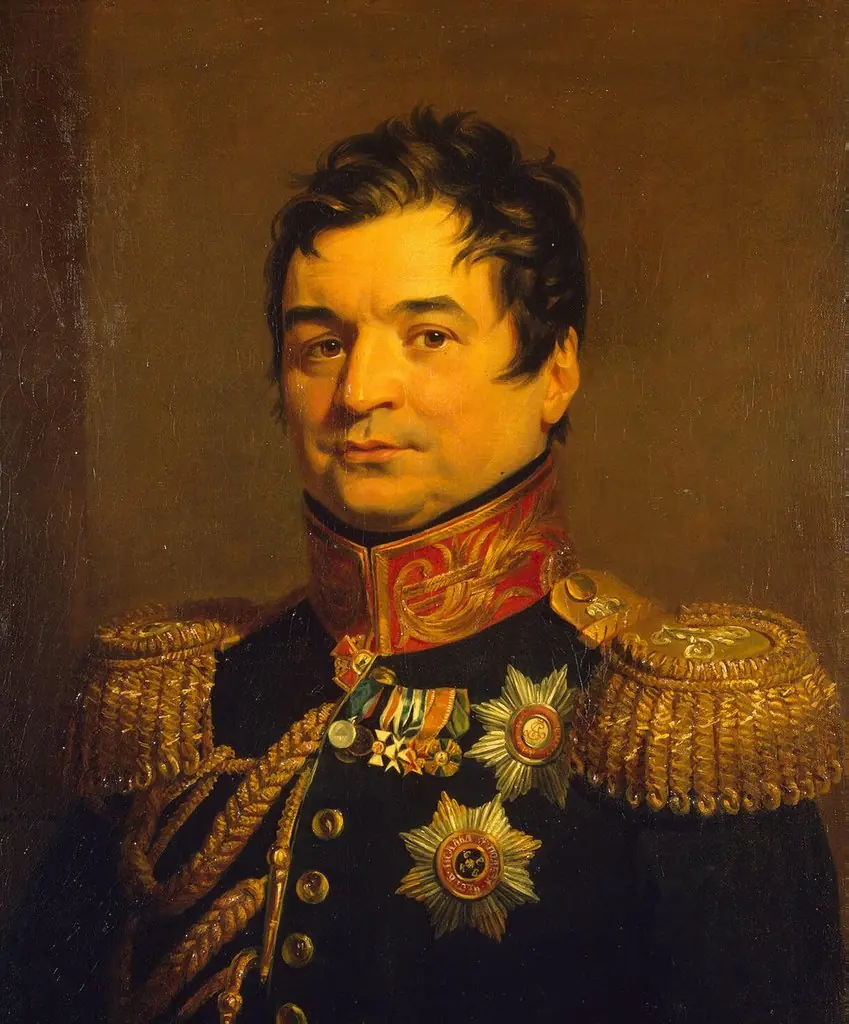
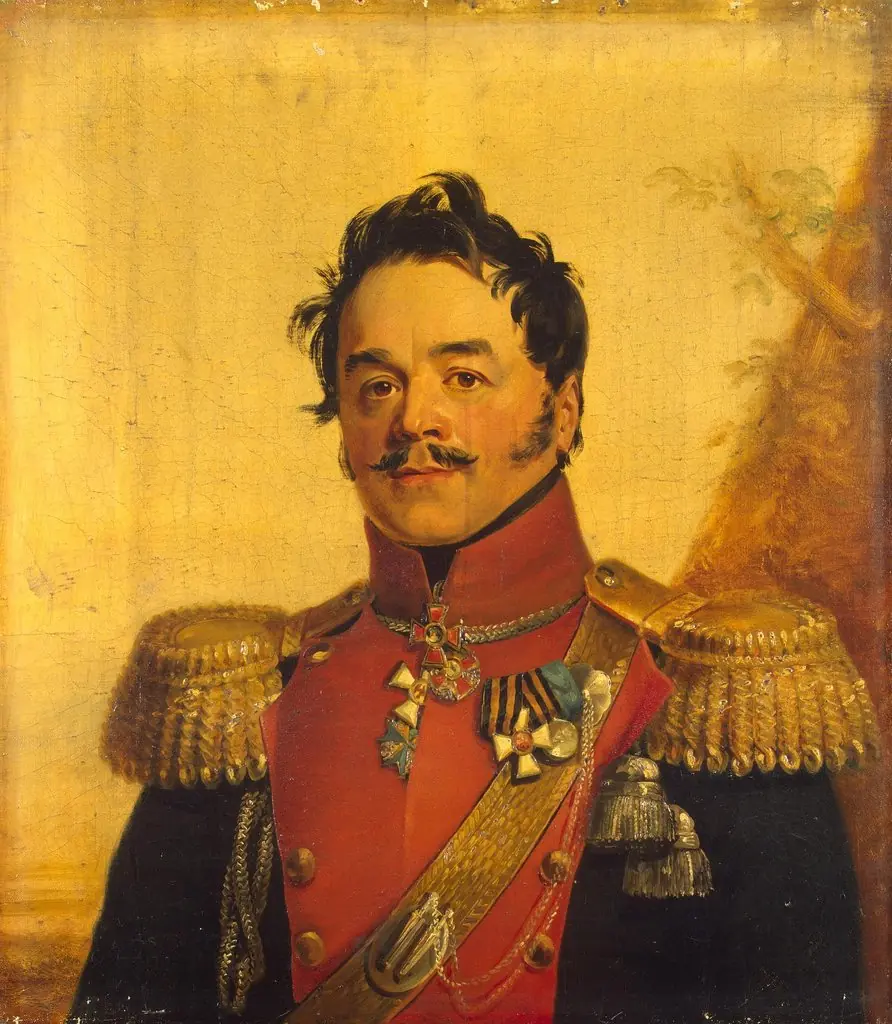
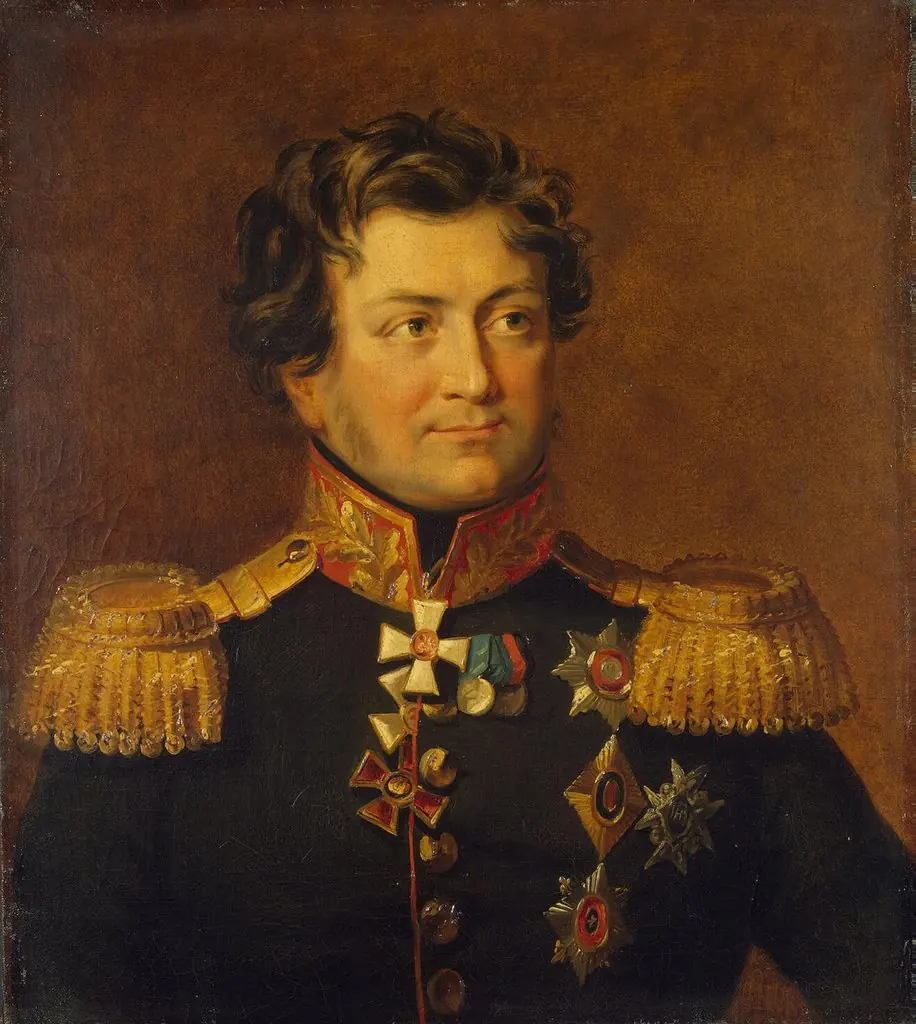
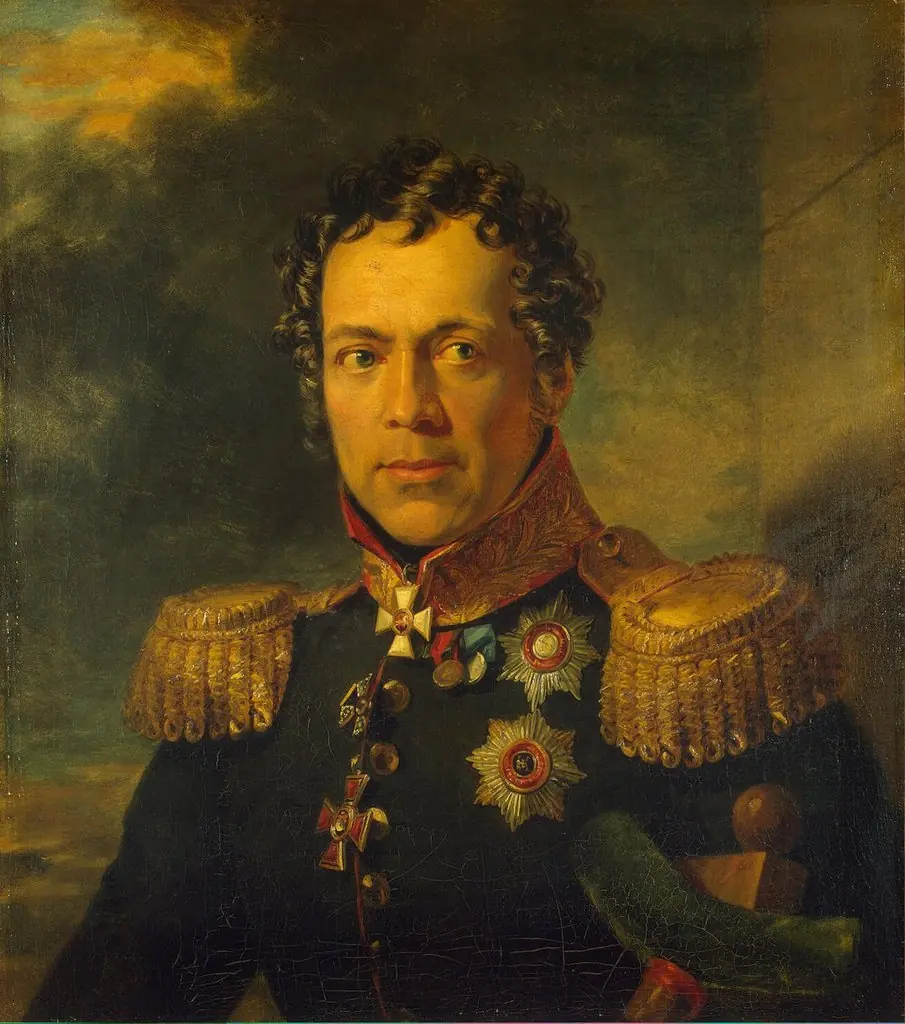
Portrait of Timofey D. Grekov (1770-1831)
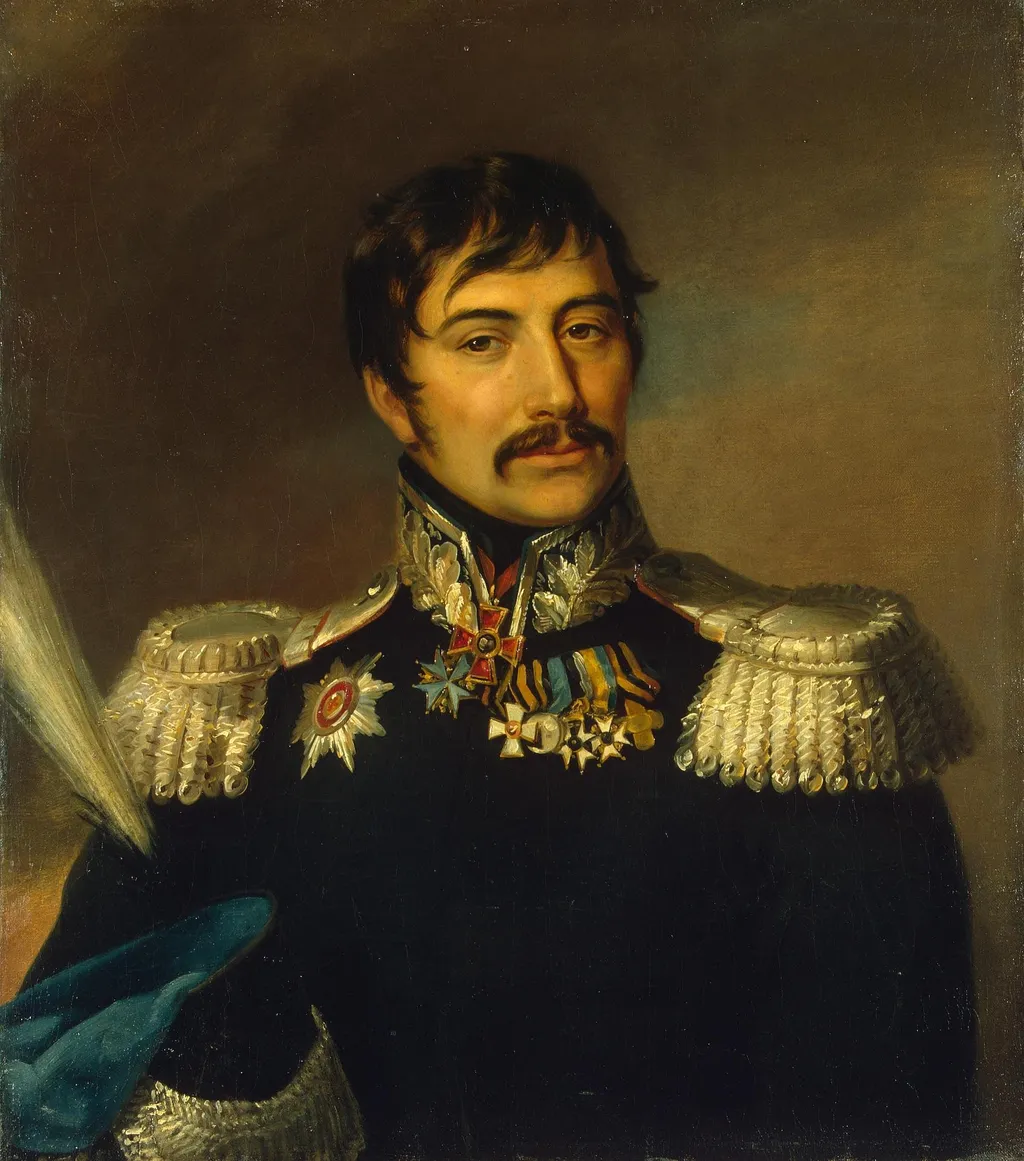
Portrait of Timofey D. Grekov (1770-1831) is an oil painting by Unknown. It dates from 1824 and is held in the collection of the Hermitage Museum. Painted in 1824, this oil portrait depicts Timofey D.
About this work
The painting is called Portrait of Timofey D. Grekov.
It was made in 1824 using oil paint.
The subject of the painting is a marshal, which is an interesting aspect of the work because it gives us a glimpse into the life of a high-ranking military officer.
You can learn more about this type of art at the State Hermitage Museum.
Overview
Painted in 1824, this oil portrait depicts Timofey D. Grekov, a Russian military marshal. The work is a formal representation typical of early 19th-century Russian portraiture, emphasizing rank and composure. It resides in the collection of the State Hermitage Museum, where it contributes to the institution’s documentation of imperial-era military figures.
Subject & Meaning
Timofey D. Grekov, who held the rank of marshal, is portrayed with restrained dignity. His uniform and bearing reflect his position within the imperial military hierarchy. The portrait does not emphasize action or symbolism but instead conveys authority through stillness and precise detail, aligning with contemporary ideals of leadership and decorum.
Technique & Style
The painting employs traditional oil techniques with careful attention to fabric texture and facial modeling. Brushwork is controlled, avoiding theatricality; lighting is even, focusing attention on the subject’s posture and attire. The palette is muted, favoring somber tones appropriate to military formality and the period’s aesthetic norms.
History & Provenance
It has been consistently attributed to a Russian artist of the period, though the painter’s identity is not documented.
Commissioned during Grekov’s lifetime, the portrait entered the Hermitage’s collection in the 19th century as part of a broader effort to document state officials. Its provenance remains unbroken, with no record of public display outside the museum until modern cataloging efforts. It has been consistently attributed to a Russian artist of the period, though the painter’s identity is not documented.
Context
In 1824, Russia was consolidating its imperial structure after the Napoleonic Wars. Portraits of high-ranking officers like Grekov served both personal and institutional purposes—affirming loyalty to the crown and preserving the visual record of military leadership. Such works were often displayed in official settings, reinforcing state authority through imagery.
Legacy
The portrait remains a quiet but significant example of Russian military portraiture from the early Romantic era. It offers insight into how rank was visually encoded in civilian and military life, without overt heroism. As part of the Hermitage’s holdings, it continues to support scholarly study of imperial Russian identity and visual culture.
Artist & collection

 Domestic Scene
 Giacomo and Cardinal Marco, investing Andrea, Abbot of San Zeno, with his Benefice
 The Nymph of Fontainebleau
 Portrait of a Woman
 Madonna and Child with Saints in the Enclosed Garden
 Venus and Minerva
 Family Group of Four on Sofa
 Wall painting from Room H of the Villa of P. Fannius Synistor at Boscoreale