Artwork
Christ on the sarcophagus
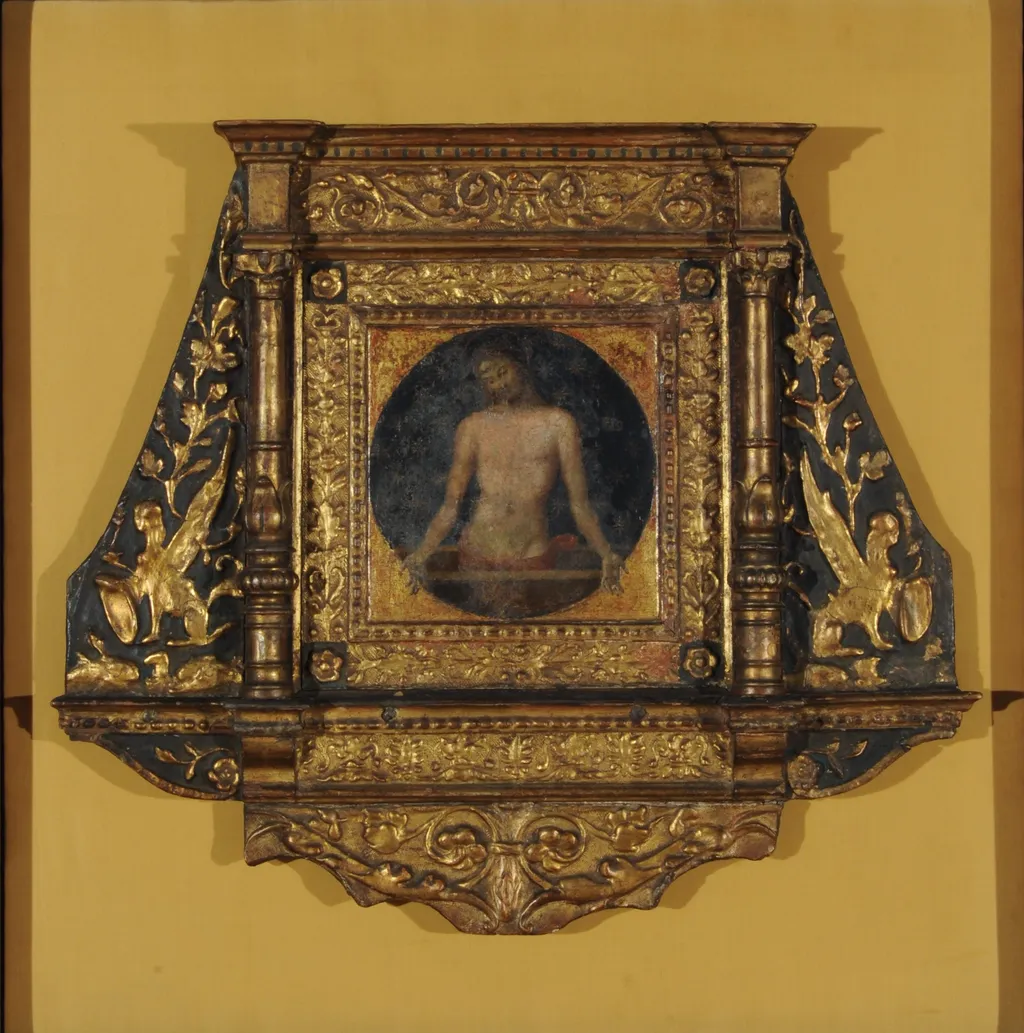
Christ on the sarcophagus is an unspecified painting by Unknown. It is held in the collection of the National Museum of Fine Arts, Argentina. This painting depicts a seated male figure on a stone slab, rendered in subdued tones against a dark background.
About this work
Overview
The composition emphasizes stillness and restraint, using minimal color and clear spatial definition to create a quiet, contemplative presence.
This painting depicts a seated male figure on a stone slab, rendered in subdued tones against a dark background. The figure is nude, with short hair and a beard, his arms resting gently on his thighs. A circular, ornate golden frame surrounds him, drawing focus to his form. The composition emphasizes stillness and restraint, using minimal color and clear spatial definition to create a quiet, contemplative presence.
Subject & Meaning
The figure is traditionally interpreted as Christ, shown in a state of repose upon a sarcophagus. His nudity and serene posture suggest vulnerability and divine humility, while the frame’s circular form evokes eternity. The absence of narrative elements or accompanying figures isolates the subject, inviting reflection on themes of death, resurrection, and inner peace rather than dramatic intervention.
Technique & Style
The artist employs a restrained palette, with the figure’s skin tone standing out against the deep, neutral background. Brushwork is smooth and unobtrusive, avoiding texture or dramatic lighting. The ornate frame, though painted, mimics carved goldwork, creating a tactile contrast with the flat surface of the panel. The composition prioritizes clarity and balance, reflecting a preference for quiet formal harmony over emotional intensity.
History & Provenance
The painting’s origins are undocumented in public records, and its early ownership remains unclear. It likely dates to the late medieval or early Renaissance period, given the stylized frame and devotional intent. No documented exhibition history or collector lineage is available, suggesting it may have been created for private devotion rather than public display.
Context
In the religious art of its time, depictions of Christ on the sarcophagus were rare compared to crucifixion or resurrection scenes. This image aligns with contemplative traditions that emphasized Christ’s humanity and the quiet anticipation of resurrection. Its simplicity contrasts with the elaborate altarpieces of the period, reflecting a more personal, meditative approach to faith.
Legacy
Though not widely reproduced or studied, the painting contributes to a lesser-known strand of devotional imagery that values stillness over spectacle. Its focus on the solitary, nude figure on a sarcophagus anticipates later Renaissance humanism, where the body becomes a vessel for spiritual meaning. It remains a quiet example of how restraint can convey profound religious sentiment.
Artist & collection

Museum
National Museum of Fine Arts, Argentina
Continue through works from the same source collection.
 Domestic Scene
 Giacomo and Cardinal Marco, investing Andrea, Abbot of San Zeno, with his Benefice
 The Nymph of Fontainebleau
 Portrait of a Woman
 Madonna and Child with Saints in the Enclosed Garden
 Venus and Minerva
 Family Group of Four on Sofa
 Wall painting from Room H of the Villa of P. Fannius Synistor at Boscoreale
 Christ on the cross
 The Crucifixion
 The Trinity
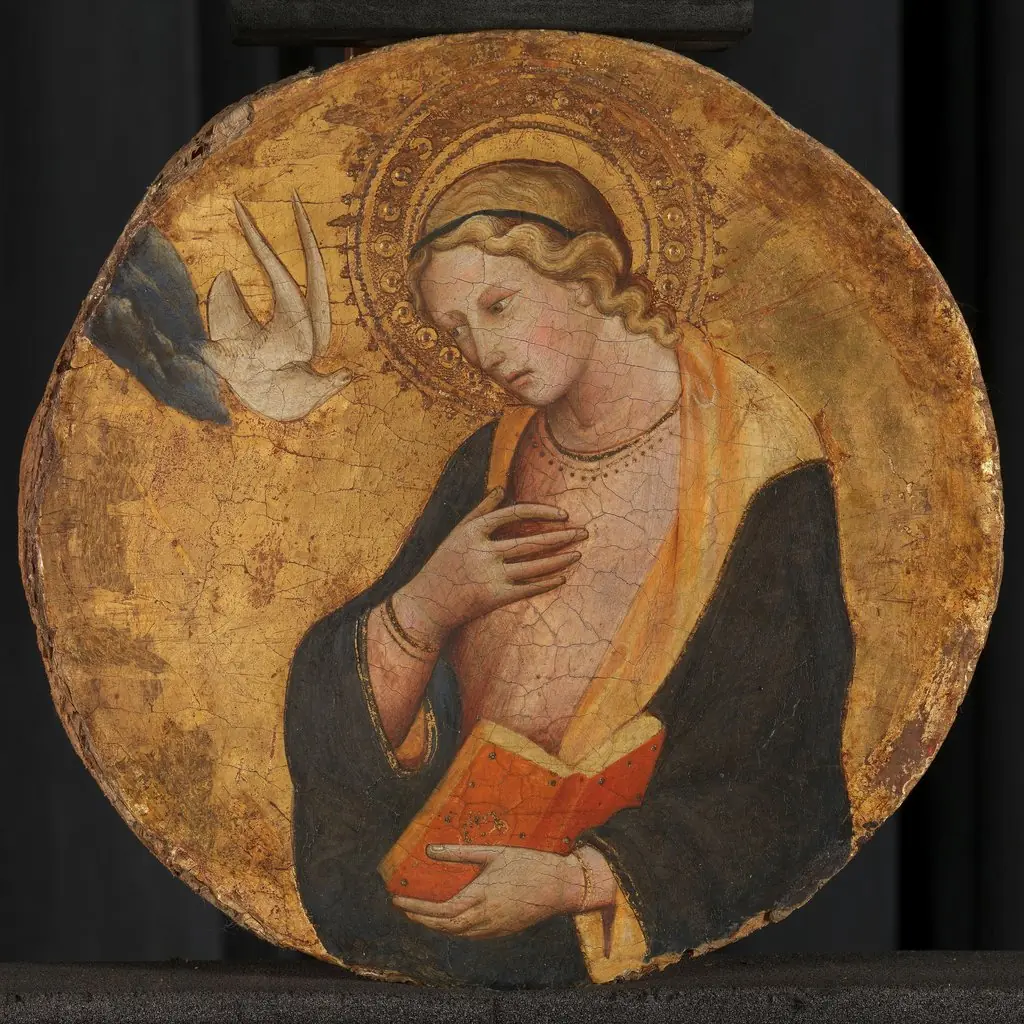 Virgin Annunciate
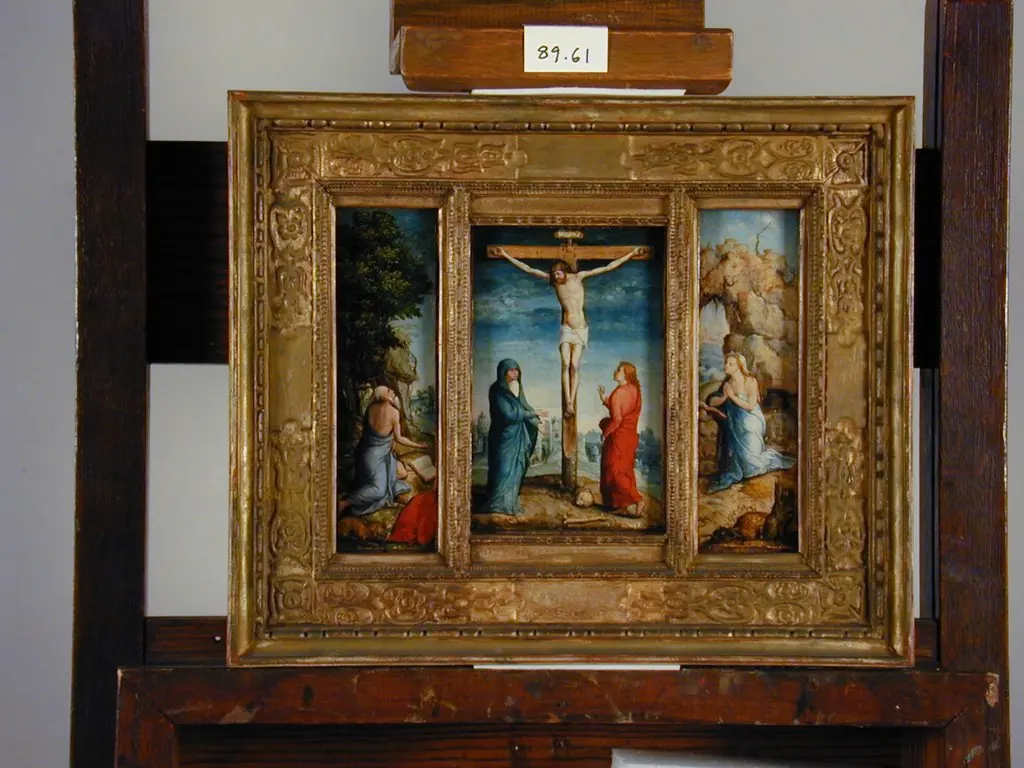 Crucifixion, St. Jerome, St. Mary Magdalene
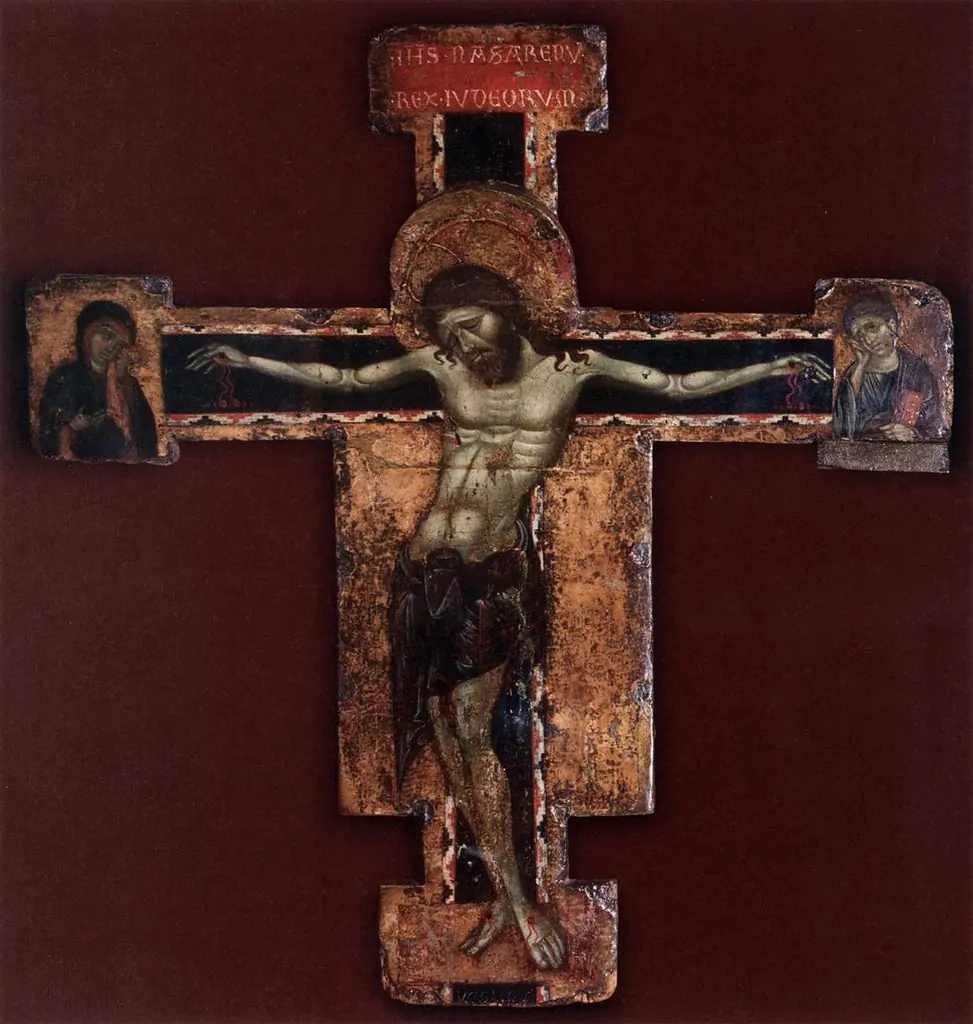 Cross with the Crucified Christ
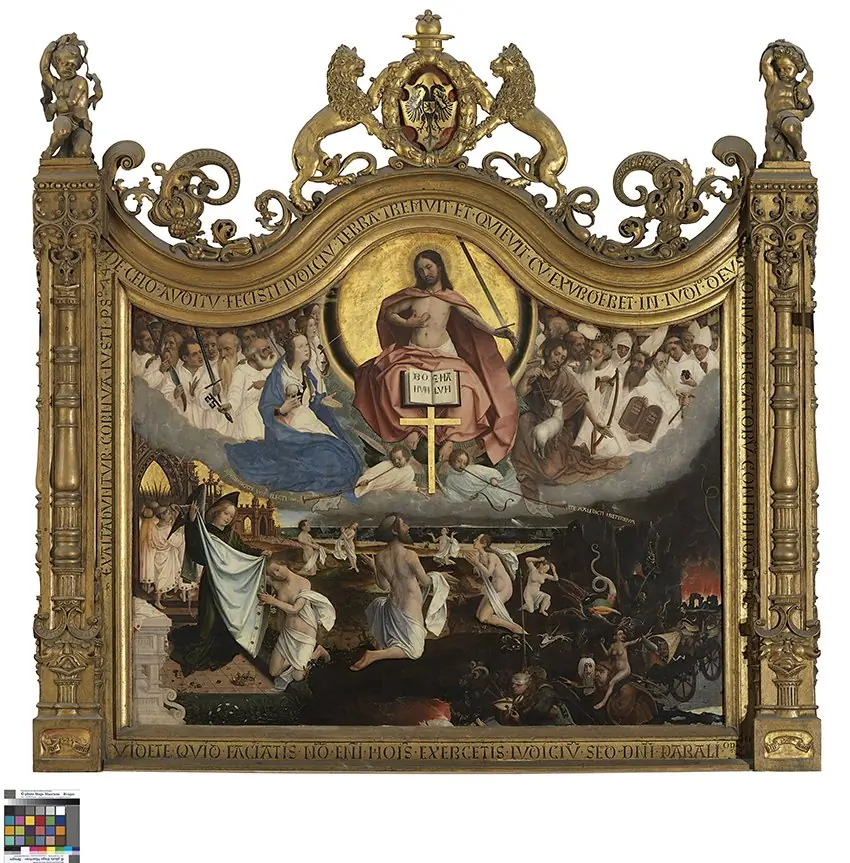 Last Judgement
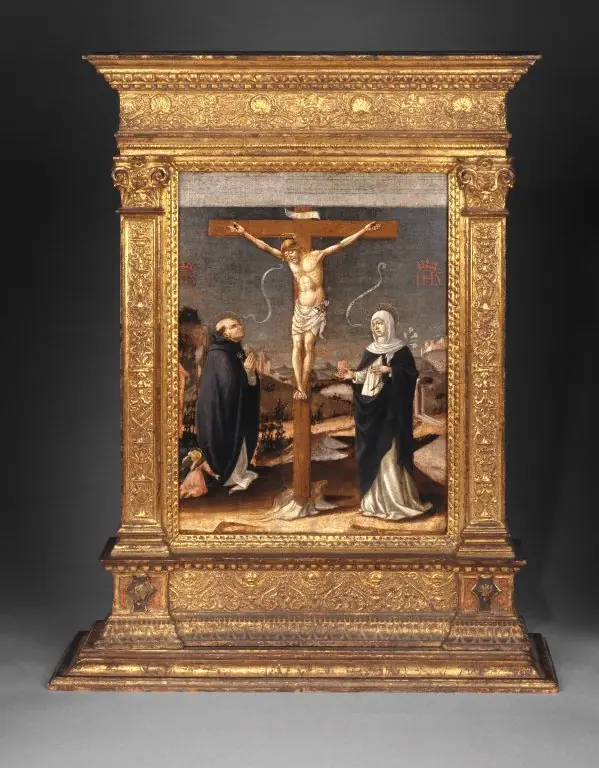 Christ on the Cross Adored by Saints Thomas Aquinas and Catherine of Siena
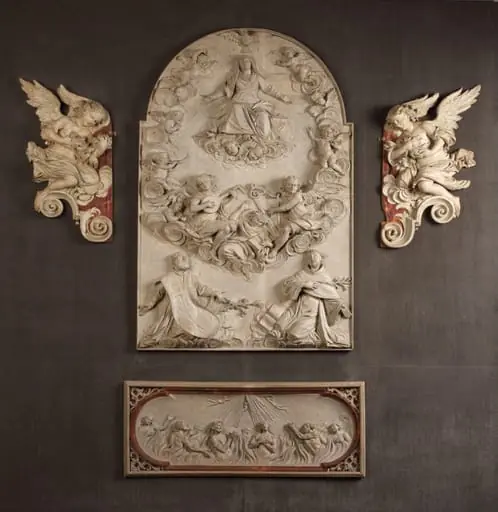 The Assumption of the Virgin with saints and angels
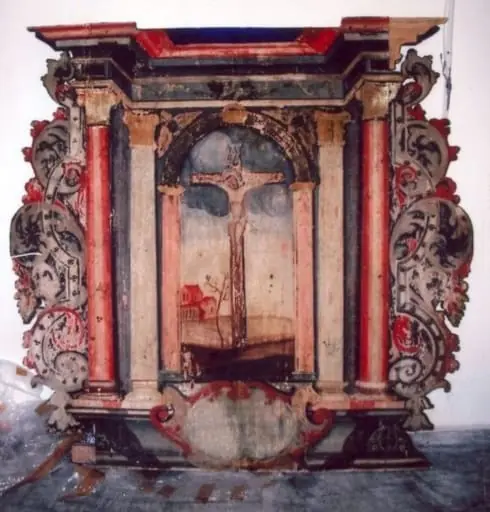 Răstignirea
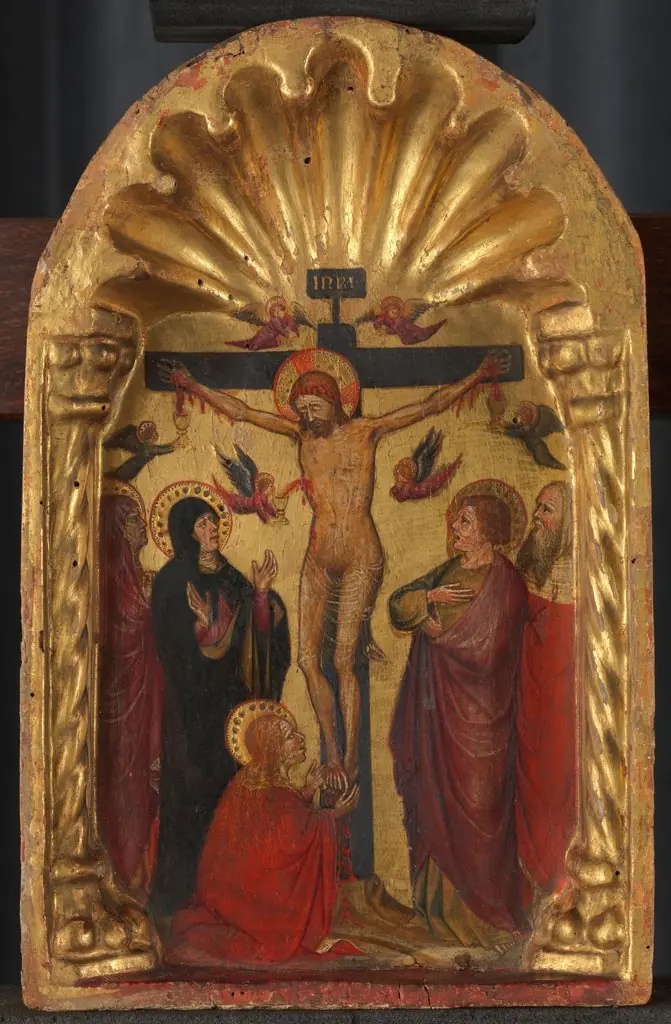 Crucifixion
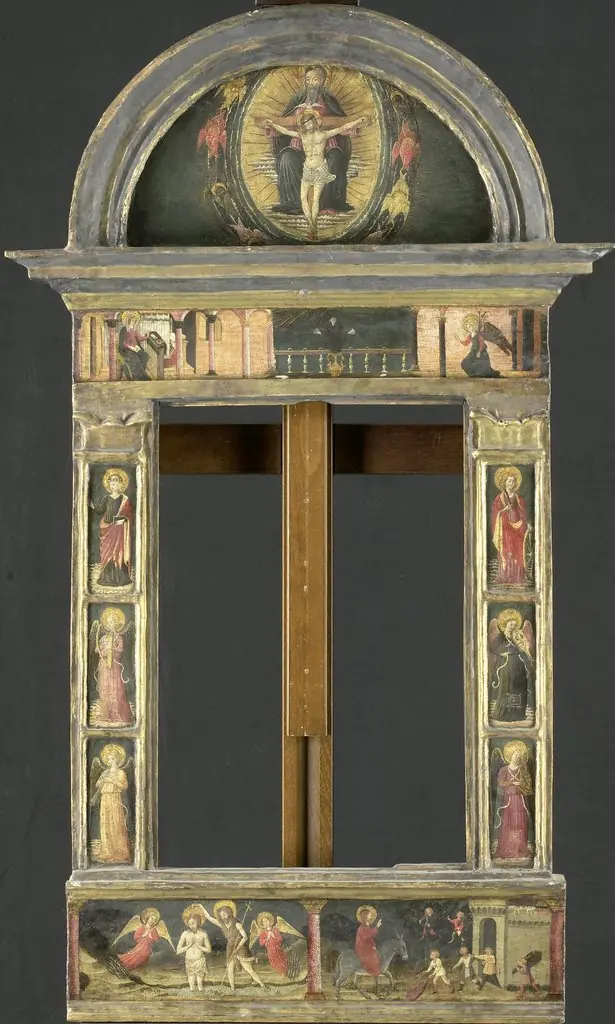 Frame painted with the annunciation, the baptism of Christ, the entry into Jerusalem, the Saints Cecilia and Catharina, and 4 angels making music