Artwork
Christ on the cross
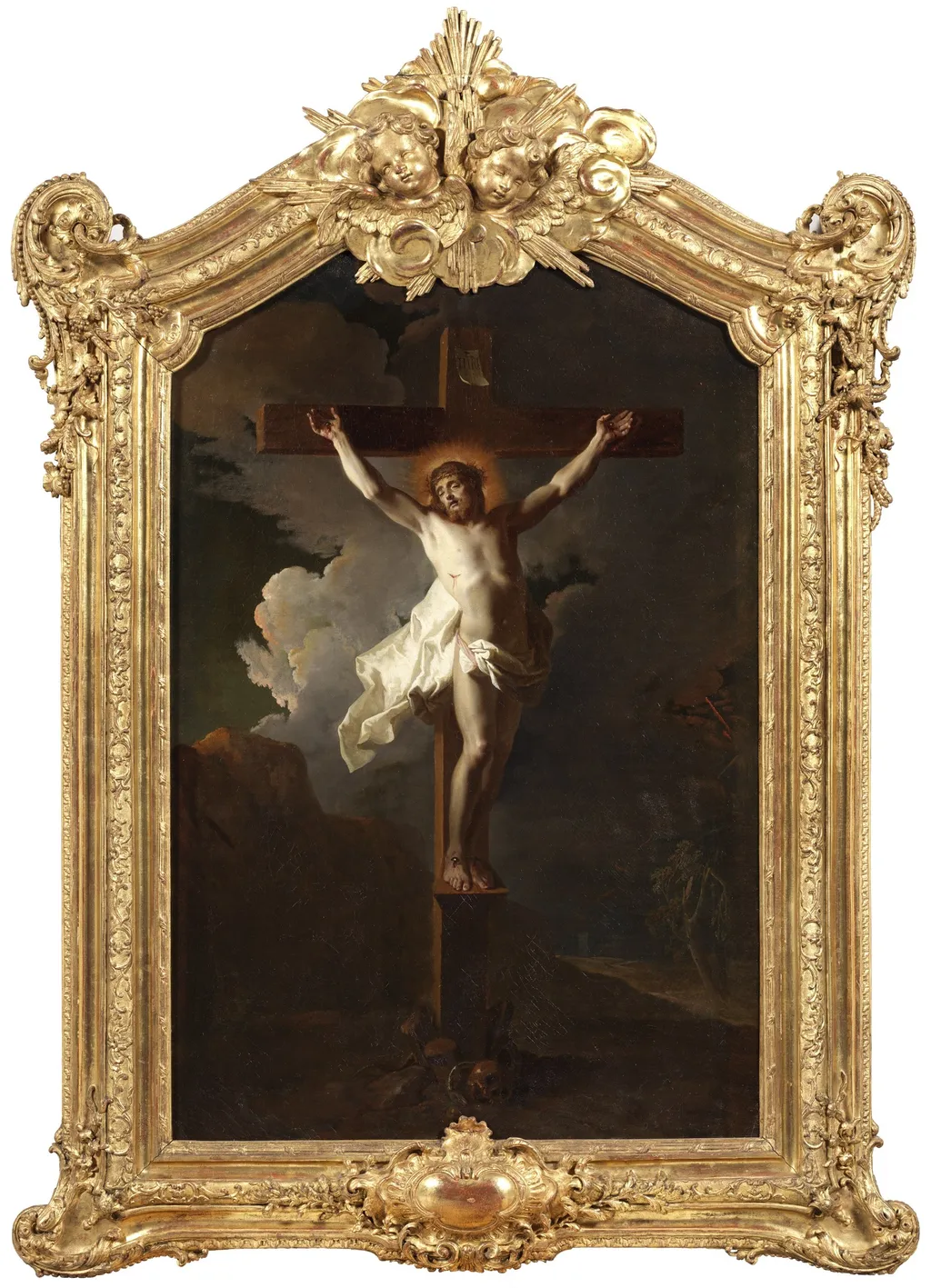
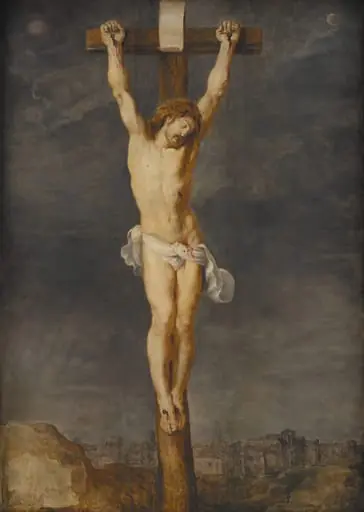
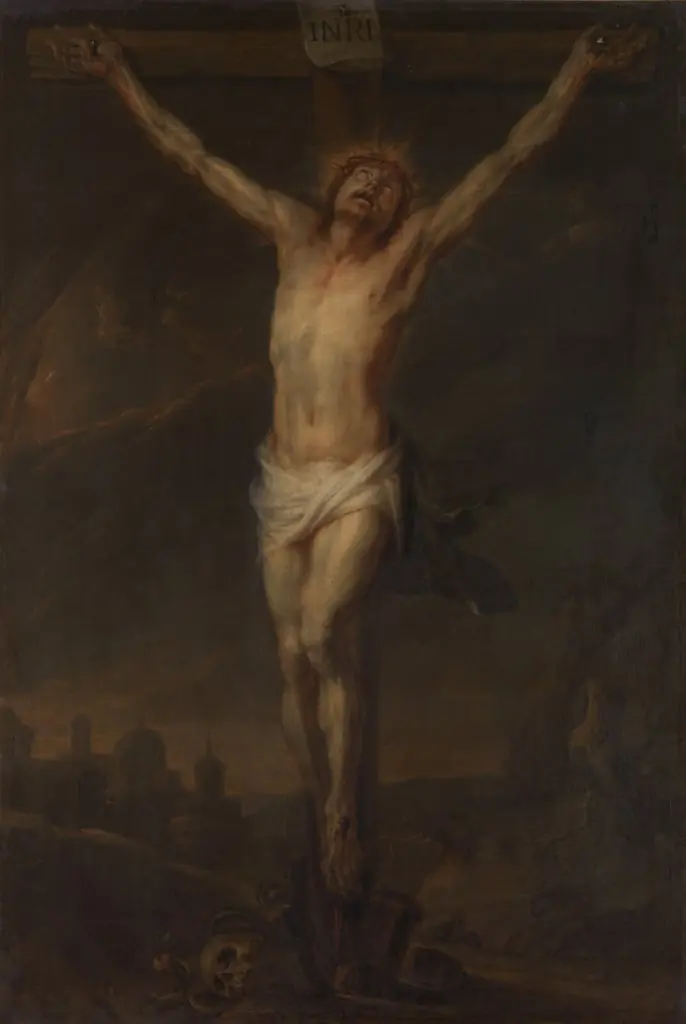
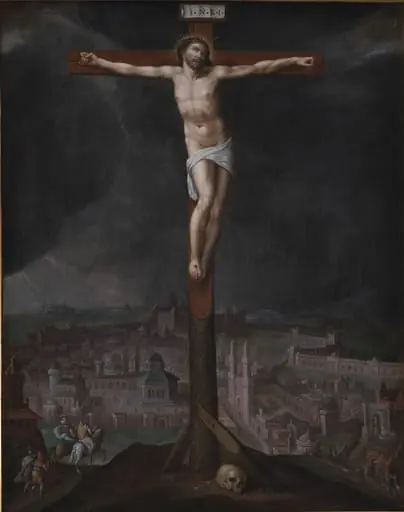
Christ on the cross is an oil painting by Jean Ranc. It dates from 1714 and is held in the collection of the Nationalmuseum.
About this work
Overview
Painted around 1714 in oil, *Christ on the Cross* is a religious work by Jean Ranc, a French artist best known for his court portraits.
Painted around 1714 in oil, *Christ on the Cross* is a religious work by Jean Ranc, a French artist best known for his court portraits. Though primarily engaged in commissioned likenesses of European royalty, Ranc produced this devotional image during a period when religious themes occasionally intersected with his practice. The painting resides in the Nationalmuseum’s collection, reflecting its historical significance within European ecclesiastical art.
Subject & Meaning
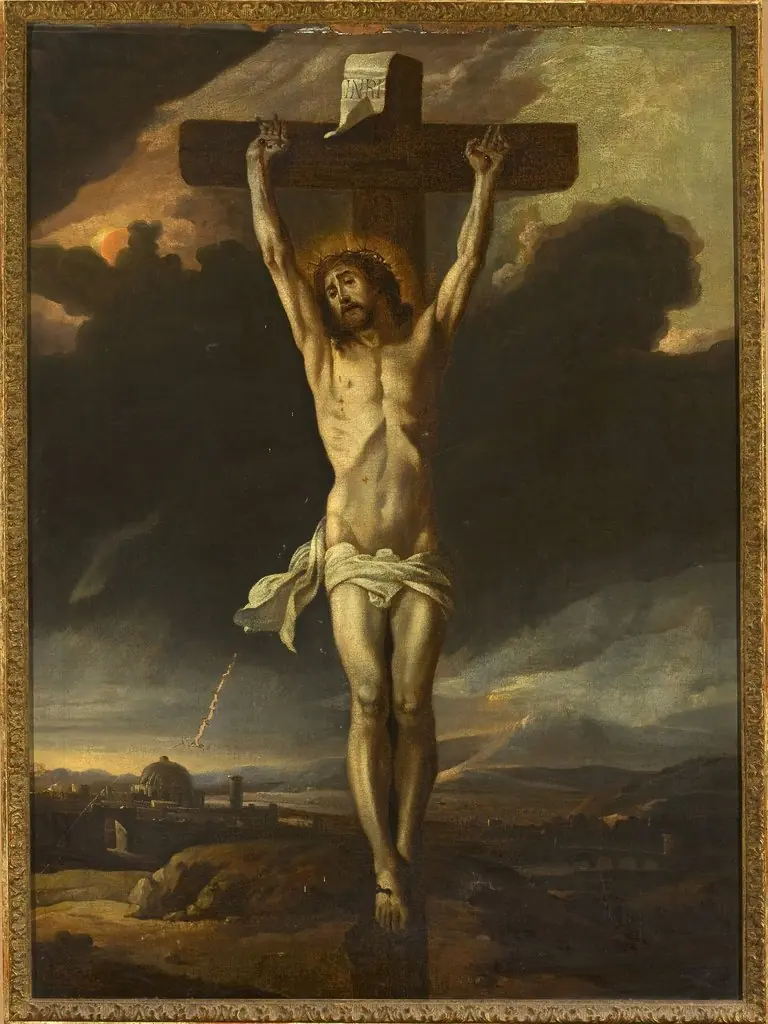
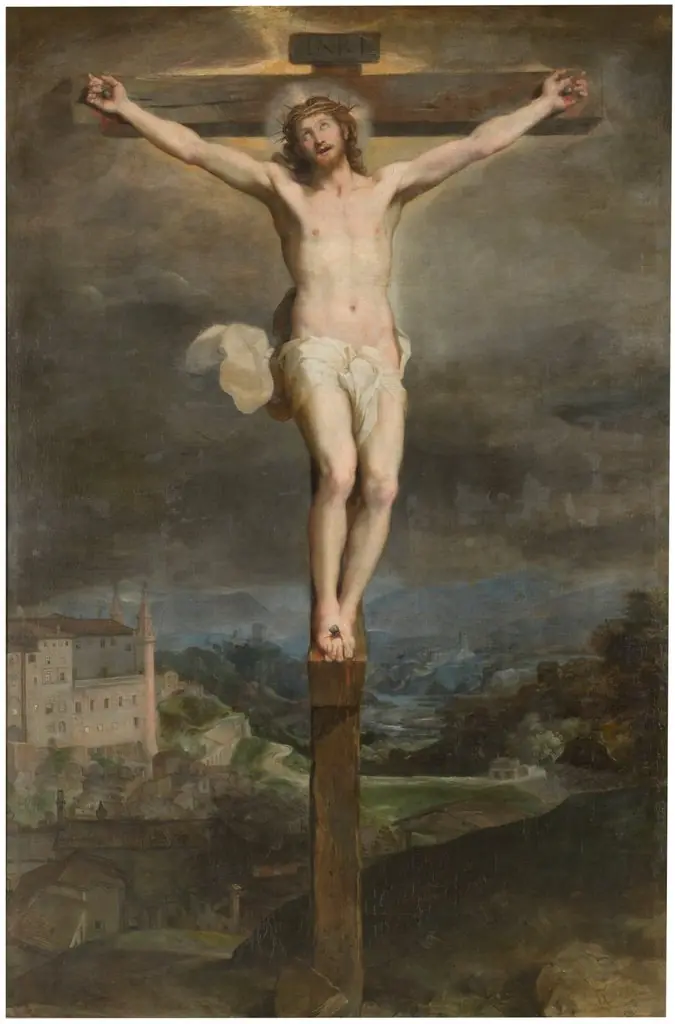
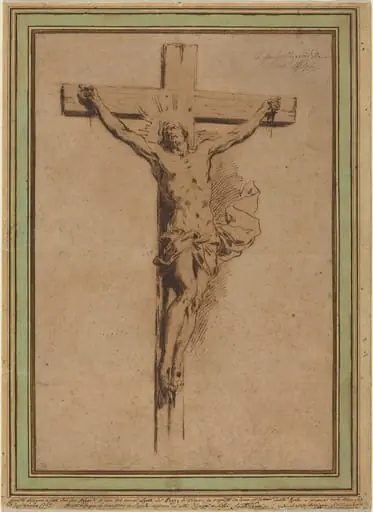
The painting presents Christ crucified, his body suspended on the cross with arms outstretched and head tilted to the right. A simple white loincloth covers his lower body, while his feet are nailed to the base. Beneath the cross, a skull and bones reference Golgotha, the place of the skull, symbolizing death and redemption. The somber tone and focused composition invite contemplation of sacrifice and human mortality.
Technique & Style
Ranc employs oil paint with restrained brushwork, emphasizing chiaroscuro to model Christ’s form against a dark, atmospheric background. Subtle gradations of light highlight the figure’s pallor and the texture of the cloth, while the clouds above suggest divine presence without overt symbolism. The composition avoids theatrical excess, favoring quiet dignity over emotional intensity, aligning with the restrained aesthetic of early 18th-century French religious imagery.
History & Provenance
Created during Ranc’s tenure as a painter to the courts of Louis XV, Philip V, and John V, the work likely originated as a private devotional piece rather than a public commission. Its presence in the Nationalmuseum suggests it entered Swedish collections through diplomatic or royal channels, possibly during the early 1700s when cultural exchanges between European courts were common.
Context
In early 18th-century Europe, religious imagery remained central to courtly and ecclesiastical life, even as secular portraiture dominated elite artistic patronage. Ranc’s depiction of Christ reflects a continuity with Baroque traditions, yet its subdued drama distinguishes it from the more flamboyant Spanish or Italian treatments of the same subject, revealing a French sensitivity to restraint and decorum.
Legacy
Though Ranc is remembered chiefly for his portraits, *Christ on the Cross* stands as a rare example of his engagement with sacred themes. The painting offers insight into the versatility of court artists who navigated both secular and devotional commissions. Its preservation in a national museum underscores its role as a quiet but enduring testament to religious expression in Enlightenment-era Europe.
Artist & collection
Artist
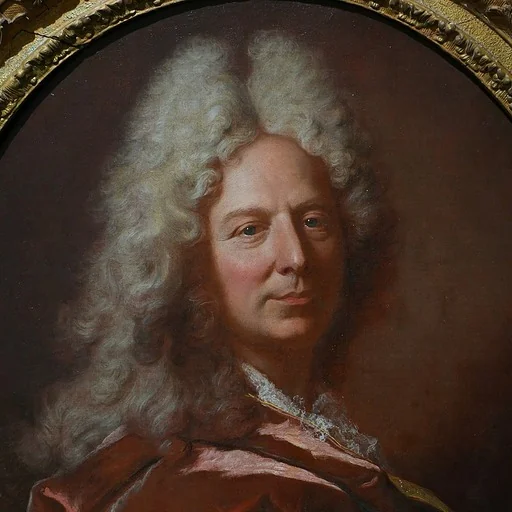
Jean Ranc (28 January 1674 – 1 July 1735) was a French painter, mainly active in portraiture.

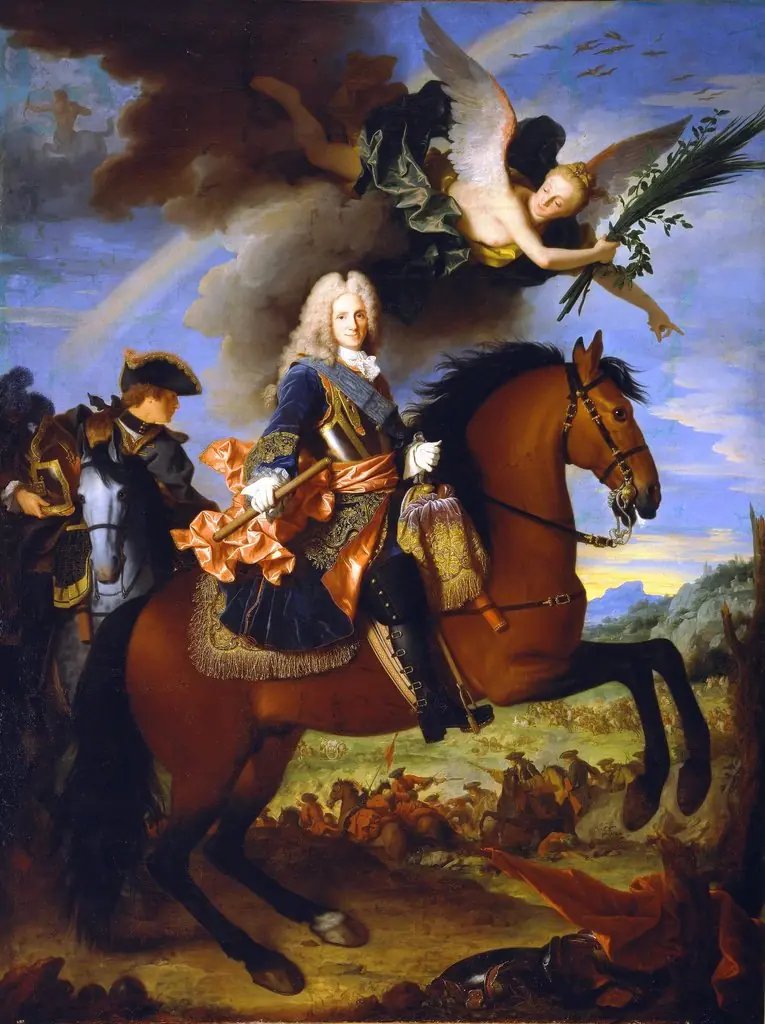 Philip V on Horseback
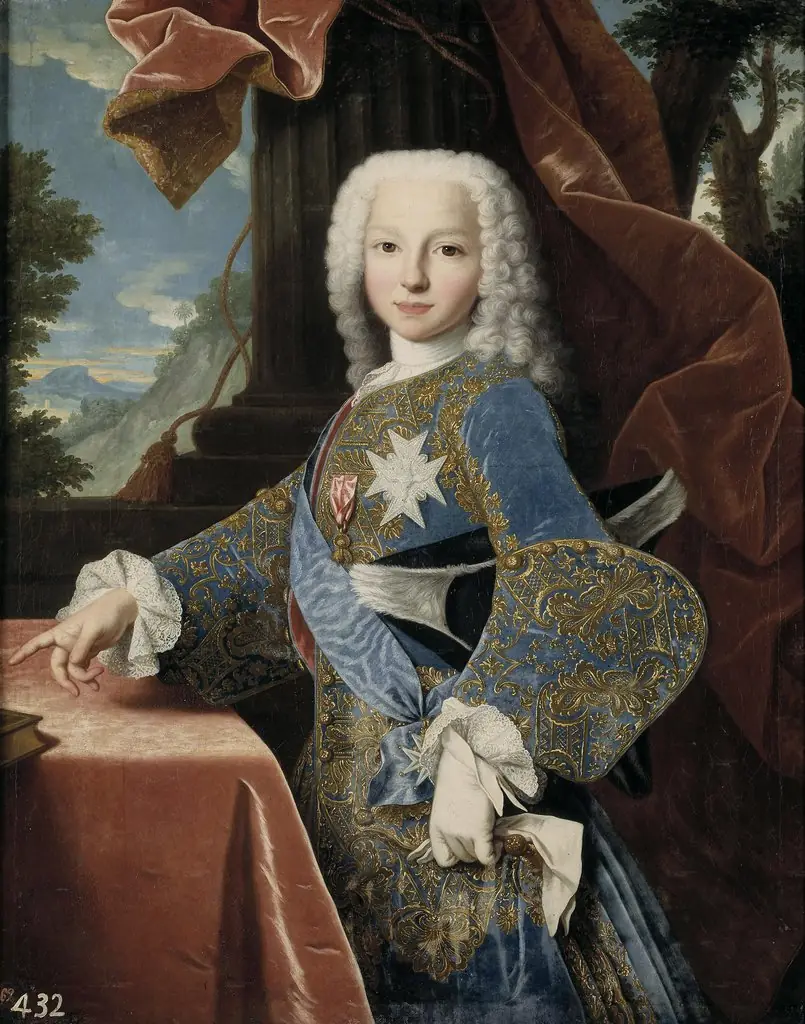 Felipe de Borbón y Farnesio, future Duke of Parma
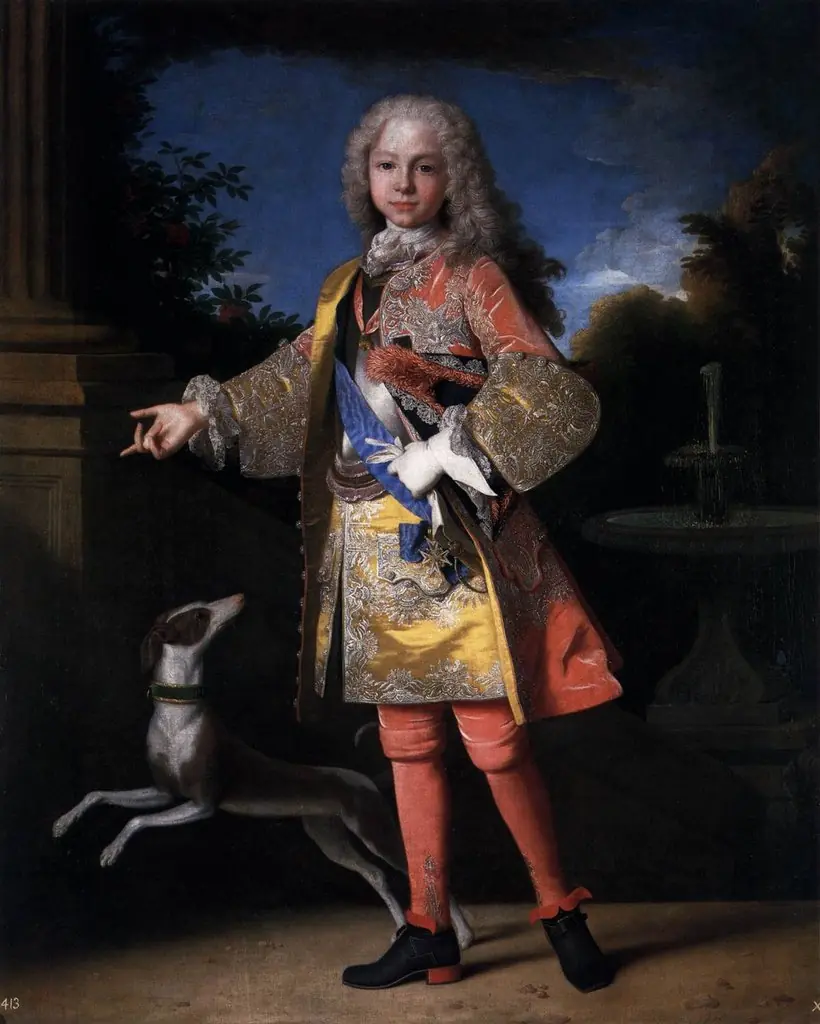 Portrait of Ferdinand VI as a Boy
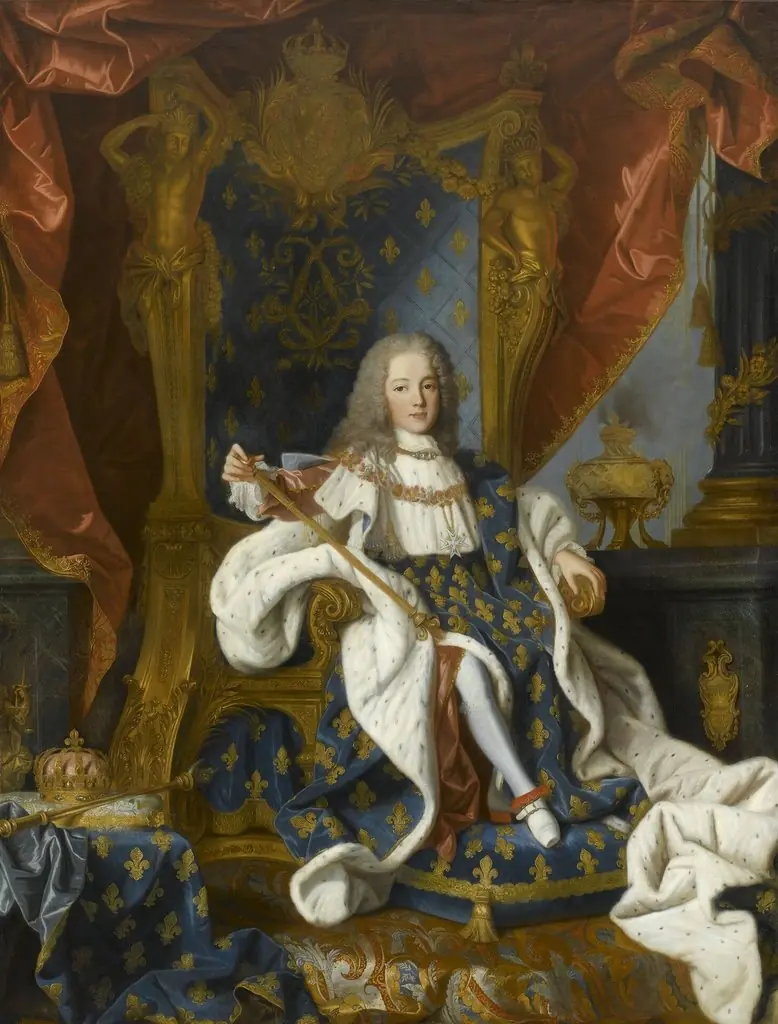 Louis XV, King of France (1710-1774)
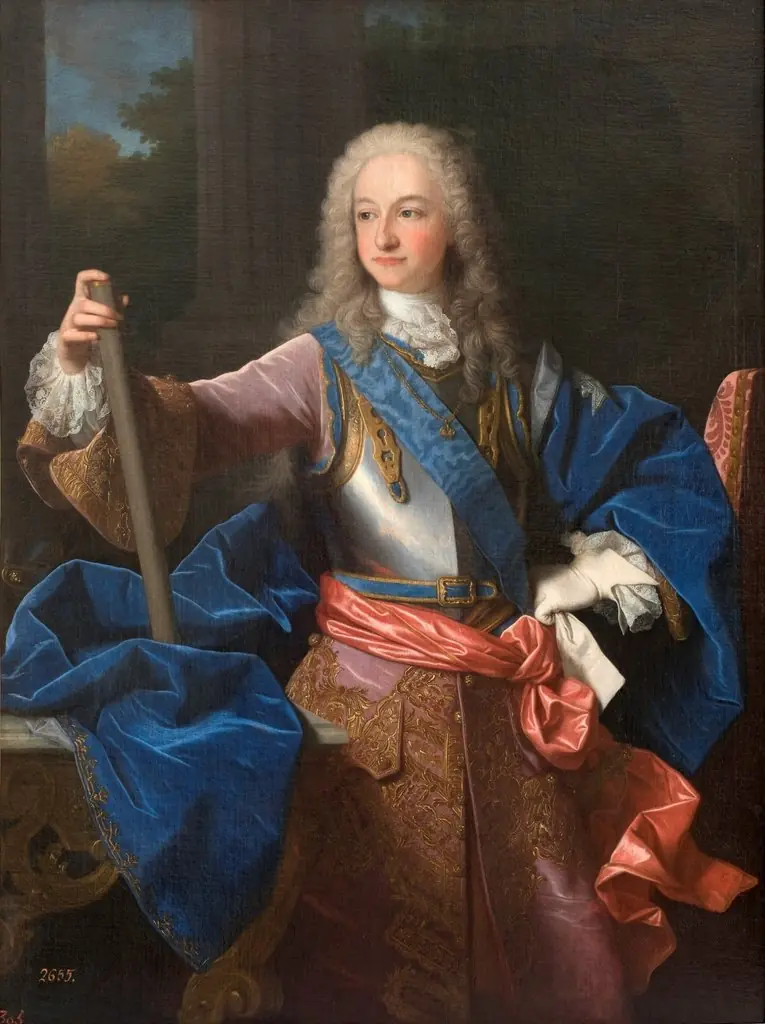 Portrait of Prince Louis of Spain
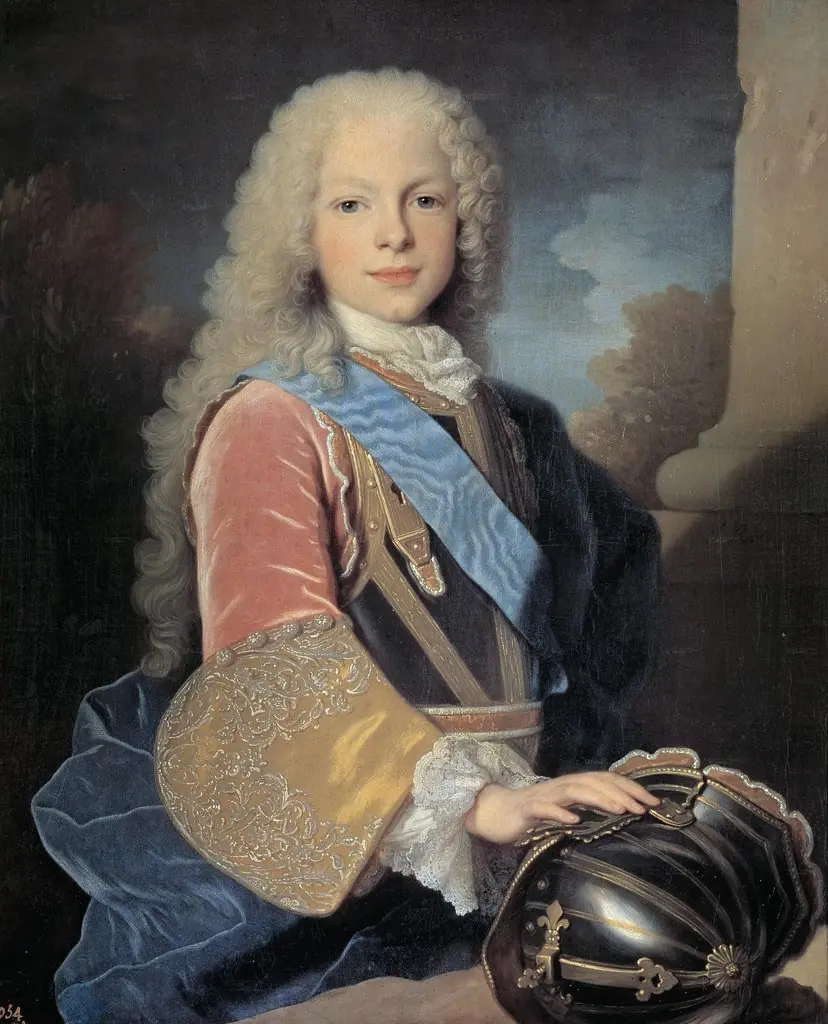 Fernando de Borbón y Saboya príncipe de Asturias (futuro Fernando VI de España)
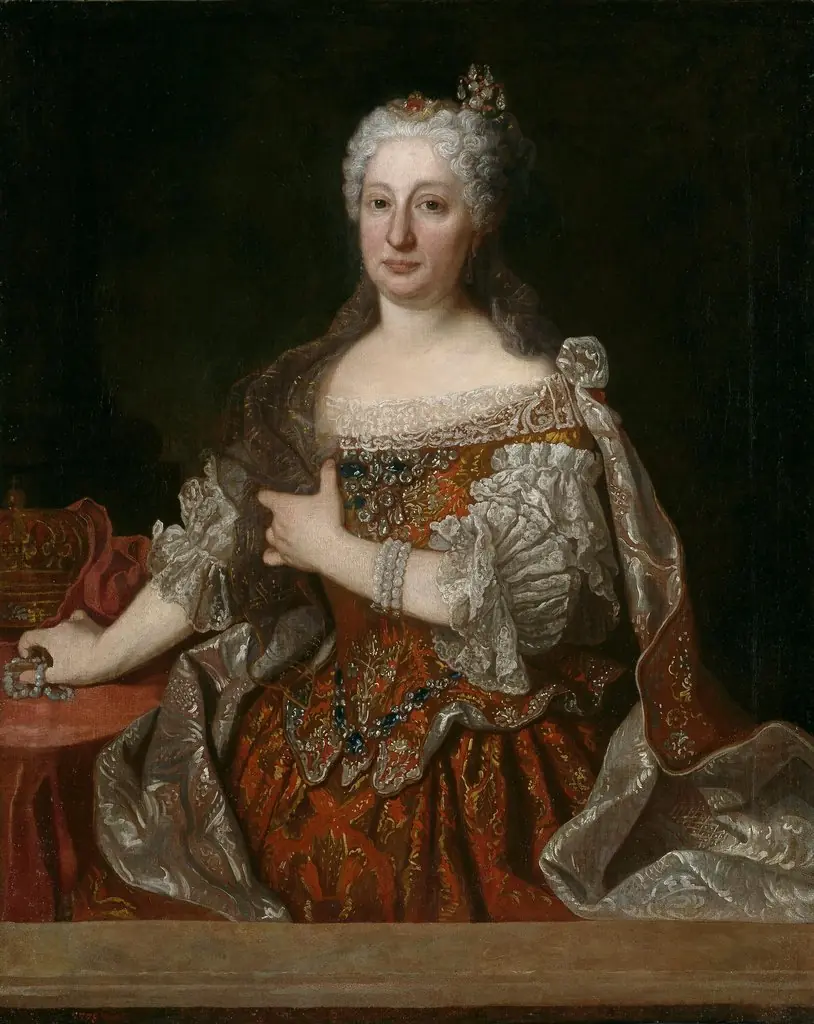 Maria Anna of Austria, Queen of Portugal
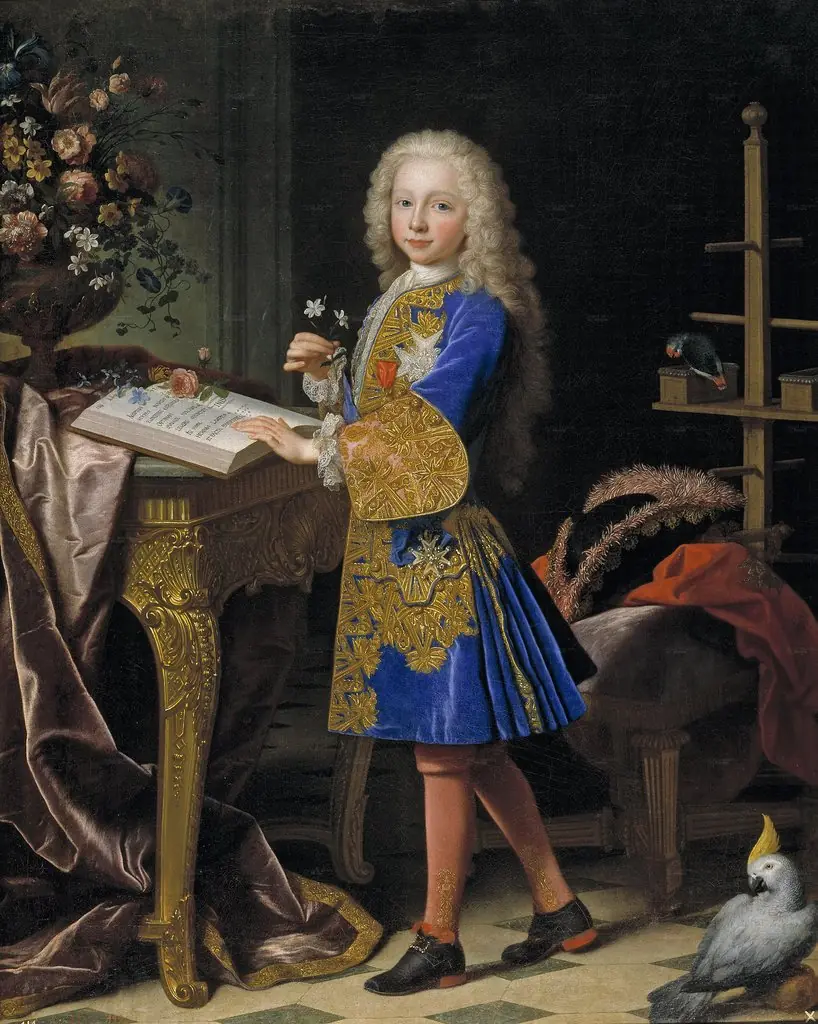 Charles III as a Child