Artwork
Page from Tales of a Parrot (Tuti-nama): text page
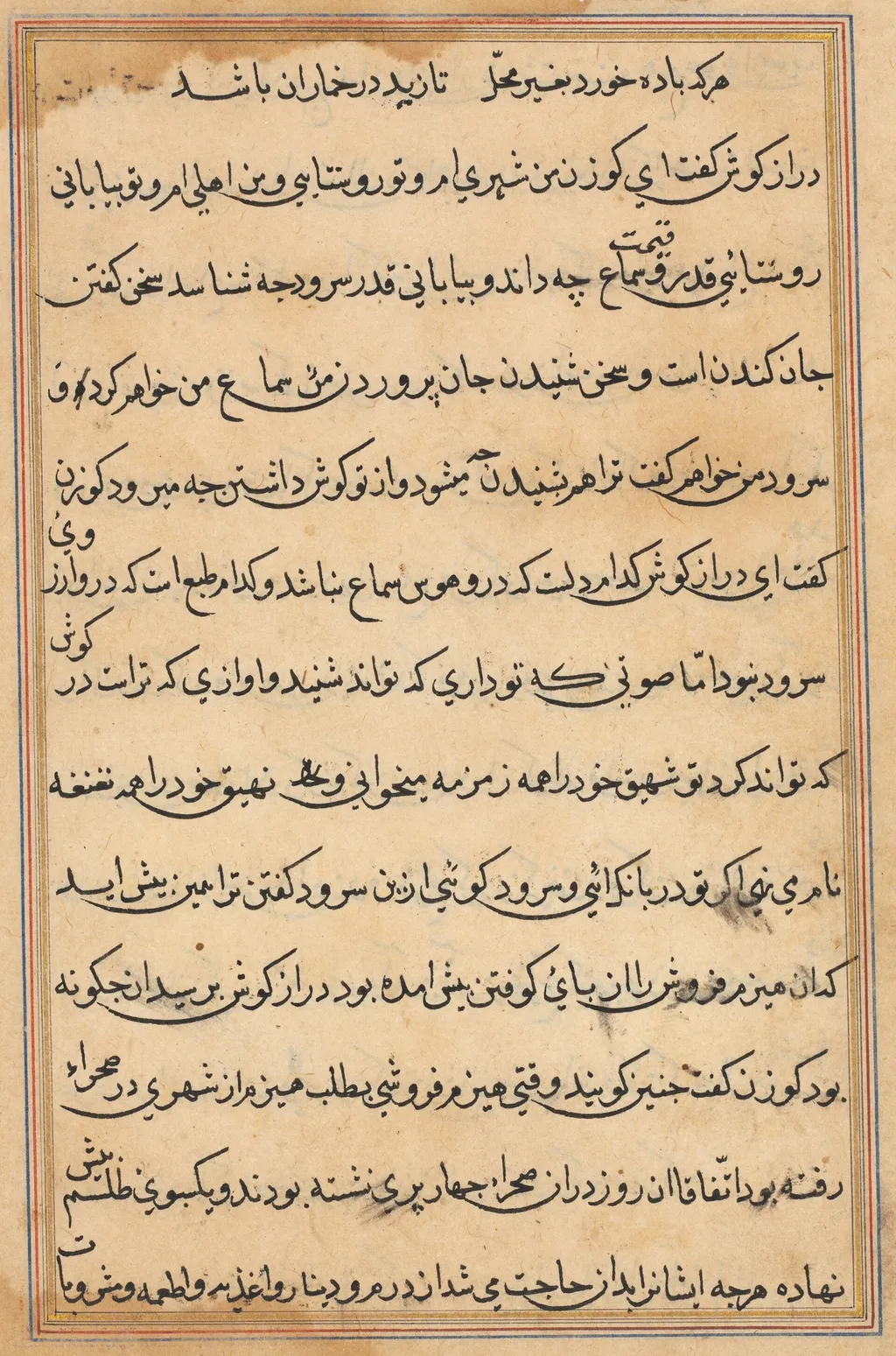
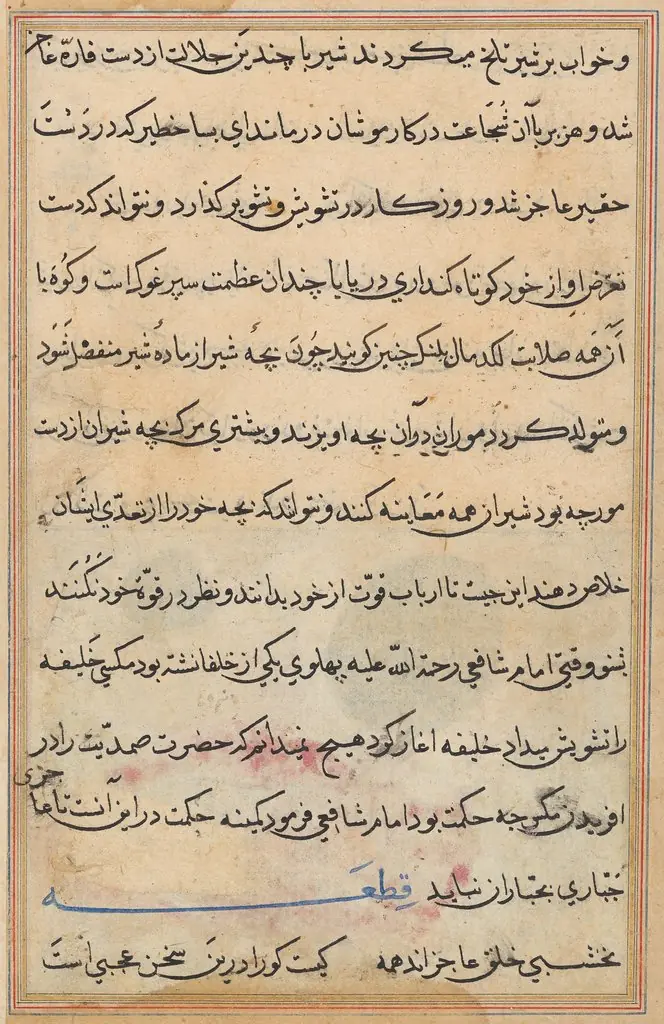
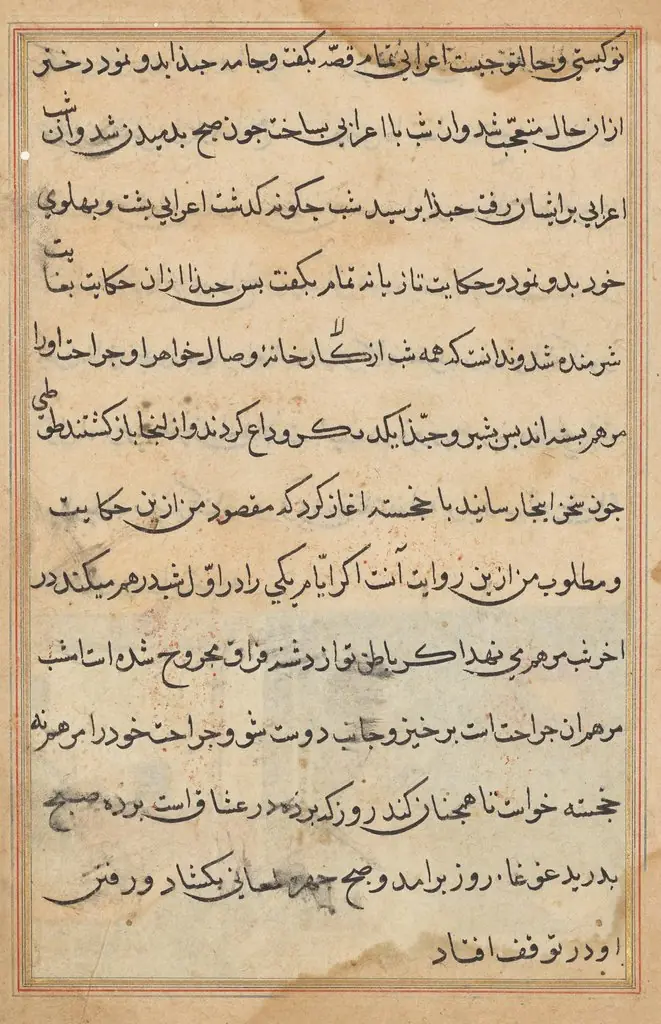
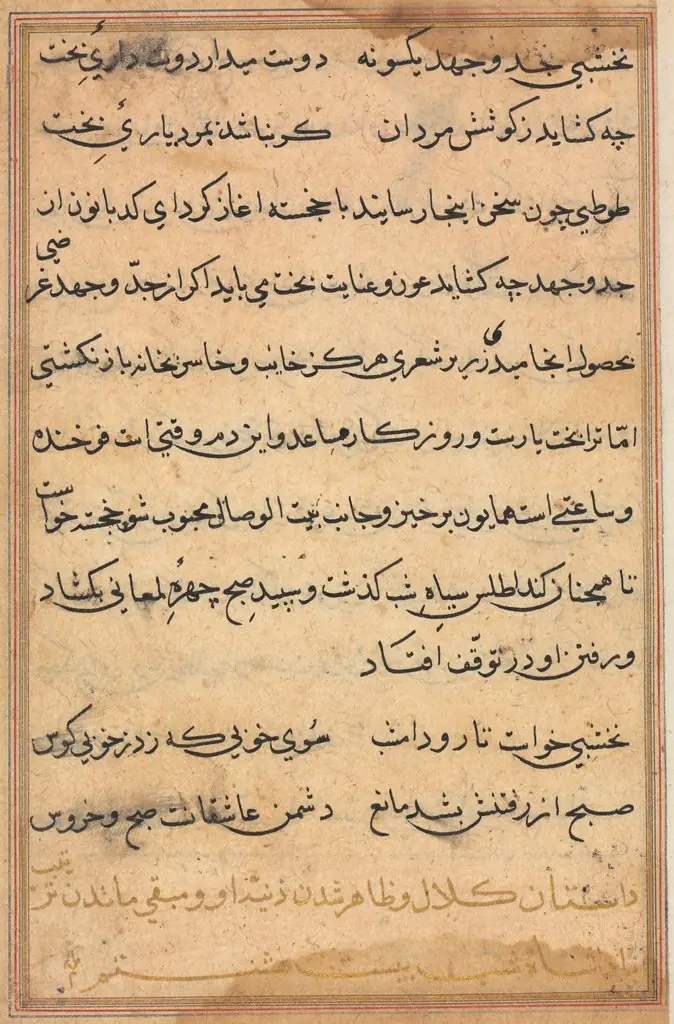
Page from Tales of a Parrot (Tuti-nama): text page is an unspecified painting. It dates from 1560 and is held in the collection of the Cleveland Museum of Art. The object is a single folio from the 1560 illustrated manuscript known as the Tales of a Parrot (Tuti‑nama).
About this work
The text is arranged in a vertical column, with each line of text flowing into the next without any visible punctuation or spacing.
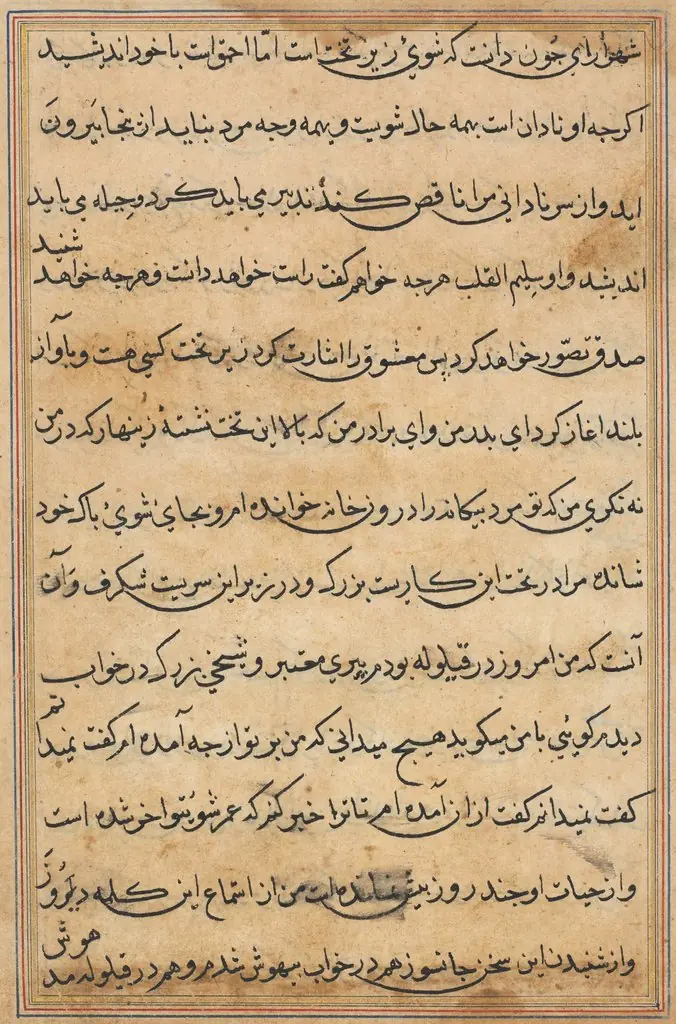
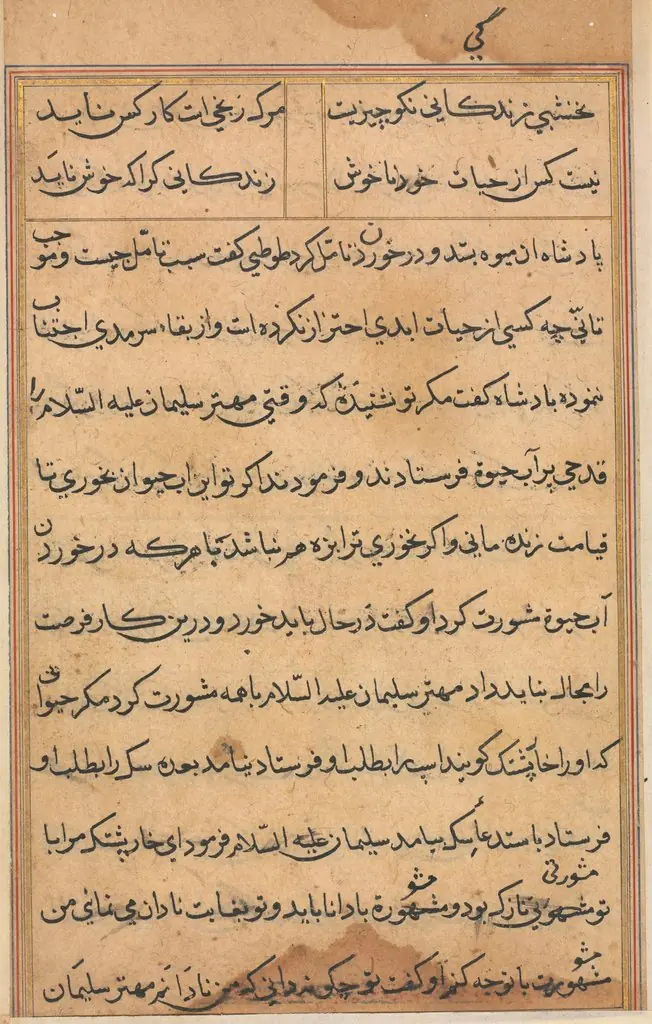
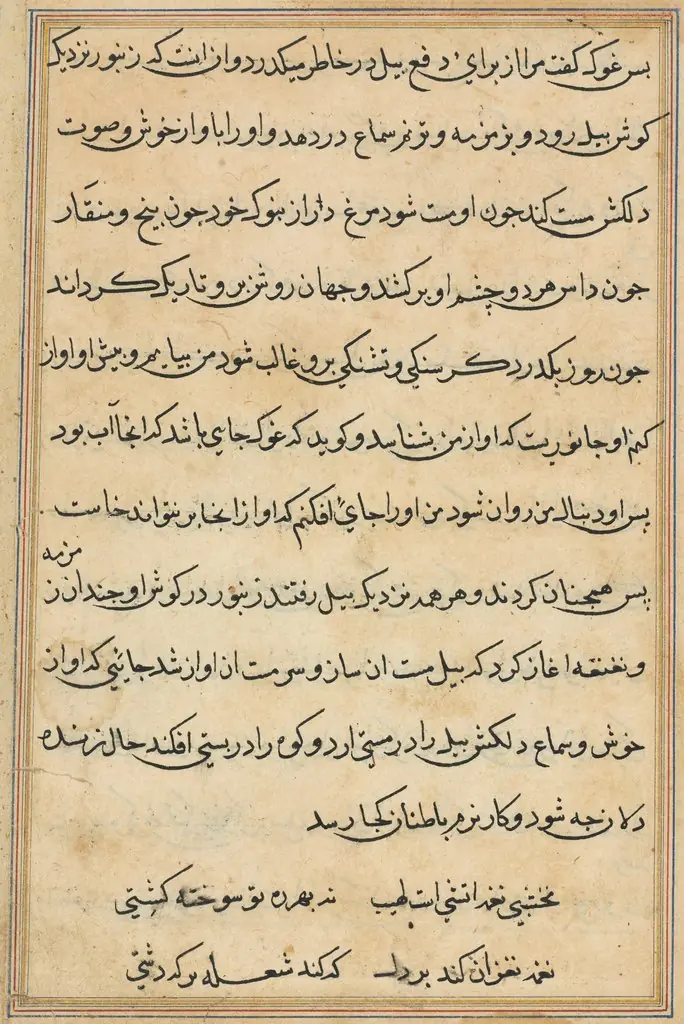
This painting is a page from the Tales of a Parrot (Tuti-nama), created in 1560. The image features a text page with black script written in a flowing, cursive style. The text is arranged in a vertical column, with each line of text flowing into the next without any visible punctuation or spacing. The text is written on a light-colored background, which may be paper or parchment. The overall effect is one of elegance and sophistication, with the flowing script creating a sense of movement and energy.
Overview
The object is a single folio from the 1560 illustrated manuscript known as the Tales of a Parrot (Tuti‑nama). It consists solely of a page of calligraphic text, presented without accompanying illustrations. The sheet is made of a light‑toned support, likely paper or parchment, and measures roughly the size of a typical 16th‑century codex leaf.
Subject & Meaning
The page contains a continuous column of Persian prose written in an elegant, flowing cursive hand. The narrative is part of the Tuti‑nama, a collection of moral anecdotes traditionally attributed to a parrot narrator, used to convey ethical lessons and courtly wisdom to its readers.
Technique & Style
The script is executed in a black ink that glides across the surface in a seamless line, lacking visible punctuation or spacing between words. This uninterrupted flow reflects the classical Nastaʿlīq calligraphic tradition, prized for its rhythmic movement and visual harmony, and emphasizes the text’s lyrical quality.
History & Provenance
Created in the mid‑16th century, the folio originates from the Persian literary milieu that produced many illustrated manuscripts for elite patrons. Though the specific patron or workshop is not recorded, the page survives as a fragment of a larger codex, likely separated from its companion leaves during later collection or sale.
Context
During the Safavid era, the Tuti‑nama was a popular vehicle for moral instruction, often copied for royal libraries and private study. The emphasis on refined calligraphy rather than illustration aligns with a period when textual elegance was a marker of cultural sophistication, complementing the manuscript’s didactic purpose.
Legacy
As an isolated example of Persian manuscript culture, the page illustrates the high regard for calligraphic art in the 1500s. It continues to inform scholars of the aesthetic standards and literary tastes that shaped the production of moral literature in early modern Iran.
Artist & collection

 Page from Tales of a Parrot (Tuti-nama): text page
 Page from Tales of a Parrot (Tuti-nama): text page
 Page from Tales of a Parrot (Tuti-nama): text page
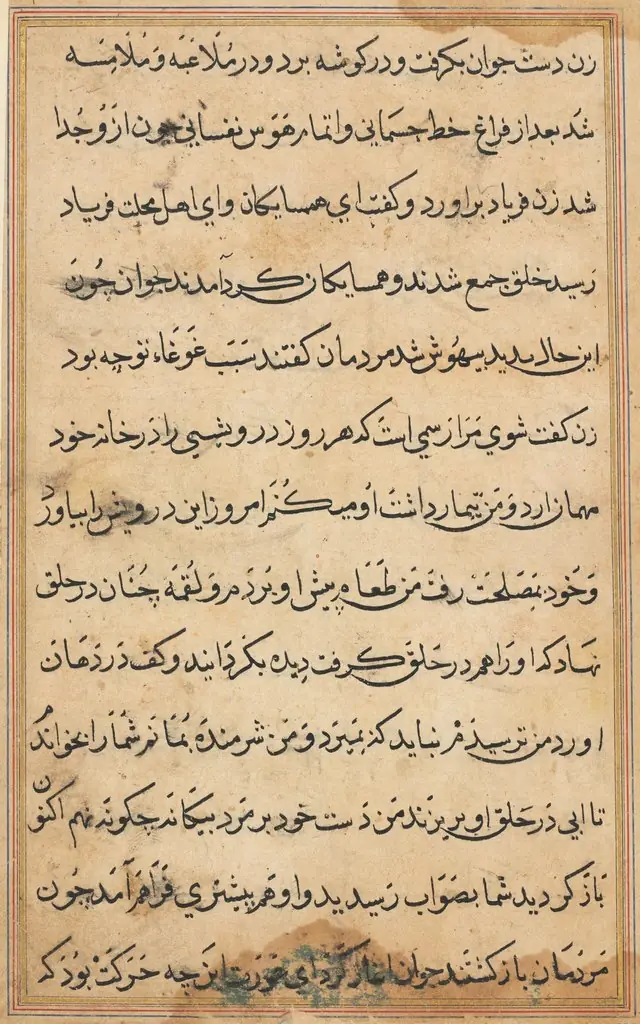 Page from Tales of a Parrot (Tuti-nama): text page
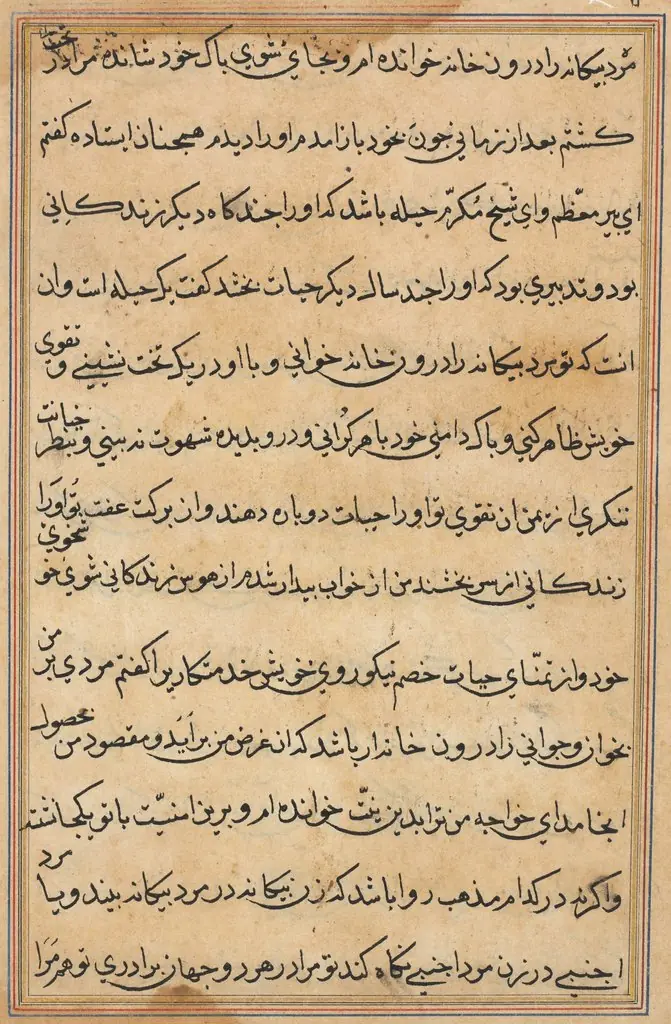 Page from Tales of a Parrot (Tuti-nama): text page
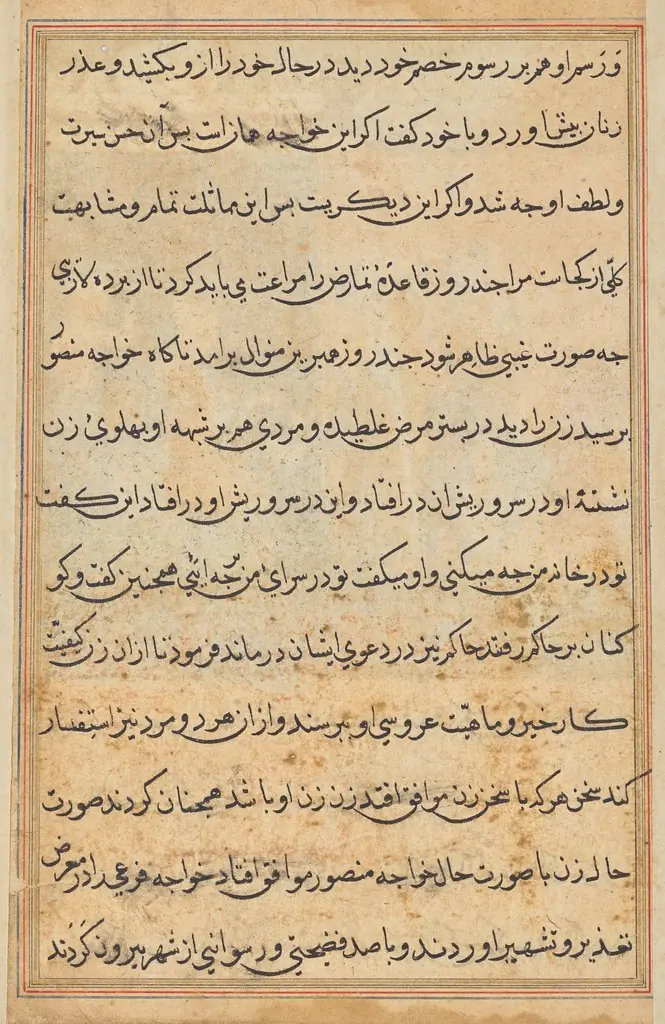 Page from Tales of a Parrot (Tuti-nama): text page
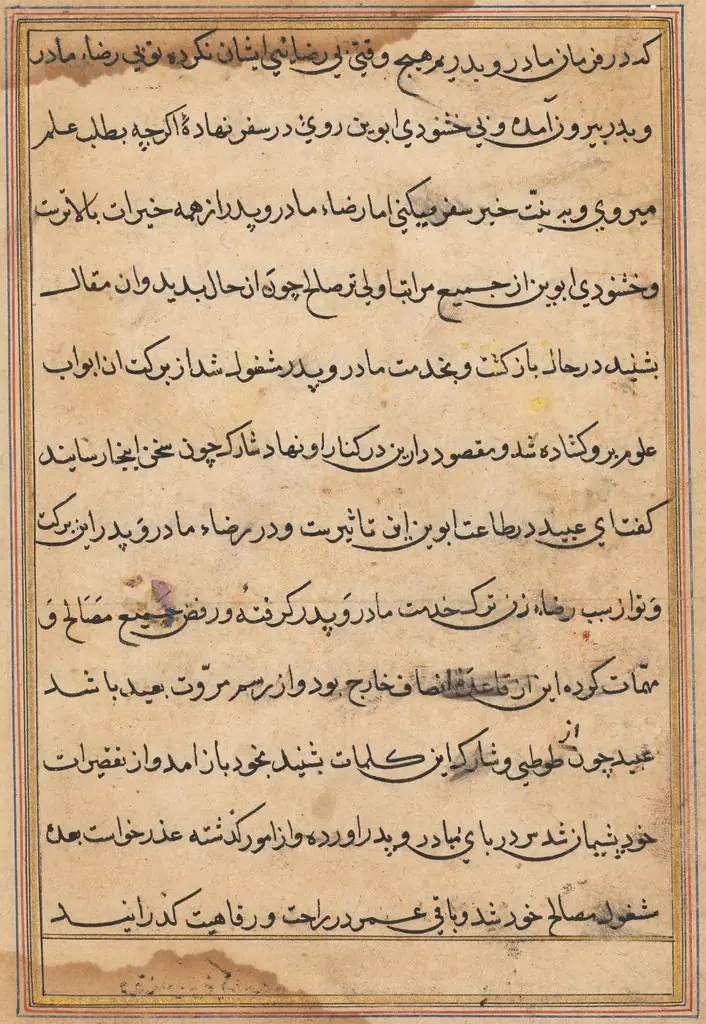 Page from Tales of a Parrot (Tuti-nama): text page
 Page from Tales of a Parrot (Tuti-nama): text page
 Page from Tales of a Parrot (Tuti-nama): text page
 Page from Tales of a Parrot (Tuti-nama): text page