Artwork
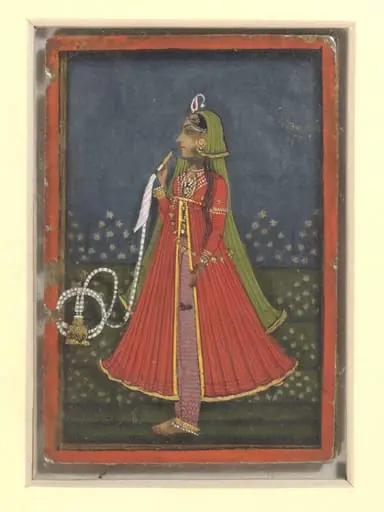
Bibi Ferzana
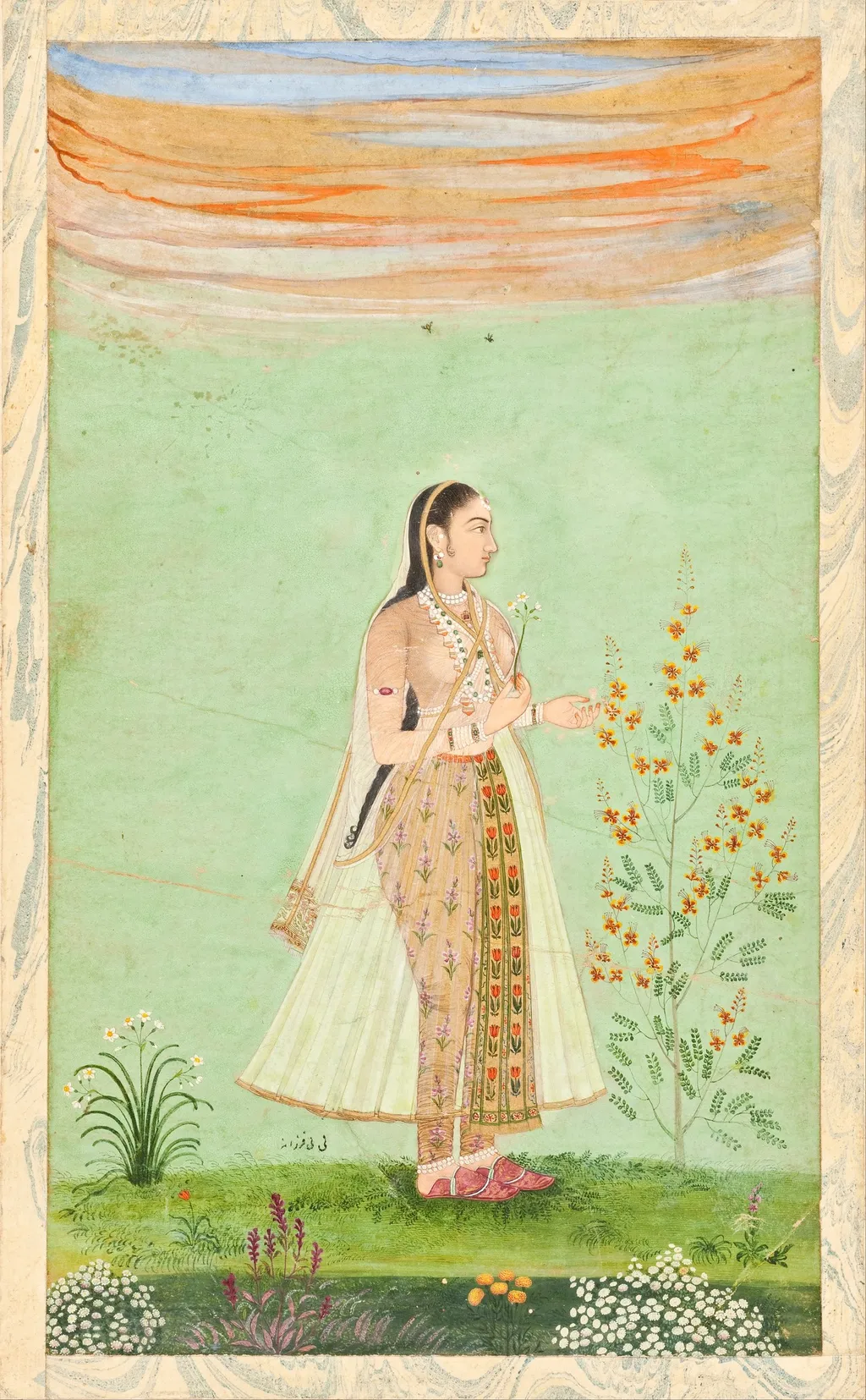
Bibi Ferzana is an unspecified painting by the Mughal Painting artist Unknown. It dates from 1675 and is held in the collection of the Los Angeles County Museum of Art.
About this work
Overview
The composition emphasizes quiet harmony through color and form, avoiding dramatic gesture in favor of stillness and subtle detail.
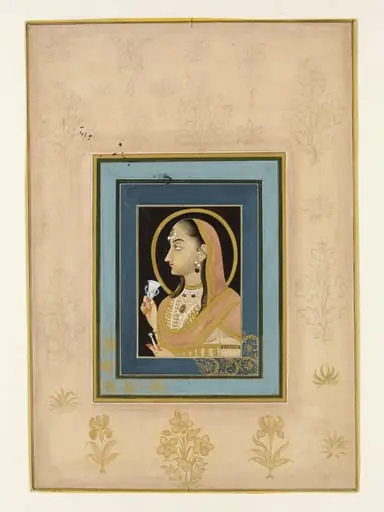
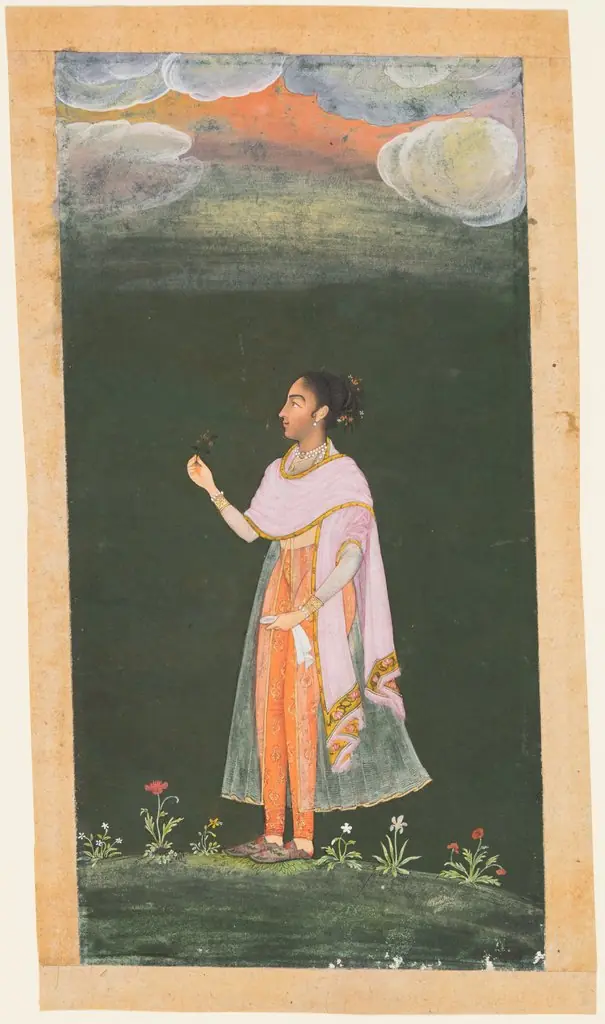
Bibi Ferzana is a painted portrait of a woman standing amid a blooming field. She is depicted in a long white gown with a patterned underskirt, holding a single flower. The surrounding flora includes orange, yellow, and white blossoms, set against a muted green backdrop. The composition emphasizes quiet harmony through color and form, avoiding dramatic gesture in favor of stillness and subtle detail.
Subject & Meaning
The figure, identified as Bibi Ferzana, appears in a natural setting, suggesting a connection between the individual and the floral environment. Her poised stance and the flower she holds may imply contemplation or reverence for nature. The absence of narrative elements or symbolic props invites interpretation centered on presence rather than story, reinforcing a sense of inner calm.
Technique & Style
The artist employs soft brushwork to render the petals and fabric, creating a tactile sense of texture without overt realism. Bright floral hues contrast gently with the pale dress and green background, enhancing visual balance. Delicate outlines and layered pigments suggest attention to light and seasonal detail, contributing to an atmosphere of quiet observation rather than theatrical expression.
History & Provenance
The painting's origin is tied to a regional artistic tradition, though specific records of its creation or early ownership remain limited. It has been preserved in private collections and later entered institutional care, where it is cataloged under the name Bibi Ferzana. No documented exhibitions or artist signatures accompany the work, leaving its exact date and creator unidentified.
Context
This work reflects a broader cultural interest in depicting women in natural settings during a period when domestic and pastoral themes gained artistic traction. While not part of a known school or movement, its aesthetic aligns with regional portraiture that valued tranquility and botanical symbolism. The absence of aristocratic or religious markers suggests a focus on personal, rather than public, identity.
Legacy
Bibi Ferzana endures as a quiet example of intimate portraiture rooted in nature. It has influenced later artists interested in non-dramatic female representation and the emotional resonance of floral motifs. Though not widely reproduced, its preservation in public collections ensures its continued presence as a subtle testament to understated beauty in regional art.
Artist & collection

 Domestic Scene
 Giacomo and Cardinal Marco, investing Andrea, Abbot of San Zeno, with his Benefice
 The Nymph of Fontainebleau
 Portrait of a Woman
 Madonna and Child with Saints in the Enclosed Garden
 Venus and Minerva
 Family Group of Four on Sofa
 Wall painting from Room H of the Villa of P. Fannius Synistor at Boscoreale
 Beauty Holding a Flower
 Rani Golapati
 Tamil dancing girl
 Untitled
 Untitled
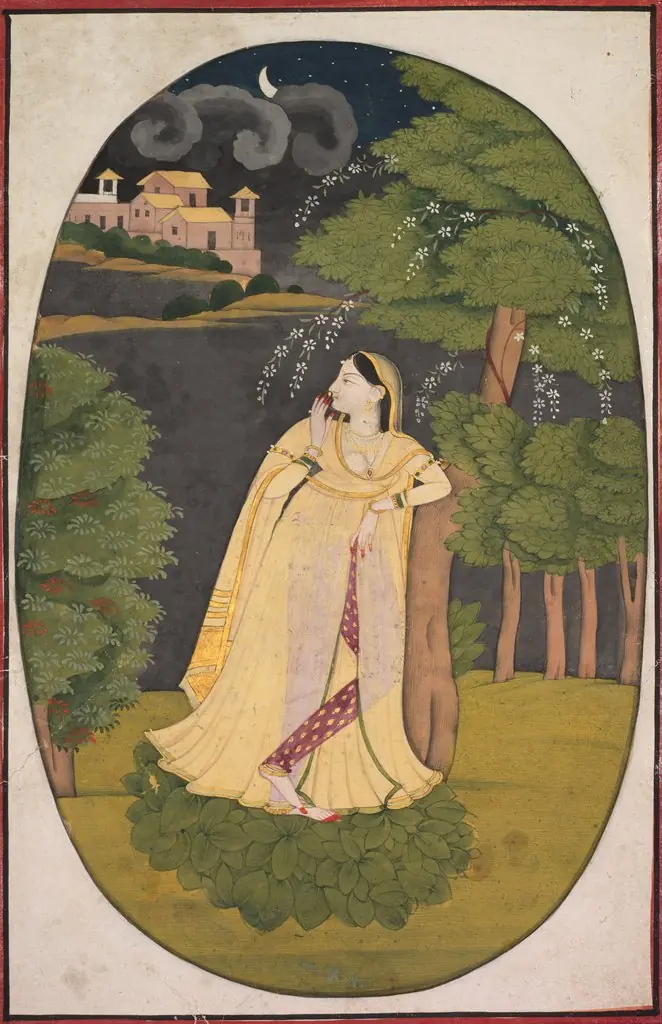 The Heroine Who Waits Anxiously for Her Absent Lover (Utka Nayika)
 A woman
 Royal Woman Holding a Flower
 Court lady singing and playing the vina
 Court lady singing and playing the vina (recto)
 The Heroine Who Waits Anxiously for Her Absent Lover: Utka Nayika
 Untitled