Artwork
Untitled
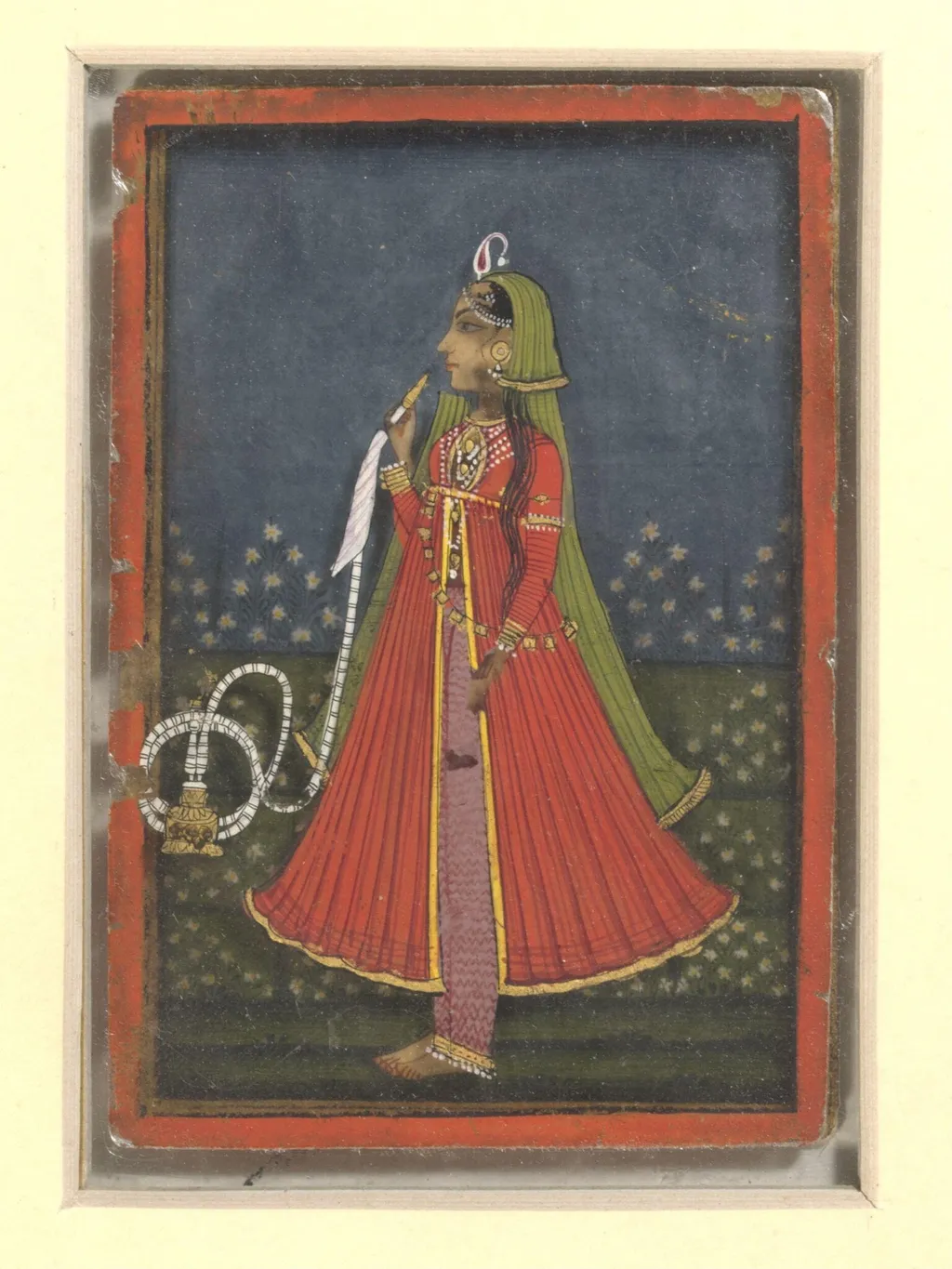
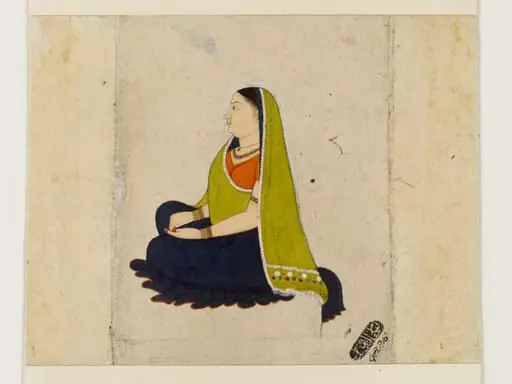
Untitled is a paint painting by the Romanticist artist Unknown. It dates from 1790 and is held in the collection of the Victoria and Albert Museum. This painting is executed on a thin sheet of mica, a material valued for its translucency and durability.
About this work
Overview
It forms part of a series of thirty-two individual scenes, each designed to be viewed together as a visual narrative.
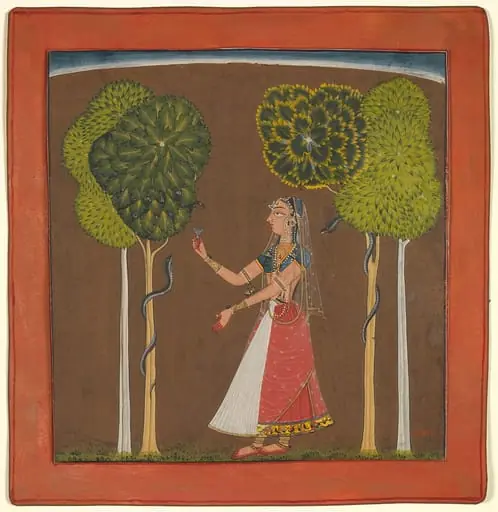
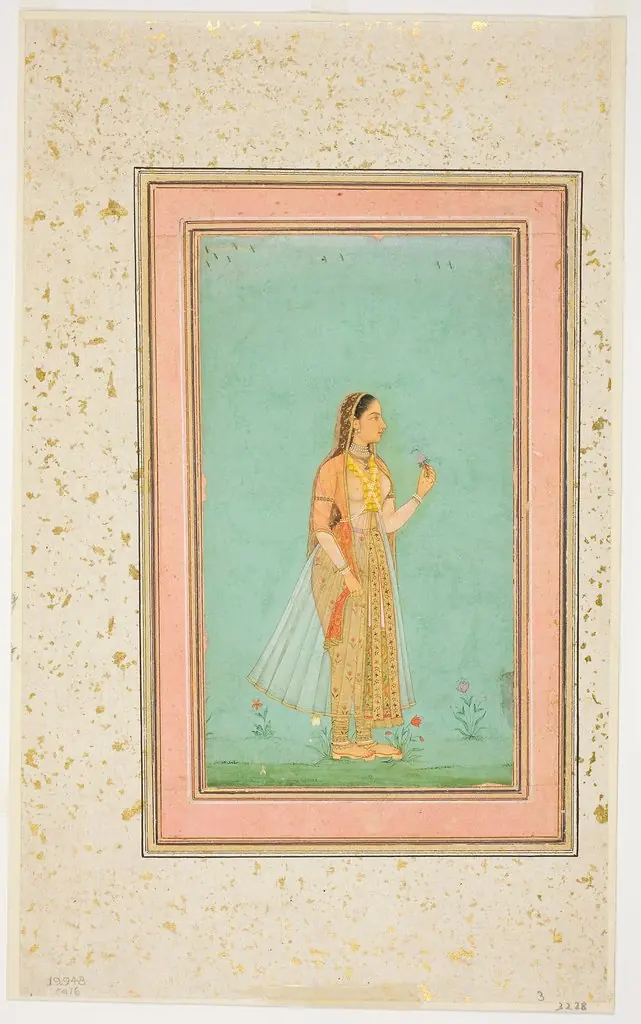
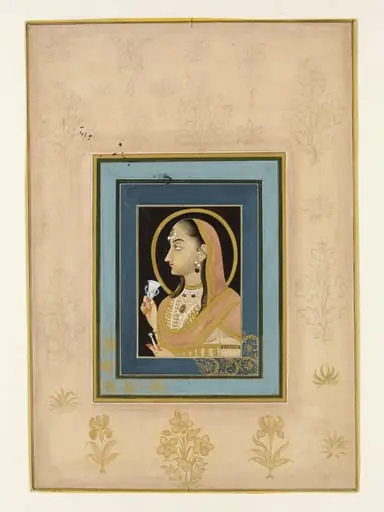
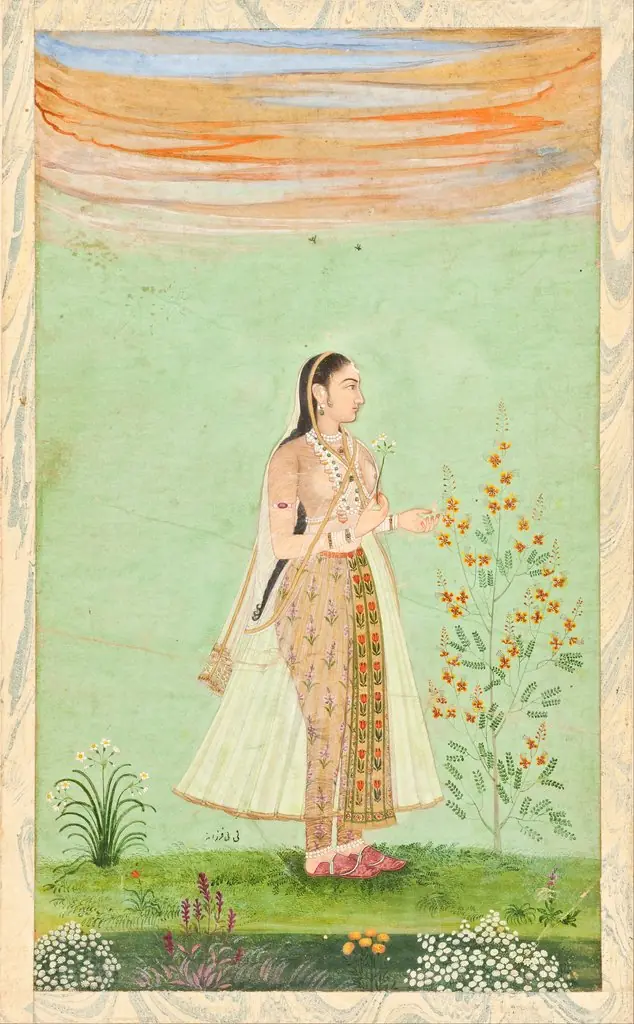
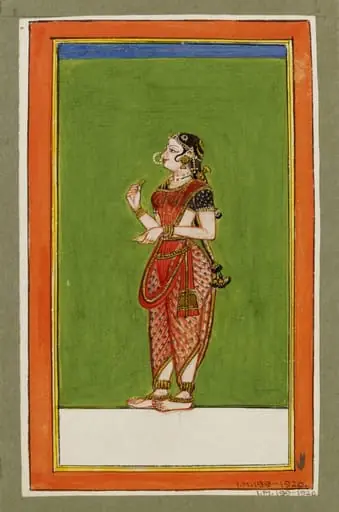
This painting is executed on a thin sheet of mica, a material valued for its translucency and durability. It forms part of a series of thirty-two individual scenes, each designed to be viewed together as a visual narrative. The composition centers on a solitary female figure in a garden, rendered with meticulous detail and vivid pigments, suggesting its use as a portable entertainment object for private contemplation or leisure.
Subject & Meaning
The figure, likely representing Radha, is depicted in a tranquil garden setting, a common motif in devotional and courtly art of the period. Her poised stance and the intimate environment evoke a moment of quiet reflection rather than action. The presence of floral motifs and a subtle fence may symbolize the boundary between the earthly and the divine, aligning with poetic traditions that associate Radha with longing and spiritual yearning.
Technique & Style
The artist employed fine brushwork to render intricate patterns on the figure’s attire, including gold trim on a red dress with green sleeves and a matching headpiece. The dark background, punctuated by delicate white flowers and a faint outline of a fence, enhances the luminosity of the figure. Mica’s natural sheen complements the pigments, creating a subtle glow that draws attention to the subject’s elegance and the precision of the detailing.
History & Provenance
Produced in the late 18th or early 19th century, likely in a North Indian court workshop, the painting was part of a thematic set used for personal or aristocratic amusement. Such mica paintings were often collected and displayed in sequence, functioning as visual storytelling devices. Their portability and durability suggest they were handled frequently, possibly during evening gatherings or private rituals.
Context
This work emerges from a tradition of miniature painting that blended religious symbolism with courtly aesthetics. The depiction of Radha in a garden reflects literary and musical cycles centered on her relationship with Krishna, popular in Braj and Rajput courts. The use of mica, rather than paper or cloth, indicates a preference for materials that could withstand repeated handling while preserving color and clarity.
Legacy
Though individual mica paintings like this one were once part of larger, now-dispersed collections, they remain rare examples of intimate, secular art from early modern India. Their survival offers insight into how visual narratives were curated for private enjoyment, bridging devotional themes with everyday elegance. Contemporary scholars value them for their craftsmanship and their role in the evolution of Indian pictorial culture.
Artist & collection

 Domestic Scene
 Giacomo and Cardinal Marco, investing Andrea, Abbot of San Zeno, with his Benefice
 The Nymph of Fontainebleau
 Portrait of a Woman
 Madonna and Child with Saints in the Enclosed Garden
 Venus and Minerva
 Family Group of Four on Sofa
 Wall painting from Room H of the Villa of P. Fannius Synistor at Boscoreale