Artwork
Tantric Manuscript, "Sangrahani Sutra"
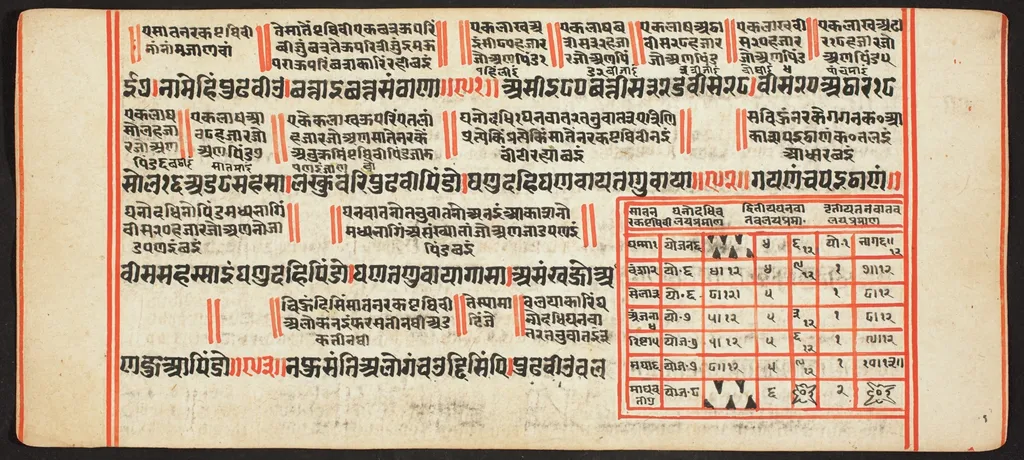
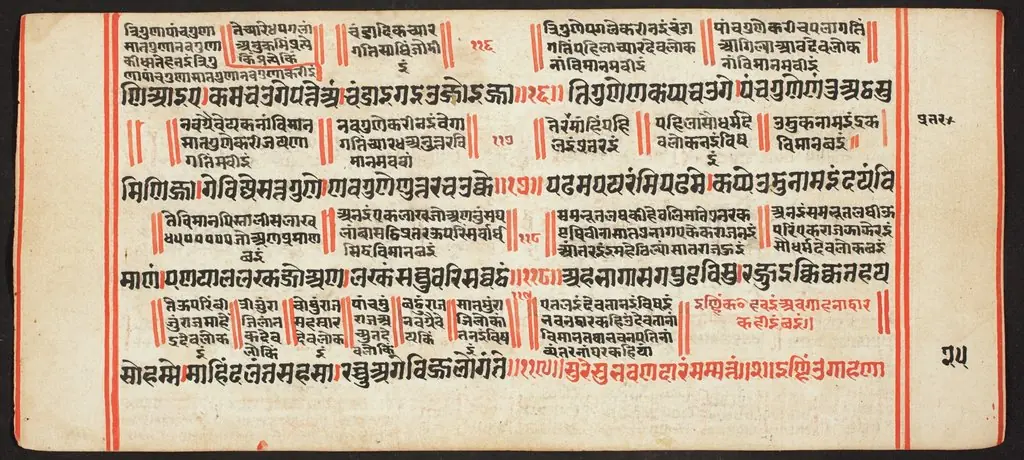
Tantric Manuscript, "Sangrahani Sutra" is an unspecified painting by Unknown. It is held in the collection of the Detroit Institute of Arts. This manuscript fragment contains passages from the Sangrahani Sutra, a Buddhist text used in tantric practice.
About this work
Overview
Written on parchment in an Indic script, it features black ink for the main text and red ink for emphasis, likely marking key phrases or ritual instructions.
This manuscript fragment contains passages from the Sangrahani Sutra, a Buddhist text used in tantric practice. Written on parchment in an Indic script, it features black ink for the main text and red ink for emphasis, likely marking key phrases or ritual instructions. Decorative red lines and symbols accompany the writing, suggesting liturgical or meditative function rather than mere transcription.
Subject & Meaning
The Sangrahani Sutra outlines doctrinal summaries and ritual guidelines for tantric Buddhist practitioners. The red markings highlight sacred phrases, possibly mantras or invocation points, guiding recitation and contemplation. The visual hierarchy of ink color implies a structured approach to spiritual practice, where certain words carry heightened significance in ritual context.
Technique & Style
The script is carefully rendered in a traditional Indic calligraphic style, with consistent letterforms and spacing. Red ink, derived from cinnabar or vermilion, was applied with precision to emphasize doctrinal nodes. Decorative lines and geometric symbols, likely symbolic of cosmic principles, are integrated without disrupting textual legibility, reflecting a balance between aesthetic and functional intent.
History & Provenance
Produced in medieval India or Nepal, likely between the 8th and 12th centuries, this fragment was part of a larger codex used in monastic or esoteric settings. Its survival suggests careful preservation within a religious community. The material and script align with regional tantric manuscript traditions, though its exact provenance remains undocumented beyond stylistic attribution.
Context
Tantric Buddhist communities in South Asia produced such manuscripts for ritual use, not public display. The use of red ink and symbolic markings reflects a belief in the transformative power of written word and visual form. These texts were handled by initiated practitioners, often kept in sacred spaces, and recited aloud as part of meditative or initiatory rites.
Legacy
This fragment exemplifies the enduring link between script and spiritual practice in tantric Buddhism. While the specific ritual context has faded, such manuscripts remain vital to scholarly study of religious material culture. Their preservation offers insight into how sacred knowledge was encoded visually and linguistically across centuries.
Artist & collection

 Domestic Scene
 Giacomo and Cardinal Marco, investing Andrea, Abbot of San Zeno, with his Benefice
 The Nymph of Fontainebleau
 Portrait of a Woman
 Madonna and Child with Saints in the Enclosed Garden
 Venus and Minerva
 Family Group of Four on Sofa
 Wall painting from Room H of the Villa of P. Fannius Synistor at Boscoreale
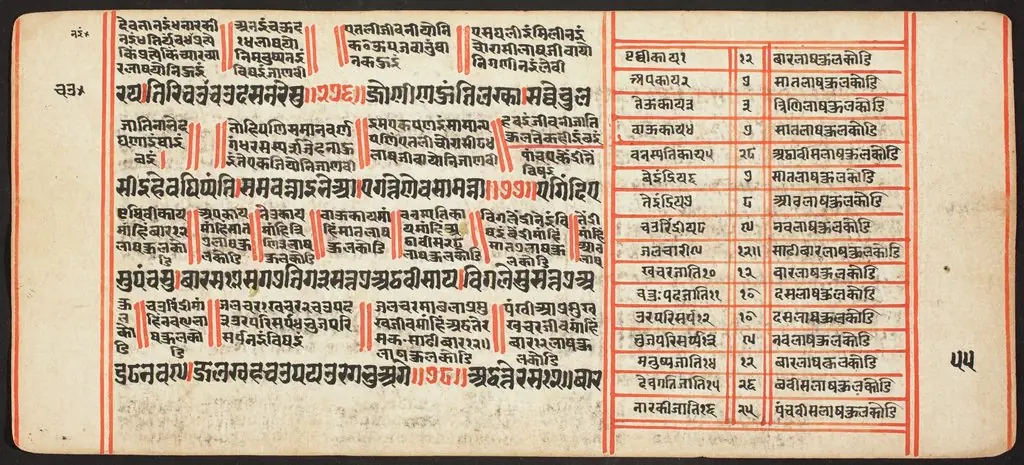 Tantric Manuscript, "Sangrahani Sutra"
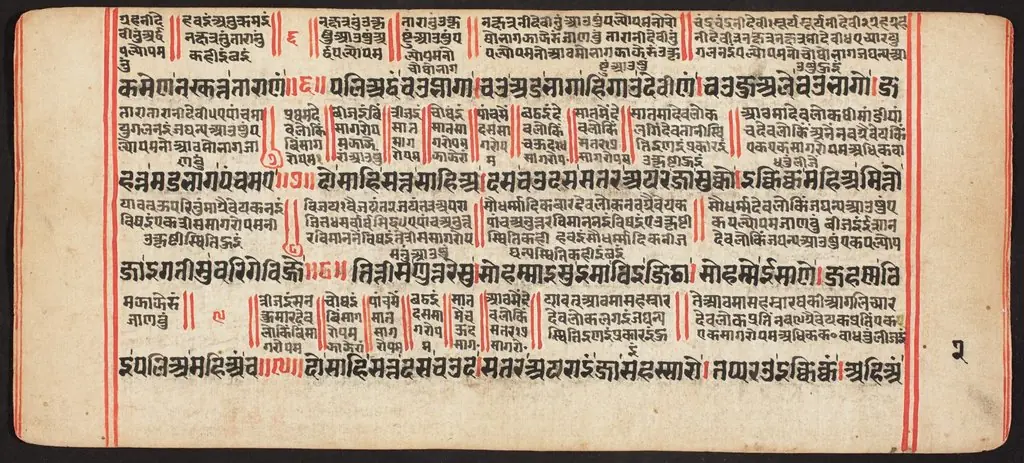 Tantric Manuscript, "Sangrahani Sutra"
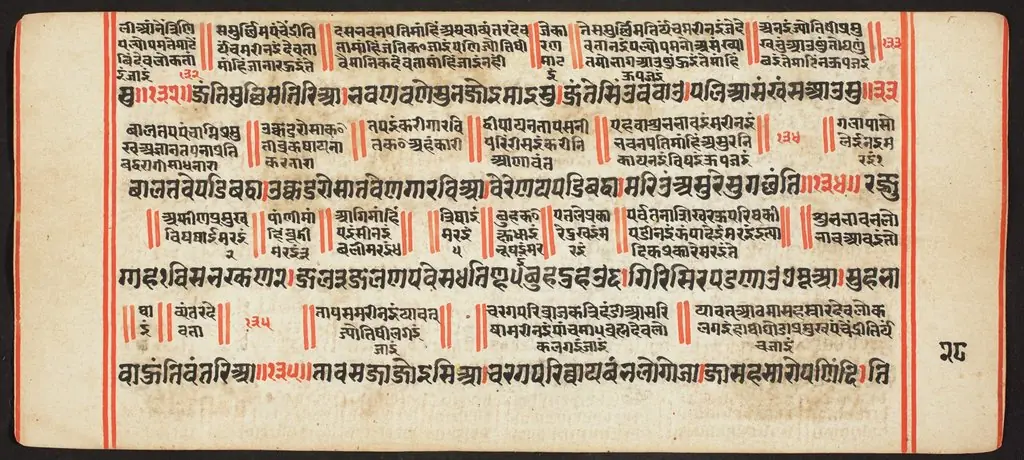 Tantric Manuscript, "Sangrahani Sutra"
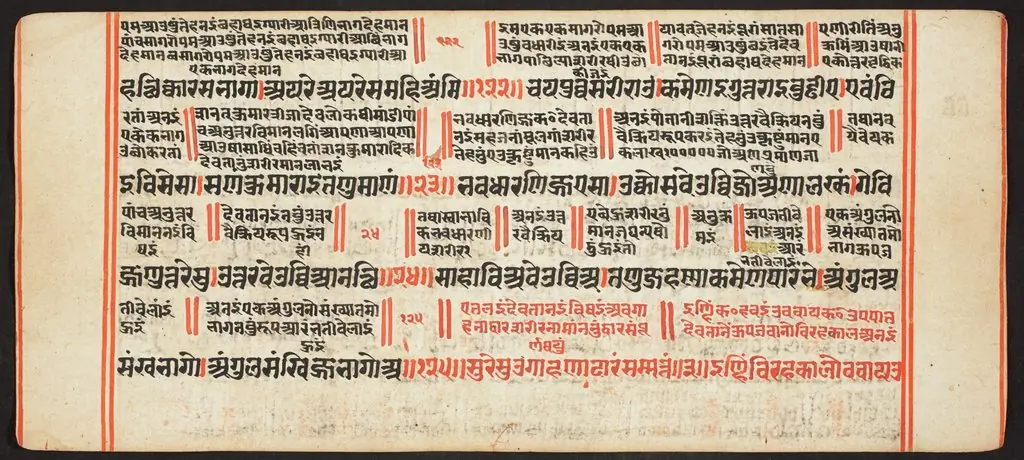 Tantric Manuscript, "Sangrahani Sutra"
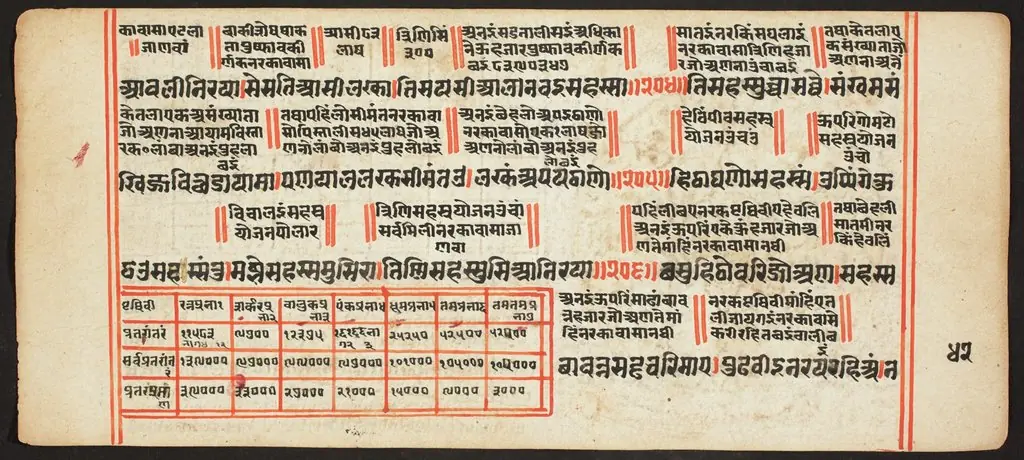 Tantric Manuscript, "Sangrahani Sutra"
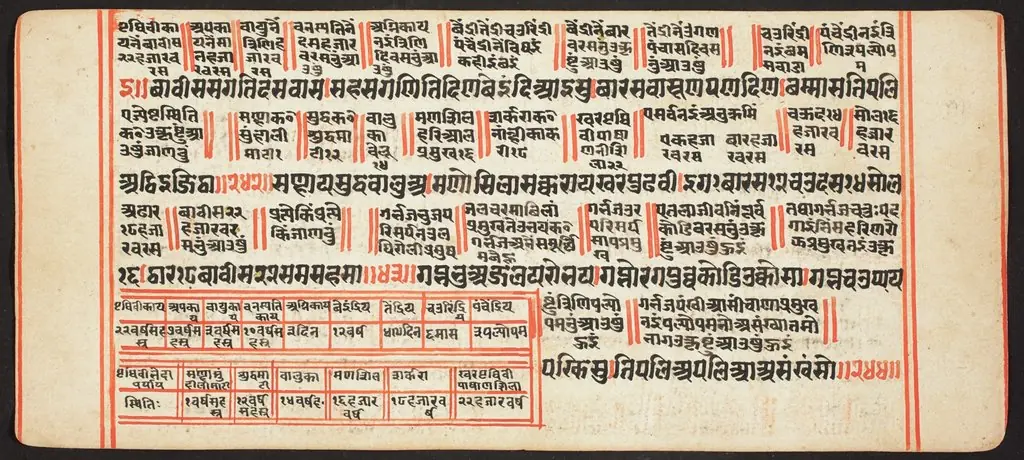 Tantric Manuscript, "Sangrahani Sutra"
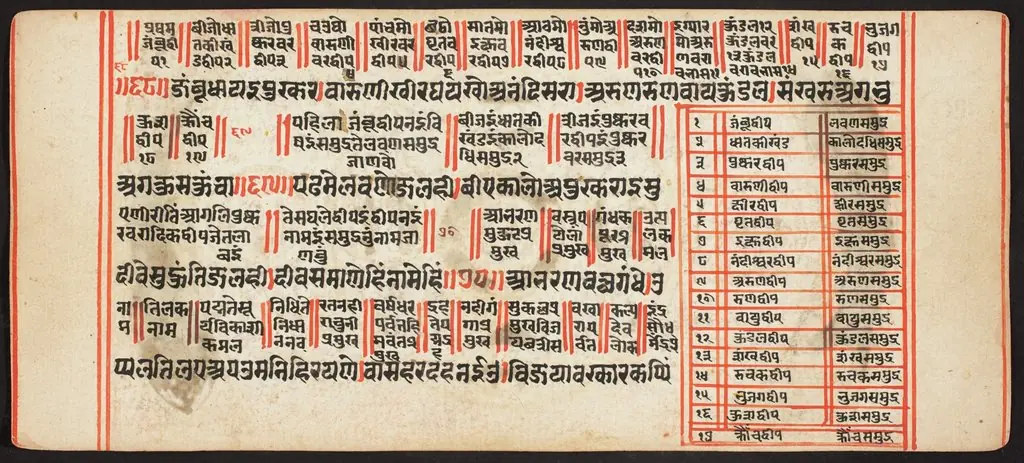 Tantric Manuscript, "Sangrahani Sutra"
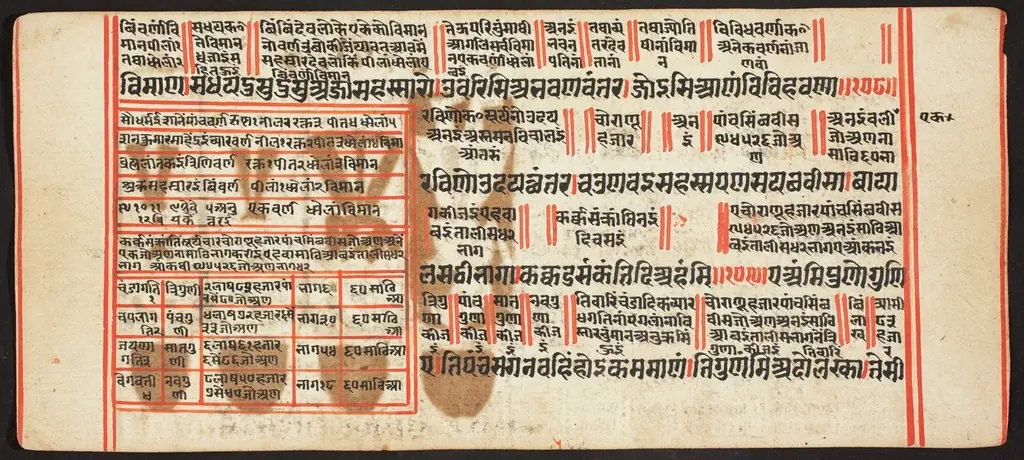 Tantric Manuscript, "Sangrahani Sutra"
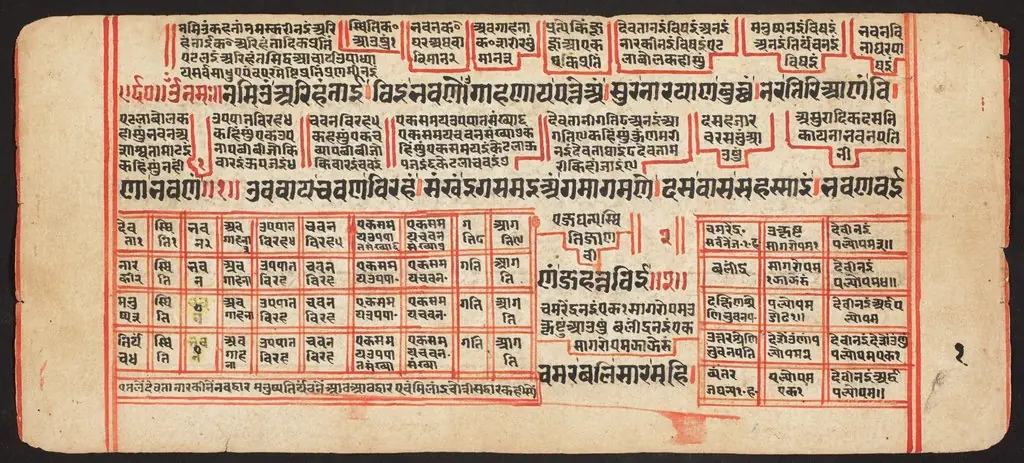 Tantric Manuscript, "Sangrahani Sutra"
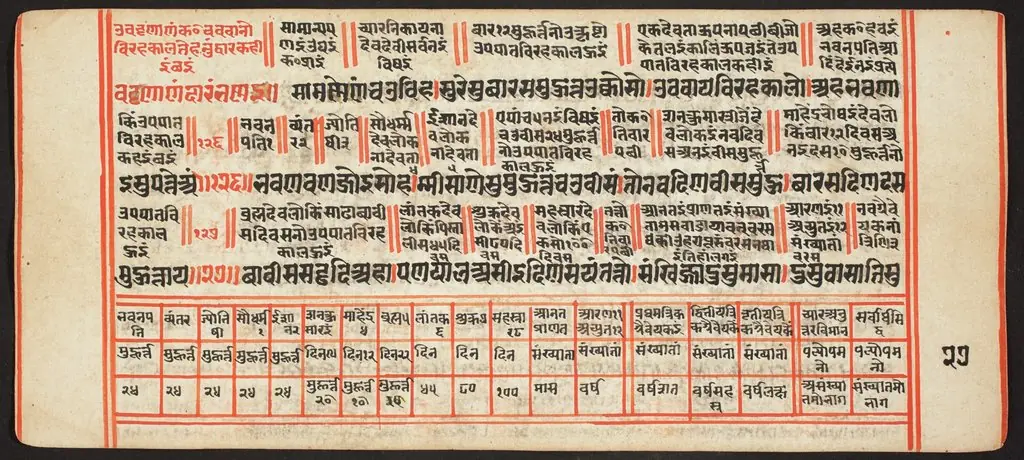 Tantric Manuscript, "Sangrahani Sutra"
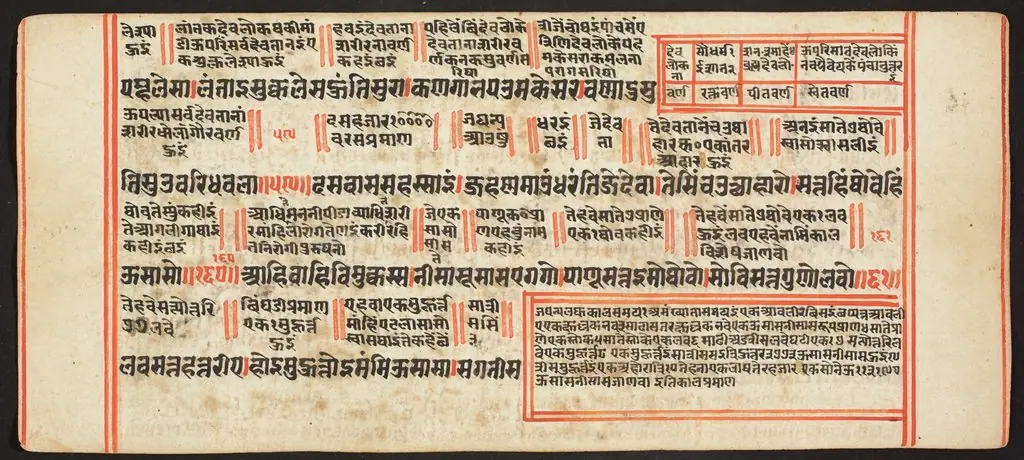 Tantric Manuscript, "Sangrahani Sutra"
 Tantric Manuscript, "Sangrahani Sutra"