Artwork
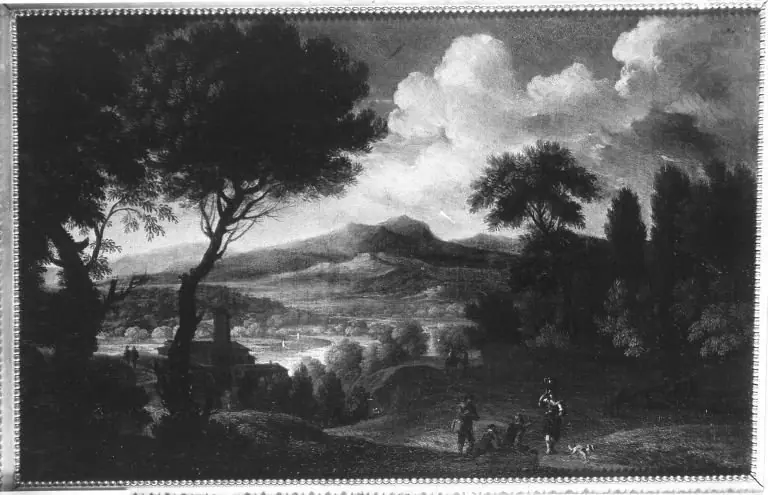
Imaginary View of the Roman "Campagna"
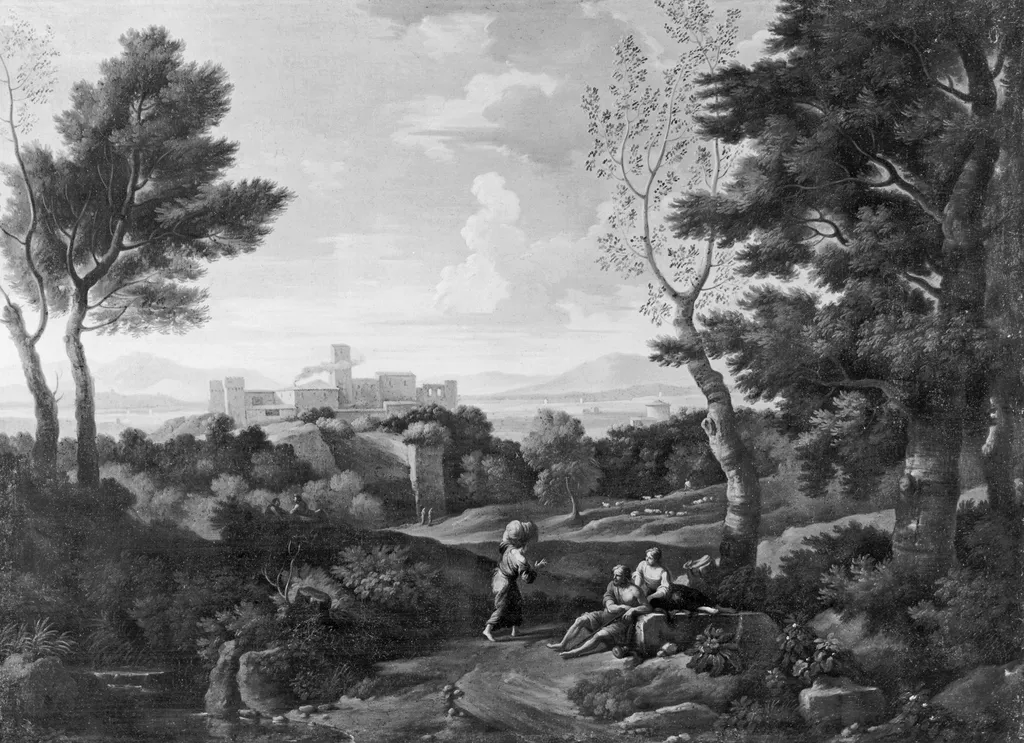
Imaginary View of the Roman "Campagna" is an oil painting by the Flemish Baroque painting artist Jan Frans van Bloemen. It dates from 1700 and is held in the collection of the Walters Art Museum.
About this work
Overview
Painted in 1700 by the Flemish artist Jan Frans van Bloemen, this oil-on-canvas work presents a fictionalized vision of the Roman countryside.
Painted in 1700 by the Flemish artist Jan Frans van Bloemen, this oil-on-canvas work presents a fictionalized vision of the Roman countryside. Van Bloemen, who spent much of his career in Rome, specialized in landscapes that blended observed topography with idealized elements. The painting belongs to the Walters Art Museum’s collection and exemplifies the 18th-century European taste for classical pastoral scenes.
Subject & Meaning
The scene portrays an imagined stretch of the Campagna, featuring gentle hills, scattered ruins, and a distant structure that evokes ancient architecture. A quiet body of water and sparse human figures suggest quiet rural life, reinforcing a sense of timeless tranquility. The composition does not document a real location but constructs a harmonious vision rooted in classical antiquity, reflecting contemporary ideals of order and pastoral beauty.
Technique & Style
Van Bloemen employed subtle gradations of light and shadow to model the landscape’s forms and create atmospheric depth. His brushwork is refined but unobtrusive, allowing naturalistic tones to guide the viewer’s eye across the expanse. The use of chiaroscuro enhances the illusion of space, while the muted palette and soft transitions between foreground and background align with the classical landscape tradition of his time.
History & Provenance
Created during van Bloemen’s mature period in Rome, the painting reflects his established reputation among collectors of Italianate landscapes. It entered the Walters Art Museum’s collection through documented acquisitions in the early 20th century. While its exact early ownership is not fully traced, its style and subject align with works commissioned by European patrons seeking refined, idealized visions of the Roman countryside.
Context
In early 18th-century Rome, artists like van Bloemen catered to Grand Tour travelers and aristocratic collectors who valued landscapes that merged real ruins with imagined serenity. This painting fits within a broader trend of classical revivalism, where nature was arranged to evoke antiquity’s grandeur. Such works served as visual souvenirs, offering viewers a contemplative escape into an idealized past.
Legacy
Van Bloemen’s approach influenced later landscape painters who sought to balance observation with poetic invention. Though not widely known today, his works contributed to the development of the veduta tradition and the enduring appeal of classical pastoral imagery in European art. His compositions remain studied for their quiet composition and atmospheric coherence.
Own this work as a print
Artist & collection
Artist
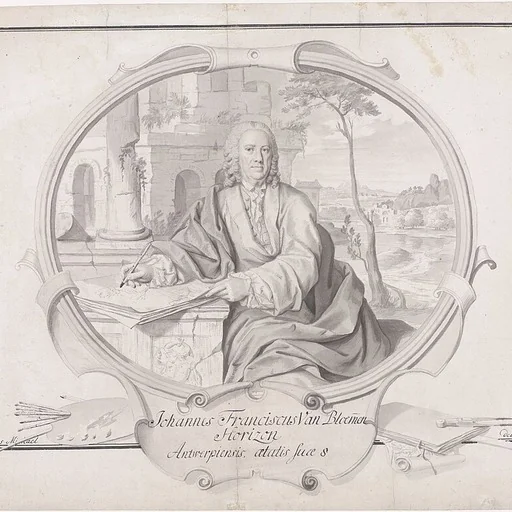
Jan Frans van Bloemen (baptized 12 May 1662 - buried 13 June 1749) was a Flemish landscape painter mainly active in Rome.

 Classical Landscape with the Vatican Belvedere
 An Italian Landscape with the Baptism of Christ
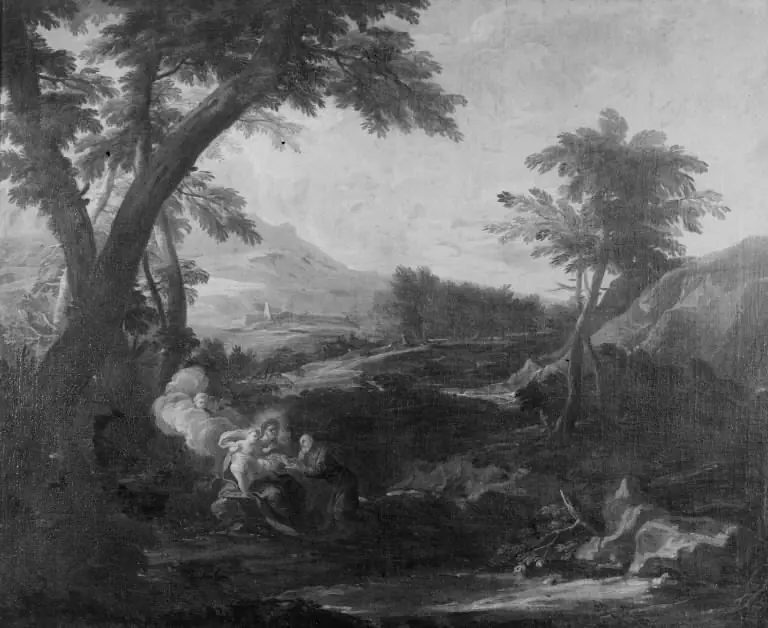 The Rest on the Flight into Egypt
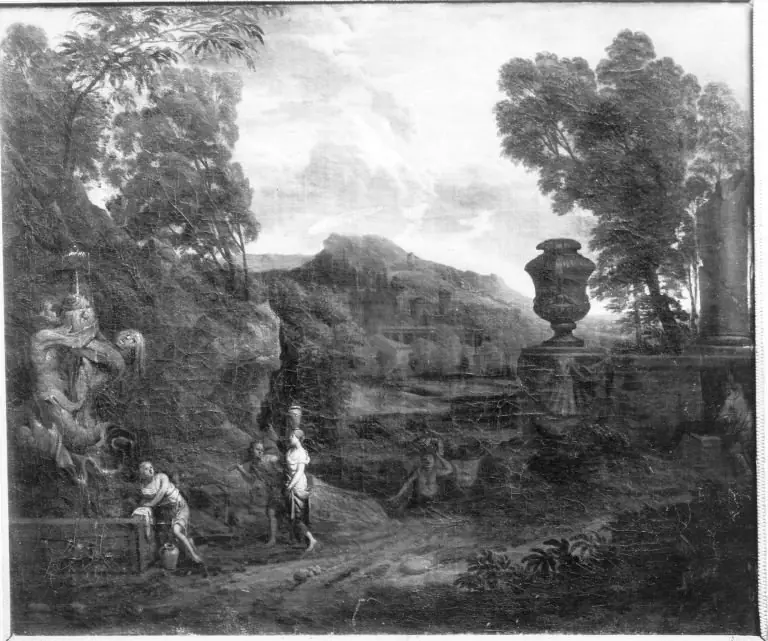 Italienisch-klassische Landschaft
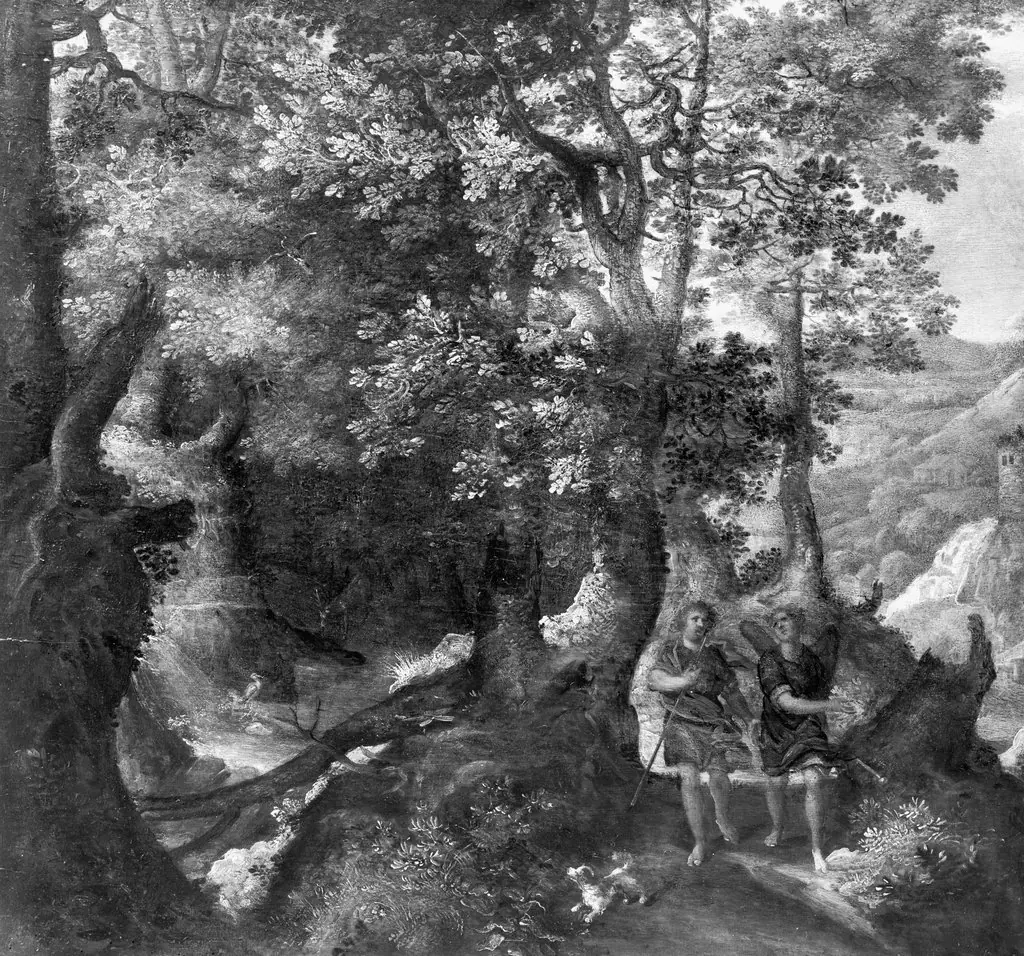 Wooded landscape with Tobias and the angel
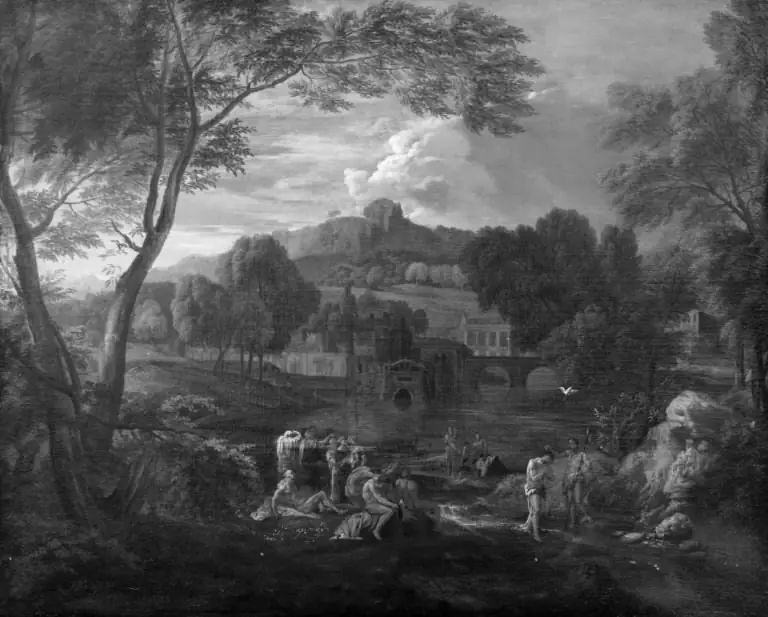 An Italian Landscape with the Baptism of Christ
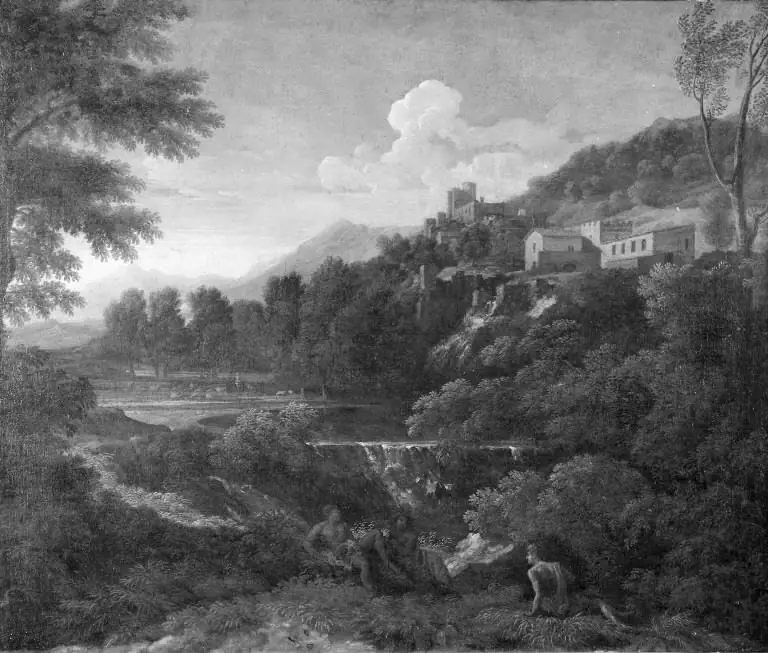 Arcadian Landscape
 Arcadian Landscape
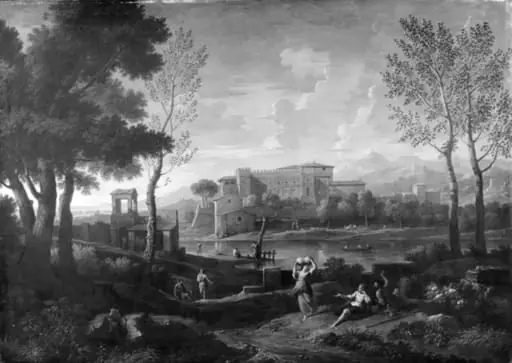 Roman Landscape with the Tiber and the Casino Belvedere
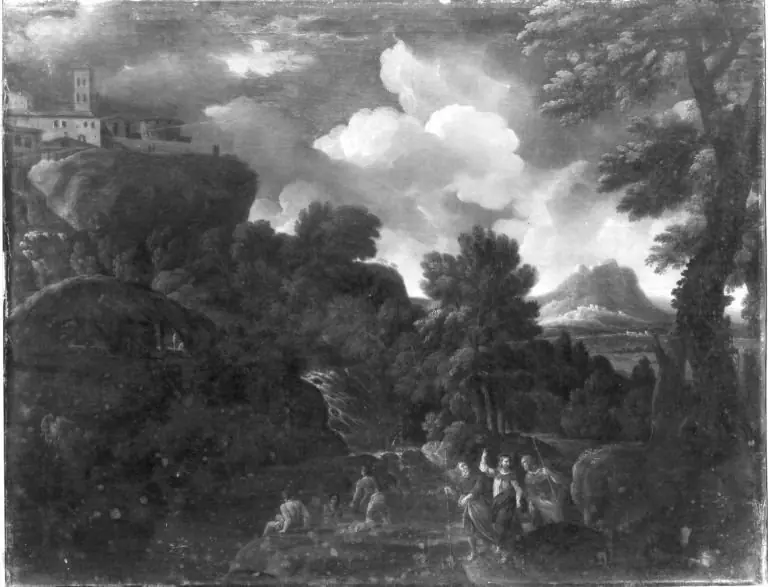 Landschaft mit Christus und den Emmaus-Jüngern (Umkreis)
 Römische Landschaft (Umkreis)