Artwork
Tantric Manuscript, "Sangrahani Sutra"
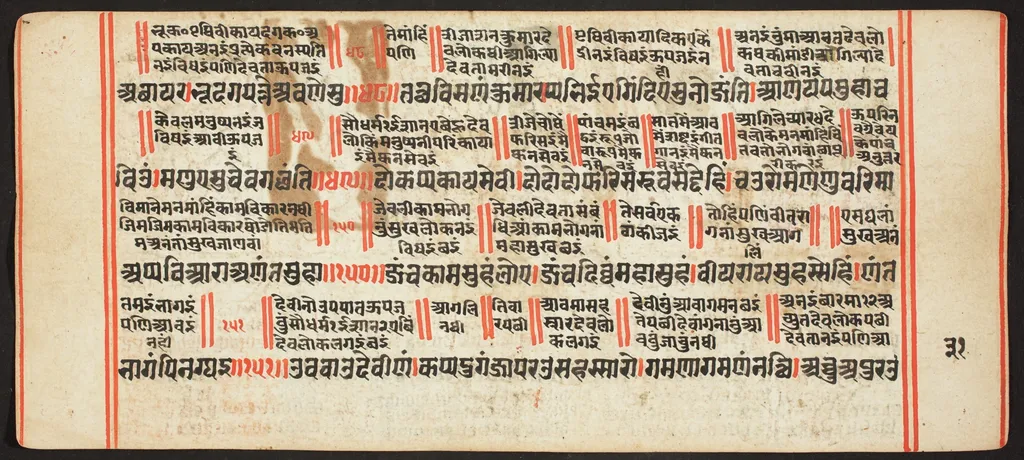
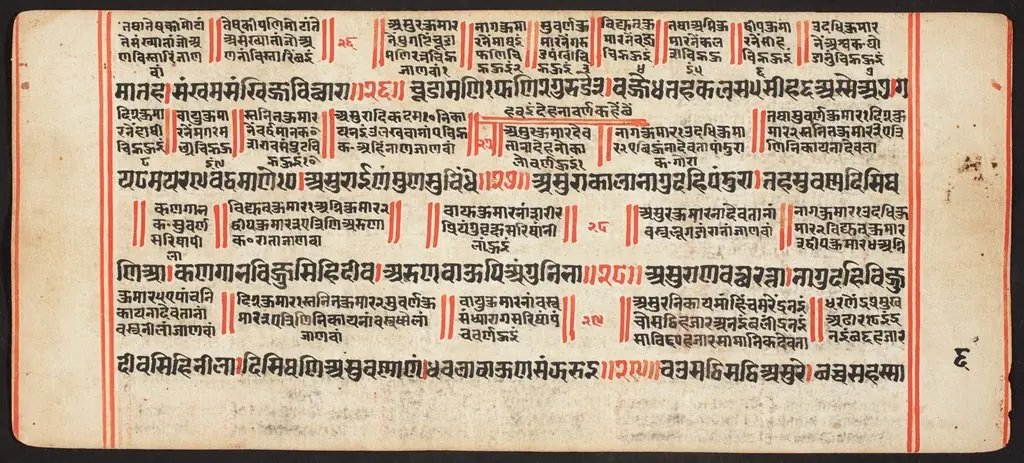
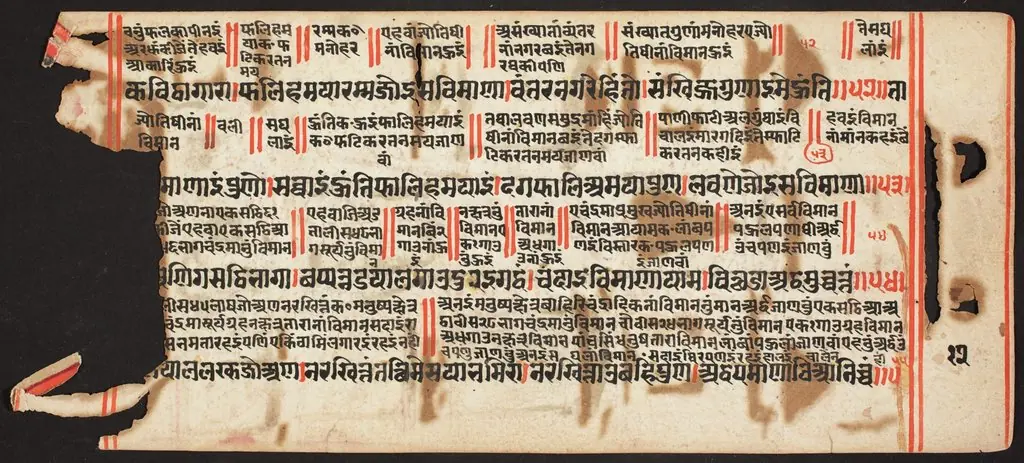
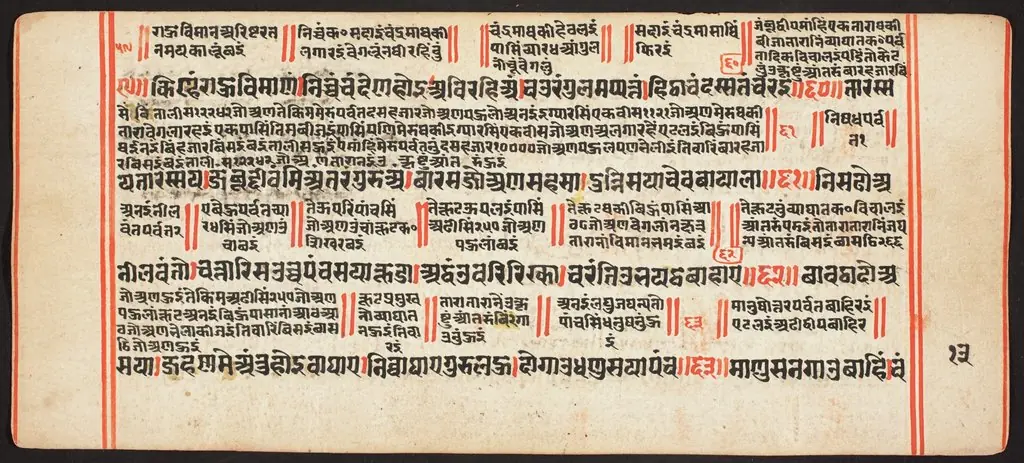
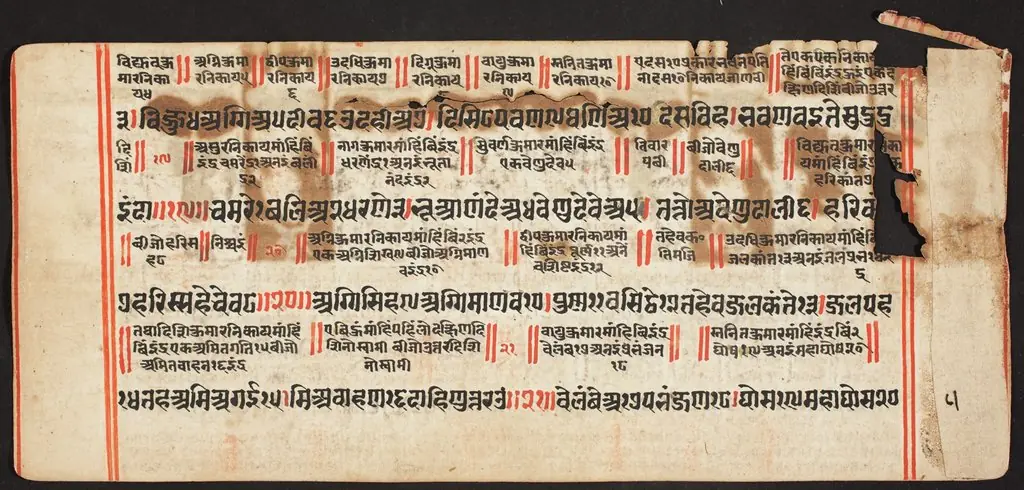
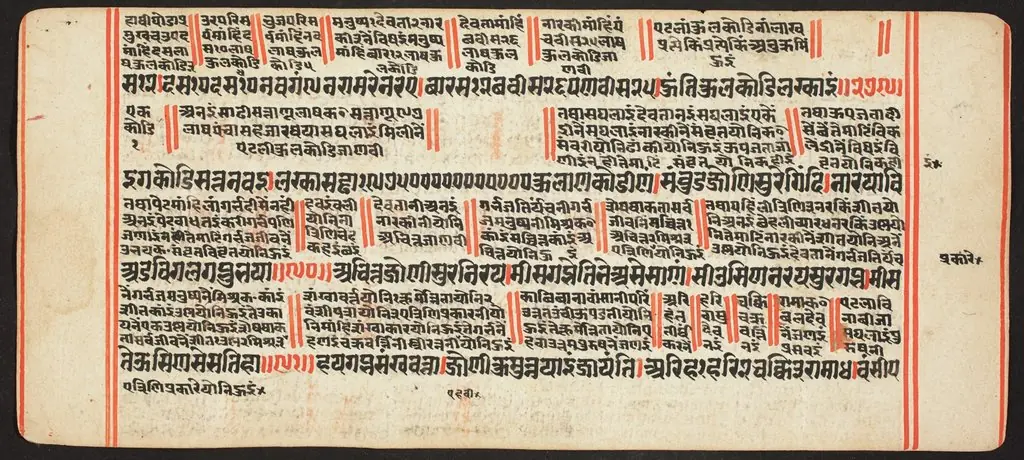
Tantric Manuscript, "Sangrahani Sutra" is an unspecified painting by Unknown. It is held in the collection of the Detroit Institute of Arts. This folio originates from a handwritten Buddhist manuscript known as the Sangrahani Sutra, produced in medieval India.
About this work
Overview
This folio originates from a handwritten Buddhist manuscript known as the Sangrahani Sutra, produced in medieval India. The page features dense script in a formal cursive hand, rendered in black ink with selective red highlights. The yellowed parchment indicates considerable age, while the precise layout and decorative elements reflect the meticulous standards of monastic scribal traditions.
Subject & Meaning
The Sangrahani Sutra is a doctrinal text used in tantric Buddhist practice, compiling key teachings for ritual and meditative study. Its physical form—carefully copied and adorned—suggests it was intended for liturgical use or scholarly transmission within a monastic community, where textual accuracy and visual reverence were equally valued.
Technique & Style
The script is executed in a regional variant of Devanagari or related cursive form, with consistent stroke weight and flourishes that enhance legibility without compromising formality. Red ink outlines chapter divisions and marginalia, serving both structural and symbolic purposes. The use of natural pigments and handmade paper underscores the artisanal rigor of pre-modern manuscript production.
History & Provenance
Though exact origins are undocumented, such manuscripts were typically produced in eastern Indian monasteries between the 10th and 14th centuries. Likely created in Bihar or Bengal, they circulated among tantric Buddhist lineages before being preserved in temple libraries or later collected by European and South Asian institutions.
Context
During this period, Buddhist textual culture in India relied heavily on handwritten scrolls and codices, especially as oral transmission waned. The integration of color and ornament in religious texts mirrored broader trends in Indian art, where sacred content demanded aesthetic dignity, distinguishing it from secular or commercial writing.
Legacy
Surviving folios like this one offer rare insight into the material culture of late Indian Buddhism. They inform contemporary scholarship on tantric practices, paleography, and the transition from palm-leaf to paper manuscripts. Their preservation underscores the enduring value placed on textual continuity in religious traditions.
Artist & collection

 Domestic Scene
 Giacomo and Cardinal Marco, investing Andrea, Abbot of San Zeno, with his Benefice
 The Nymph of Fontainebleau
 Portrait of a Woman
 Madonna and Child with Saints in the Enclosed Garden
 Venus and Minerva
 Family Group of Four on Sofa
 Wall painting from Room H of the Villa of P. Fannius Synistor at Boscoreale
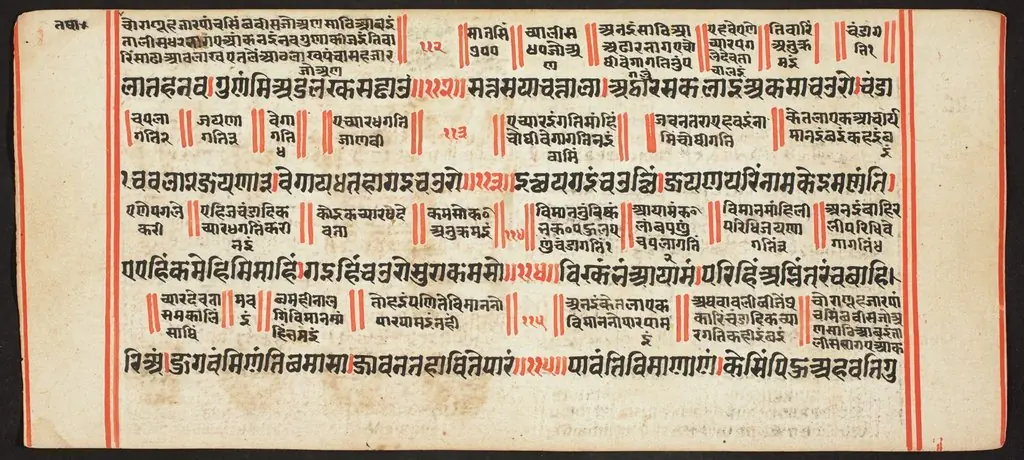 Tantric Manuscript, "Sangrahani Sutra"
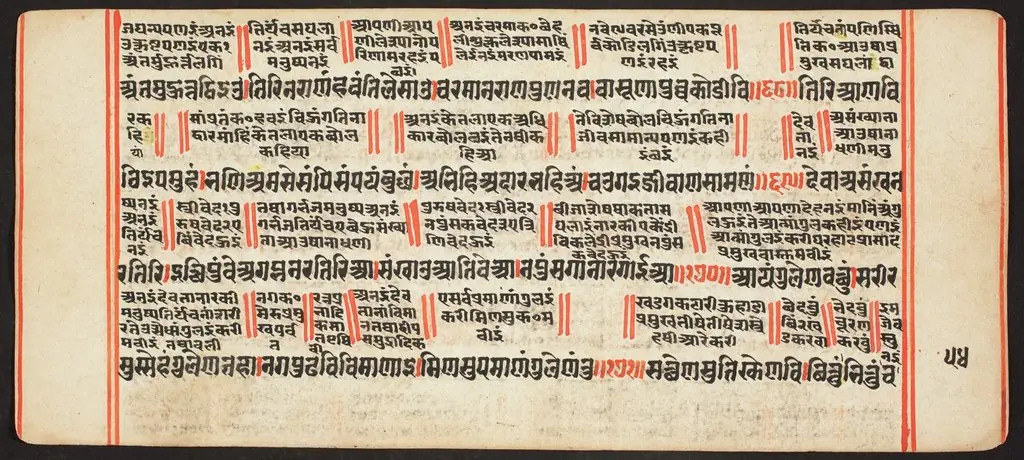 Tantric Manuscript, "Sangrahani Sutra"
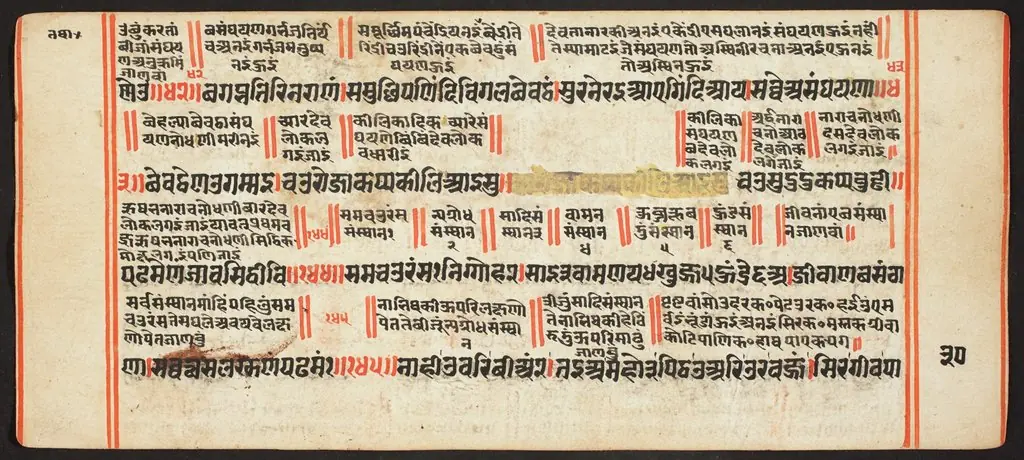 Tantric Manuscript, "Sangrahani Sutra"
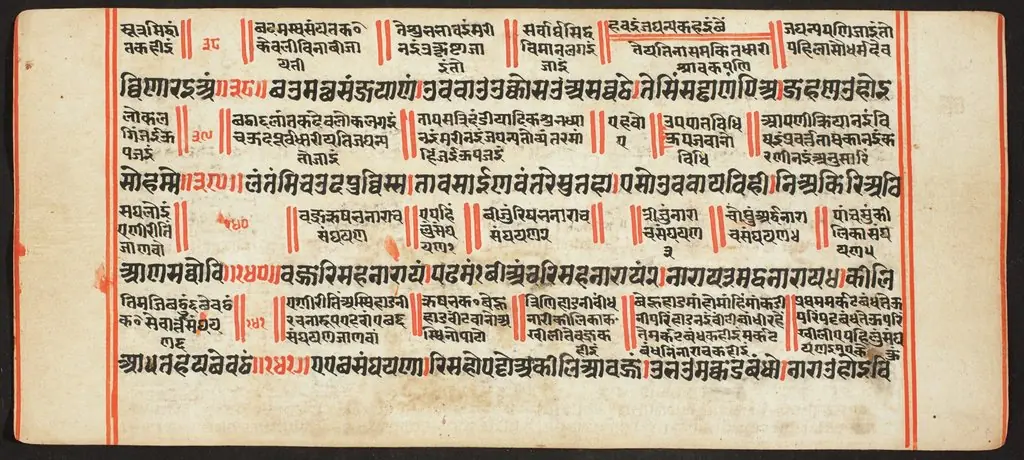 Tantric Manuscript, "Sangrahani Sutra"
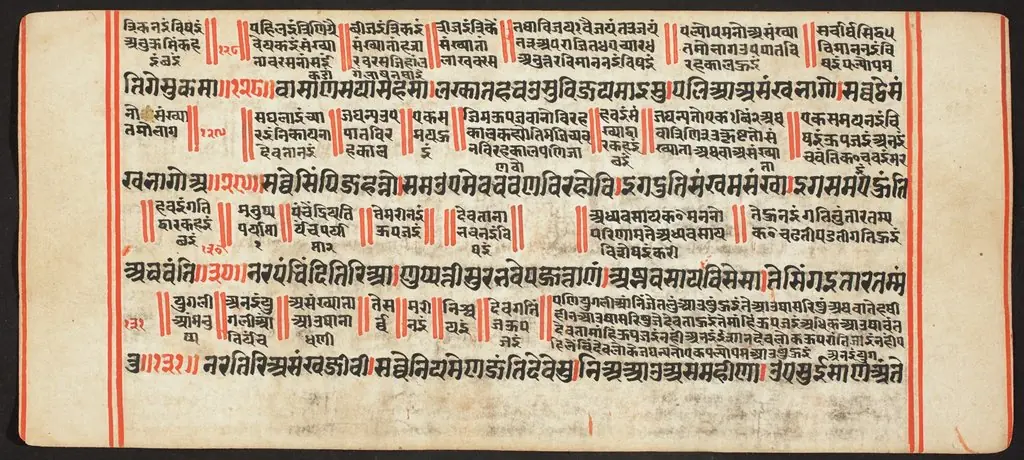 Tantric Manuscript, "Sangrahani Sutra"
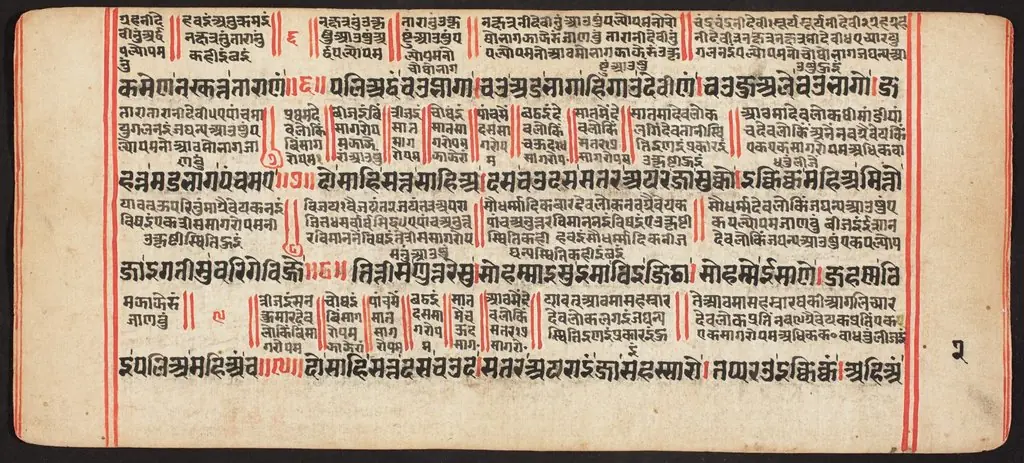 Tantric Manuscript, "Sangrahani Sutra"
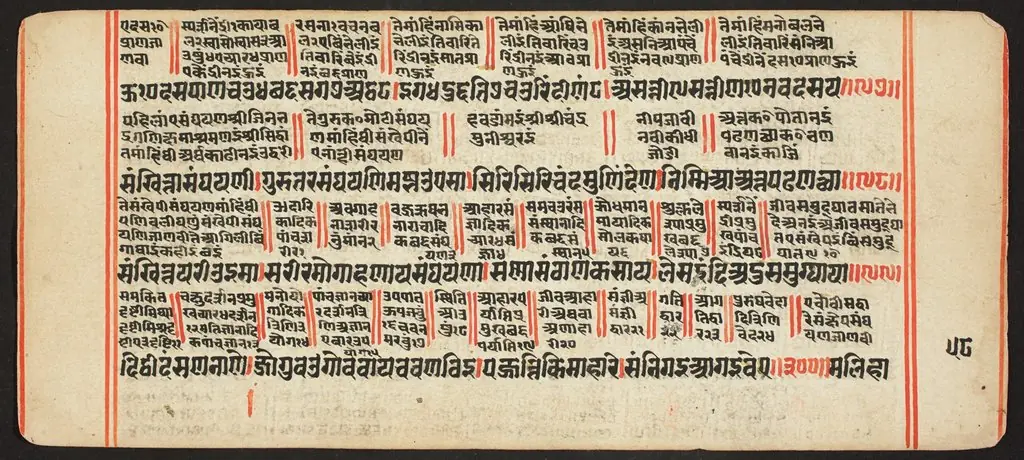 Tantric Manuscript, "Sangrahani Sutra"
 Tantric Manuscript, "Sangrahani Sutra"
 Tantric Manuscript, "Sangrahani Sutra"
 Tantric Manuscript, "Sangrahani Sutra"
 Tantric Manuscript, "Sangrahani Sutra"
 Tantric Manuscript, "Sangrahani Sutra"