Artwork
Retábulo de Santa Catarina
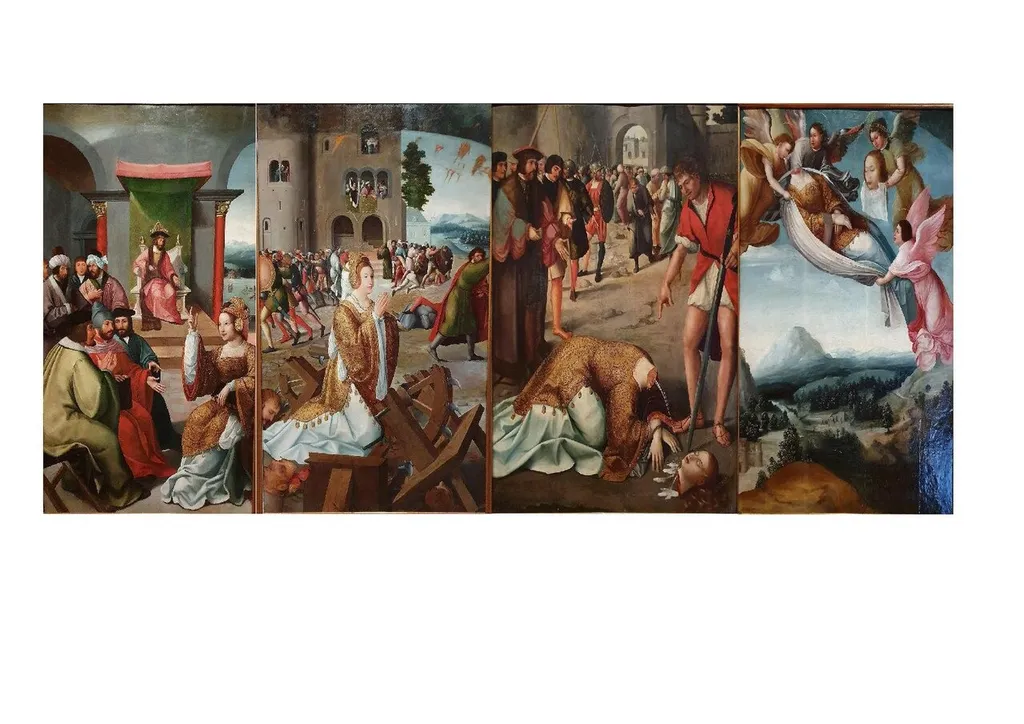
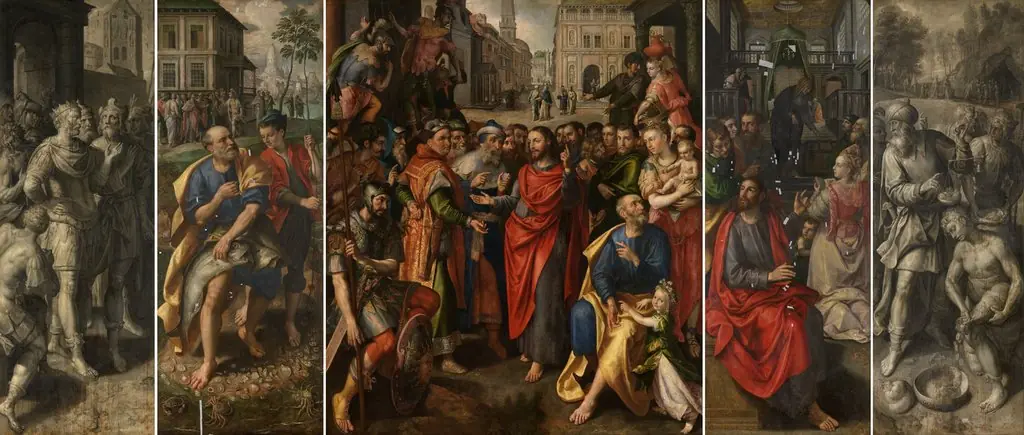
Retábulo de Santa Catarina is an unspecified painting by Unknown. It dates from 1540 and is held in the collection of the National Museum of Ancient Art.
About this work
Overview
Each panel unfolds a moment from the life and martyrdom of Saint Catherine of Alexandria, rendered with meticulous detail and vivid color.
This triptych, titled Retábulo de Santa Catarina, is a devotional panel painting composed of three distinct narrative scenes. Each panel unfolds a moment from the life and martyrdom of Saint Catherine of Alexandria, rendered with meticulous detail and vivid color. The composition guides the viewer through her story from earthly devotion to divine ascension, typical of late medieval altarpieces designed for liturgical contemplation.
Subject & Meaning
The left panel portrays Catherine kneeling before a group of onlookers, holding the sword that symbolizes her impending martyrdom. The central panel depicts her execution, with a fallen figure and a raised blade, emphasizing sacrifice. The right panel shows her soul carried heavenward by angels, signifying spiritual triumph. Together, the panels convey the medieval Christian ideal of holy endurance and divine reward through suffering.
Technique & Style
The artist employs chiaroscuro to model forms with strong contrasts of light and shadow, enhancing the three-dimensionality of figures and architecture. Rich pigments, including lapis lazuli and vermilion, intensify the emotional weight of each scene. Detailed textures in fabrics and stone ground the narrative in tangible reality, while the flat, gold-leaf background in the heavenly panel contrasts with the naturalistic landscapes below.
History & Provenance
The painting likely originated in a Portuguese or Spanish ecclesiastical setting during the late 15th or early 16th century, a period when devotional triptychs were common in monastic and parish churches. Its survival suggests it was preserved through religious upheavals, possibly moved from a suppressed convent to a private or institutional collection, though its exact early ownership remains undocumented.
Context
Created during the transition from Gothic to Renaissance aesthetics, the work retains medieval iconographic conventions while incorporating emerging naturalism. It reflects the enduring popularity of Catherine’s cult in Iberia, where she was venerated as a patron of scholars and a symbol of faith under persecution. The altarpiece would have been viewed during Mass or private prayer, reinforcing doctrinal themes of martyrdom and salvation.
Legacy
Though not widely known outside regional collections, the Retábulo exemplifies the devotional painting traditions of late medieval Iberia. Its preservation offers insight into how religious narratives were visually structured for communal worship. It stands as a quiet testament to the enduring role of saints’ lives in shaping spiritual practice before the Reformation reshaped religious imagery.
Artist & collection

 Domestic Scene
 Giacomo and Cardinal Marco, investing Andrea, Abbot of San Zeno, with his Benefice
 The Nymph of Fontainebleau
 Portrait of a Woman
 Madonna and Child with Saints in the Enclosed Garden
 Venus and Minerva
 Family Group of Four on Sofa
 Wall painting from Room H of the Villa of P. Fannius Synistor at Boscoreale
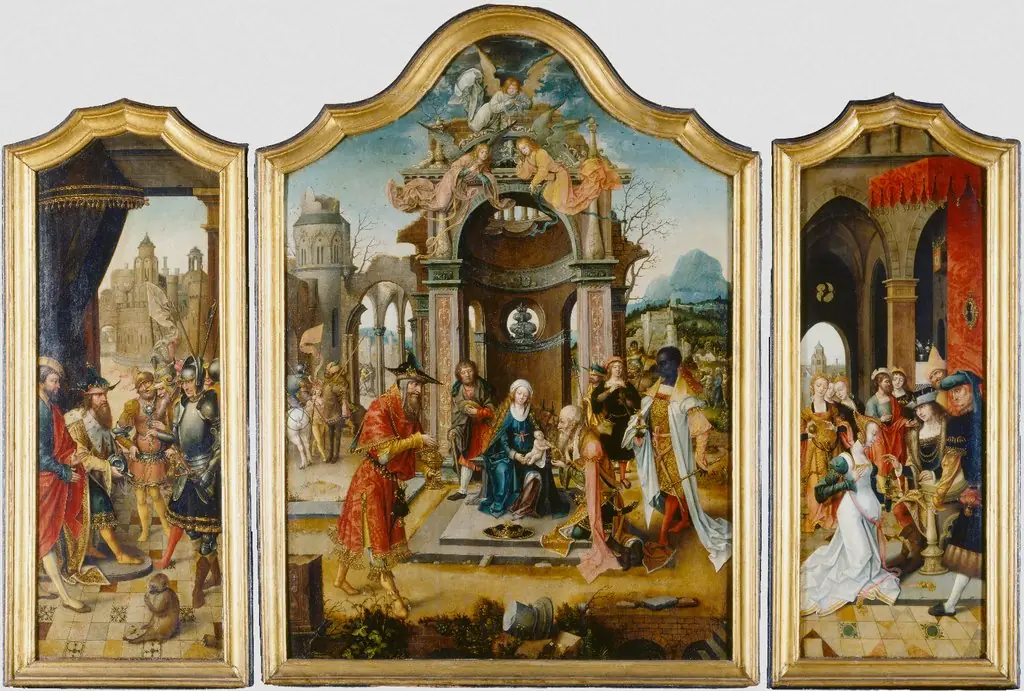 Triptych of the Adoration of the Magi
 Triptych with adoration by the Magi
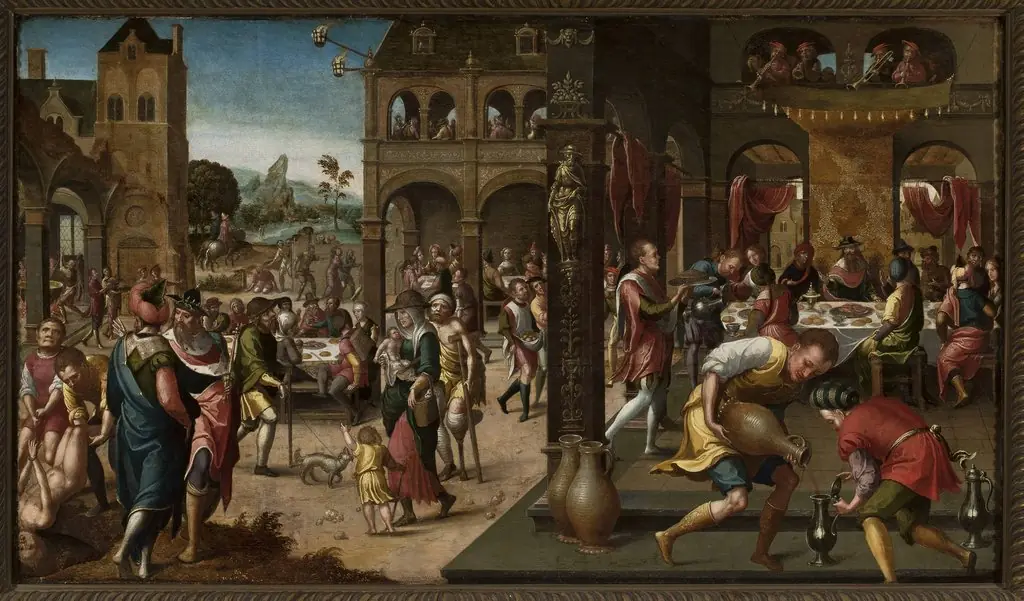 Parable of the great banquet
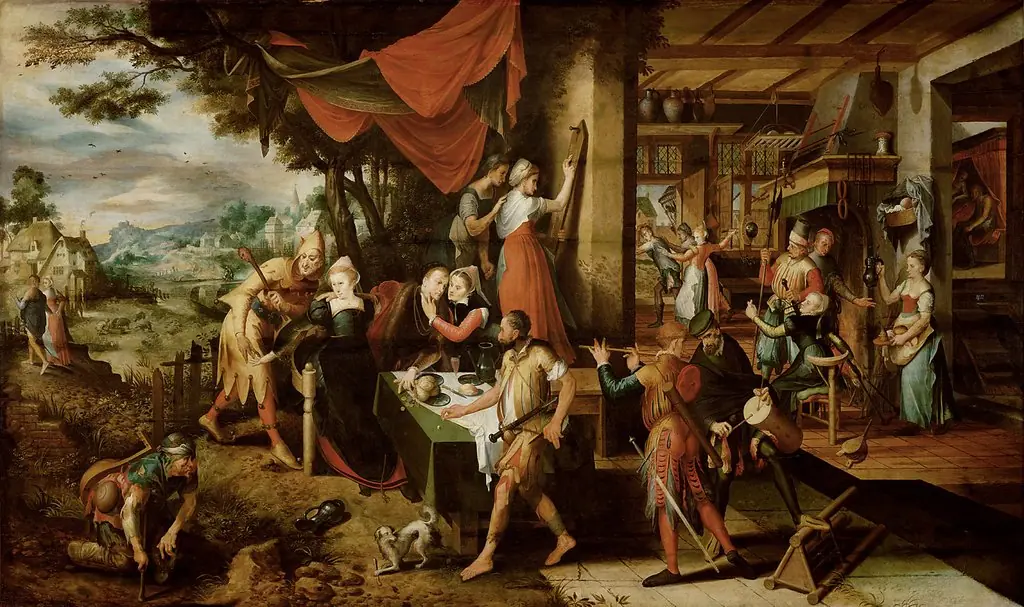 Return of the Prodigal Son
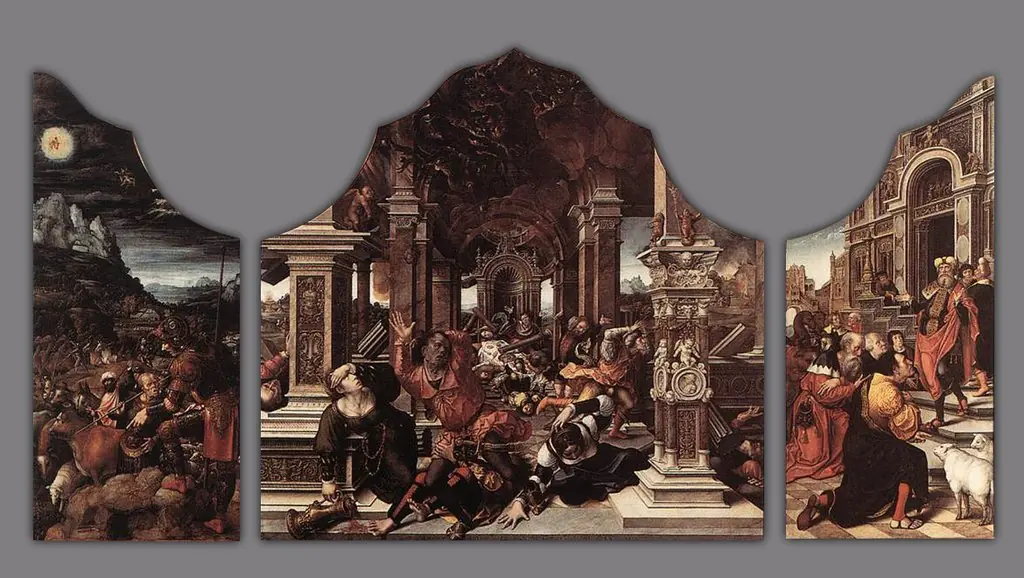 Virtue of Patience
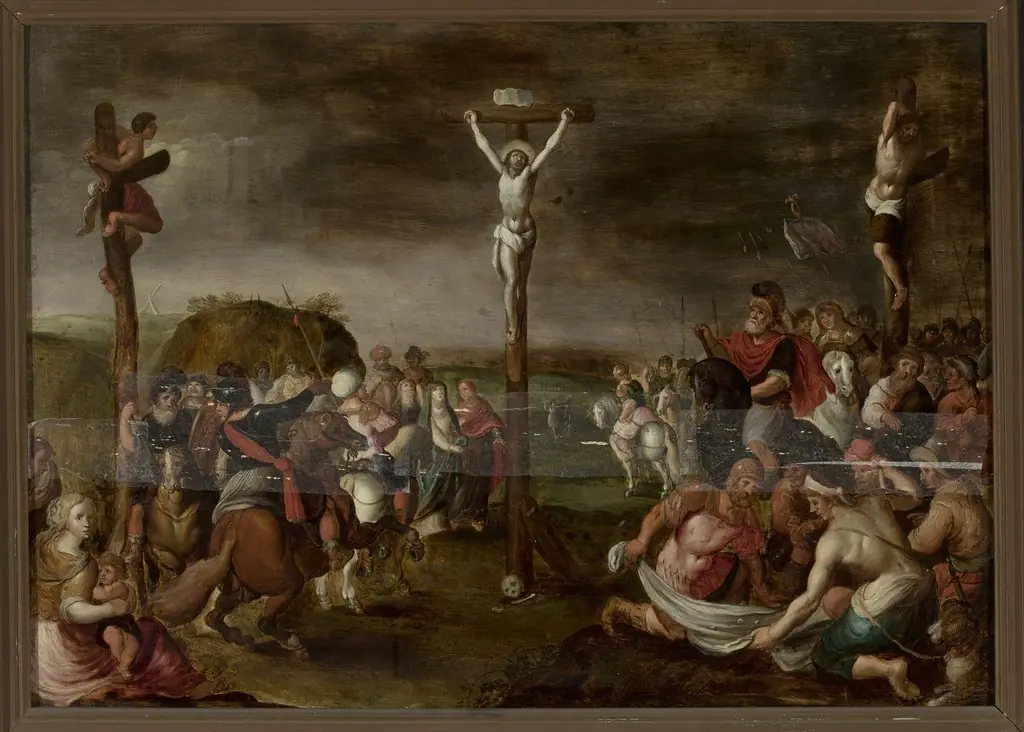 Crucifixion (Matthew 27:35-38; Mark 15:24-28; Luke 23:33; John 19:18-20)
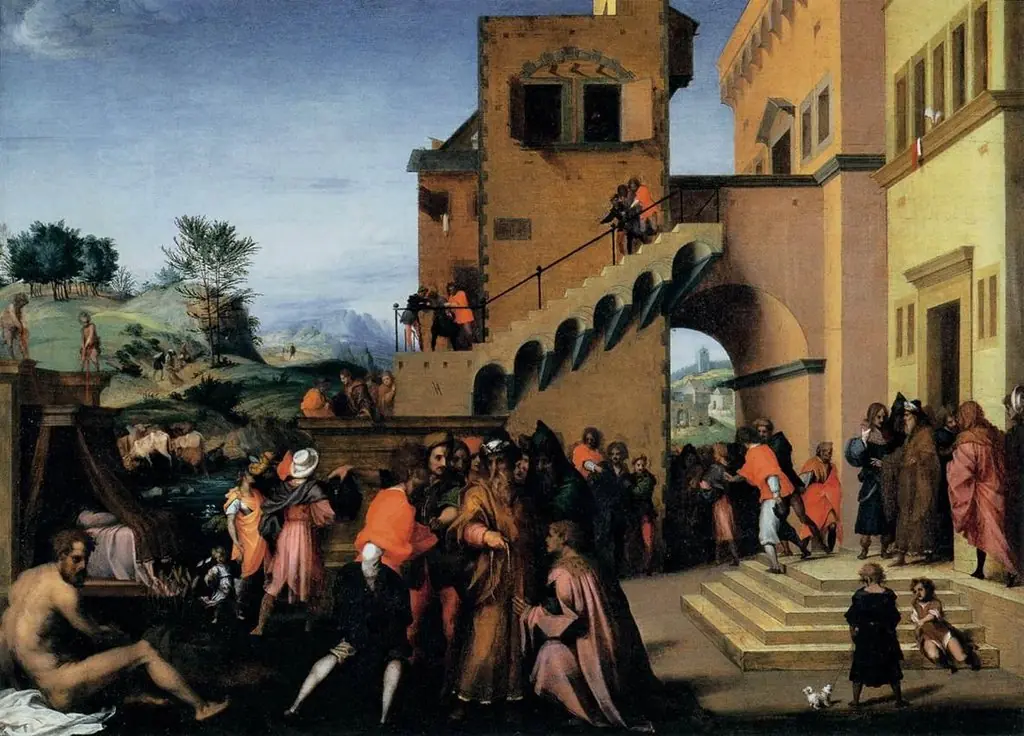 Joseph interpreting Pharaoh's dresm
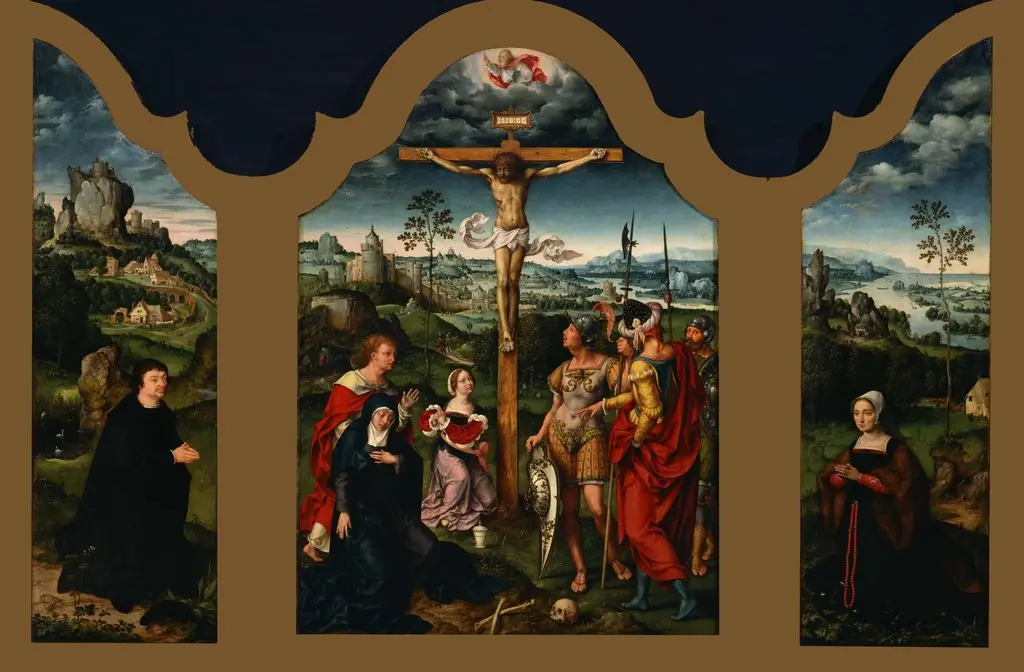 Triptych: The Crucifixion Flanked by the Kneeling Donor and His Wife
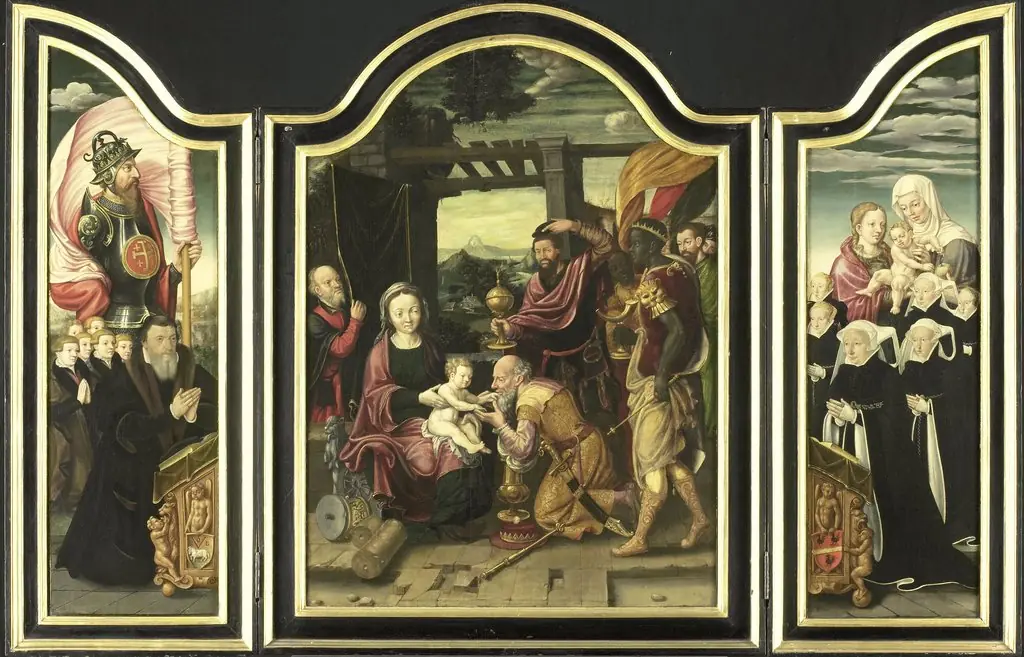 Triptych with the Adoration of the Magi
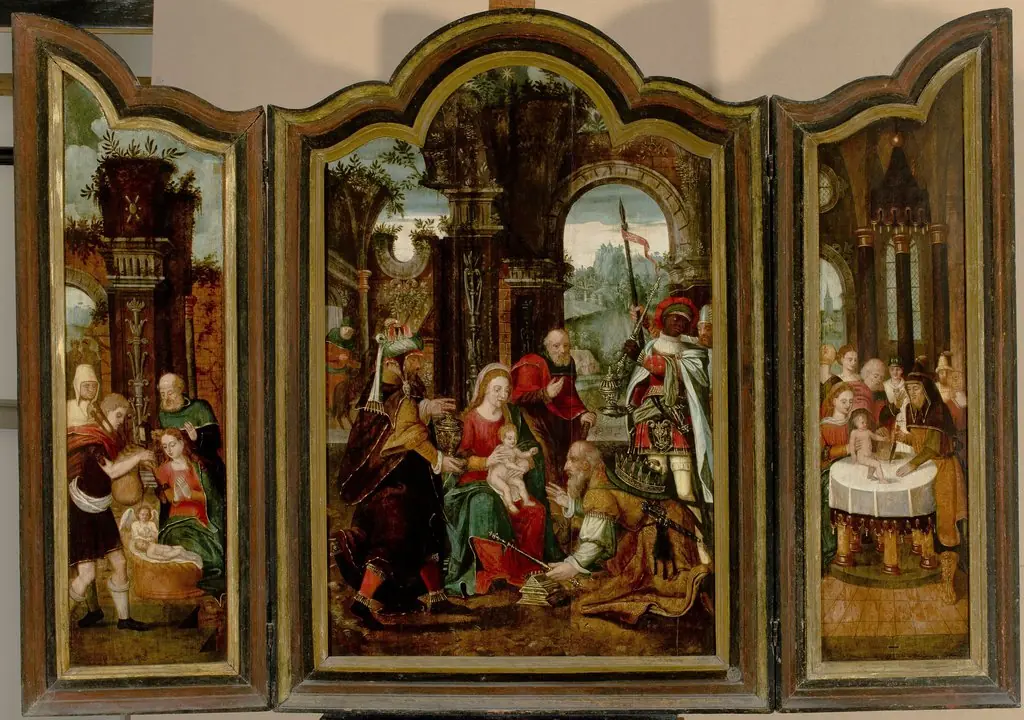 Triptych: Adoration of the Magi, Adoration of the Shepherds, Circumcision
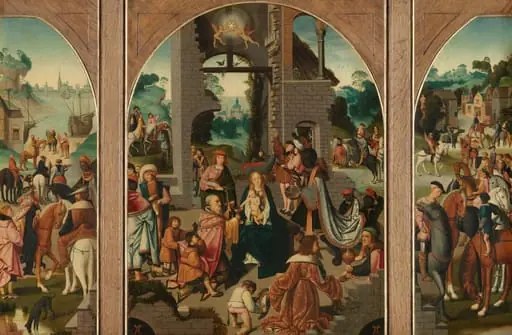 Triptych with Adoration of the Magi (center and inner wings), Saint Antony Abbot (left, outer wing) and Saint Adrian (right, outer wing)
 Altarpiece of the Guild of the Minters