Artwork
Triptych: Adoration of the Magi, Adoration of the Shepherds, Circumcision
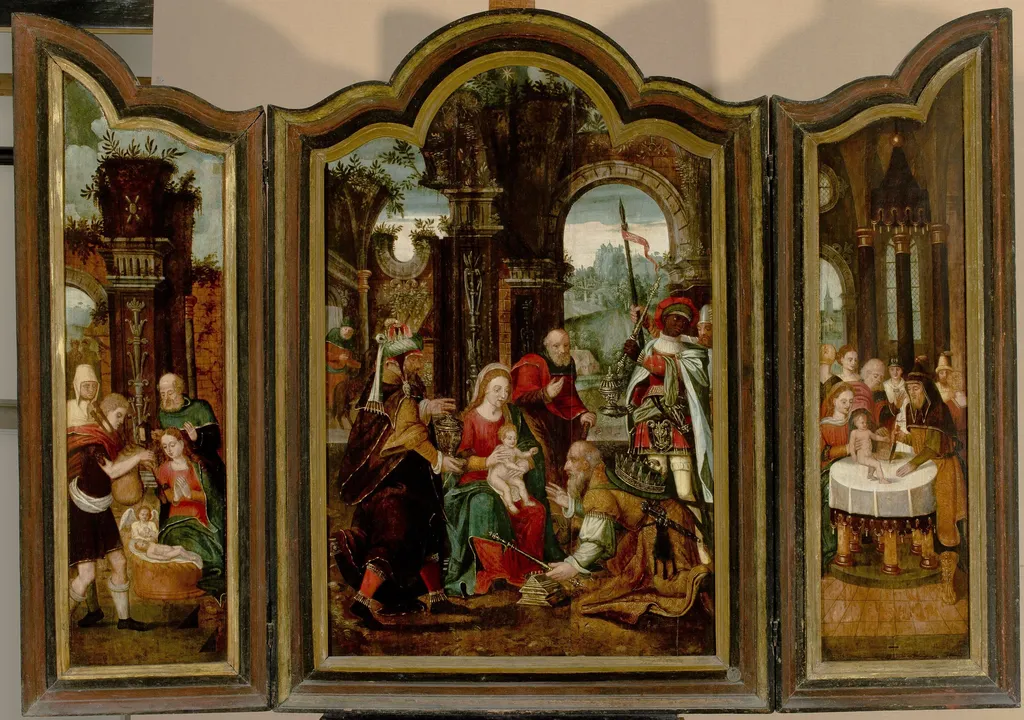
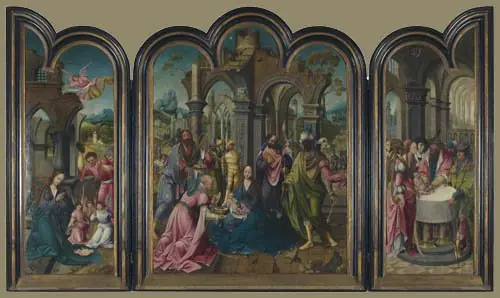
Triptych: Adoration of the Magi, Adoration of the Shepherds, Circumcision is an oil painting by Unknown. It dates from 1550 and is held in the collection of the National Museum in Warsaw. This oil-on-panel triptych consists of three distinct scenes from the early life of Christ, arranged side by side.
About this work
Overview
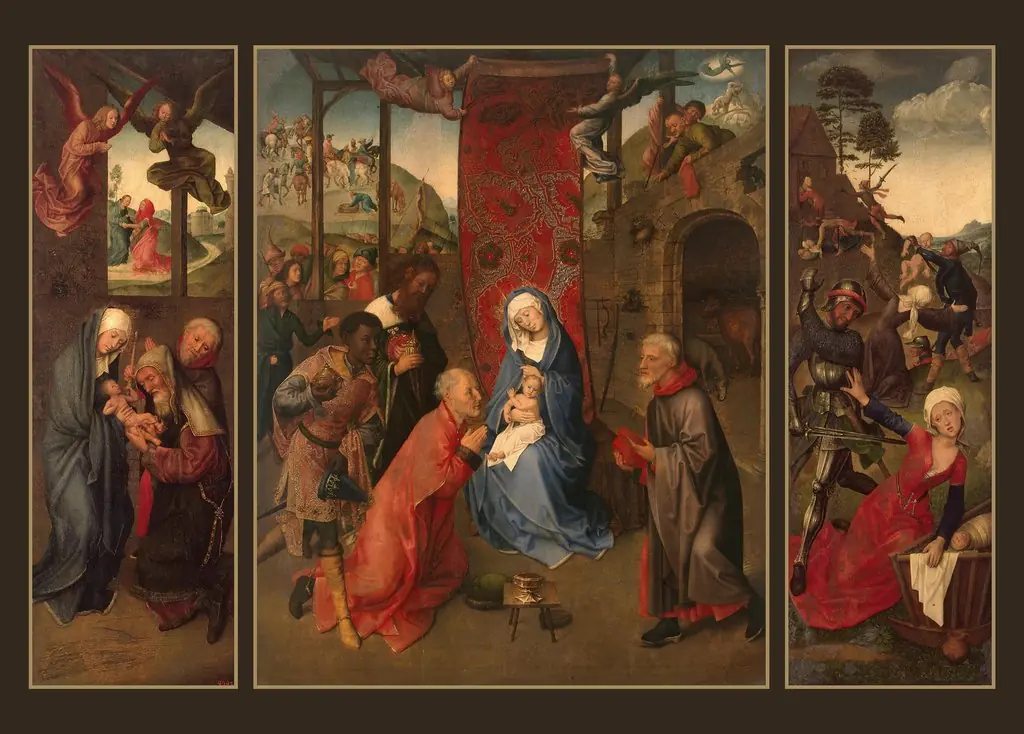
The central panel portrays the arrival of the Magi, while the left shows shepherds at the manger and the right depicts Jesus’s circumcision.
This oil-on-panel triptych consists of three distinct scenes from the early life of Christ, arranged side by side. The central panel portrays the arrival of the Magi, while the left shows shepherds at the manger and the right depicts Jesus’s circumcision. Each panel is framed within a unified composition, using rich pigments and structured arrangements to guide the viewer’s attention through the narrative sequence.
Subject & Meaning
The three panels collectively trace key moments in Christ’s infancy: divine recognition by foreign kings, humble acknowledgment by shepherds, and the ritual entry into the covenant through circumcision. These scenes emphasize both the sacred and human dimensions of Christ’s early life, reinforcing theological themes of revelation, humility, and fulfillment of Jewish law.
Technique & Style
Oil paint allows for layered glazes that enhance the depth of crimson and ultramarine robes, while gold leafing defines halos and celestial light. Figures are arranged with formal symmetry, particularly in the central panel, where gestures and gazes create a dynamic yet orderly procession. The rendering of textures—fabrics, skin, and architecture—reflects a meticulous attention to detail typical of late medieval devotional painting.
History & Provenance
The triptych has been held in the collection of the National Museum in Warsaw since at least the 19th century. Its origins are likely Central European, possibly from a workshop active in the late 15th or early 16th century. No definitive artist is recorded, but stylistic elements suggest ties to regional traditions influenced by Netherlandish and German devotional art.
Context
Created during a period when triptychs were common in private and ecclesiastical devotion, this work reflects the growing demand for portable altarpieces that could be used in both public worship and personal meditation. The inclusion of the Circumcision—a less commonly depicted scene—indicates a focus on Christ’s humanity and adherence to Jewish custom, aligning with contemporary theological emphasis.
Legacy
As a preserved example of late medieval devotional triptych painting, it contributes to the understanding of regional artistic practices in Eastern Europe. Its survival and continued display in Warsaw underscore its role as a cultural artifact that bridges religious tradition and artistic heritage, offering insight into how sacred narratives were visually structured for contemplation.
Artist & collection

 Domestic Scene
 Giacomo and Cardinal Marco, investing Andrea, Abbot of San Zeno, with his Benefice
 The Nymph of Fontainebleau
 Portrait of a Woman
 Madonna and Child with Saints in the Enclosed Garden
 Venus and Minerva
 Family Group of Four on Sofa
 Wall painting from Room H of the Villa of P. Fannius Synistor at Boscoreale
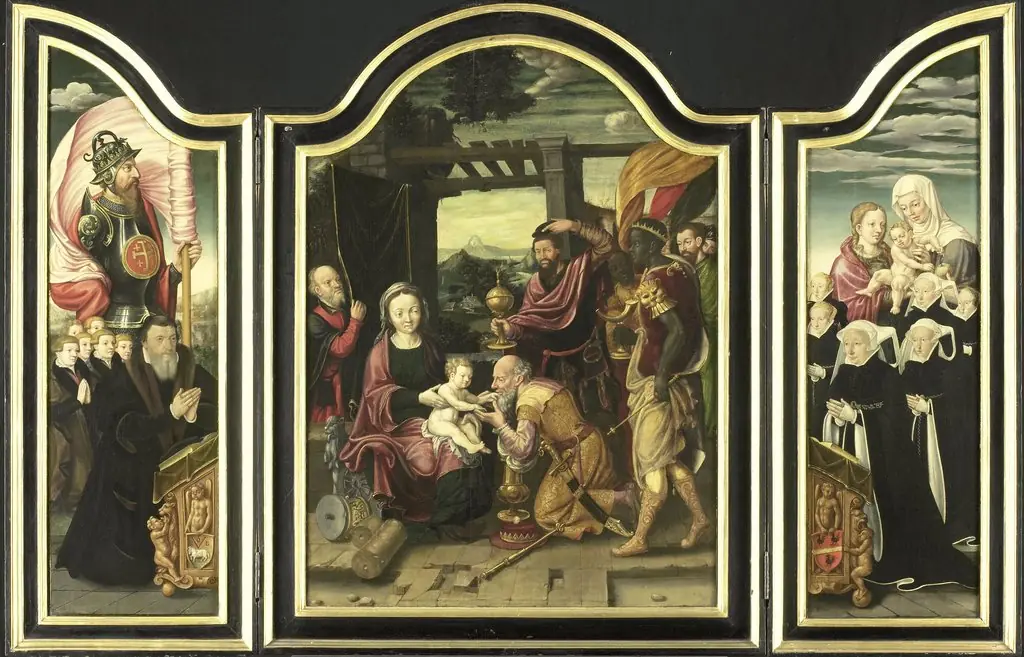 Triptych with the Adoration of the Magi
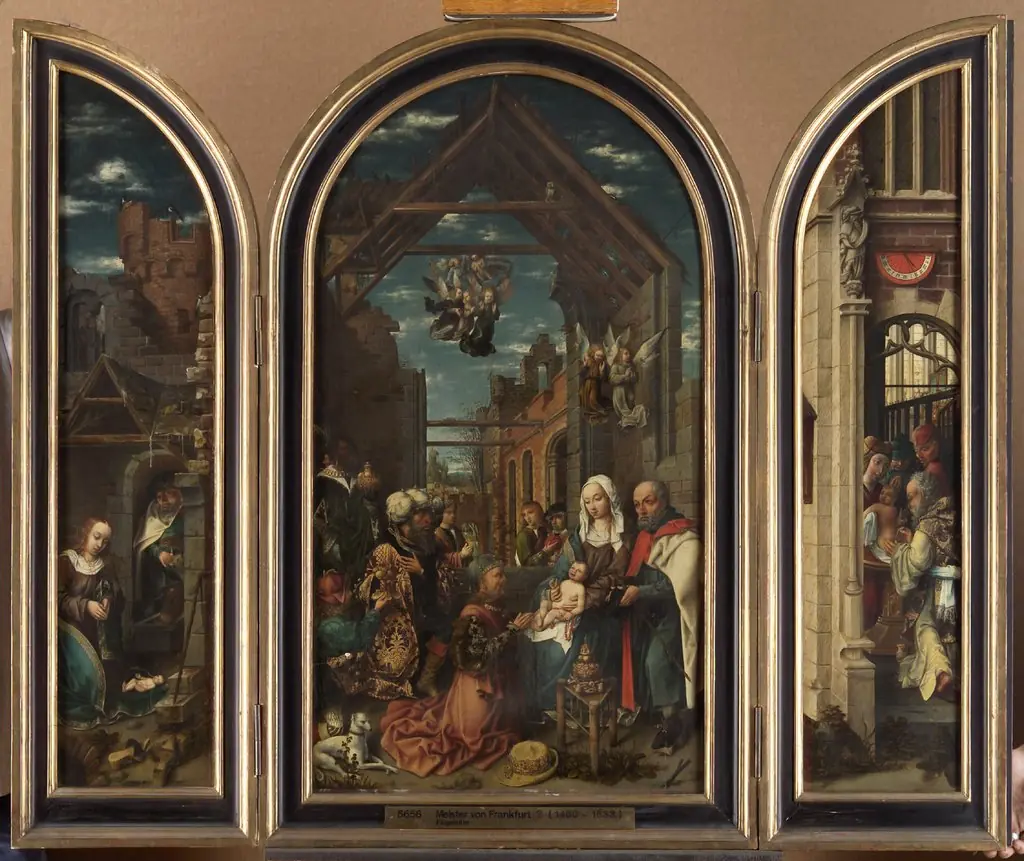 Triptych of the adoration of the magi
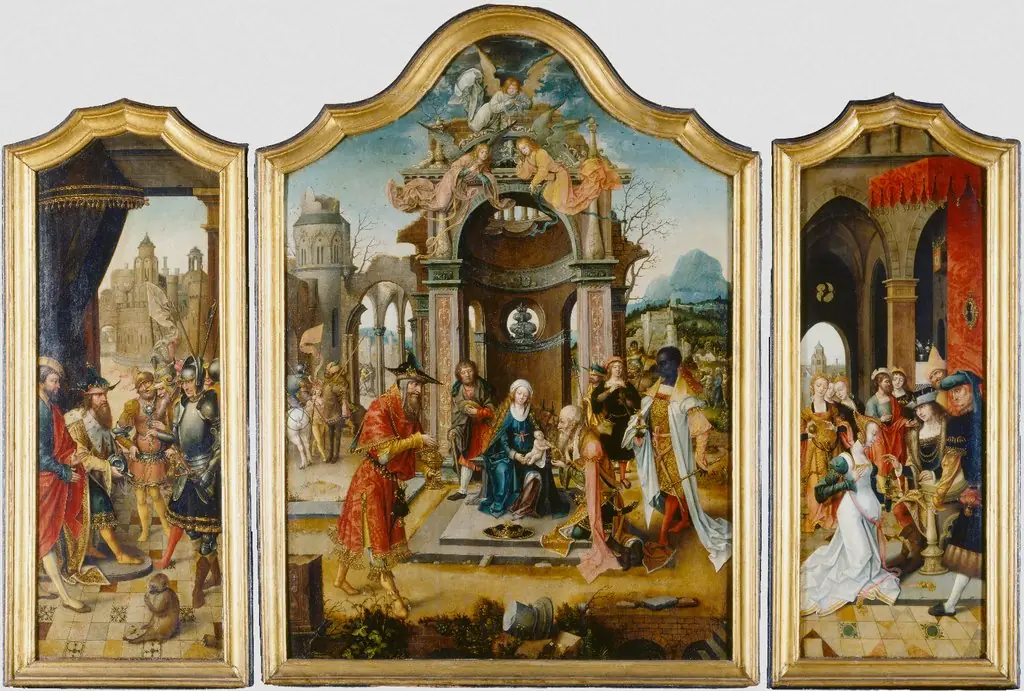 Triptych of the Adoration of the Magi
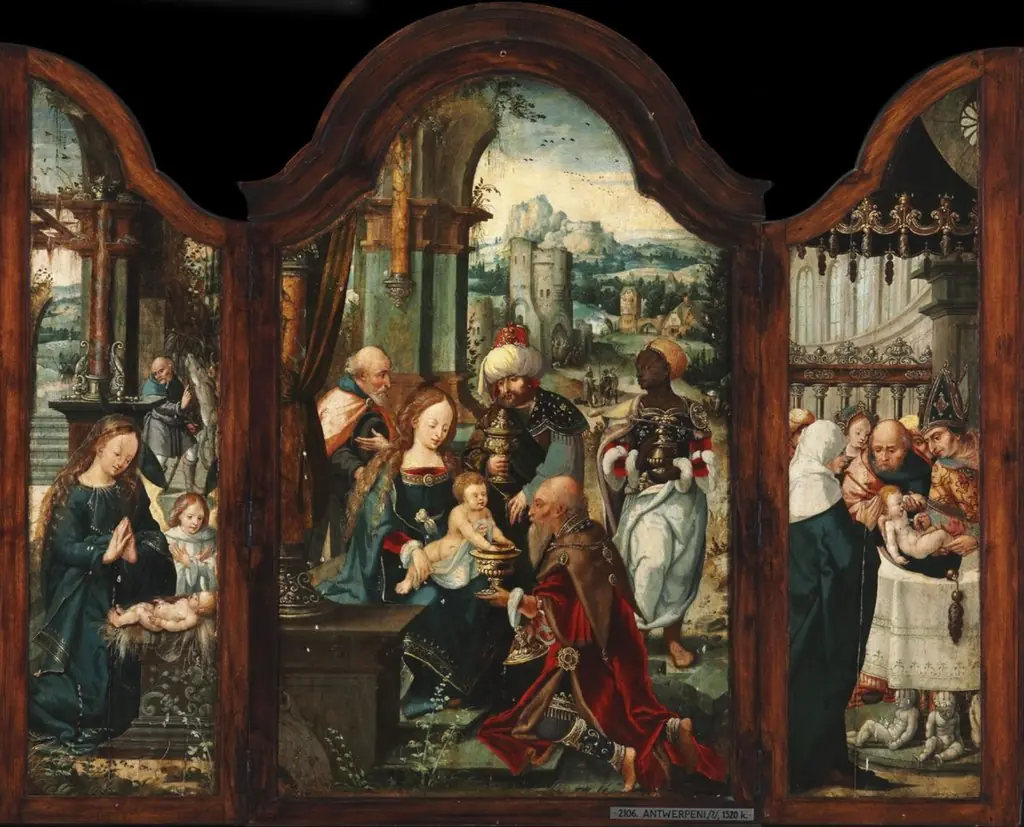 Triptych. Central panel: The Adoration of the Magi; left wing: The Nativity; right wing: The Circumcision
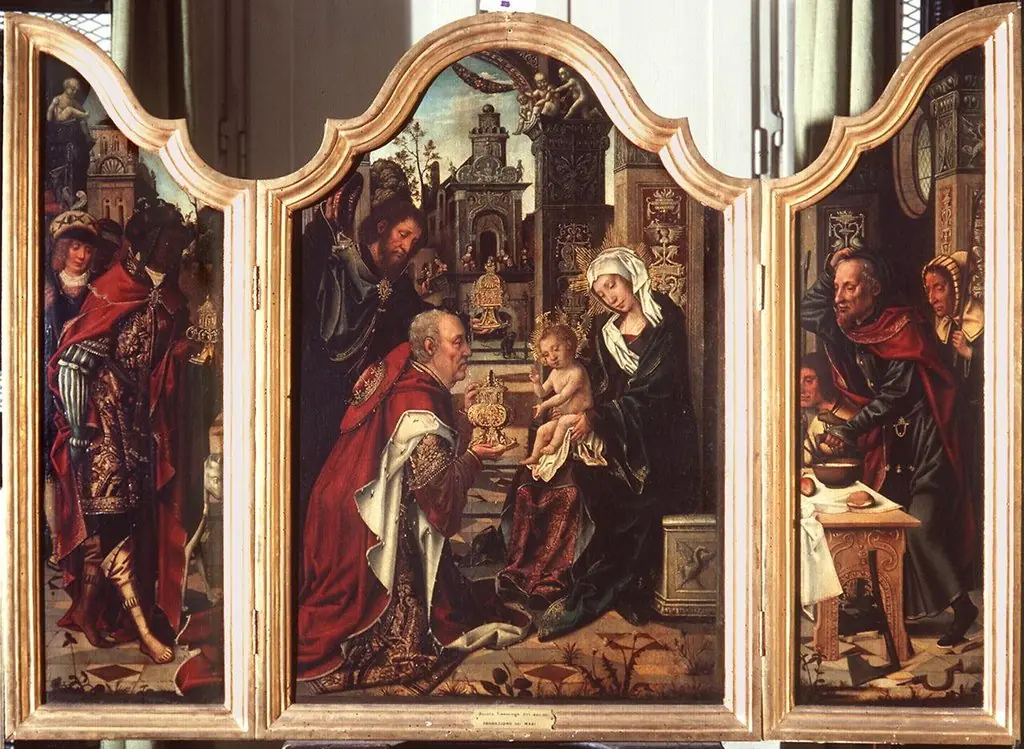 Triptych of the Adoration of the Magi
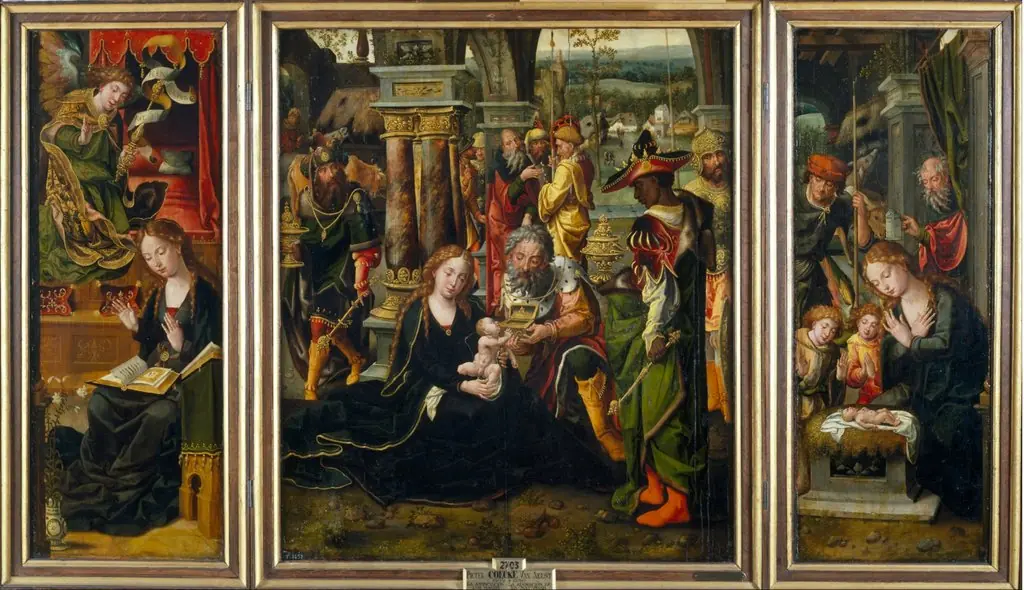 Triptych with the Annunciation, the Adoration of the Magi and the Nativity with Angels and Shepherds
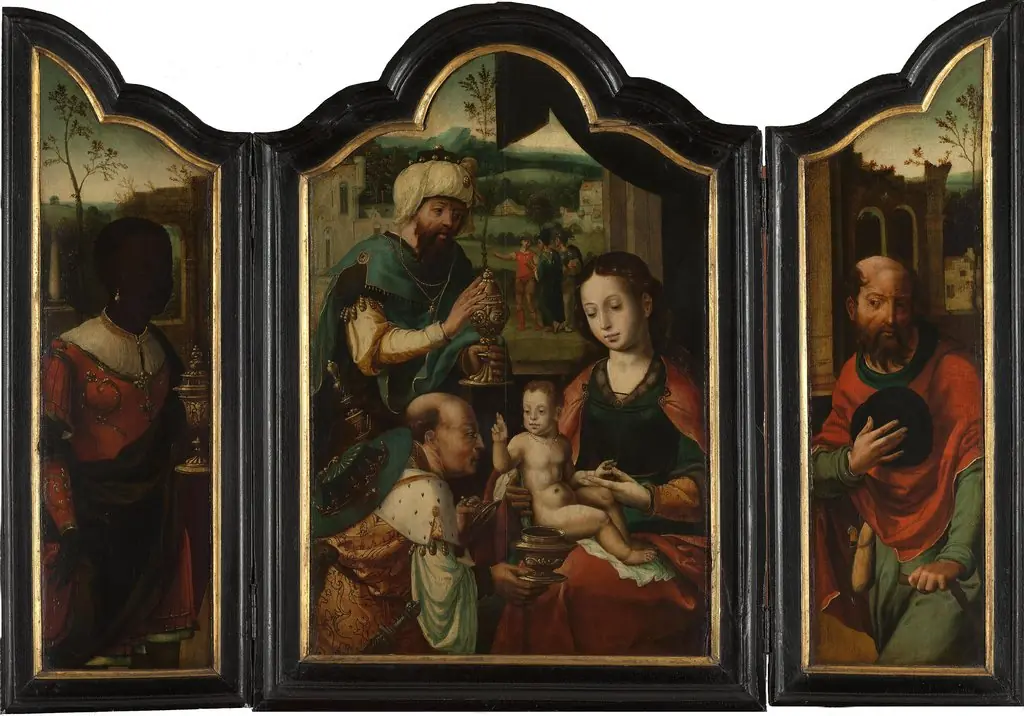 Triptych with Adoration of the Magi
 Triptych with adoration by the Magi
 Adoration of the Magi (Triptych)
 Triptych with the Adoration of the Magi