Artwork
Richard Gwynne Esq of Taliaris
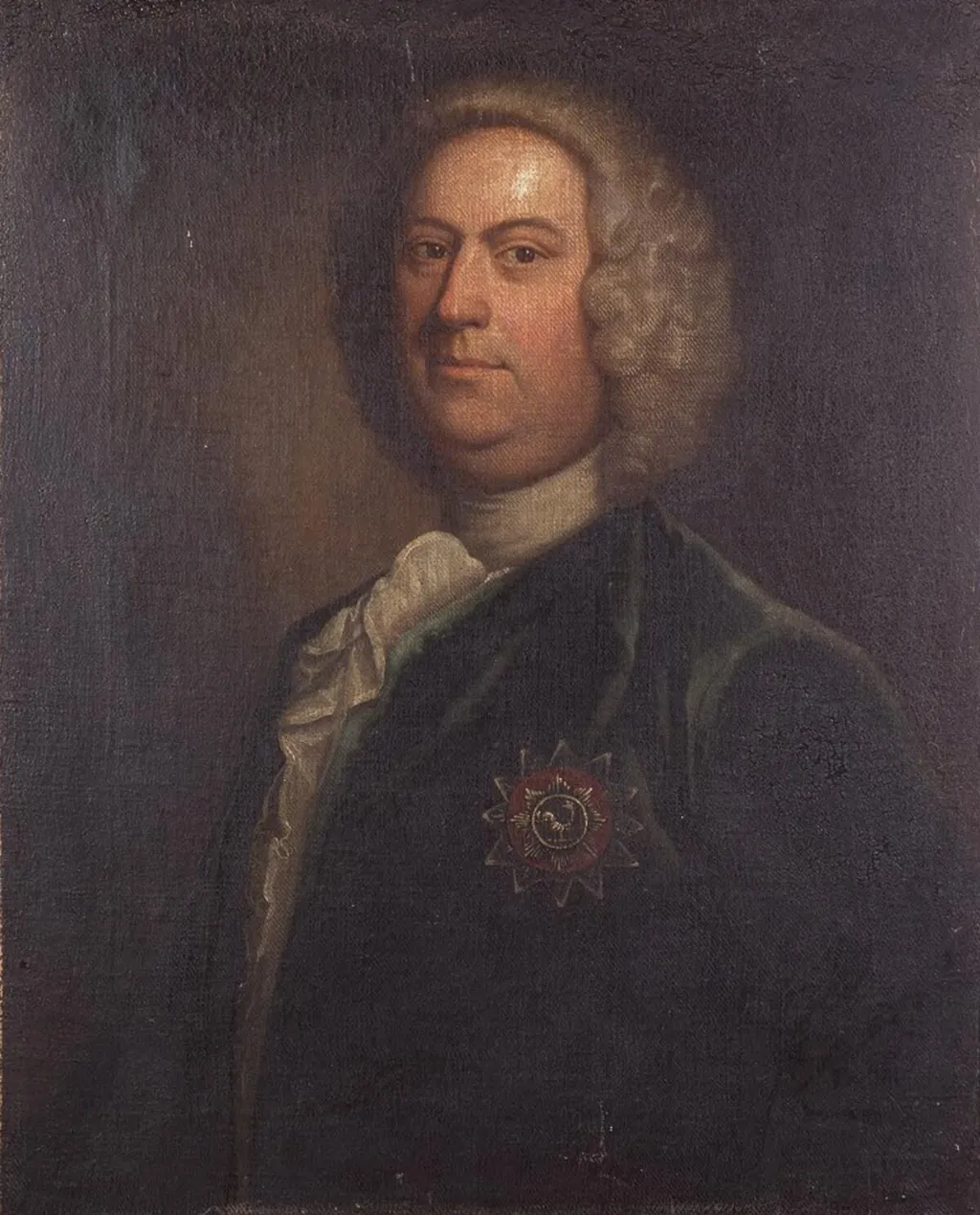
Richard Gwynne Esq of Taliaris is an oil painting by the Rococo painting artist Robert Taylor. It dates from 1740 and is held in the collection of the National Library of Wales.
About this work
If you're interested in learning more about the artist who created this piece, you might want to explore the works of Robert Taylor.
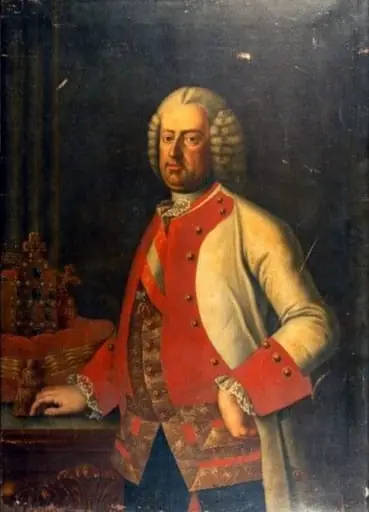
The painting features a man with curly, light-colored hair and a serious expression. He is dressed in a dark jacket with a white ruffled shirt underneath, and a red and gold brooch adorns his chest.
The man's attire suggests a formal or official setting, possibly from the 18th century. The use of oil paint and the style of the portrait are consistent with the artistic techniques of that era.
If you're interested in learning more about the artist who created this piece, you might want to explore the works of Robert Taylor.
Overview
This oil portrait, painted in 1740 by Robert Taylor, captures Richard Gwynne of Taliaris, a Welsh landowner. The work is part of the National Library of Wales’s collection and exemplifies the formal portraiture common among the gentry in early 18th-century Britain. Its composition and materials reflect the conventions of the period, emphasizing dignity and social standing through controlled composition and refined detail.
Subject & Meaning
Richard Gwynne is depicted with a composed, serious demeanor, typical of portraiture meant to convey authority and moral steadiness. His attire — a dark coat, white ruffled shirt, and ornate brooch — signals wealth and status without overt display. The absence of symbolic objects or landscape background focuses attention on his presence, suggesting a desire to document personal identity rather than narrative or achievement.
Technique & Style
Taylor employed traditional oil painting methods to render texture and light with subtle gradations. The fabric of the coat and the delicate folds of the shirt are rendered with precision, while the brooch catches light to draw the eye. The brushwork is restrained, avoiding theatricality; the palette is muted except for the brooch’s red and gold accents, which serve as quiet focal points within a restrained tonal scheme.
History & Provenance
The portrait has remained in institutional care since at least the early 20th century, now held by the National Library of Wales. Its provenance traces back to the Gwynne family of Taliaris, a landed estate in Carmarthenshire. The painting’s preservation suggests it was valued as a family heirloom before being transferred to public custody, likely as part of broader efforts to document Welsh cultural heritage.
Context
Painted during the height of Georgian portraiture, the work aligns with trends among the Welsh gentry who sought to affirm their social position through visual representation. While London-based artists dominated elite commissions, regional painters like Taylor catered to local patrons. This portrait reflects a provincial adaptation of metropolitan styles, balancing formality with local identity.
Legacy
The portrait endures as a record of an individual within a specific social and regional context. It contributes to the understanding of how Welsh landowners engaged with artistic conventions of their time. Though Robert Taylor is not widely known today, this work remains a tangible link to the visual culture of 18th-century Wales, preserved for its historical rather than aesthetic prominence.
Artist & collection
Artist
This Welsh artist loved painting men who looked like they’d just won a bet at the tavern.

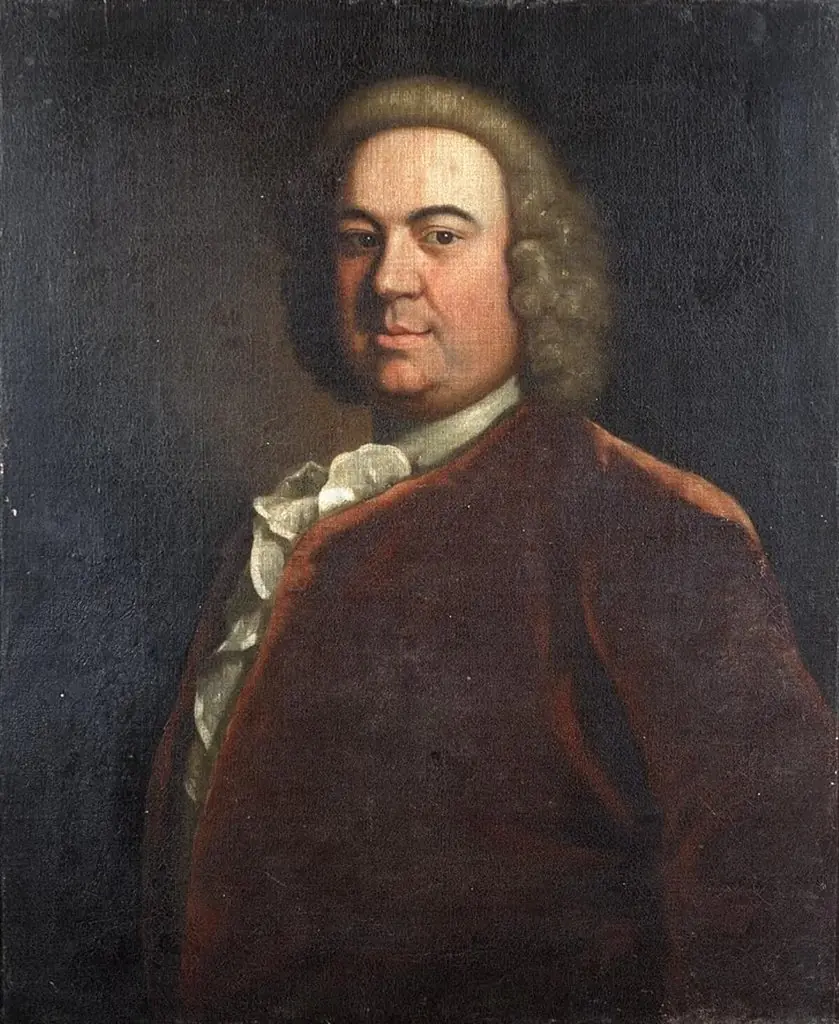 Morgan Lloyd Esq
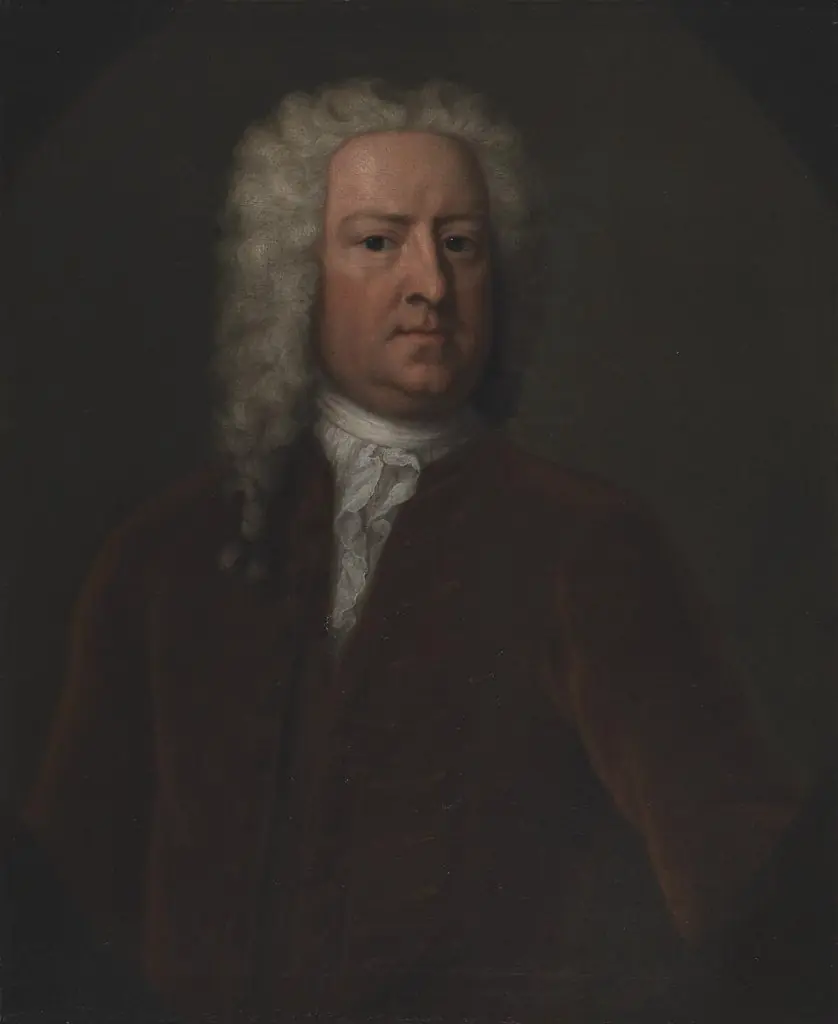 Sir Watkin Williams-Wynn (1692 -1749)
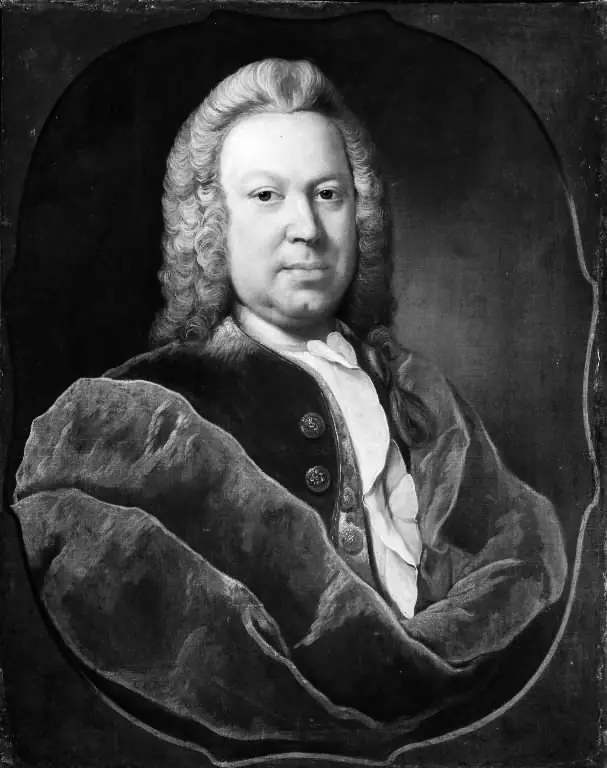 Mandsportræt
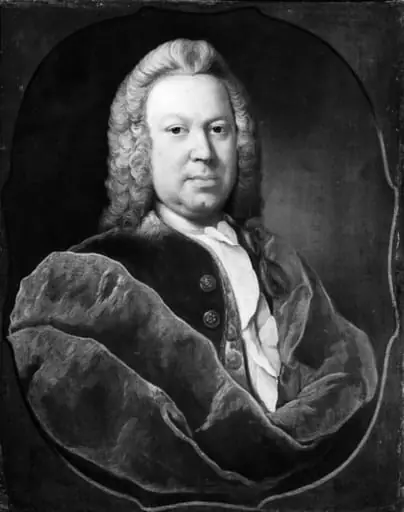 Mandsportræt
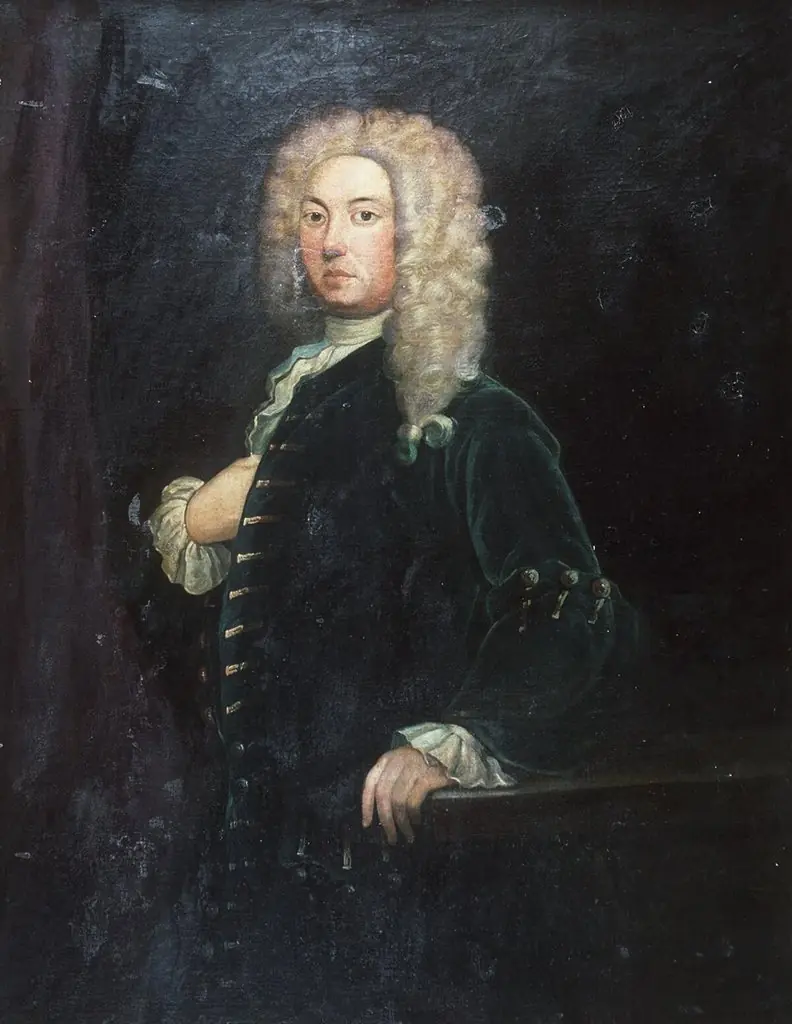 Councillor Richard Lloyd (died 1757)
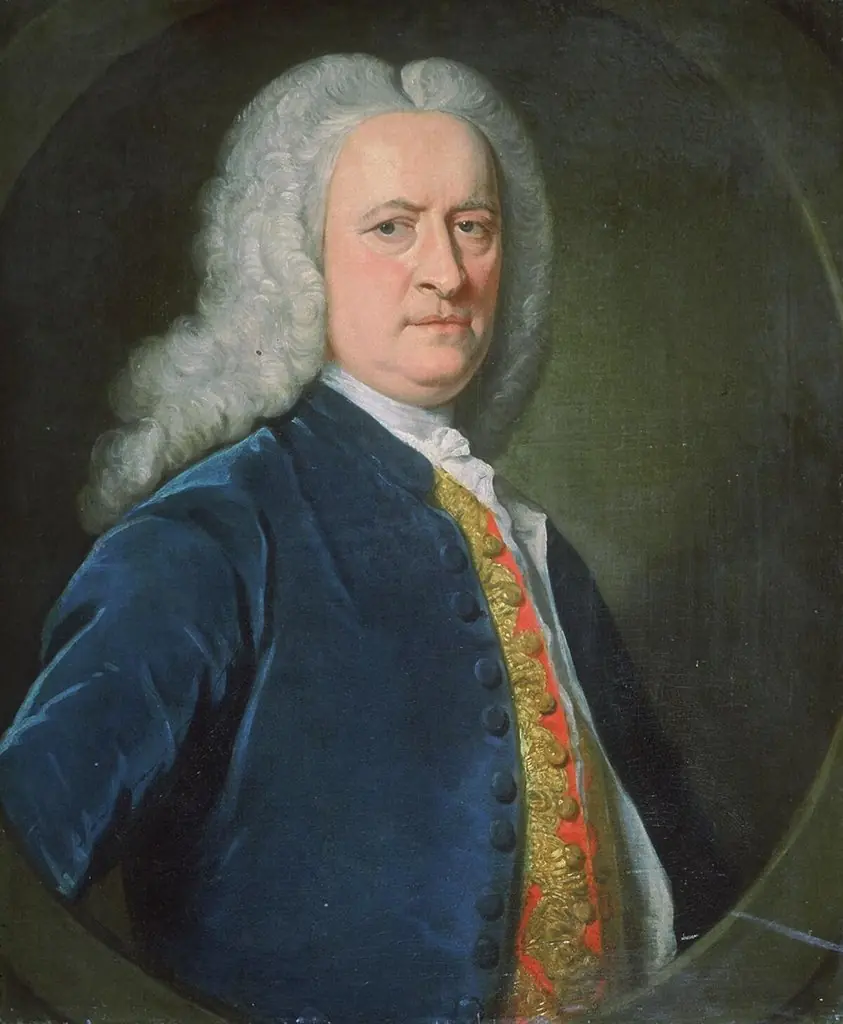 Portrait of a man
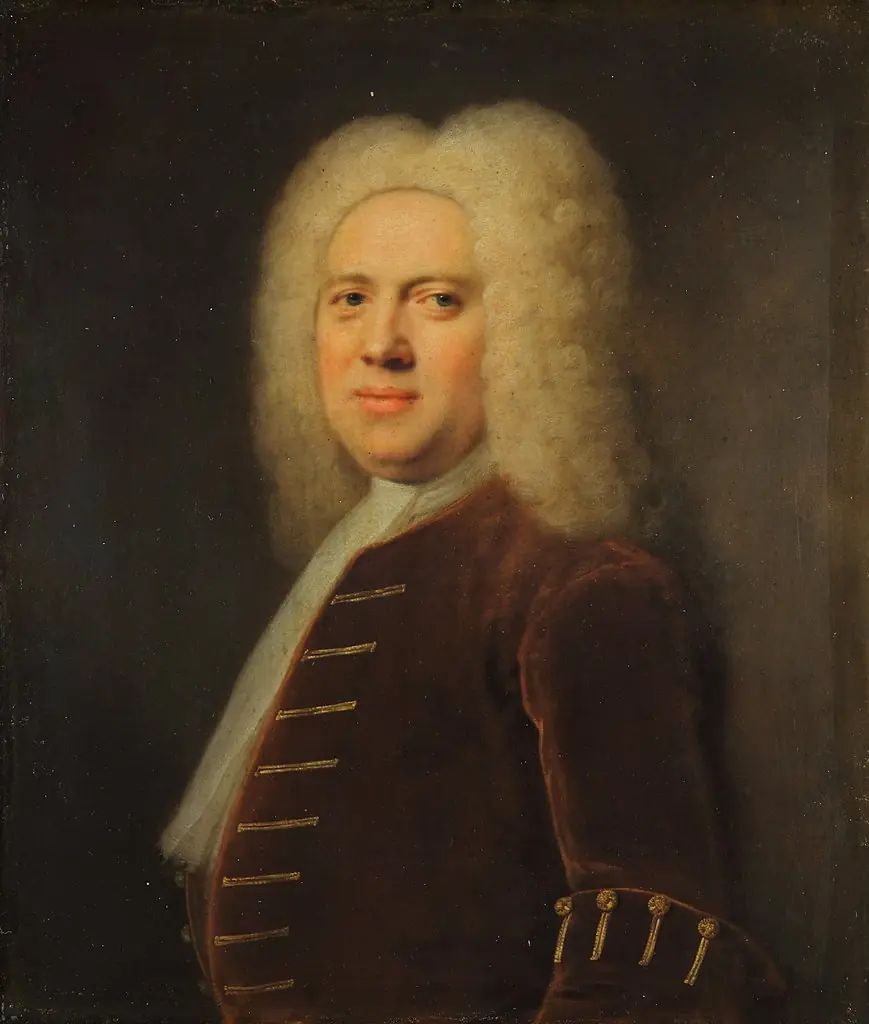 Self-Portrait
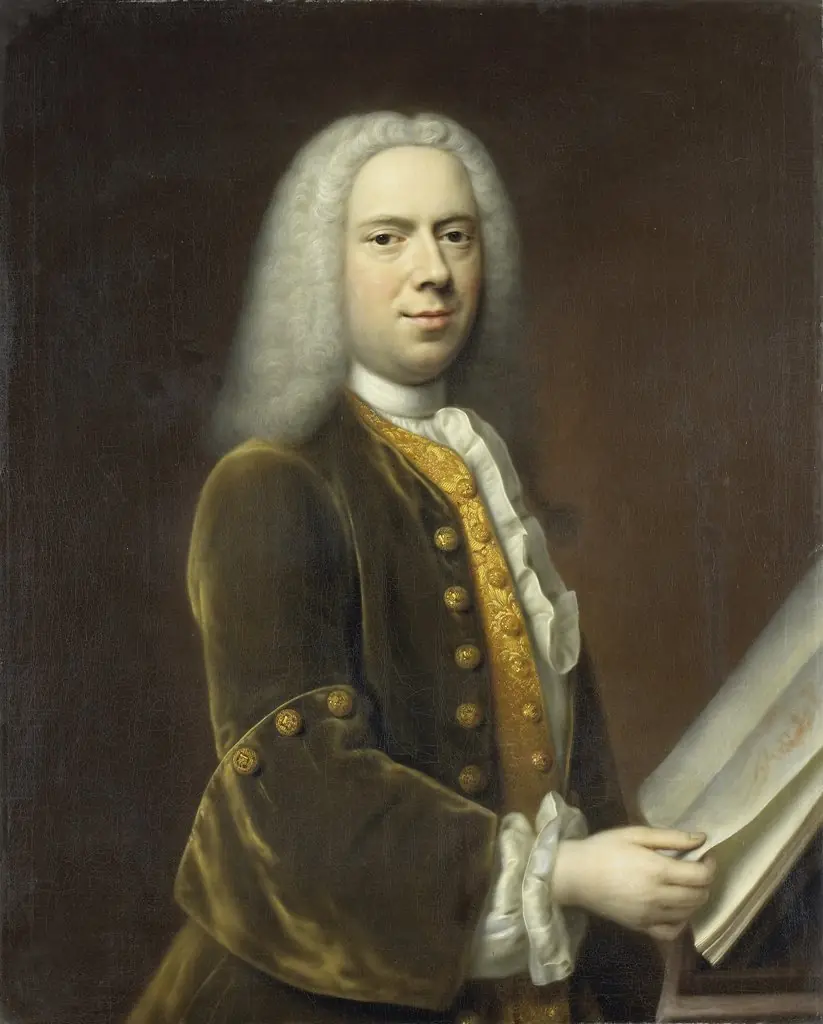 Portrait of a Man, probably Cornelis Troost
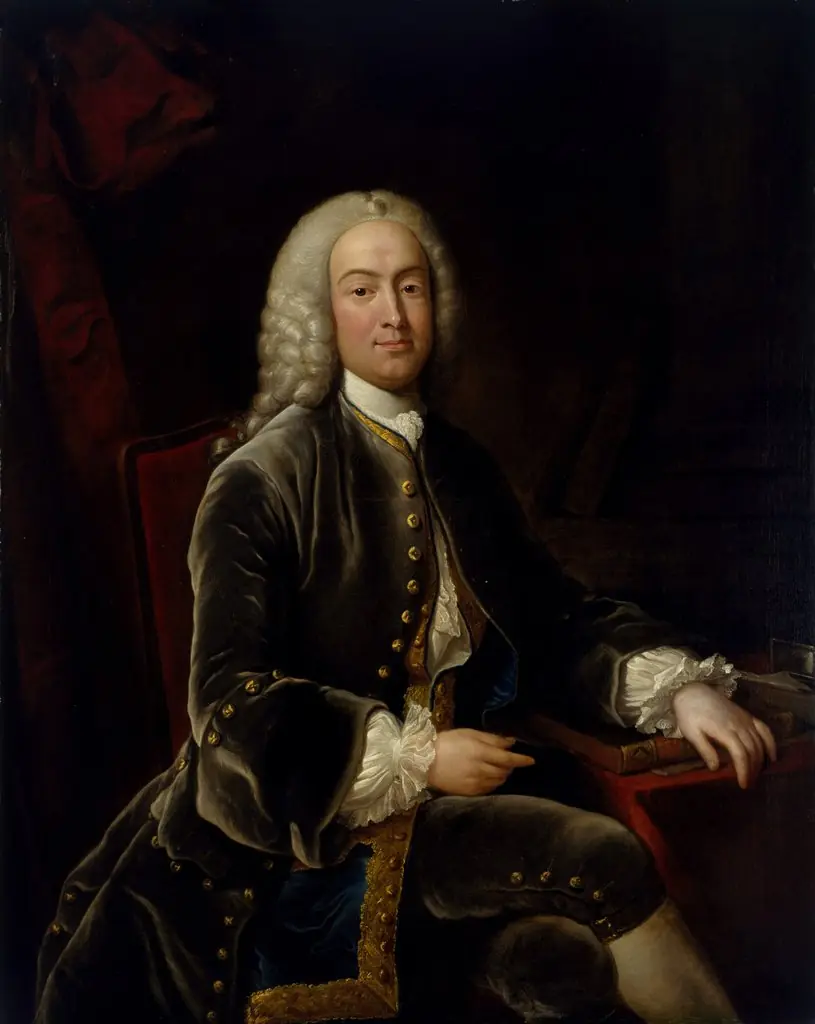 William Murray, 1st Earl of Mansfield
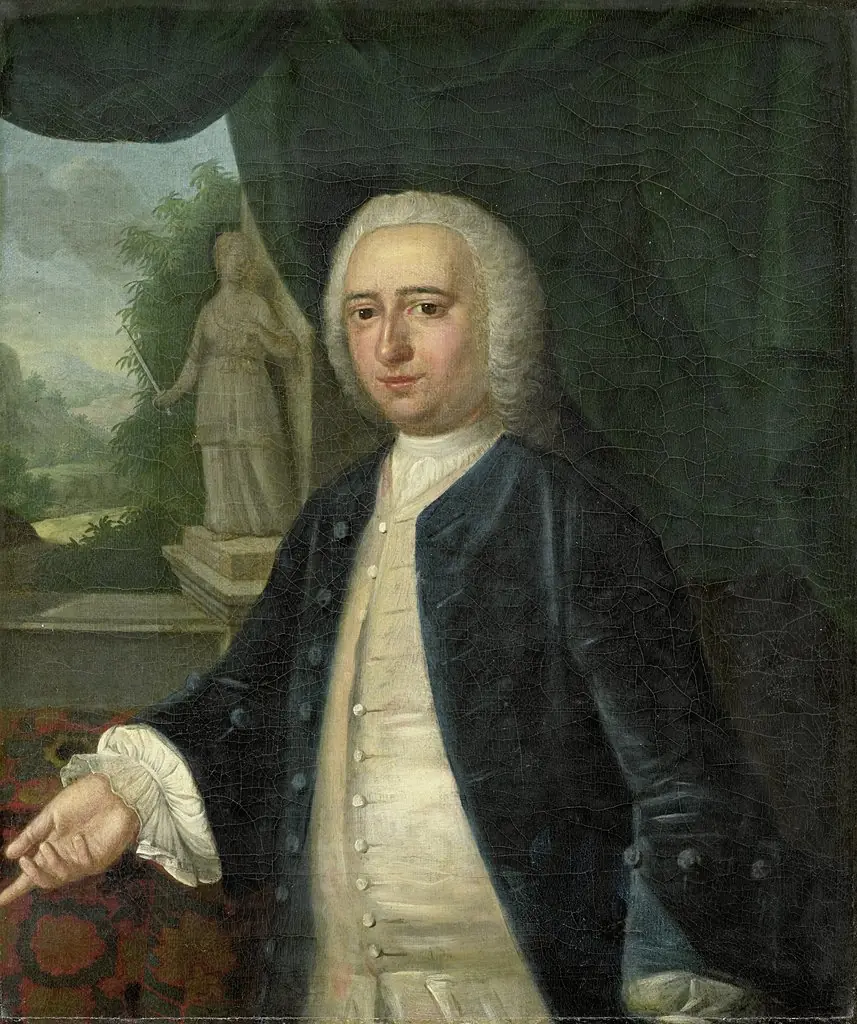 Portrait of Johan Willem Parker, Lord of Saamslag, Geersdijk, Wissekerke, Cats and Soelekerke, Burgomaster of Middelburg, Deputy of Walcheren in Zeeland
 Portrait of Frederik Hansen de Liliendal, Danish Consul at Bordeaux
 Portretul împăratului Franz Stephan de Lorena