Artwork
Painted Banner (Thangka) of Bodhisattva Maitreya Surrounded by his Retinue
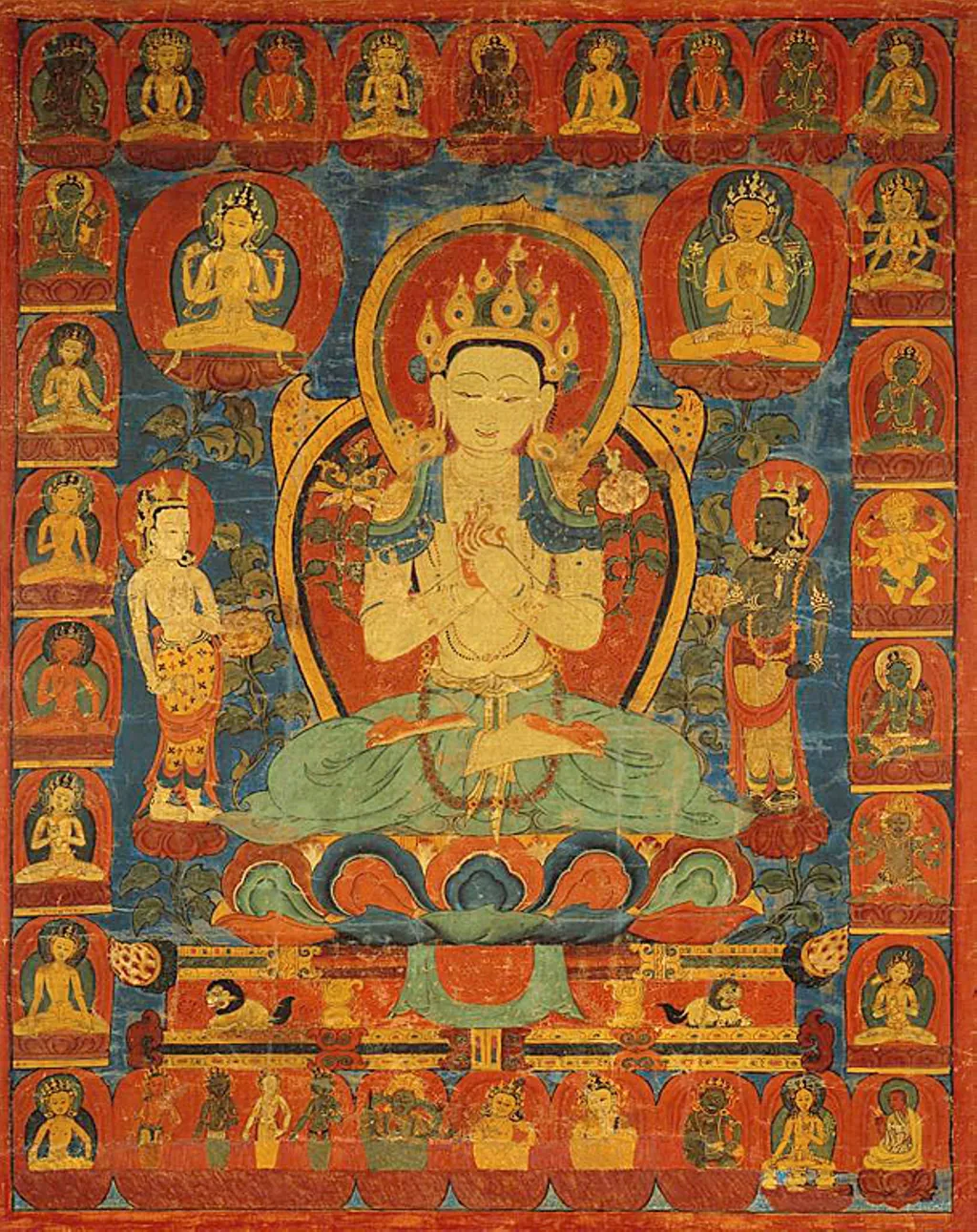
Painted Banner (Thangka) of Bodhisattva Maitreya Surrounded by his Retinue is an unspecified painting by Unknown. It dates from 1550 and is held in the collection of the Art Institute of Chicago. This thangka, a painted devotional banner, presents the future Buddha Maitreya seated amid a retinue of attendant figures.
About this work
Overview
The central figure is distinguished by a luminous halo and richly draped robes, set against a deep blue field framed by vivid red borders.
This thangka, a painted devotional banner, presents the future Buddha Maitreya seated amid a retinue of attendant figures. The central figure is distinguished by a luminous halo and richly draped robes, set against a deep blue field framed by vivid red borders. The composition is densely populated, each attendant rendered with careful attention to posture and gesture, creating a harmonious visual focus on the central deity.
Subject & Meaning
At the heart of the work stands Bodhisattva Maitreya, the prophesied future Buddha, depicted in a classic prayer pose with palms together, symbolizing aspiration and reverence. Among the surrounding figures is Avalokiteshvara, the compassionate bodhisattva, whose inclusion underscores themes of mercy and future salvation. The ensemble of deities and attendants reflects the Buddhist concept of a celestial court awaiting Maitreya’s eventual arrival on earth.
Technique & Style
Executed as a traditional thangka, the painting employs mineral pigments on cloth, yielding saturated reds, blues, and golds that retain their brilliance over centuries. Fine brushwork delineates intricate details of garments, jewelry, and facial features, while the halo is rendered with delicate stippling to suggest radiance. The composition follows a hierarchical arrangement typical of Tibetan Buddhist iconography, with the central figure enlarged and centrally positioned.
History & Provenance
The banner is part of the collection of the Art Institute of Chicago, acquired through the museum’s Asian art acquisitions program. While the precise date of creation is not recorded, its stylistic attributes align with thangka production practices of the late medieval period in the Himalayan region. The work has been displayed in several exhibitions focusing on Buddhist devotional art, contributing to scholarly understanding of ritual painting traditions.
Artist & collection

 Domestic Scene
 Giacomo and Cardinal Marco, investing Andrea, Abbot of San Zeno, with his Benefice
 The Nymph of Fontainebleau
 Portrait of a Woman
 Madonna and Child with Saints in the Enclosed Garden
 Venus and Minerva
 Family Group of Four on Sofa
 Wall painting from Room H of the Villa of P. Fannius Synistor at Boscoreale
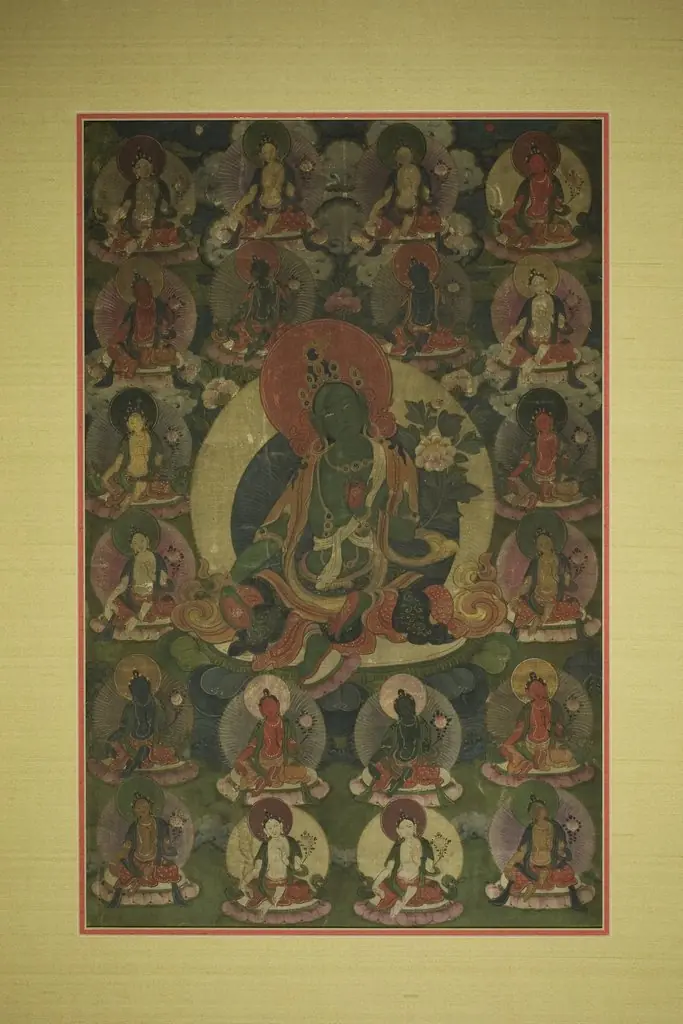 Painted Banner (Thangka) of Green Tara Surrounded by Twenty Manifestations
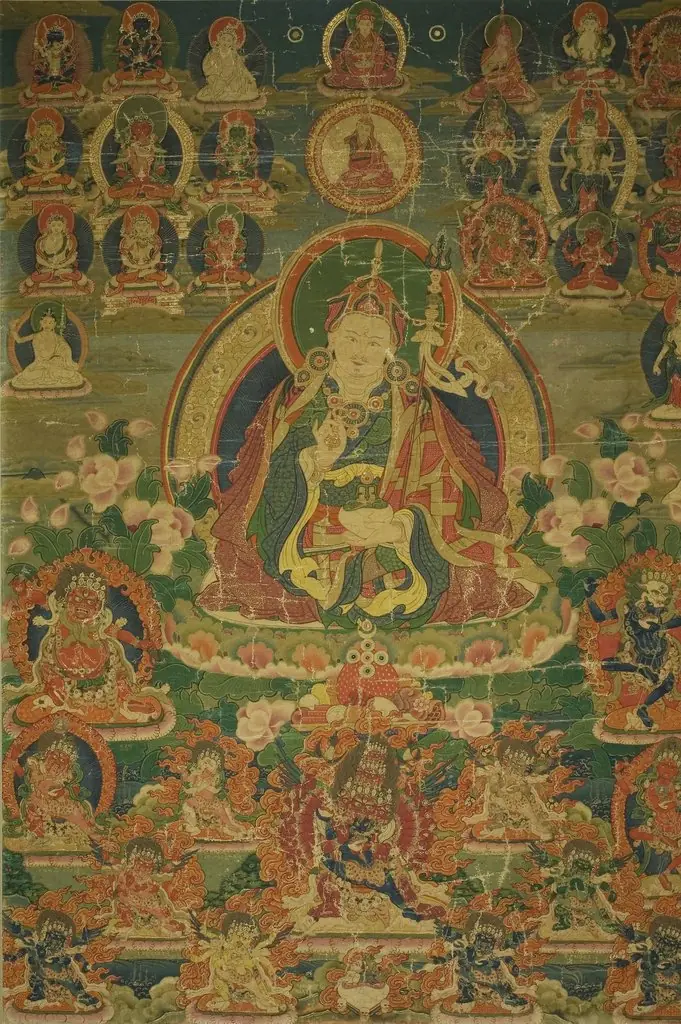 Painted Banner (Thangka) of Sage Guru Padmasambhava Seated Holding a Thunderbolt (Vajra) and Skull Cup (Kapala)
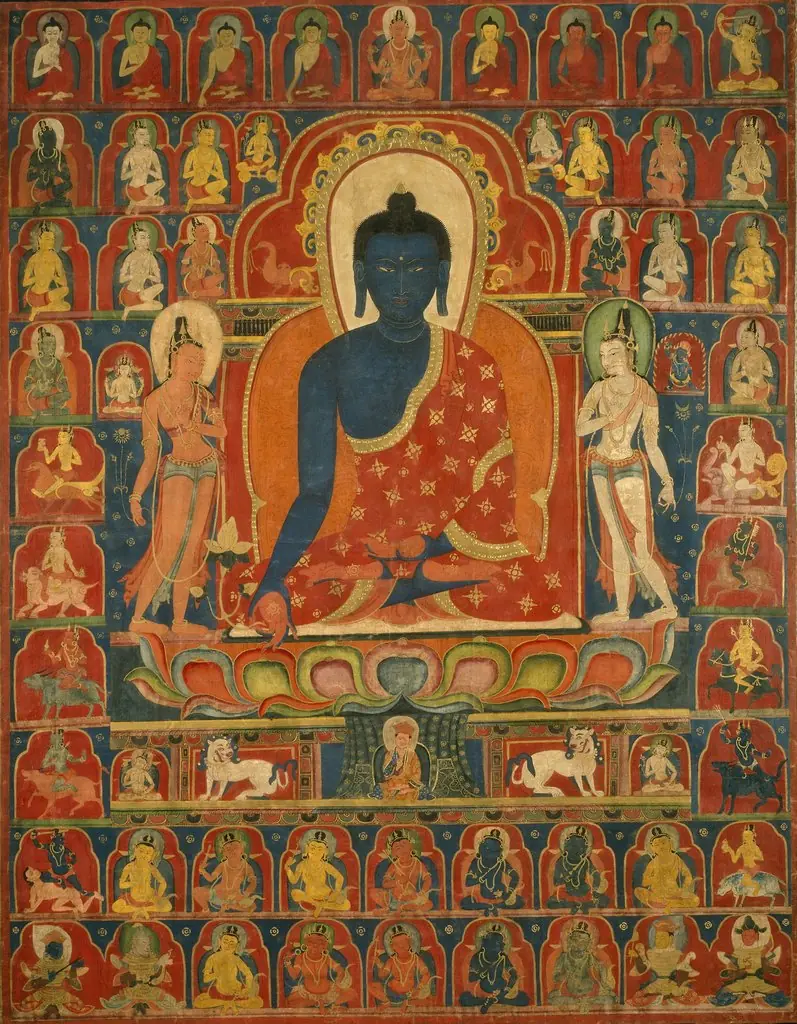 Painted Banner (Thangka) with the Medicine Buddha (Bhaishajyaguru)
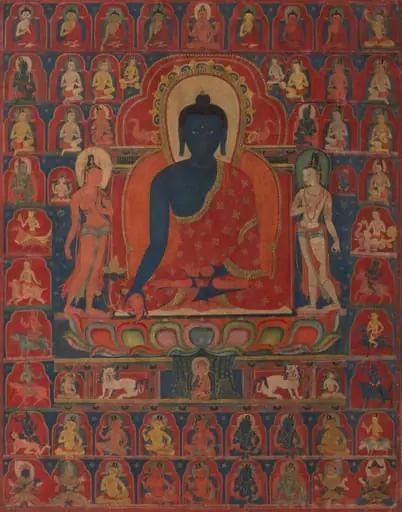 Painted Banner (Thangka) with the Medicine Buddha (Bhaishajyaguru)
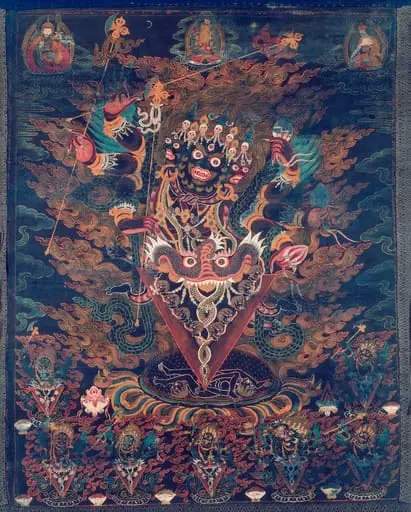 Painted Banner (Thangka) with Guru Dragpur, a Wrathful Form of Padmasambhava
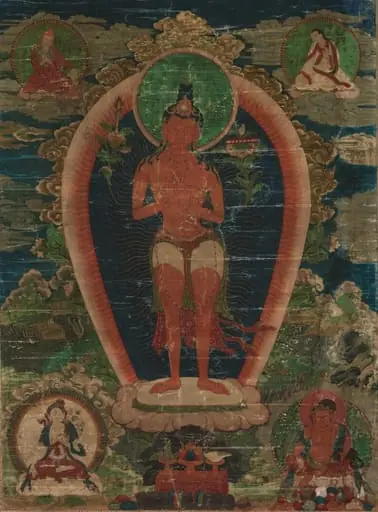 Bodhisattva Padmapani