Artwork
Bildnis eines jungen Mannes vor einer Landschaft
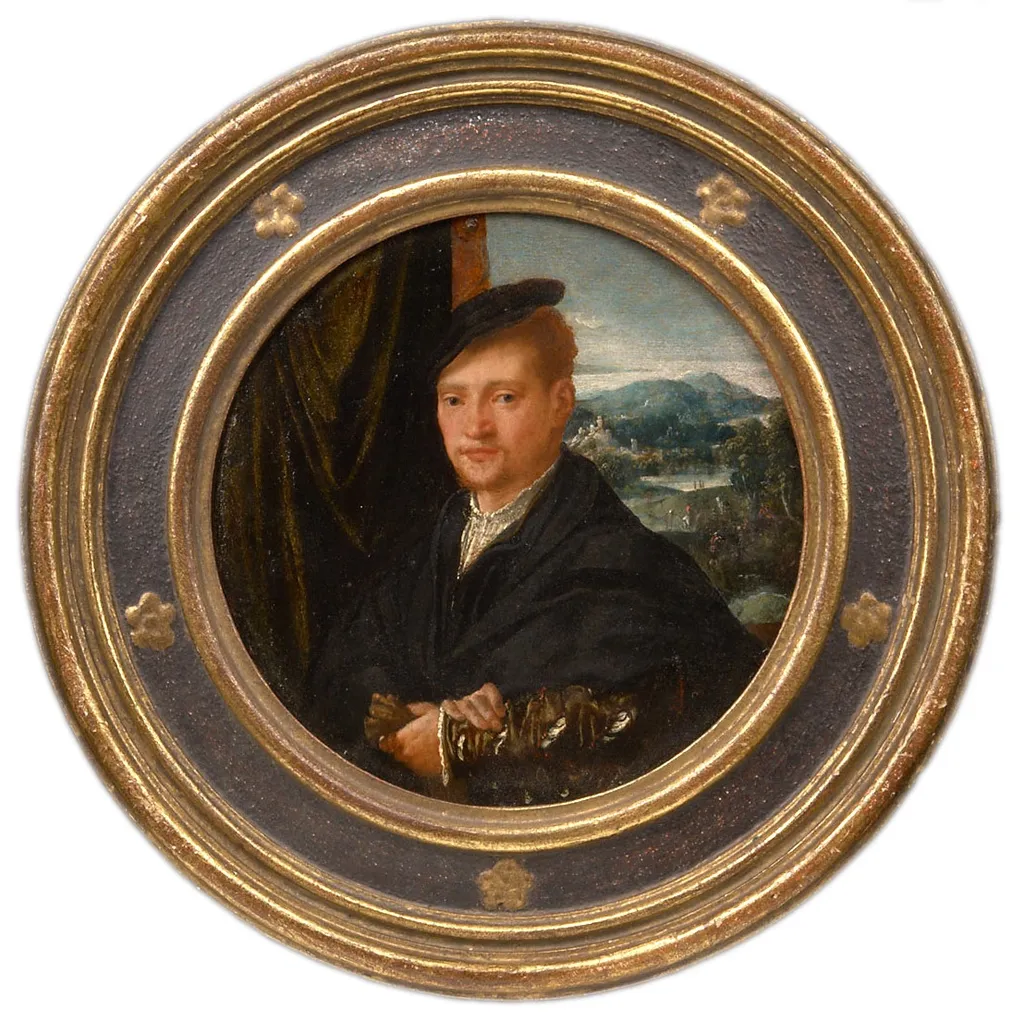
Bildnis eines jungen Mannes vor einer Landschaft is an unspecified painting by the Mannerist artist Unknown. It dates from 1540 and is held in the collection of the Kunsthistorisches Museum. The work is a portrait of a young man set against a natural landscape.
About this work
Overview
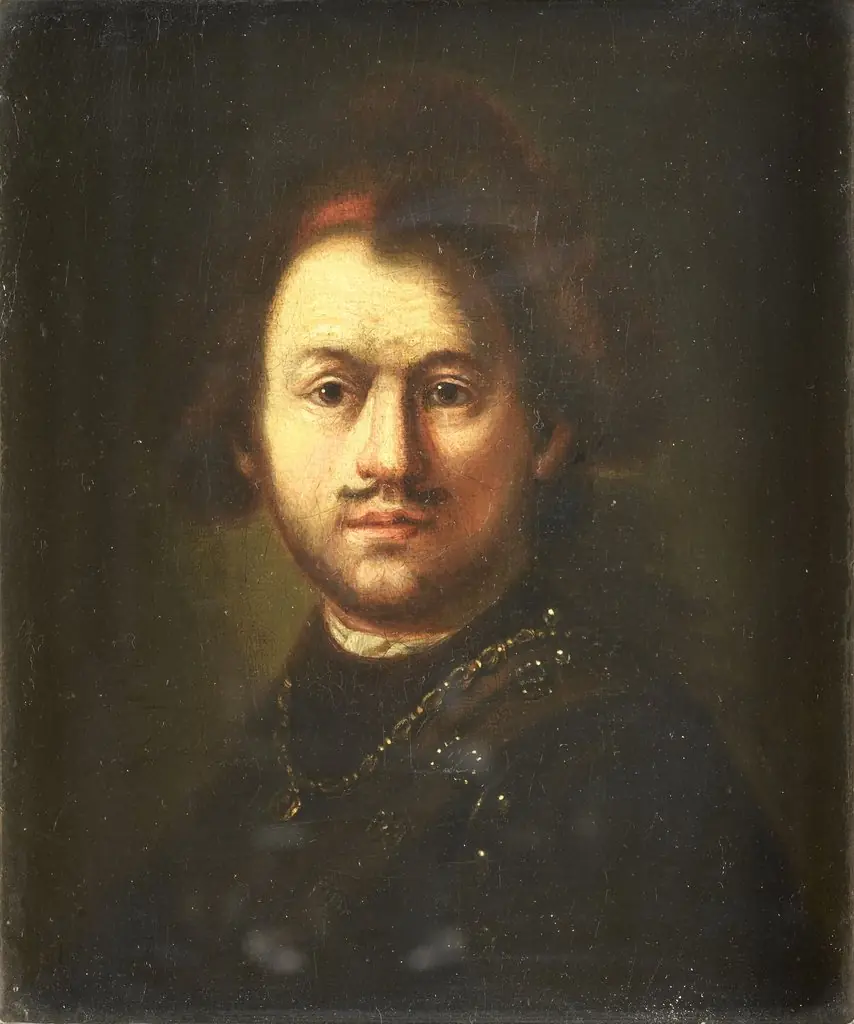
The work is a portrait of a young man set against a natural landscape. He is rendered with short brown hair, a black hat, a black coat over a white‑collared shirt, and meets the viewer’s gaze directly. The surrounding scenery includes trees, gentle hills and a body of water beneath a blue sky dotted with white clouds, all enclosed within a circular frame edged in gold.
Subject & Meaning
The sitter appears to be a youthful adult, suggested by his attire and confident posture. The direct eye contact may imply a personal commission or a desire to convey the individual’s status. The inclusion of an idyllic landscape behind him could serve to balance the figure with an idealized setting, a common device in portraiture to associate the subject with nature’s serenity.
Technique & Style
Executed in oil on canvas, the painting employs a restrained palette of dark garments contrasted with the luminous sky and foliage.
Executed in oil on canvas, the painting employs a restrained palette of dark garments contrasted with the luminous sky and foliage. The brushwork in the background suggests a loose, atmospheric handling of trees and water, while the figure is treated with finer detail, emphasizing facial features and clothing texture. The circular, gilded frame integrates the composition, echoing decorative trends of the period.
History & Provenance
The portrait is part of the collection of the Kunsthistorisches Museum in Vienna. Its acquisition history is not detailed in the available information, but its presence in a major national museum indicates recognition of its artistic and historical value within the institution’s holdings.
Context
Portraits that combine a sitter with a landscape backdrop were popular in Central European art of the 18th and early 19th centuries, reflecting a synthesis of personal representation and the era’s appreciation for natural scenery. The formal attire and the gold‑bordered circular frame align with contemporary conventions for depicting members of the bourgeoisie or minor aristocracy.
Artist & collection

 Domestic Scene
 Giacomo and Cardinal Marco, investing Andrea, Abbot of San Zeno, with his Benefice
 The Nymph of Fontainebleau
 Portrait of a Woman
 Madonna and Child with Saints in the Enclosed Garden
 Venus and Minerva
 Family Group of Four on Sofa
 Wall painting from Room H of the Villa of P. Fannius Synistor at Boscoreale
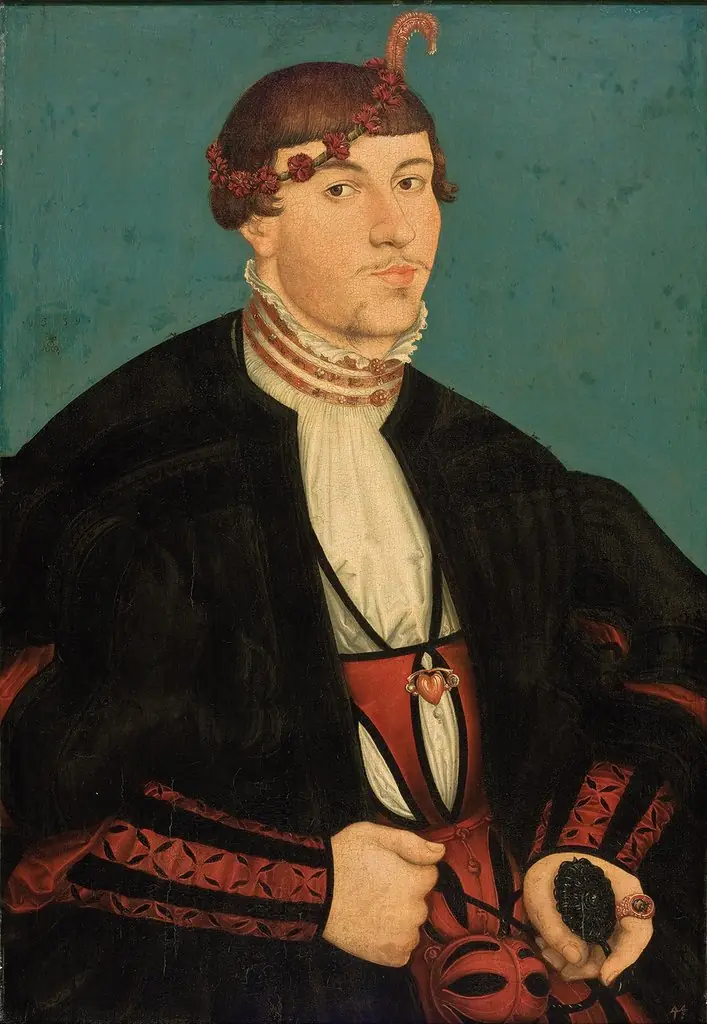 Portrait of young aristocrat of the Rava family
 Portrait of a Man
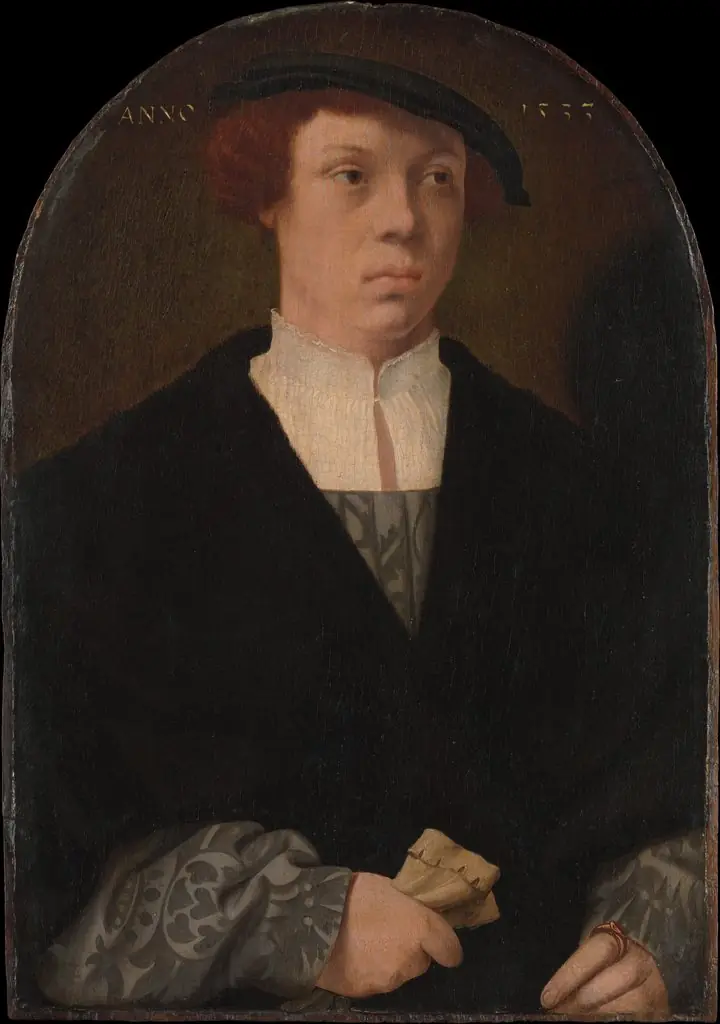 Portrait of a Man
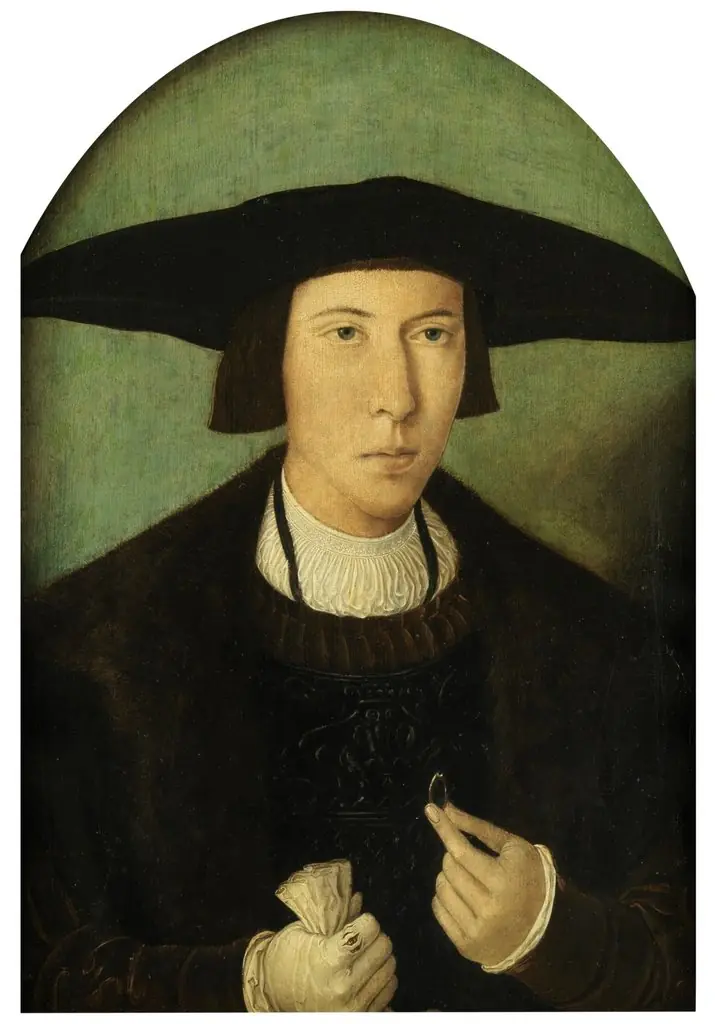 Portrait of a Young Gentleman
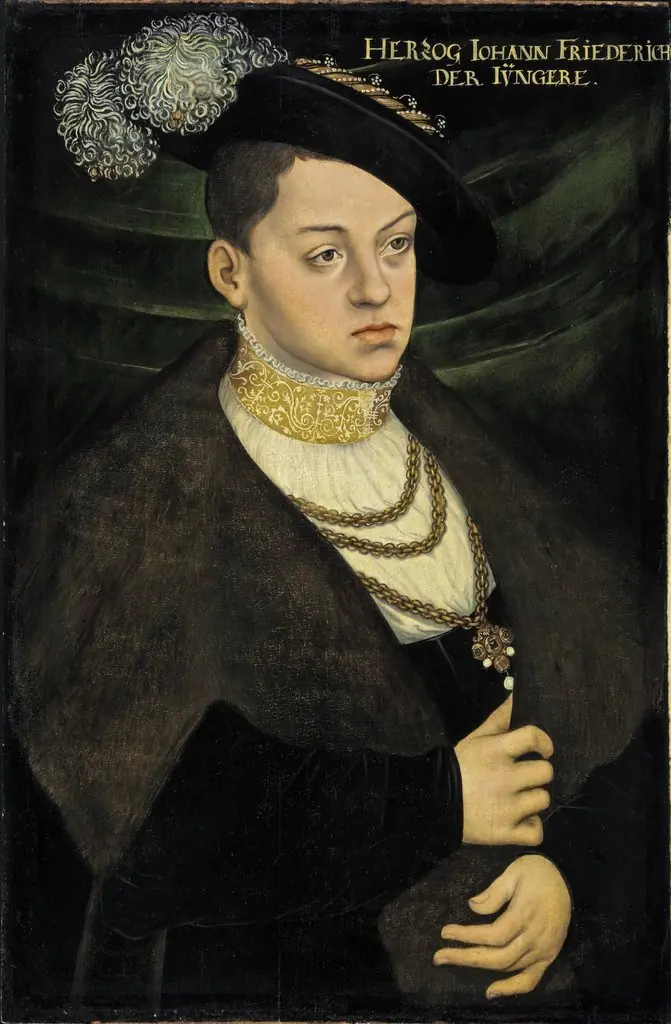 Johann Ernst, Duke of Saxe-Coburg
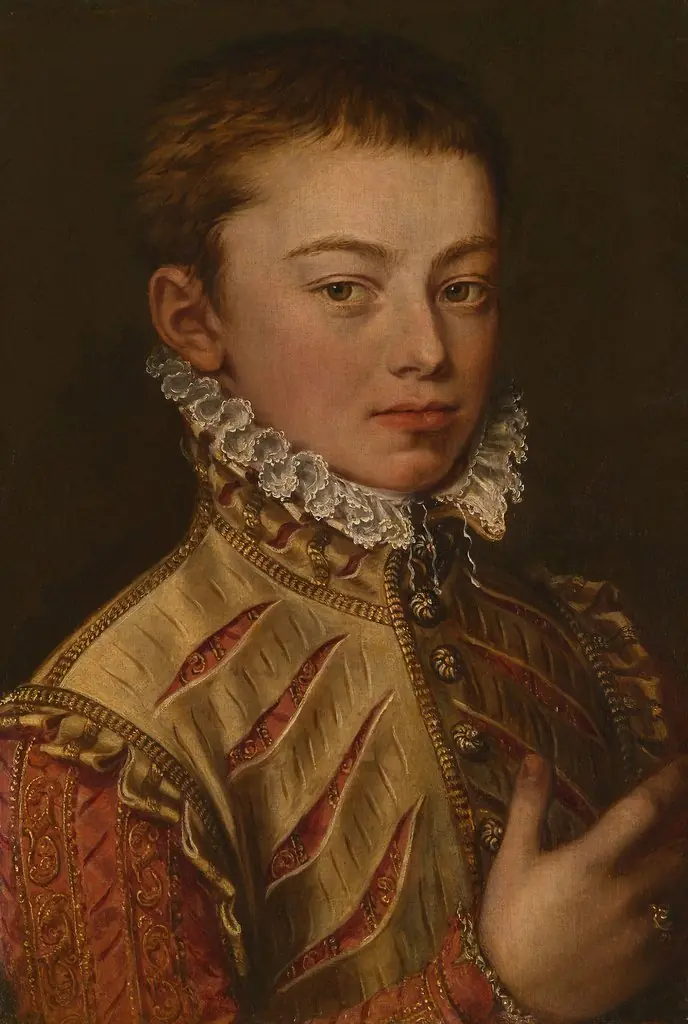 Portrait of Don Juan of Austria
 Portrait of Don Juan of Austria
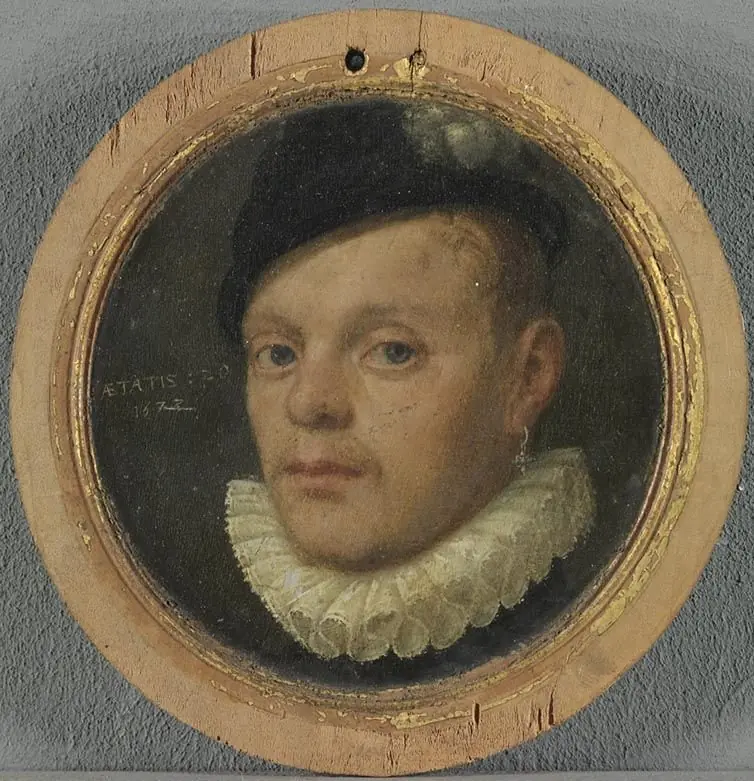 Bildnis eines jungen Mannes (?)
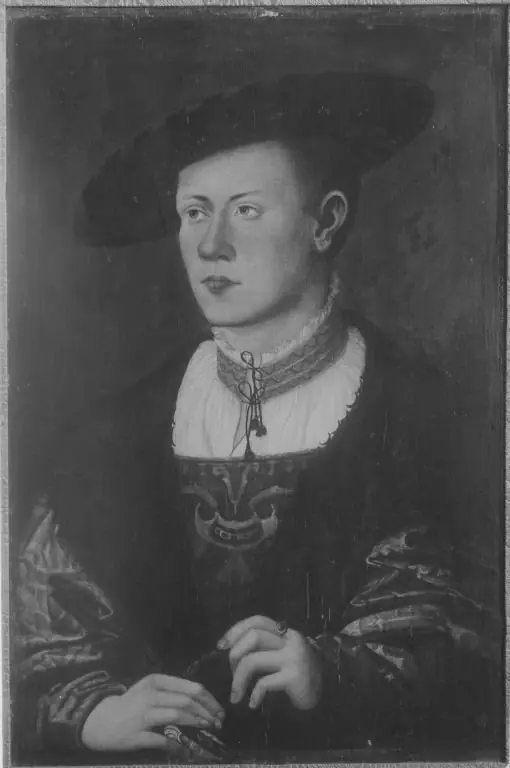 Bildnis eines jungen Mannes
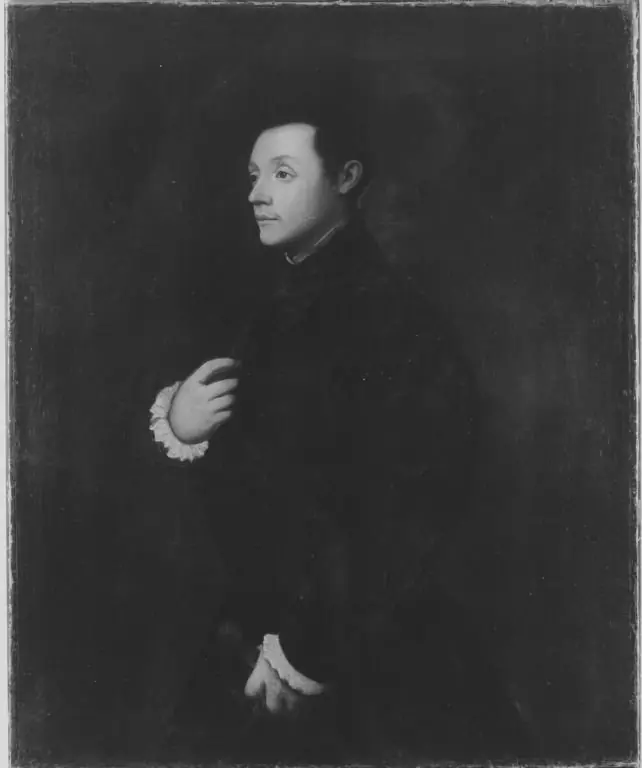 Bildnis eines jungen Mannes
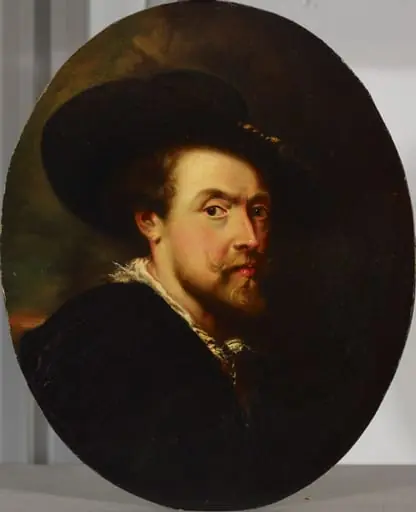 Peter Paul Rubensin omakuva, kopio
 Portrait of Rembrandt