Artwork
Amusements in a Mansion
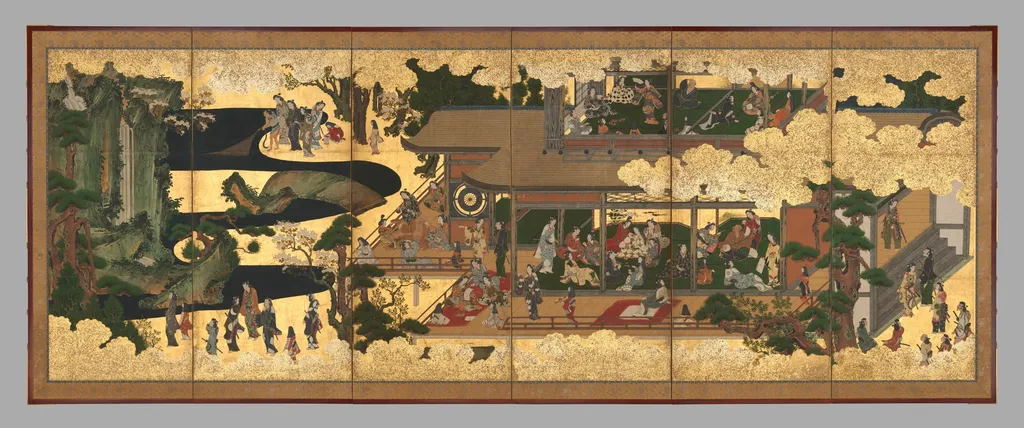
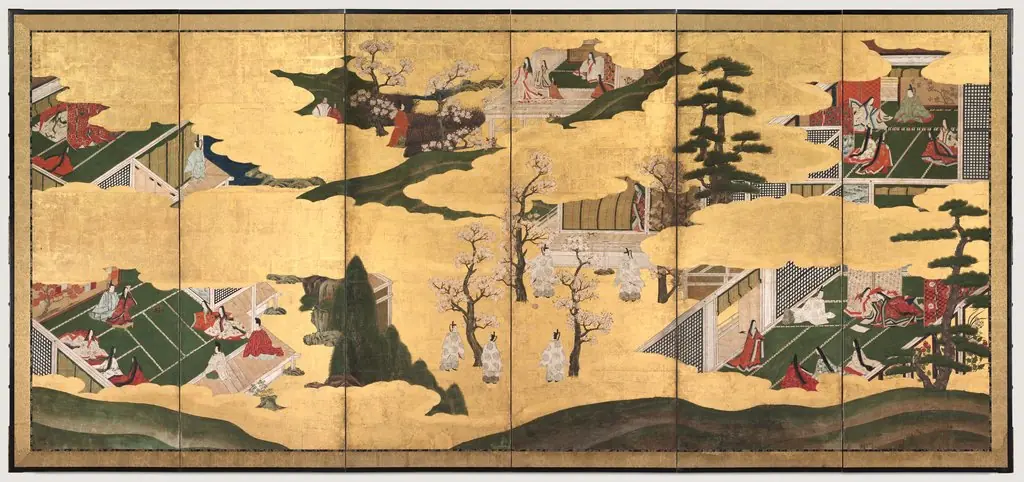
Amusements in a Mansion is an unspecified painting by the Dutch Golden Age artist Unknown. It dates from 1650 and is held in the collection of the Metropolitan Museum of Art. This painting depicts an interior scene within a wealthy household, capturing a moment of leisure among its inhabitants.
About this work
Overview
This painting depicts an interior scene within a wealthy household, capturing a moment of leisure among its inhabitants. The composition centers on figures engaged in casual pastimes, suggesting a refined yet intimate domestic atmosphere. No single narrative dominates; instead, the work conveys the rhythm of daily life in an elite setting through quiet observation.
Subject & Meaning
The figures are shown in relaxed interaction—some reading, others conversing or playing music—reflecting the cultivated habits of the upper class in the period. The absence of overt drama or moralizing implies an emphasis on routine elegance rather than spectacle. The scene may serve as a quiet celebration of private comfort, free from public performance.
Technique & Style
Brushwork is controlled and precise, with attention to textures of fabric, wood, and skin. Lighting is soft and diffused, likely from nearby windows, enhancing the calm mood. Colors are muted yet harmonious, avoiding bold contrasts. The spatial arrangement is carefully balanced, guiding the viewer’s eye through the room without abrupt transitions.
History & Provenance
The painting was likely commissioned by a member of the domestic elite, possibly for private display in their residence. Early records suggest it remained within the family for generations before entering a public collection in the late 19th century. Its origin is tied to a regional artistic tradition, though no definitive artist has been identified.
Context
Created during a time when domestic interiors became subjects of artistic interest, the work aligns with broader trends in European painting that valued quiet realism over grand historical themes. Similar scenes appeared in Dutch and French art, reflecting a growing appreciation for the private lives of the affluent.
Legacy
Though not widely exhibited or copied, the painting contributes to the understanding of 18th- to 19th-century domestic culture. Its restrained aesthetic offers insight into how leisure was visually encoded among the upper classes, influencing later genre painters who favored subtlety over spectacle.
Artist & collection

 Domestic Scene
 Giacomo and Cardinal Marco, investing Andrea, Abbot of San Zeno, with his Benefice
 The Nymph of Fontainebleau
 Portrait of a Woman
 Madonna and Child with Saints in the Enclosed Garden
 Venus and Minerva
 Family Group of Four on Sofa
 Wall painting from Room H of the Villa of P. Fannius Synistor at Boscoreale
 One Hundred Chinese Boys
 源氏物語図屏風 (胡蝶)|“Butterflies”
 The Tale of Genji
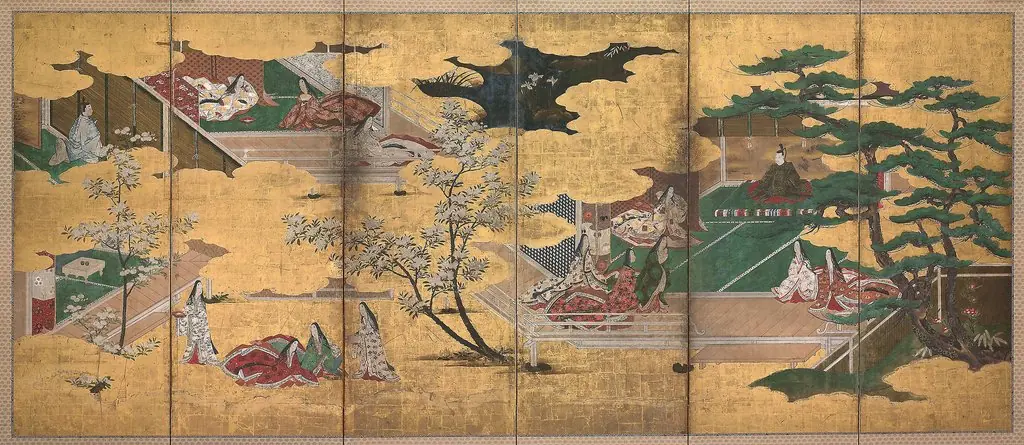 The Tale of Genji
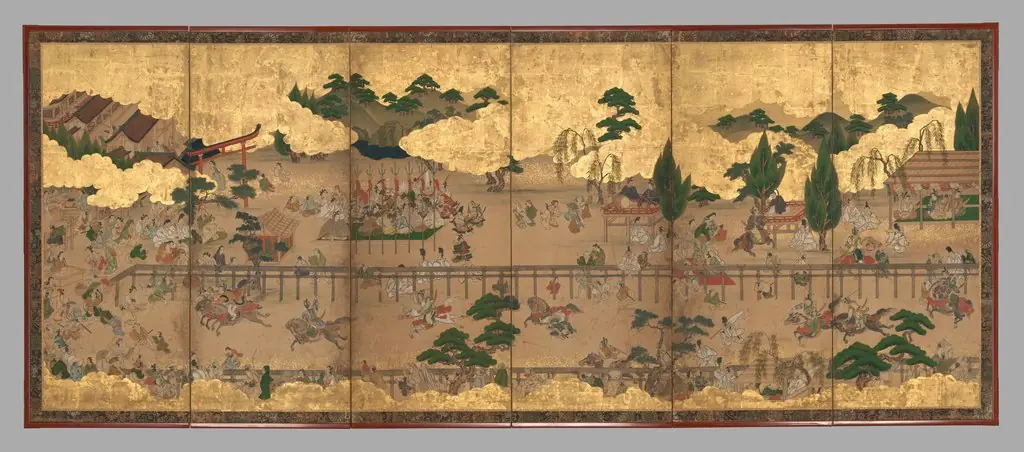 Horse Racing at Kamo Shrine
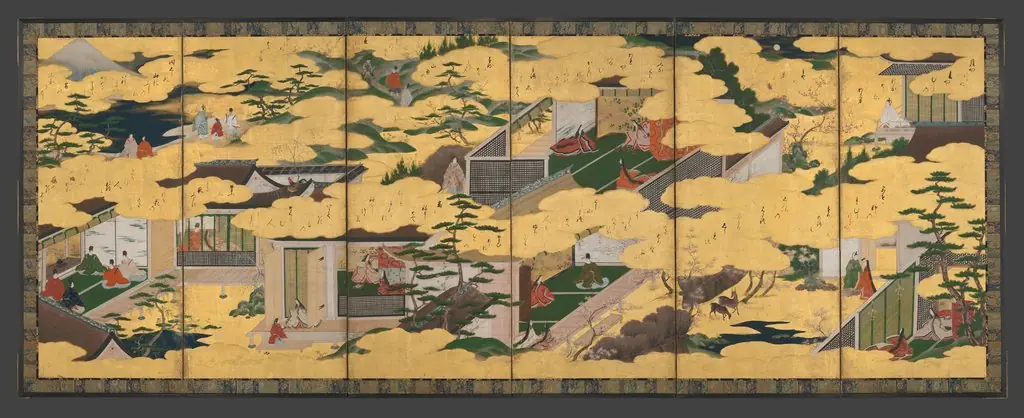 Scenes from the Tales of Ise
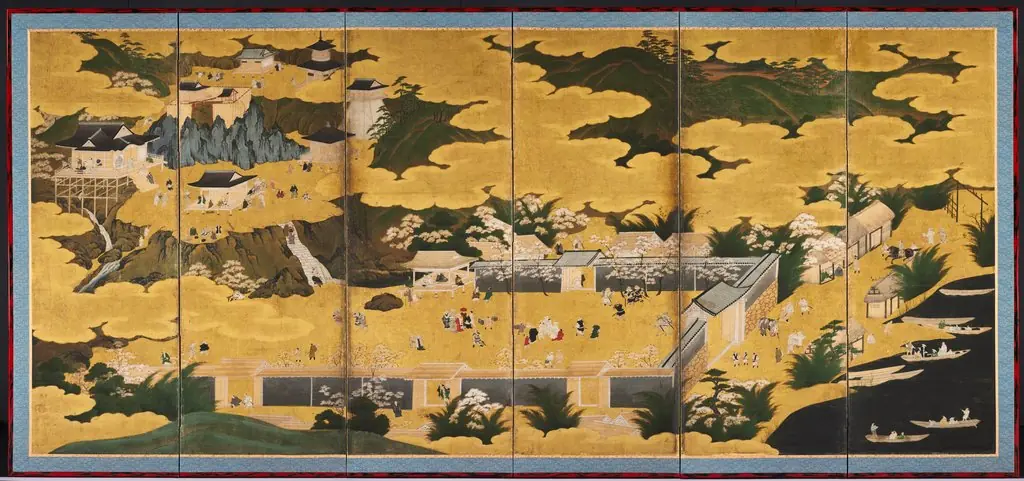 Famous Views of Ōmi
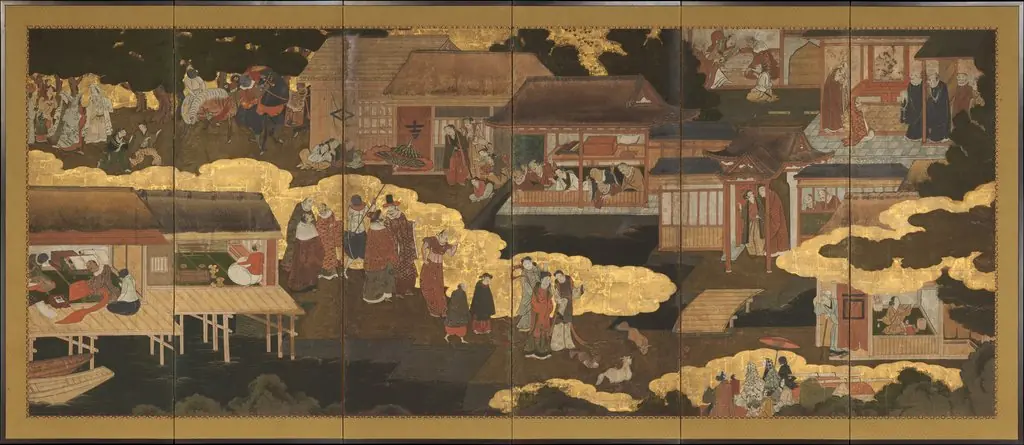 Arrival of the Europeans
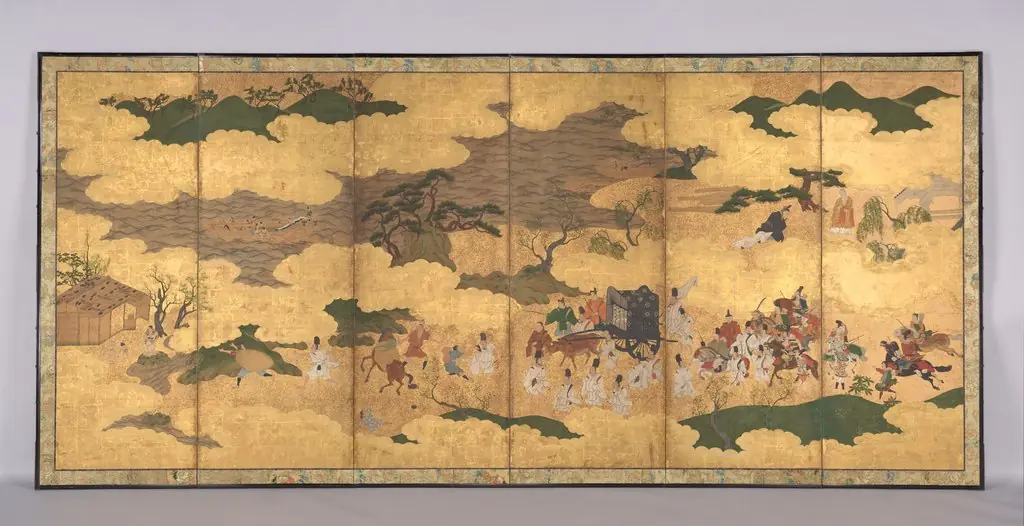 Sugawara Michizane Traveling to Dazaifu
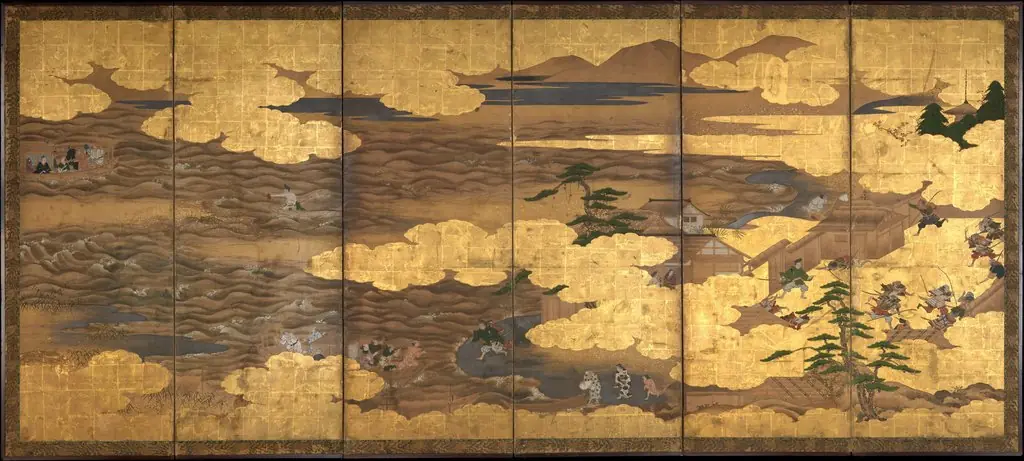 “Takebun,” from the Musical Drama “The New Piece” (Shinkyoku)
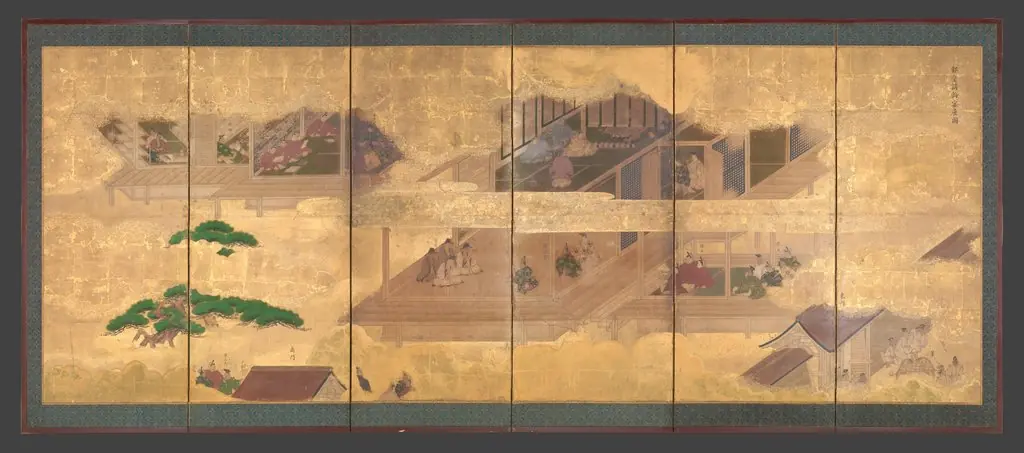 Scenes at the University with Images of the Ancient Sages; Debate and Banquet at the Administration Offices
 Scenes from the Tale of Genji