Artwork
Maria Cristina de' Medici (1609-1632) im Alter von drei Jahren
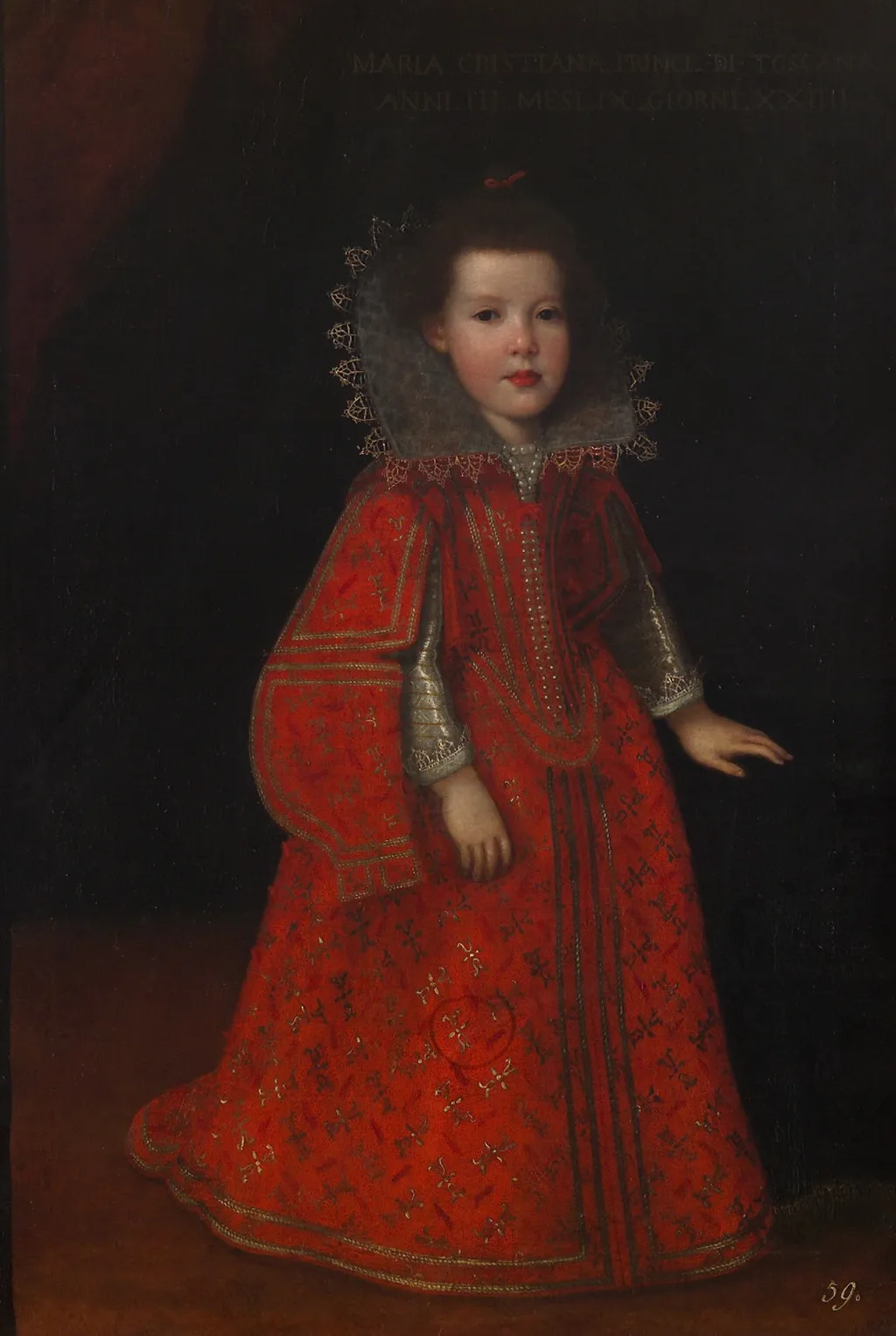
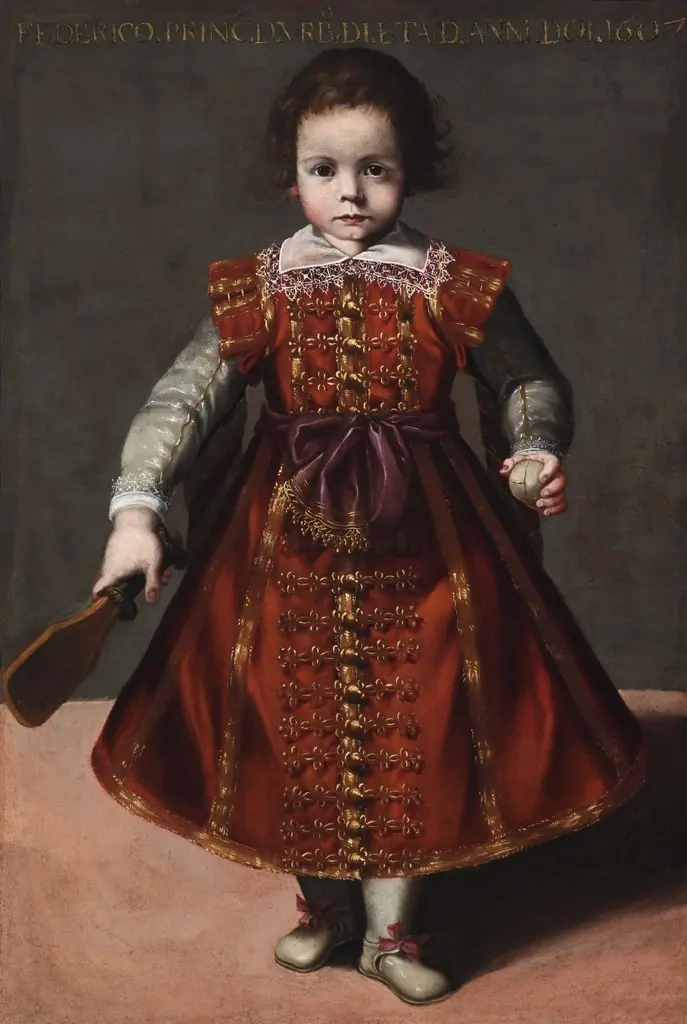
Maria Cristina de' Medici (1609-1632) im Alter von drei Jahren is an unspecified painting by the Early Baroque Italian artist Unknown. It dates from 1613 and is held in the collection of the Kunsthistorisches Museum. The work portrays a three‑year‑old Maria Cristina de’ Medici, positioned alone before a dark backdrop.
About this work
Overview
The work portrays a three‑year‑old Maria Cristina de’ Medici, positioned alone before a dark backdrop. She is dressed in a vivid red gown accented with silver embroidery, a white ruffled collar, and puffed sleeves threaded with metallic thread. Her hair is gathered back, and she gazes forward with a composed expression, emphasizing the child's poised demeanor.
Subject & Meaning
The portrait serves as a formal representation of the young Medici princess, highlighting her noble status through sumptuous attire and the solemnity of the composition. The restrained setting and direct gaze suggest an intention to convey both innocence and the gravitas expected of a member of a powerful dynastic family.
Technique & Style
Executed in oil on canvas, the painting employs a limited palette that contrasts the deep background with the luminous reds and silvers of the dress. Fine brushwork renders the intricate embroidery and the delicate folds of the fabric, while the soft modeling of the child's face demonstrates a careful handling of light and shadow typical of early‑17th‑century court portraiture.
History & Provenance
Created in 1609–1632, the portrait entered the collection of the Kunsthistorisches Museum in Vienna, where it remains on display. Documentation traces its acquisition to the museum’s 19th‑century purchases of Medici‑related works, though the original patronage and artist remain unidentified.
Context
The painting reflects the practice of commissioning child portraits among European aristocracy during the early Baroque period, intended to affirm lineage and political alliances. Maria Cristina, a member of the Medici family, was part of a network of dynastic marriages that linked Italian and Austrian courts, a connection underscored by the work’s later residence in a Viennese museum.
Artist & collection

 Domestic Scene
 Giacomo and Cardinal Marco, investing Andrea, Abbot of San Zeno, with his Benefice
 The Nymph of Fontainebleau
 Portrait of a Woman
 Madonna and Child with Saints in the Enclosed Garden
 Venus and Minerva
 Family Group of Four on Sofa
 Wall painting from Room H of the Villa of P. Fannius Synistor at Boscoreale
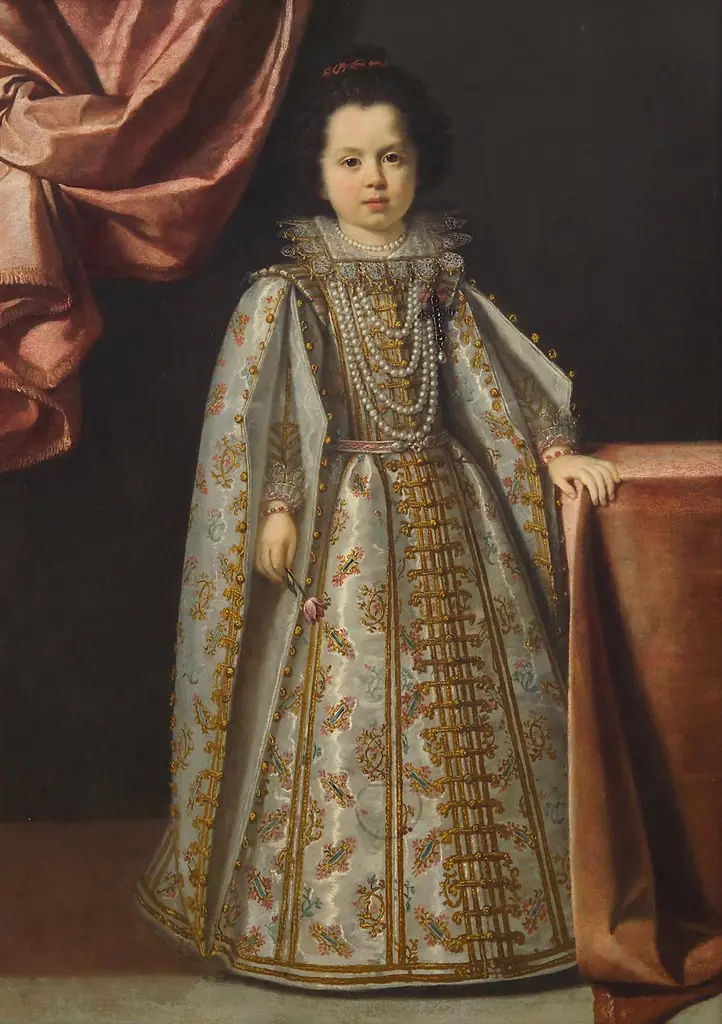 Portrait of Vittoria della Rovere (1622-1694) aged 4 or 5
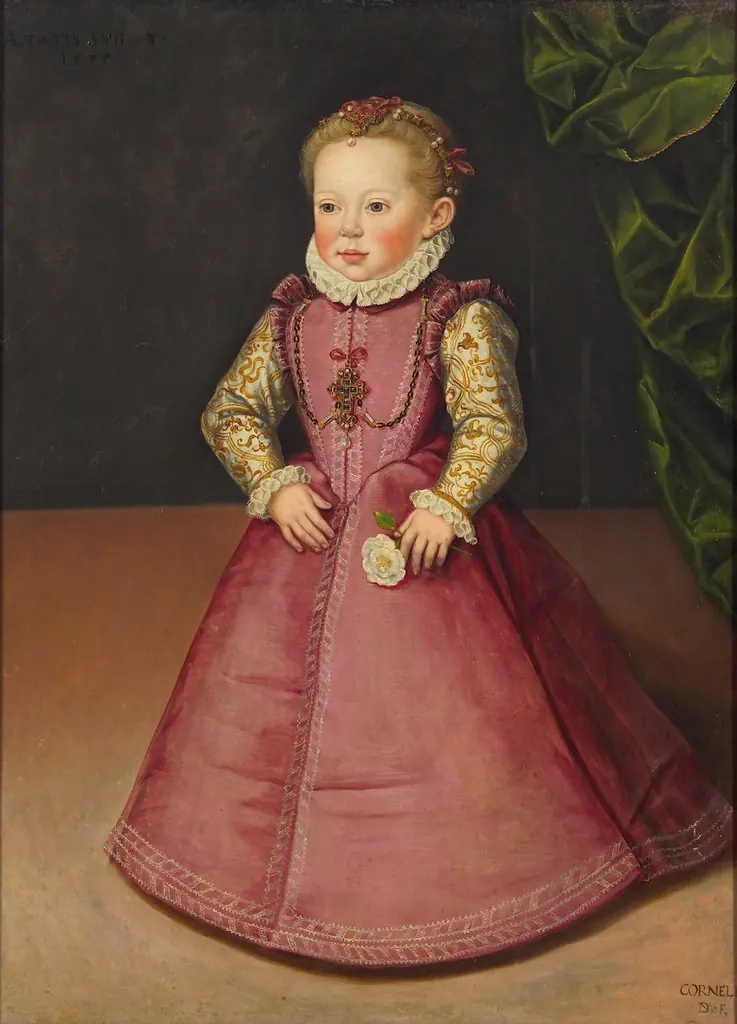 Erzherzogin Maria Christierna (1574-1621) im Alter von drei Jahren, in ganzer Figur
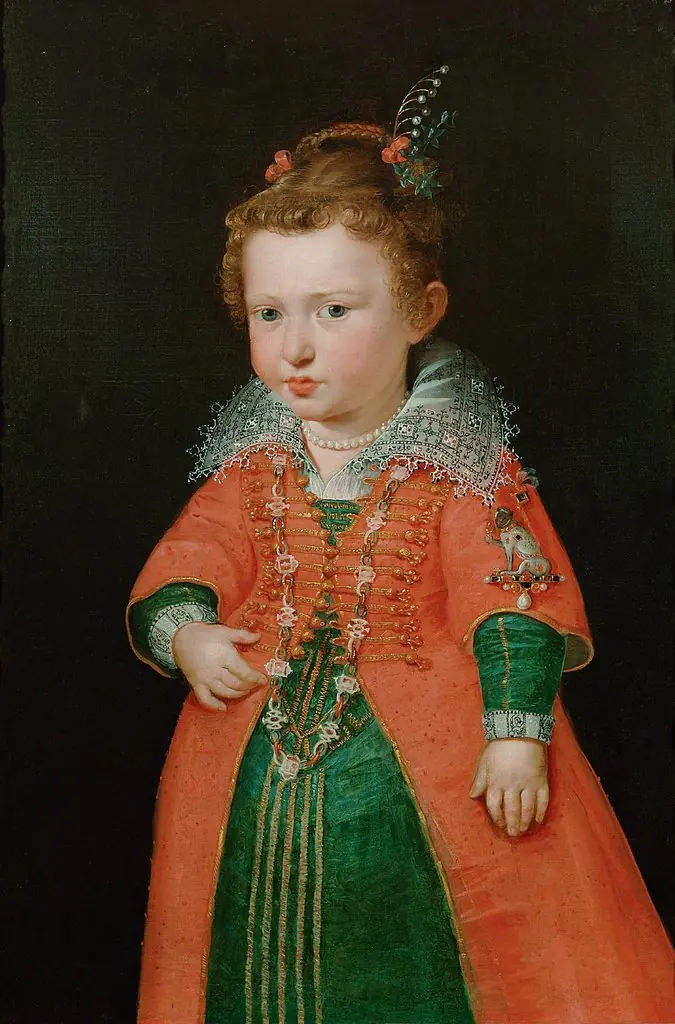 Eleonora Gonzaga (1598-1655), Empress, at the age of two, knee-length portrait
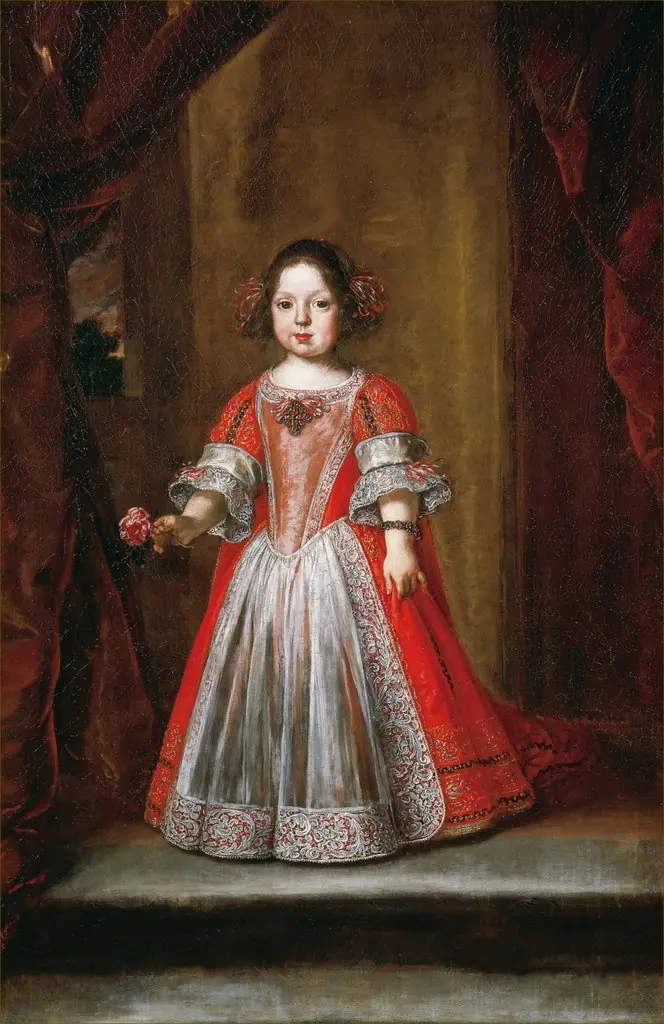 Anna Maria Louisa de' Medici as a Girl
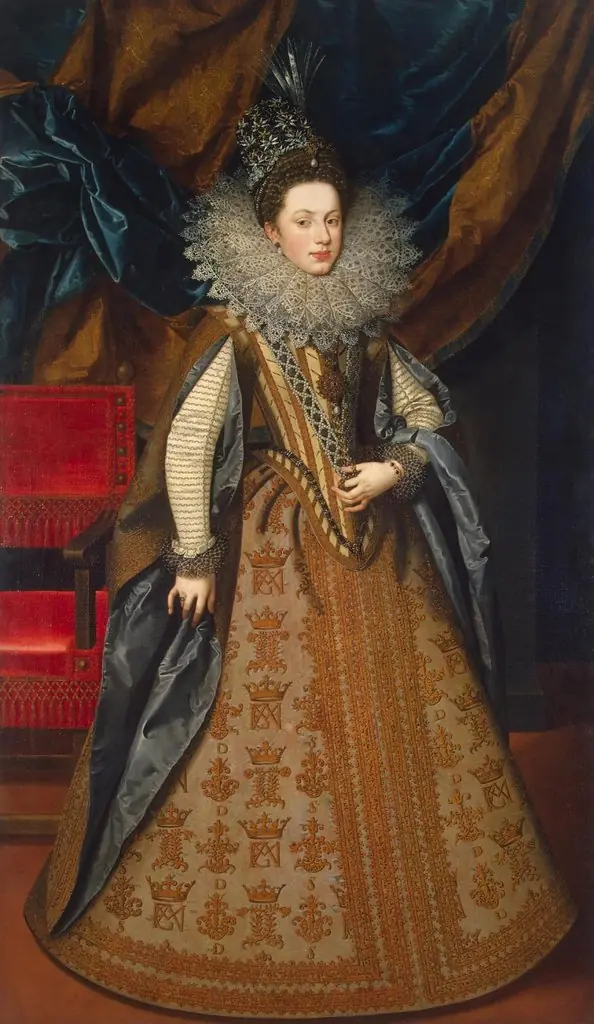 Portrait of Margaret of Savoy, Duchess of Mantua
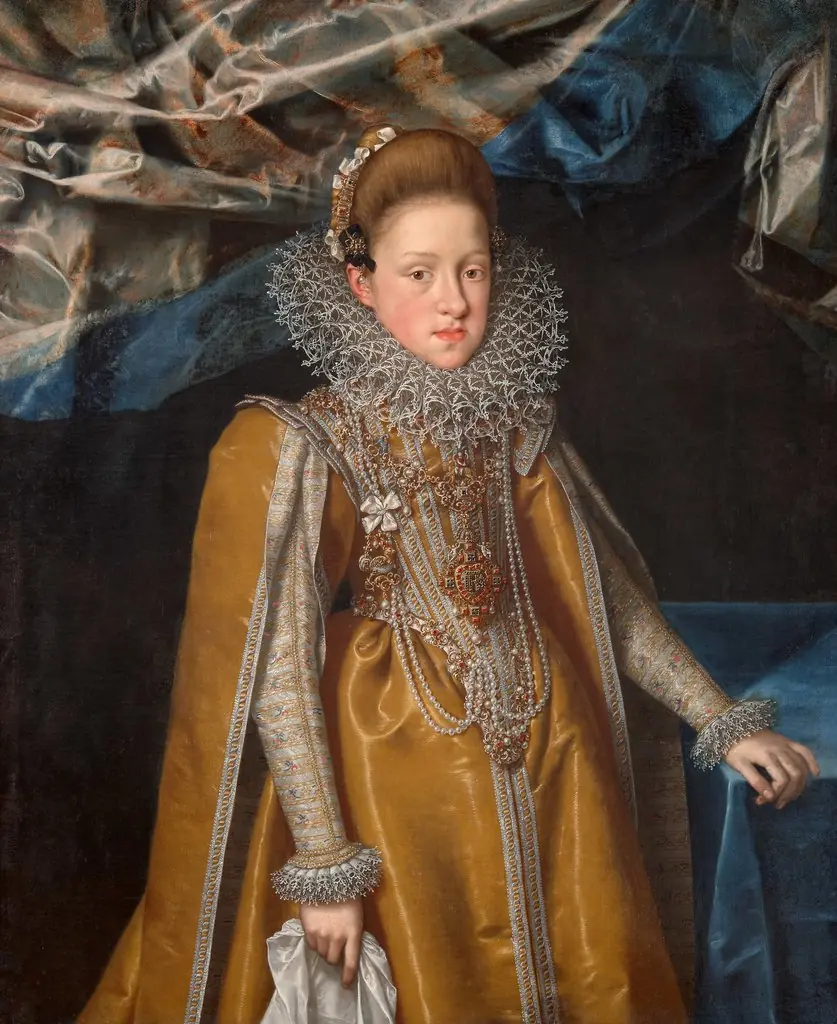 Archduchess Maria Magdalena of Austria
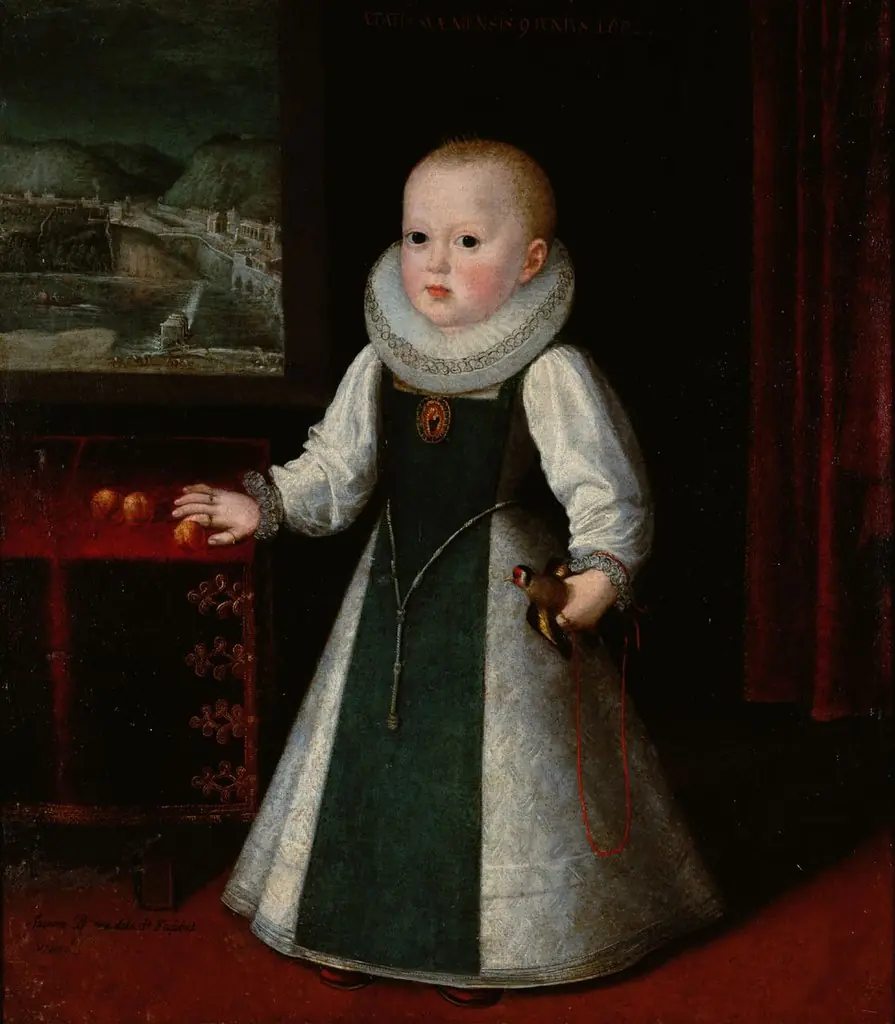 Infantin Anna (1601-1666), Königin von Frankreich, Bildnis in ganzer Figur im Alter von neun Monaten
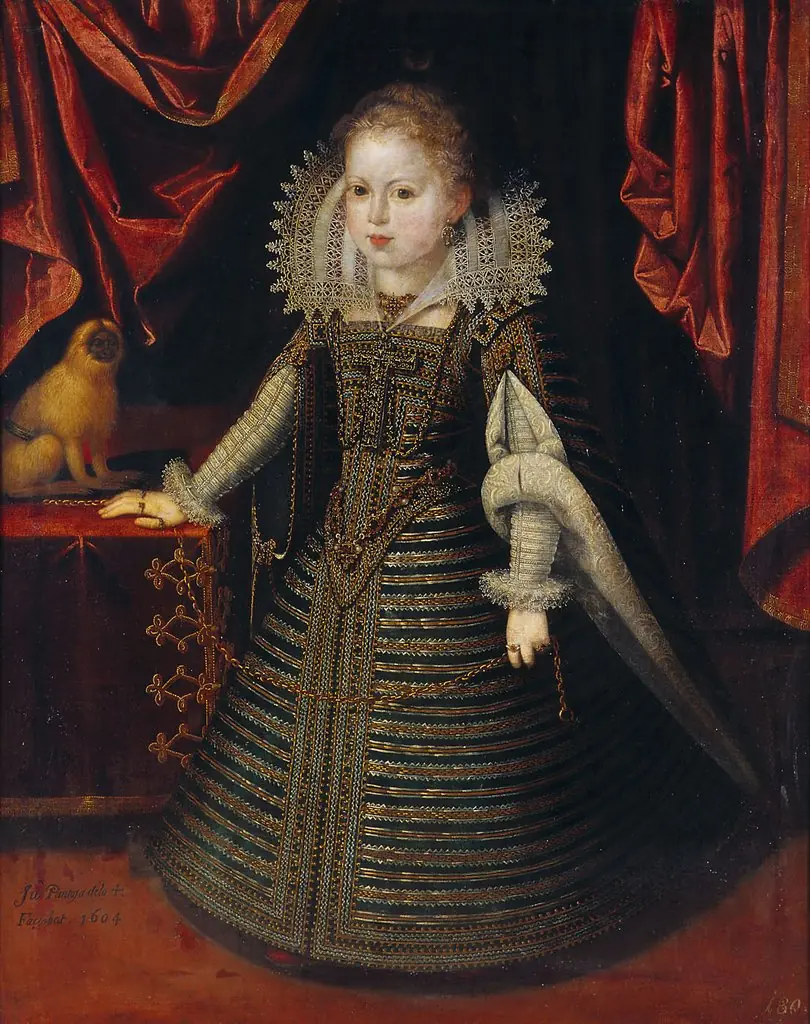 Infantin Anna (1601-1666), Königin von Frankreich, Bildnis in ganzer Figur mit einem Löwenäffchen
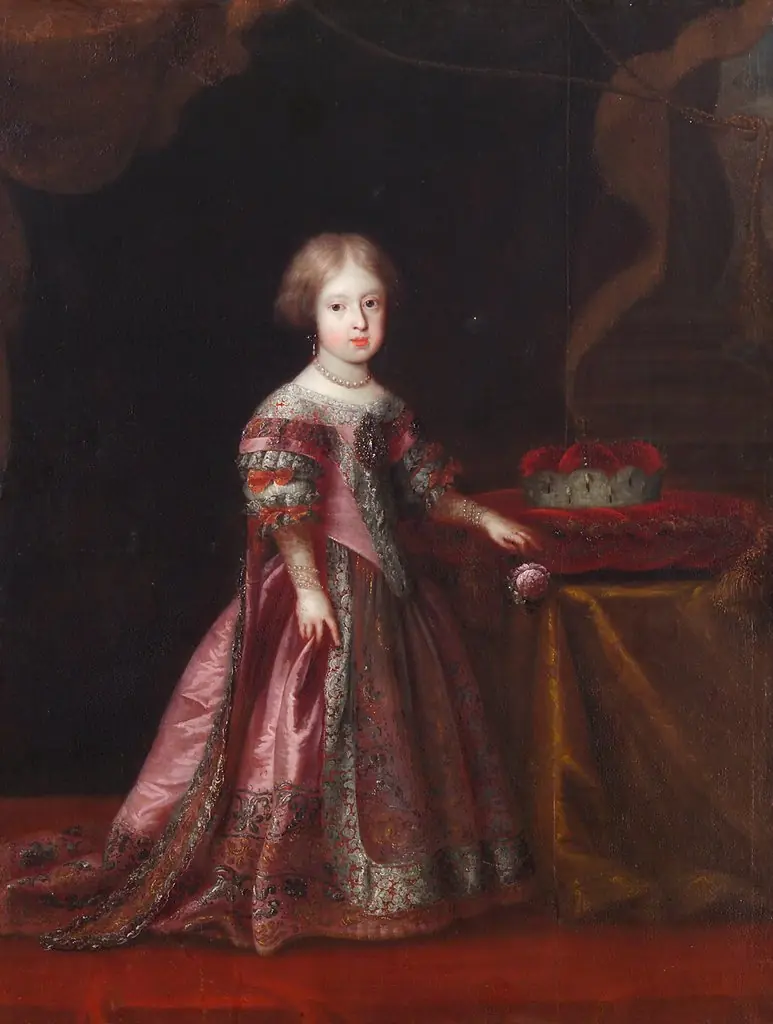 Erzherzogin Maria Elisabeth (1680-1741) im Alter von ca. vier Jahren
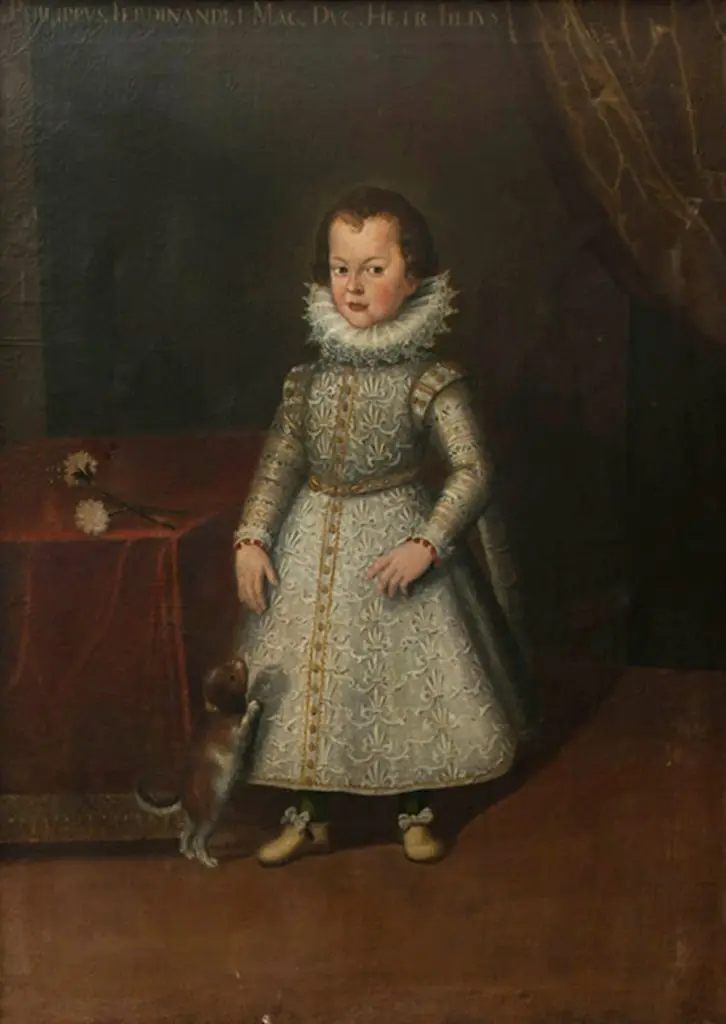 Kinderbildnis des Philipp, Sohn des Großherzogs Ferdinand I. von Toskana
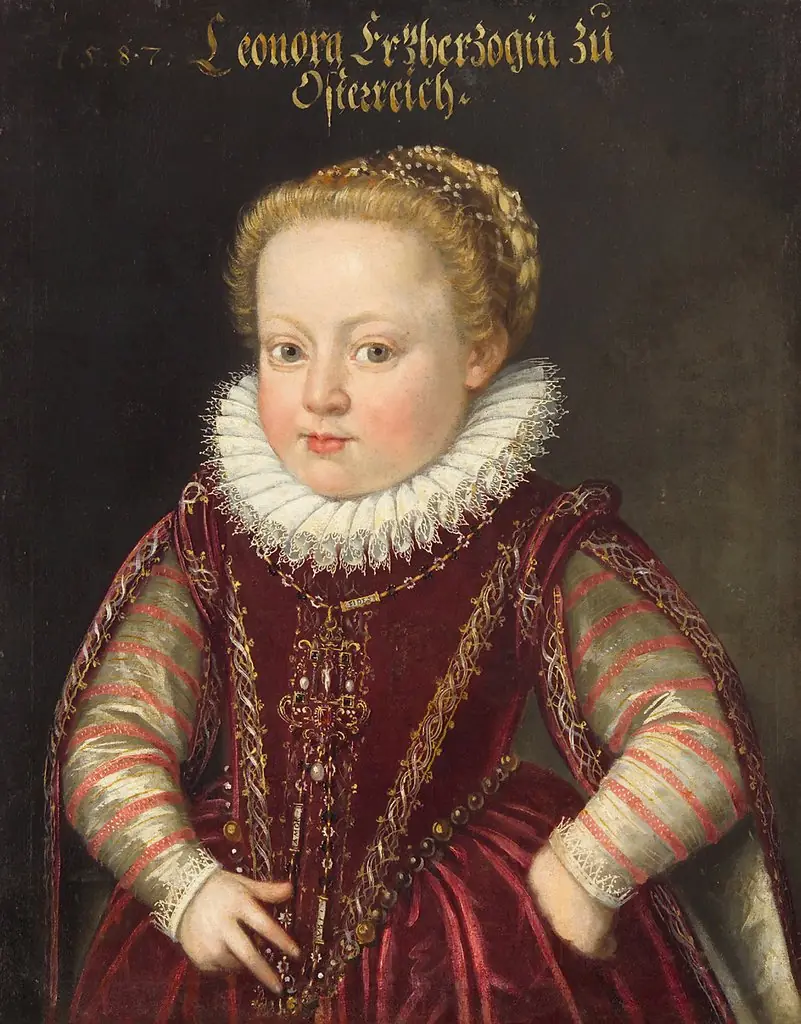 Erzherzogin Eleonore (1582-1620) im Alter von 5 Jahren, Halbfigur
 Federico, Prince of Urbino, at the Age of Two Years