Artwork
Tantric Manuscript, "Sangrahani Sutra"
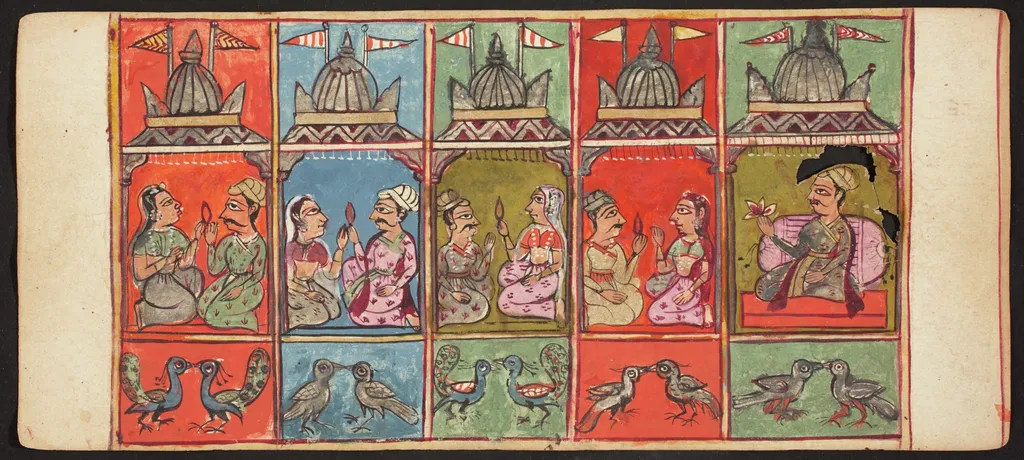
Tantric Manuscript, "Sangrahani Sutra" is an unspecified painting by Unknown. It is held in the collection of the Detroit Institute of Arts. This painted manuscript page, titled 'Sangrahani Sutra,' is structured in a grid of nine distinct panels.
About this work
Overview
The composition balances architectural forms, human figures, and animal imagery, suggesting a symbolic or ritual narrative.
This painted manuscript page, titled 'Sangrahani Sutra,' is structured in a grid of nine distinct panels. Each section presents a separate visual episode, arranged in three horizontal rows. The composition balances architectural forms, human figures, and animal imagery, suggesting a symbolic or ritual narrative. The use of vivid pigments—red, blue, and green—enhances the visual rhythm without overt naturalism, aligning with devotional manuscript traditions of the region.
Subject & Meaning
The imagery appears to depict stages or elements of a tantric Buddhist teaching, though the exact narrative remains unconfirmed. The domed structures in the top row may represent sacred spaces or mandalas, while the birds in the lower row could symbolize spiritual transcendence or messengers. The six figures in the center, each engaged in unique actions, likely illustrate meditative practices or ritual gestures tied to the sutra’s doctrinal content.
Technique & Style
The painting employs mineral pigments on paper, applied with fine brushwork characteristic of Himalayan manuscript illumination. Colors are applied flatly, with minimal shading, emphasizing clarity over depth. Figures and forms are stylized, with elongated proportions and precise outlines. The lack of perspective and uniform scale across panels reflects a symbolic rather than illusionistic approach common in religious texts of the period.
History & Provenance
The manuscript likely originated in the Himalayan region during the late medieval period, possibly in Tibet or a neighboring Buddhist cultural zone. Its survival suggests it was preserved within a monastic collection, used for study or ritual. No documented ownership history exists prior to modern institutional acquisition, but its condition indicates careful handling over centuries.
Context
This page belongs to a tradition of illustrated tantric texts used in esoteric Buddhist practice, where visual symbols served as aids for meditation and doctrinal transmission. Similar manuscripts were produced in monasteries under strict liturgical guidelines. The nine-part layout may correspond to stages of spiritual progression or cosmological divisions, reflecting the structured nature of tantric visualization practices.
Legacy
Though not widely known outside scholarly circles, this manuscript exemplifies the integration of art and doctrine in Himalayan Buddhism. It contributes to understanding how visual language was employed to convey complex spiritual concepts before widespread literacy. Its preservation offers insight into the continuity of manuscript culture in regions where oral and visual transmission remained central to religious education.
Artist & collection

 Domestic Scene
 Giacomo and Cardinal Marco, investing Andrea, Abbot of San Zeno, with his Benefice
 The Nymph of Fontainebleau
 Portrait of a Woman
 Madonna and Child with Saints in the Enclosed Garden
 Venus and Minerva
 Family Group of Four on Sofa
 Wall painting from Room H of the Villa of P. Fannius Synistor at Boscoreale
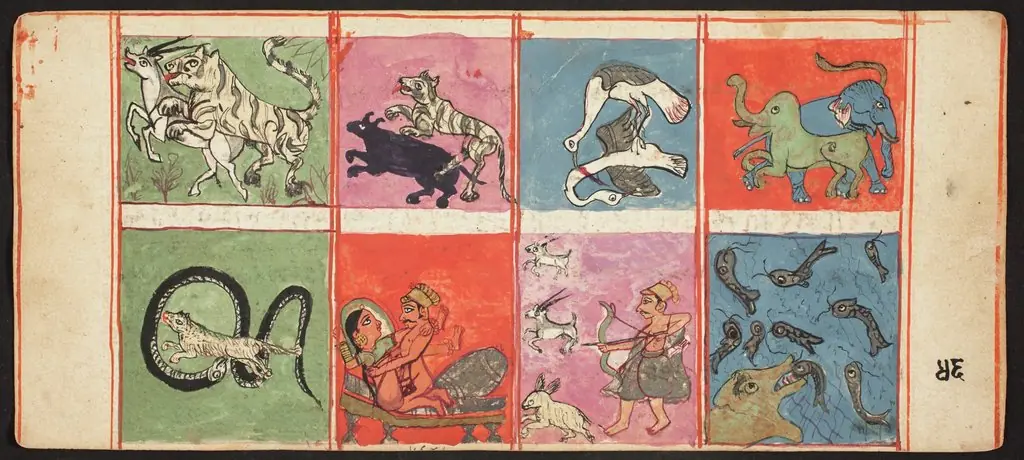 Tantric Manuscript, "Sangrahani Sutra"
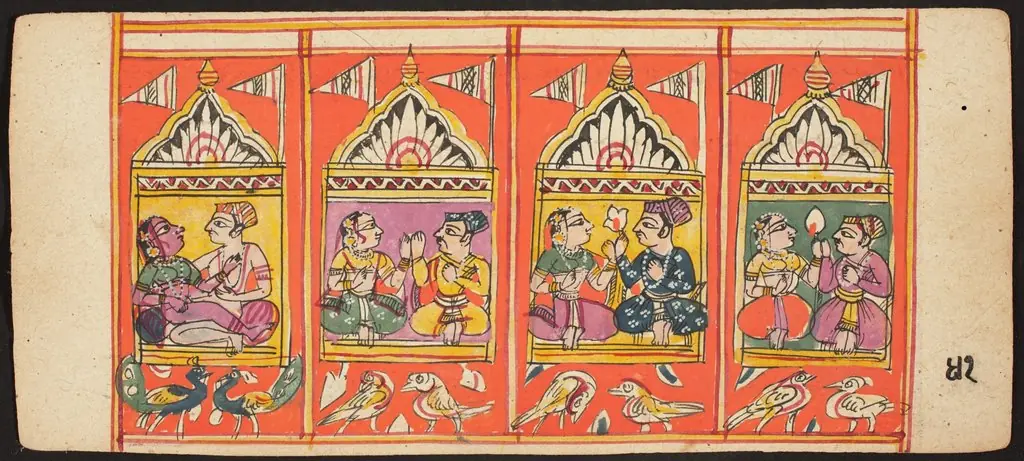 Tantric Manuscript "Sangrahani Sutra"
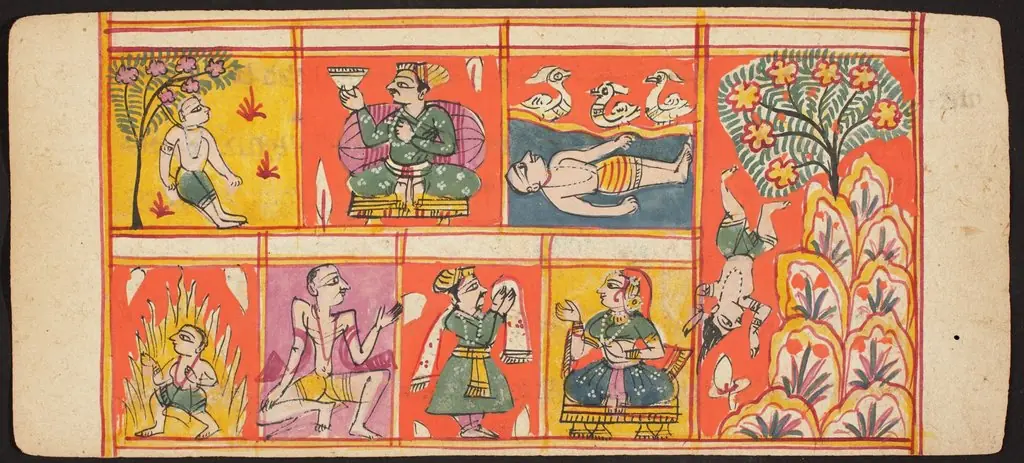 Tantric Manuscript "Sangrahani Sutra"
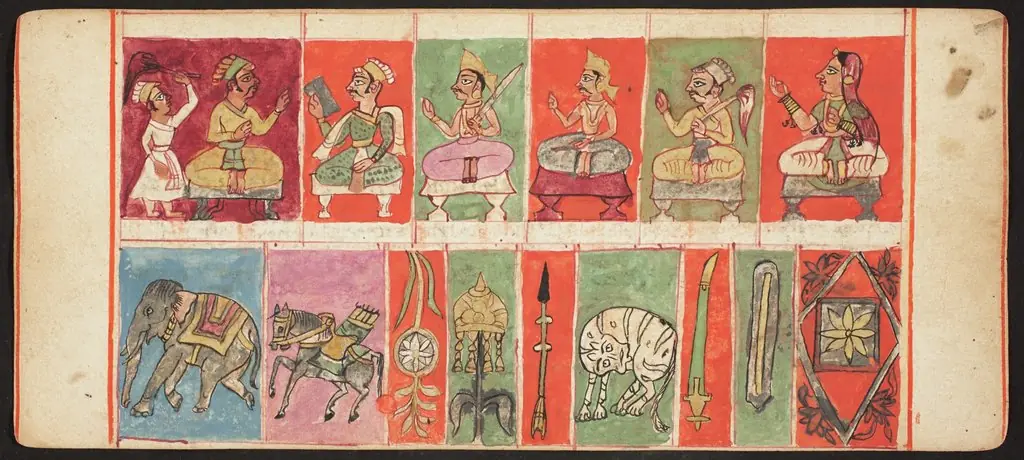 Tantric Manuscript, "Sangrahani Sutra"
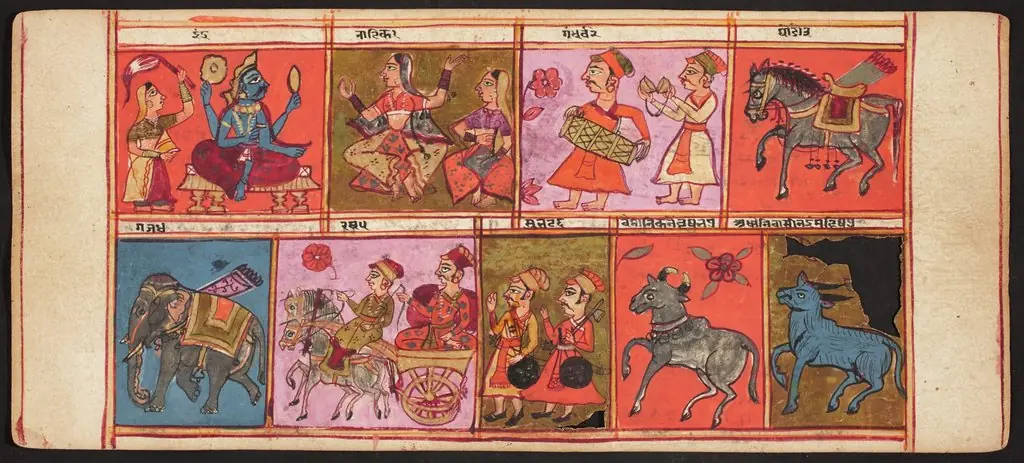 Tantric Manuscript, "Sangrahani Sutra"
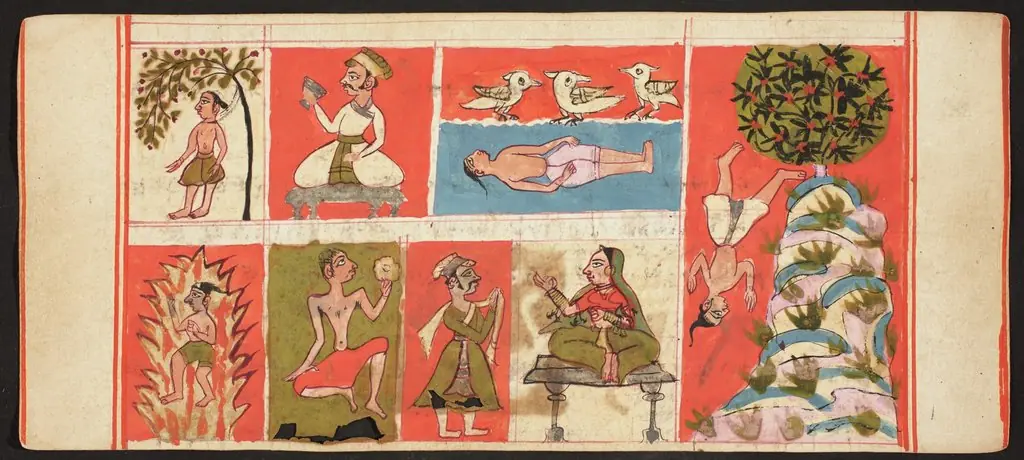 Tantric Manuscript, "Sangrahani Sutra"
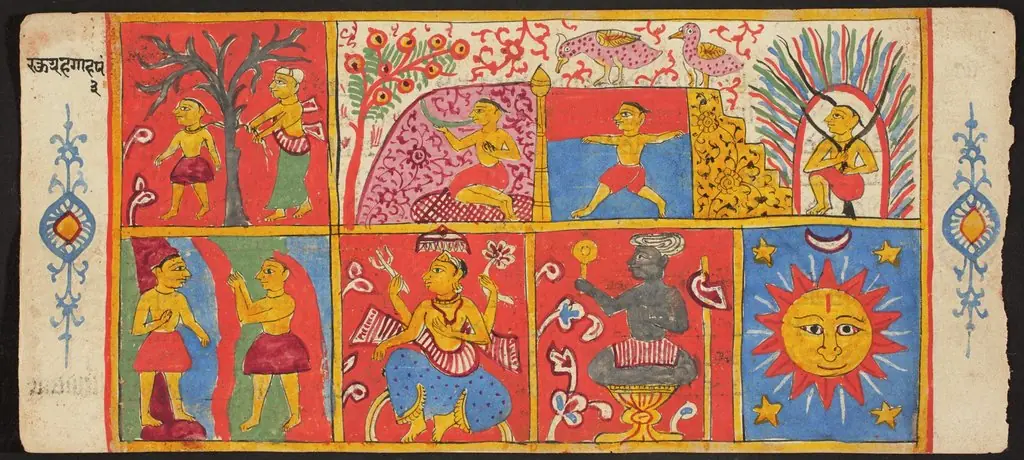 Tantric Manuscript "Sangrahani Sutra"
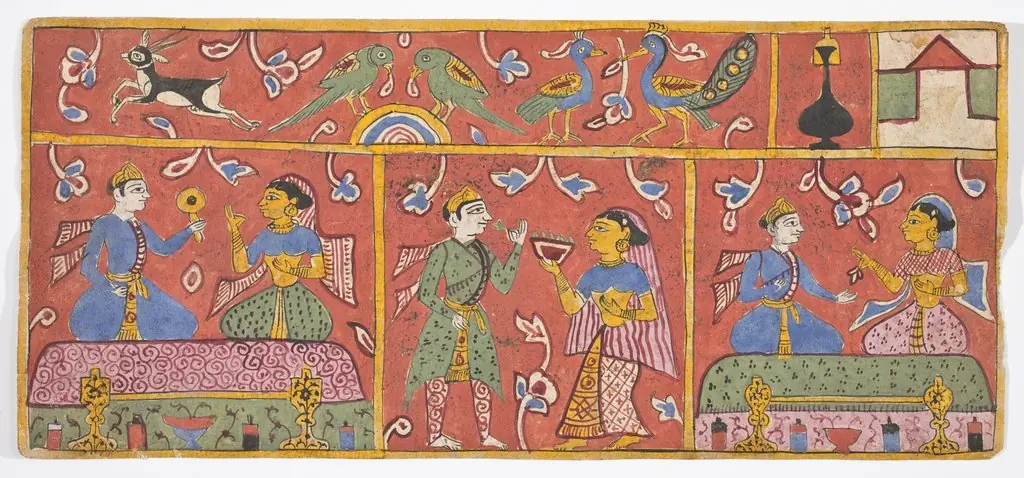 Tantric Manuscript "Sangrahani Sutra"
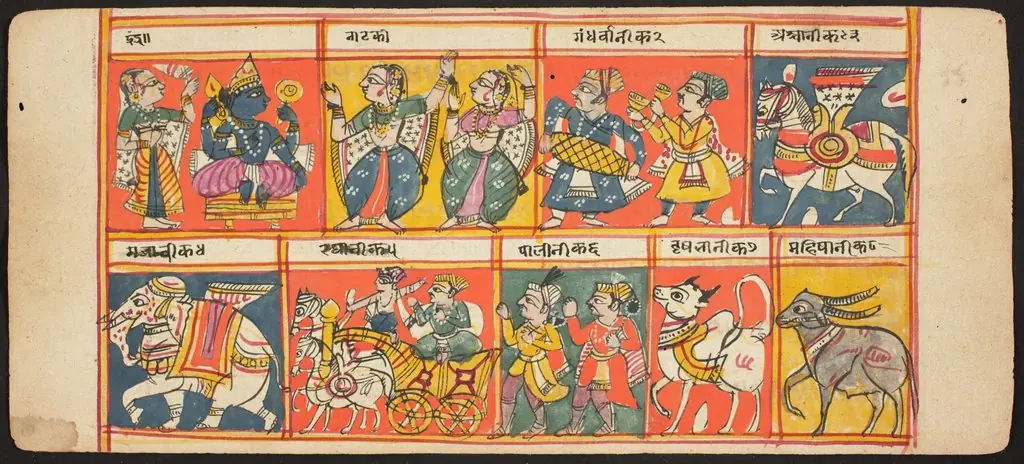 Tantric Manuscript "Sangrahani Sutra"
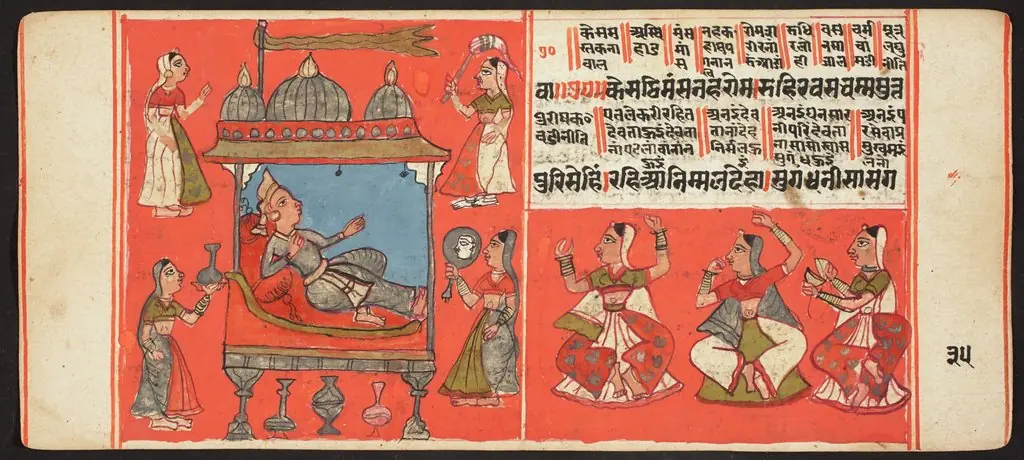 Tantric Manuscript, "Sangrahani Sutra"
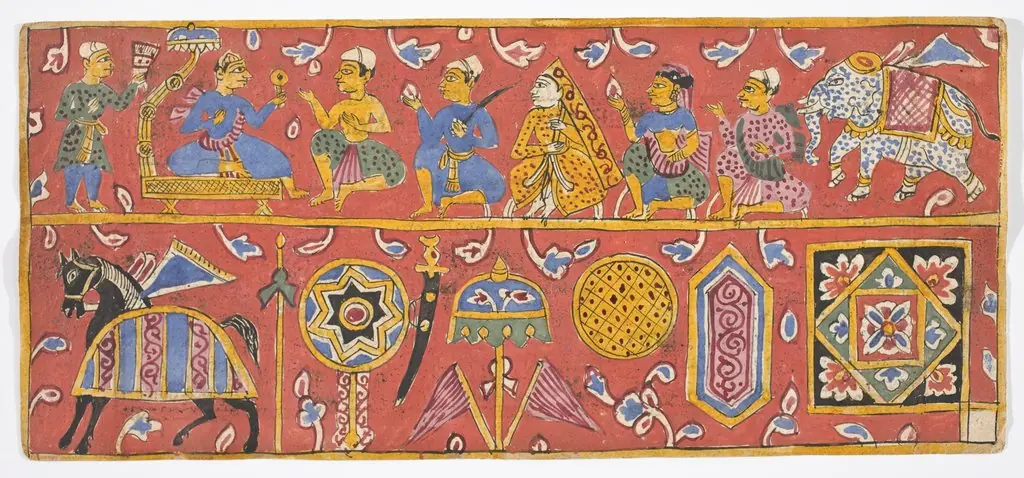 Tantric Manuscript "Sangrahani Sutra"
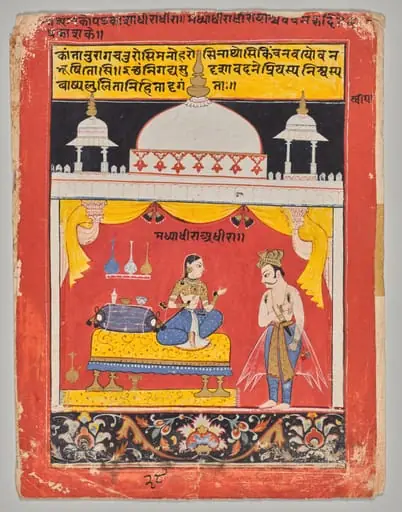 A Young, Angry Heroine, Folio 28 from a Rasamanjari