Artwork
Tantric Manuscript "Sangrahani Sutra"
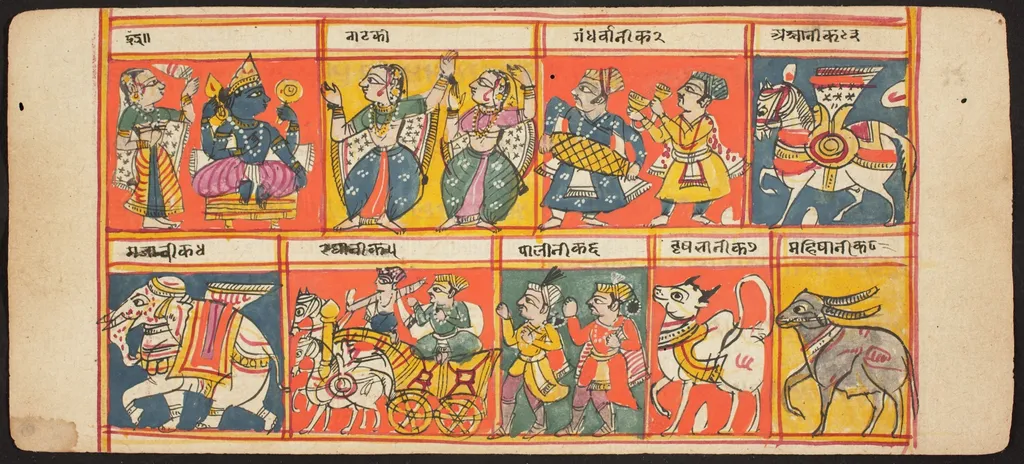
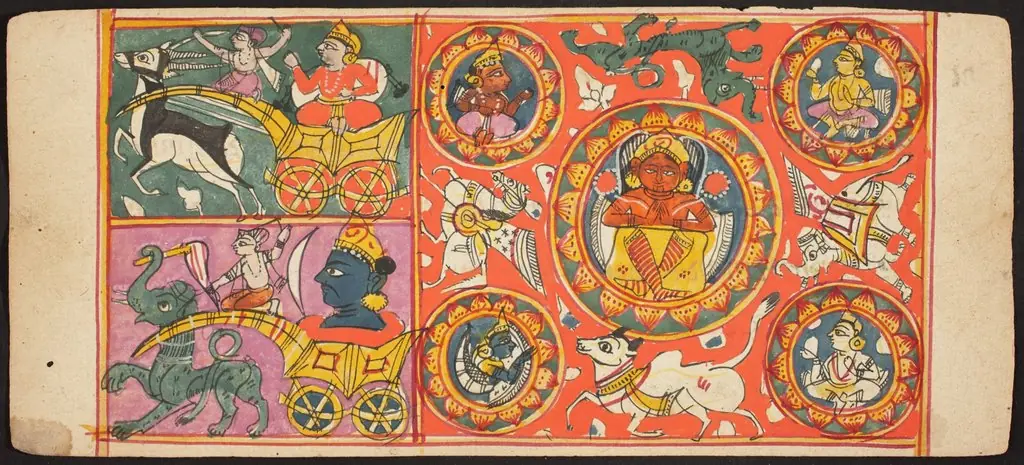
Tantric Manuscript "Sangrahani Sutra" is an unspecified painting by Unknown. It is held in the collection of the Detroit Institute of Arts. This painted manuscript contains excerpts from the Sangrahani Sutra, a Buddhist text focused on monastic discipline and ethical conduct.
About this work
Overview
This painted manuscript contains excerpts from the Sangrahani Sutra, a Buddhist text focused on monastic discipline and ethical conduct. Created in a tantric Buddhist context, it combines scriptural content with visual symbolism to aid meditation and ritual practice. The work is not merely decorative but functions as a sacred object, integrating text and image to guide spiritual understanding.
Subject & Meaning
The imagery depicts deities, mandalas, and symbolic motifs drawn from Vajrayana Buddhist cosmology. Each figure and geometric form represents aspects of enlightenment, mental states, or cosmic order. The visual language is coded, intended for initiated practitioners, reinforcing doctrinal teachings through iconography rather than literal narrative.
Technique & Style
The painting employs mineral pigments on palm leaf or paper, with fine brushwork and precise line definition. Colors are muted yet deliberate—ochres, indigos, and whites dominate—enhancing meditative focus. Composition follows strict iconometric rules, with symmetrical layouts and hierarchical scaling to reflect spiritual hierarchy.
History & Provenance
Produced in medieval India or Nepal, likely between the 10th and 12th centuries, the manuscript was used in monastic settings. Its survival suggests careful preservation within temple or library collections. Later ownership traces are sparse, but its style aligns with tantric manuscript traditions from the eastern Indian subcontinent.
Context
This work emerged during a period when tantric Buddhism flourished in monastic centers of Bihar and Bengal. Manuscripts like this served as instructional tools for initiates, blending esoteric ritual with textual study. The integration of painting with scripture reflects a broader trend of visualizing abstract doctrine to deepen contemplative practice.
Legacy
Though not widely known outside scholarly circles, such manuscripts influenced later Himalayan Buddhist art traditions. Their emphasis on symbolic precision and ritual function set precedents for thangka painting and tantric visualization practices in Tibet and Bhutan, preserving a distinct aesthetic and spiritual lineage.
Artist & collection

 Domestic Scene
 Giacomo and Cardinal Marco, investing Andrea, Abbot of San Zeno, with his Benefice
 The Nymph of Fontainebleau
 Portrait of a Woman
 Madonna and Child with Saints in the Enclosed Garden
 Venus and Minerva
 Family Group of Four on Sofa
 Wall painting from Room H of the Villa of P. Fannius Synistor at Boscoreale
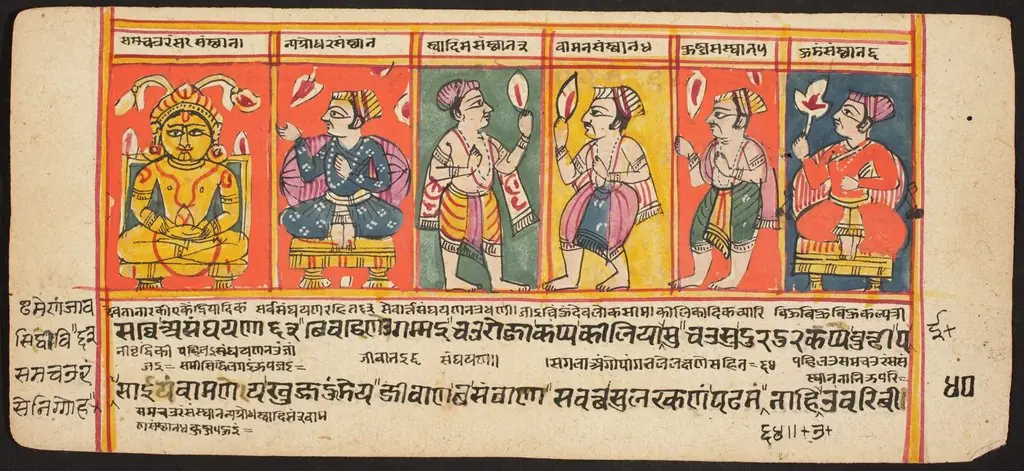 Tantric Manuscript "Sangrahani Sutra"
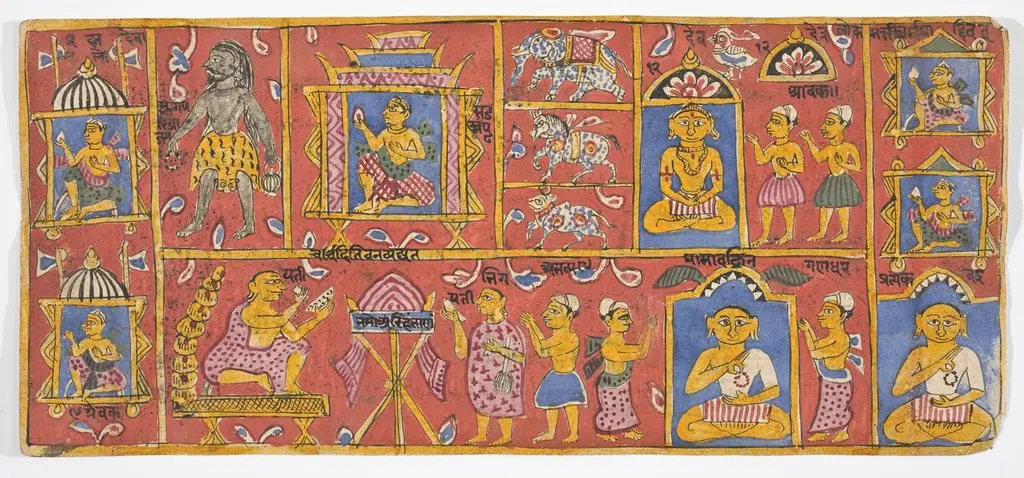 Tantric Manuscript "Sangrahani Sutra"
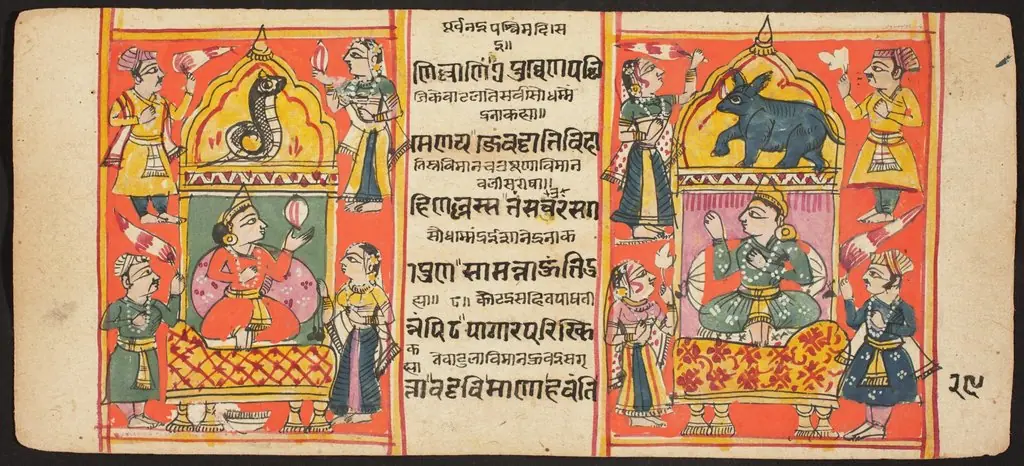 Tantric Manuscript "Sangrahani Sutra"
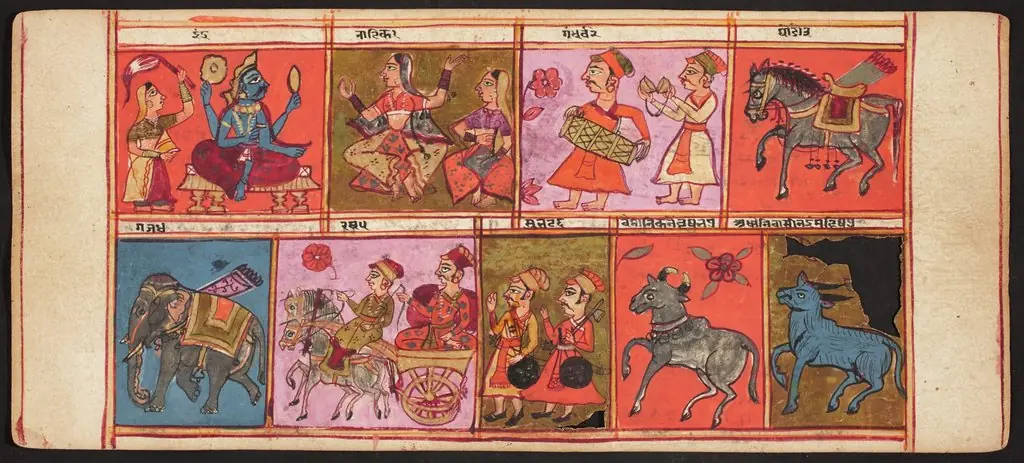 Tantric Manuscript, "Sangrahani Sutra"
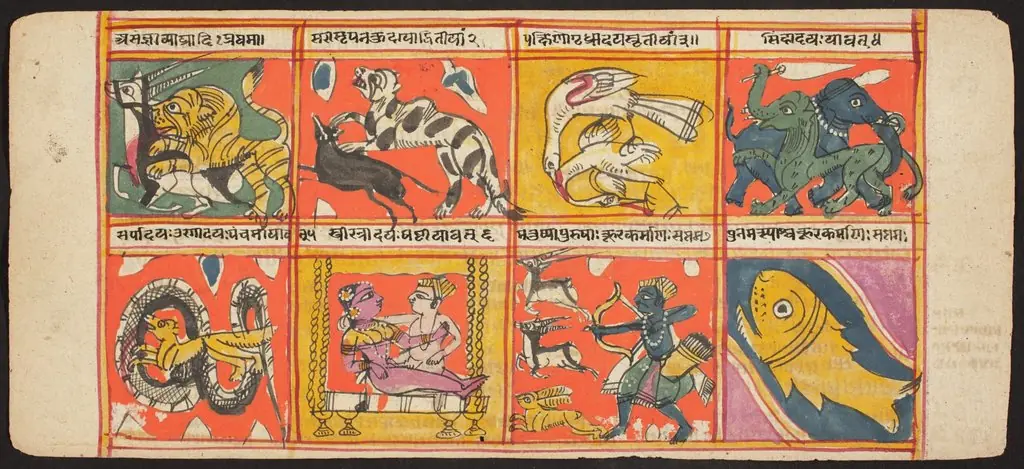 Tantric Manuscript "Sangrahani Sutra"
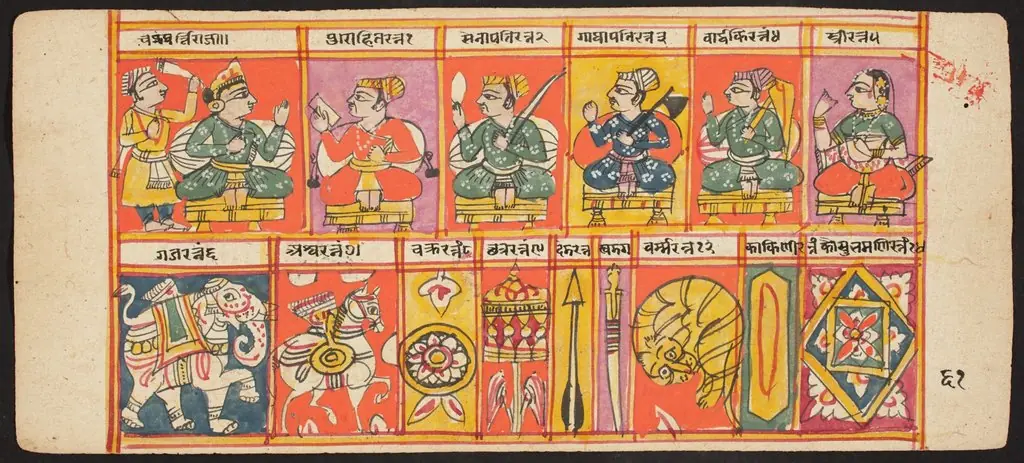 Tantric Manuscript "Sangrahani Sutra"
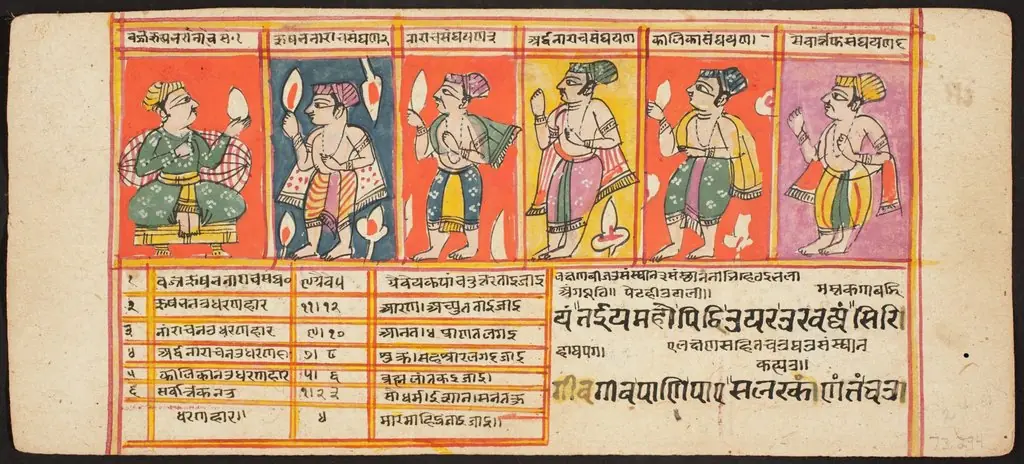 Tantric Manuscript "Sangrahani Sutra"
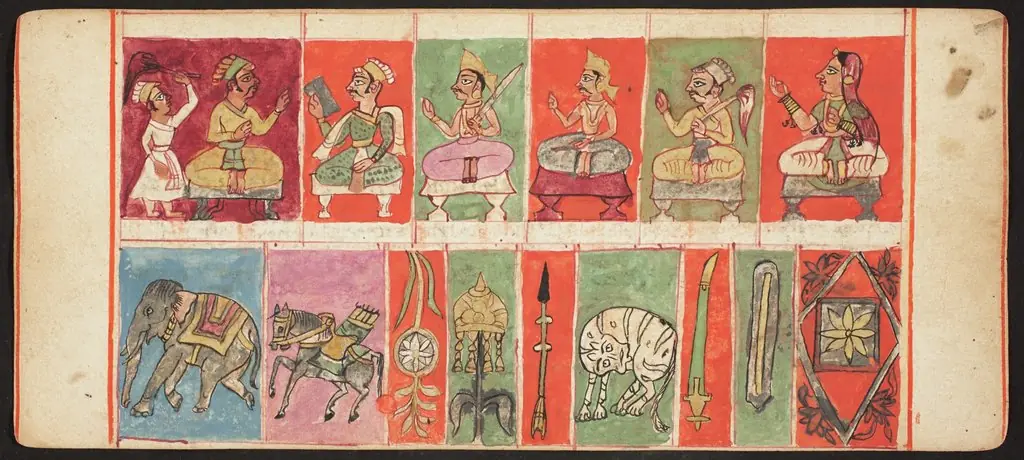 Tantric Manuscript, "Sangrahani Sutra"
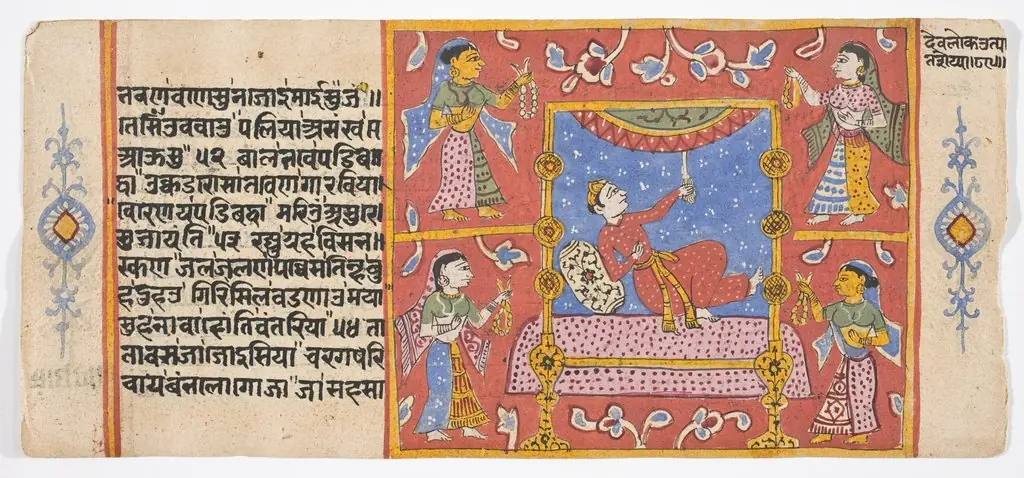 Tantric Manuscript "Sangrahani Sutra"
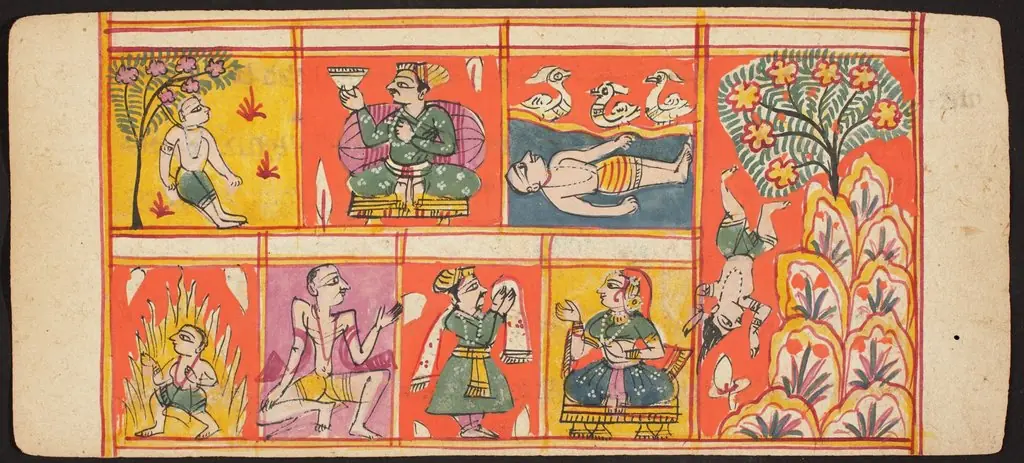 Tantric Manuscript "Sangrahani Sutra"
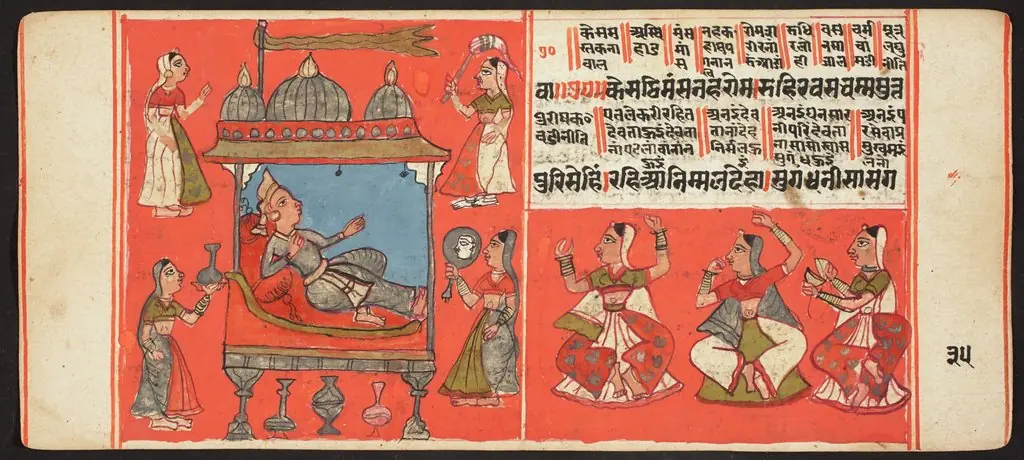 Tantric Manuscript, "Sangrahani Sutra"
 Tantric Manuscript "Sangrahani Sutra"