Artwork
Tantric Manuscript "Sangrahani Sutra"
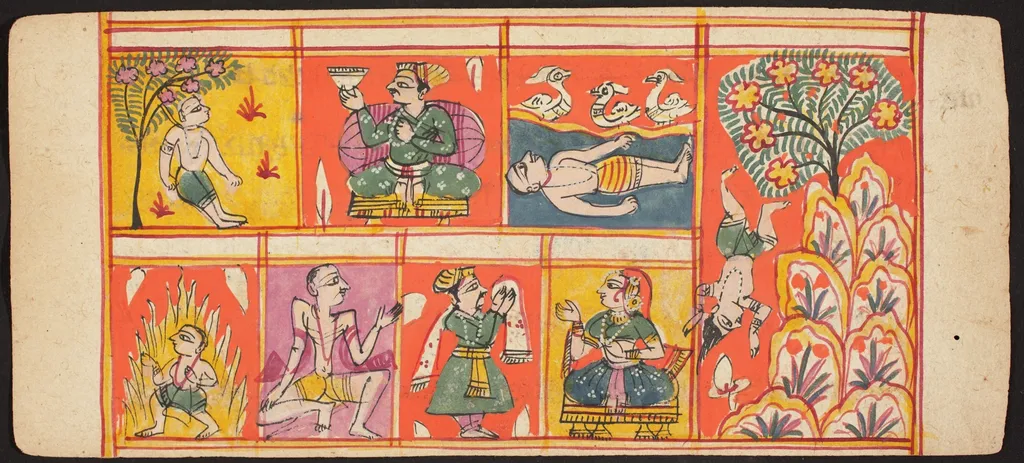
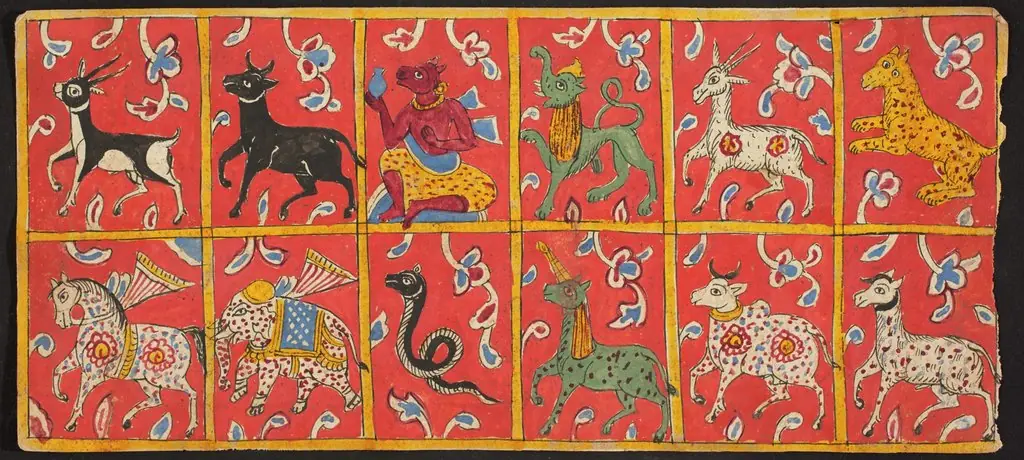
Tantric Manuscript "Sangrahani Sutra" is an unspecified painting by Unknown. It is held in the collection of the Detroit Institute of Arts. The 'Sangrahani Sutra' is a tantric manuscript painting organized into nine distinct panels, each containing a solitary scene.
About this work
Overview
The 'Sangrahani Sutra' is a tantric manuscript painting organized into nine distinct panels, each containing a solitary scene. The composition is structured in a grid, with three rows and three columns. The background of each panel is uniformly rendered in warm orange or yellow, creating a cohesive visual field that unites the disparate figures and actions depicted across the sections.
Subject & Meaning
The scenes depict isolated human figures engaged in quiet, contemplative, or symbolic acts—sitting under a tree, floating on water, conversing, or crouching. These may represent stages of spiritual practice or states of being within tantric tradition. The presence of birds and a flourishing plant suggests natural harmony and the interplay between inner experience and the external world.
Technique & Style
Figures and objects are rendered with minimal, linear strokes and simplified forms, avoiding detailed modeling. The style draws from indigenous Indian pictorial traditions, emphasizing clarity and symbolic representation over realism. The use of flat, unmodulated color and clean outlines reflects a deliberate aesthetic choice rooted in manuscript illumination practices of the region.
History & Provenance
This painting originates from a tantric Buddhist or Hindu manuscript tradition, likely produced in medieval India. Its format suggests it was part of a devotional or instructional codex, used in ritual or meditative contexts. Exact provenance remains undocumented, but its stylistic features align with regional manuscript production between the 12th and 16th centuries.
Context
Tantric texts often employed visual sequences to convey esoteric teachings, where imagery served as mnemonic or meditative aids. The arrangement of figures in a grid may reflect mandala-like structures, guiding the viewer’s attention through symbolic stages. The absence of narrative continuity between panels supports a non-linear, contemplative reading rather than a story-driven one.
Legacy
The 'Sangrahani Sutra' exemplifies how spiritual ideas were encoded in visual form within Indian manuscript culture. Its minimalist aesthetic influenced later regional painting styles and remains a reference for understanding the relationship between text, image, and ritual practice in pre-modern South Asia. Few comparable works survive in such intact condition.
Artist & collection

 Domestic Scene
 Giacomo and Cardinal Marco, investing Andrea, Abbot of San Zeno, with his Benefice
 The Nymph of Fontainebleau
 Portrait of a Woman
 Madonna and Child with Saints in the Enclosed Garden
 Venus and Minerva
 Family Group of Four on Sofa
 Wall painting from Room H of the Villa of P. Fannius Synistor at Boscoreale
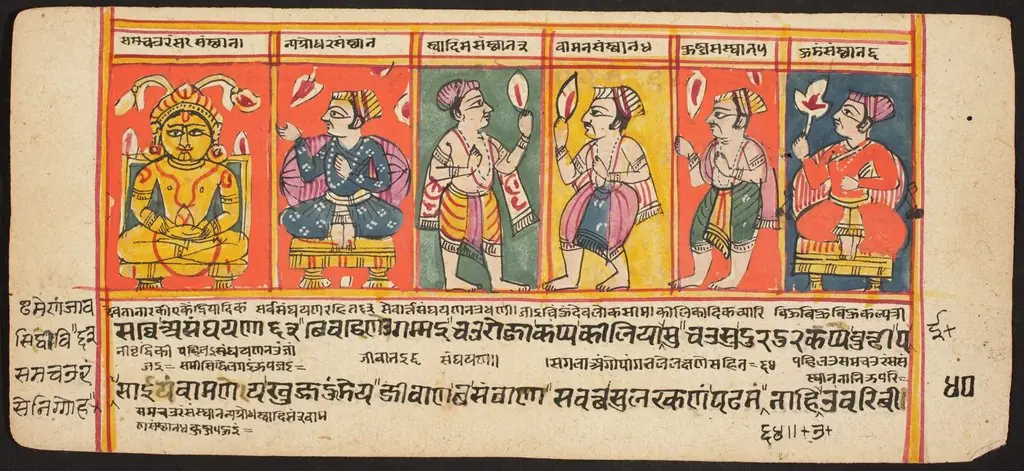 Tantric Manuscript "Sangrahani Sutra"
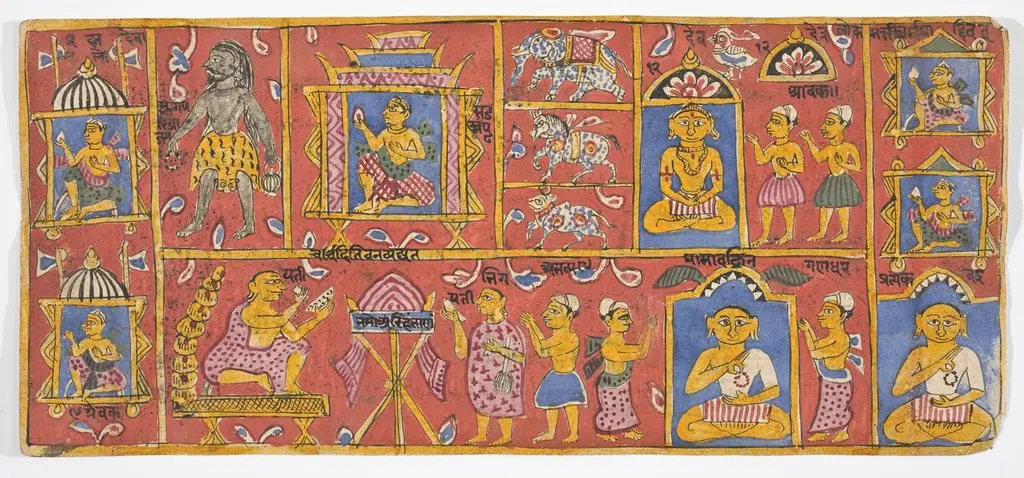 Tantric Manuscript "Sangrahani Sutra"
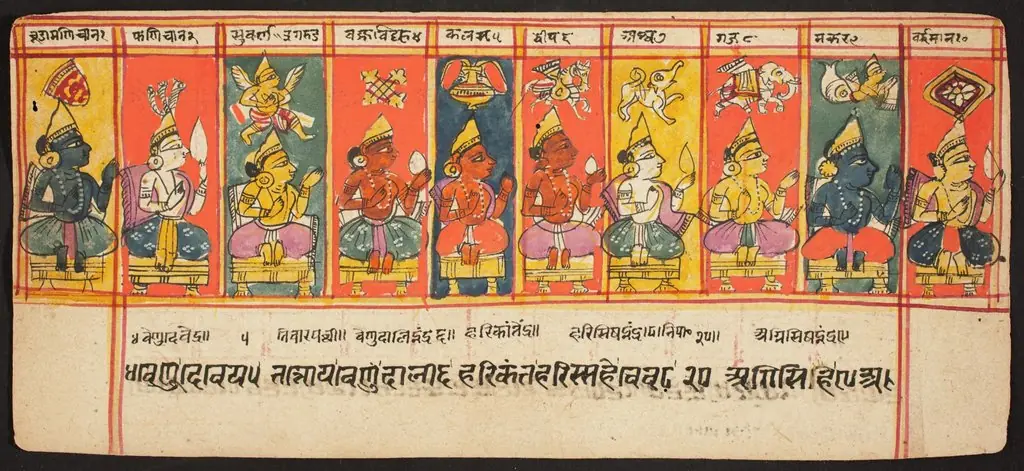 Tantric Manuscript "Sangrahani Sutra"
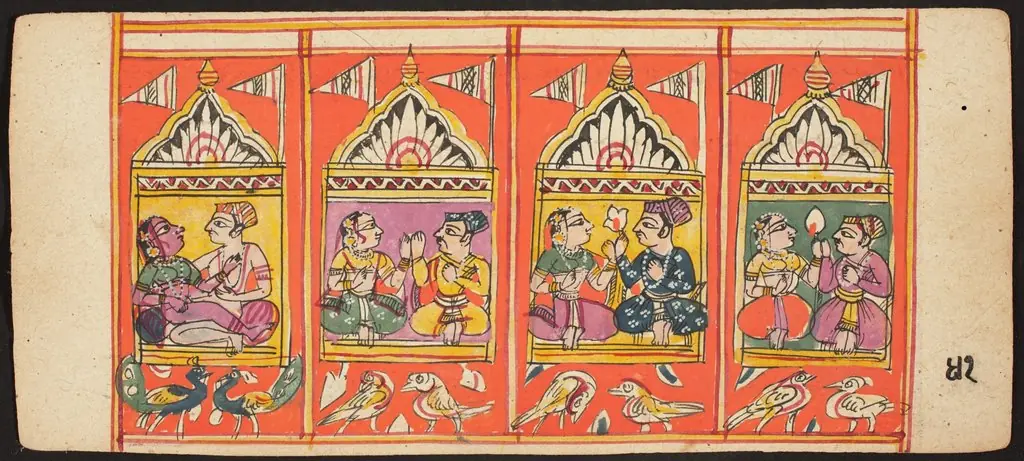 Tantric Manuscript "Sangrahani Sutra"
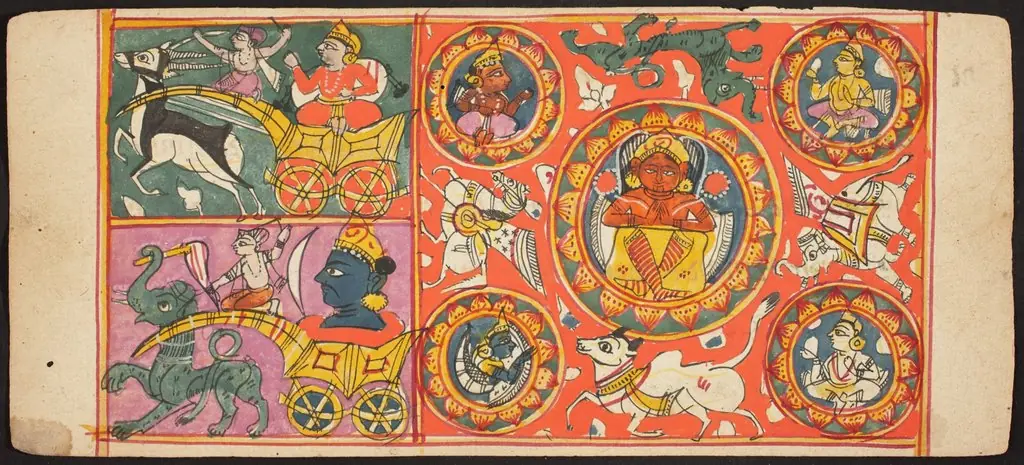 Tantric Manuscript "Sangrahani Sutra"
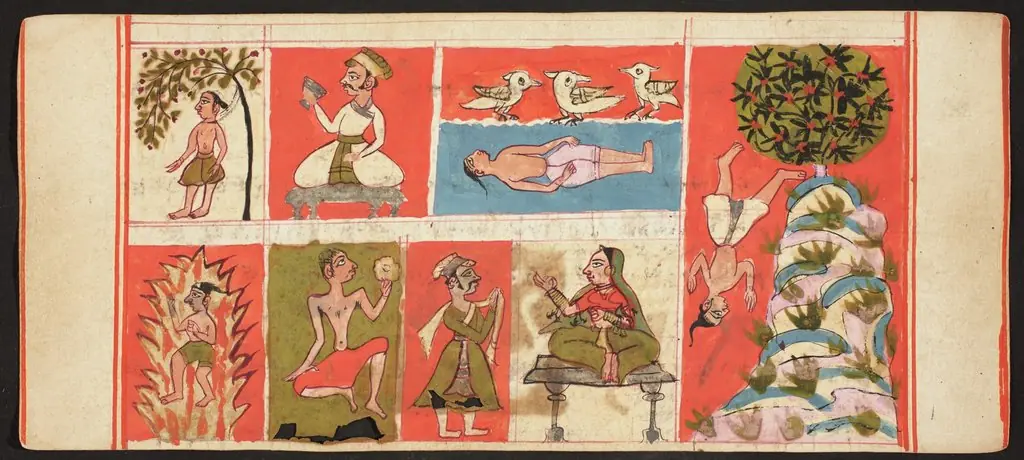 Tantric Manuscript, "Sangrahani Sutra"
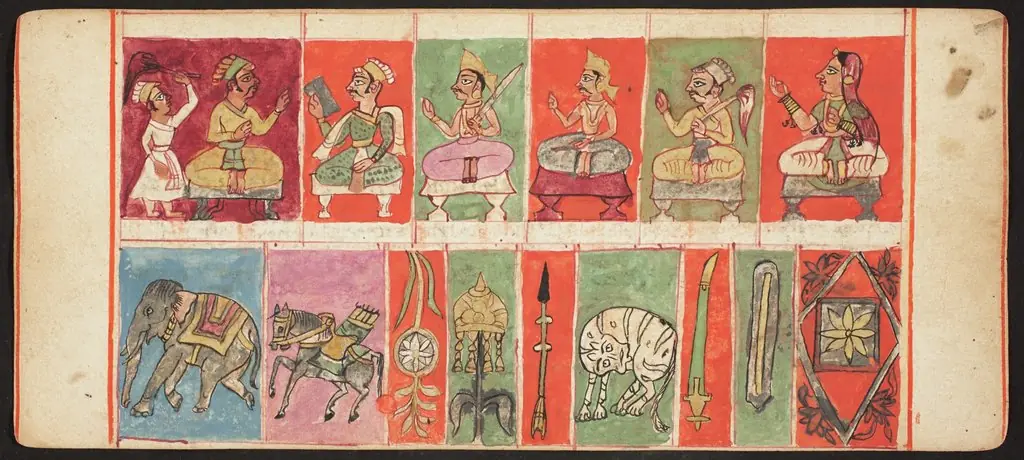 Tantric Manuscript, "Sangrahani Sutra"
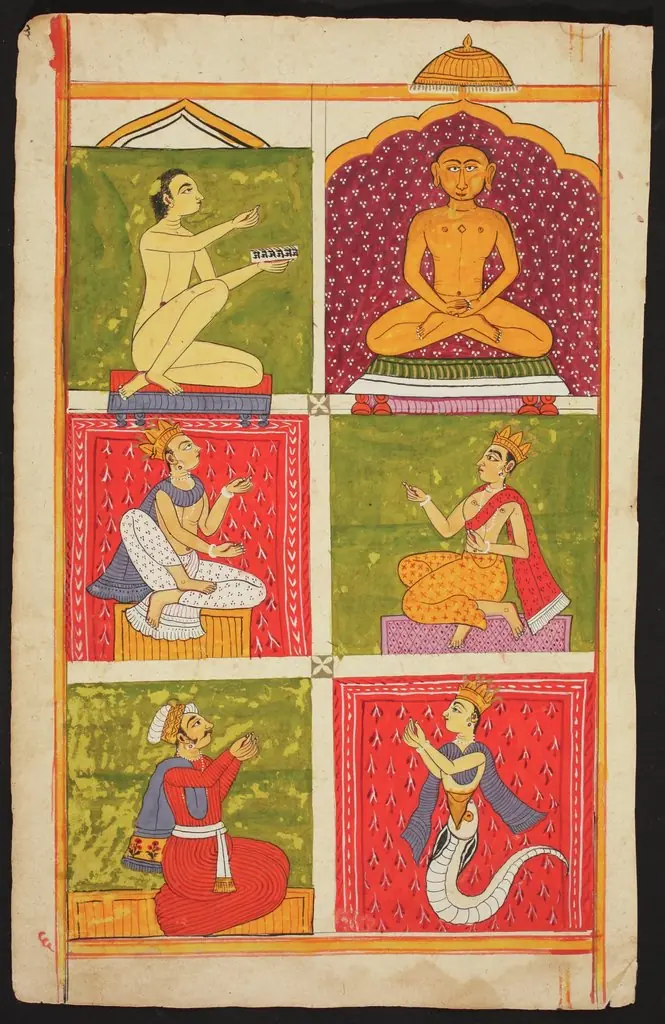 Folio from the Bhaktamara Stotra (“Hymn of the Immortal Devotee”)
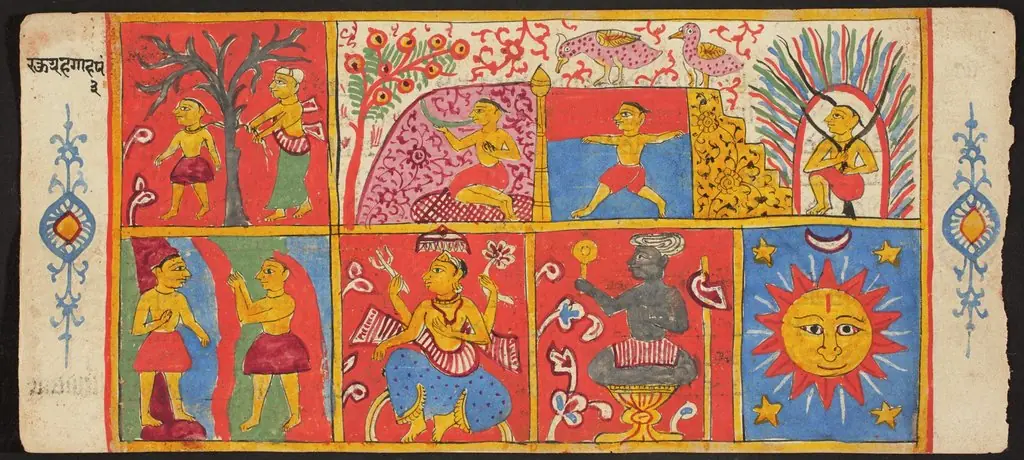 Tantric Manuscript "Sangrahani Sutra"
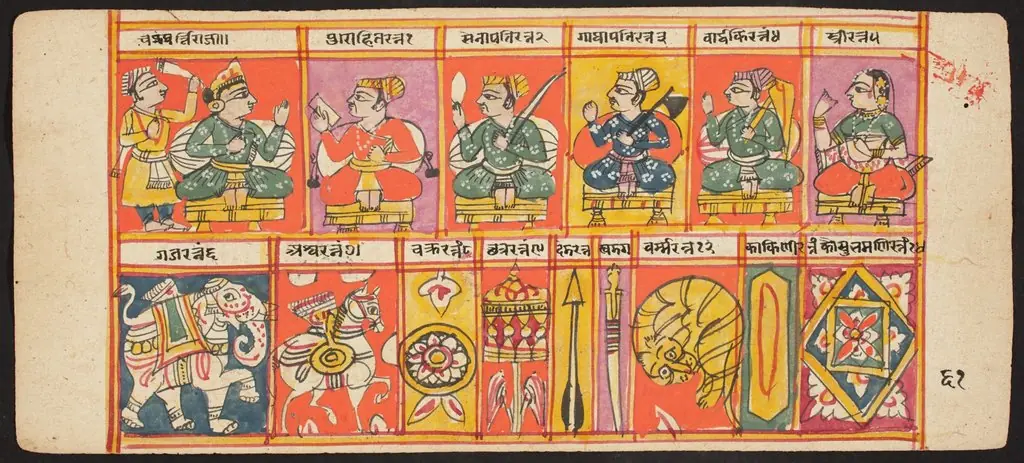 Tantric Manuscript "Sangrahani Sutra"
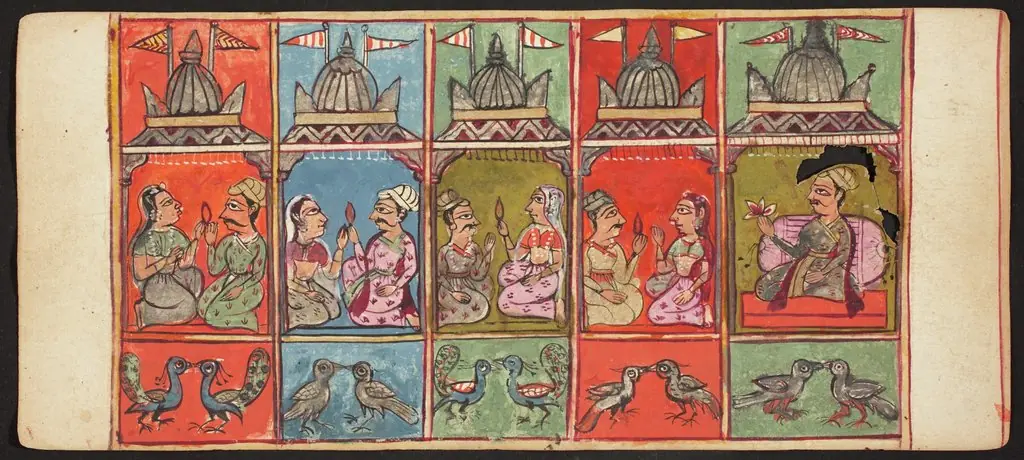 Tantric Manuscript, "Sangrahani Sutra"
 Tantric Manuscript "Sangrahani Sutra"