Artwork
Anna von Österreich (1601-1666)
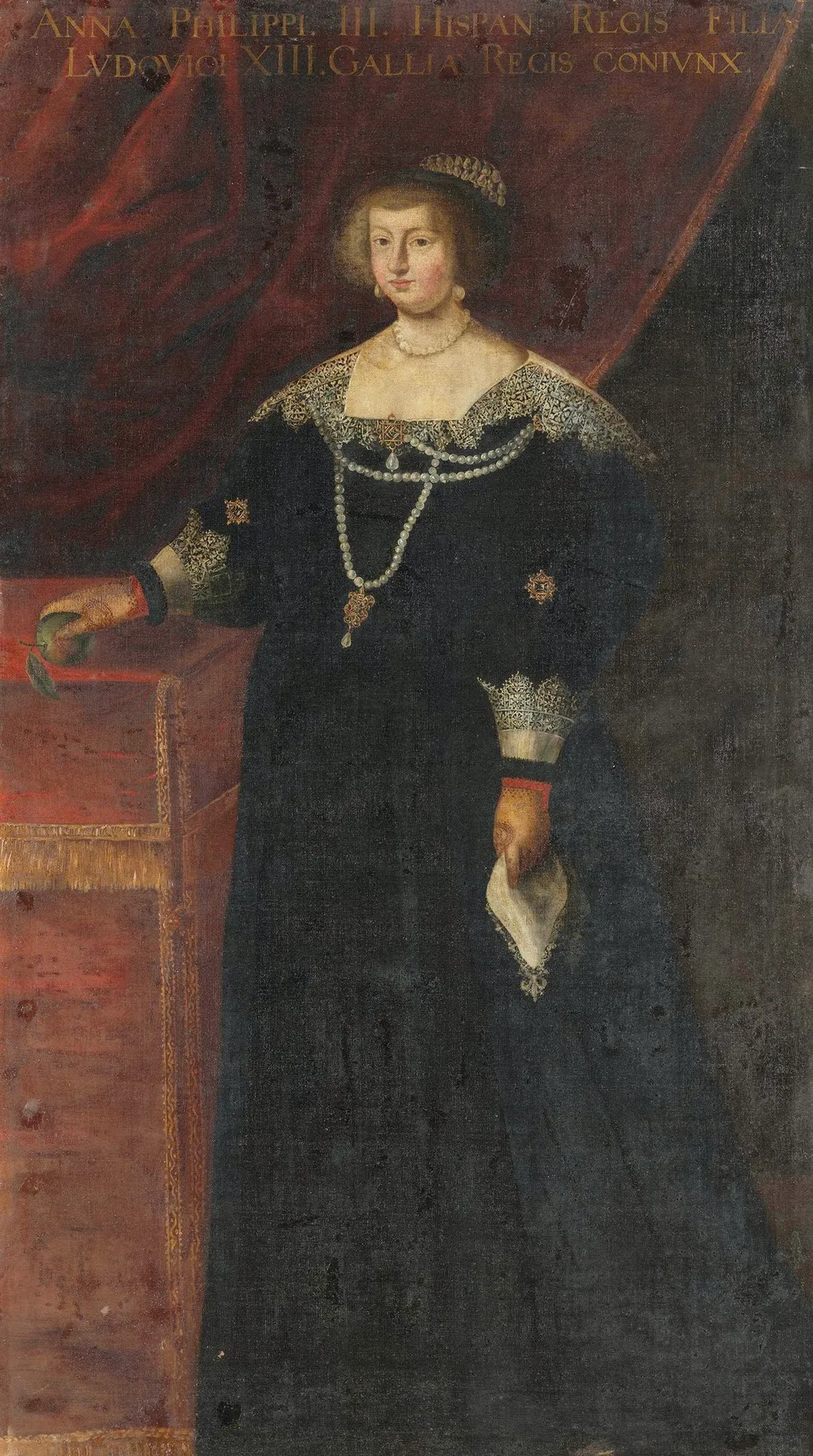
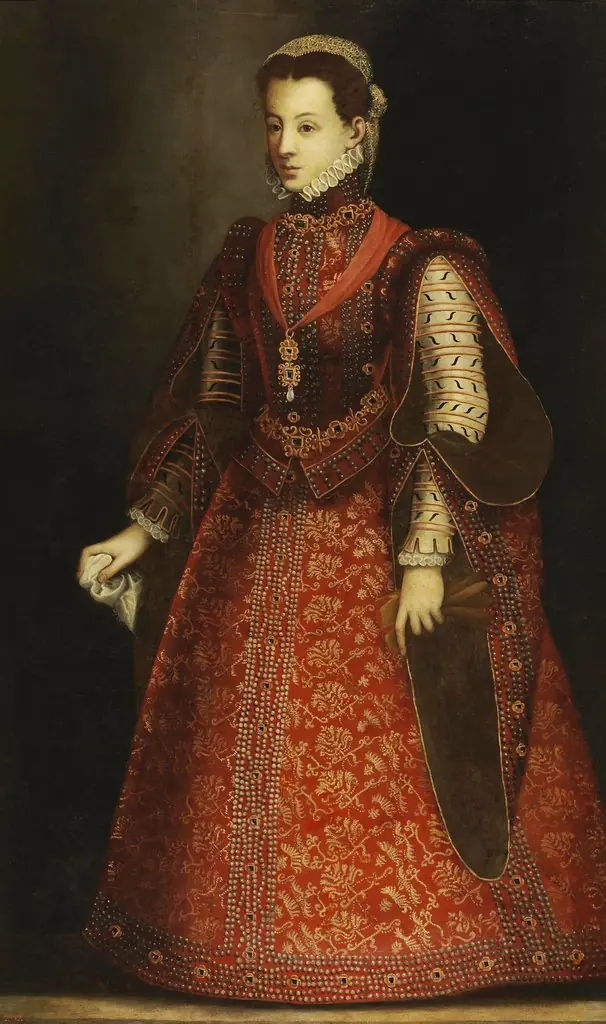
Anna von Österreich (1601-1666) is an unspecified painting by the Flemish Baroque painting artist Unknown. It dates from 1650 and is held in the collection of the Bavarian State Painting Collections. The work is a portrait of Anna of Austria (1601–1666), daughter of Philip III of Spain and queen consort of Louis XIII of France.
About this work
Overview
The sitter is attired in a richly patterned, dark gown with a high collar, a pearl necklace, and a crown, holding a small object in her left hand.
The work is a portrait of Anna of Austria (1601–1666), daughter of Philip III of Spain and queen consort of Louis XIII of France. Executed in oil on canvas, the composition presents the queen seated before a dark red drapery, her figure framed by a partial wooden chair. The sitter is attired in a richly patterned, dark gown with a high collar, a pearl necklace, and a crown, holding a small object in her left hand.
Subject & Meaning
The inscription across the top identifies the sitter as the daughter of the Spanish king and wife of the French monarch, underscoring her dynastic role as a bridge between two major European courts. The regal attire and crown emphasize her royal status, while the modest object she grasps—often interpreted as a prayer book or jewelry—suggests personal piety or wealth.
Technique & Style
Rendered in a restrained palette of deep blacks, reds, and muted golds, the portrait employs chiaroscuro to model the figure against the dark backdrop. The fabric’s intricate pattern is suggested through fine brushwork, while the pearl necklace and crown are highlighted with subtle glazes that catch the light. The overall style reflects early‑17th‑century court portraiture, balancing realism with idealized elegance.
History & Provenance
The painting likely originated in a French royal workshop shortly after Anna’s marriage to Louis XIII in 1615, serving as a formal representation of the new queen. It entered the French royal collection and, after the Revolution, passed through several private hands before being acquired by a museum in the early twentieth century, where it remains on display.
Context
Anna of Austria’s marriage was a political alliance that reinforced the Bourbon‑Habsburg connection during a period of shifting European power balances. Portraits such as this were used to convey legitimacy and continuity, presenting the queen consort as both a sovereign figure and a cultural link between Spain and France.
Artist & collection

 Domestic Scene
 Giacomo and Cardinal Marco, investing Andrea, Abbot of San Zeno, with his Benefice
 The Nymph of Fontainebleau
 Portrait of a Woman
 Madonna and Child with Saints in the Enclosed Garden
 Venus and Minerva
 Family Group of Four on Sofa
 Wall painting from Room H of the Villa of P. Fannius Synistor at Boscoreale
 Empress Maria of Austria, Wife of Maximilian II
 Portrait of a Woman
 Anna Maria, 1549-1580, ärkehertiginna
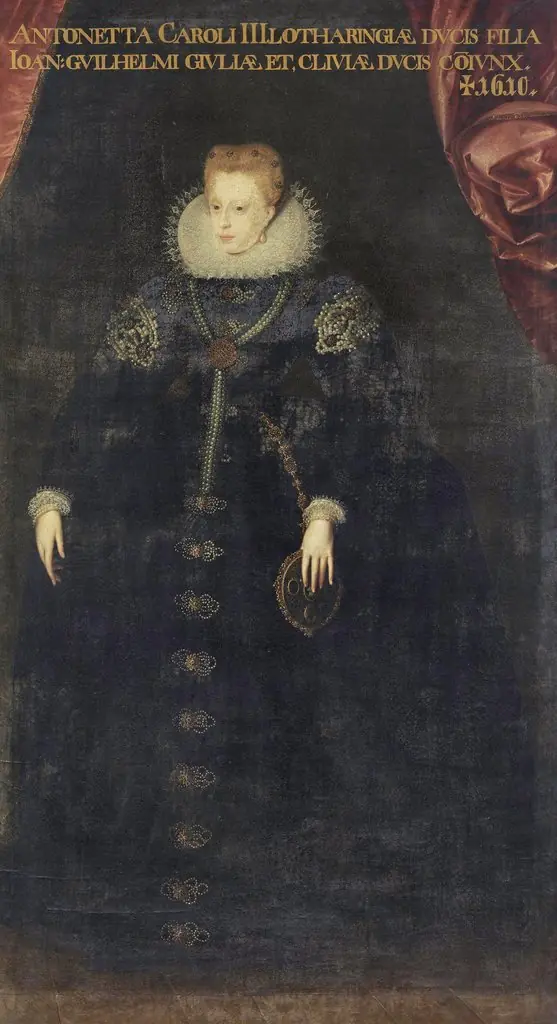 Portrait of Antoinette of Lorraine (1568-1610), Duchess of Jülich-Cleves-Berg
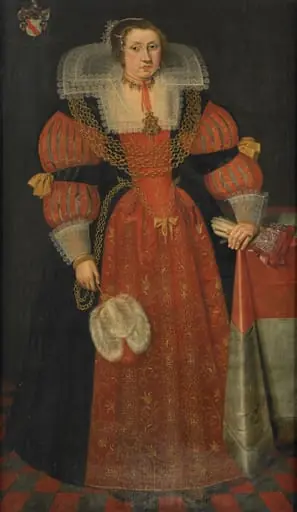 Untitled
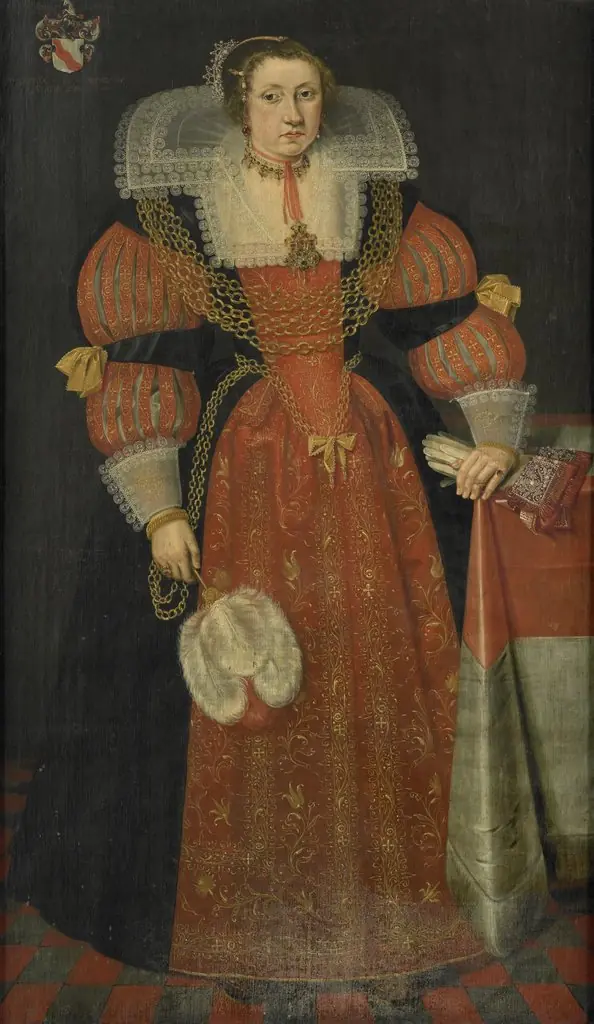 Portrait of Sophia de Vervou (c. 1613-71)
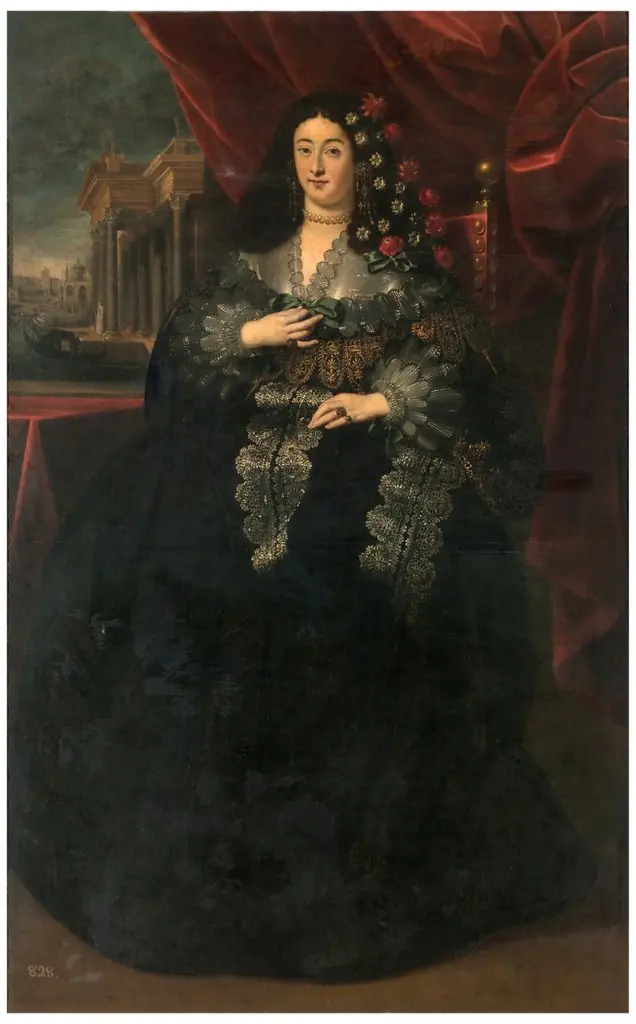 Venetian Lady
 Johanna van Rijswijk (b. 1715), Wife of Jan Hendrik van Rijswijk
 Portrait of an unknown woman
 Portrait of Archduchess Mary Anna of Bavaria
 Erzherzogin Barbara (1539-1572), Herzogin von Ferrara in ganzer Figur
 La emperatriz Isabel de Portugal mujer de Carlos V