Artwork
Johanna van Rijswijk (b. 1715), Wife of Jan Hendrik van Rijswijk
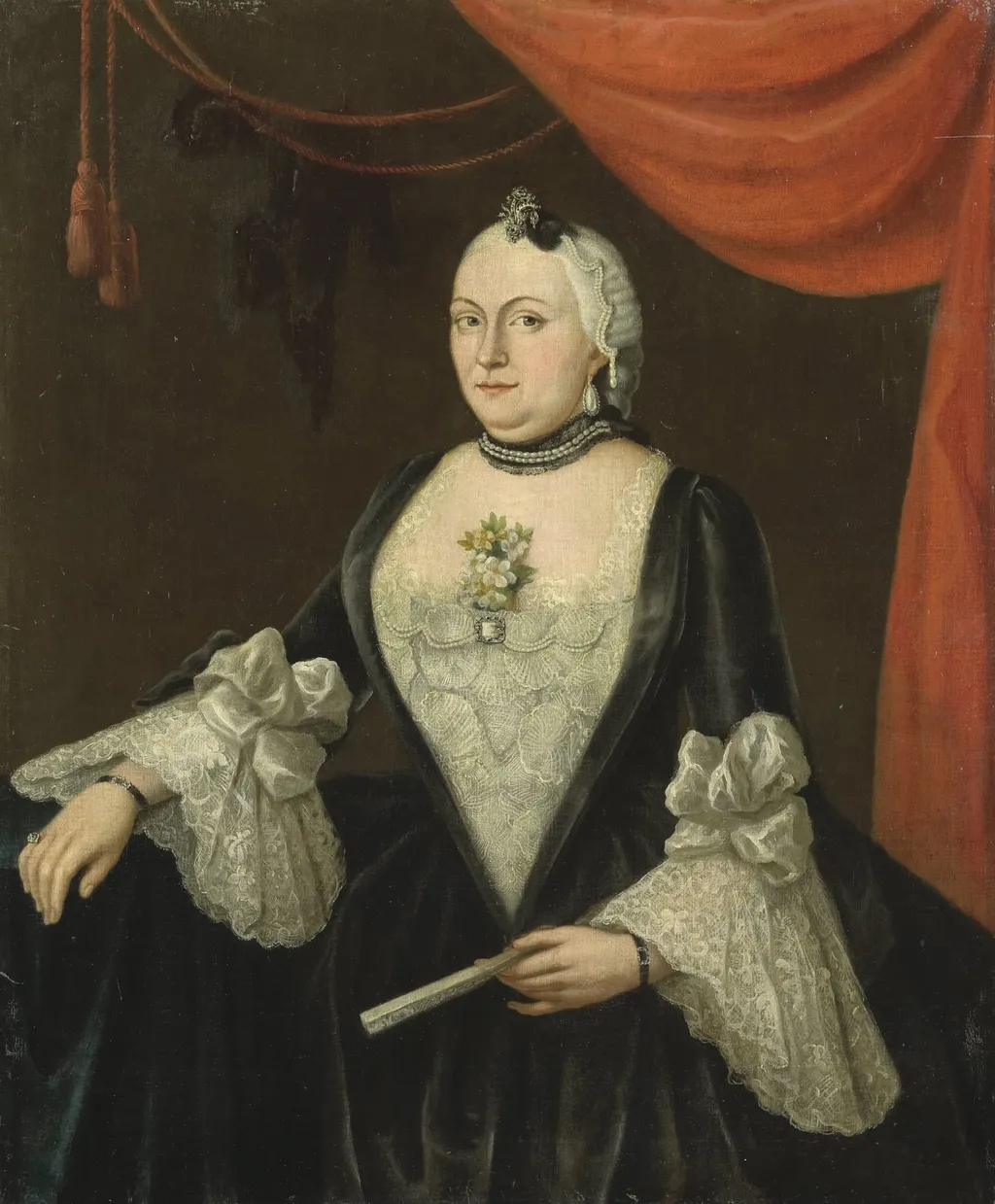
Johanna van Rijswijk (b. 1715), Wife of Jan Hendrik van Rijswijk is an unspecified painting by the Rococo painting artist Isaac Lodewijk la Fargue van Nieuwland. It dates from 1754 and is held in the collection of the Rijksmuseum.
About this work
Overview
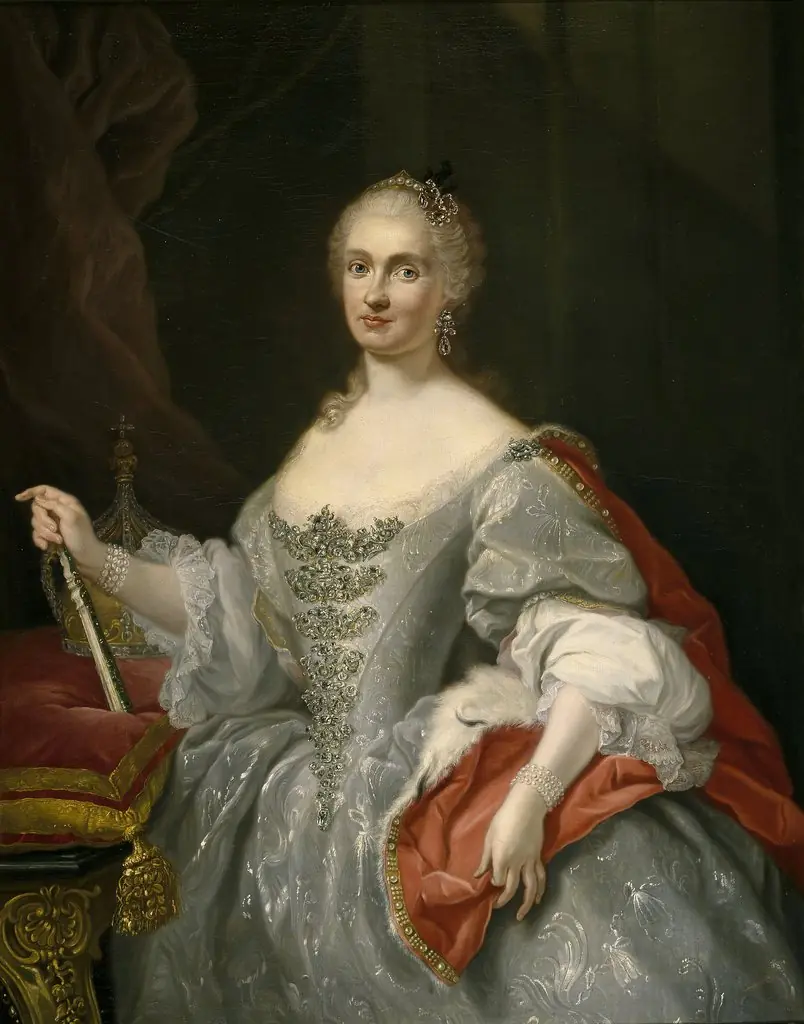
Painted in 1754 by Isaac Lodewijk la Fargue van Nieuwland, this half-length portrait depicts Johanna van Rijswijk, wife of Jan Hendrik van Rijswijk.
Painted in 1754 by Isaac Lodewijk la Fargue van Nieuwland, this half-length portrait depicts Johanna van Rijswijk, wife of Jan Hendrik van Rijswijk. The sitter is presented against a neutral, dark background, wearing a pale blue silk dress with a white lace fichu and a powdered white wig typical of mid-eighteenth-century Dutch fashion. She holds a closed black fan in her right hand, resting it against her waist, while her left hand remains obscured. Her gaze meets the viewer directly with a composed, steady expression. The work was executed as a pendant to a portrait of her husband, Jan Hendrik, painted by the same artist in the same year. These paired portraits were likely commissioned to celebrate their marriage or to document their status as a couple within the Dutch merchant class. La Fargue van Nieuwland, known for his precise yet restrained portraiture, captures the sitter with a quiet dignity, emphasizing texture in the fabrics and the soft modeling of the face. The painting reflects the conventions of Dutch portraiture of the period, balancing individual likeness with formal elegance. It remains a significant example of the artist's output during his mature period in Leiden.
Subject & Meaning
Johanna is presented as the spouse of Jan Hendrik van Rijswijk, emphasizing her status within a marital partnership. The inclusion of the fan, a common accessory of the period, underscores notions of elegance and domestic refinement.
Technique & Style
Executed in oil on canvas, the portrait employs a restrained palette dominated by cool blues and muted tones. The brushwork conveys the texture of the silk dress and the delicate sheen of the fan, while the lighting subtly models her facial features.
History & Provenance
The painting was created as a pendant to the portrait of Jan Hendrik van Rijswijk (catalogued as SK‑A‑637). The two works were intended to be displayed together, forming a visual dialogue between husband and wife.
Context
Portraits of married couples were a common genre in the early eighteenth century, serving both as records of lineage and as affirmations of social standing. The composition reflects contemporary conventions for depicting women of the Dutch bourgeoisie.
Own this work as a print
Artist & collection
Artist
Isaac Lodewijk la Fargue van Nieuwland
Isaac Lodewijk la Fargue van Nieuwland (1726–1805) was an artist, born in The Hague.

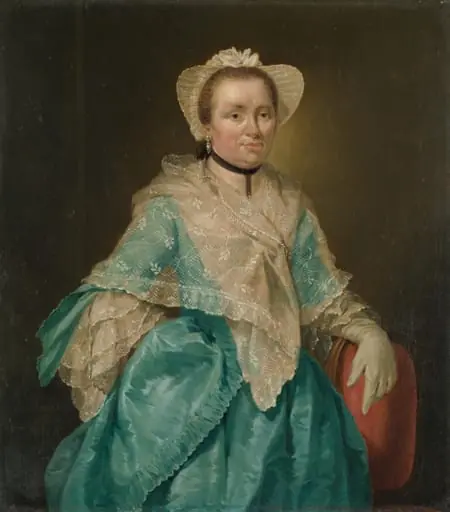 Portrait of Elisabeth Troost (1730-1790)
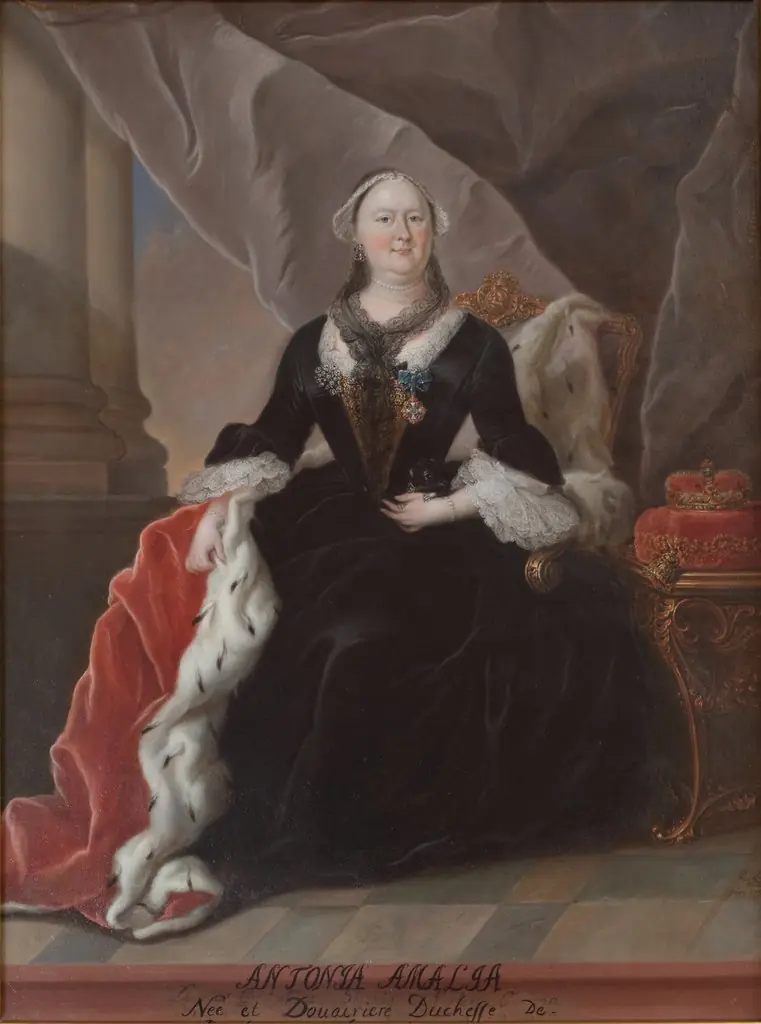 Antonia Amalia. Duchess of Brunswick and Lüneburg. Born 22 April 1696
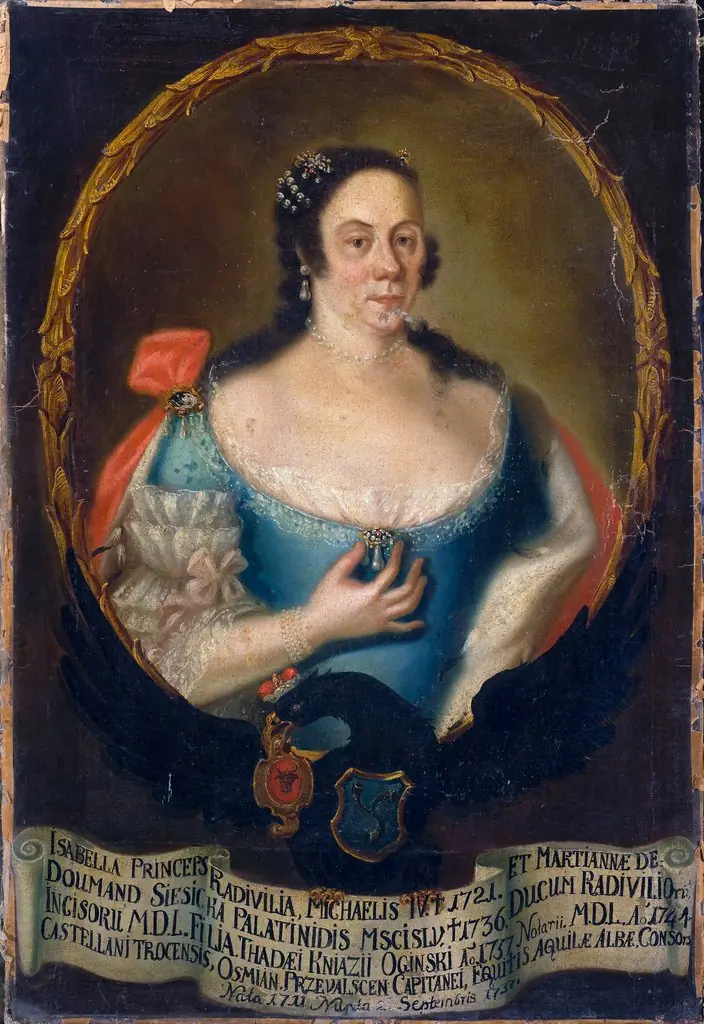 Portrait of Izabela Ogińska née Radziwiłł (1711–1761)
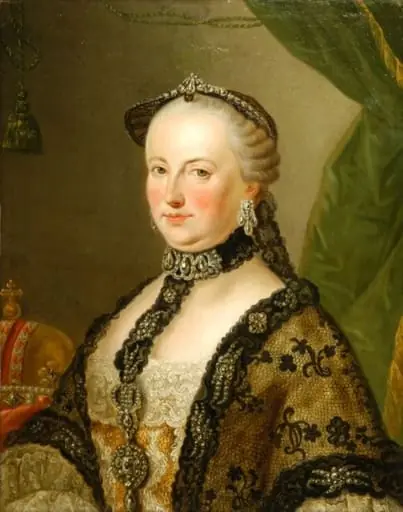 Împărăteasa Maria Tereza
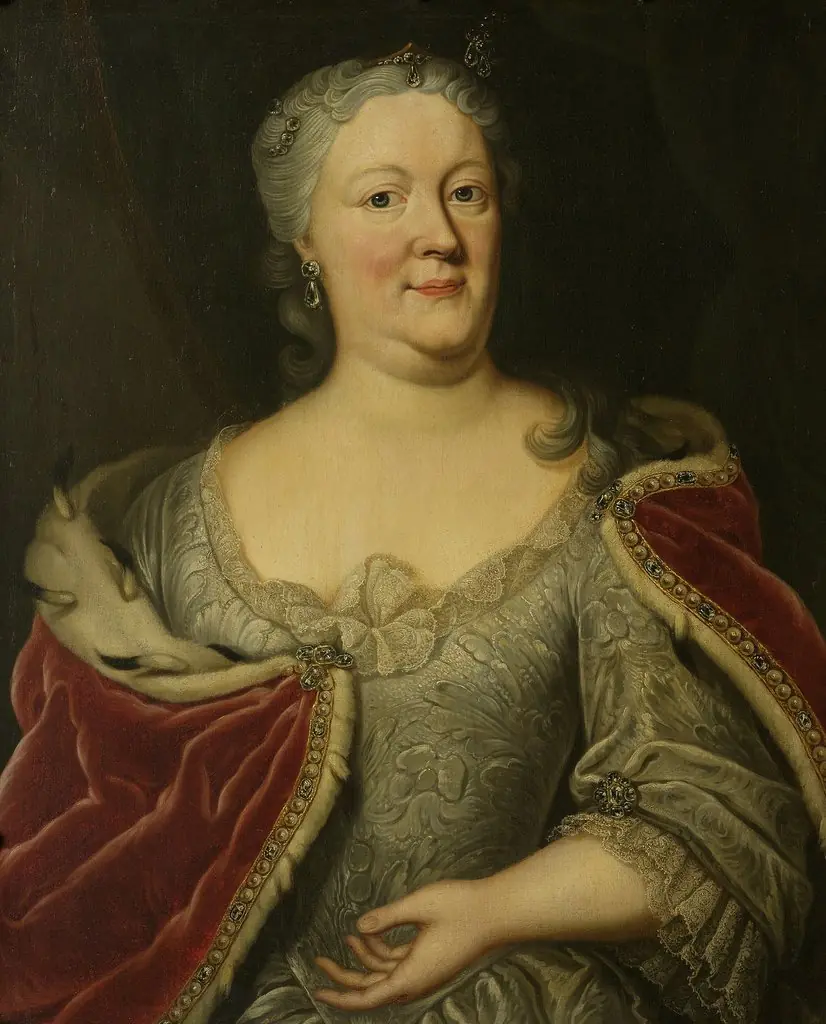 Portrait of Maria Louisa van Hessen-Kassel, called Maaike-Meu. Widow of the Stadtholder of Friesland John Willem Friso, Prince of Orange-Nassau
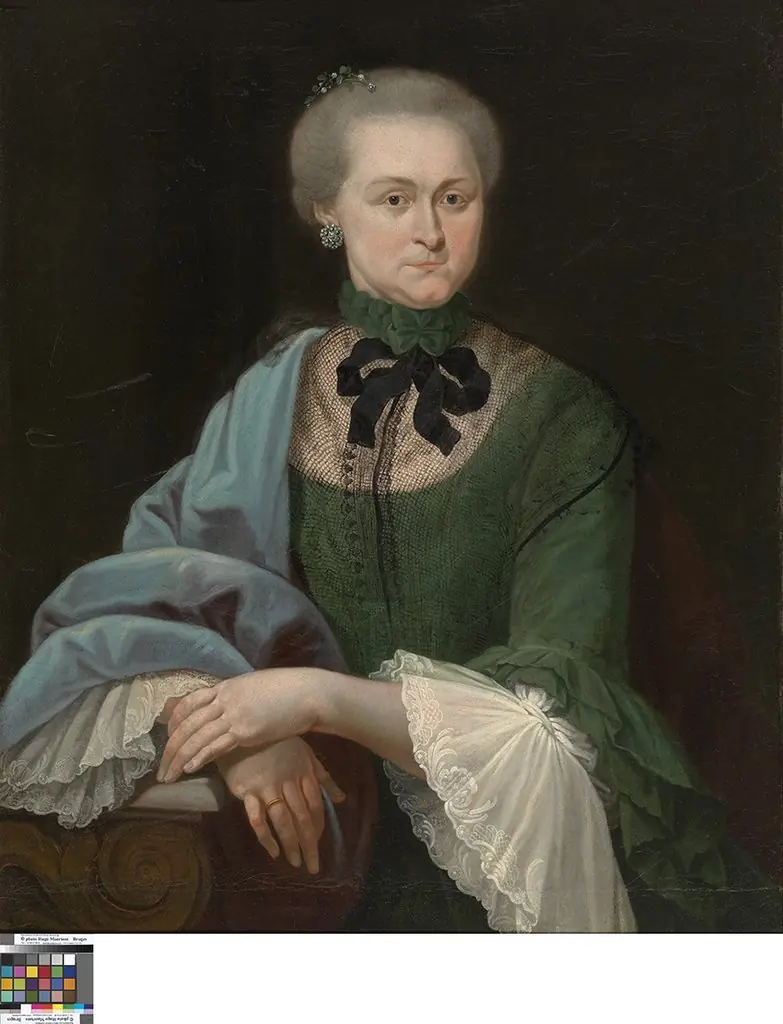 Portret van een vrouw
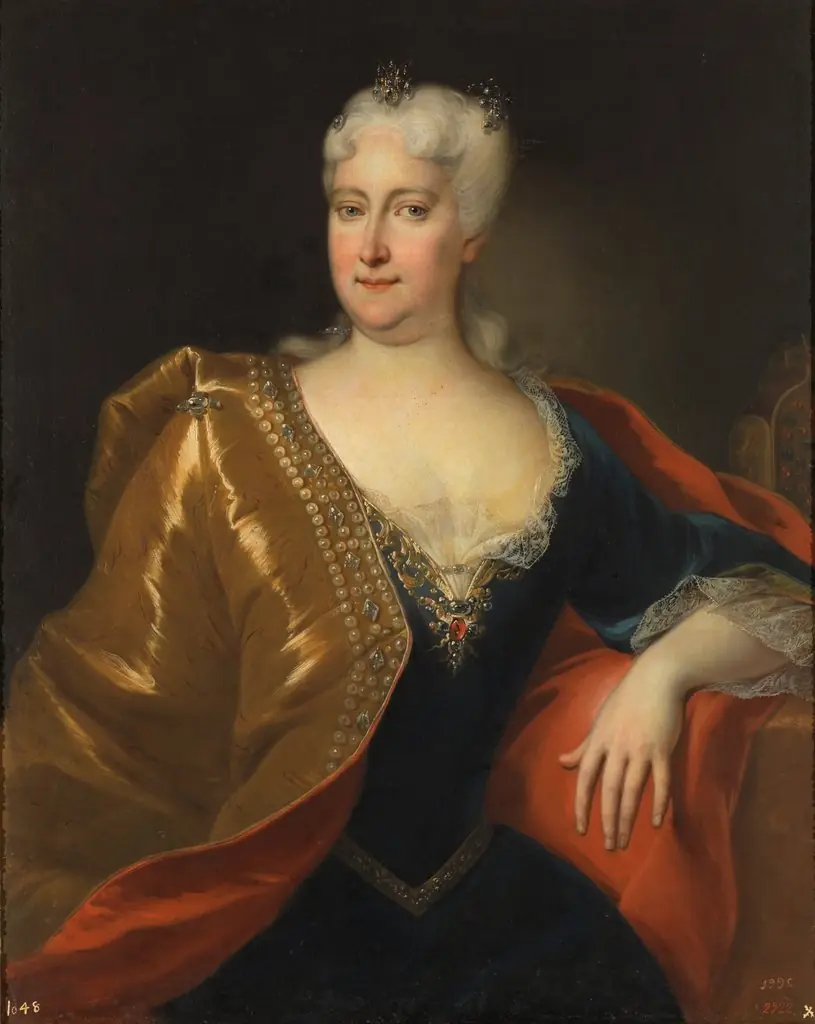 La emperatriz Isabel Cristina de Brunswick
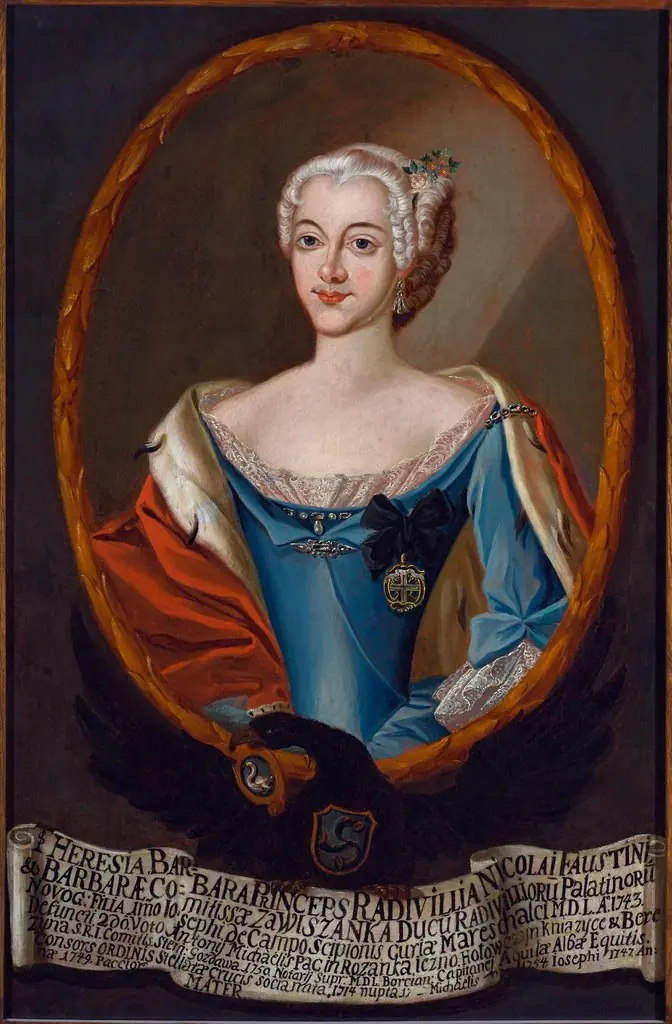 Portrait of Teresa Barbara Pac née Radziwiłł (1714–1780)
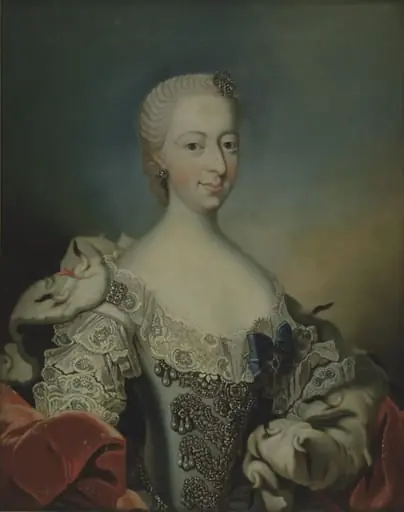 Juliane Marie, Frederik V's anden dronning
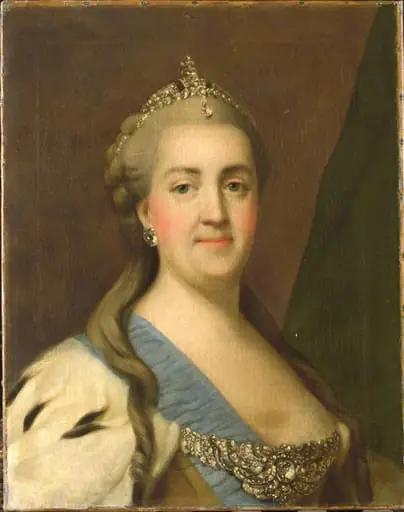 Catherine II (1729-96), Empress of Russia
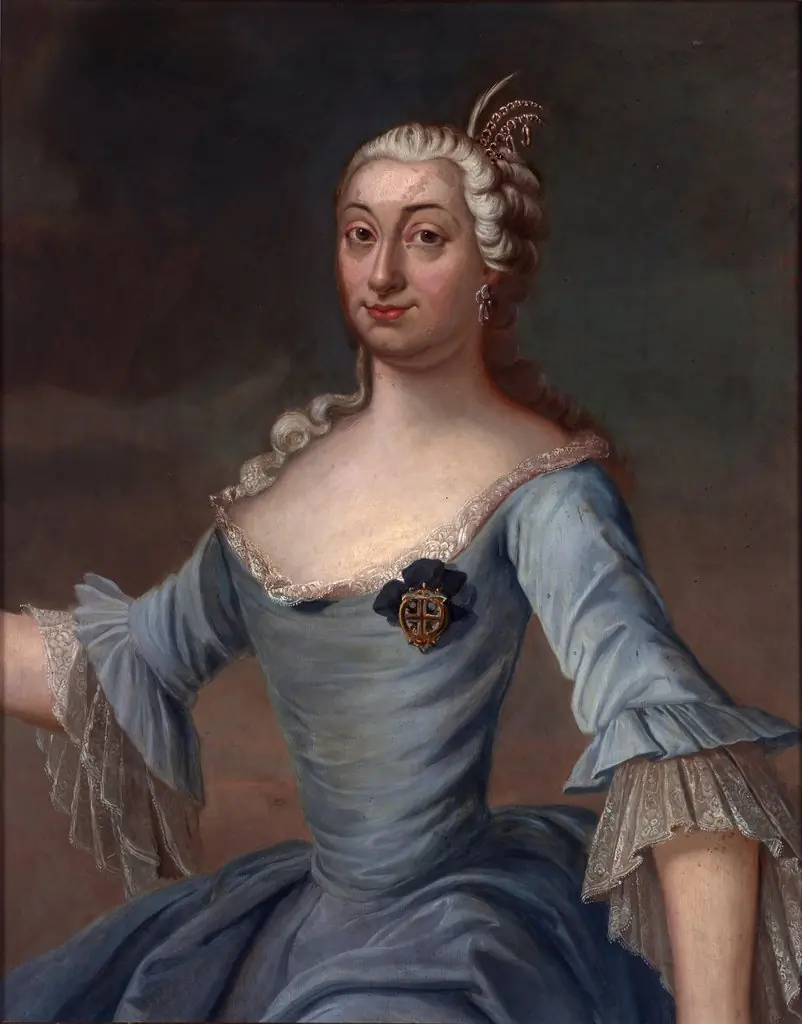 Portret Anny Ludwiki z Mycielskich Radziwiłłowej (1729-1771), żony Michała Kazimierza Radziwiłła "Rybeńki", hetmana wielkiego litewskiego i wojewody wileńskiego
 Queen Maria Amalia of Saxony