Artwork
Lazarus von Schwendi (1522-1584) im Harnisch, Kniestück
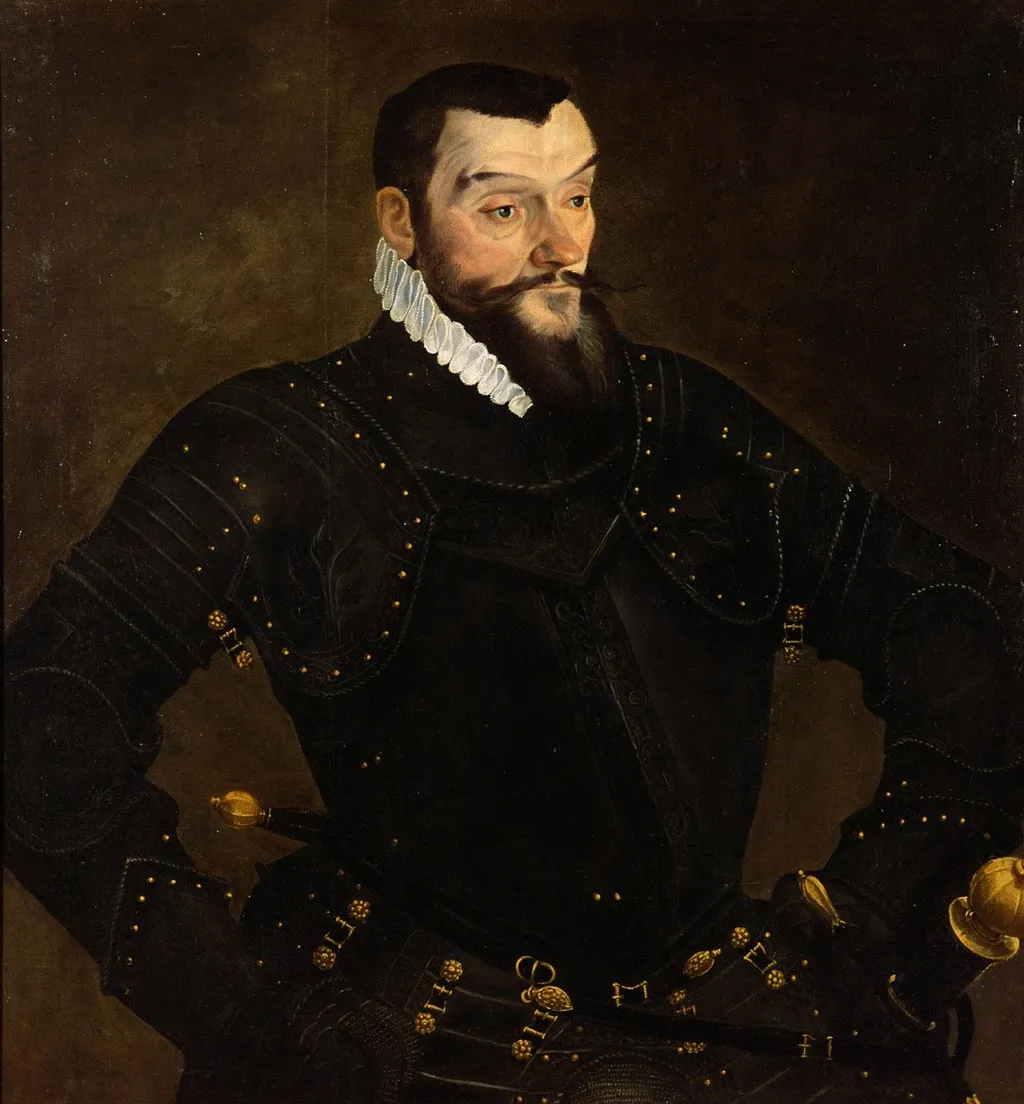
Lazarus von Schwendi (1522-1584) im Harnisch, Kniestück is an unspecified painting by the Mannerist artist Unknown. It dates from 1565 and is held in the collection of the Kunsthistorisches Museum.
About this work
Overview
The composition focuses attention on the texture of his armor and the contrast between its metallic surfaces and the crisp white of his ruff.
This portrait depicts Lazarus von Schwendi, a 16th-century Swiss military commander and diplomat, rendered in a half-length pose wearing a black suit of armor with gold embellishments. The dark, neutral background isolates the figure, emphasizing his formal bearing. His expression is composed, his gaze direct, reinforcing the painting’s solemn tone. The composition focuses attention on the texture of his armor and the contrast between its metallic surfaces and the crisp white of his ruff.
Subject & Meaning
Lazarus von Schwendi served under Holy Roman Emperor Charles V and later Maximilian II, playing key roles in military and diplomatic affairs. The armor signifies his status as a noble warrior, while the ruff reflects Renaissance courtly fashion. The sword’s presence suggests readiness and authority, though his hand rests calmly, indicating control rather than aggression. The portrait functions as a statement of identity, loyalty, and social rank within the Habsburg sphere.
Technique & Style
The artist employs chiaroscuro to model the armor’s contours, enhancing its three-dimensionality through subtle gradations of light and shadow. Fine brushwork captures the intricate engravings on the metal and the delicate folds of the ruff. The dark background recedes, heightening the figure’s presence. The palette is restrained—black, gold, white—creating a sense of dignity and restraint typical of elite portraiture in the mid-16th century.
History & Provenance
The painting likely originated in the Holy Roman Empire, possibly commissioned by Schwendi himself or a close associate during his service at court. It remained in private collections in German-speaking regions before entering institutional hands. Documentation linking it to Schwendi’s lifetime is limited, but stylistic analysis and armor details align with mid-1500s Swiss-German workshops active in imperial circles.
Context
During Schwendi’s lifetime, portraits of military leaders often blended martial symbolism with aristocratic refinement. Armor was not merely protective gear but a coded language of power, especially among nobles who balanced battlefield roles with courtly duties. The emphasis on craftsmanship in the armor and attire reflects broader Renaissance values: the fusion of art, utility, and social identity among the ruling class.
Legacy
The portrait stands as a representative example of elite German-Swiss portraiture from the Reformation era. It preserves the visual language of noble identity at a time when political and religious upheaval reshaped European power structures. While not widely known today, it contributes to the understanding of how military figures presented themselves visually in an age of transition.
Artist & collection

 Domestic Scene
 Giacomo and Cardinal Marco, investing Andrea, Abbot of San Zeno, with his Benefice
 The Nymph of Fontainebleau
 Portrait of a Woman
 Madonna and Child with Saints in the Enclosed Garden
 Venus and Minerva
 Family Group of Four on Sofa
 Wall painting from Room H of the Villa of P. Fannius Synistor at Boscoreale
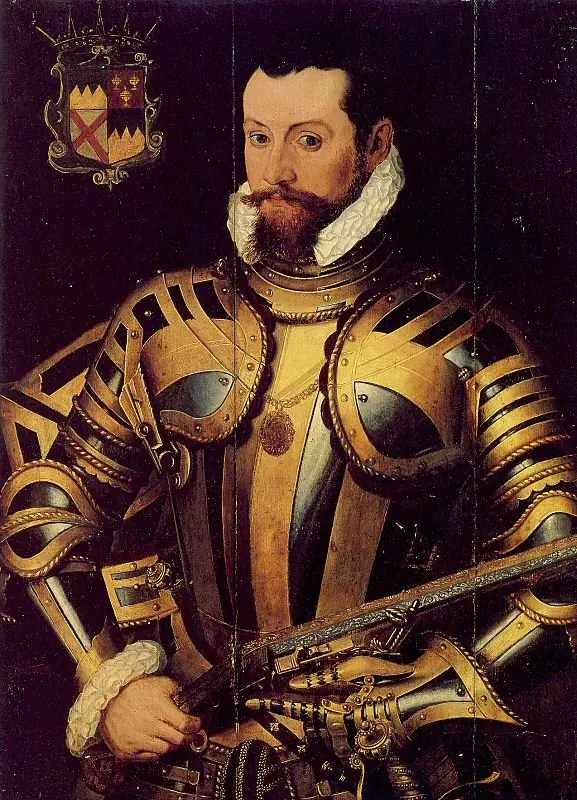 Portrait of Thomas Butler, 10th Earl of Ormonde (1532-1614)
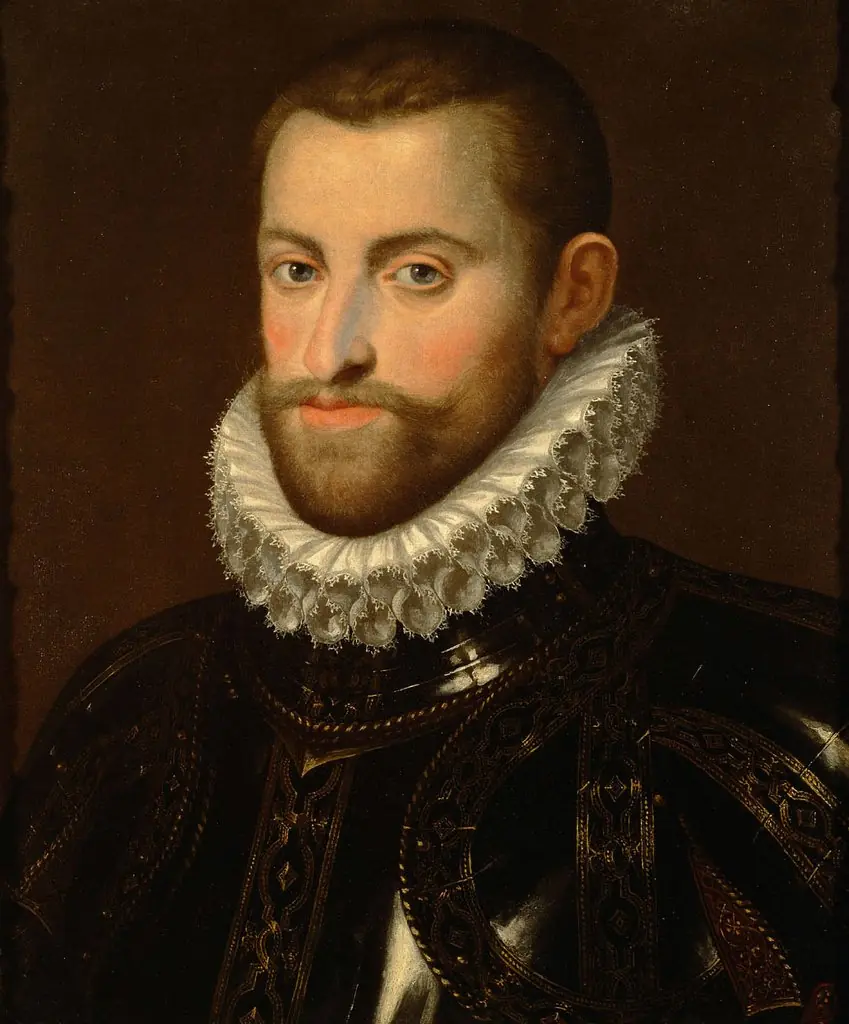 Erzherzog Ernst im Harnisch, Brustbild
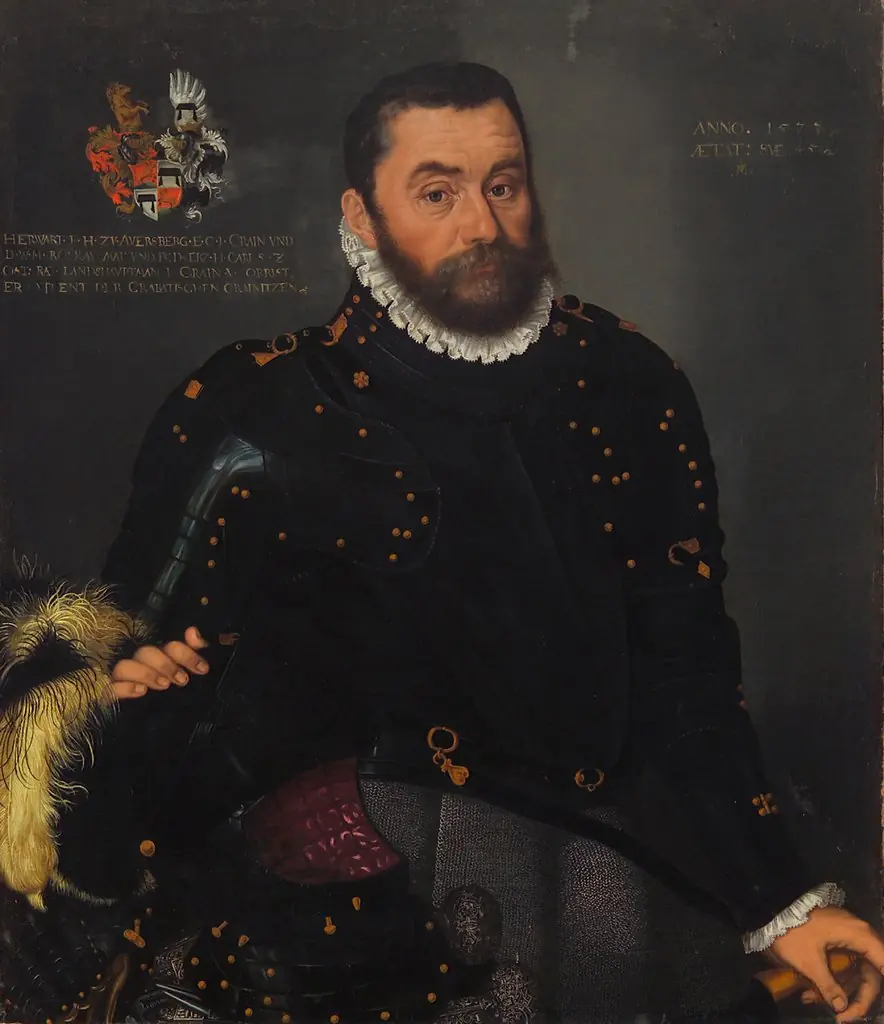 Herwart VIII. Freiherr von Auersperg (1528-1575)
 Portrait of Ferdinand II, Holy Roman Emperor (1578-1637)
 Emperor Rudolf II in Armour
 Portrait of Ambrogio Spinola (1569-1630)
 Portrait of Jan Wyts
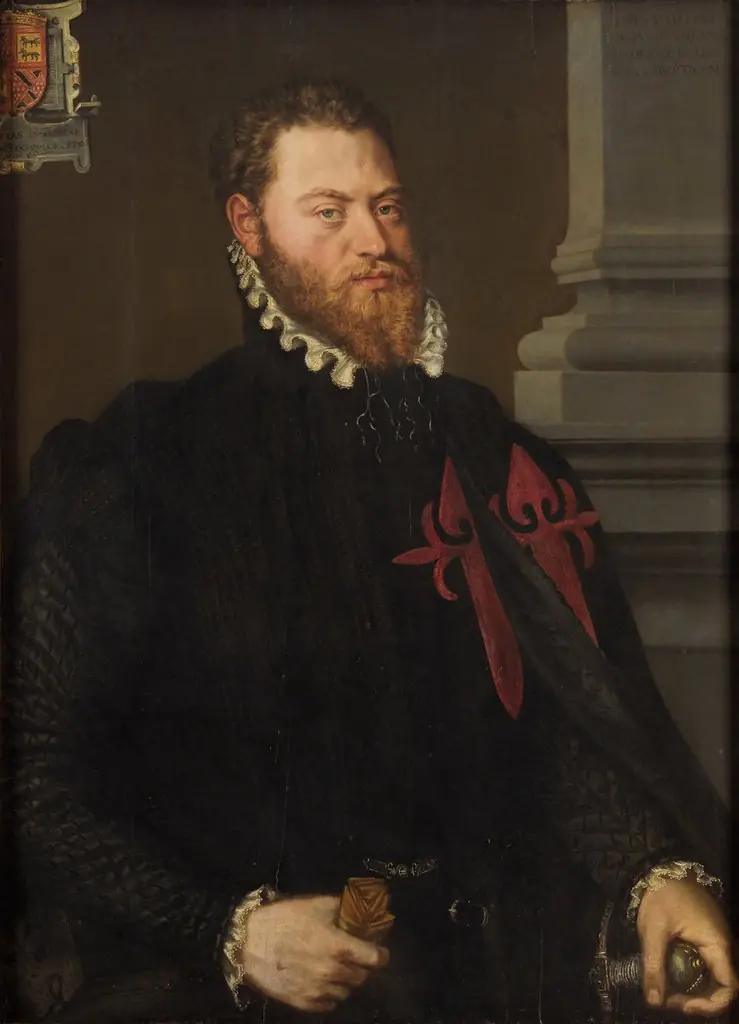 Don Inigo López de Mendoza y Zuniga
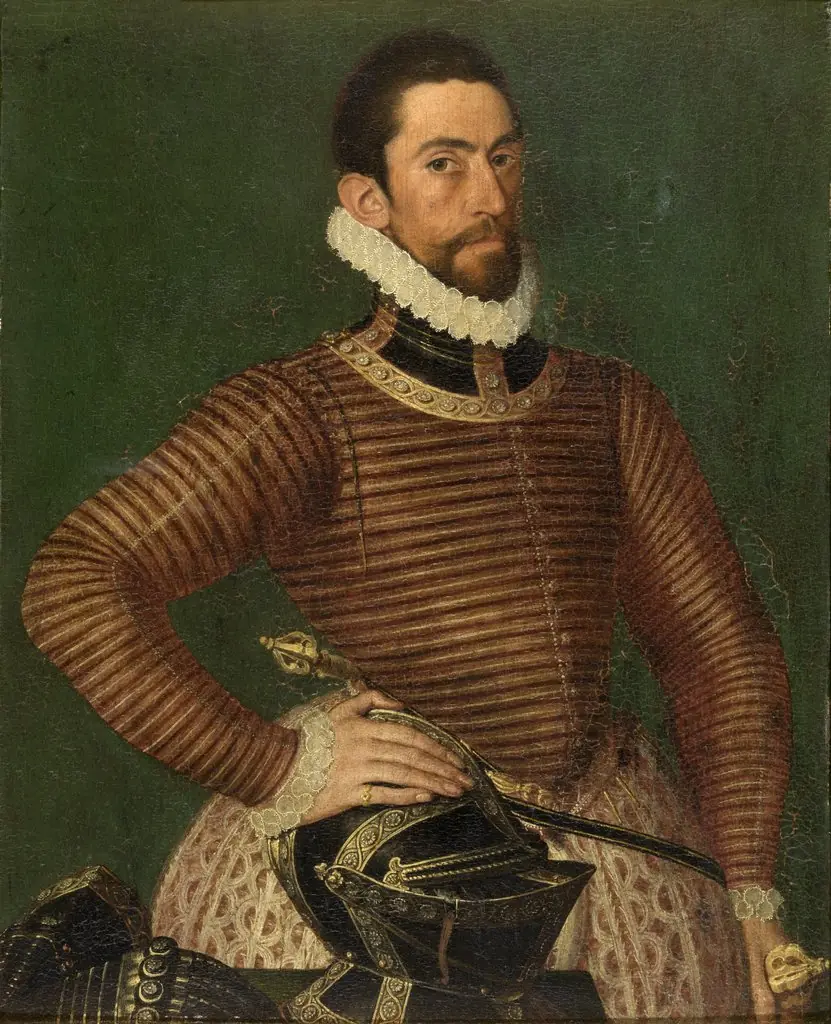 Gabriël Cambry
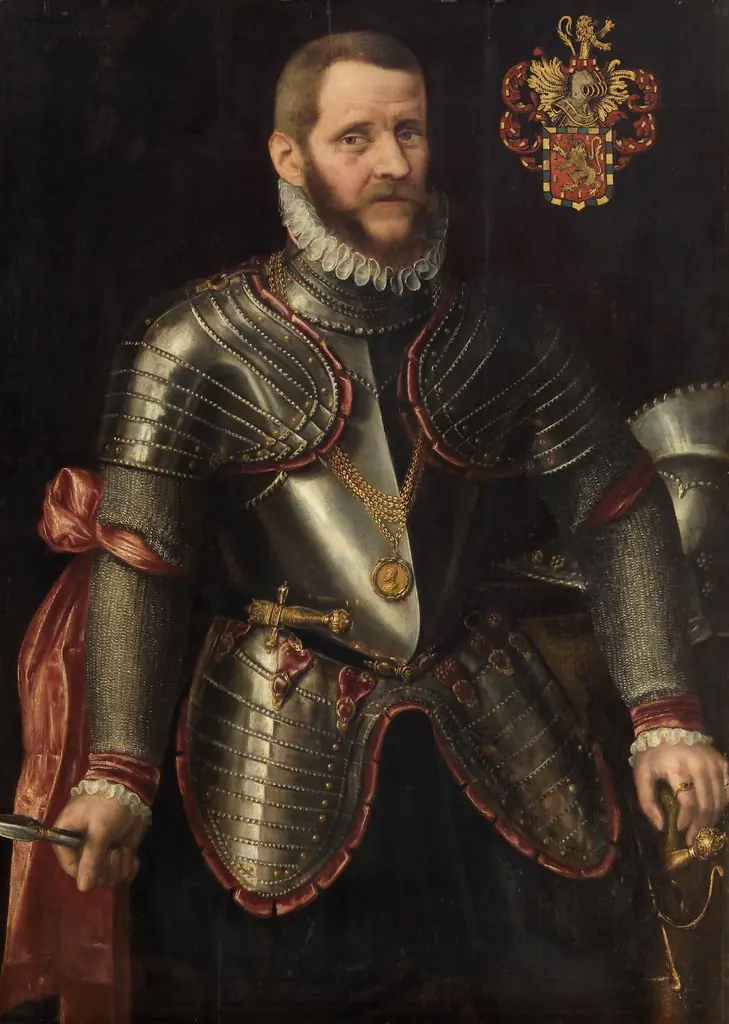 Offizier der spanischen Truppen in den Niederlanden
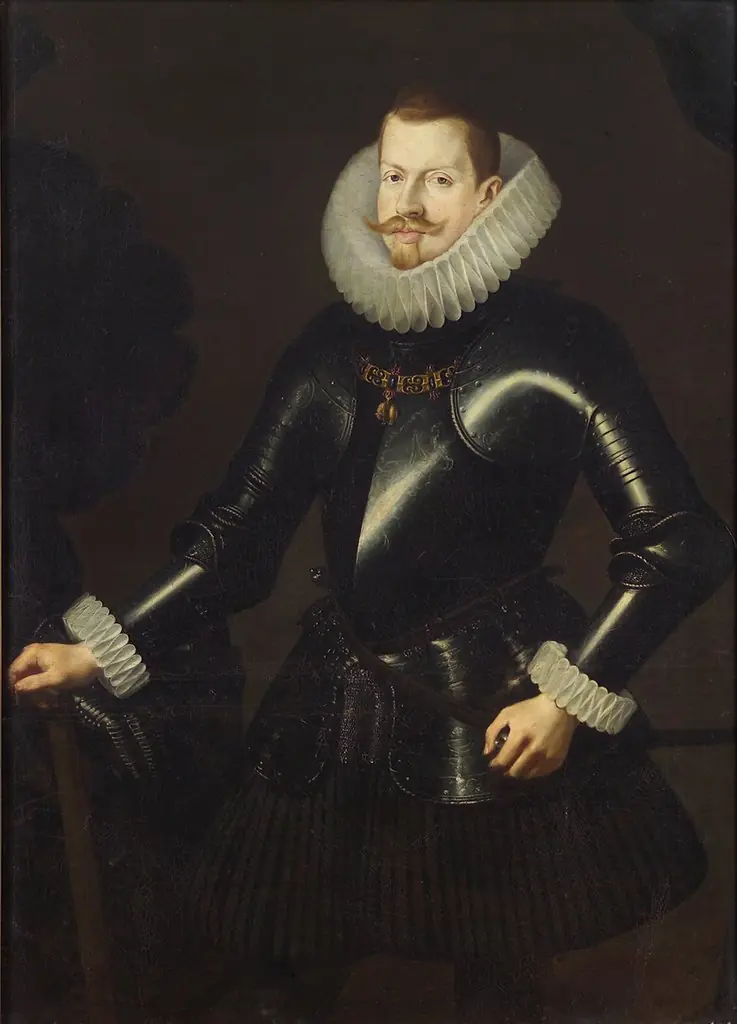 König Philipp III. von Spanien (1578-1621), Bildnis im Harnisch
 Königin Maria die Katholische (1516-1558) von England, Brustbild