Artwork
Don Inigo López de Mendoza y Zuniga
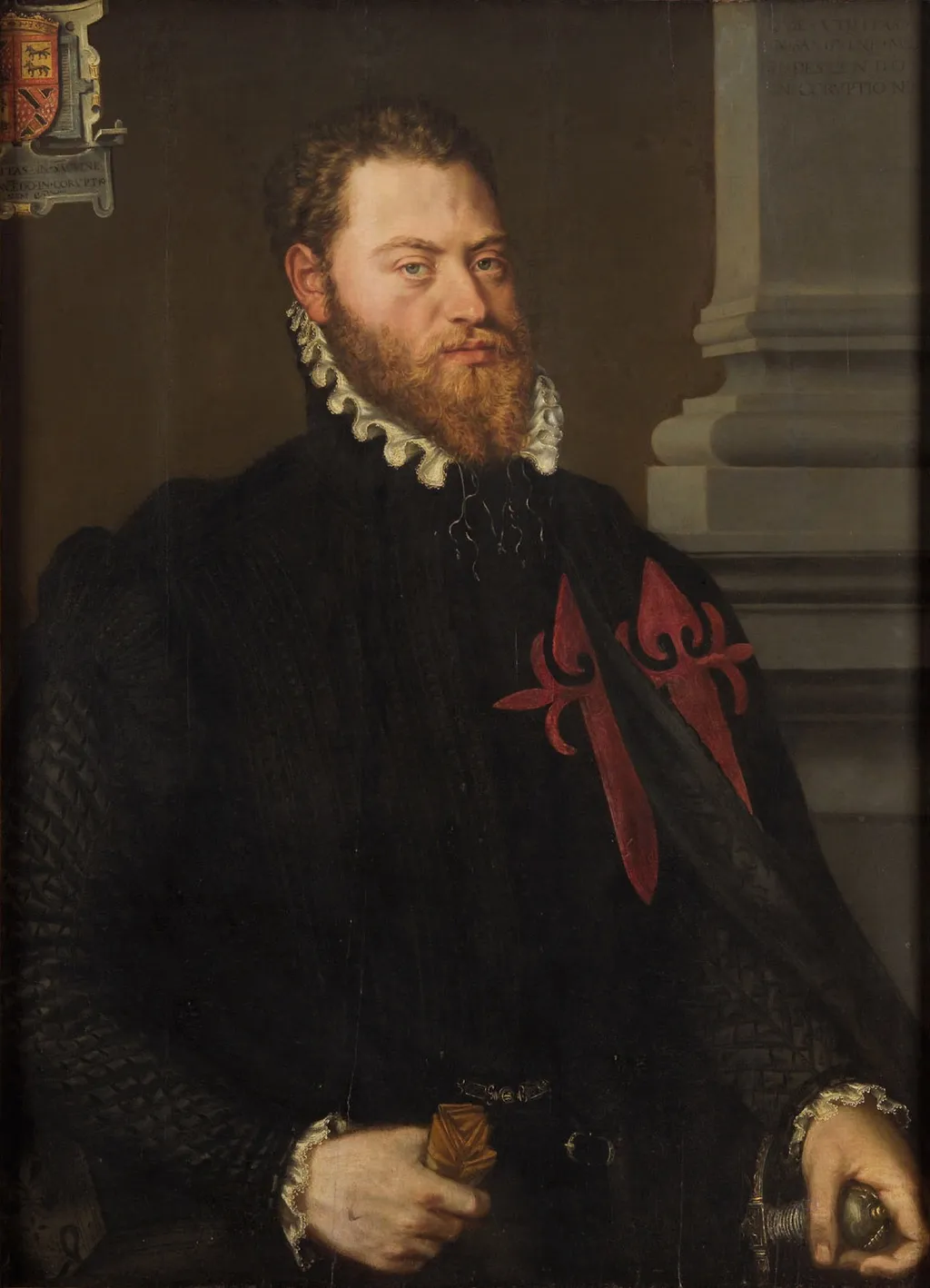
Don Inigo López de Mendoza y Zuniga is an unspecified painting by the Early Baroque Italian artist Frans Pourbus the Elder. It is held in the collection of the Kunsthistorisches Museum.
About this work
The use of dark colors and the prominent display of the red cross on his chest may indicate the subject's status or affiliation.
This portrait painting features a man with short brown hair, dressed in a black doublet adorned with a red cross on the chest. He wears a white ruffled collar and holds a brown object in his right hand. The background is a dark brown wall with a gray stone column to the right.
The man's attire and the style of the painting suggest a formal portrait from the early 17th century. The use of dark colors and the prominent display of the red cross on his chest may indicate the subject's status or affiliation.
To learn more about the artist who created this portrait, explore the works of Frans Pourbus the Elder.
Overview
Painted in 1600 by Frans Pourbus the Elder, this portrait captures Don Inigo López de Mendoza y Zuniga, a Spanish nobleman. Pourbus, a Flemish artist trained in a family of painters, specialized in precise, restrained portraiture. The work is held in the Kunsthistorisches Museum, Vienna, and reflects the transitional style between late Renaissance and early Baroque conventions, emphasizing dignity over ornamentation.
Subject & Meaning
The sitter, Don Inigo López de Mendoza y Zuniga, is depicted in formal attire, suggesting high social rank. The red cross on his black doublet likely signifies membership in a military or religious order, possibly the Order of Santiago. His grip on a brown object—perhaps a glove or document—reinforces his status as a man of authority. The composition avoids theatricality, favoring quiet solemnity consistent with Spanish aristocratic portraiture of the period.
Technique & Style
Pourbus rendered the portrait with meticulous detail, particularly in the texture of fabric and the crispness of the ruffled collar. Dark, muted tones dominate the background and clothing, drawing focus to the subject’s face and the red cross. Brushwork is controlled, with subtle modeling of light across the skin and fabric, reflecting Flemish precision rather than Italian dynamism. The stone column adds structural balance without distracting from the figure.
History & Provenance
The painting entered the Kunsthistorisches Museum’s collection as part of the Habsburg imperial holdings, likely acquired through diplomatic or familial networks between Spanish nobility and the Austrian court. Its attribution to Frans Pourbus the Elder is supported by stylistic parallels with his other portraits from the turn of the 17th century. No significant alterations or restorations are documented in museum records.
Context
During the early 1600s, Spanish nobles often commissioned portraits to affirm their lineage and affiliations, especially those tied to chivalric orders. Flemish artists like Pourbus were sought after in Iberian courts for their technical skill and restrained aesthetic. This portrait aligns with broader trends in Habsburg territories, where art served as a tool of political and social identity, blending Northern European detail with Iberian formality.
Legacy
Frans Pourbus the Elder’s work, though less celebrated than his son’s, contributed to the development of Northern European portraiture in Southern Europe. This painting exemplifies the cross-cultural exchange between Flanders and Spain, preserving the visual language of aristocratic identity during a period of imperial consolidation. It remains a quiet testament to the role of portraiture in documenting elite status beyond mere likeness.
Artist & collection
Artist
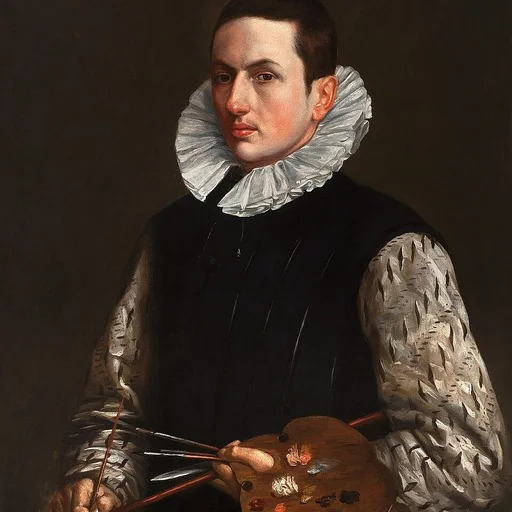
Frans Pourbus the Elder (Bruges, 1545 – Antwerp, 19 September 1581) was a Flemish Renaissance painter who is known primarily for his portraits and religious compositions, as well as a few genre scenes.

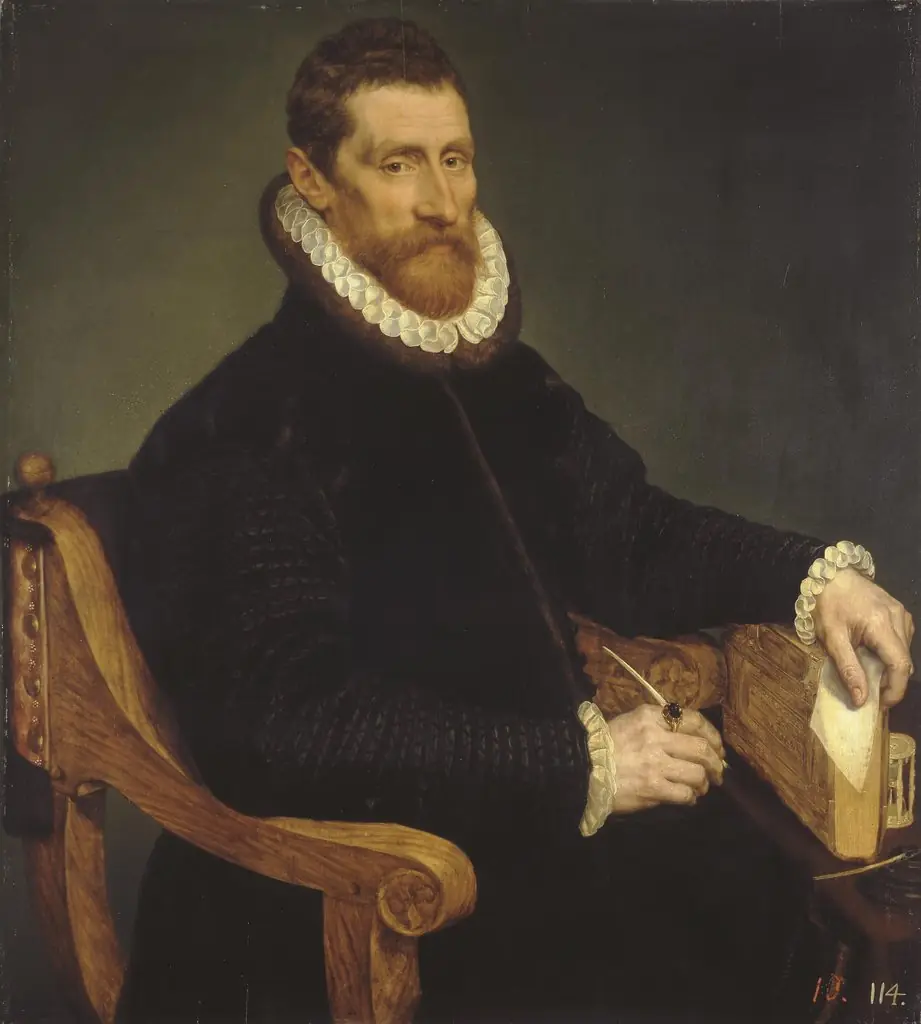
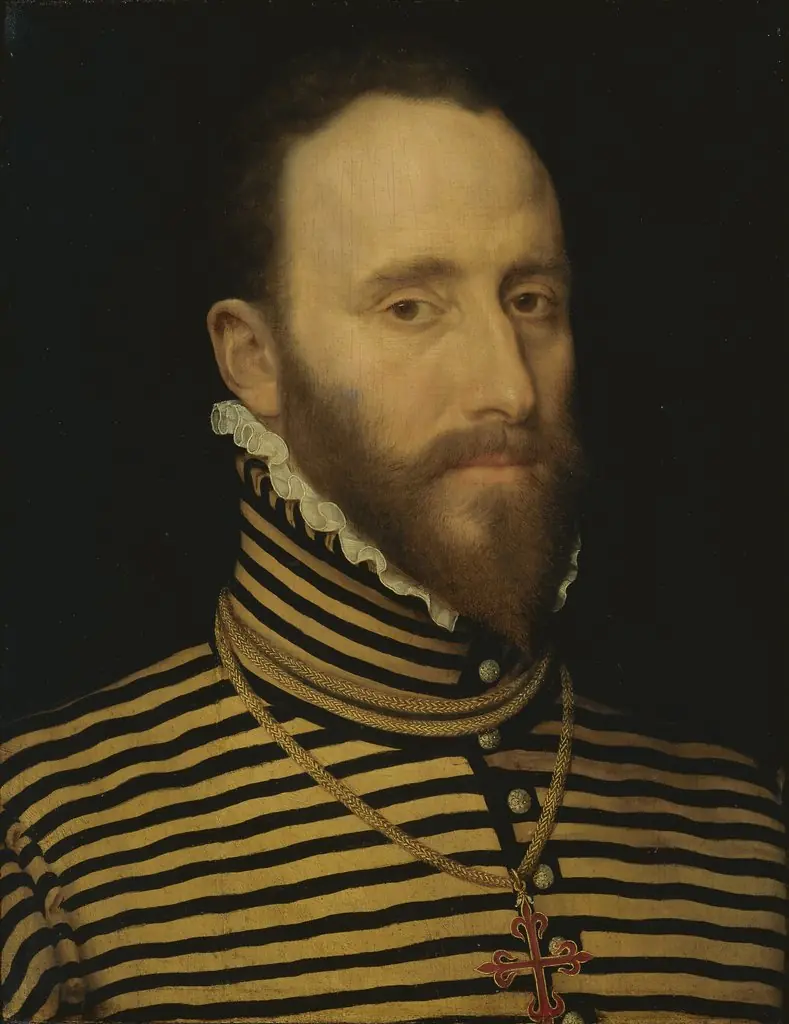
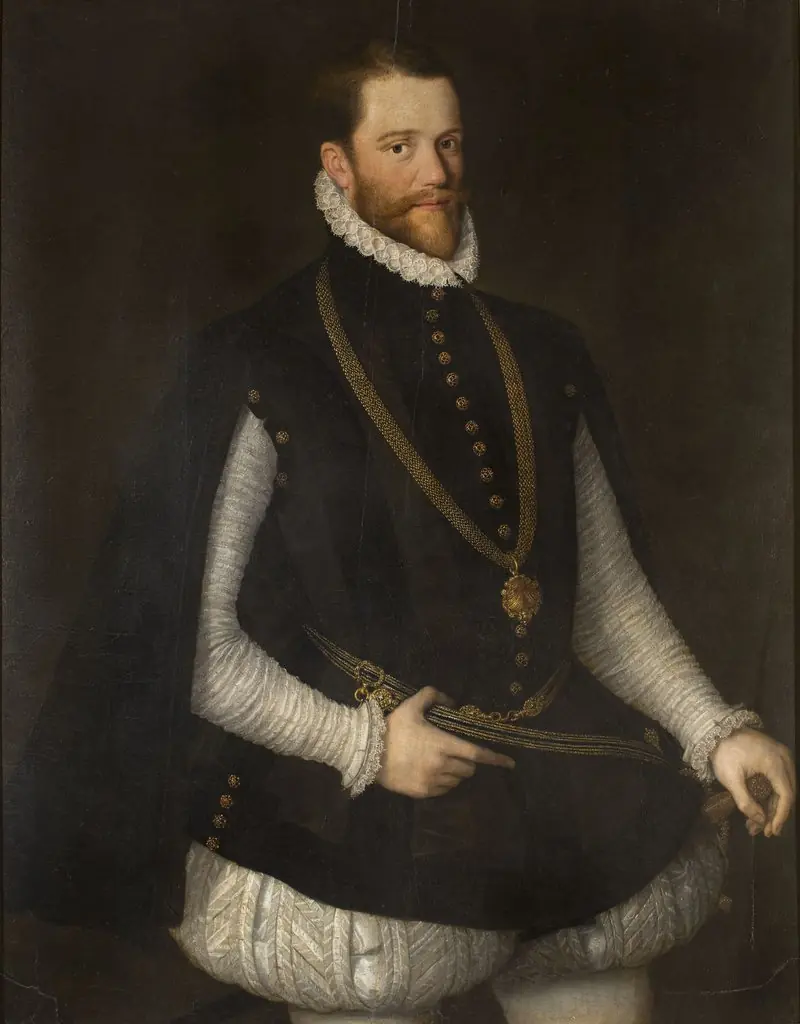 Portrait of a Gentleman of the order of Saint James
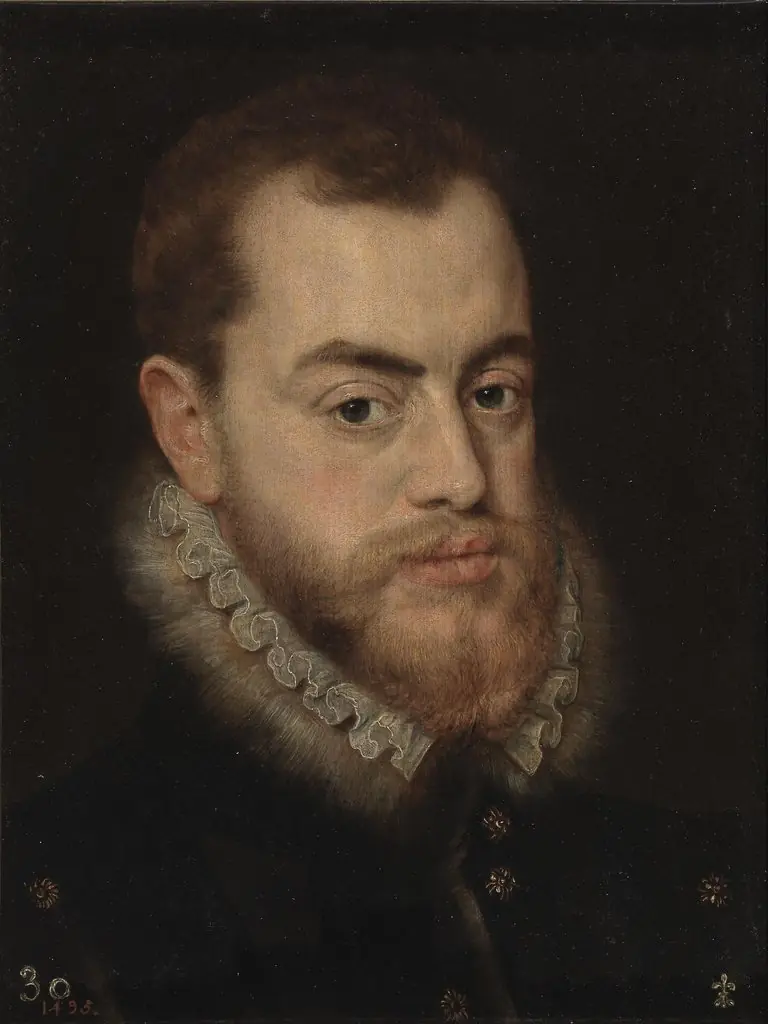 Philip II
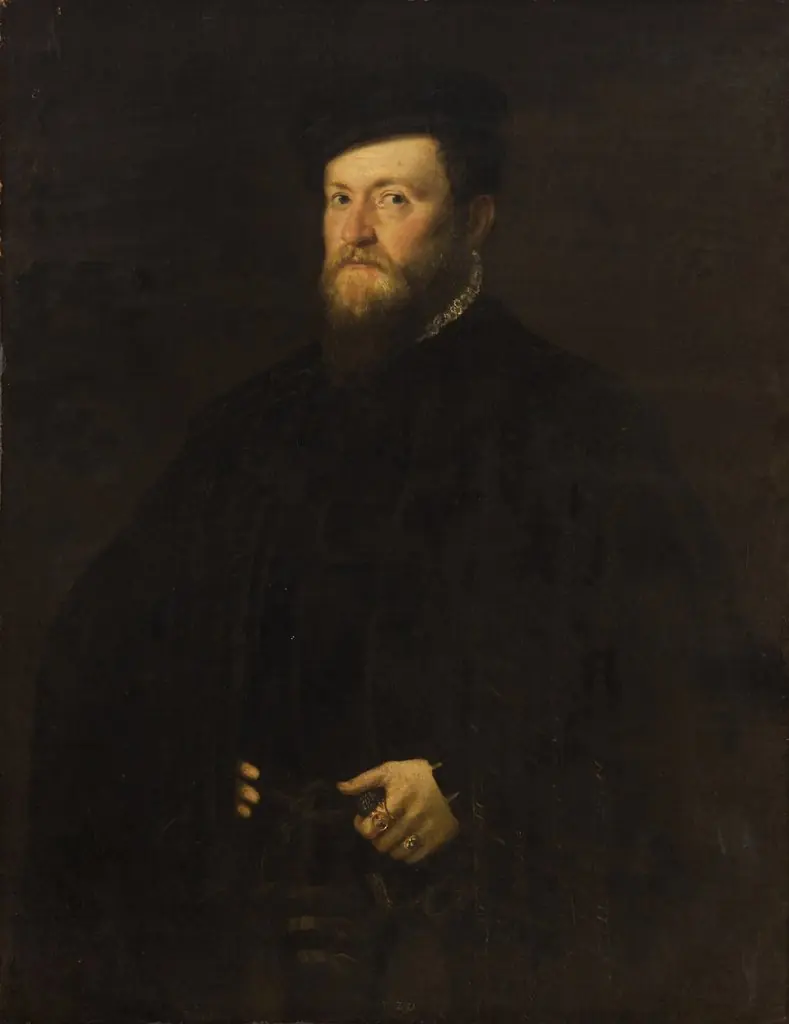 Portrait of a Man in a Cape
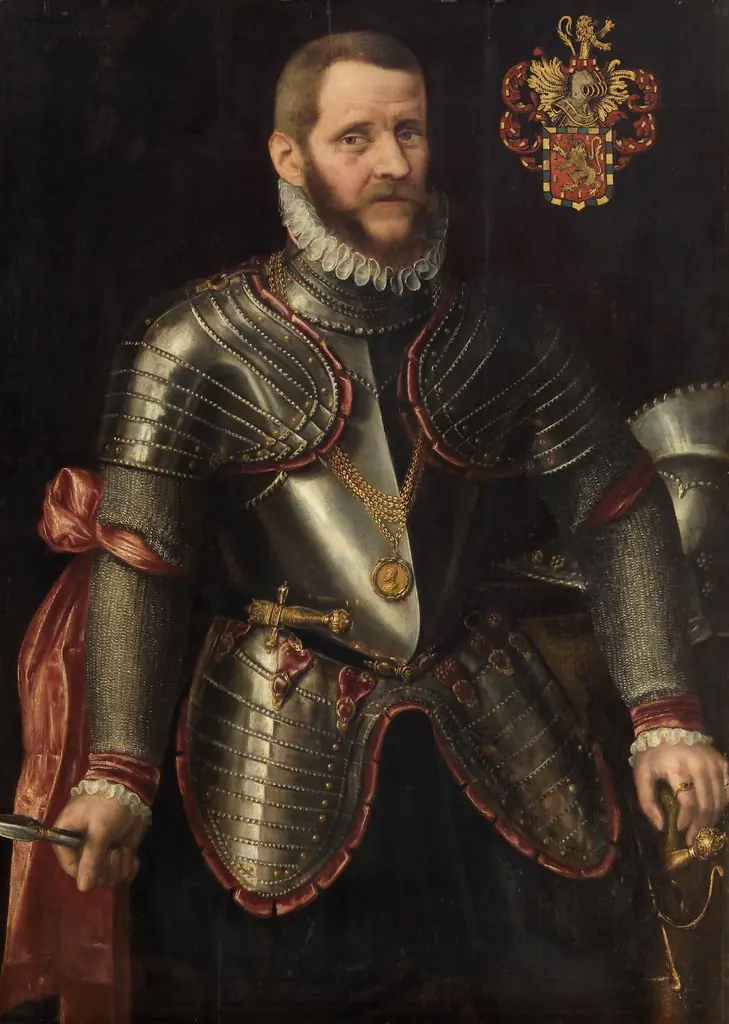 Offizier der spanischen Truppen in den Niederlanden
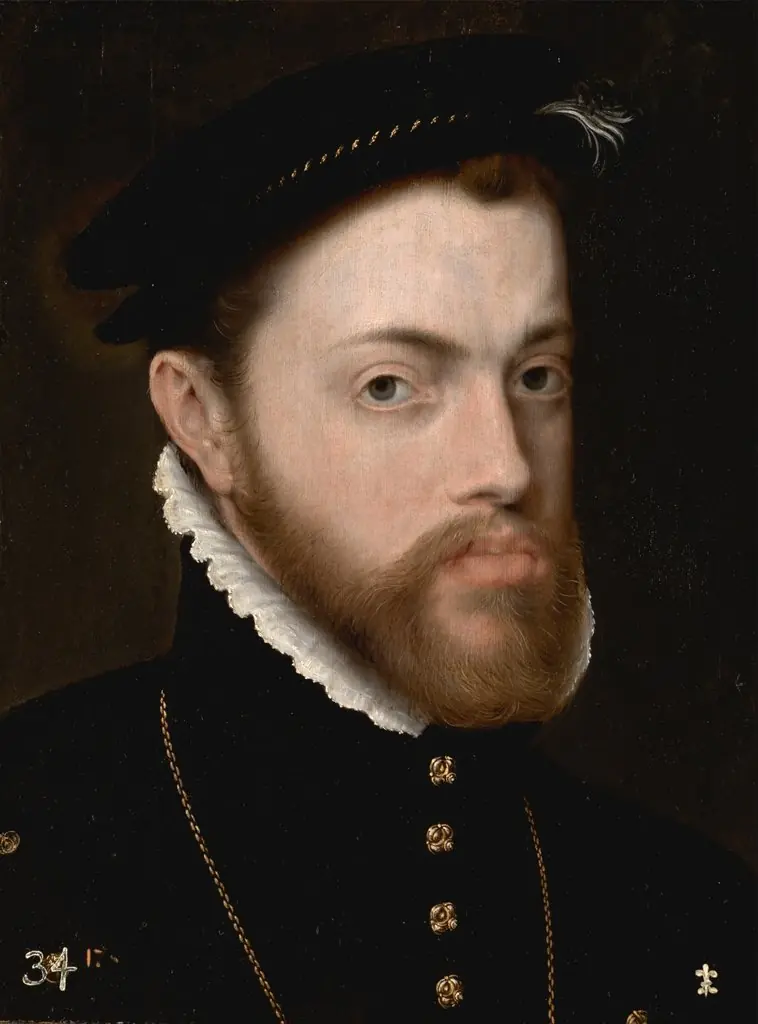 Philip II
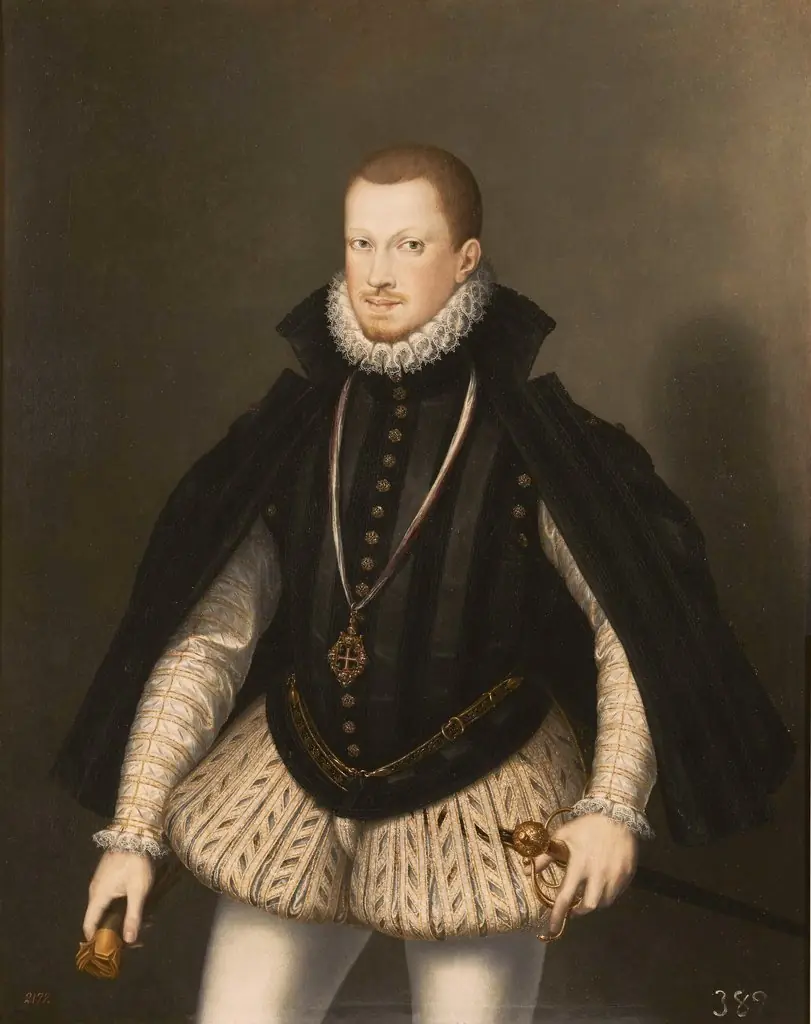 Don Sebastián rey de Portugal
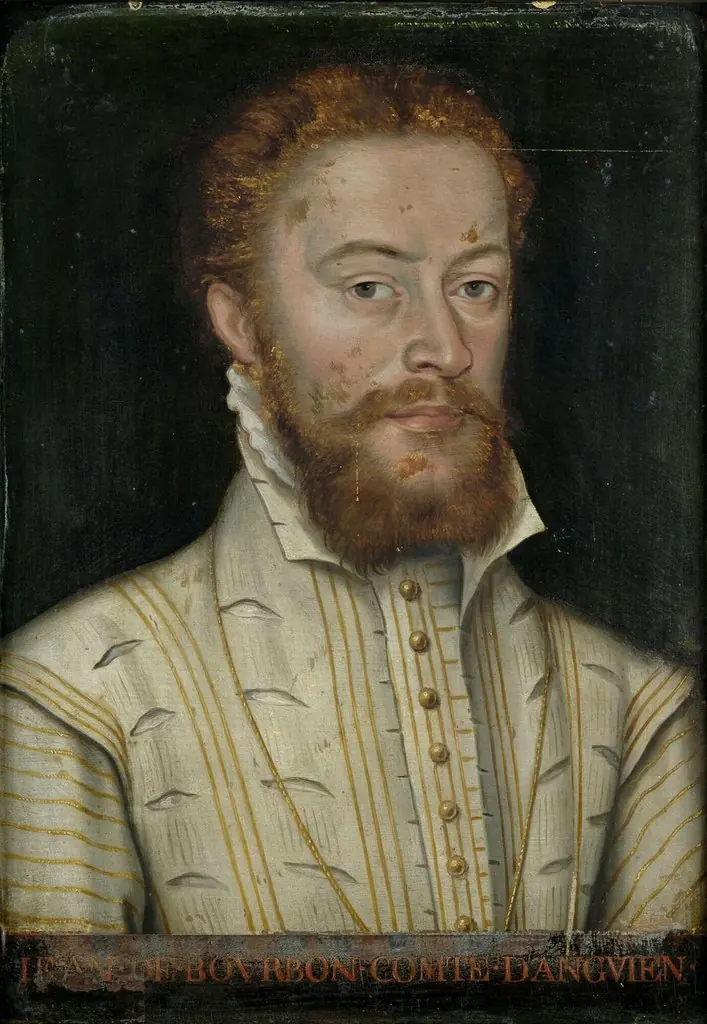 Jean de Bourbon, comte de Soissons et d'Enghien
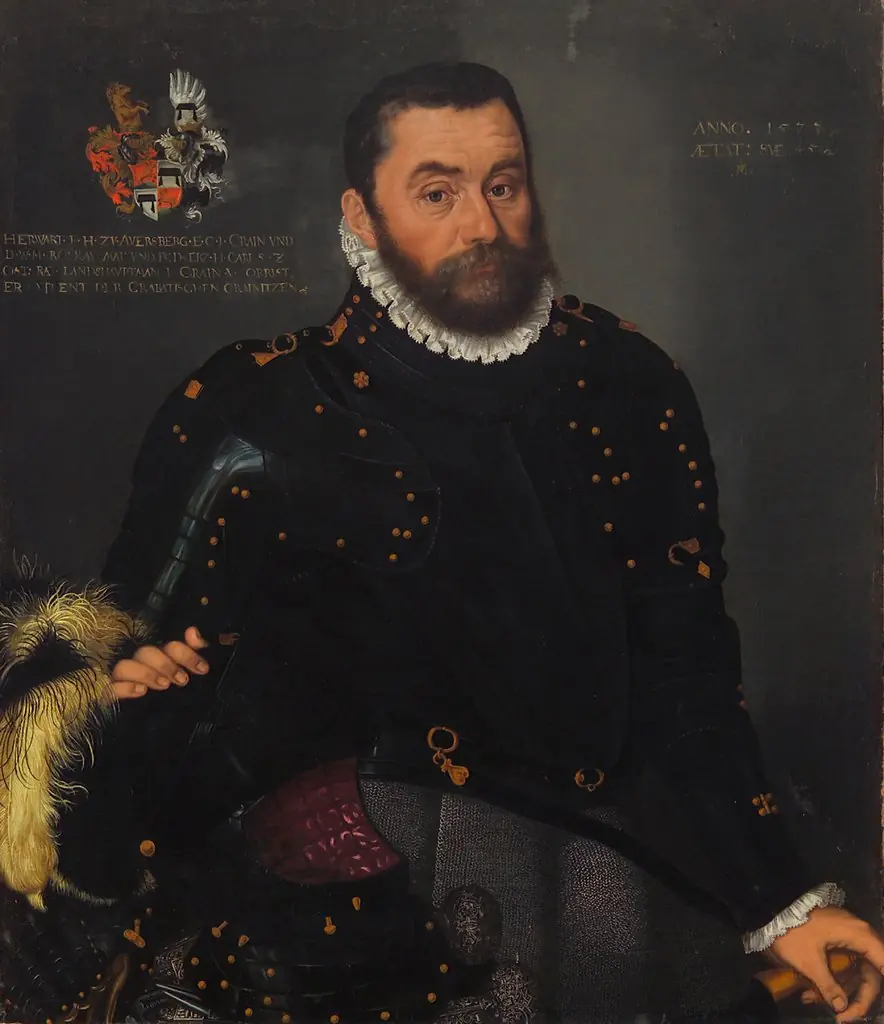 Herwart VIII. Freiherr von Auersperg (1528-1575)
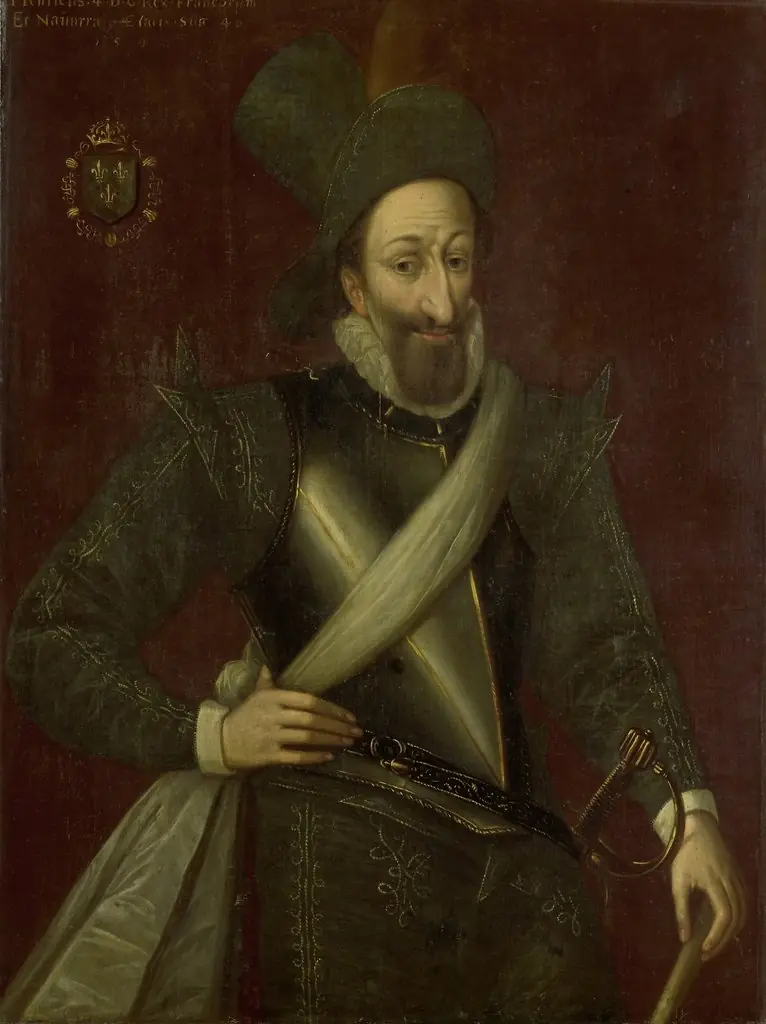 Henri IV (1553-1610), King of France
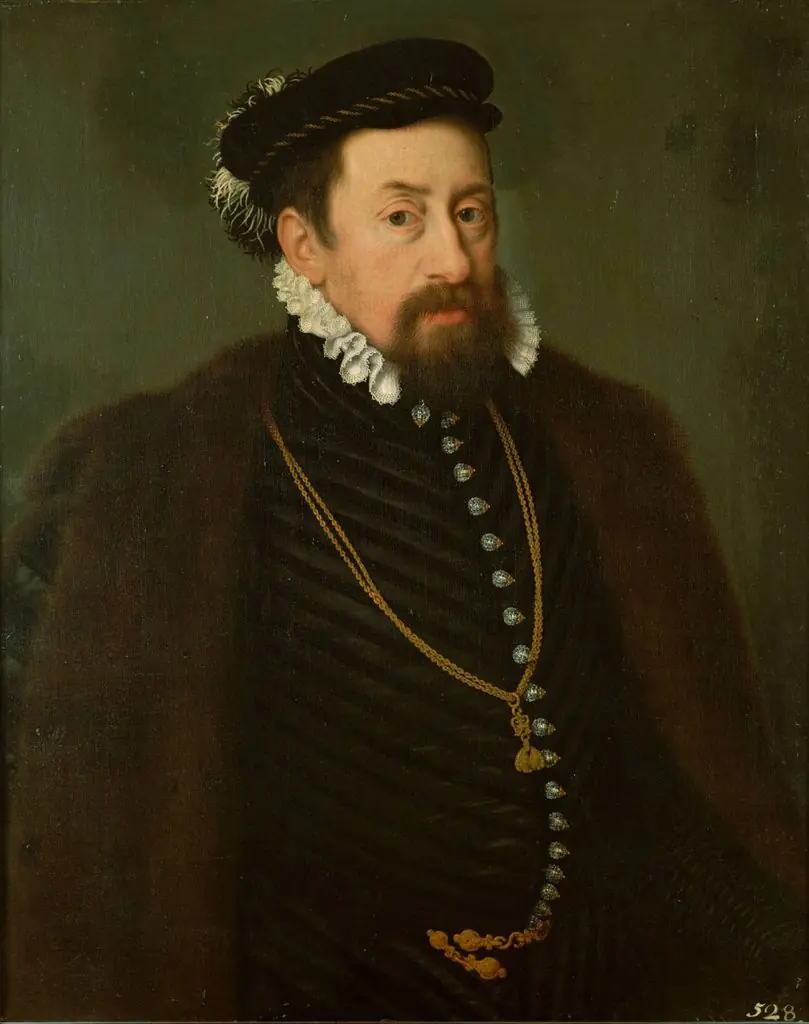 Kaiser Maximilian II. (1527-1576) als etwa Vierzigjähriger
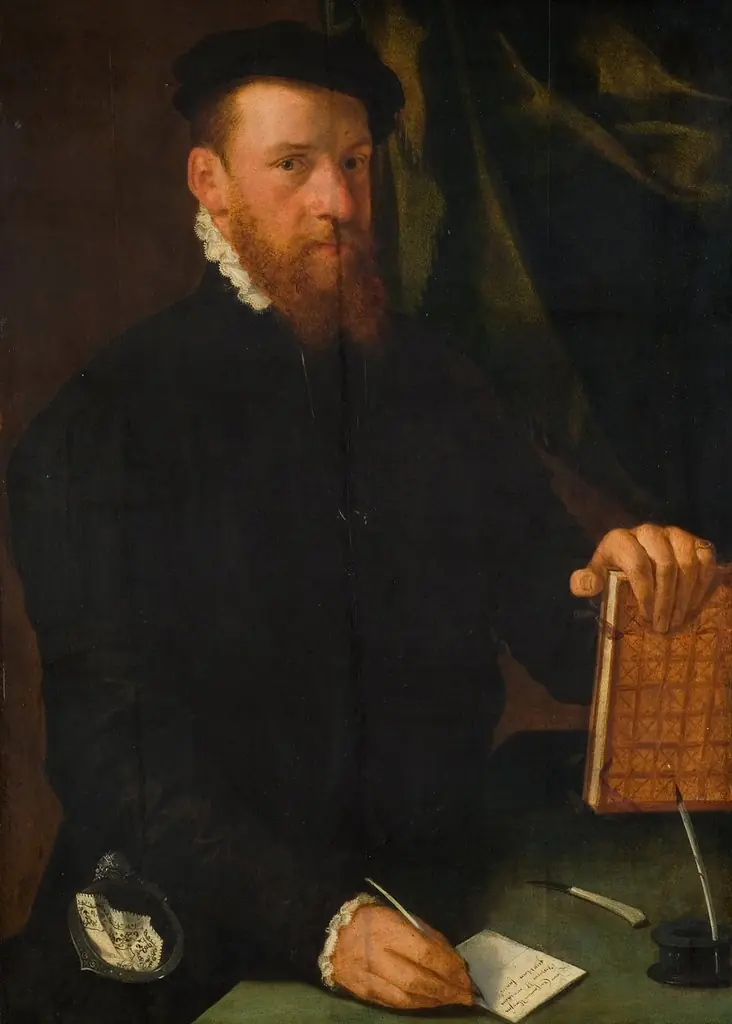 Männliches Bildnis
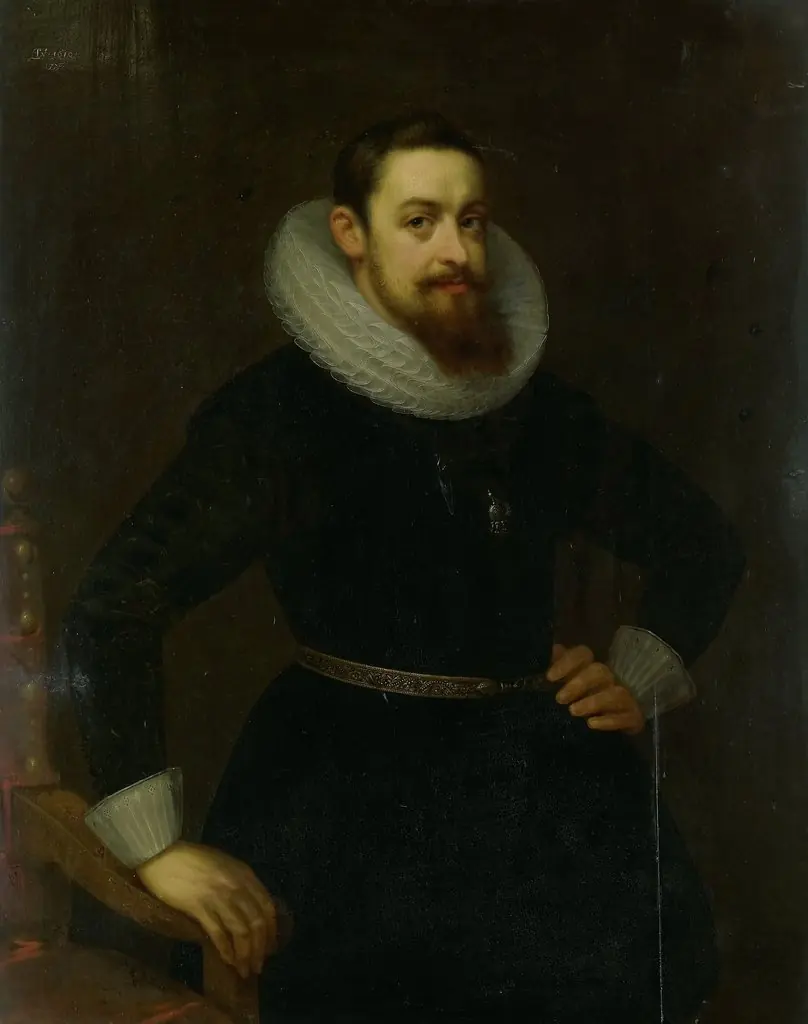 Portrait of Jeremias Boudinois