Artwork
Philibert, Markgraf, Sohn Bernhards III., gestorben 1569
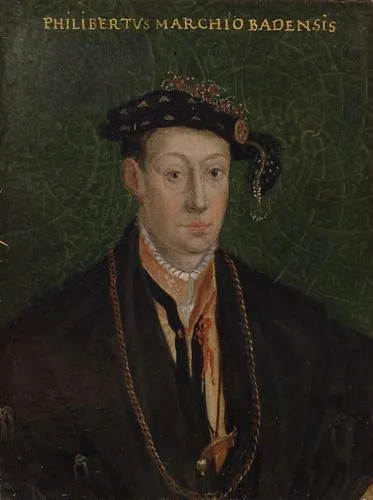
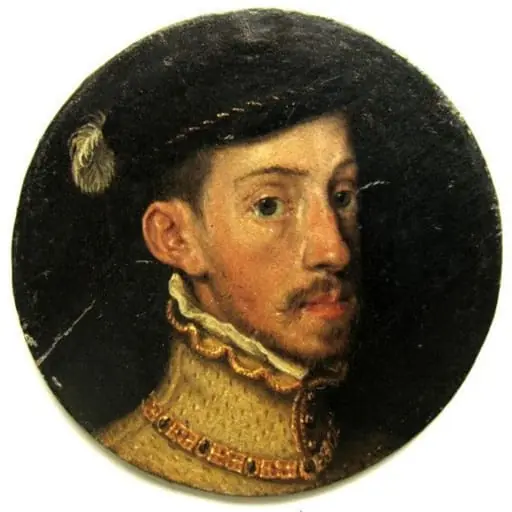
Philibert, Markgraf, Sohn Bernhards III., gestorben 1569 is an unspecified painting by the Early Baroque Italian artist Unknown. It dates from 1550 and is held in the collection of the Kunsthistorisches Museum. The work is a portrait painting depicting a male figure dressed in a dark, fur‑trimmed coat with a high, stiff collar.
About this work
Overview
The work is a portrait painting depicting a male figure dressed in a dark, fur‑trimmed coat with a high, stiff collar. He wears a feathered hat adorned with a small jewel and a conspicuous chain around his neck. The background consists of a deep green field subtly patterned with leaf motifs, which serves to isolate the sitter’s face and emphasize his solemn expression.
Subject & Meaning
Although the inscription at the top reads *Philibertus Marchio Badenis*, the likeness aligns with contemporary depictions of Charles V, Holy Roman Emperor. The attire and regalia—particularly the fur coat, jeweled hat, and ornamental chain—signal high rank and authority, suggesting the portrait was intended to convey the sitter’s political stature and personal gravitas.
Technique & Style
Executed in oil on panel, the painting employs a restrained palette dominated by dark tones, allowing the illuminated facial features to emerge from the surrounding gloom. Fine brushwork renders the texture of the fur and the sheen of the jewelry, while the softly rendered foliage in the background provides a muted atmospheric depth without detracting from the central figure.
History & Provenance
The portrait is catalogued under the title *Philibert, Markgraf, Sohn Bernhards III., gestorben 1569*, indicating an initial identification with a German margrave. Over time, scholarly reassessment has linked the image to the imperial portrait tradition of Charles V, reflecting shifting attributions common in the study of early modern portraiture.
Context
Created in the mid‑16th century, the painting belongs to a period when portraiture served both as a record of elite identity and as a tool of dynastic propaganda. The use of luxurious fabrics and insignia mirrors the visual language employed by courts across the Holy Roman Empire to assert legitimacy and reinforce hierarchical order.
Artist & collection

 Domestic Scene
 Giacomo and Cardinal Marco, investing Andrea, Abbot of San Zeno, with his Benefice
 The Nymph of Fontainebleau
 Portrait of a Woman
 Madonna and Child with Saints in the Enclosed Garden
 Venus and Minerva
 Family Group of Four on Sofa
 Wall painting from Room H of the Villa of P. Fannius Synistor at Boscoreale
 Portrait of a Man
 Portrait of Duke Charles of Angoulême
 Emperor Charles V
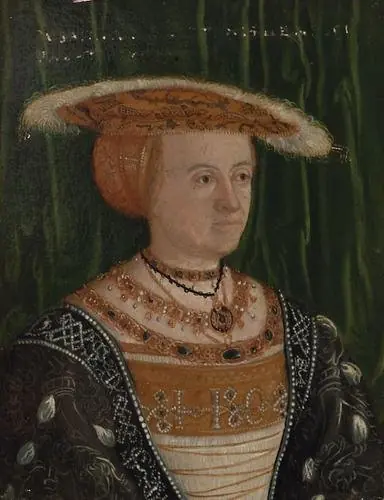 Bildnis der Susanna von Bayern
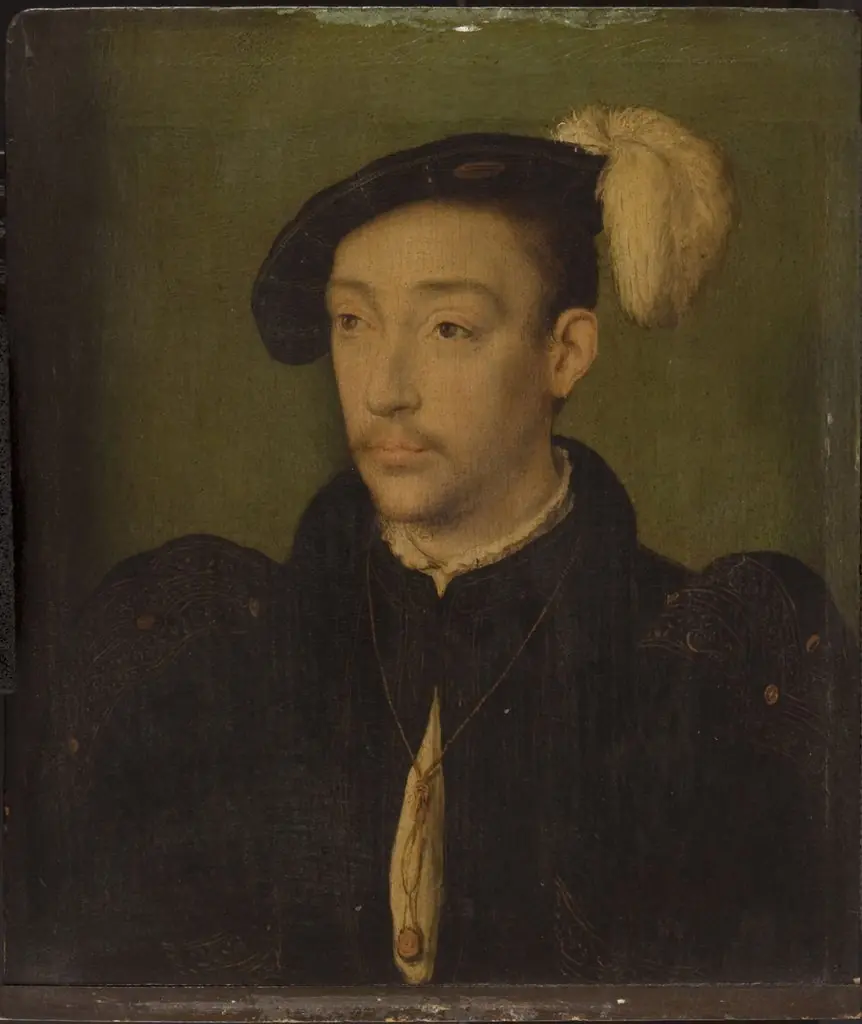 Portrait of the Dauphin Francis, Son of Francis I
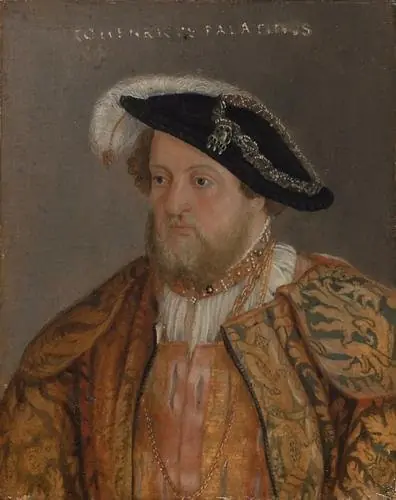 Otto Heinrich d. Großmütige, Neffe Ludwigs V. geboren 1502, gestorben 1559
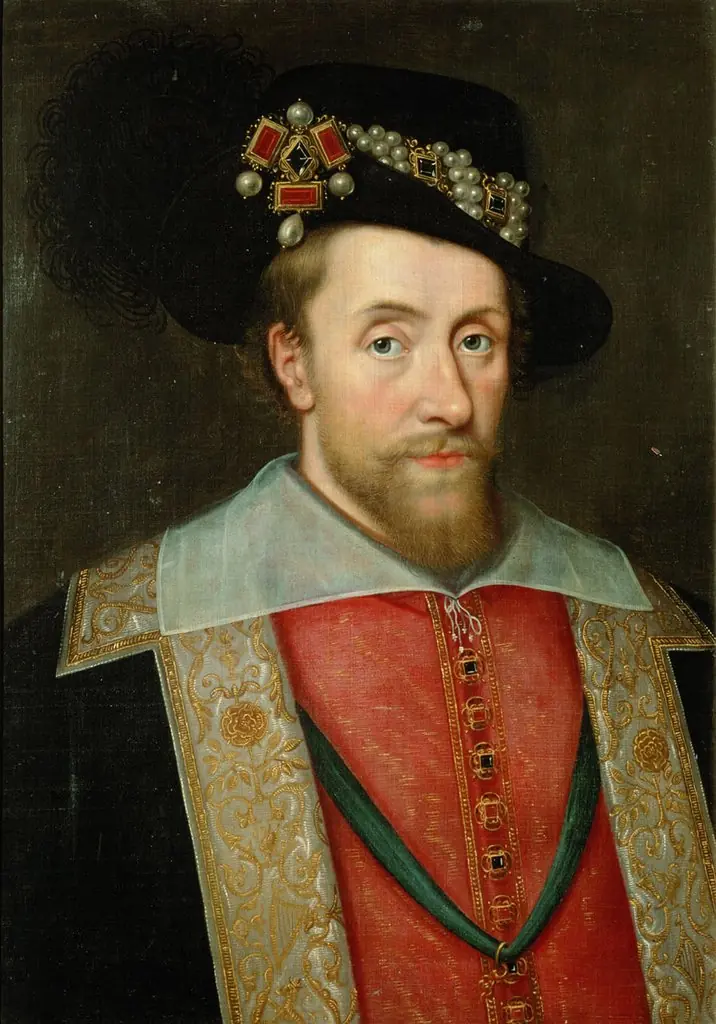 Portrait of James I with The Three Brothers
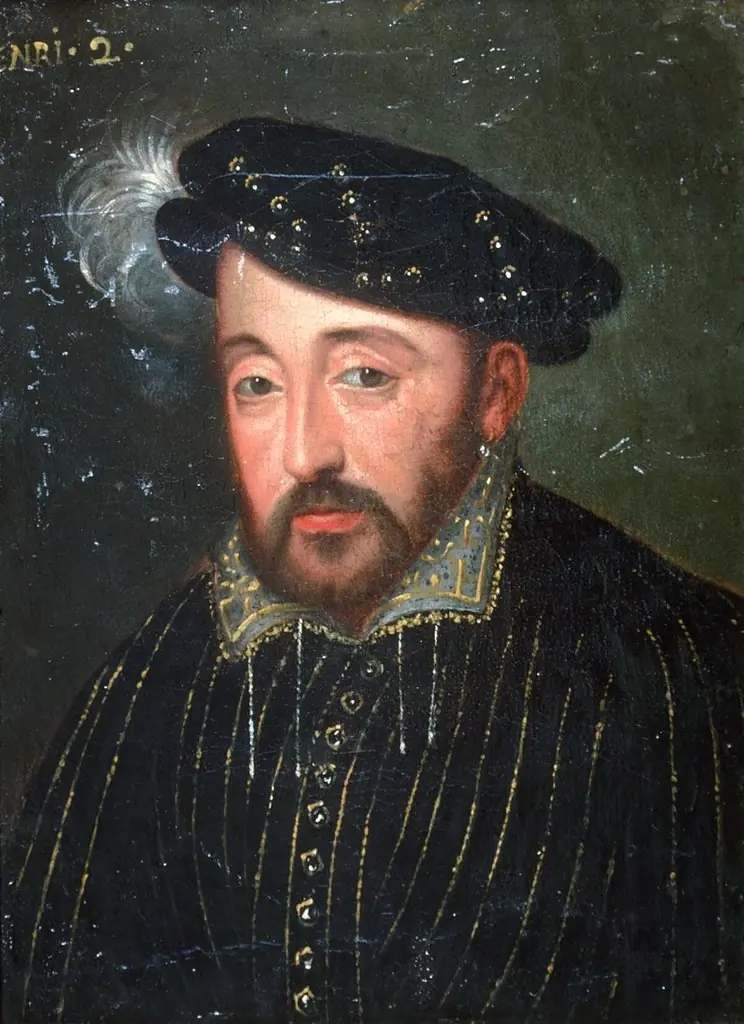 Henri II, King of France
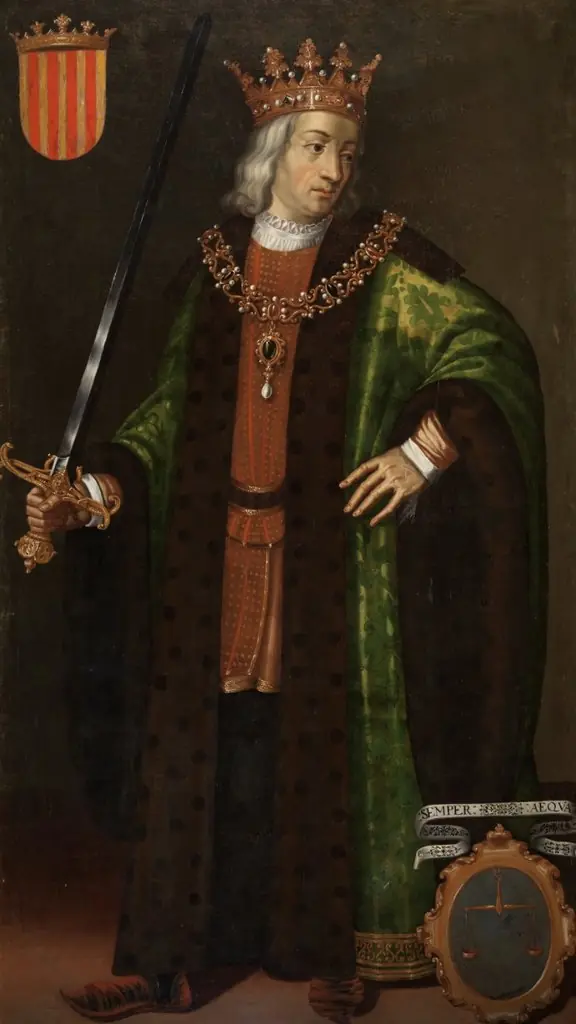 Jaime II El Justo rey de Aragón
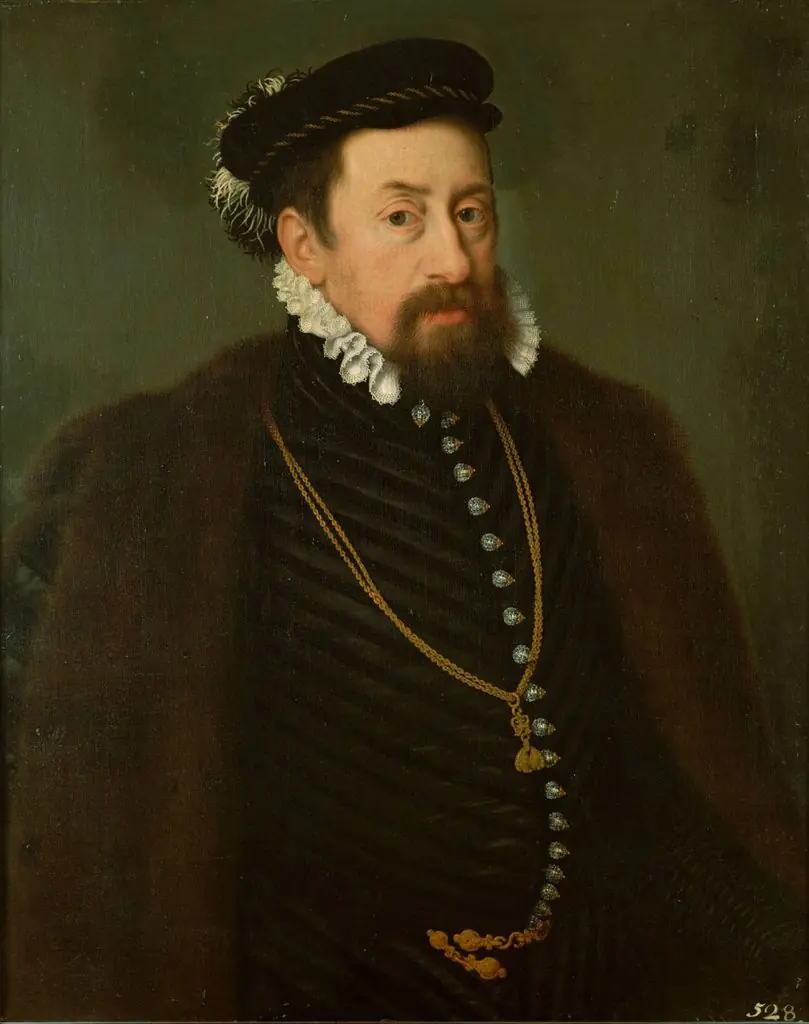 Kaiser Maximilian II. (1527-1576) als etwa Vierzigjähriger
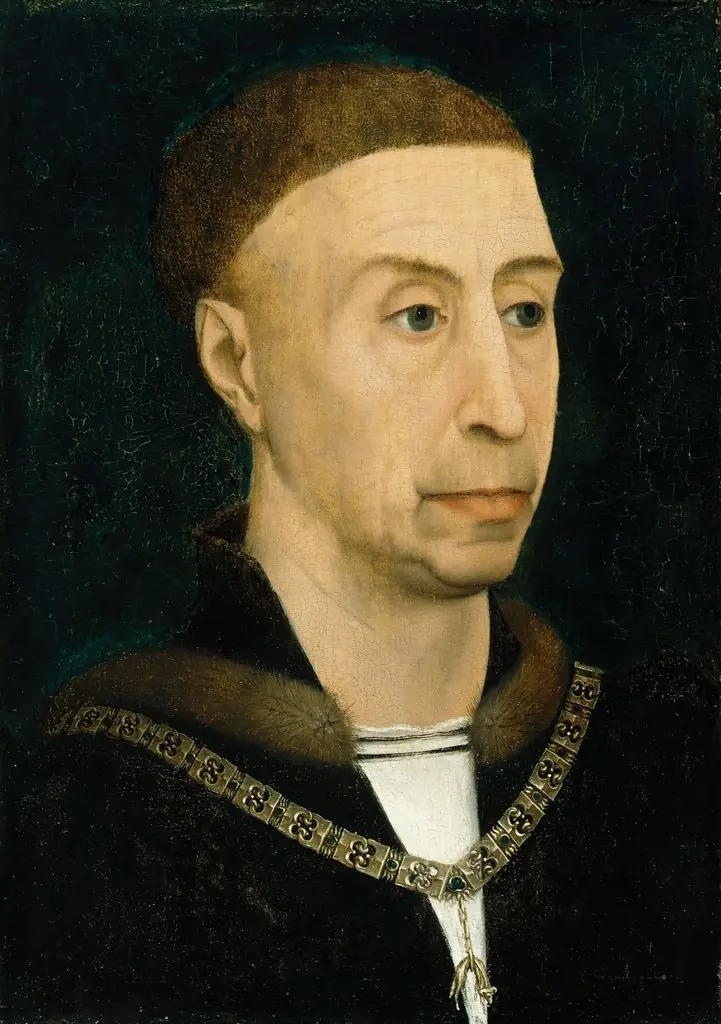 Portrait of Philip the Good, Duke of Burgundy
 Philip al II-lea al Spaniei