Artwork
Jaime II El Justo rey de Aragón
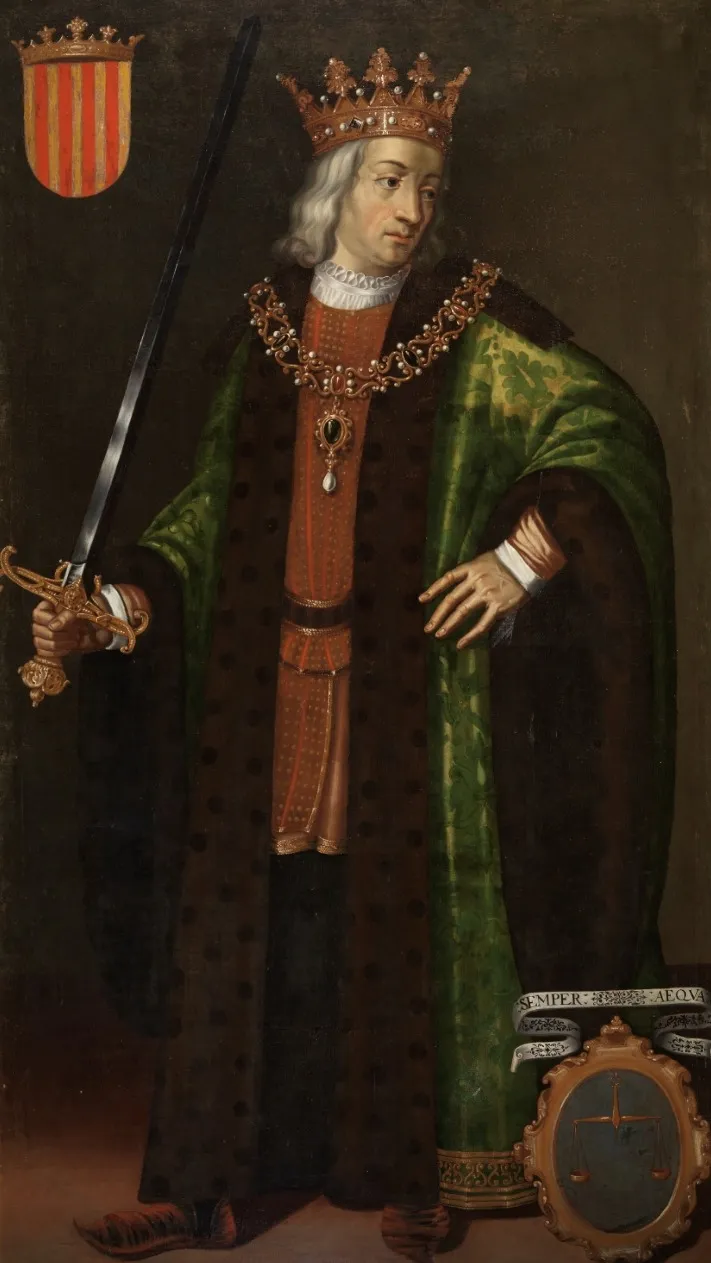
Jaime II El Justo rey de Aragón is an oil painting by the Flemish Baroque painting artist Unknown. It dates from 1634 and is held in the collection of the Museo del Prado. This oil painting depicts Jaime II, King of Aragon, portrayed in full regalia.
About this work
Overview
The dark background enhances the focus on the figure, using strong contrasts of light and shadow to model form and convey gravitas.
This oil painting depicts Jaime II, King of Aragon, portrayed in full regalia. He is shown standing, dressed in a long green robe, adorned with a crown and an elaborate necklace. His right hand grips a finely detailed sword, while a small shield with red and gold stripes appears in the upper left corner. The dark background enhances the focus on the figure, using strong contrasts of light and shadow to model form and convey gravitas.
Subject & Meaning
Jaime II is presented as a sovereign vested with both temporal and symbolic authority. The sword signifies his role as a military leader and protector of the realm, while the crown and necklace denote royal status. The shield, bearing the traditional colors of Aragon, reinforces his dynastic identity. The composition avoids narrative action, instead emphasizing dignity and permanence, aligning with the conventions of royal portraiture in the late medieval period.
Technique & Style
The artist employs chiaroscuro to define the king’s form against the deep background, giving volume to the robe and accessories. The textures of fabric, metal, and jewelry are rendered with careful attention, though the style remains restrained and formal. The background is minimal, directing focus to the figure. The shield is rendered with subtle detail, suggesting heraldic significance without dominating the composition.
History & Provenance
The painting likely dates to the late 14th or early 15th century, produced during or shortly after Jaime II’s reign (1291–1327). It may have been commissioned to affirm royal legitimacy or displayed in a royal residence or administrative center. Its survival suggests it was valued within Aragonese circles, though its early ownership and movement through collections remain undocumented in available records.
Context
During Jaime II’s rule, the Crown of Aragon expanded its influence across the Mediterranean, balancing political alliances and military campaigns. Portraits of rulers from this era often emphasized continuity and divine sanction, avoiding overt individuality in favor of institutional authority. This work reflects the broader trend of using visual imagery to reinforce monarchical power in a period of territorial consolidation and dynastic assertion.
Legacy
As a rare surviving portrait of Jaime II, the painting serves as a visual anchor for understanding how Aragonese royalty was represented in the late Middle Ages. While not widely known outside regional art history, it contributes to the study of Iberian court portraiture and the symbolic language of kingship. Its preservation offers insight into the material culture and visual priorities of a medieval monarchy seeking to project enduring authority.
Artist & collection

 Domestic Scene
 Giacomo and Cardinal Marco, investing Andrea, Abbot of San Zeno, with his Benefice
 The Nymph of Fontainebleau
 Portrait of a Woman
 Madonna and Child with Saints in the Enclosed Garden
 Venus and Minerva
 Family Group of Four on Sofa
 Wall painting from Room H of the Villa of P. Fannius Synistor at Boscoreale
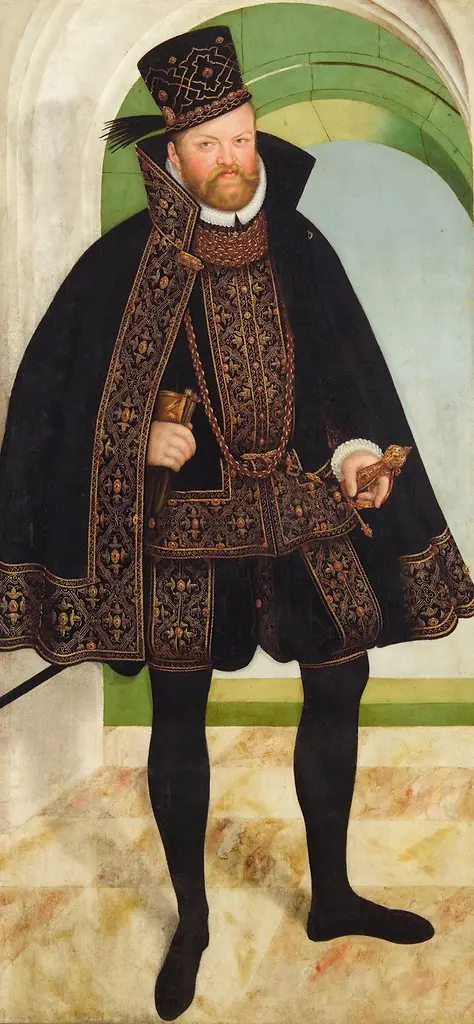 Augustus, Elector of Saxony (1526-1586)
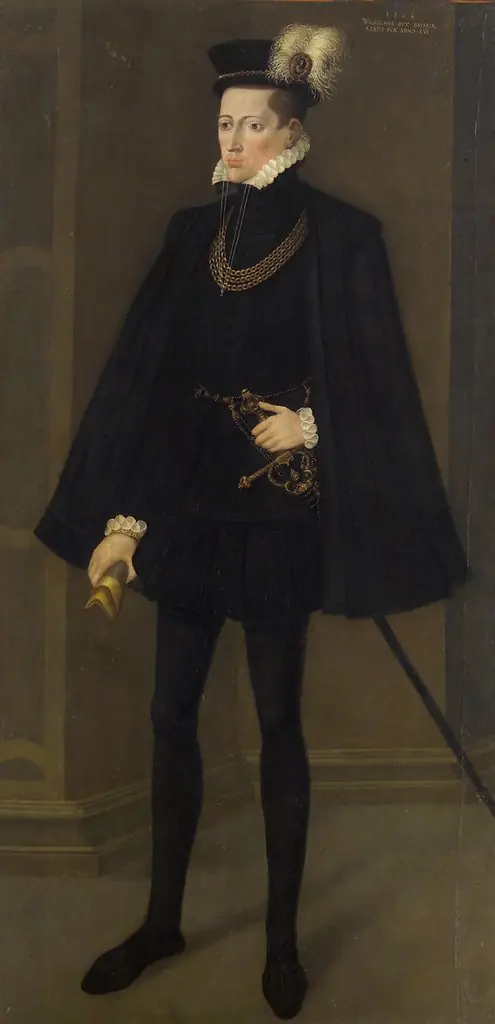 Herzog Wilhelm V. (1548-1626) von Bayern im Alter von 16 Jahren
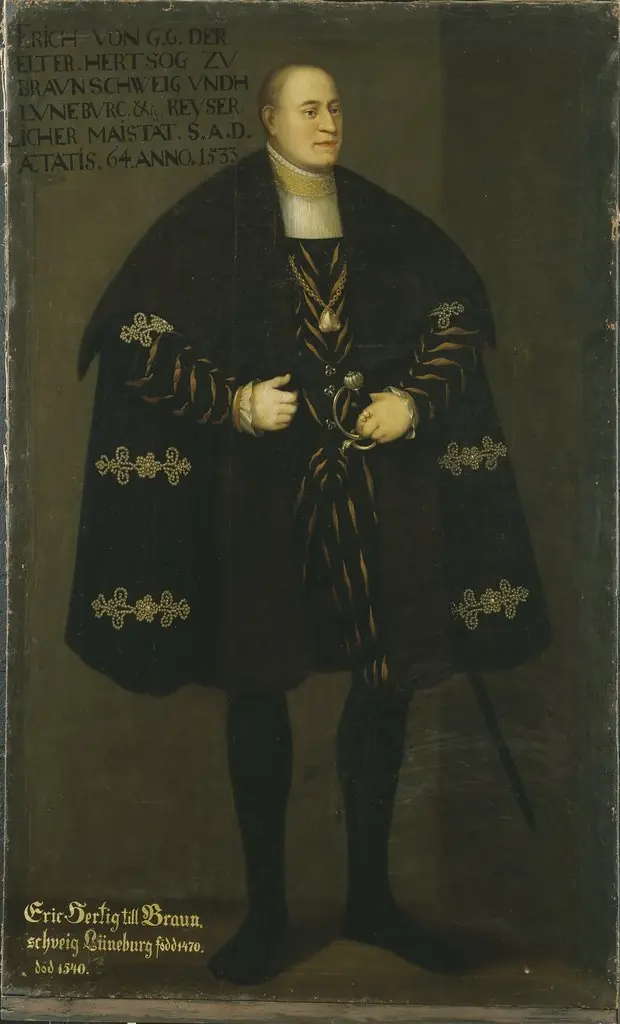 Erik I, 1470-1549, hertig av Braunscweig-Calenberg
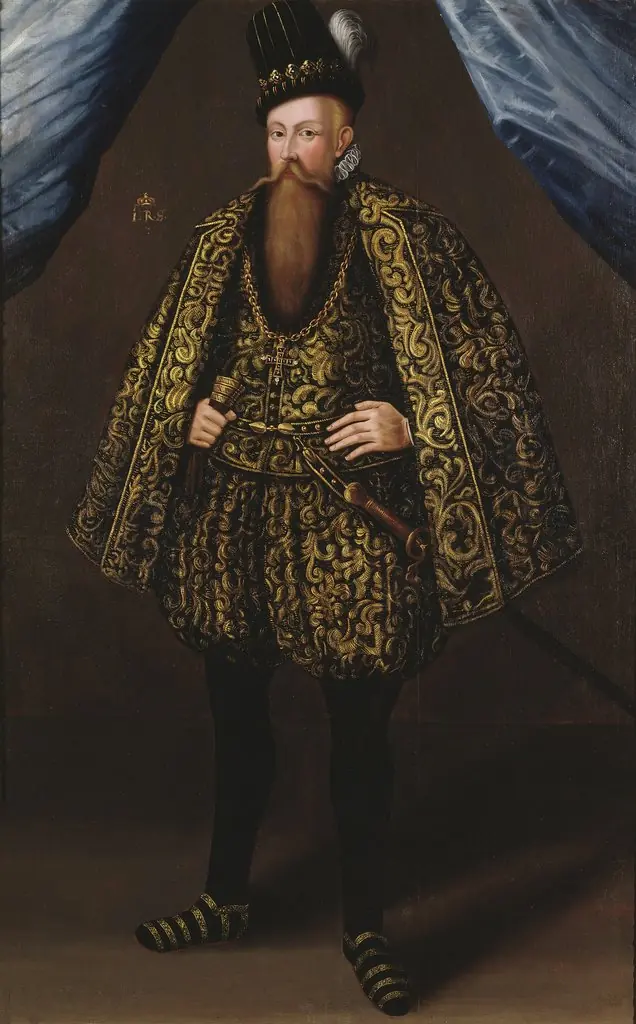 Johan III, 1537-92, konung av Sverige
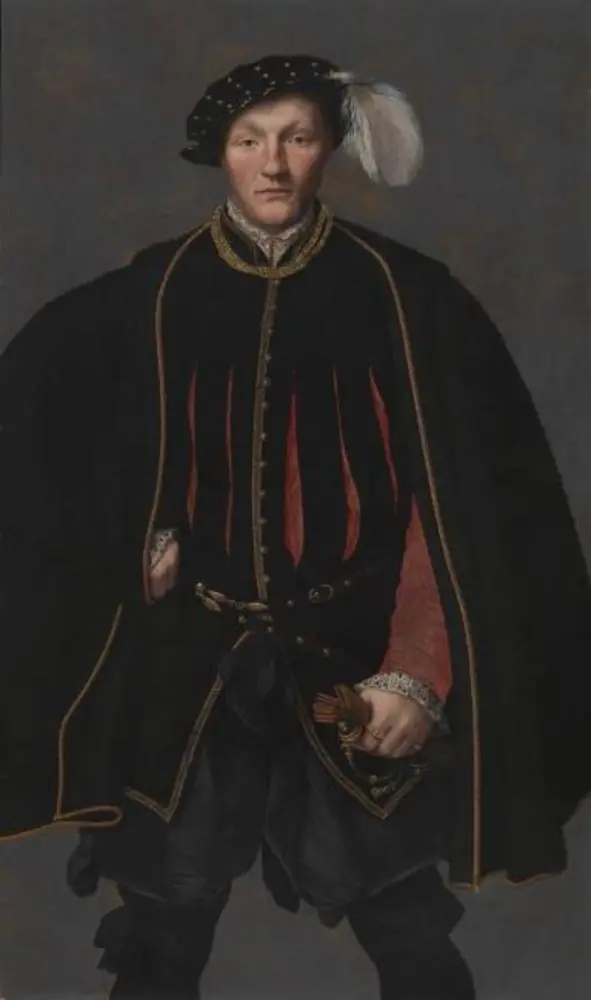 Portrait of a Gentleman, probably of the West Family
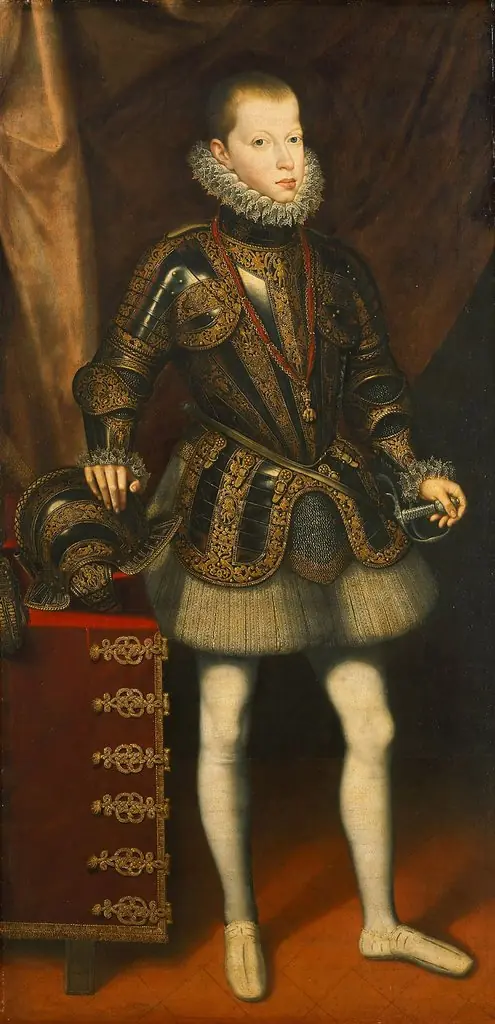 Infant Philipp in einem Harnisch
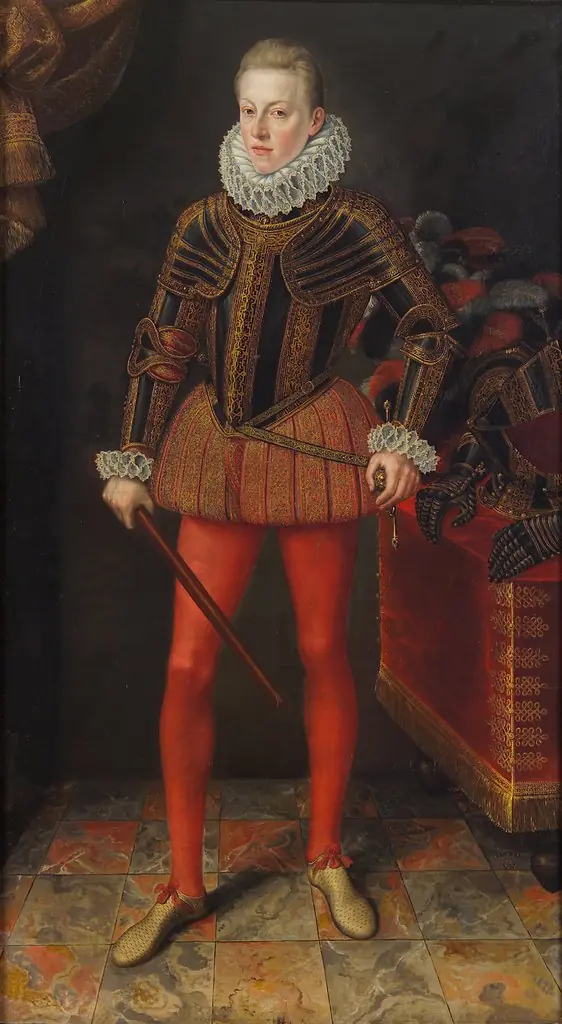 Portrait of Matthias II of Habsburg (1557-1619), the future Holy Roman Emperor
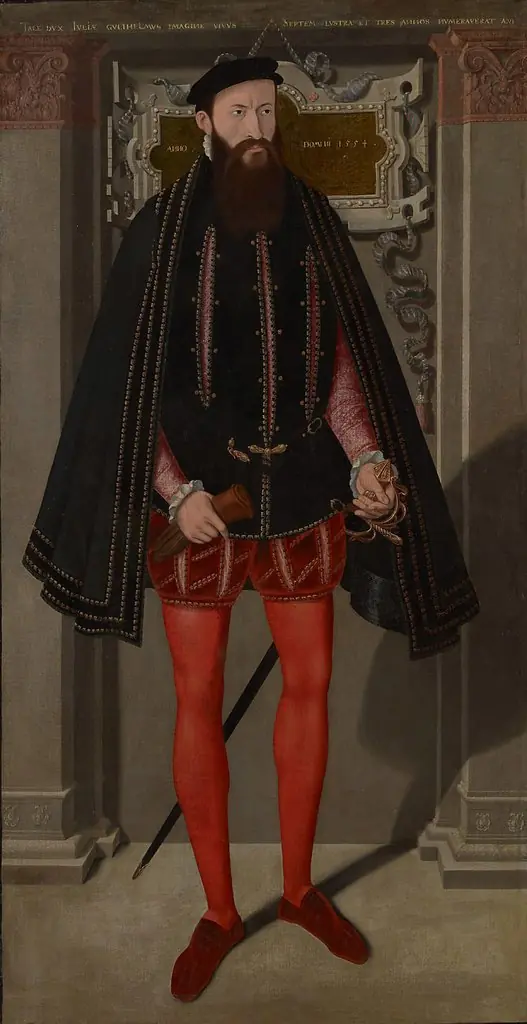 Herzog Wilhelm V. (1516-1592) von Jülich-Cleve-Berg, in ganzer Figur
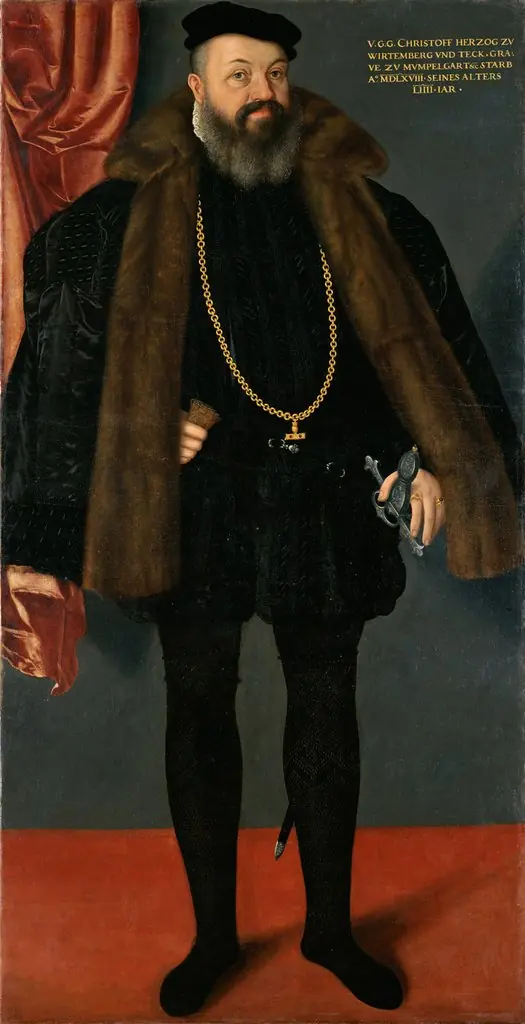 Herzog Christoph von Württemberg (1515-1568) in spanischer Tracht
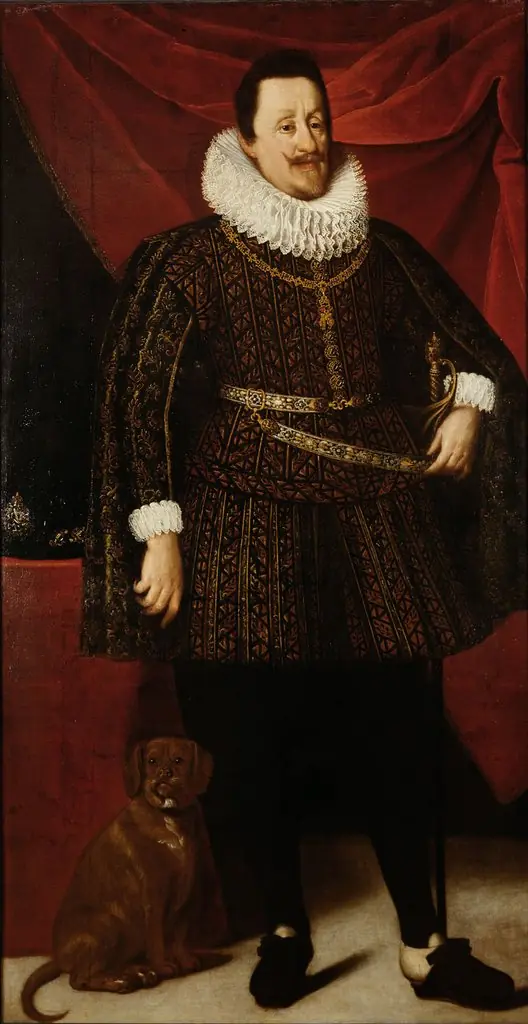 Portrait of Ferdinand II of Habsburg (1578-1637, Holy Roman Emperor