Artwork
Portrait of James I with The Three Brothers
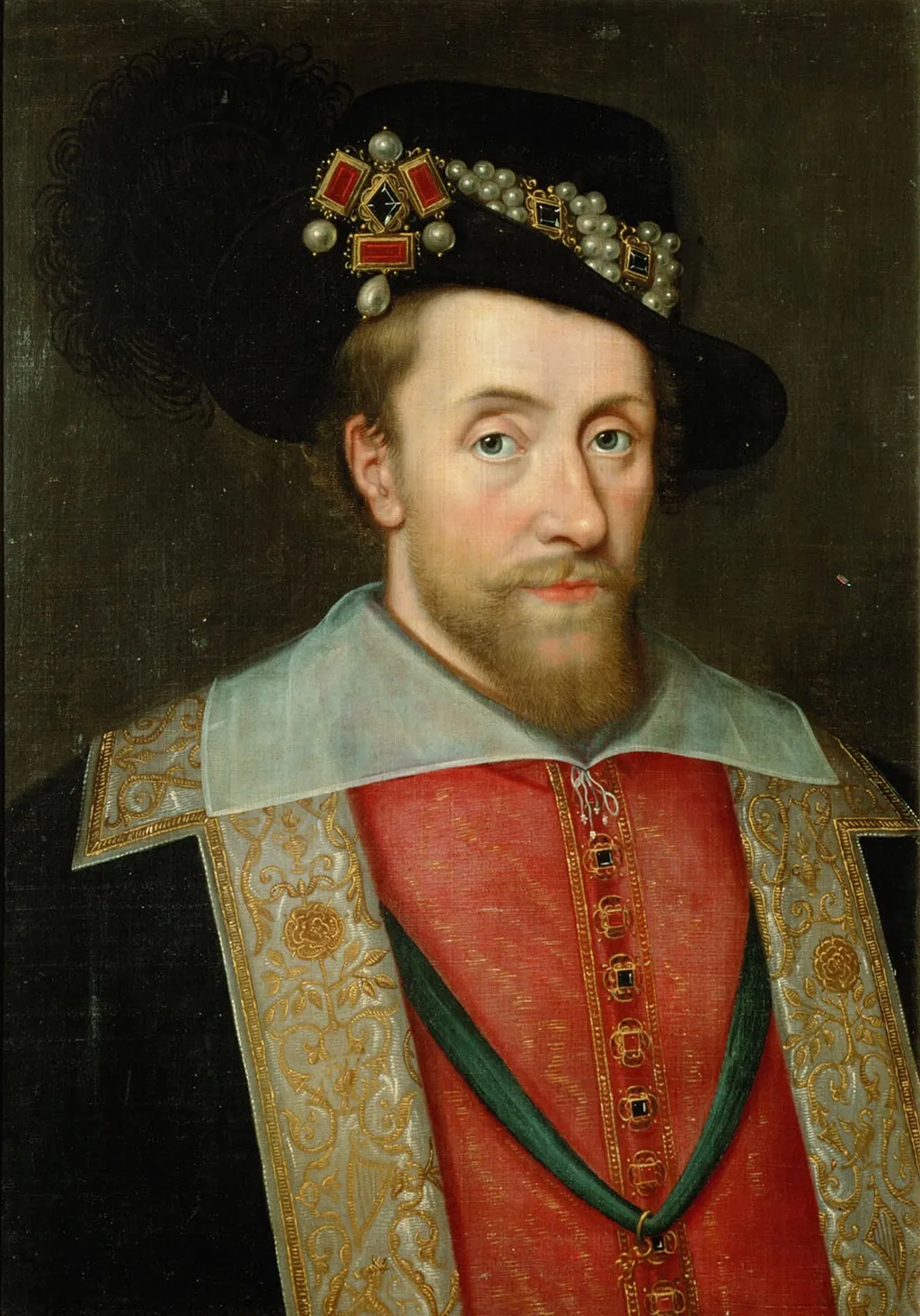
Portrait of James I with The Three Brothers is an oil painting by the Early Baroque Italian artist Unknown. It dates from 1600 and is held in the collection of the Kunsthistorisches Museum. The oil painting depicts a dignified male sitter, identified as James I, rendered in a formal pose.
About this work
Overview
The oil painting depicts a dignified male sitter, identified as James I, rendered in a formal pose. He wears a richly embroidered red doublet, a wide white ruff, a black sash, and a black hat topped with a jeweled band. A subtle secondary figure, known as the Three Brothers, is concealed behind the sash, adding a concealed narrative element to the composition.
Subject & Meaning
James I is presented with a short beard and a sober expression, emphasizing authority and gravitas. The inclusion of the hidden Three Brothers may allude to familial alliances or political connections, suggesting that the portrait serves both as a personal likeness and a symbolic statement about lineage and power.
Technique & Style
The artist employs soft chiaroscuro, allowing gradual shadows to model the sitter’s face and garments, creating a three‑dimensional effect. Fine brushwork delineates the gold embroidery and jeweled hat band, while the muted background keeps focus on the figure and the concealed secondary motif.
History & Provenance
The work is an oil on canvas created during the early 17th‑century reign of James I. Its provenance traces through several private collections before entering a public institution, where it has been catalogued as a notable example of court portraiture from the period.
Context
Portraiture of monarchs in this era often combined realistic representation with emblematic details that conveyed status. The use of a hidden figure reflects a broader Renaissance interest in layered symbolism and the interplay between public image and private alliances.
Legacy
The painting remains a reference point for scholars studying early Stuart iconography and the technical application of chiaroscuro in portraiture. Its subtle narrative device continues to attract interest for the way it integrates personal and political storytelling within a single visual field.
Artist & collection

 Domestic Scene
 Giacomo and Cardinal Marco, investing Andrea, Abbot of San Zeno, with his Benefice
 The Nymph of Fontainebleau
 Portrait of a Woman
 Madonna and Child with Saints in the Enclosed Garden
 Venus and Minerva
 Family Group of Four on Sofa
 Wall painting from Room H of the Villa of P. Fannius Synistor at Boscoreale
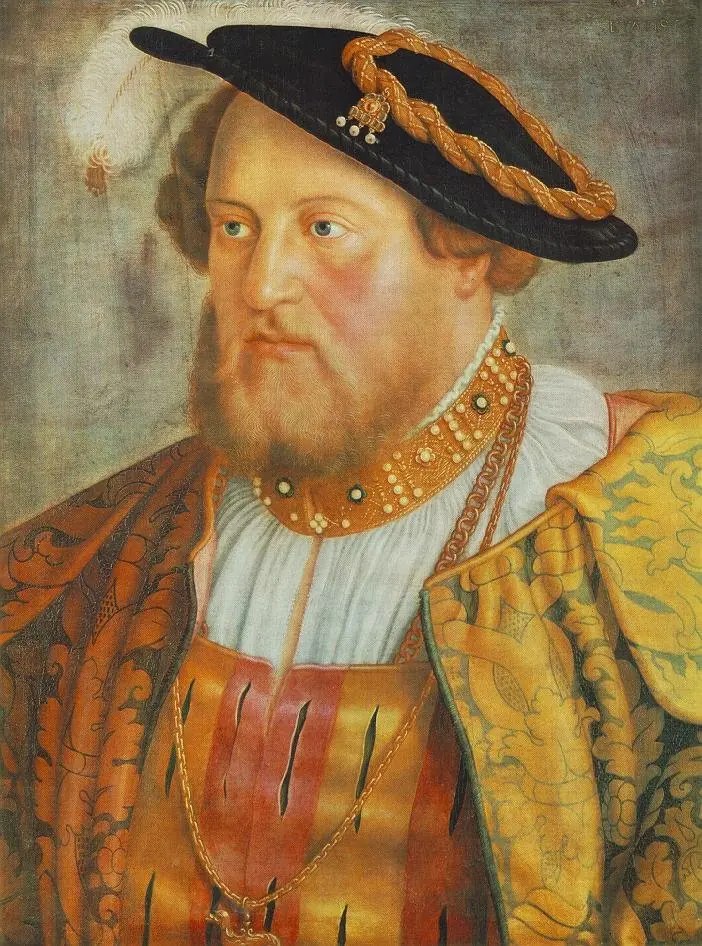 Portrait of Ottheinrich, Prince of Pfalz
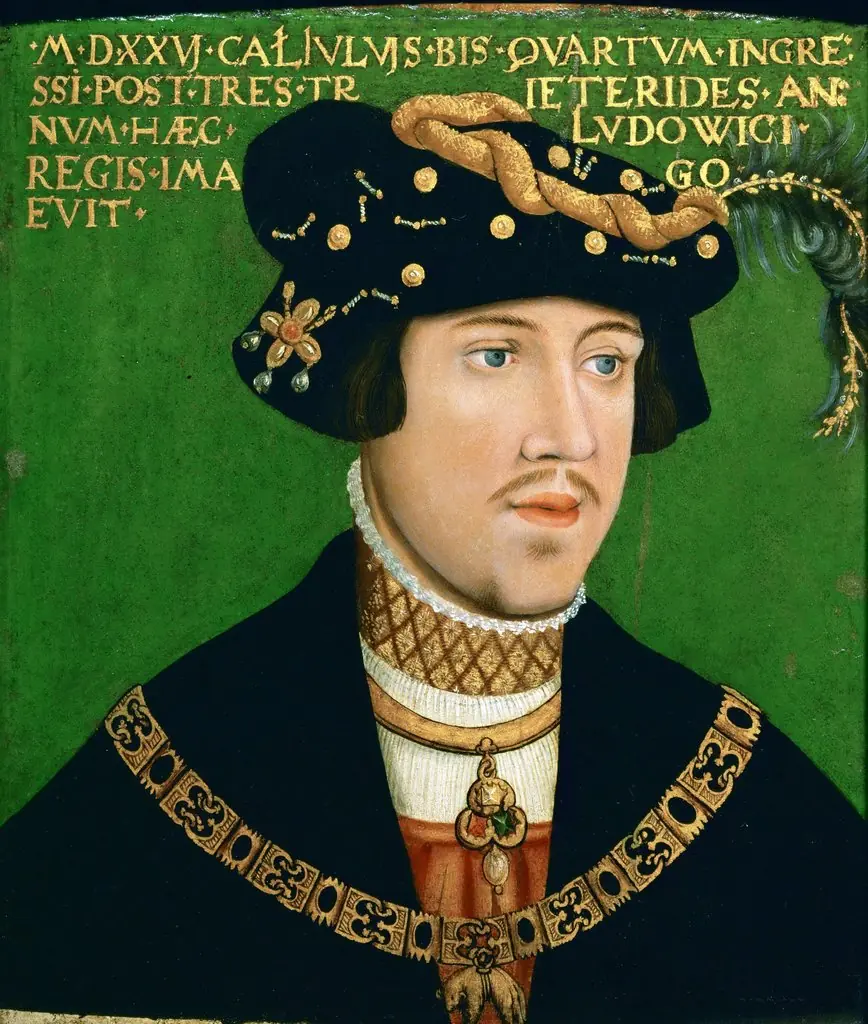 Portrait of Louis II, king van Hungary
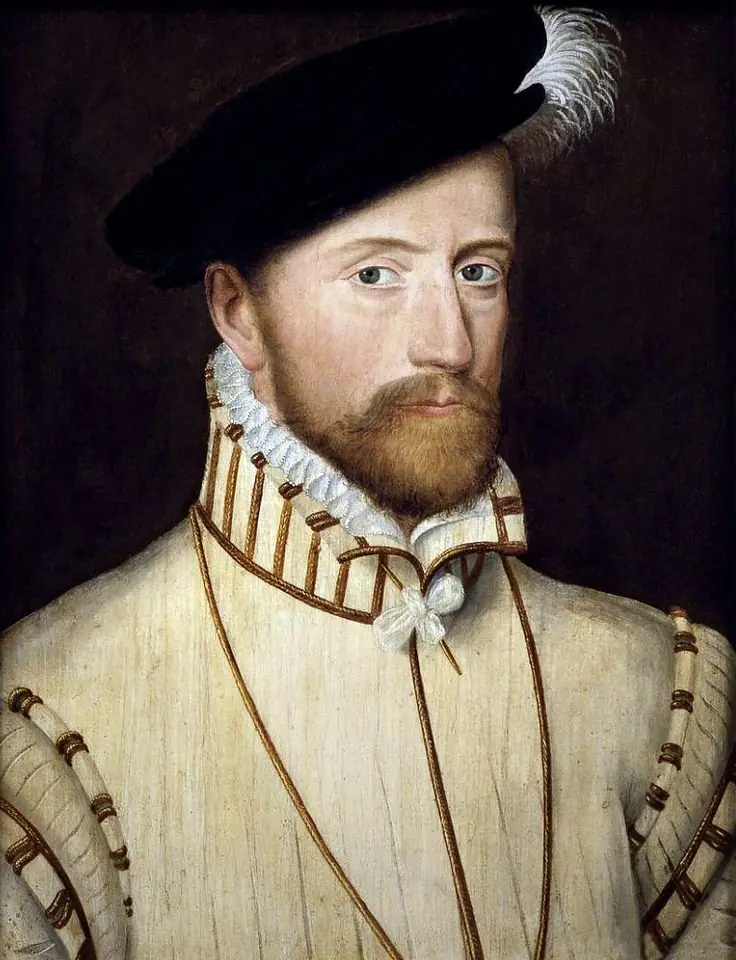 Jacques d'Albon, seigneur de Saint-André (ca. 1505-1562), Marschall von Frankreich
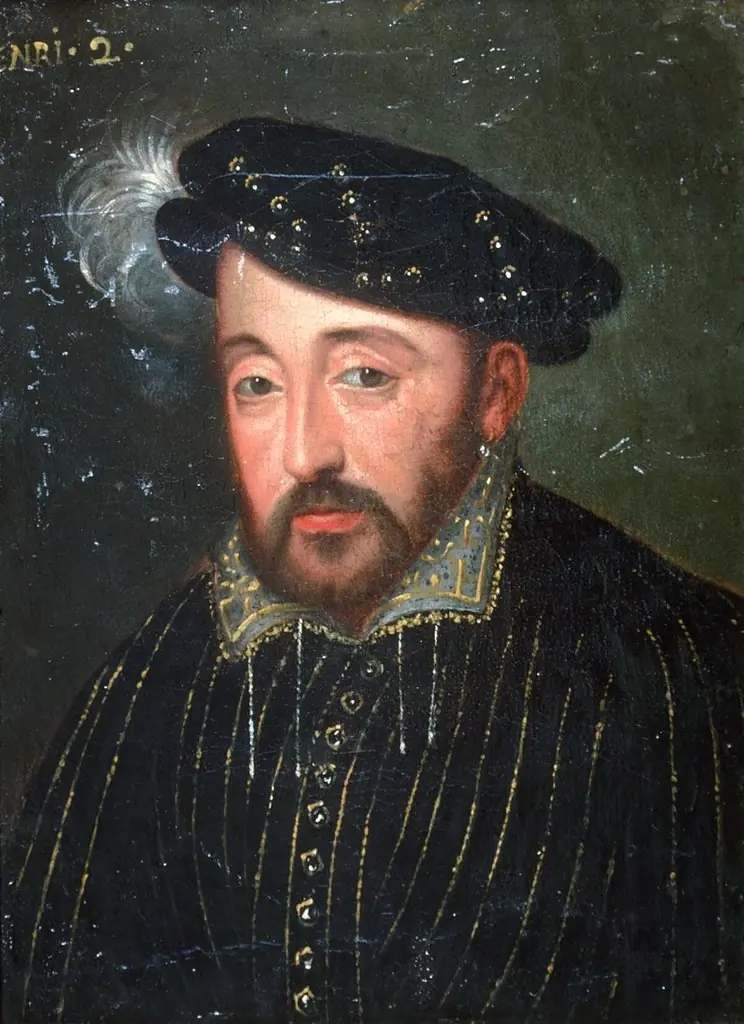 Henri II, King of France
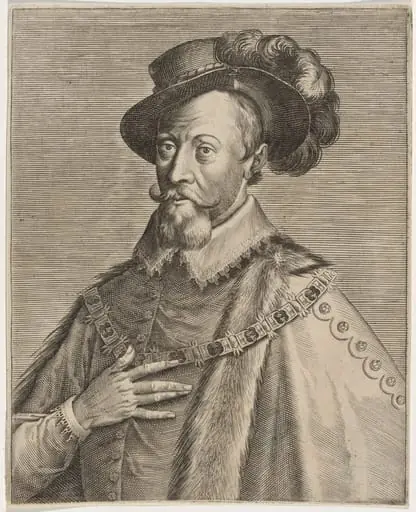 Robert Dudley, Earl of Leicester
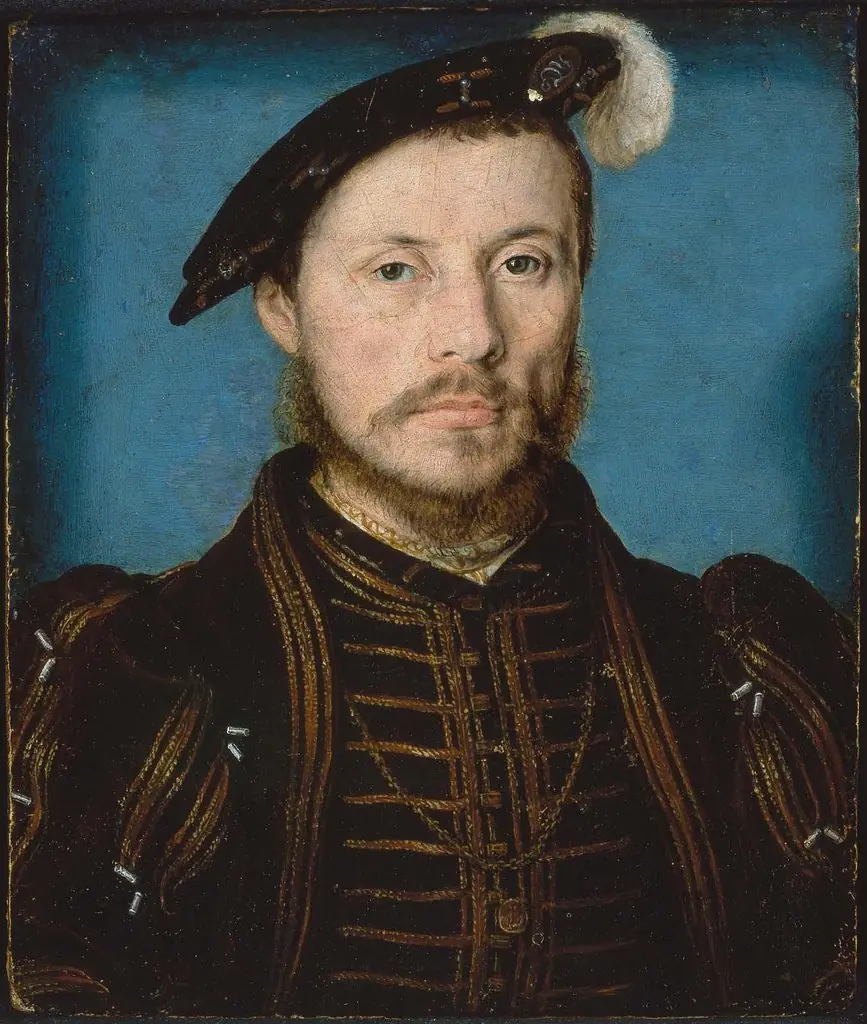 Portrait of a Man, identified as Anne de Montmorency (1493 - 1567)
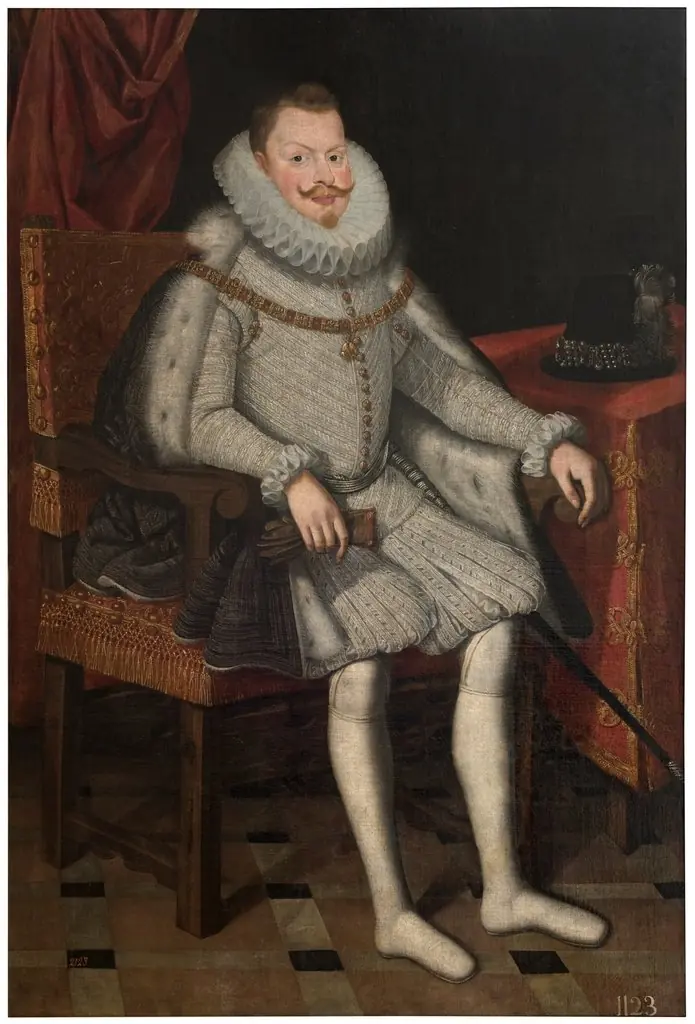 Felipe III rey de España sedente
 Philip II, King of Spain
 Portrait of Sir Henry Sidney (1529-1586), Lord Deputy of Ireland
 Portrait of Jakob Omphalius