Artwork
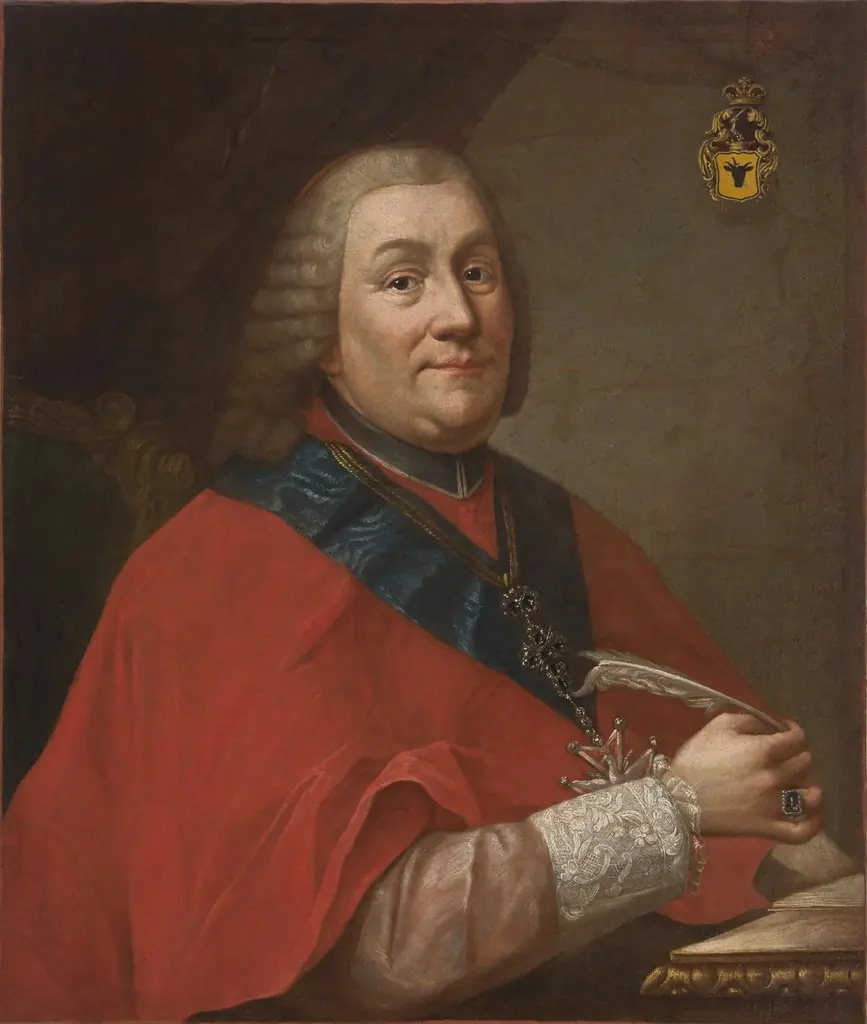
Portrait of Teodor Siemieński (d. 1794), prelate and canon in Warsaw
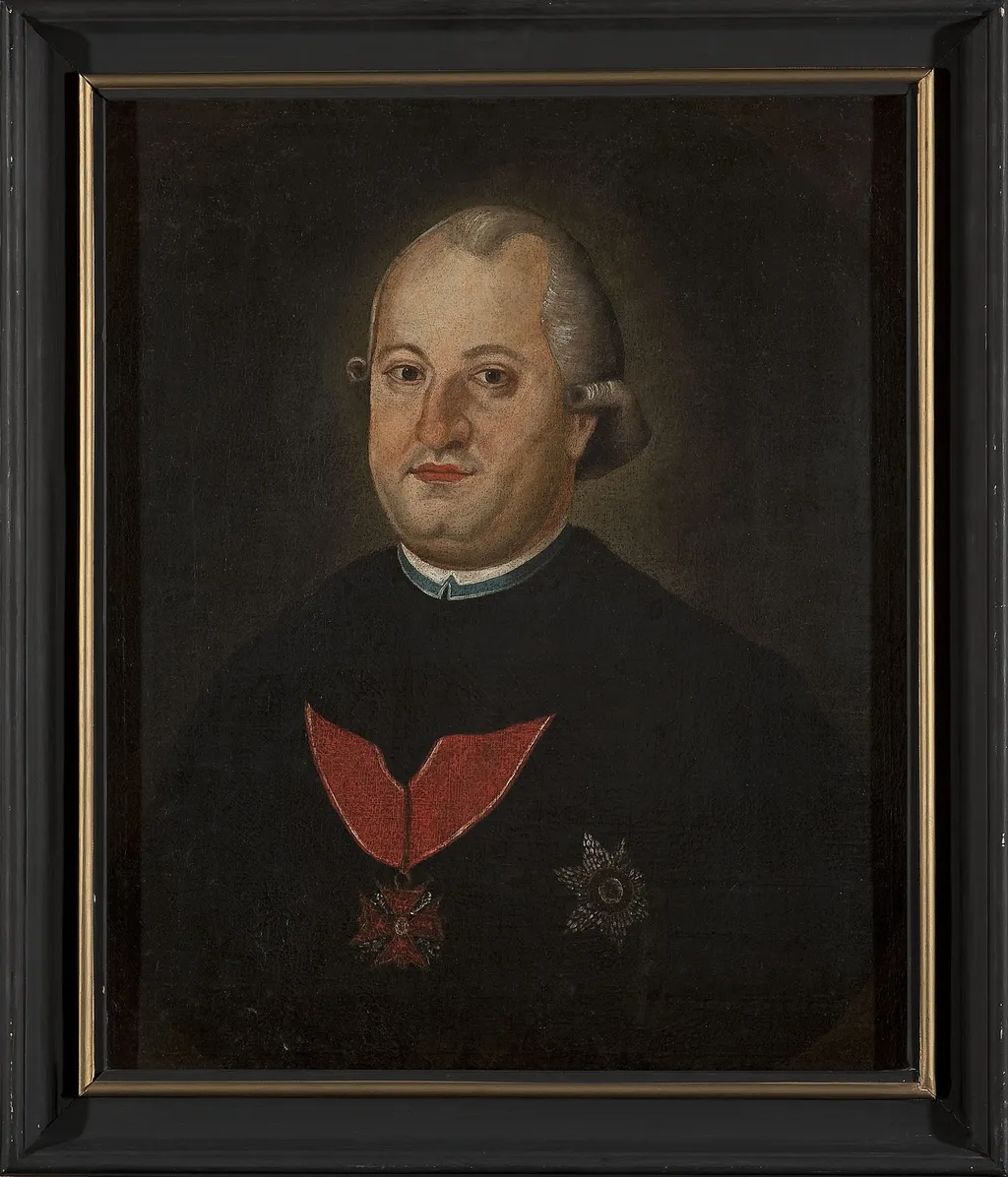
Portrait of Teodor Siemieński (d. 1794), prelate and canon in Warsaw is an oil painting by Unknown. It dates from 1775 and is held in the collection of the National Museum in Warsaw. This oil painting depicts Teodor Siemieński, a Warsaw-based prelate and canon who died in 1794.
About this work
Overview
This oil painting depicts Teodor Siemieński, a Warsaw-based prelate and canon who died in 1794. Rendered with solemn precision, the portrait captures him in full ecclesiastical attire against a deep, unbroken background. The composition emphasizes his dignified presence through controlled lighting and minimal distraction, focusing attention on his facial expression and ceremonial garments.
Subject & Meaning
His direct gaze and composed demeanor convey authority and quiet devotion, reflecting the expected gravitas of his position in late 18th-century religious life.
Siemieński is portrayed as a high-ranking church official, identified by the red V-shaped collar, the cross on his chest, and the star-shaped medal on his right. These symbols denote his ecclesiastical rank and honors within the Polish clergy. His direct gaze and composed demeanor convey authority and quiet devotion, reflecting the expected gravitas of his position in late 18th-century religious life.
Technique & Style
The artist employs chiaroscuro to model the figure with strong contrasts between light and shadow, enhancing the three-dimensionality of the face and robe. The dark background isolates the subject, while subtle gradations in the fabric suggest texture and volume. Brushwork is restrained, favoring clarity over ornamentation, aligning with the formal conventions of portraiture in ecclesiastical circles of the period.
History & Provenance
The portrait was likely commissioned during Siemieński’s lifetime to commemorate his role in the Warsaw ecclesiastical hierarchy. Its survival suggests it remained within church or family possession after his death in 1794. Though specific ownership records are sparse, its preservation indicates continued recognition of his status within the local religious community.
Context
In late 18th-century Poland, clergy held significant social and administrative influence. Portraits like this served both as personal commemoration and public affirmation of ecclesiastical authority. The restrained style reflects the era’s preference for dignity over flamboyance, particularly among canonry members who balanced spiritual duty with institutional responsibility.
Legacy
The portrait endures as a quiet testament to the visual culture of Polish clergy in the Enlightenment era. It offers insight into how religious identity was formally expressed through dress and demeanor. While not widely known outside regional collections, it remains a representative example of ecclesiastical portraiture in a time of political and cultural transition.
Artist & collection

 Domestic Scene
 Giacomo and Cardinal Marco, investing Andrea, Abbot of San Zeno, with his Benefice
 The Nymph of Fontainebleau
 Portrait of a Woman
 Madonna and Child with Saints in the Enclosed Garden
 Venus and Minerva
 Family Group of Four on Sofa
 Wall painting from Room H of the Villa of P. Fannius Synistor at Boscoreale
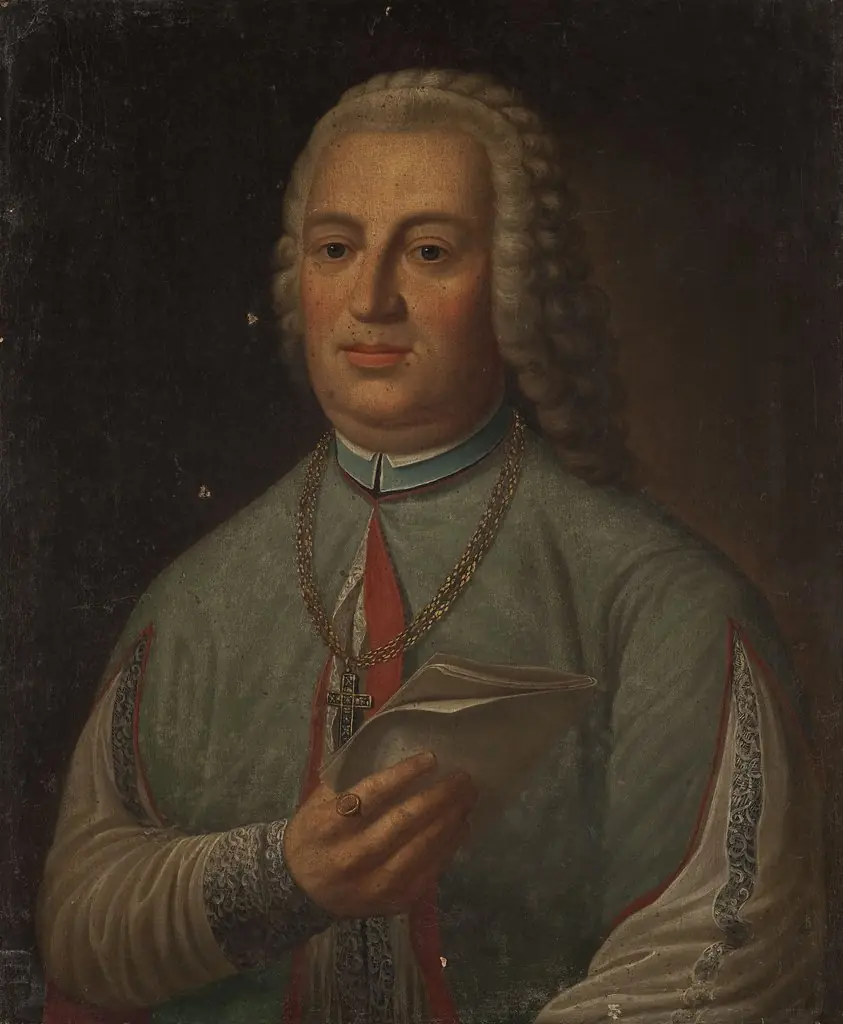 Portrait of Józef Andrzej Załuski
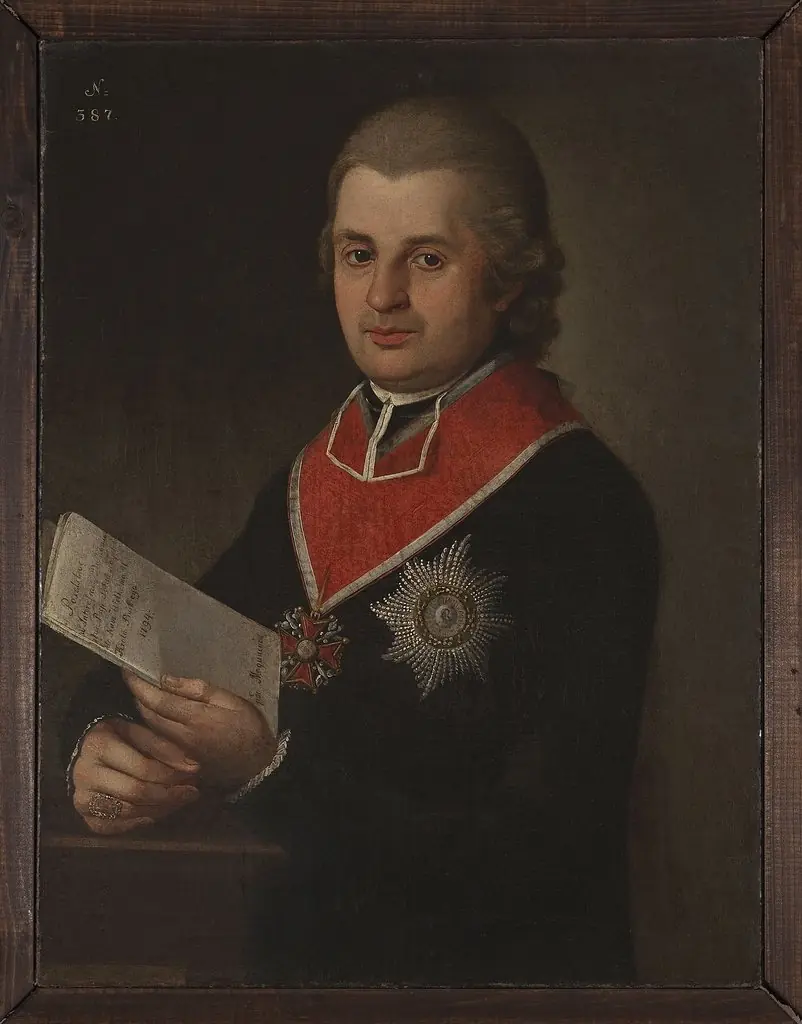 Portrait of a clergyman
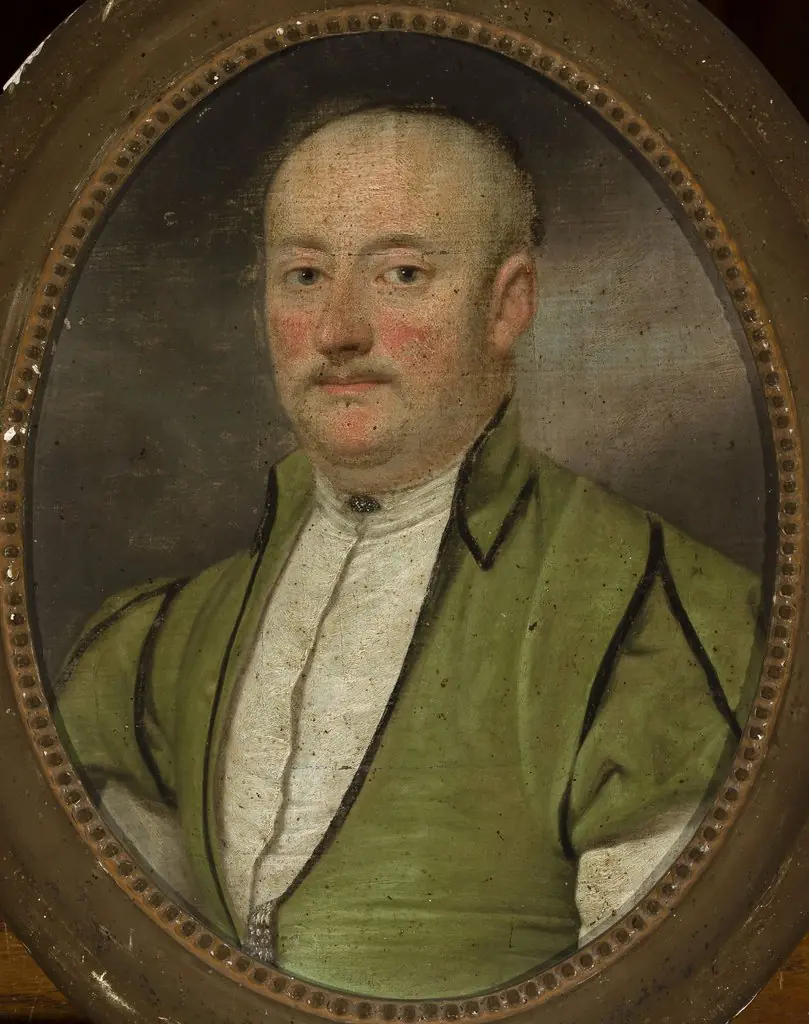 Portrait of Karol Węgliński
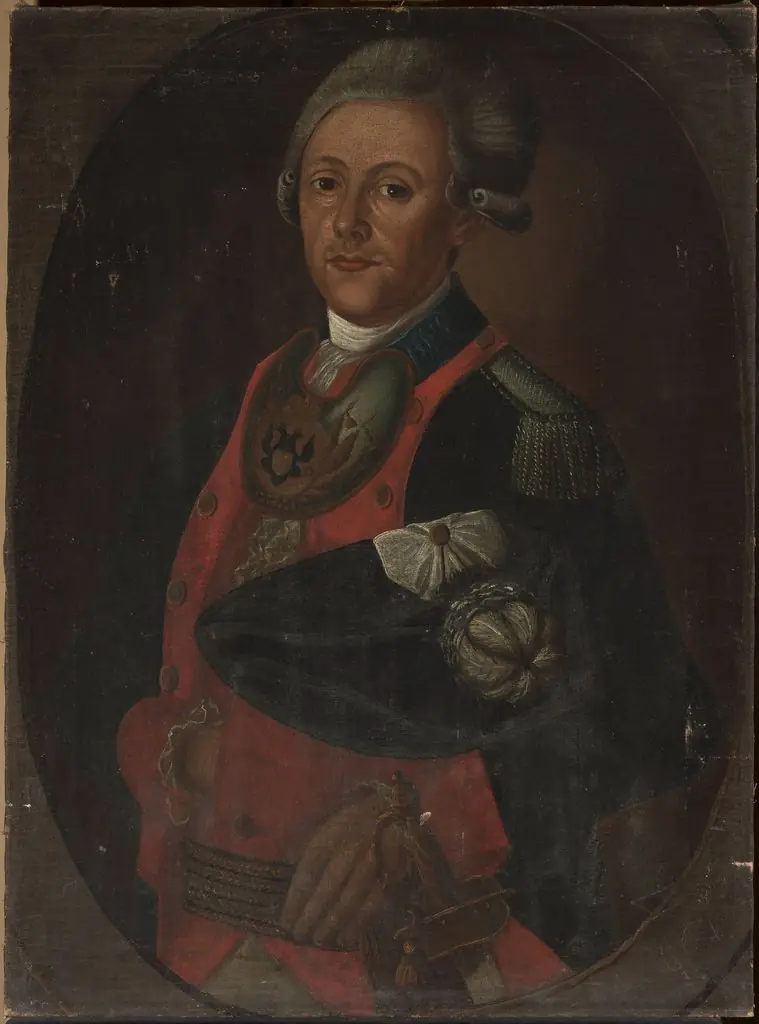 Portrait of a military man
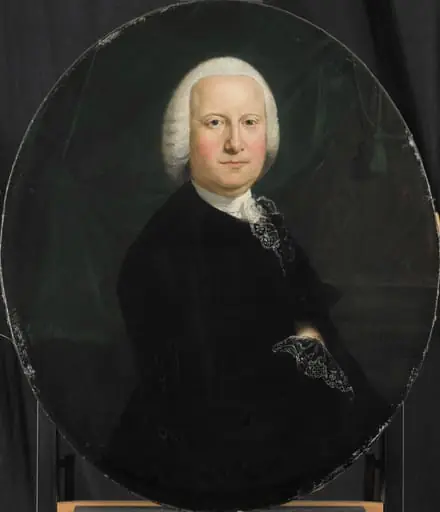 Portrait of Adriaan du Bois, Director of the Rotterdam Chamber of the Dutch East India Company, elected 1742
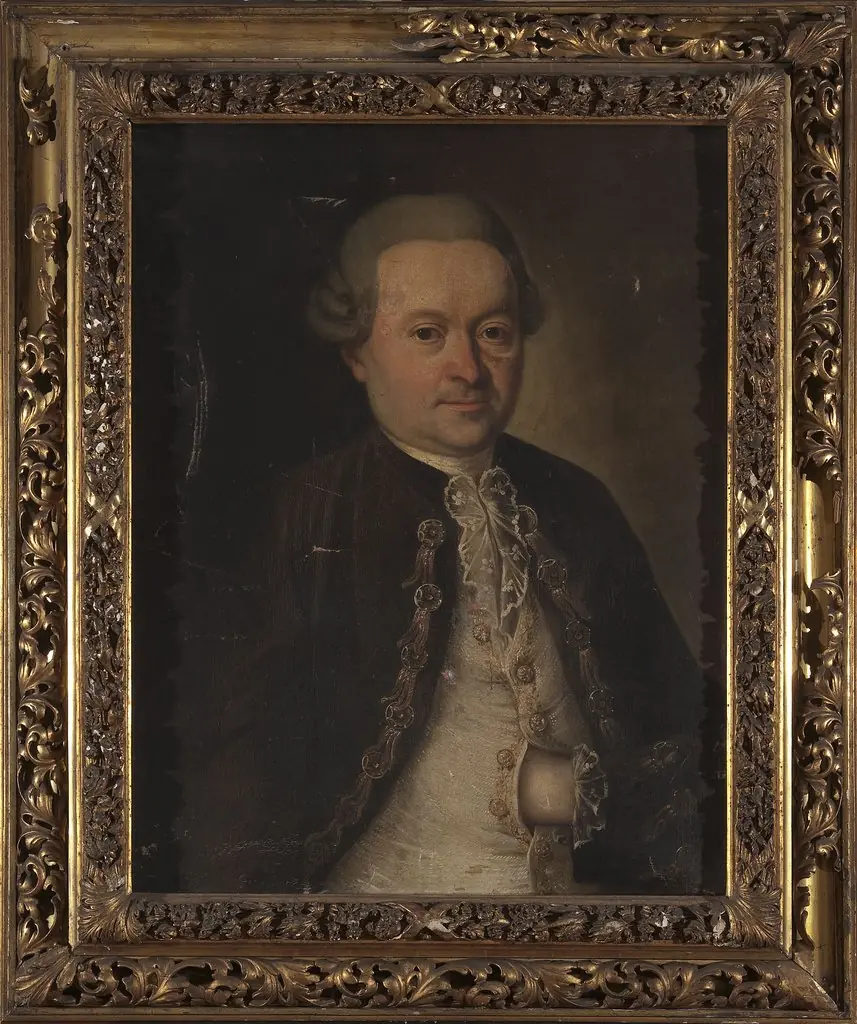 Portrait of Franciszek Halka-Ledóchowski
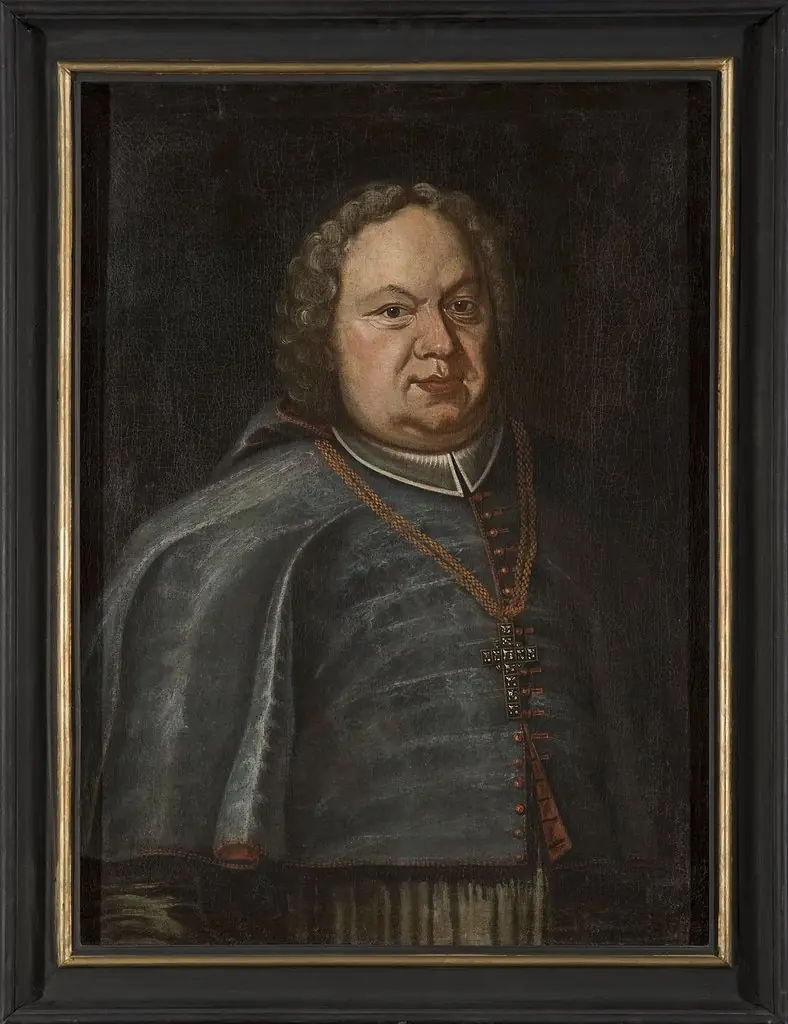 Portrait of Maciej Łubieński /?/ (d. 1652), primate
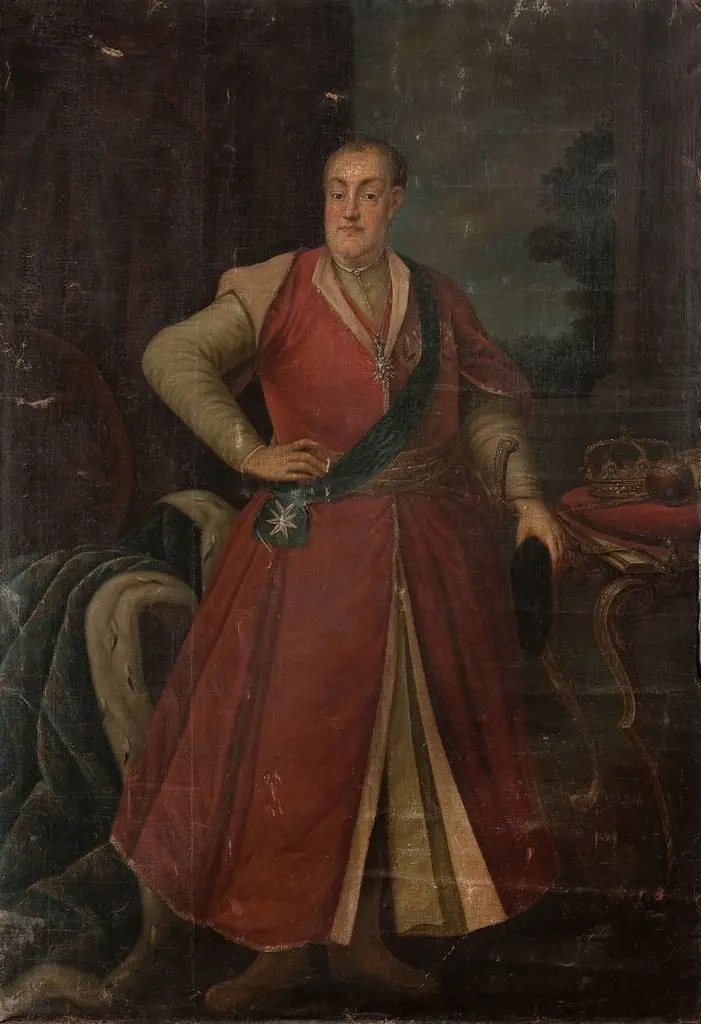 Portrait of Augustus III (1696–1763), King of Poland
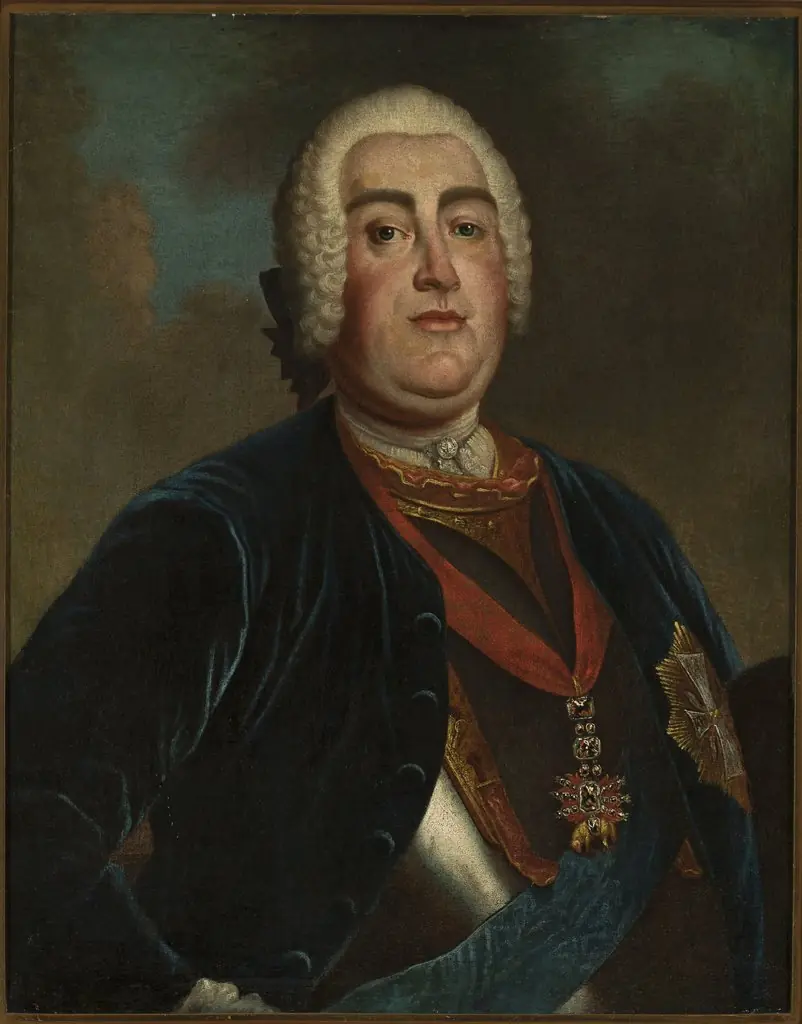 Portrait of Augustus III
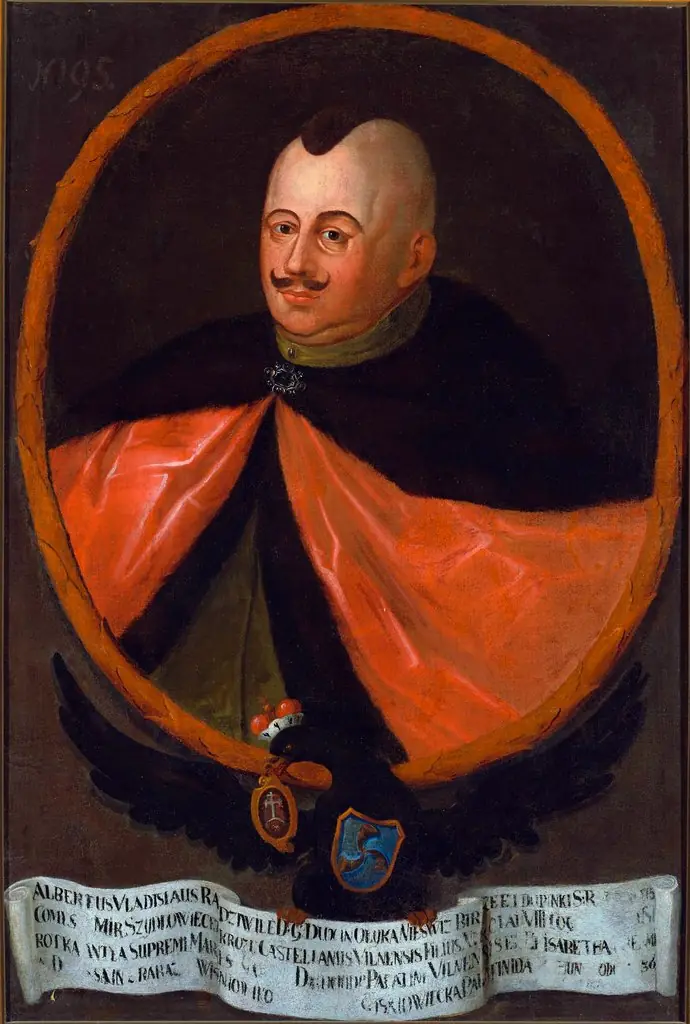 Portrait of Albert III Władysław Radziwiłł (1589–1636)
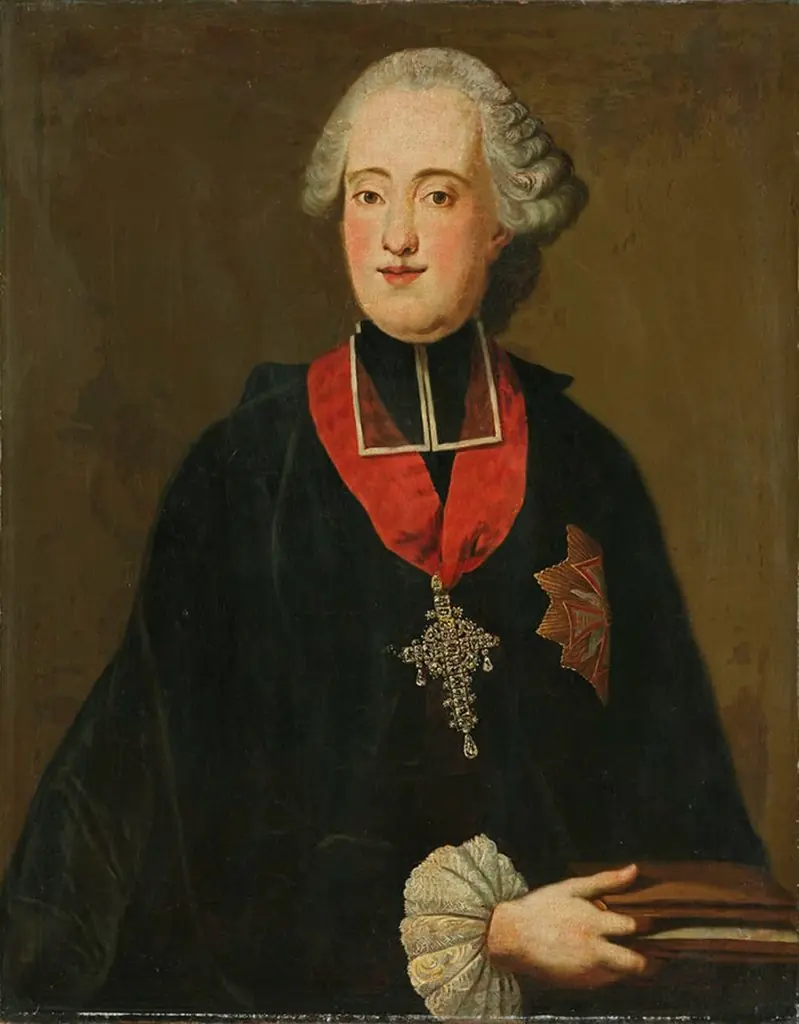 Bildnis des Clemens Wenzeslaus, Bischof von Freising, Regensburg und Augsburg
 Portrait of Władysław Łubieński (1703–1767), Archbishop of Gniezno and the Primate of Poland