Artwork
Portret Stefana Batorego (1533-1586), króla Polski
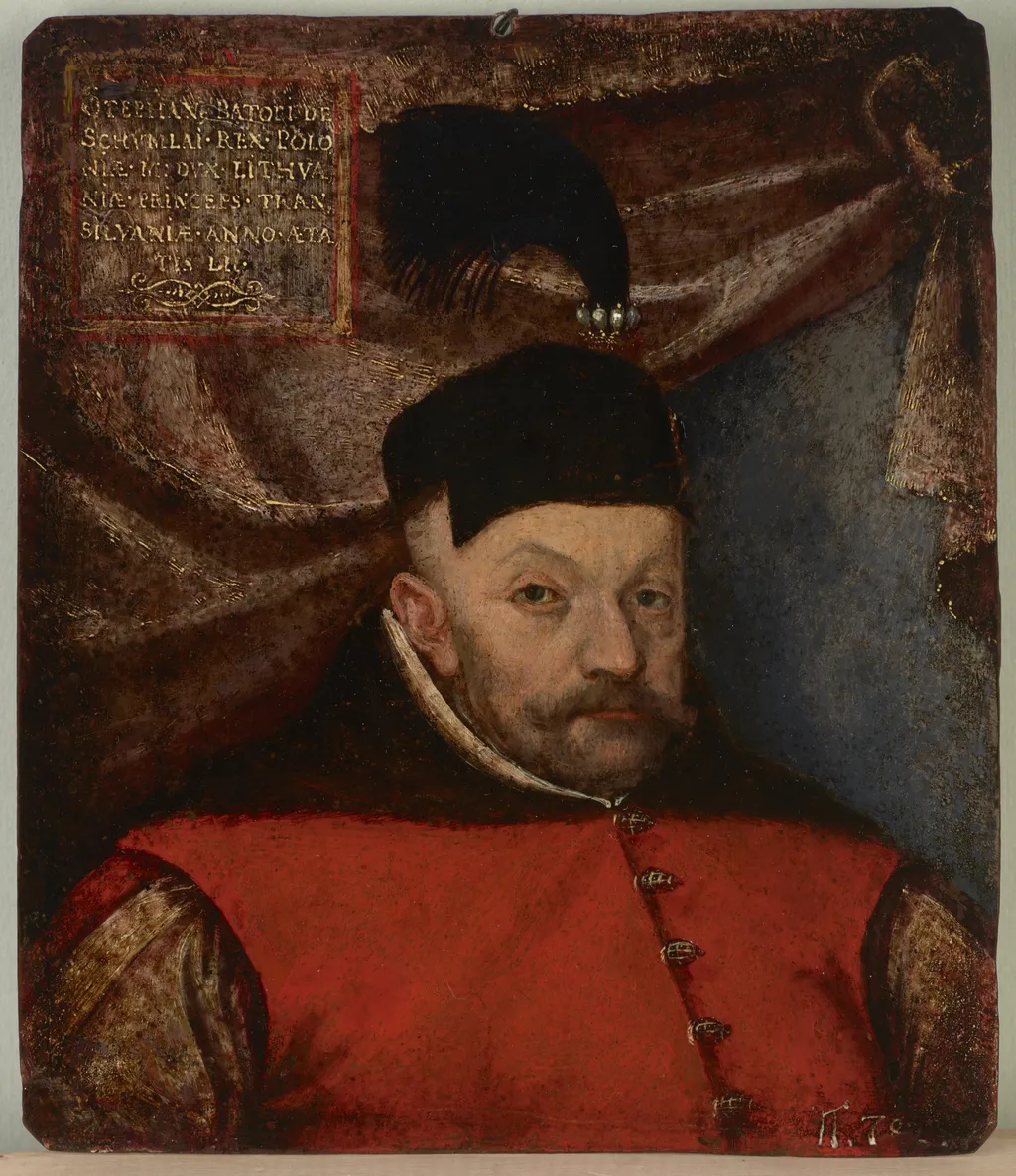
Portret Stefana Batorego (1533-1586), króla Polski is an unspecified painting by Martin Kober. It dates from 1584 and is held in the collection of the National Museum in Kraków.
About this work
Overview
The painting is part of the National Museum in Kraków’s collection and represents one of the few surviving likenesses of Báthory produced during his reign.
Martin Kober, a German-born painter active in the Polish–Lithuanian Commonwealth during the late 16th century, created this portrait of King Stephen Báthory around 1584. Kober served several Central European monarchs and was known for his precise, formal portraiture. The painting is part of the National Museum in Kraków’s collection and represents one of the few surviving likenesses of Báthory produced during his reign.
Subject & Meaning
The portrait depicts Stephen Báthory, King of Poland and Grand Duke of Lithuania, in full regalia. His posture is upright and composed, conveying authority and dignity. The rich red velvet coat with gold embroidery and the black hat signify his royal status, while the neutral background focuses attention on his presence. The image was likely intended to reinforce his legitimacy and power during a period of political consolidation.
Technique & Style
Kober employed a restrained, realistic approach with careful attention to textile detail and facial structure. The contrast between the dark background and the illuminated figure enhances the three-dimensionality of the subject. Subtle gradations in light model the face and fabric, while the gold thread on the coat is rendered with precision. The style reflects Northern European portraiture traditions, adapted to the courtly expectations of the Polish–Lithuanian elite.
History & Provenance
Commissioned during Báthory’s reign, the portrait was likely created for official or ceremonial use. It remained within Polish royal collections after his death in 1586 and eventually entered the National Museum in Kraków. Its survival through centuries of political upheaval underscores its perceived importance as a symbol of state authority. No earlier or later versions by Kober of Báthory are known to exist.
Context
In the late 1580s, the Polish–Lithuanian Commonwealth was navigating complex alliances and military campaigns, particularly against Muscovy. Báthory’s image as a strong, capable ruler was vital for internal cohesion and external diplomacy. Portraits like this one were tools of political representation, circulating among nobles and foreign envoys to project stability and legitimacy in a multi-ethnic realm.
Legacy
Kober’s portrait of Báthory remains a key visual record of a monarch who shaped the Commonwealth’s military and administrative structures. While not widely reproduced in popular culture, it holds scholarly value as an example of court portraiture in Eastern Europe. The work contributes to understanding how rulers in non-Western European courts used visual imagery to assert authority during the Renaissance.
Artist & collection
Artist
Martin Kober (also Chober, Cober, Coeber, Khober, Koeber, Koebner; Polish: Marcin Kober; c.

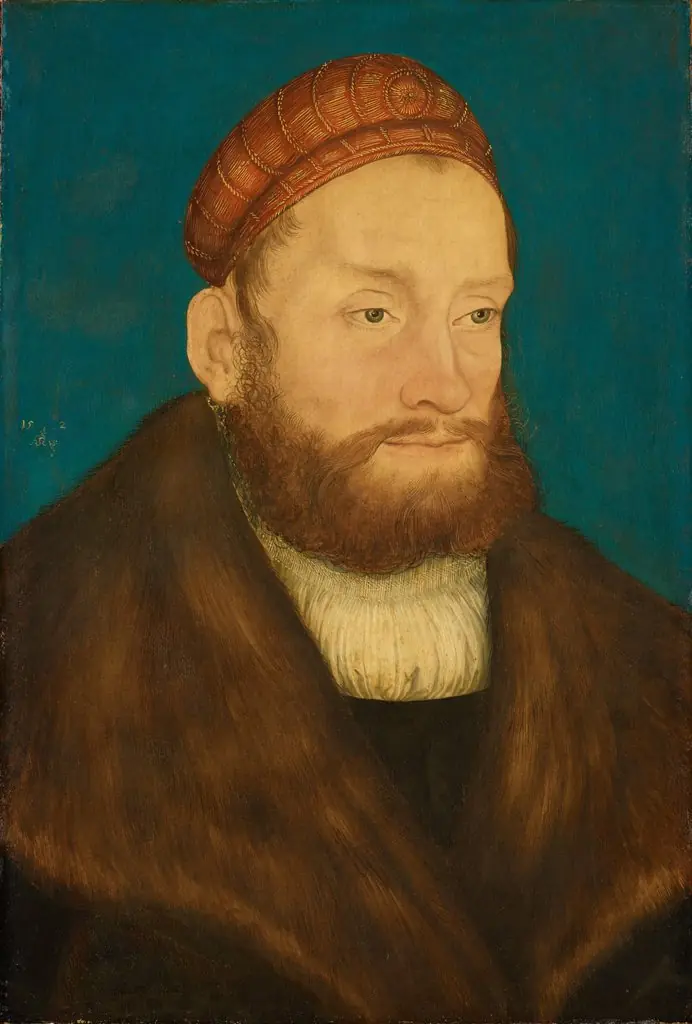 Portrait Margrave Casimir of Brandenburg-Kulmbach
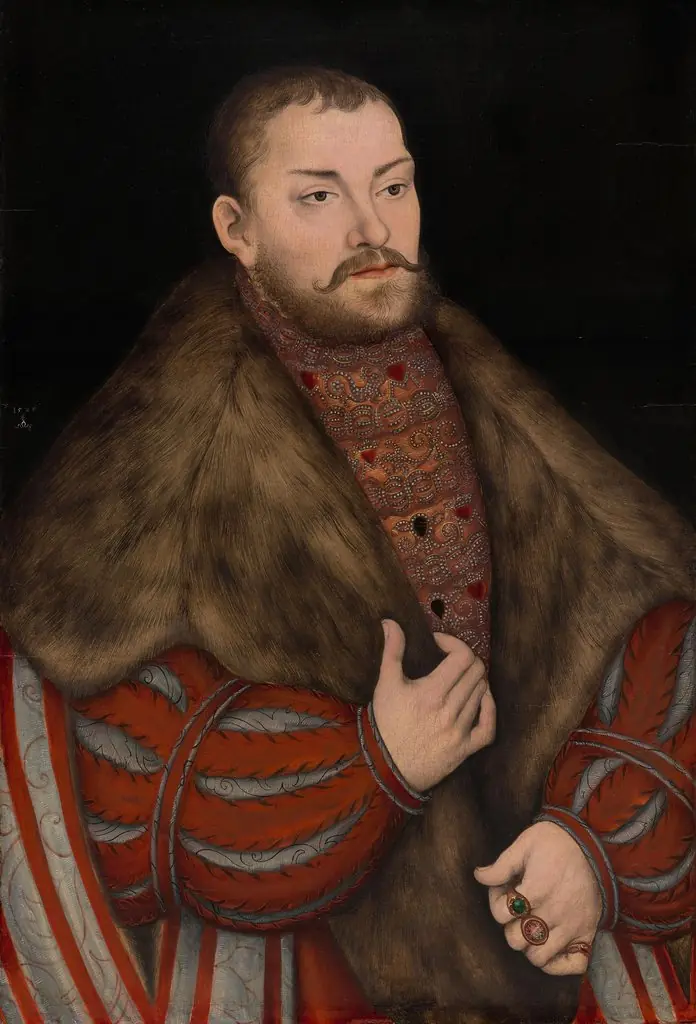 Portrait of Joachim II, Elector of Brandenburg
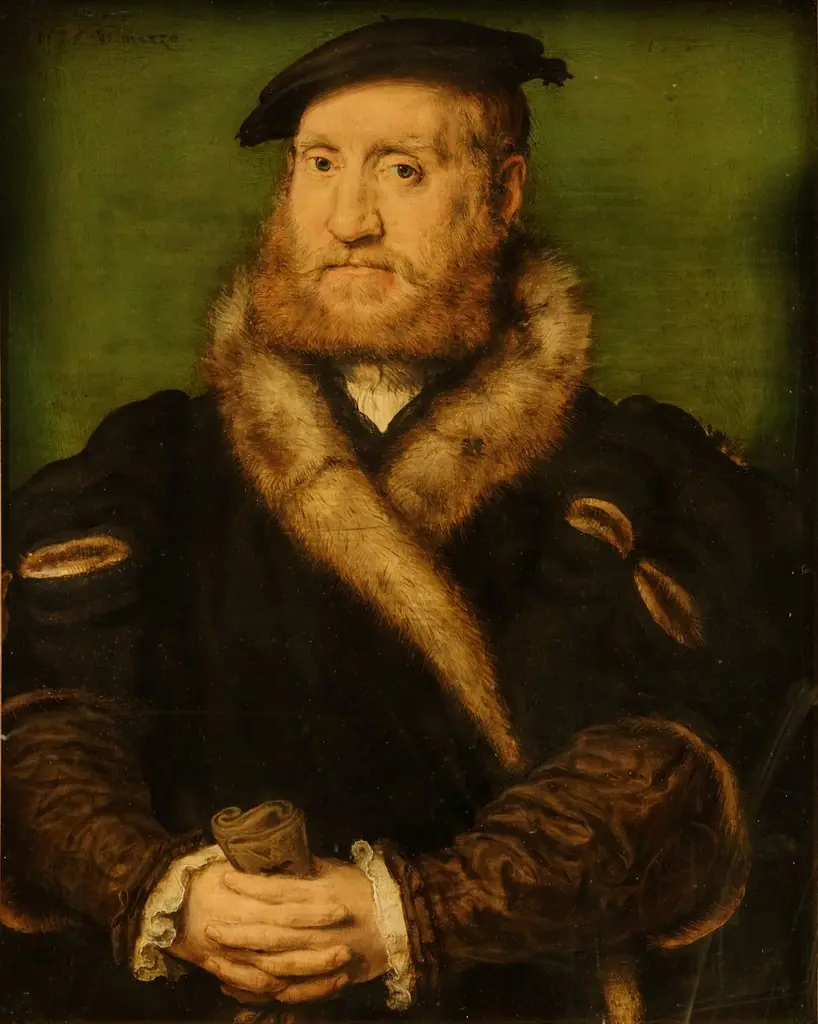 Bearded Man in a Fur Coat
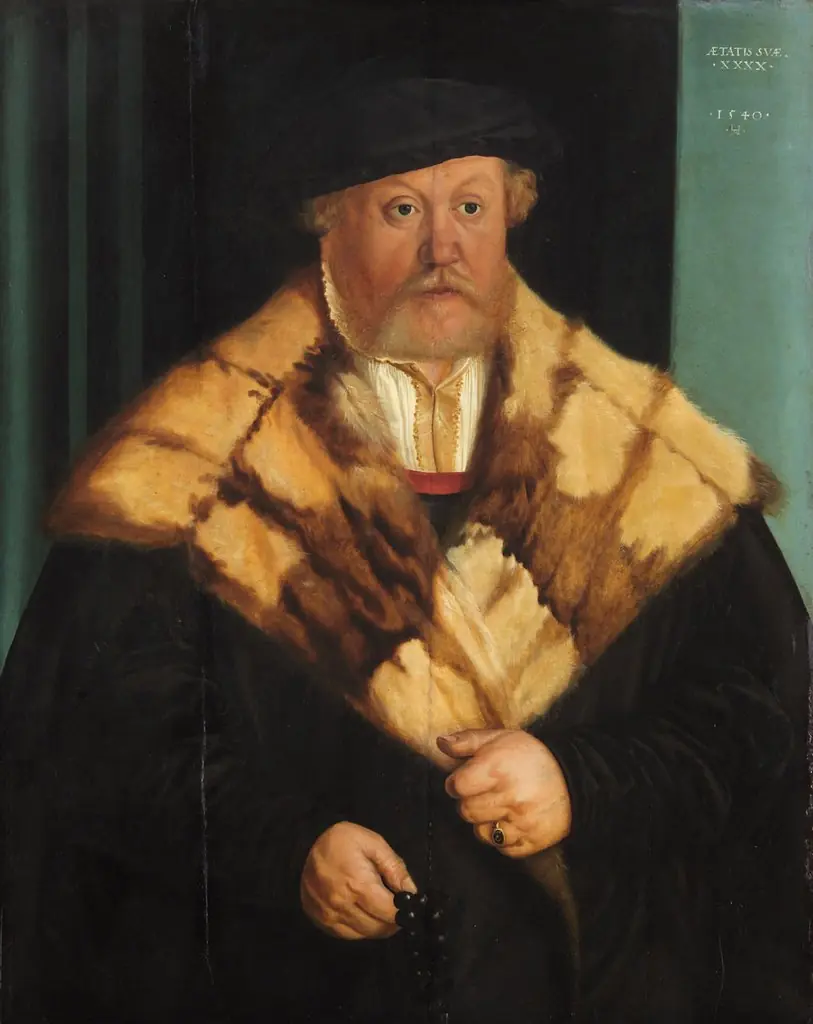 Hanns Mädl
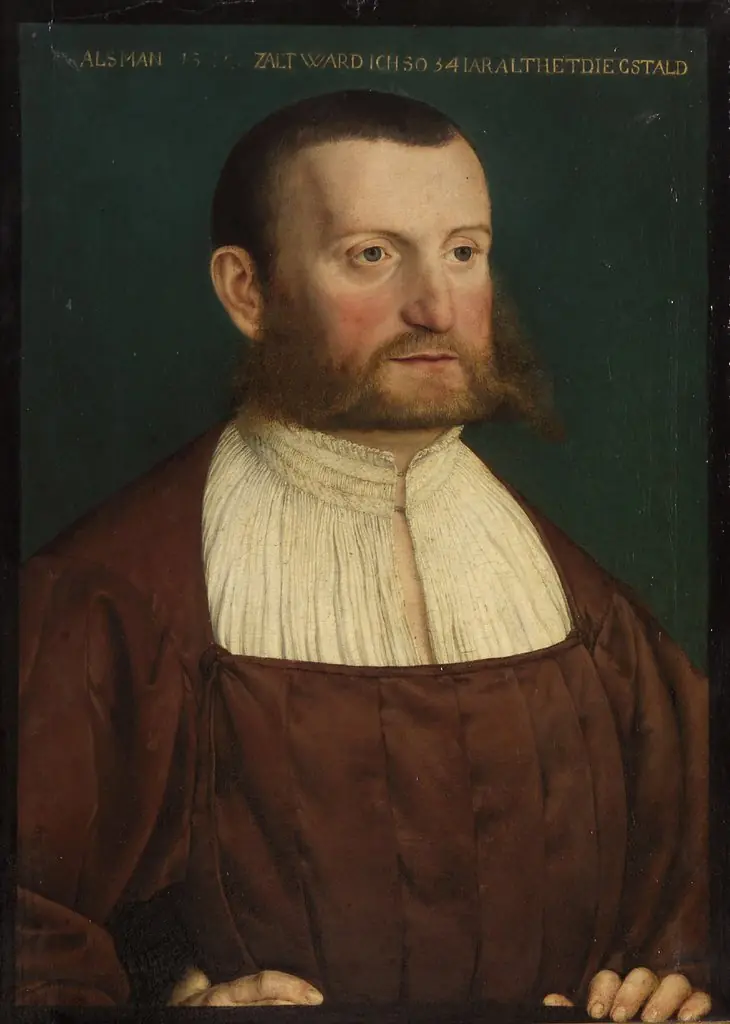 Bildnis eines bärtigen Mannes
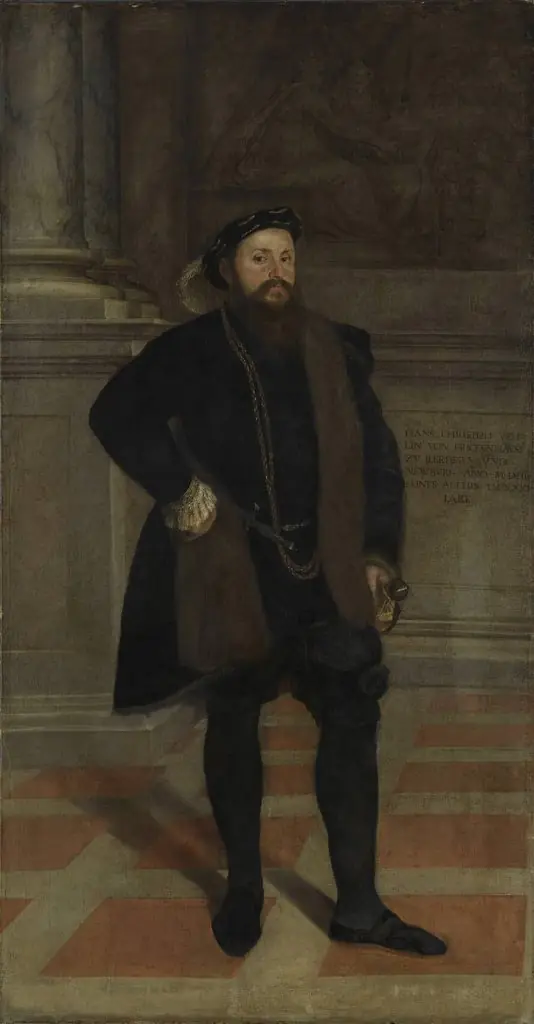 Hans Christoph I. Vöhlin von Frickenhausen (1522-1576)
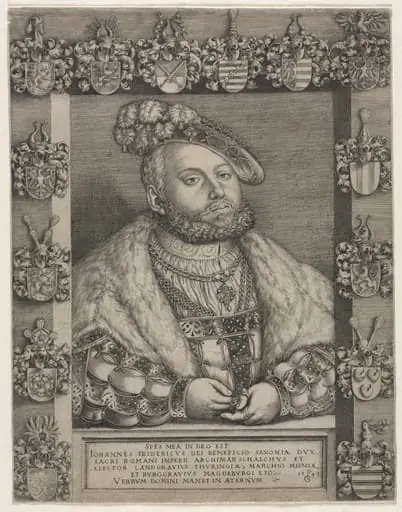 Portrait of John Frederick I, "The Magnanimous," Elector of Saxony
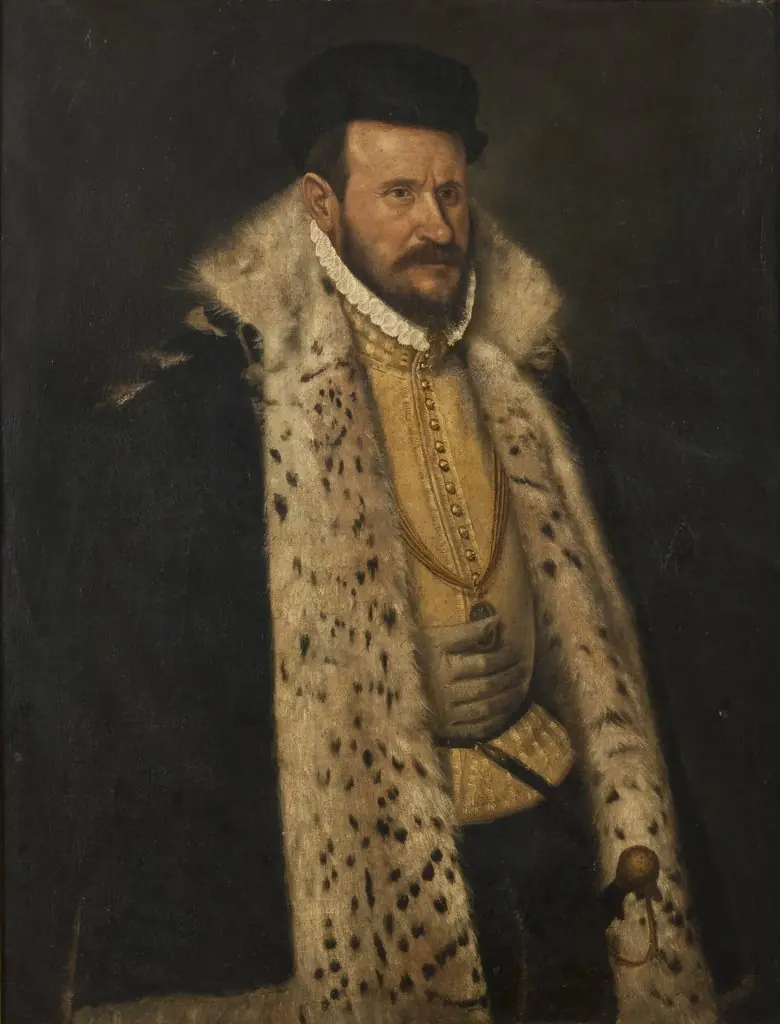 Portrait of a Man in a Furlined Coat
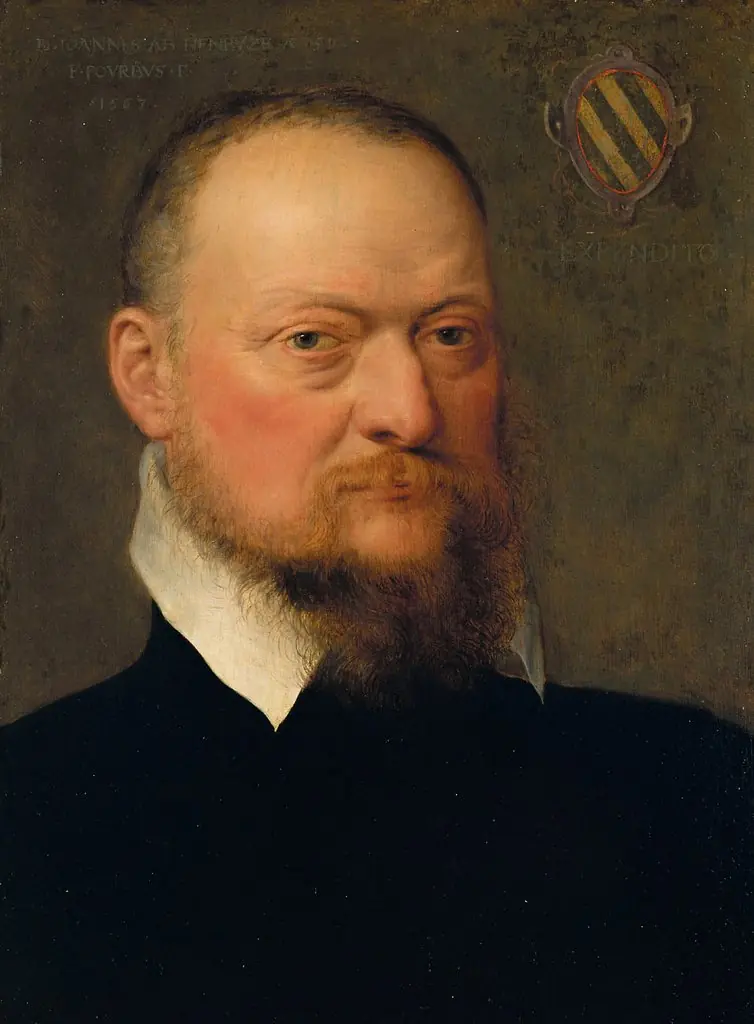 Jan van Hembyze (1517-1584)
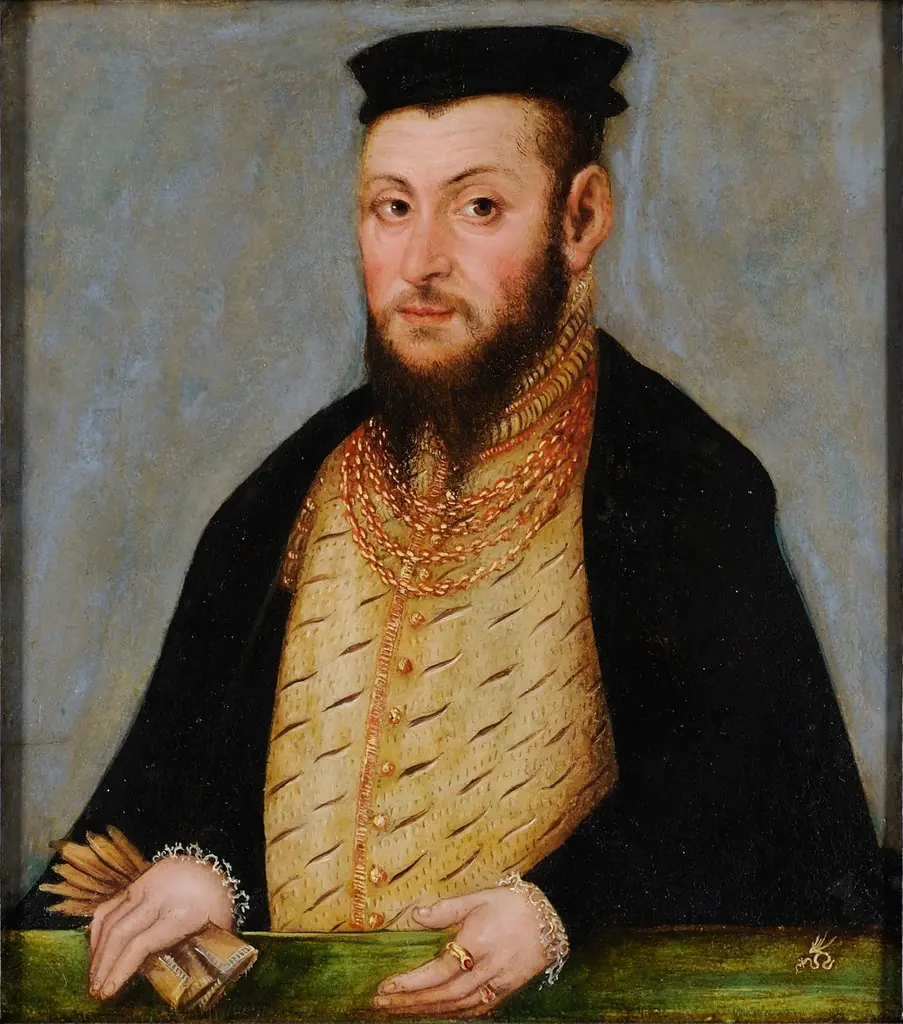 Sigismund II. August, King of Poland
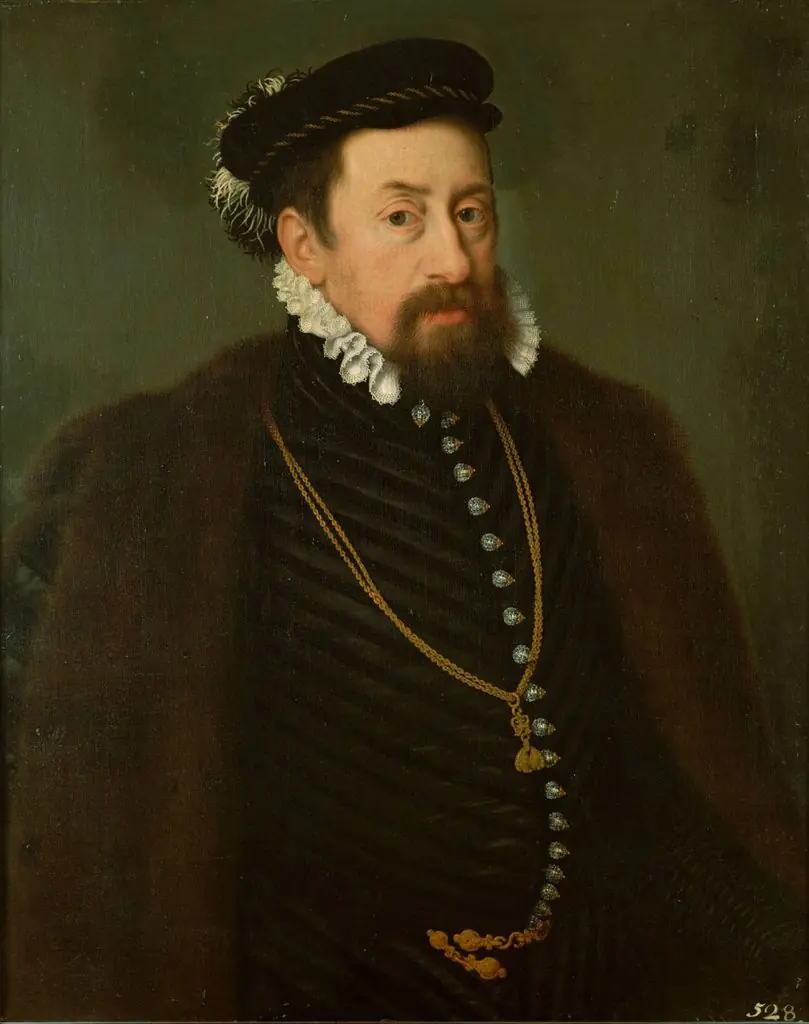 Kaiser Maximilian II. (1527-1576) als etwa Vierzigjähriger
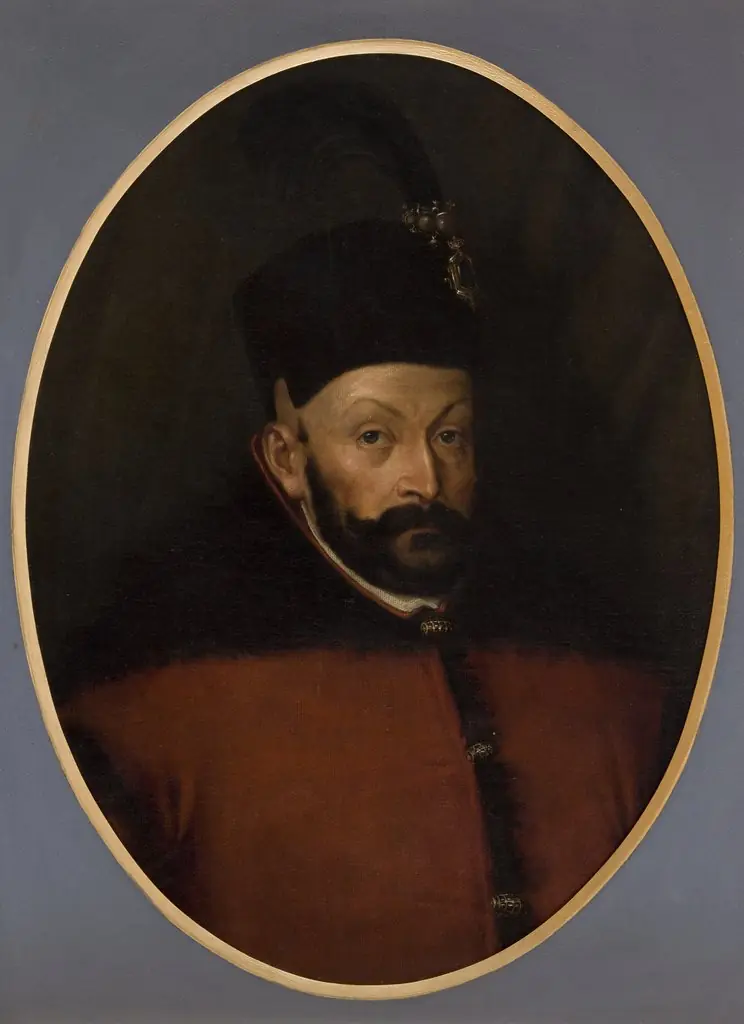 Portret Stefana Batorego (1533-1586), króla Polski