Artwork
Christ crowned with Thorns
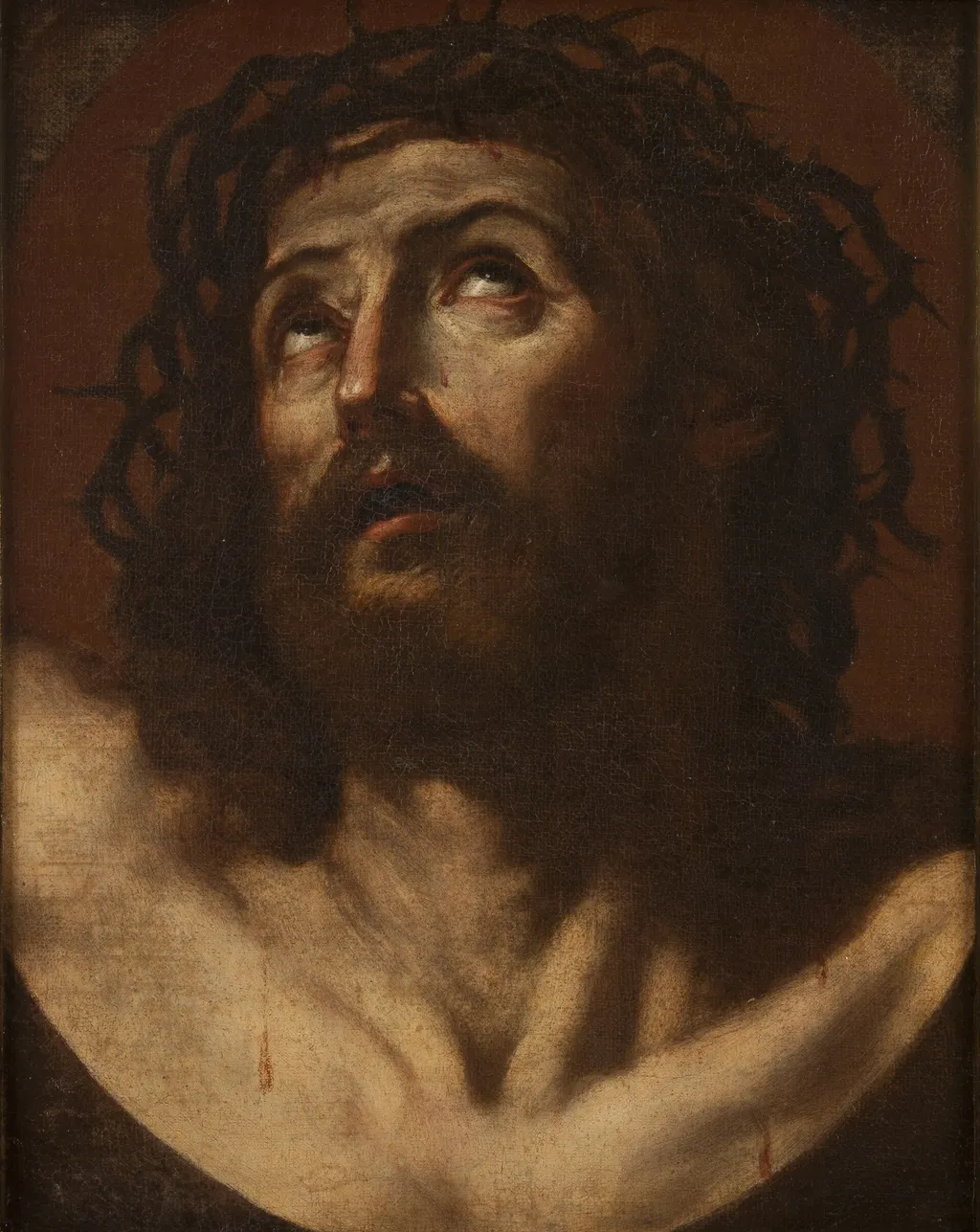
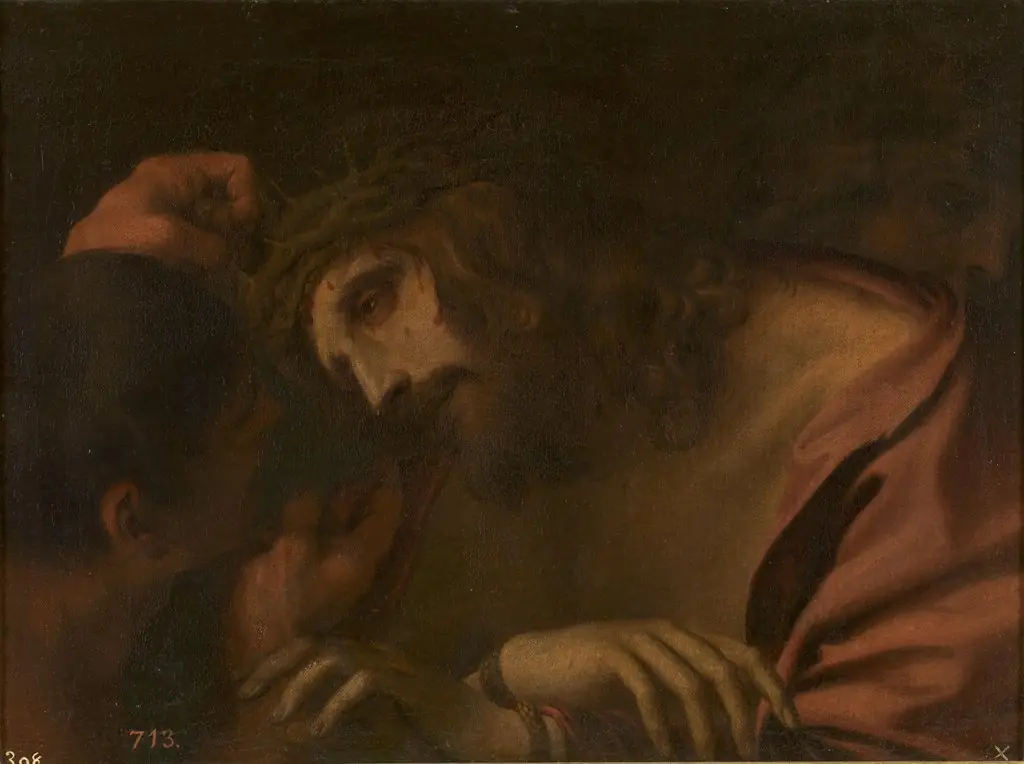
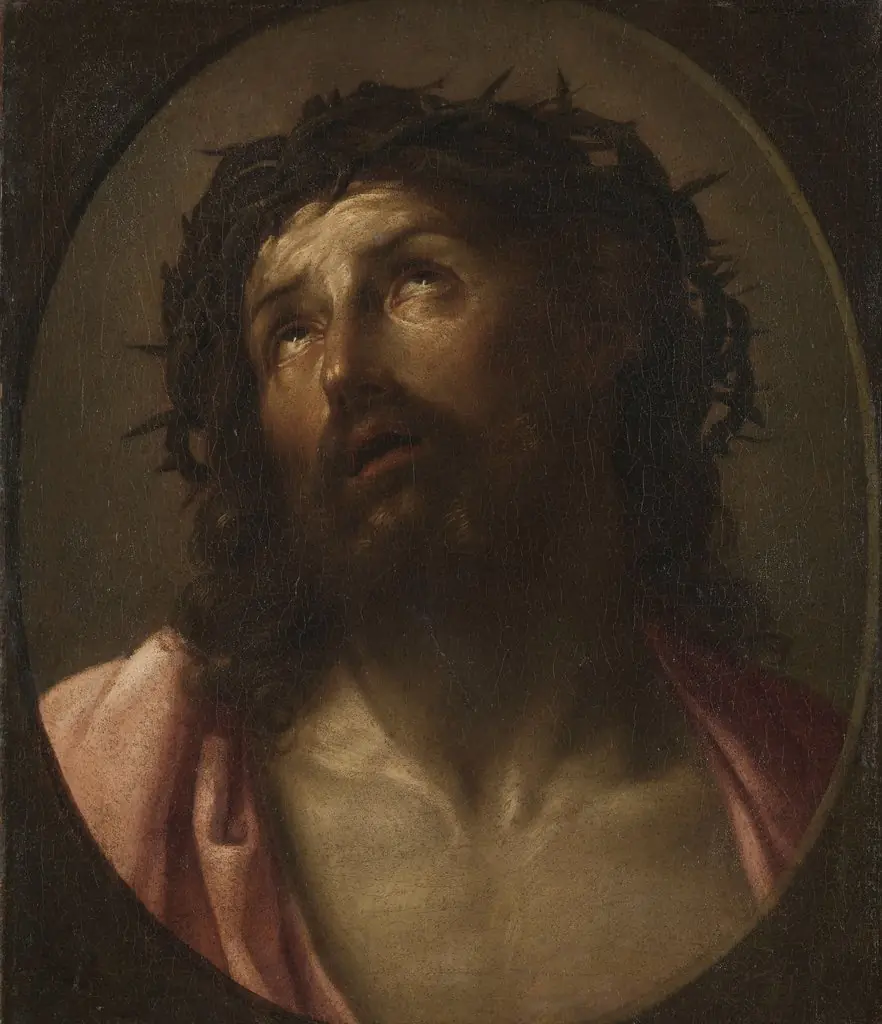
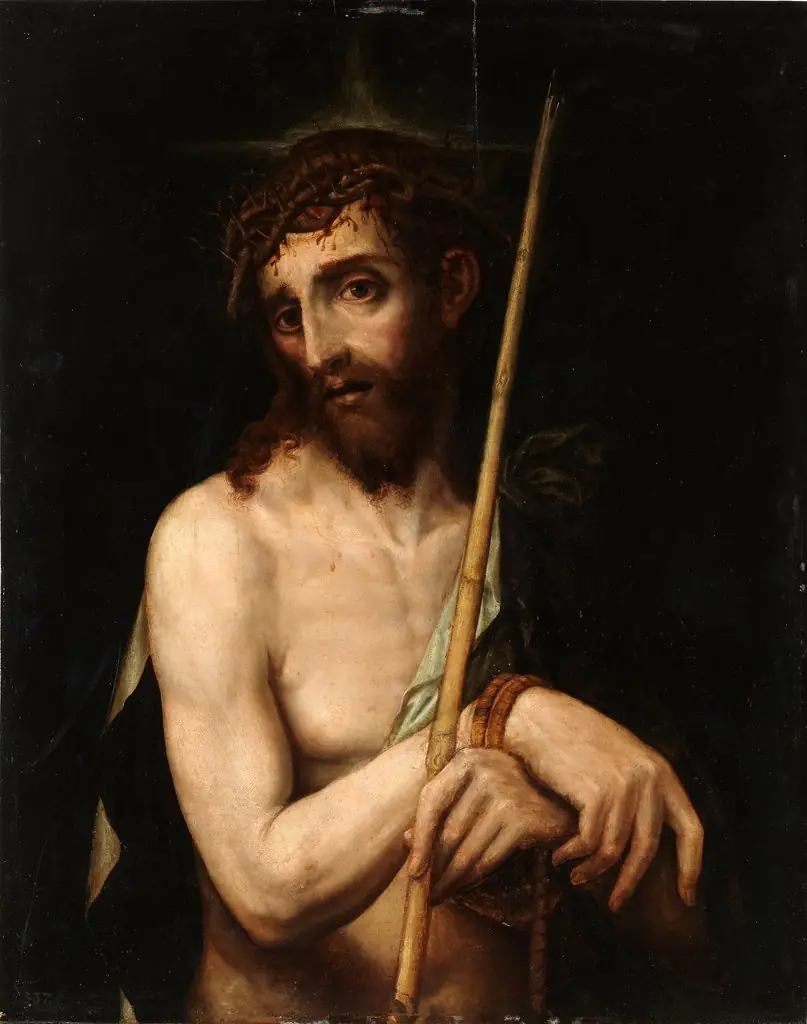
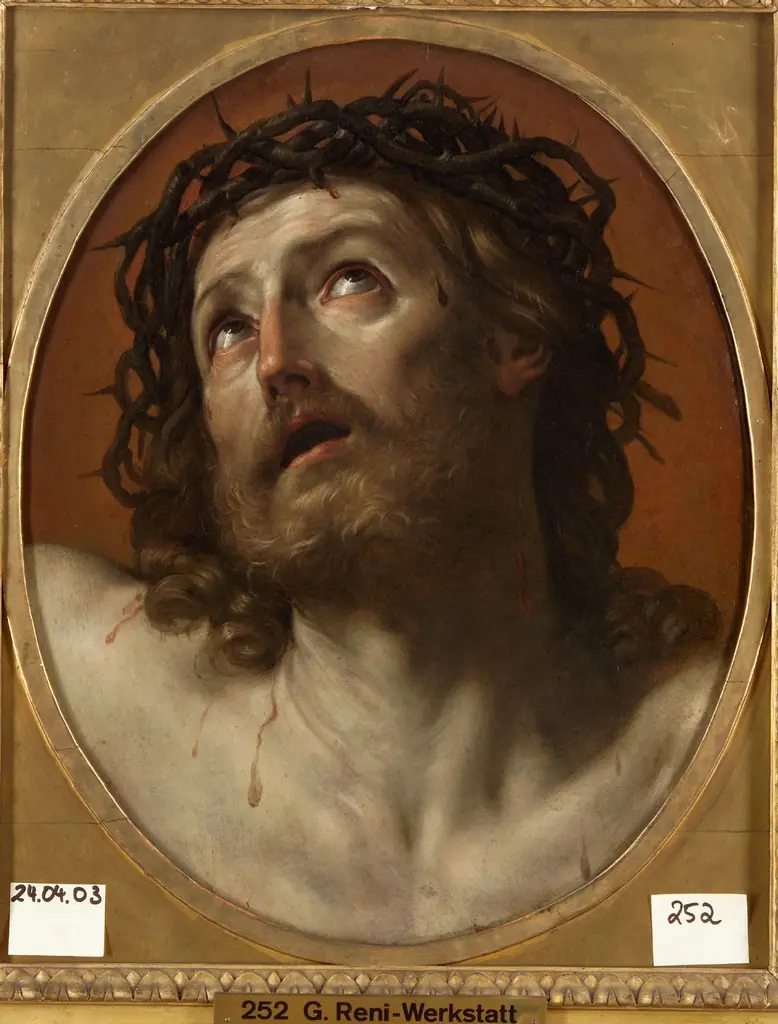
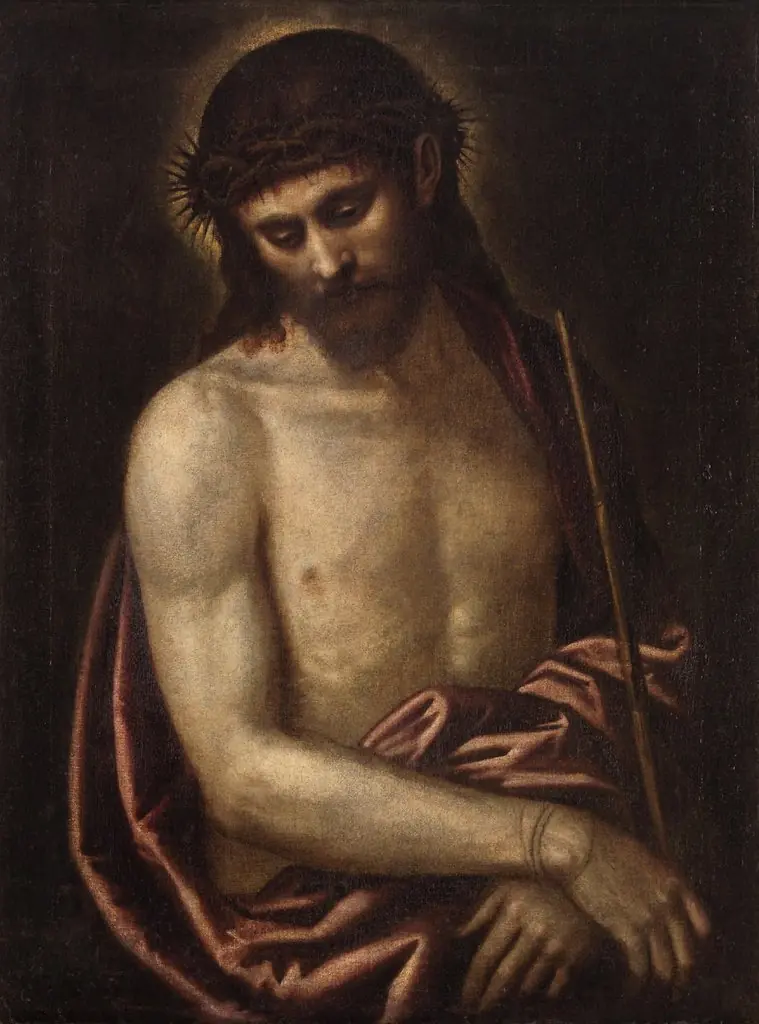
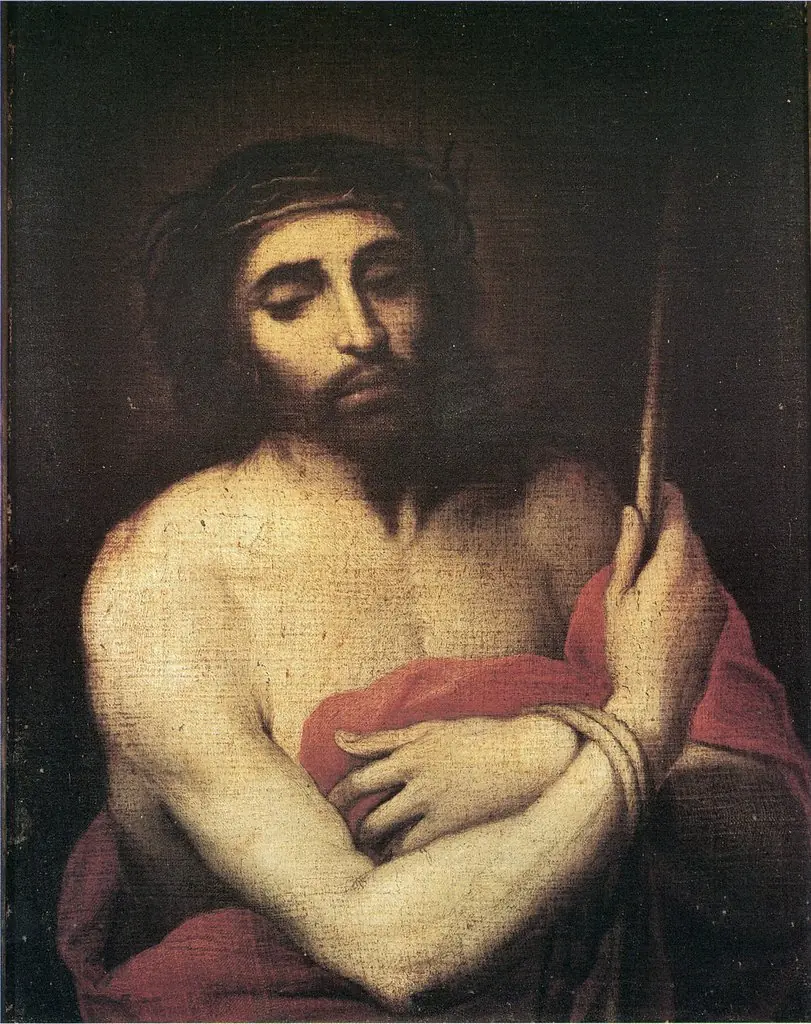
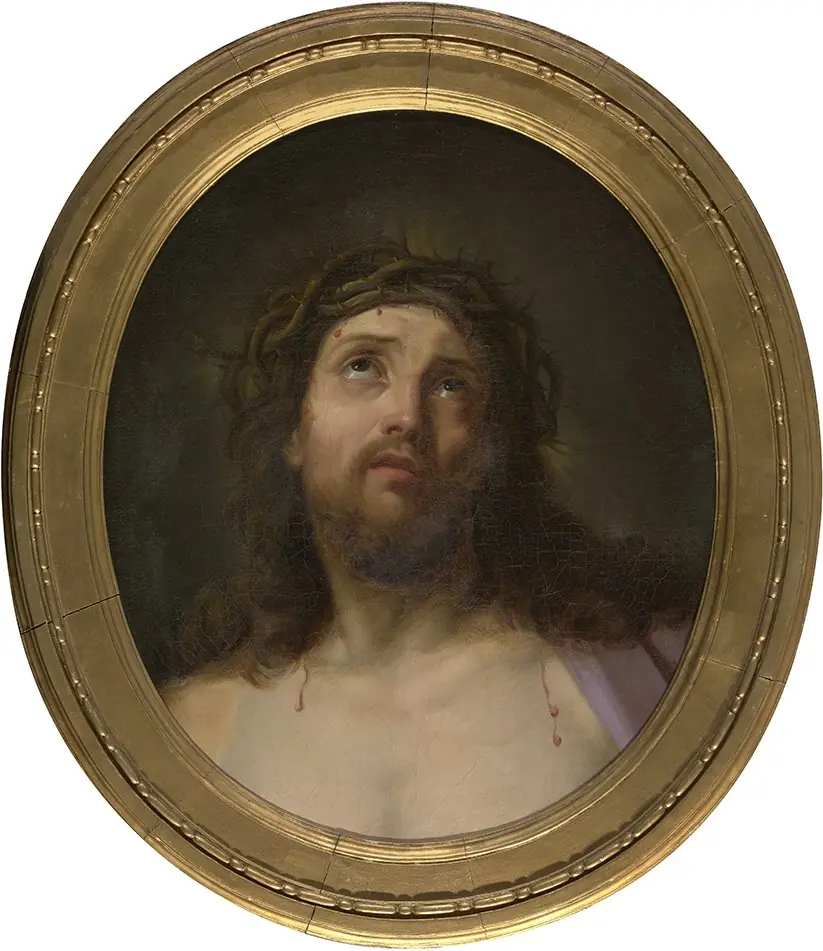
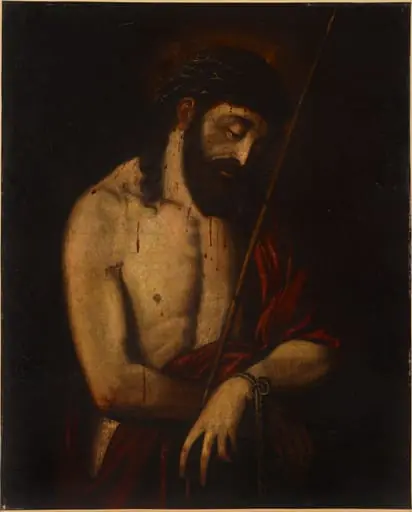
Christ crowned with Thorns is an oil painting by Unknown. It is held in the collection of the Nationalmuseum. This oil painting portrays a solitary figure, likely Christ, with a crown of thorns encircling his head.
About this work
Overview
Subtle modeling of light and shadow enhances the three-dimensionality of the features, anchoring the emotional weight of the scene in physical form.
This oil painting portrays a solitary figure, likely Christ, with a crown of thorns encircling his head. The composition focuses tightly on the face, set against a dark, uniform background that eliminates spatial context. The figure’s upward gaze and parted lips suggest a moment of silent anguish or prayer. Subtle modeling of light and shadow enhances the three-dimensionality of the features, anchoring the emotional weight of the scene in physical form.
Subject & Meaning
The figure is identified through traditional iconography—the crown of thorns, beard, and long hair—as Christ during his Passion. His upward gaze may signify surrender to divine will or a cry to heaven, while the open mouth implies a suppressed cry or breath caught in suffering. The absence of other figures or narrative elements isolates the viewer in direct confrontation with the subject’s humanity and pain, emphasizing introspection over drama.
Technique & Style
The artist employs chiaroscuro to define the contours of the face, using gradations of brown and beige to model skin with quiet realism. Shadows deepen along the jawline and neck, creating volume without harsh contrasts. The background, uniformly dark, serves to isolate the face and intensify its presence. Brushwork is restrained, favoring smooth transitions over texture, reinforcing the painting’s meditative tone.
History & Provenance
The painting’s origin and early ownership are undocumented in available records. Its style suggests a Northern European or Spanish origin from the late 16th or early 17th century, a period when devotional imagery of Christ’s suffering was common. No known exhibition history or collector lineage has been established, leaving its journey to the present largely unknown.
Context
Created during a time of religious upheaval, this work reflects the Counter-Reformation emphasis on personal devotion and emotional engagement with sacred suffering. Similar images circulated in private prayer books and chapels, intended to inspire empathy and penitence. The absence of elaborate setting or accompanying figures aligns with a trend toward intimate, psychologically focused depictions of Christ.
Legacy
Though not widely reproduced or studied, the painting contributes to a broader tradition of contemplative Christ portraits that prioritize emotional resonance over narrative spectacle. Its restrained technique and focused composition influenced later devotional works that sought to evoke quiet reverence rather than theatrical pathos, preserving a quiet but enduring visual language of spiritual endurance.
Artist & collection

 Domestic Scene
 Giacomo and Cardinal Marco, investing Andrea, Abbot of San Zeno, with his Benefice
 The Nymph of Fontainebleau
 Portrait of a Woman
 Madonna and Child with Saints in the Enclosed Garden
 Venus and Minerva
 Family Group of Four on Sofa
 Wall painting from Room H of the Villa of P. Fannius Synistor at Boscoreale