Artwork
Ecce Homo
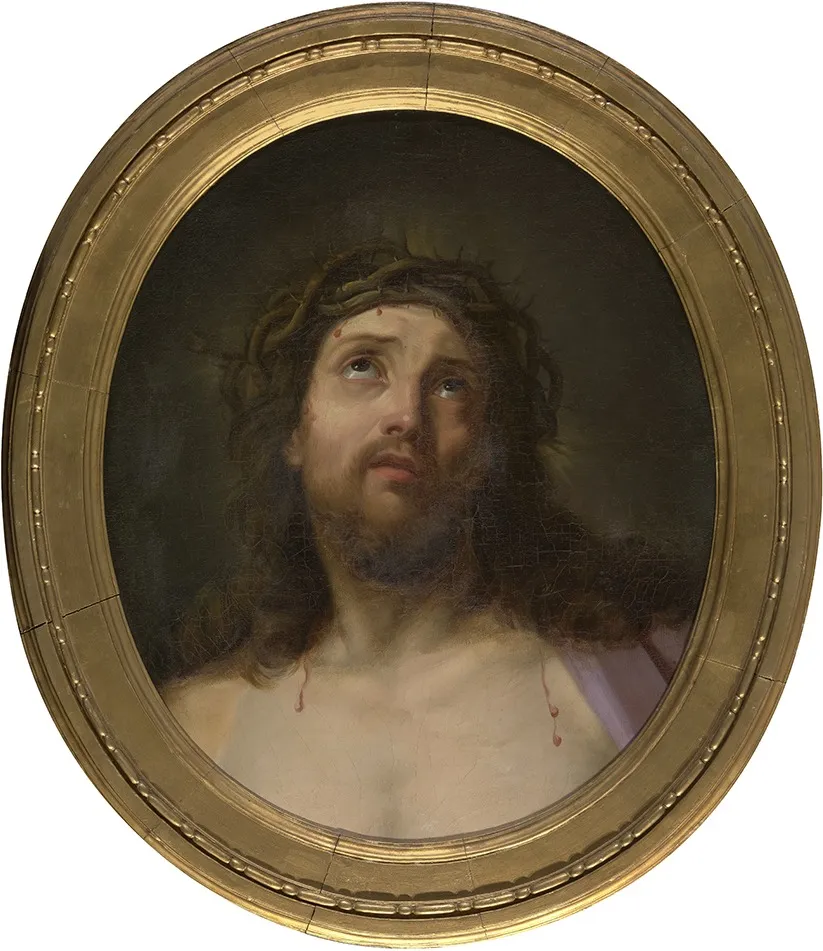
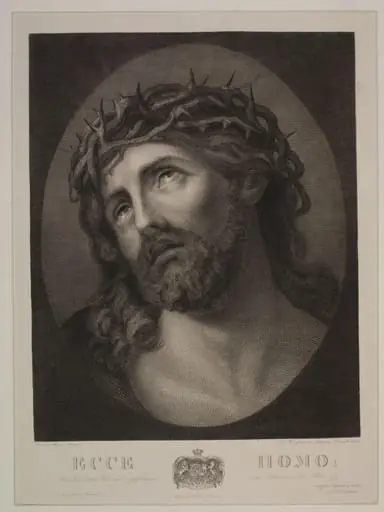
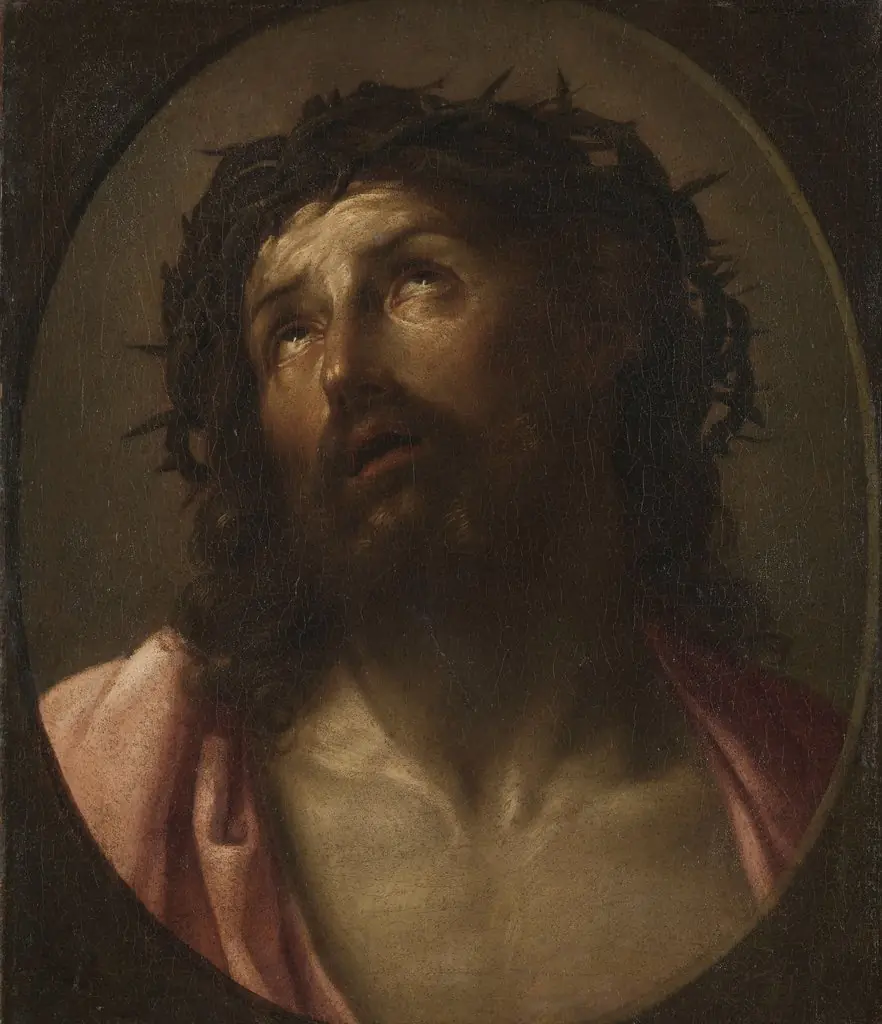
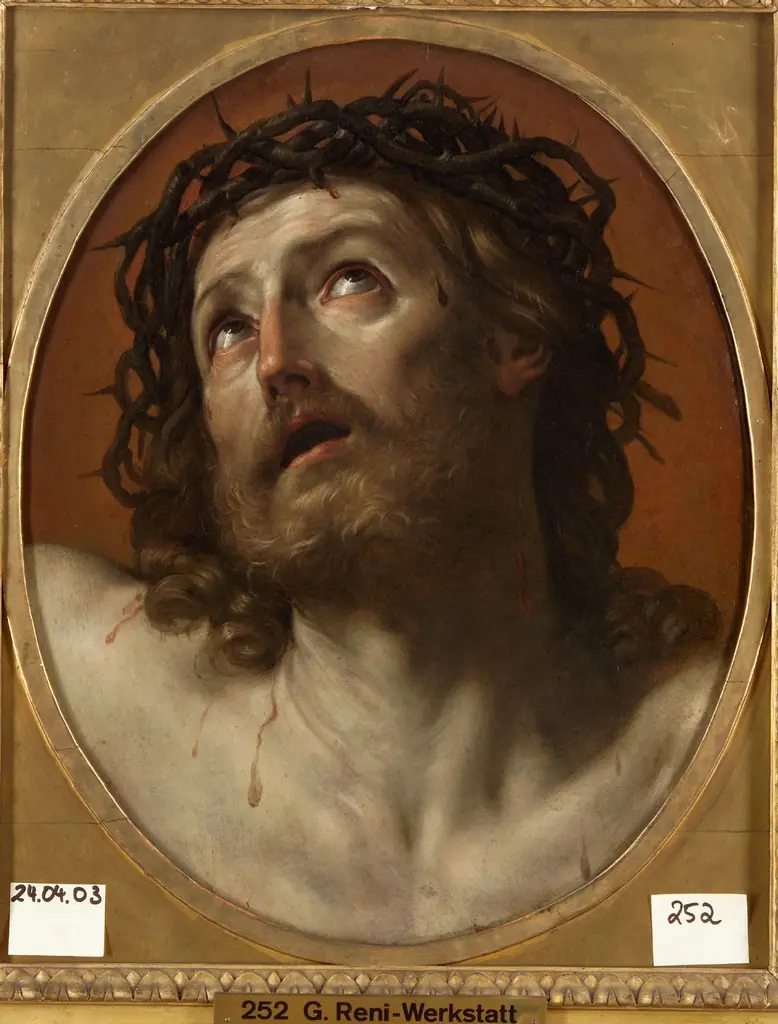
Ecce Homo is an oil painting by the Rococo painting artist Gertrude de Pelichy. It dates from 1788 and is held in the collection of the Groeningemuseum.
About this work
Overview
Completed in 1788, *Ecce Homo* is an oil painting by Gertrude de Pelichy, a Dutch artist who received training in both Bruges and Paris. The work belongs to the Rococo period and is part of the permanent collection of the Groeningemuseum.
Subject & Meaning
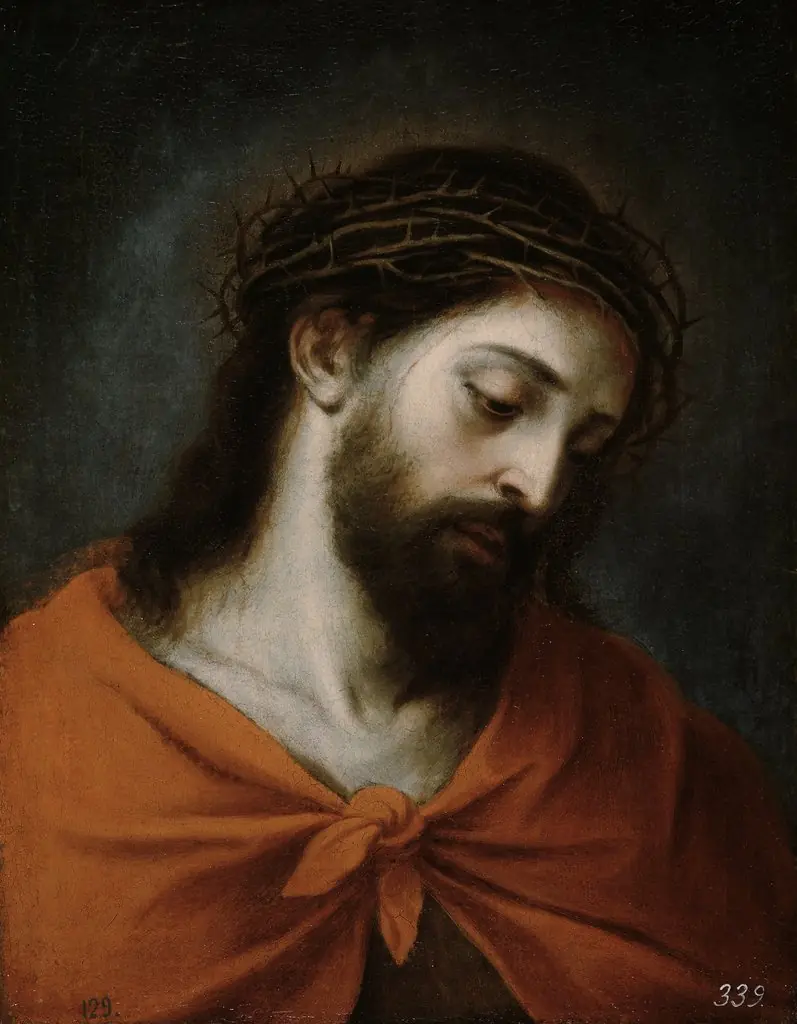
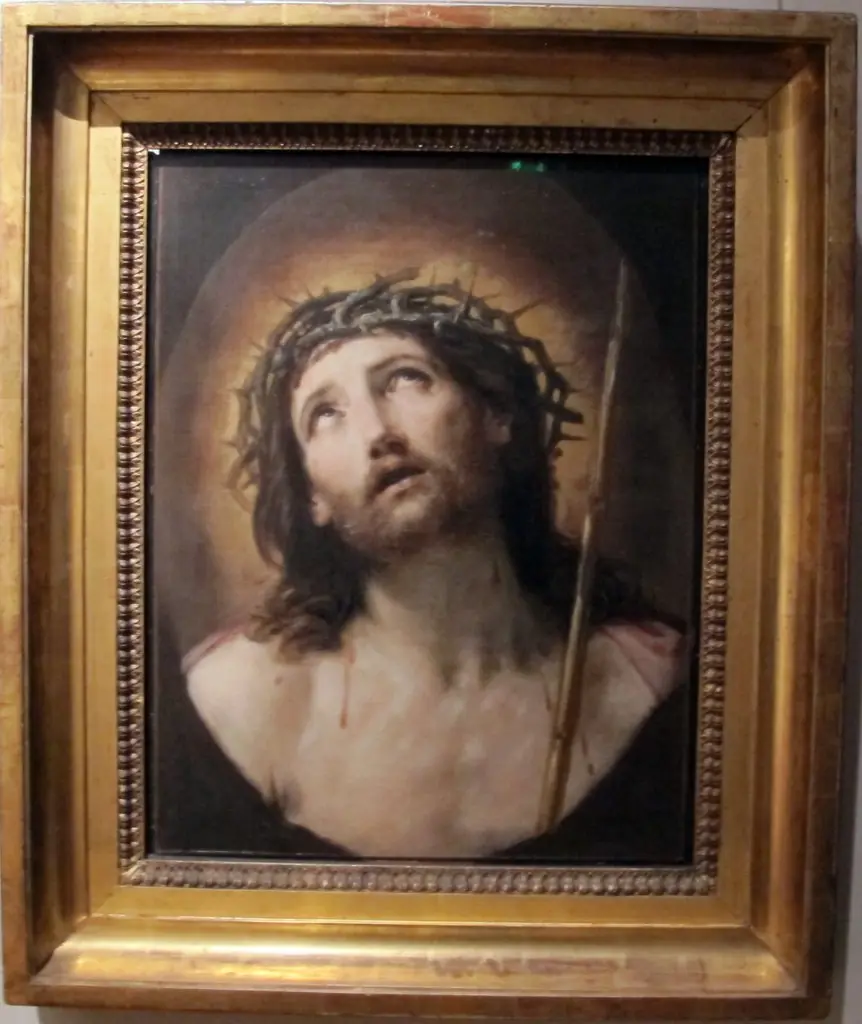
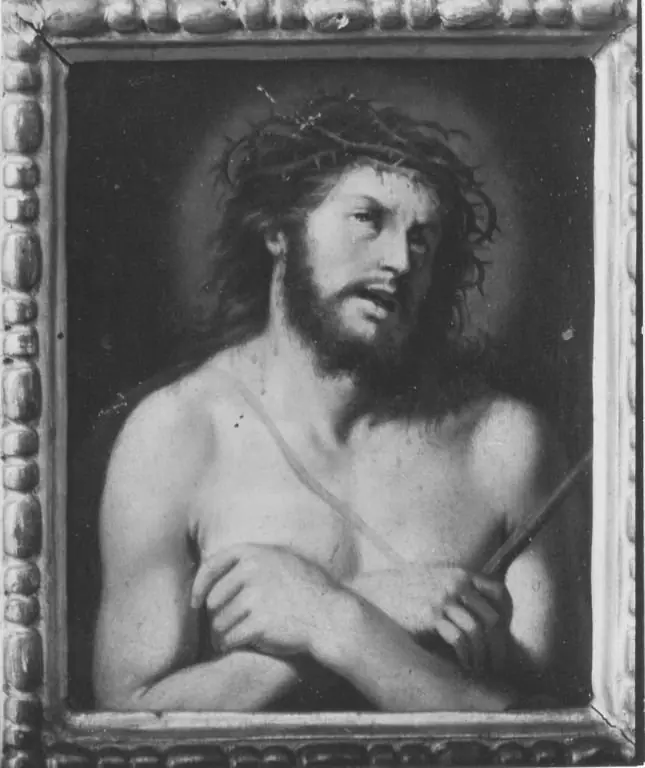
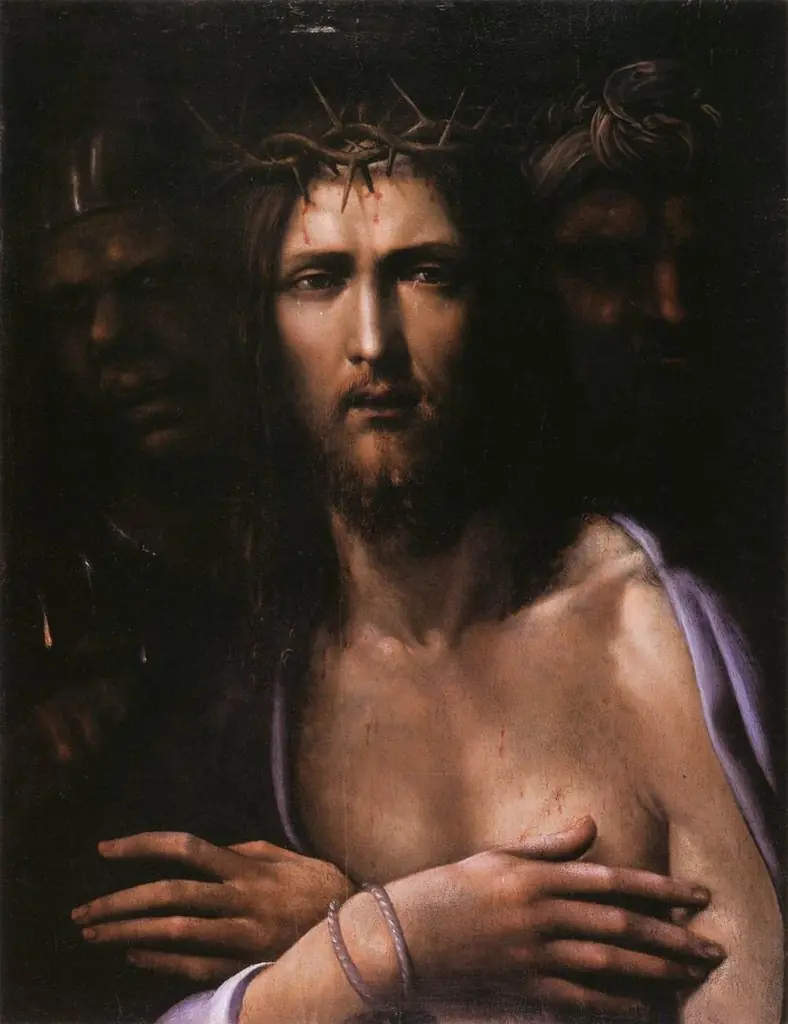
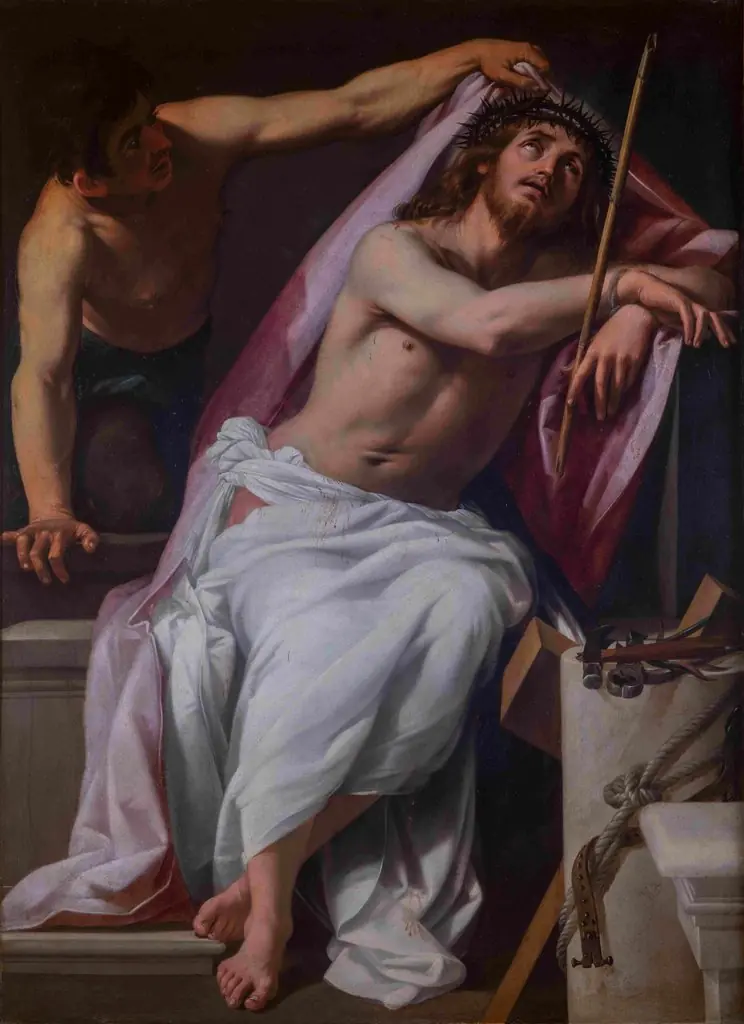
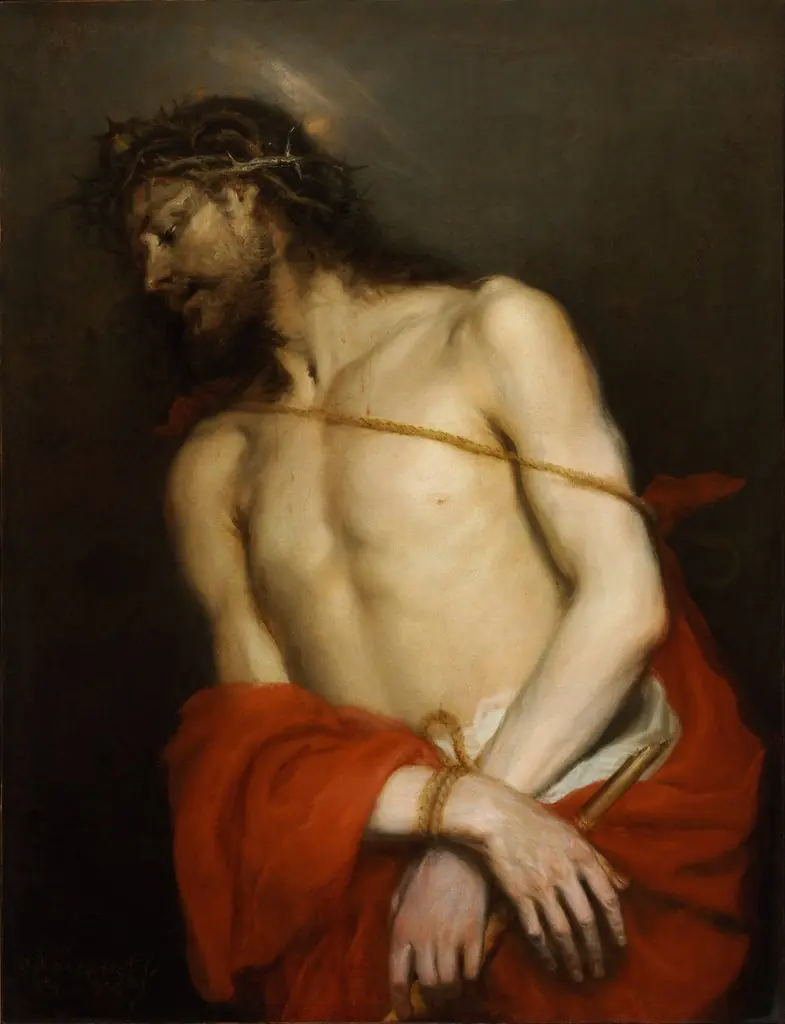
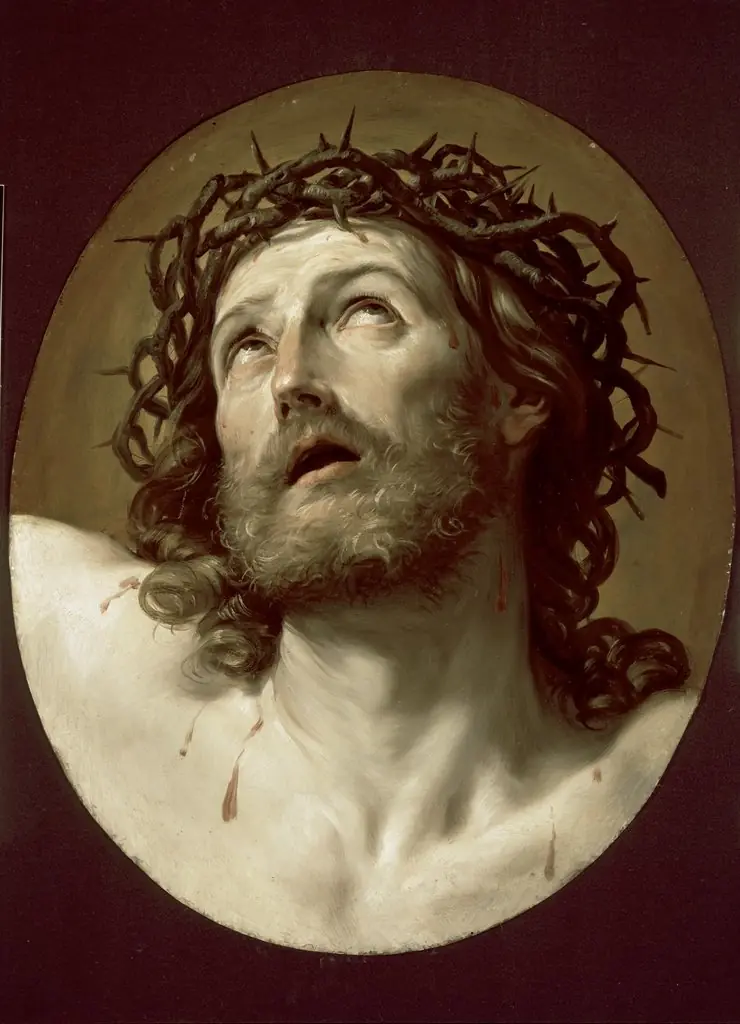
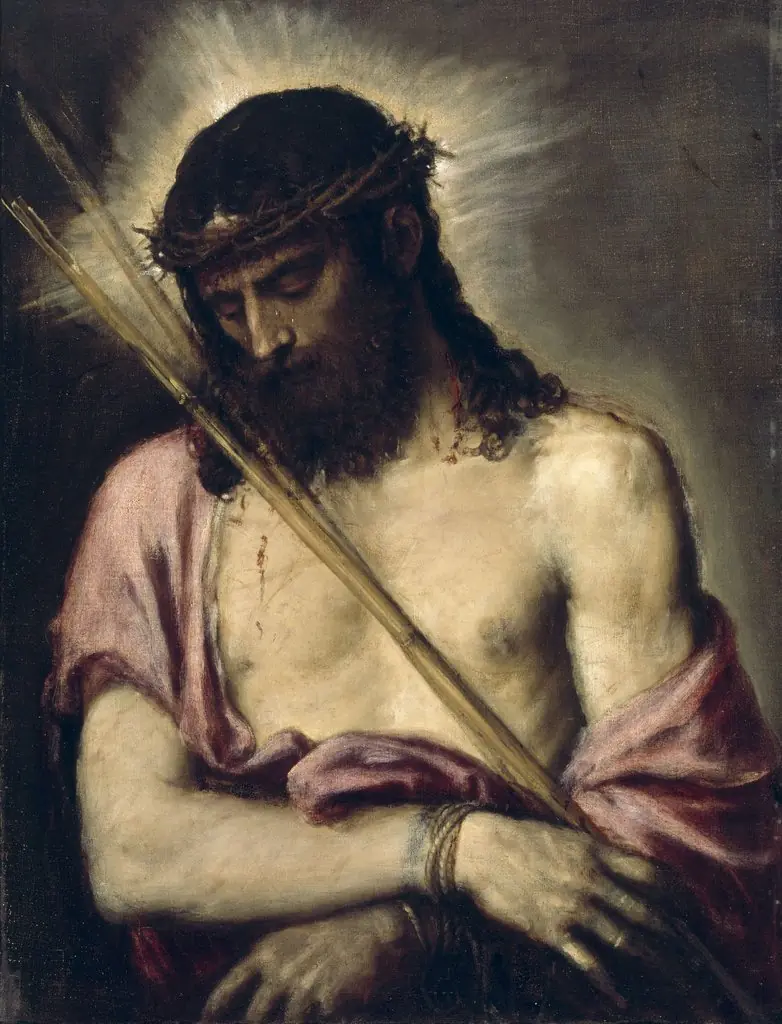
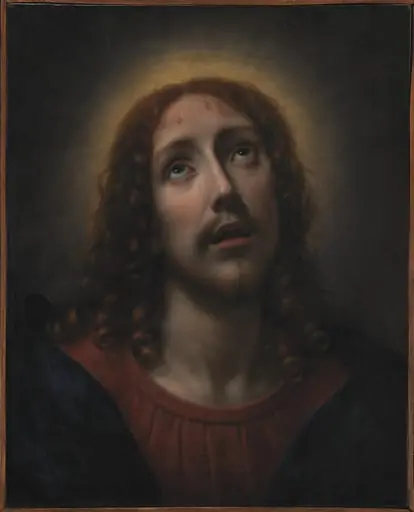
The canvas portrays the biblical figure of Jesus crowned with thorns, his long dark hair and beard rendered in detail. He looks upward, his white garment partially visible, while drops of blood appear on his chest, evoking the suffering and sacrifice central to the scene.
Technique & Style
Executed in a Rococo manner, the painting employs strong chiaroscuro: a dark background contrasts with a soft golden illumination that models the face and upper torso, creating depth and emphasizing the emotional gravity of the moment.
History & Provenance
After its creation, the work entered the holdings of the Groeningemuseum in Bruges, where it remains on display. Its provenance traces back to the artist’s own studio, reflecting the cross‑regional influences of her training.
Artist & collection
Artist
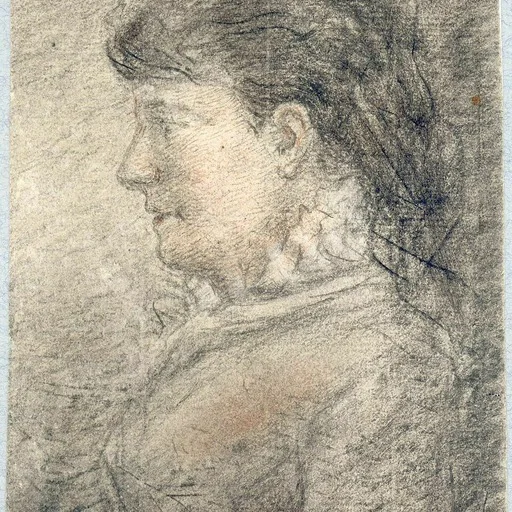
Gertrude Cornélie Marie de Pélichy (1743 – 1825) was a painter from the Northern Netherlands active in Paris and Bruges.