Artwork
Legend of Durga
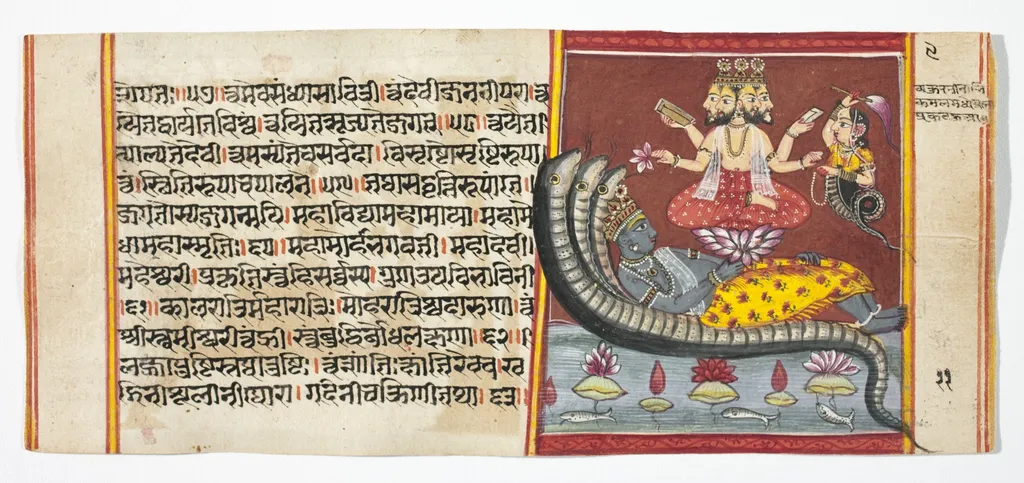
Legend of Durga is an unspecified painting by Unknown. It is held in the collection of the Detroit Institute of Arts.
About this work
Overview
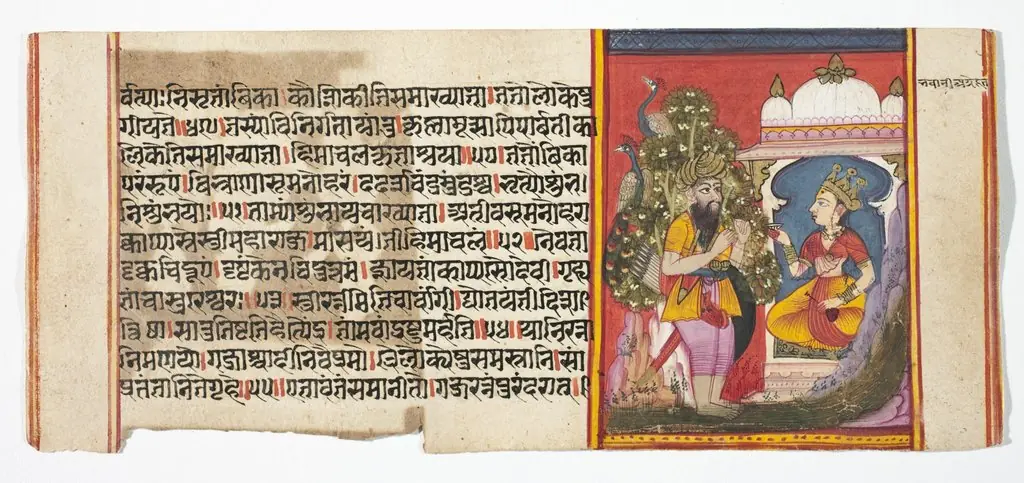
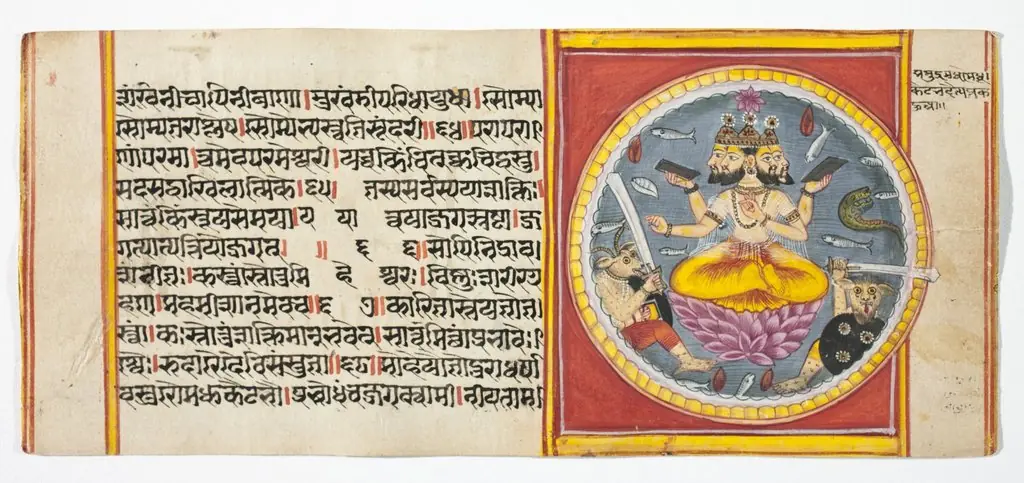
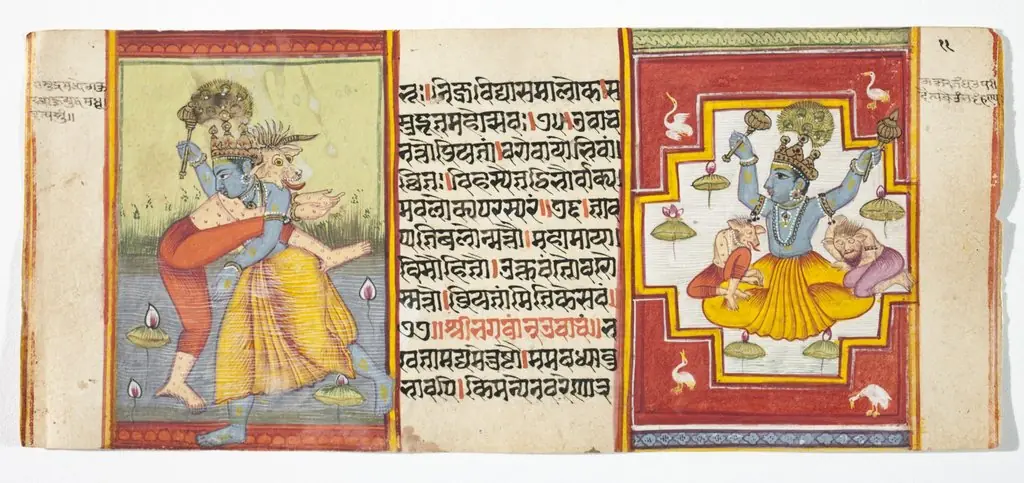
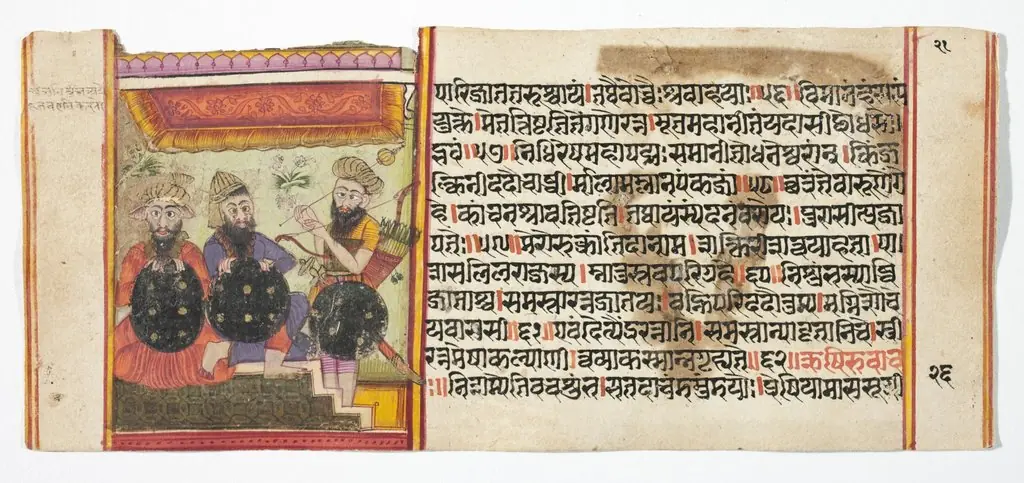
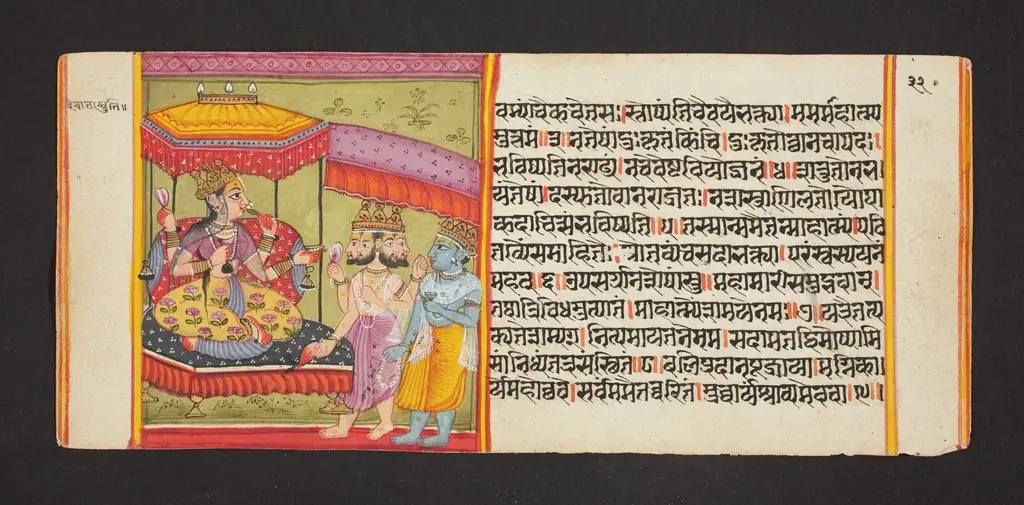
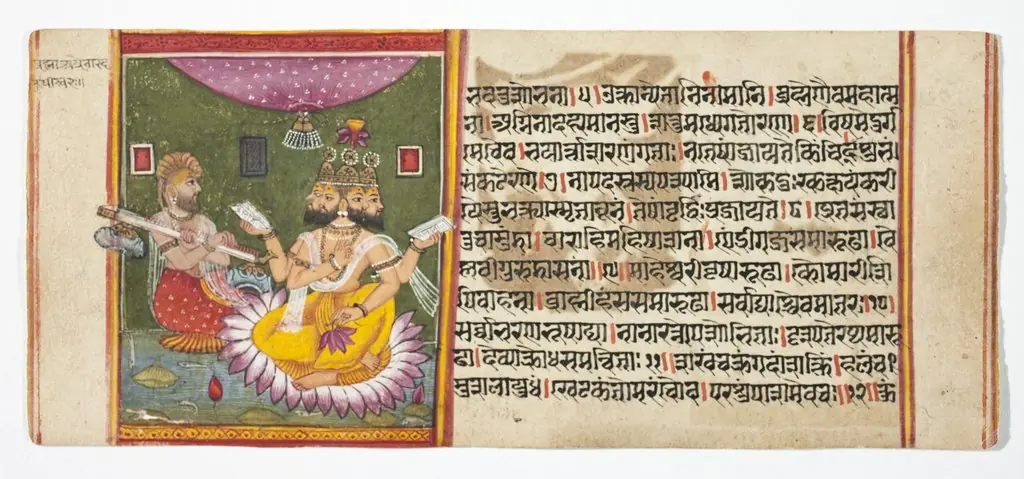
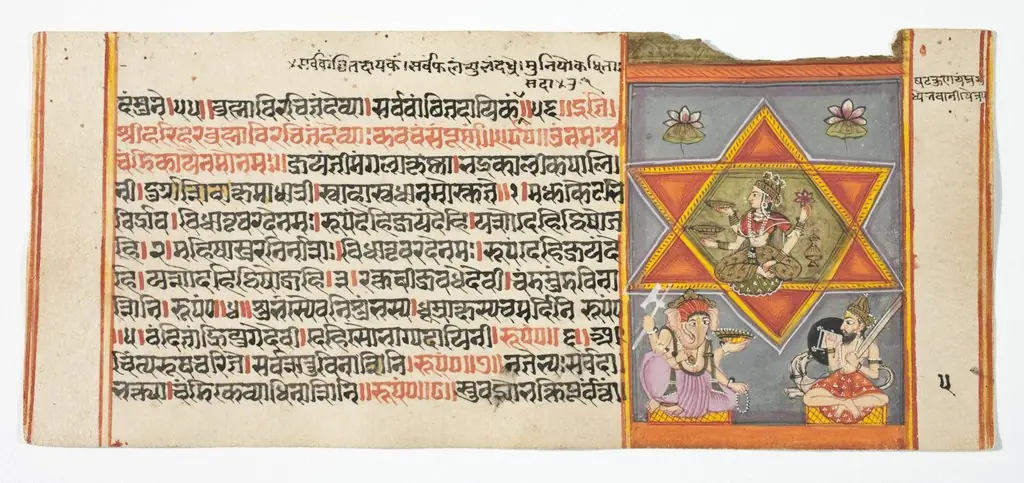
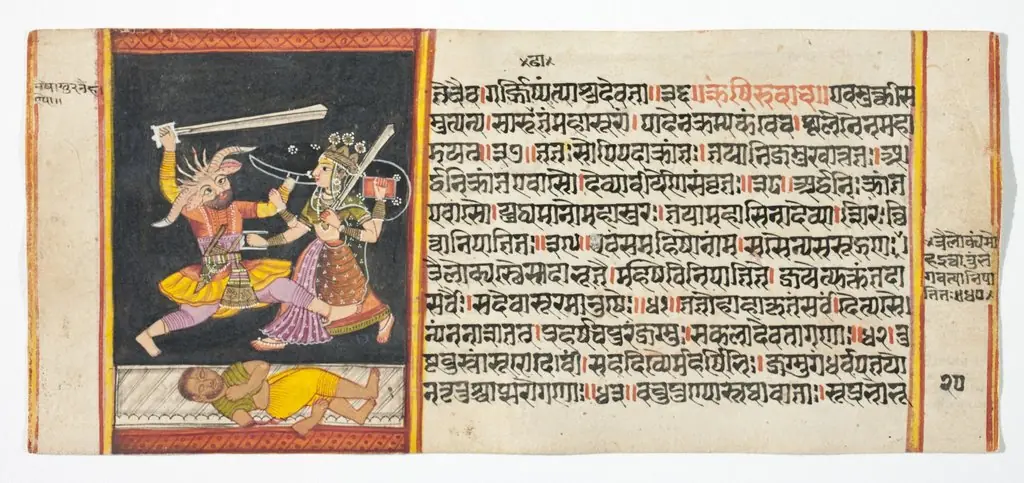
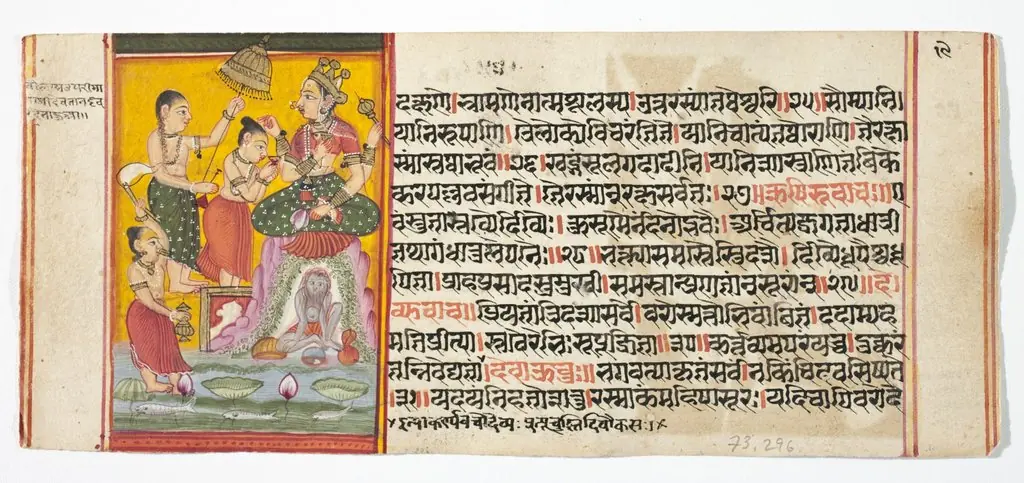
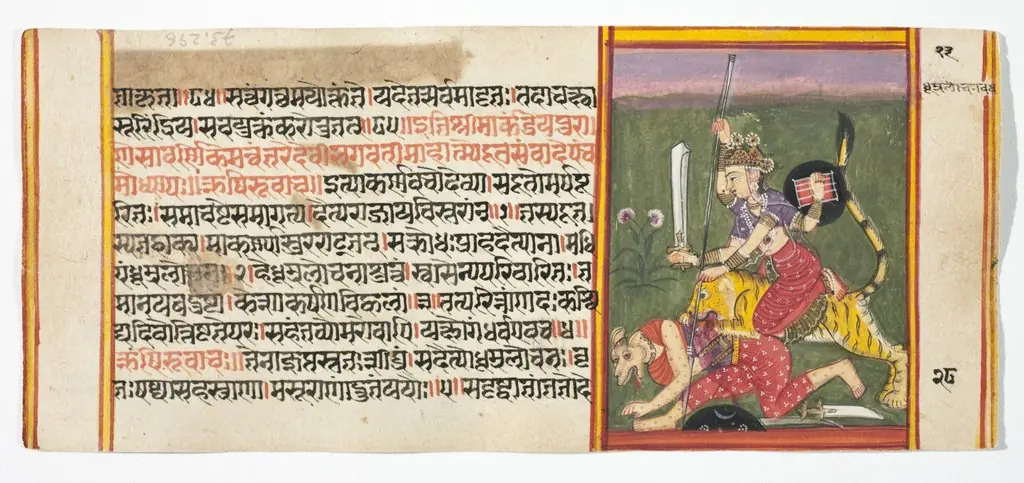
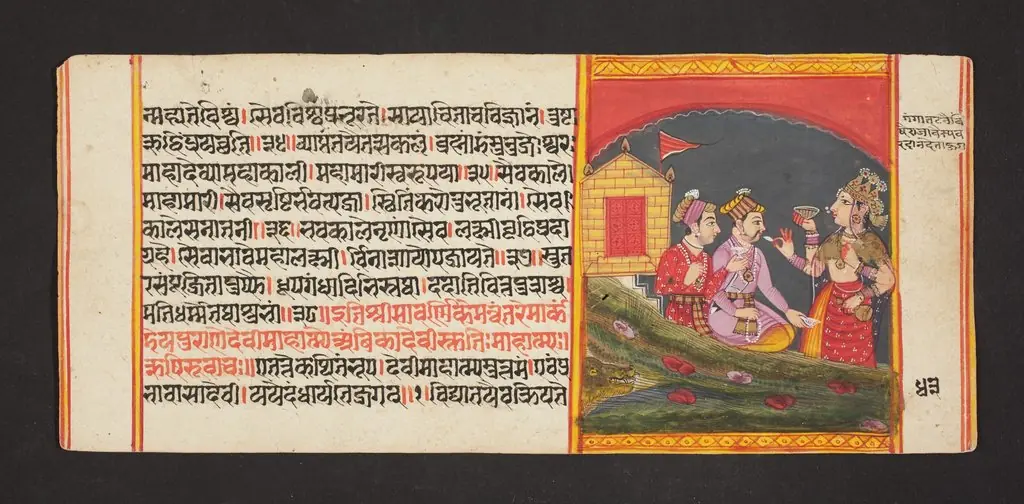
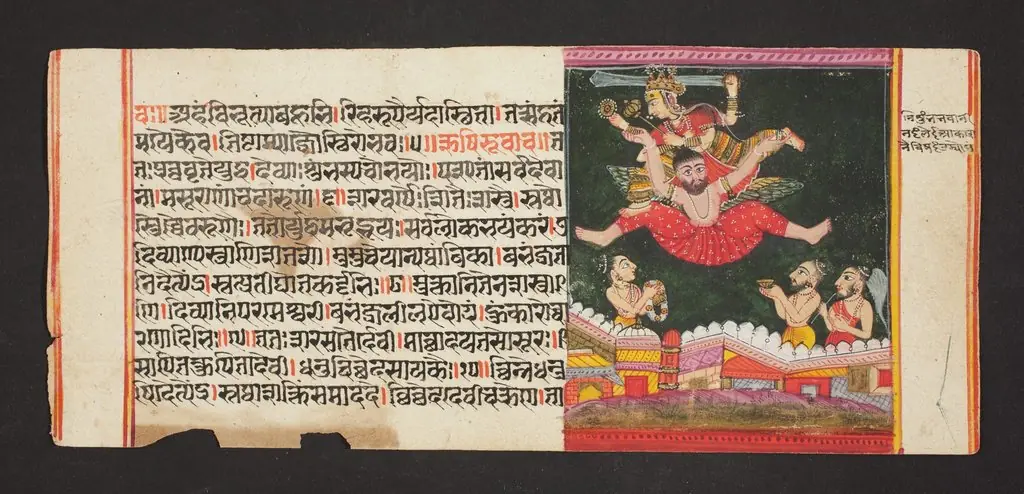
This painting illustrates episodes from the Hindu mythological narrative of the goddess Durga, depicting her triumph over the buffalo demon Mahishasura.
This painting illustrates episodes from the Hindu mythological narrative of the goddess Durga, depicting her triumph over the buffalo demon Mahishasura. Created in a traditional Indian miniature style, the work combines intricate detail with symbolic color use to convey divine power and cosmic order. It belongs to a broader tradition of devotional art produced in royal ateliers across northern India.
Subject & Meaning
The scene centers on Durga, multi-armed and mounted on a lion, slaying the demon Mahishasura, who emerges from the body of his buffalo form. Each weapon she holds represents a divine gift from the gods, symbolizing unity against evil. The composition emphasizes her calm authority amid chaos, reinforcing the theme of dharma prevailing over adharma. Surrounding figures, including lesser deities and devotees, frame her as the cosmic protector.
Technique & Style
Executed in tempera on paper, the painting employs fine brushwork, flat planes of color, and stylized spatial depth typical of Mughal-influenced Rajput schools. Gold leaf accents highlight divine elements, while the figures are rendered with elongated proportions and detailed jewelry. The background is minimally rendered, focusing attention on the central narrative and its symbolic figures.
History & Provenance
The painting likely originated in the late 17th or early 18th century in a Rajput court, possibly in Kangra or Bundi. It was commissioned for a royal patron as part of a devotional manuscript or album. Its provenance traces through private collections in northern India before entering a public collection in the mid-20th century, where it remains preserved as an example of regional religious art.
Context
Produced during a period of flourishing Hindu devotional expression under Muslim-ruled courts, the painting reflects a synthesis of Mughal aesthetics and indigenous iconography. Durga’s cult was especially prominent during Navaratri festivals, and such images served both ritual and didactic purposes. The artwork aligns with broader trends in regional painting that emphasized mythological storytelling over courtly portraiture.
Legacy
This painting contributes to the enduring visual language of Durga worship in South Asia. Its stylistic features influenced later regional schools and continue to inform contemporary religious art. Scholars value it as a record of how mythological narratives were adapted through local artistic conventions, preserving theological ideas in tangible form across generations.
Artist & collection

 Domestic Scene
 Giacomo and Cardinal Marco, investing Andrea, Abbot of San Zeno, with his Benefice
 The Nymph of Fontainebleau
 Portrait of a Woman
 Madonna and Child with Saints in the Enclosed Garden
 Venus and Minerva
 Family Group of Four on Sofa
 Wall painting from Room H of the Villa of P. Fannius Synistor at Boscoreale