Artwork
Roundel with Susanna Led to Judgement
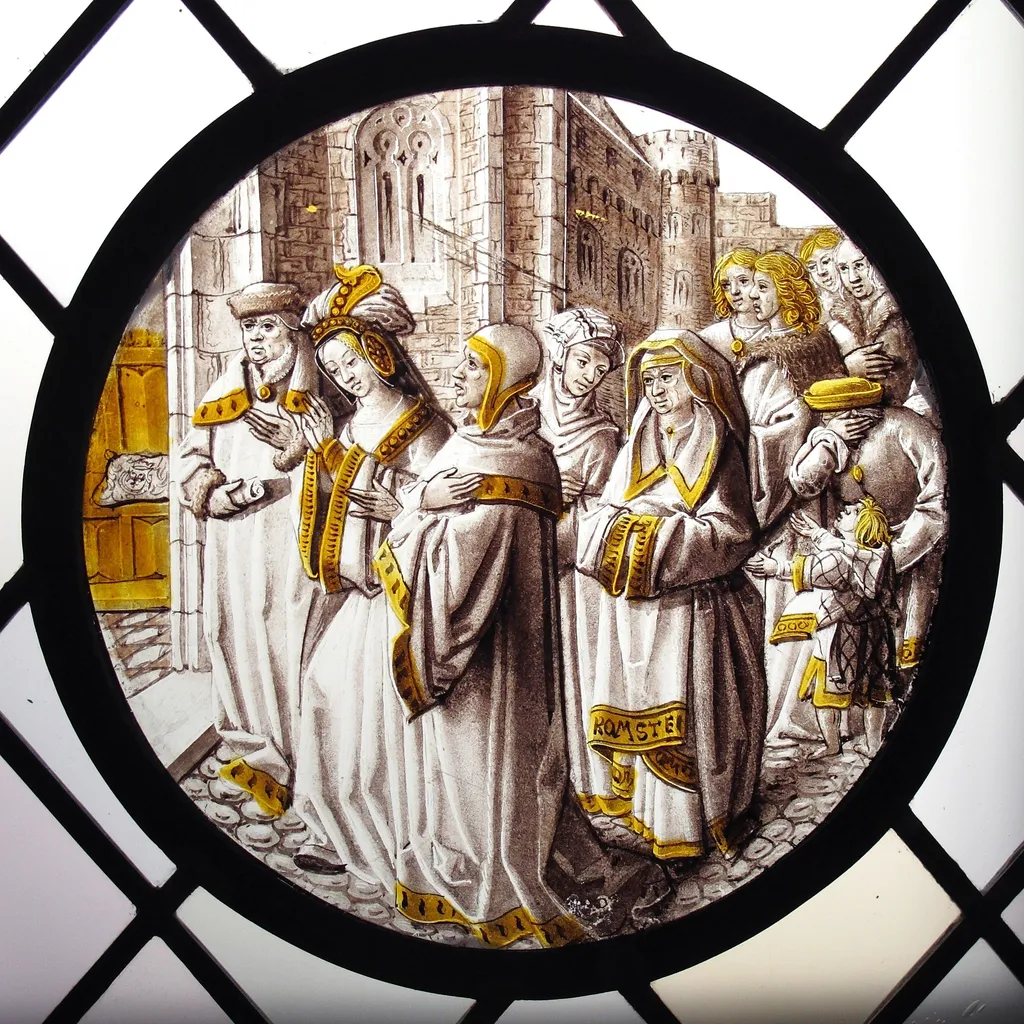
Roundel with Susanna Led to Judgement is an unspecified painting. It dates from 1510 and is held in the collection of the Metropolitan Museum of Art.
About this work
Overview
This circular painting, titled "Roundel with Susanna Led to Judgement," depicts a pivotal moment from the biblical narrative of Susanna.
This circular painting, titled "Roundel with Susanna Led to Judgement," depicts a pivotal moment from the biblical narrative of Susanna. Six figures are arranged before a stone architectural backdrop, likely representing a civic or religious structure. The artwork is characterized by a subdued palette of gold, white, and gray, subtly enlivened by details in red and blue, focusing the viewer's attention on the central dramatic interaction.
Subject & Meaning
The artwork illustrates the story of Susanna, an innocent woman falsely accused by two elders, as she is brought before a tribunal. Her serene expression, despite the gravity of the situation, contrasts with the more agitated postures of the surrounding figures. The presence of a scroll, possibly representing legal documentation, and a baby held by another woman, underscores the themes of justice, accusation, and the vulnerability of the accused.
Technique & Style
The artist employs a focused composition within the round format, drawing the eye to the central group. The color scheme is largely restrained, utilizing gold, white, and gray to establish a somber atmosphere, with sparing use of red and blue to highlight specific elements. The depiction emphasizes the psychological tension among the figures, particularly through their varied stances and the calm demeanor of Susanna amidst the unfolding drama.
Context
Narrative roundels, often integrated into furniture or architectural features, were common in various periods for both decorative and instructive purposes. The story of Susanna was a frequent subject in art due to its moral implications, serving as an allegory for virtue, divine protection, and the ultimate vindication of the righteous against slander. Such works provided visual reinforcement of ethical principles for their viewers.
Artist & collection

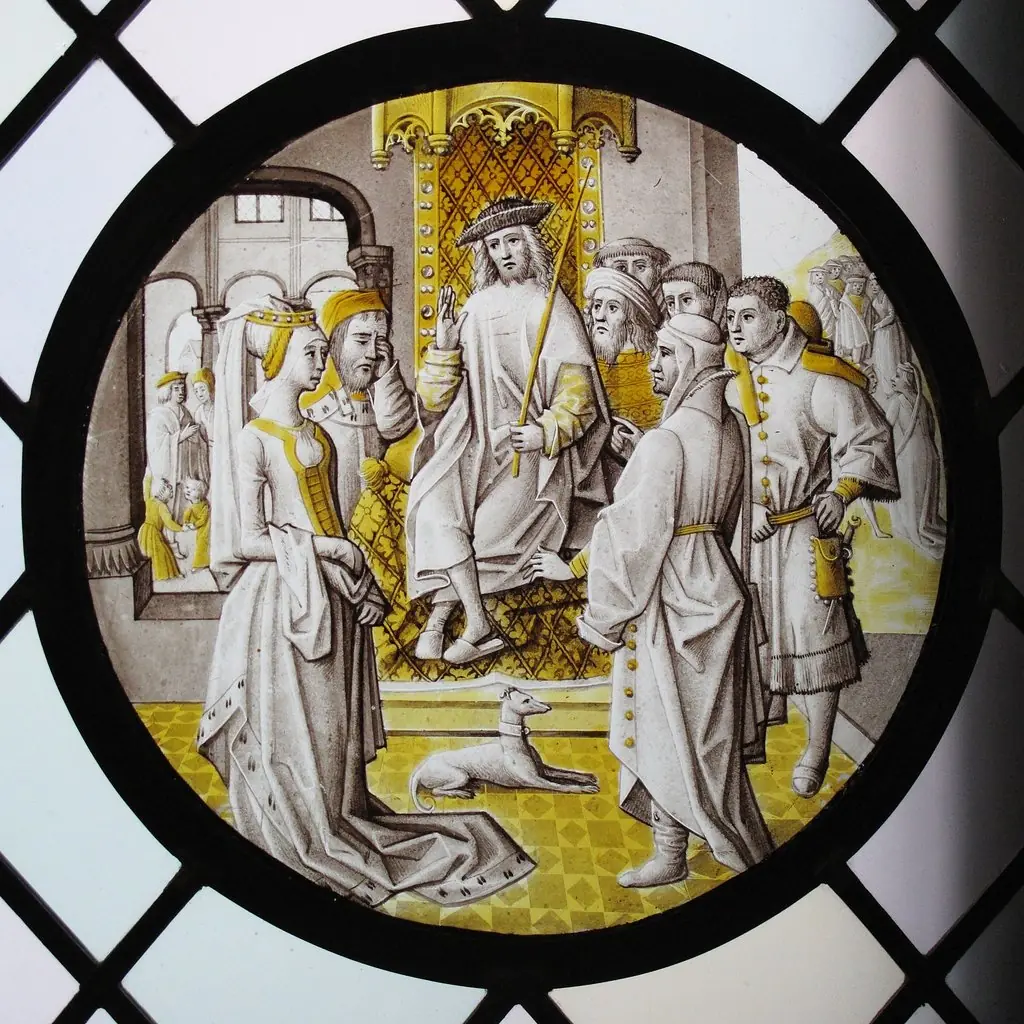 Roundel with Susanna In Judgement
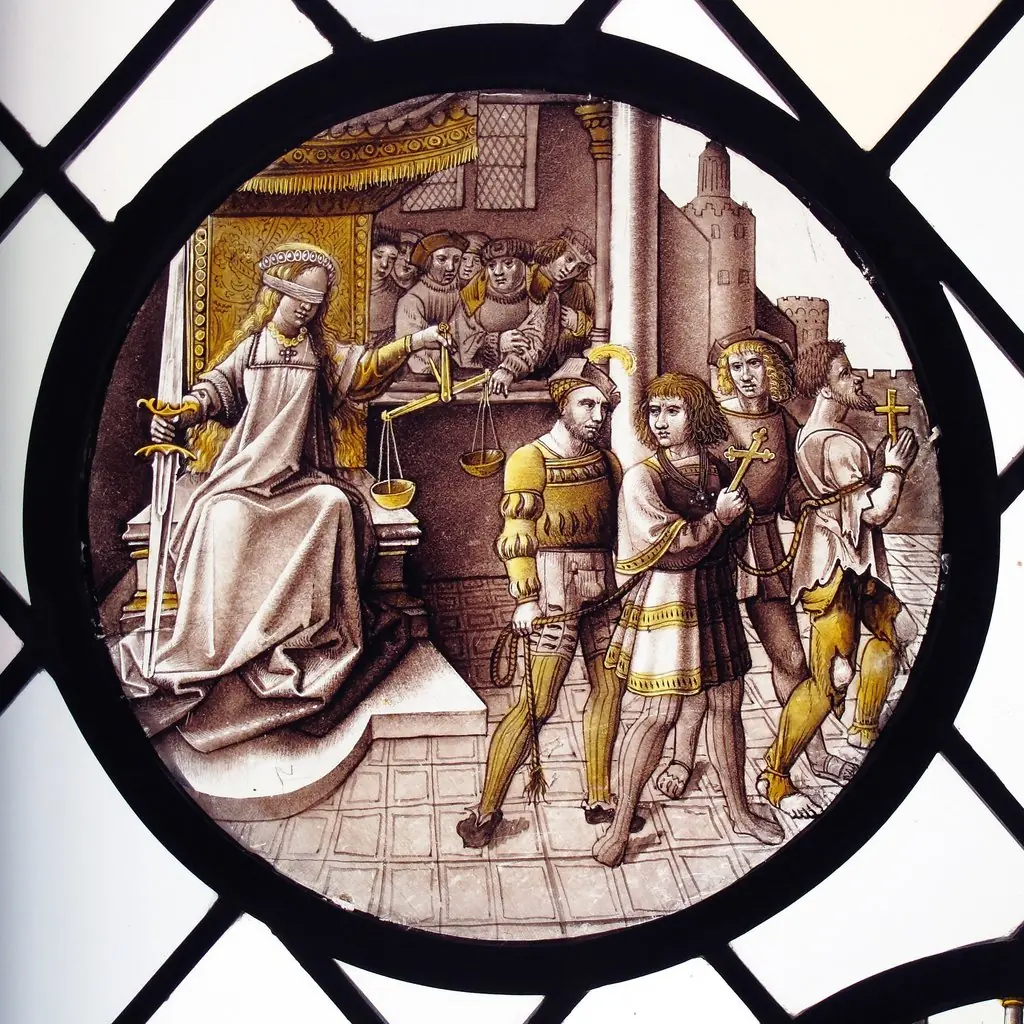 Roundel with Justice
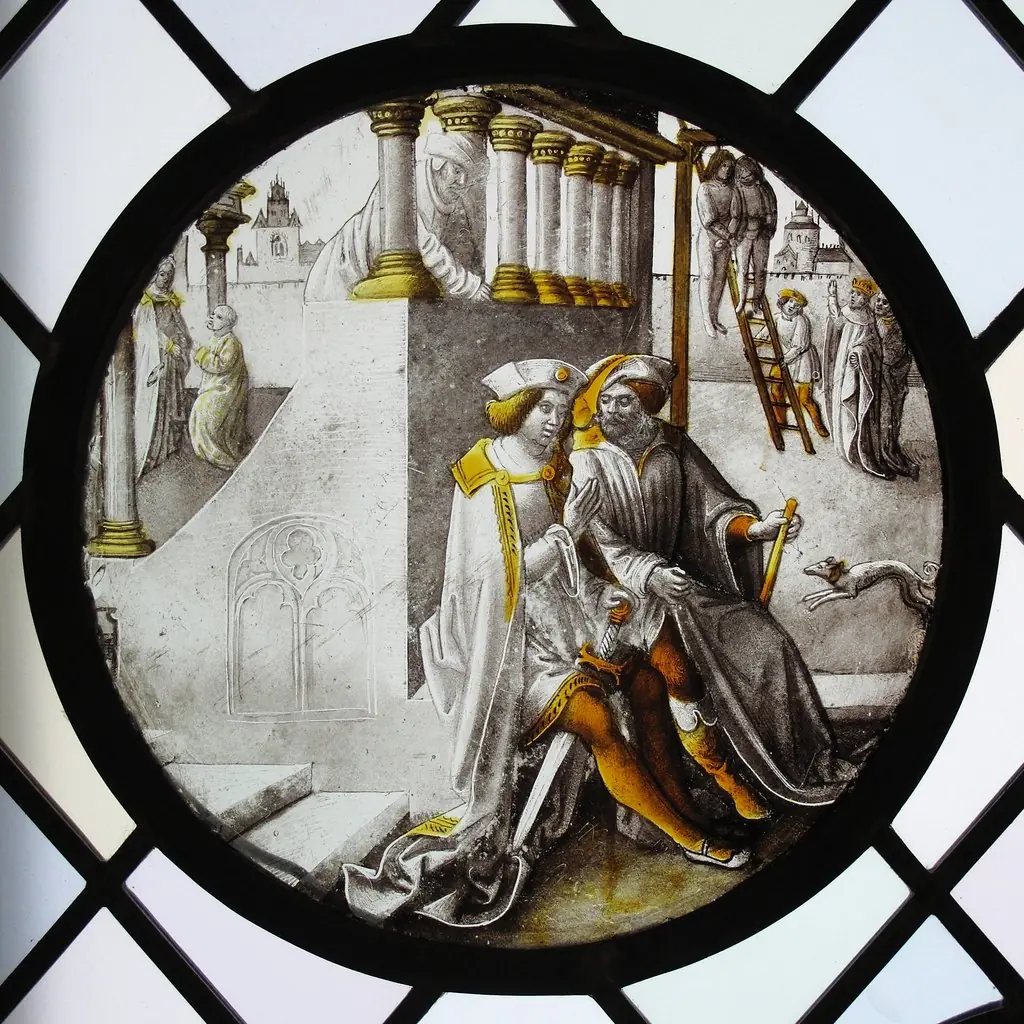 Roundel with Mordecai Overhearing the Conspirators
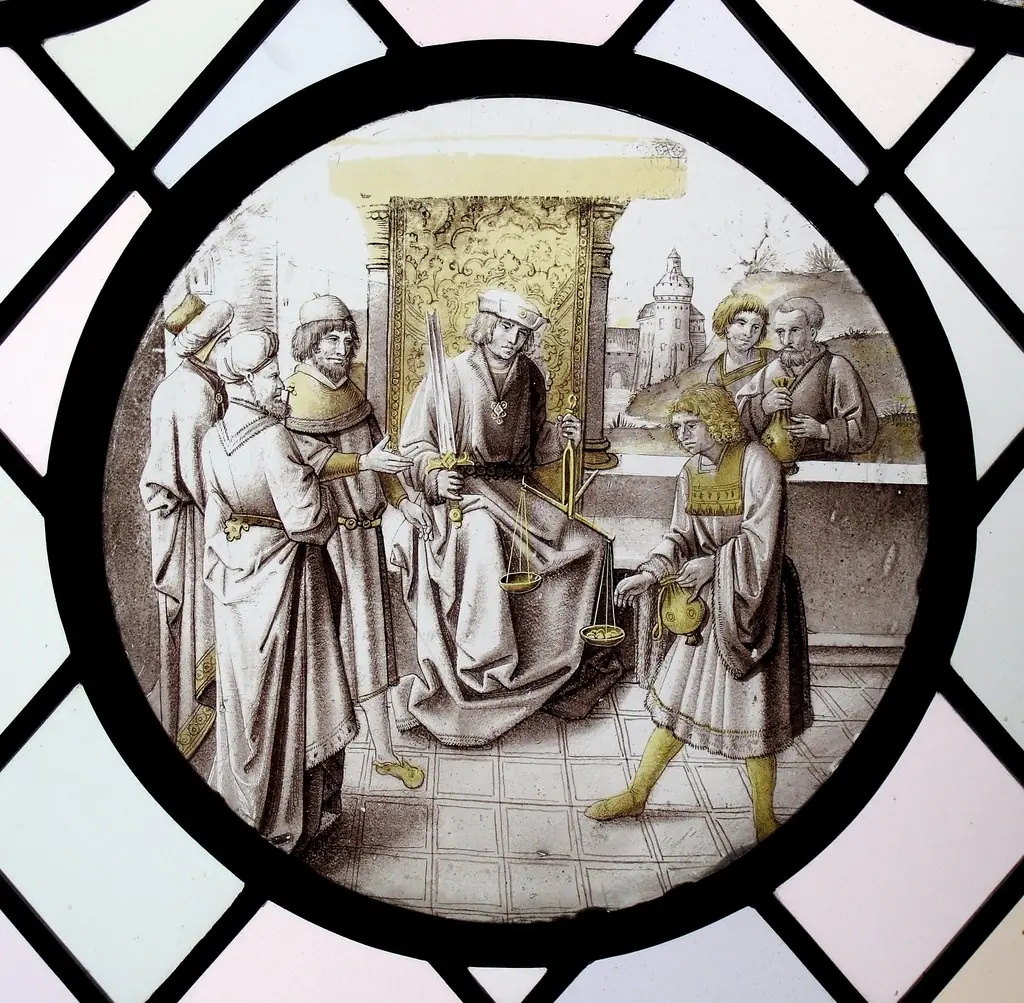 Roundel with Judgment or Allegorical Scene
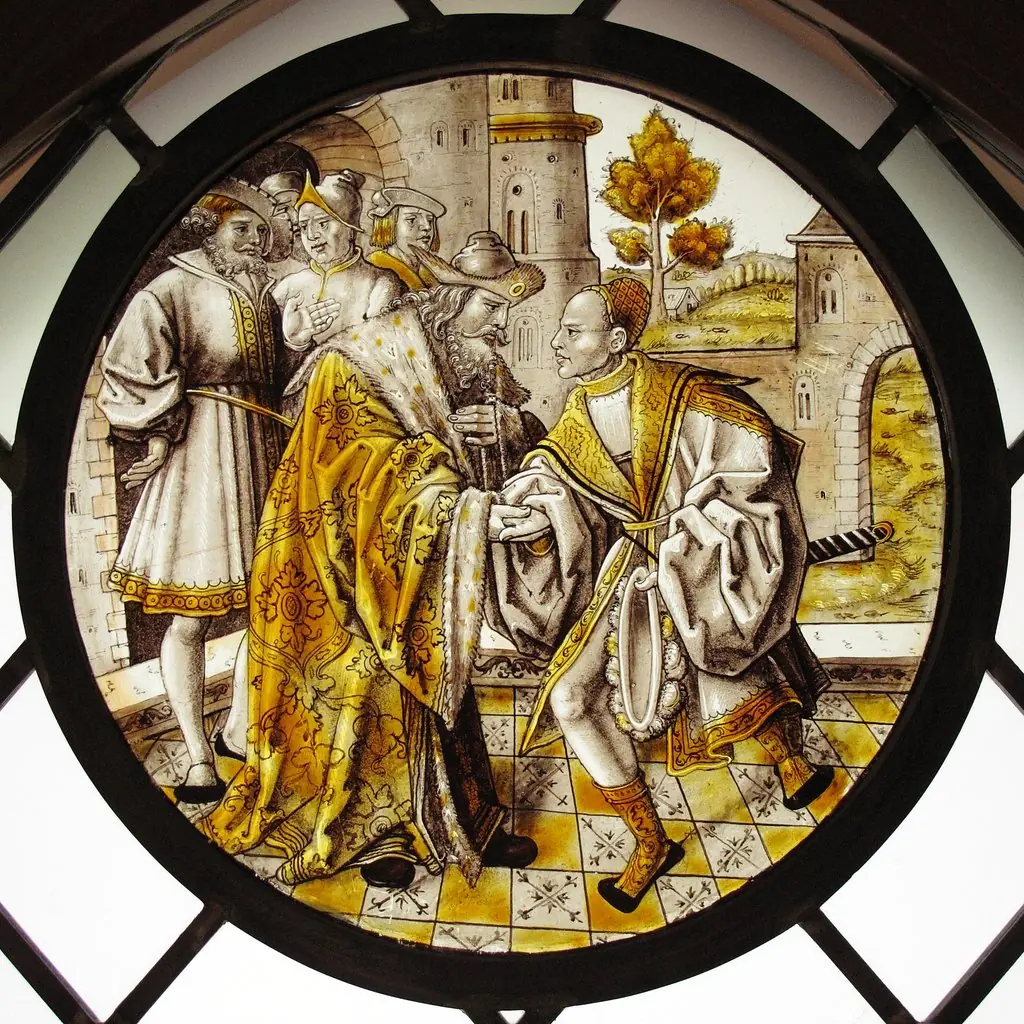 Roundel with Return of the Prodigal Son
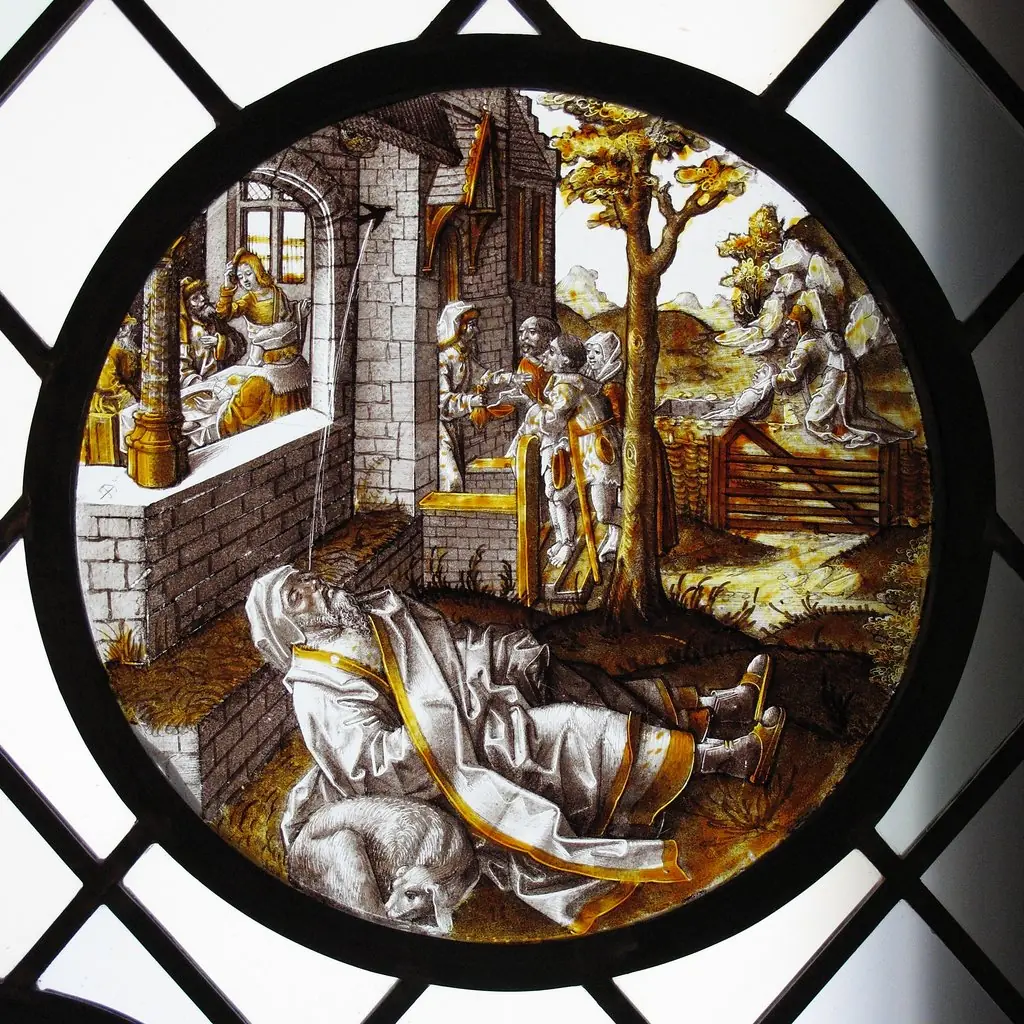 Roundel with the Blinding of Tobit (from a Series)
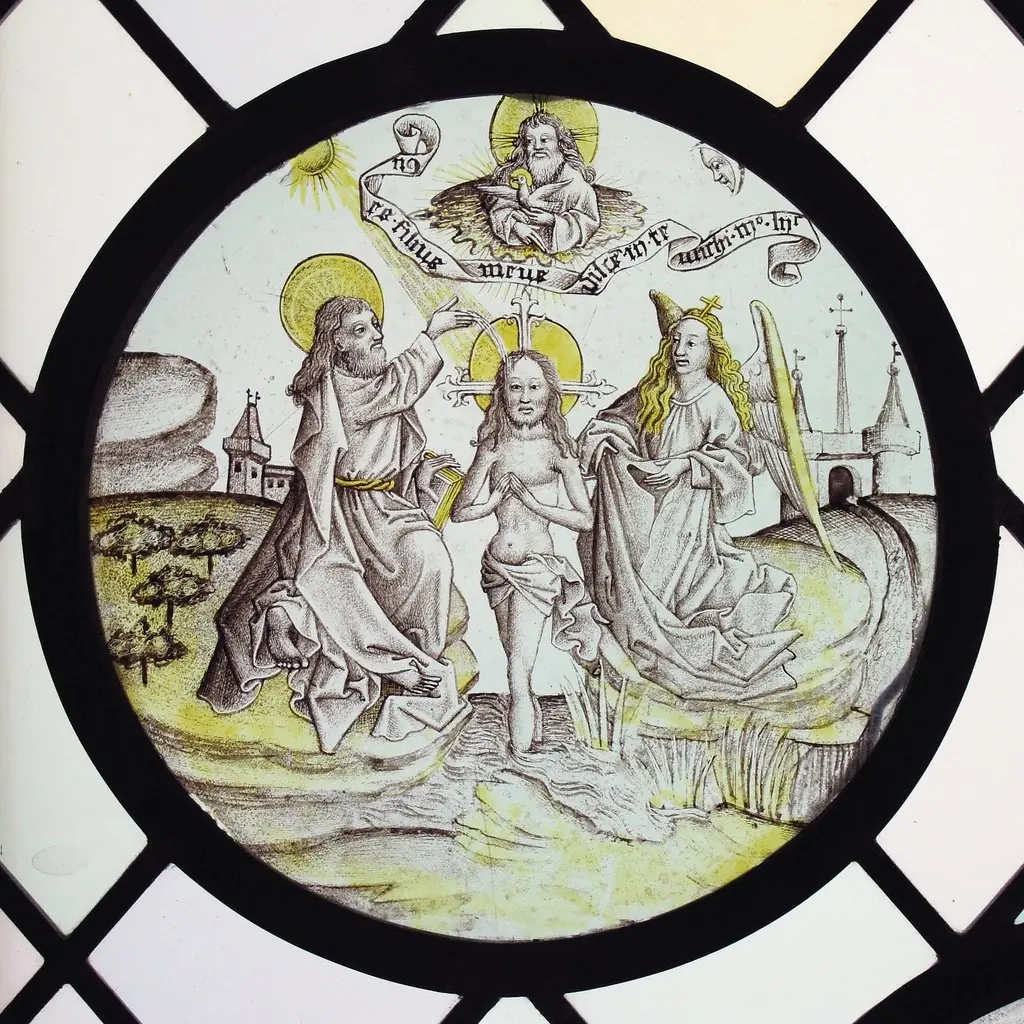 Roundel with the Baptism of Christ
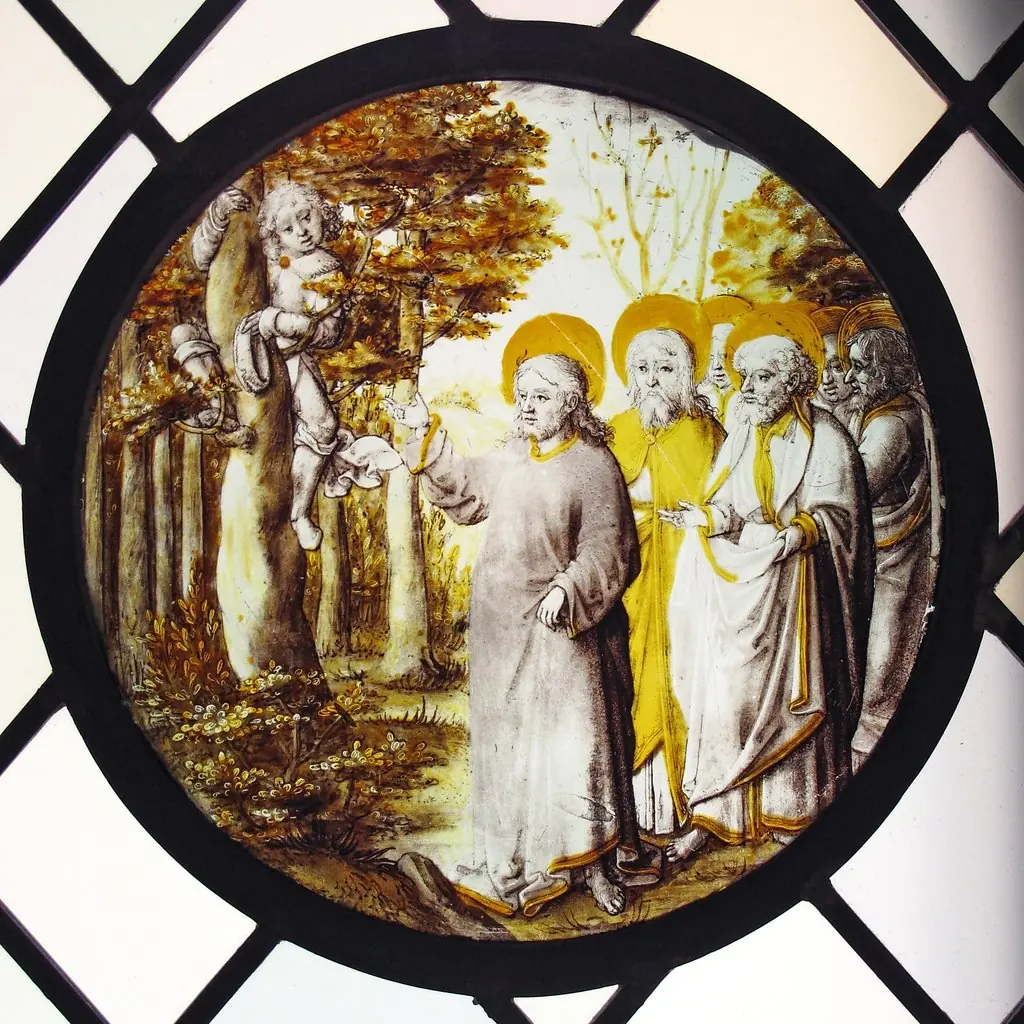 Roundel with Christ and Zacchaeus
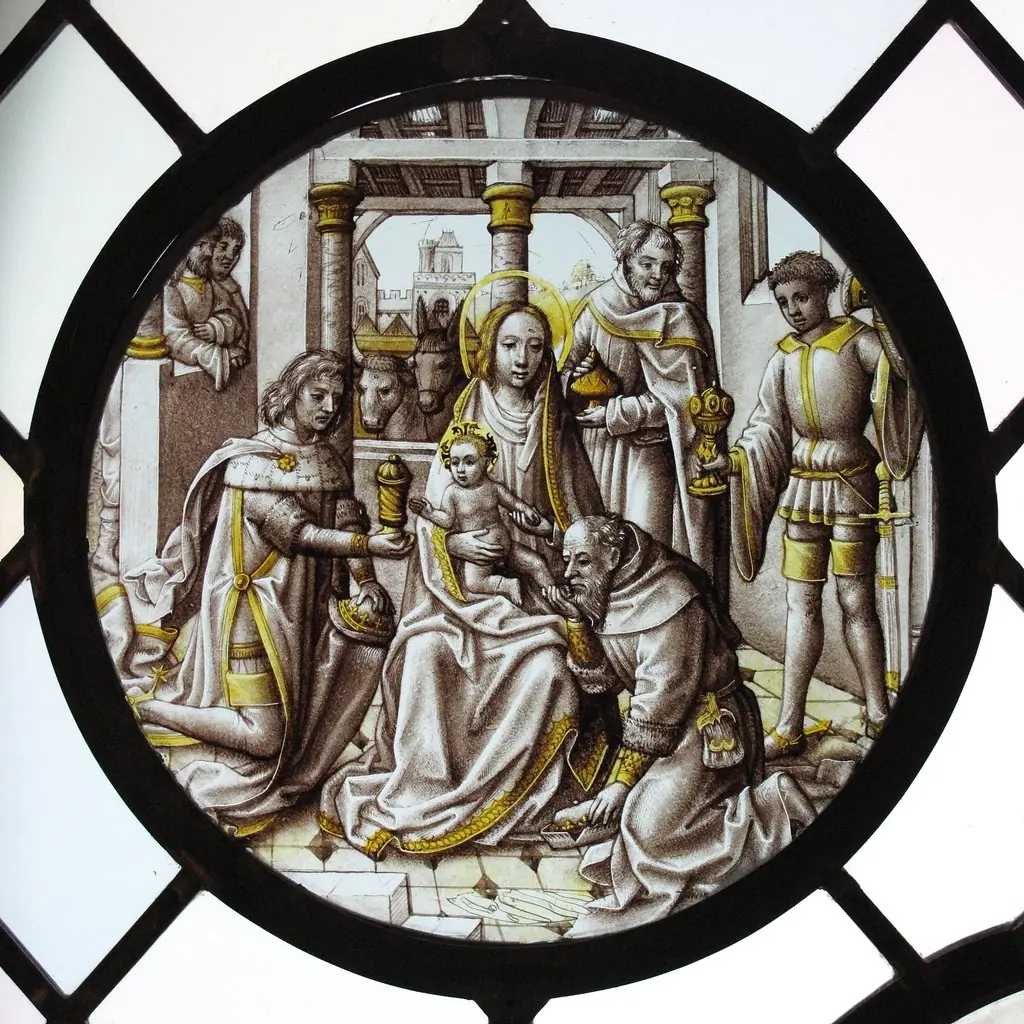 Roundel with the Adoration of the Magi
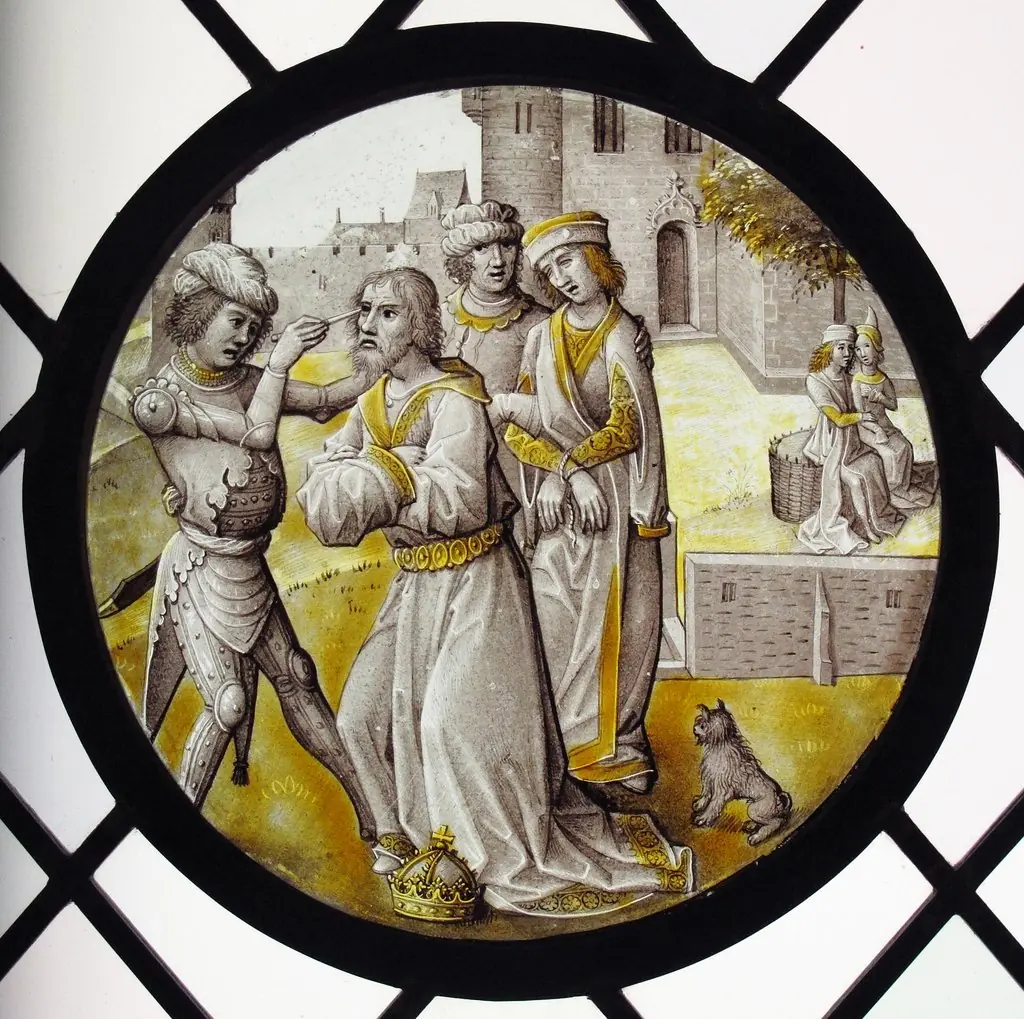 Roundel with the Blinding of Zaleucus of Locria
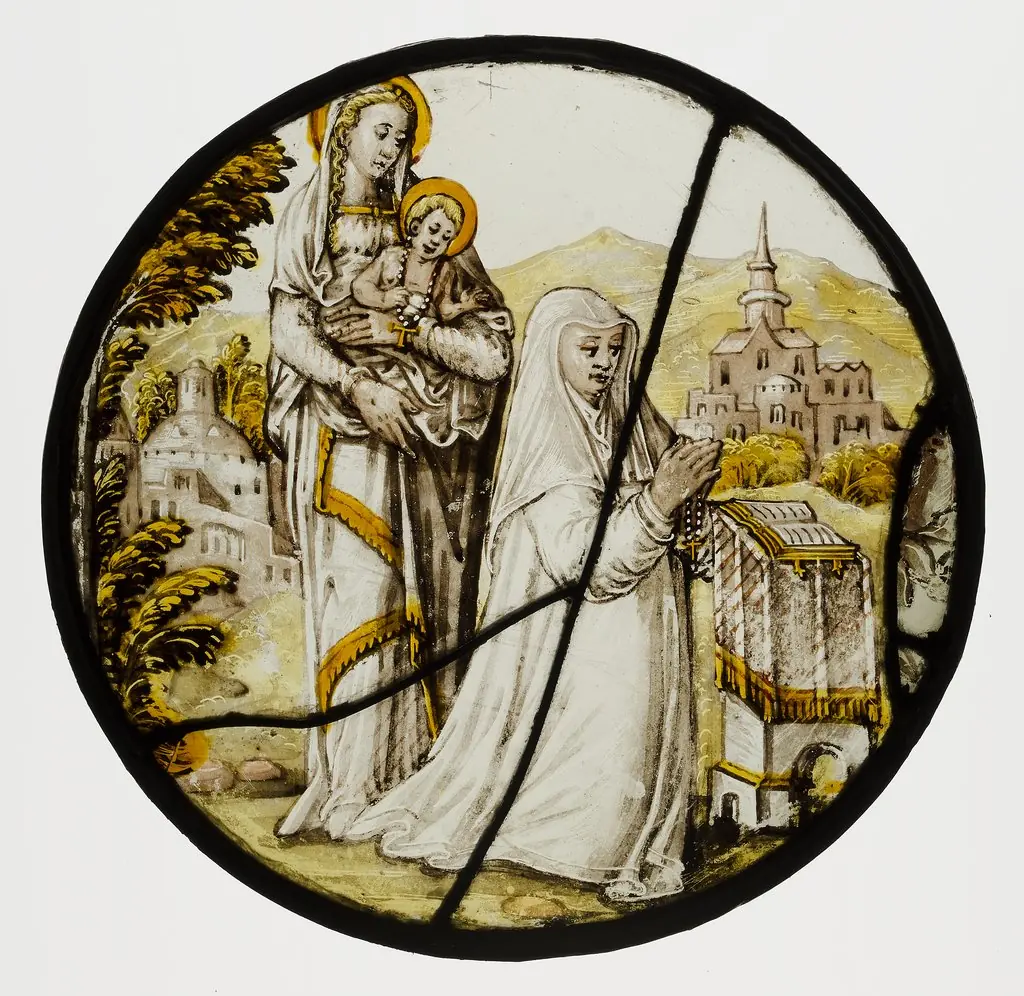 Roundel with Virgin and Child and a Carmelite Donatrix
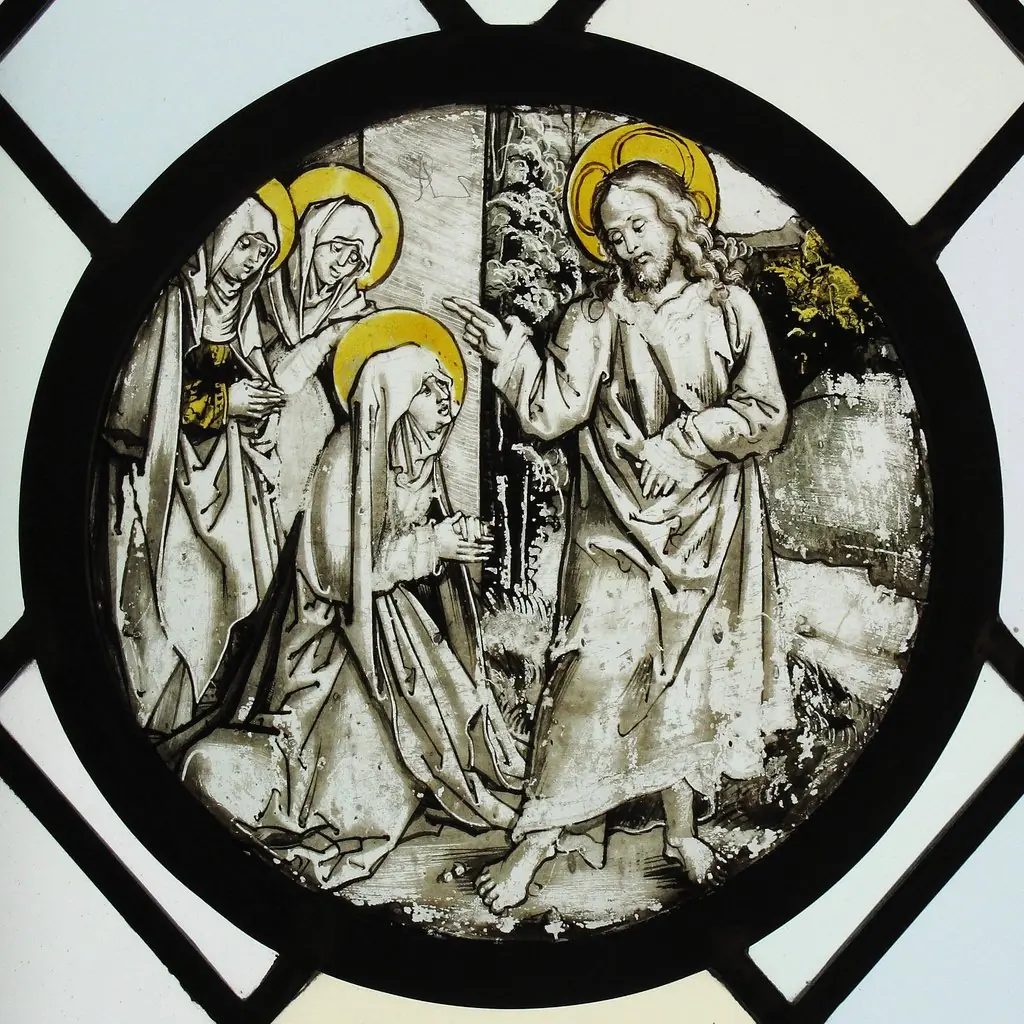 Roundel with Christ Taking Leave of His Mother