Artwork
Sir John Chardin
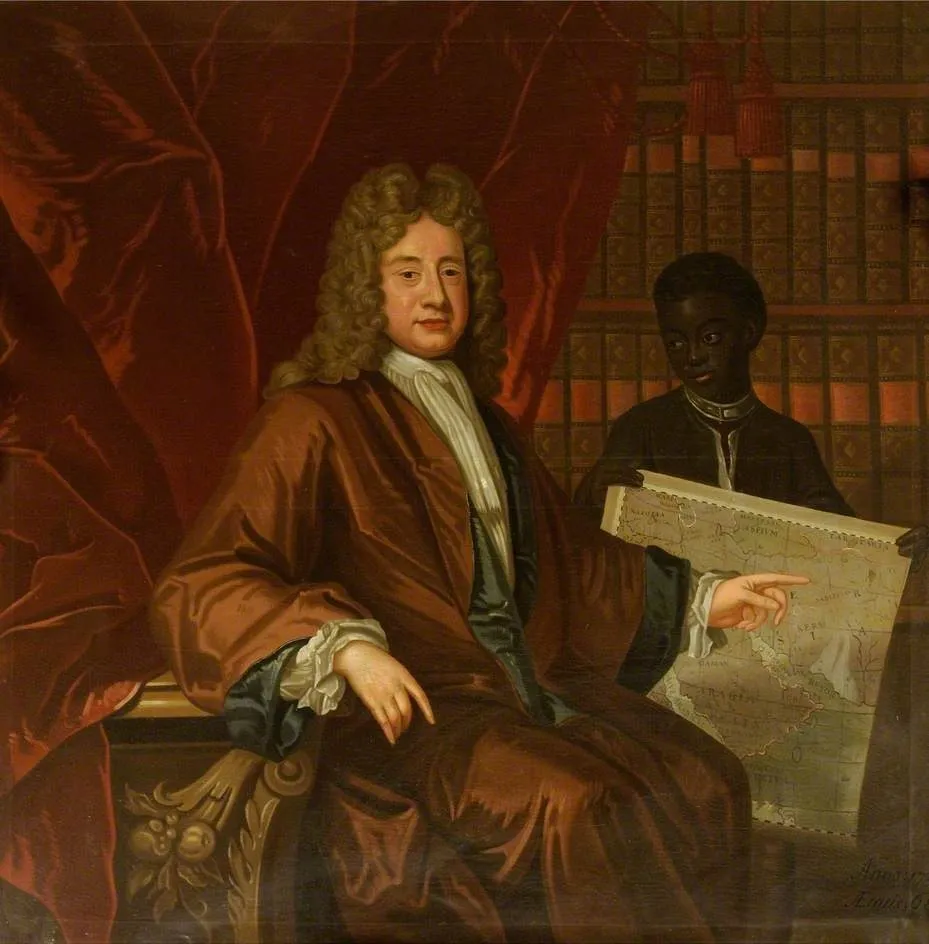
Sir John Chardin is an oil painting by the Rococo painting artist Unknown. It dates from 1711 and is held in the collection of the Ashmolean Museum.
About this work
Overview
The oil painting titled *Sir John Chardin* portrays a seated gentleman with shoulder‑length, curly hair. He wears a brown robe over a white shirt and gestures toward a map held by a young boy standing beside him. A red curtain forms the backdrop, while the boy is dressed in a dark jacket.
Subject & Meaning
The central figure’s formal attire suggests an official or scholarly role, and his pointing gesture toward the map implies a discussion of geography, travel, or a specific location. The presence of the boy as a map‑bearer may indicate instruction or the transmission of knowledge across generations.
Technique & Style
The work employs strong chiaroscuro, using contrasts of light and shadow to model the figures and give depth to the composition. The red curtain background provides a vivid counterpoint to the muted tones of the clothing, while the brushwork suggests a careful, realistic rendering typical of 17th‑century portraiture.
History & Provenance
No detailed provenance is recorded for this painting, and the identity of the artist remains uncertain beyond the title’s reference to Sir John Chardin, a noted 17th‑century French jeweller and traveller. The work’s subject and stylistic traits align it with portrait traditions of that period.
Context
Portraits featuring sitters with maps were common in the Baroque era, symbolising learnedness, exploration, or diplomatic duties. The inclusion of a youthful attendant reflects contemporary practices of depicting mentorship or the preparation of heirs for future responsibilities.
Artist & collection

 Domestic Scene
 Giacomo and Cardinal Marco, investing Andrea, Abbot of San Zeno, with his Benefice
 The Nymph of Fontainebleau
 Portrait of a Woman
 Madonna and Child with Saints in the Enclosed Garden
 Venus and Minerva
 Family Group of Four on Sofa
 Wall painting from Room H of the Villa of P. Fannius Synistor at Boscoreale
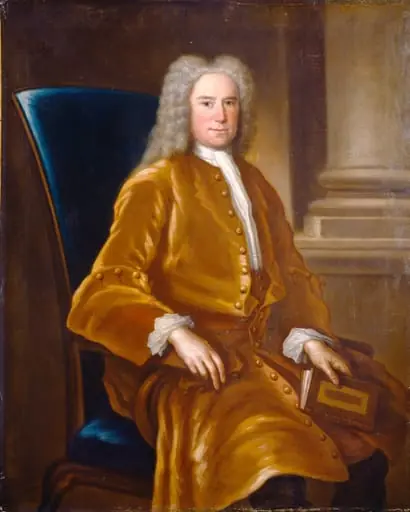 Portrait of a Gentleman
 Dr. med. Rudolf Lavater in seiner Bibliothek
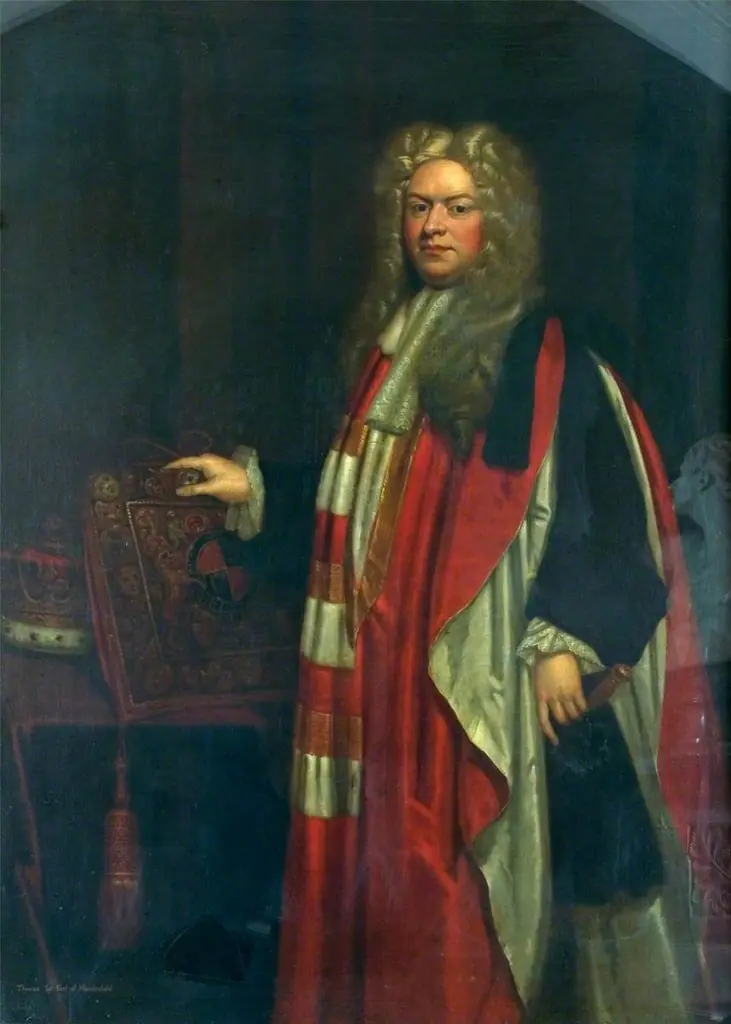 Sir Thomas Parker (1666–1732)
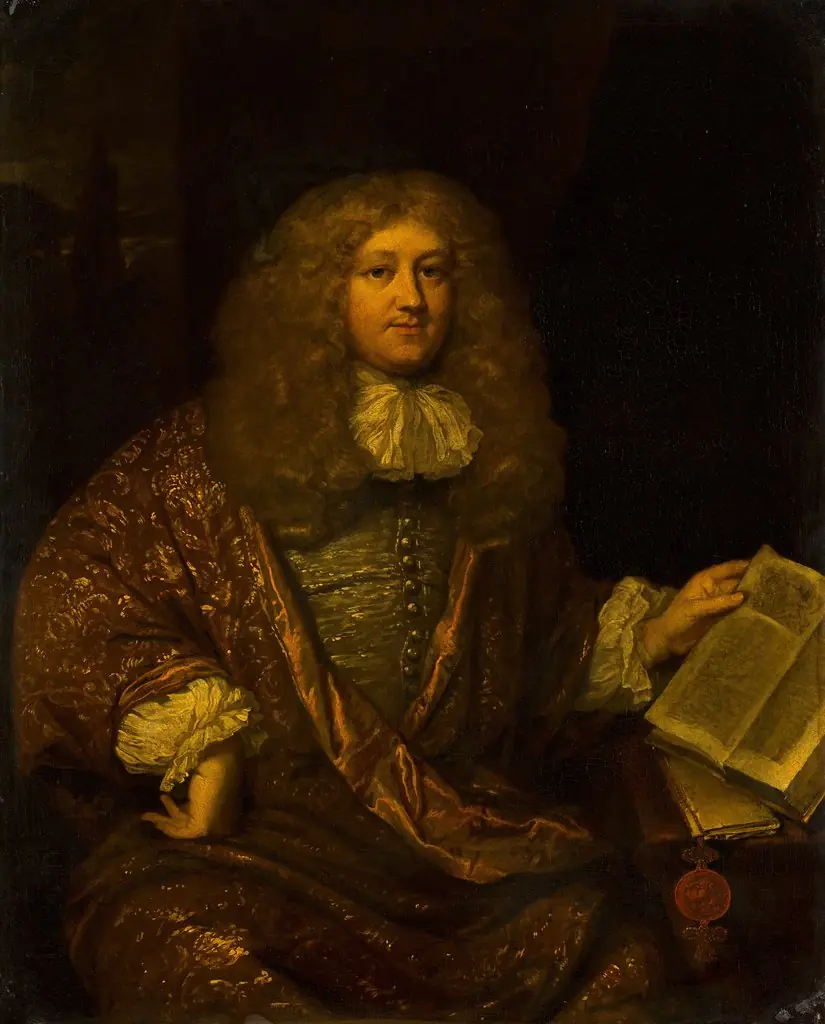 Portrait of Michiel ten Hove (1640-1689)
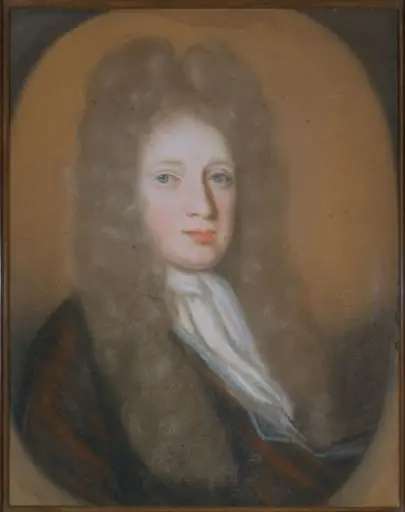 Pierre Bacot
 Portrait of a Man
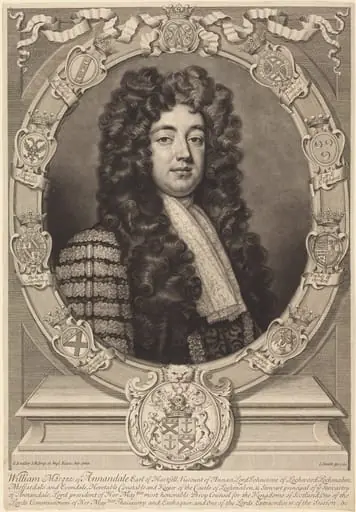 William Johnston, Marquess of Annandale
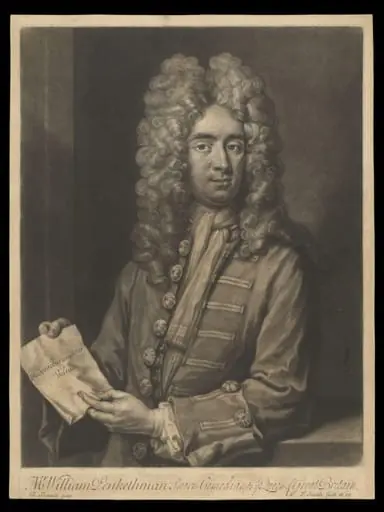 H Beard Print Collection
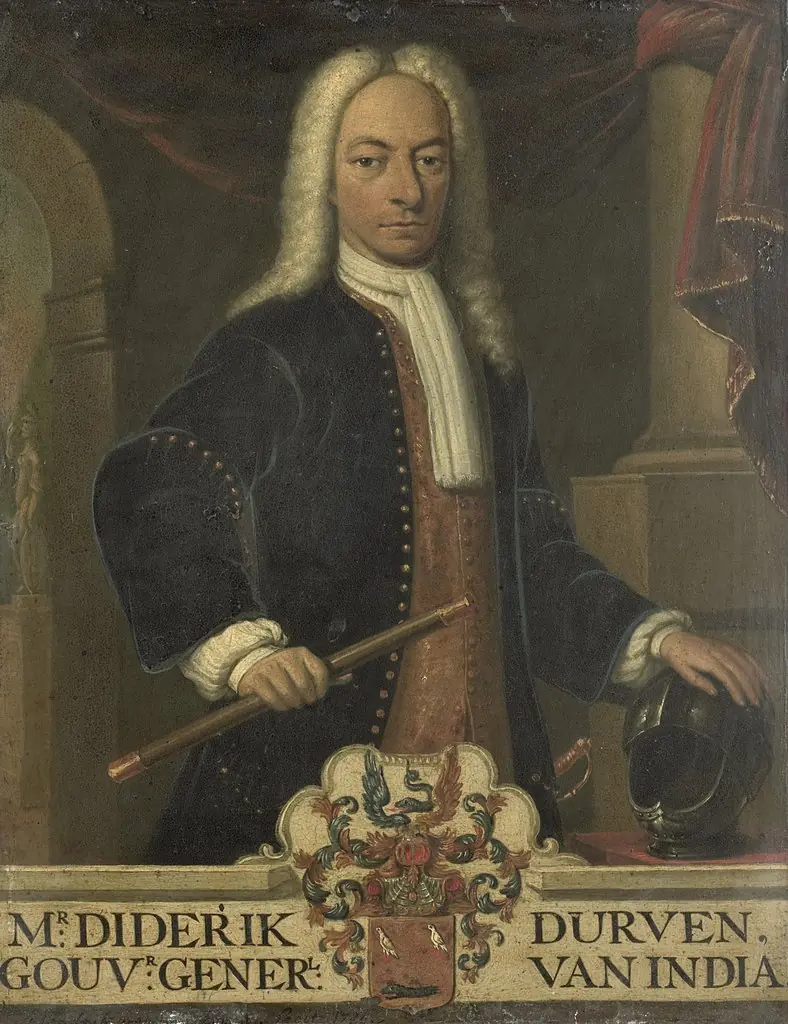 Portrait of Diederik van Durven (1676-1740)
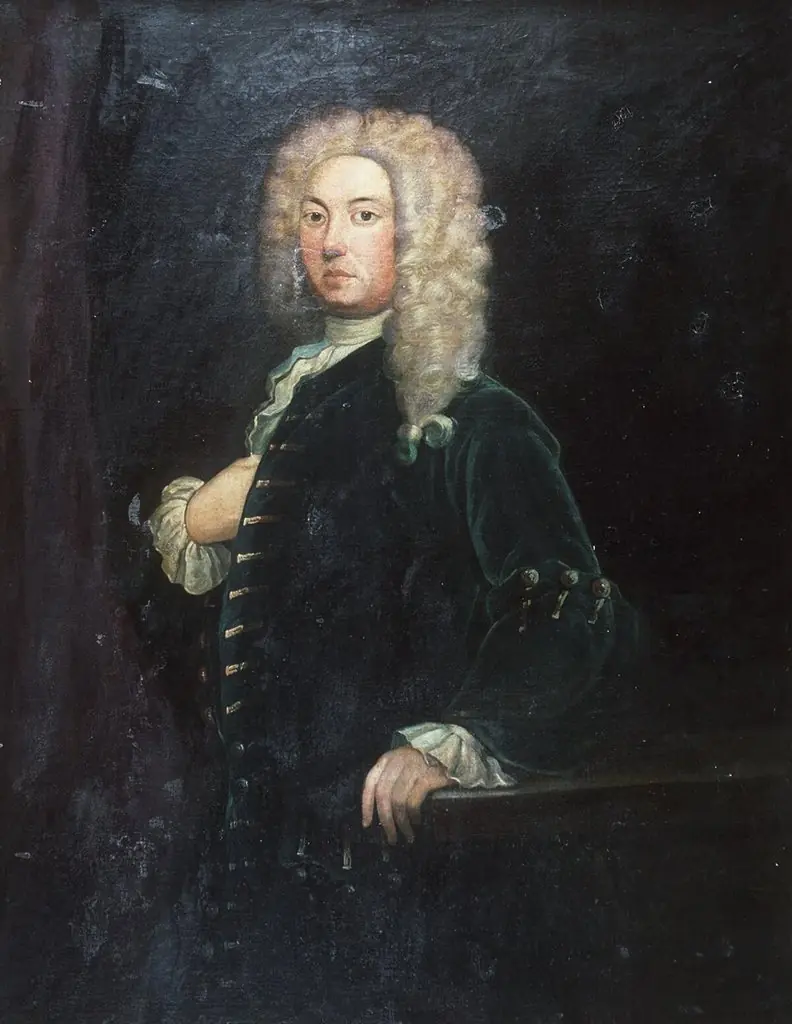 Councillor Richard Lloyd (died 1757)