Artwork
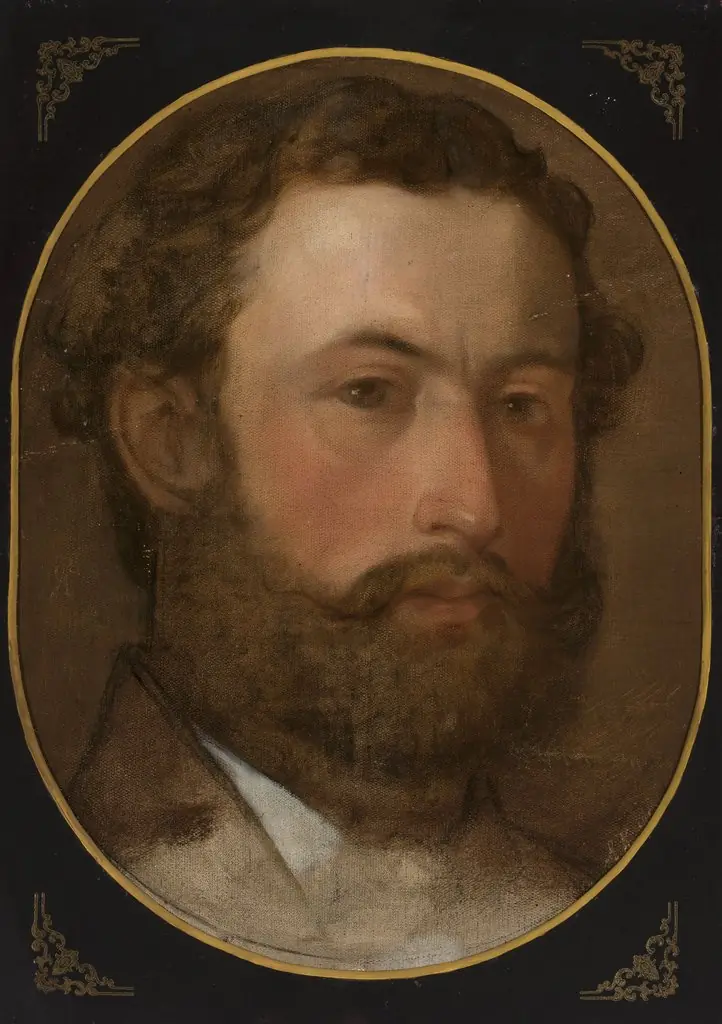
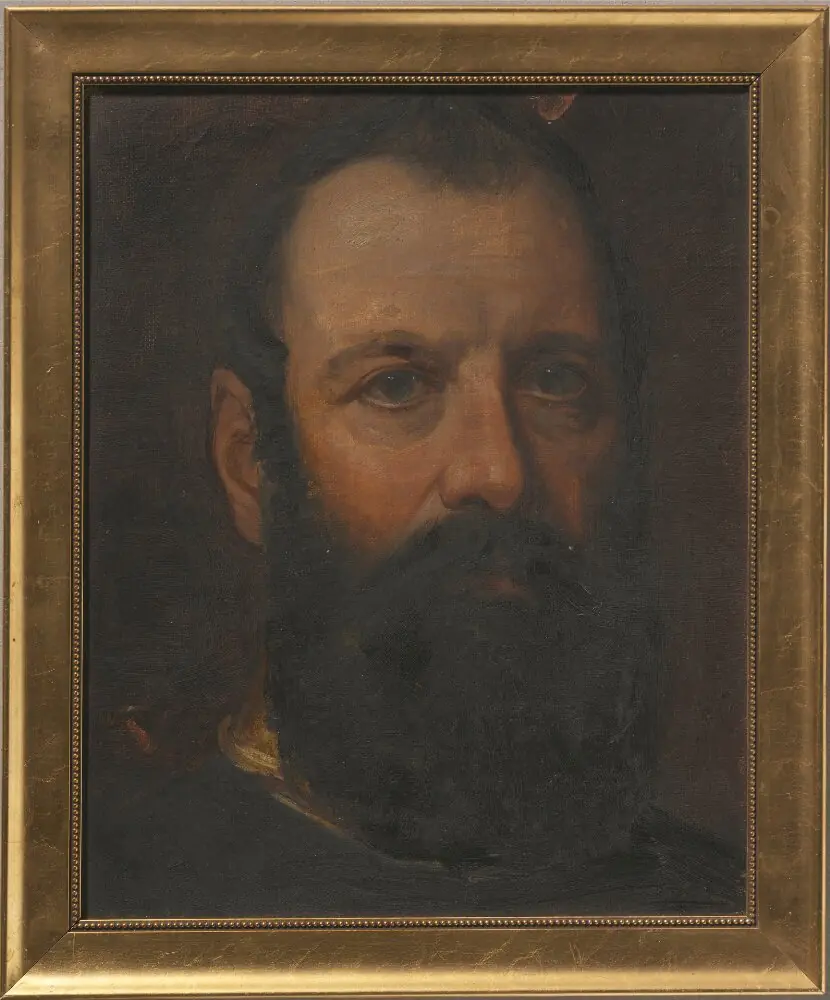
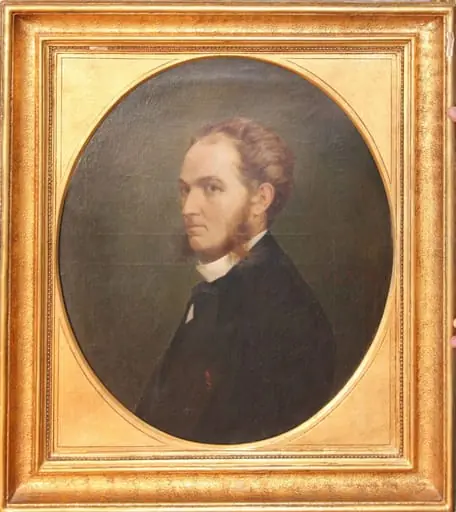
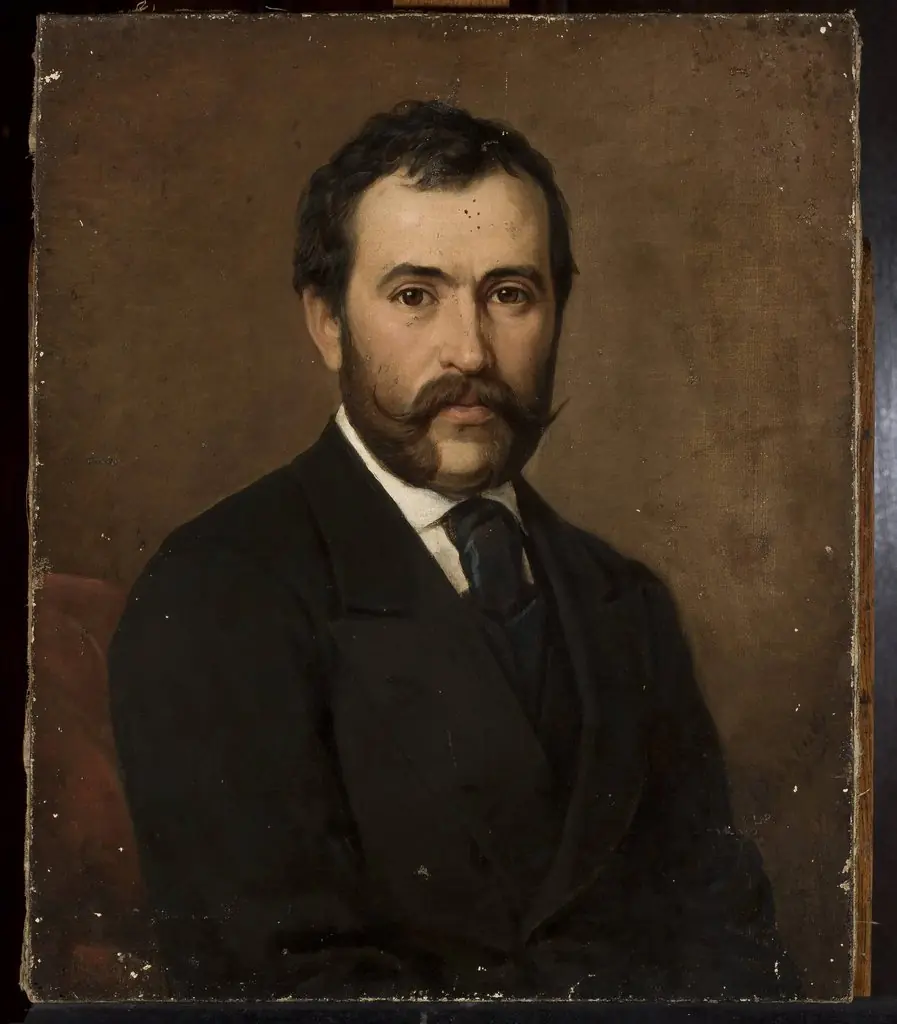
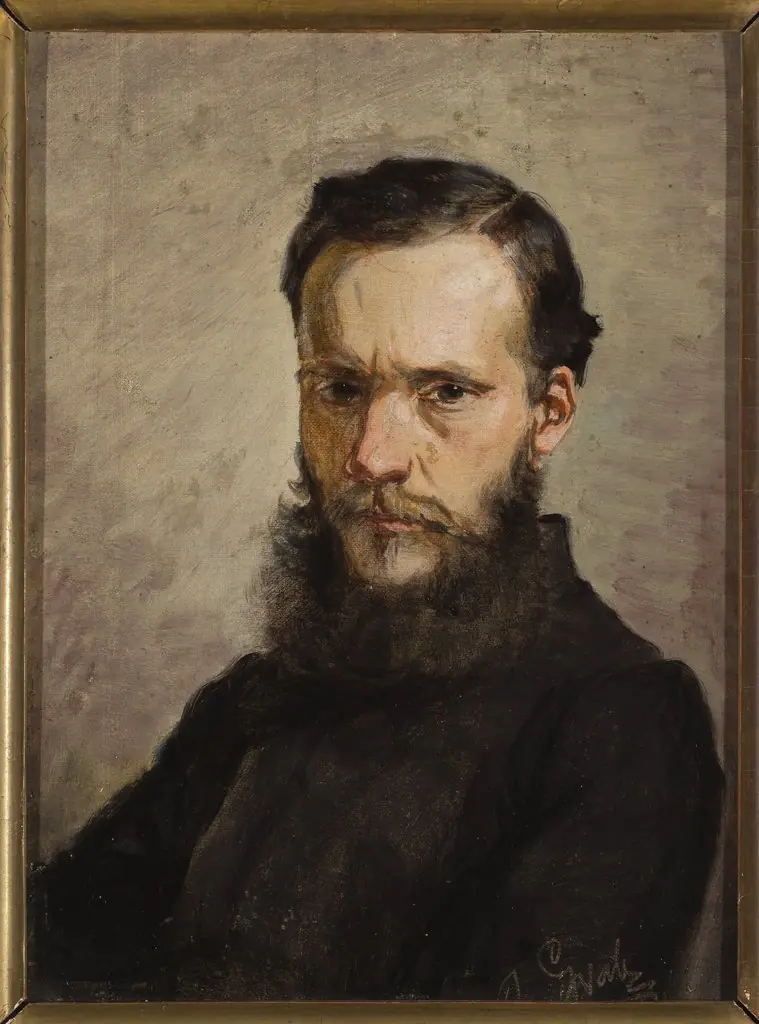
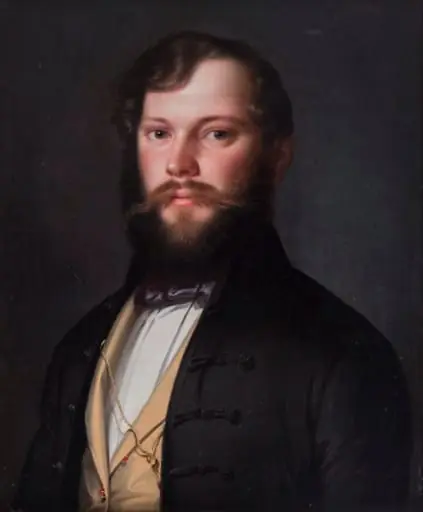
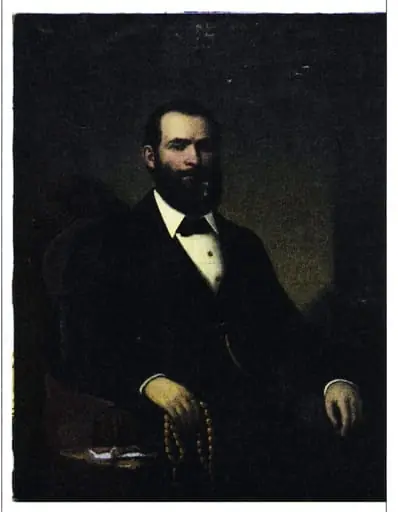
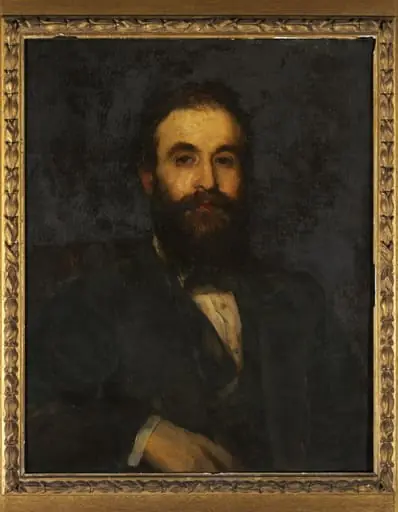
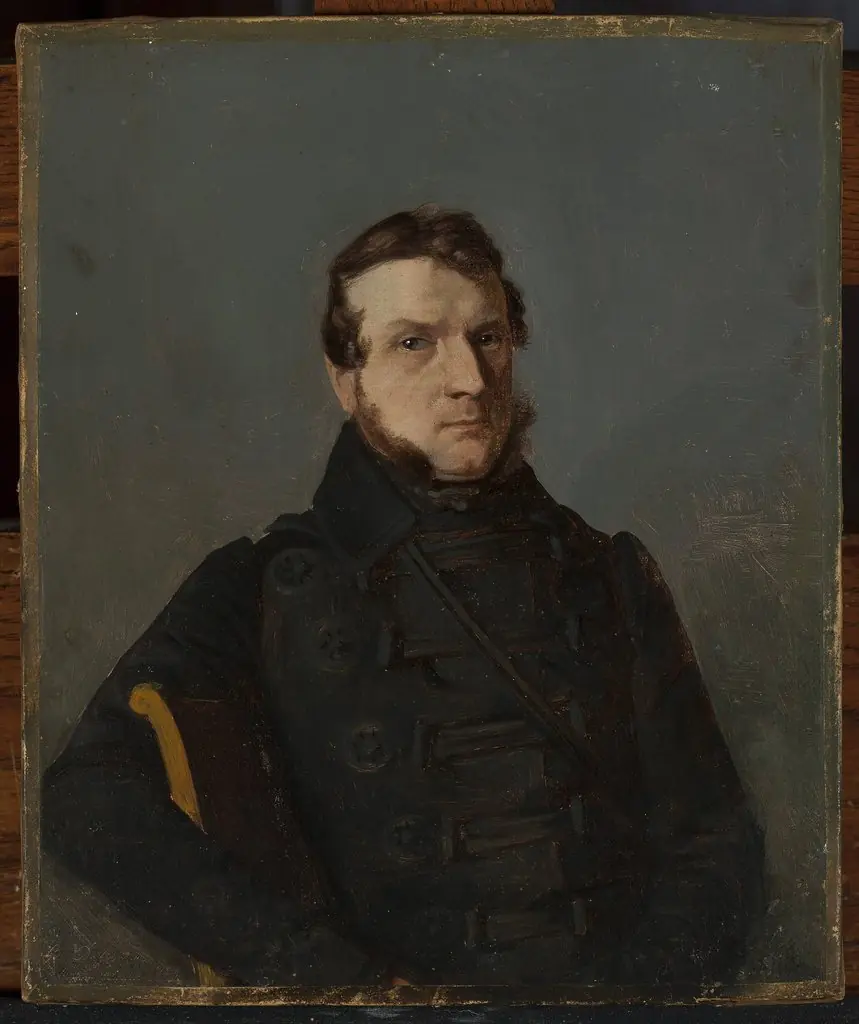
Portrait of Rafał Krajewski, member of the National Government in 1863
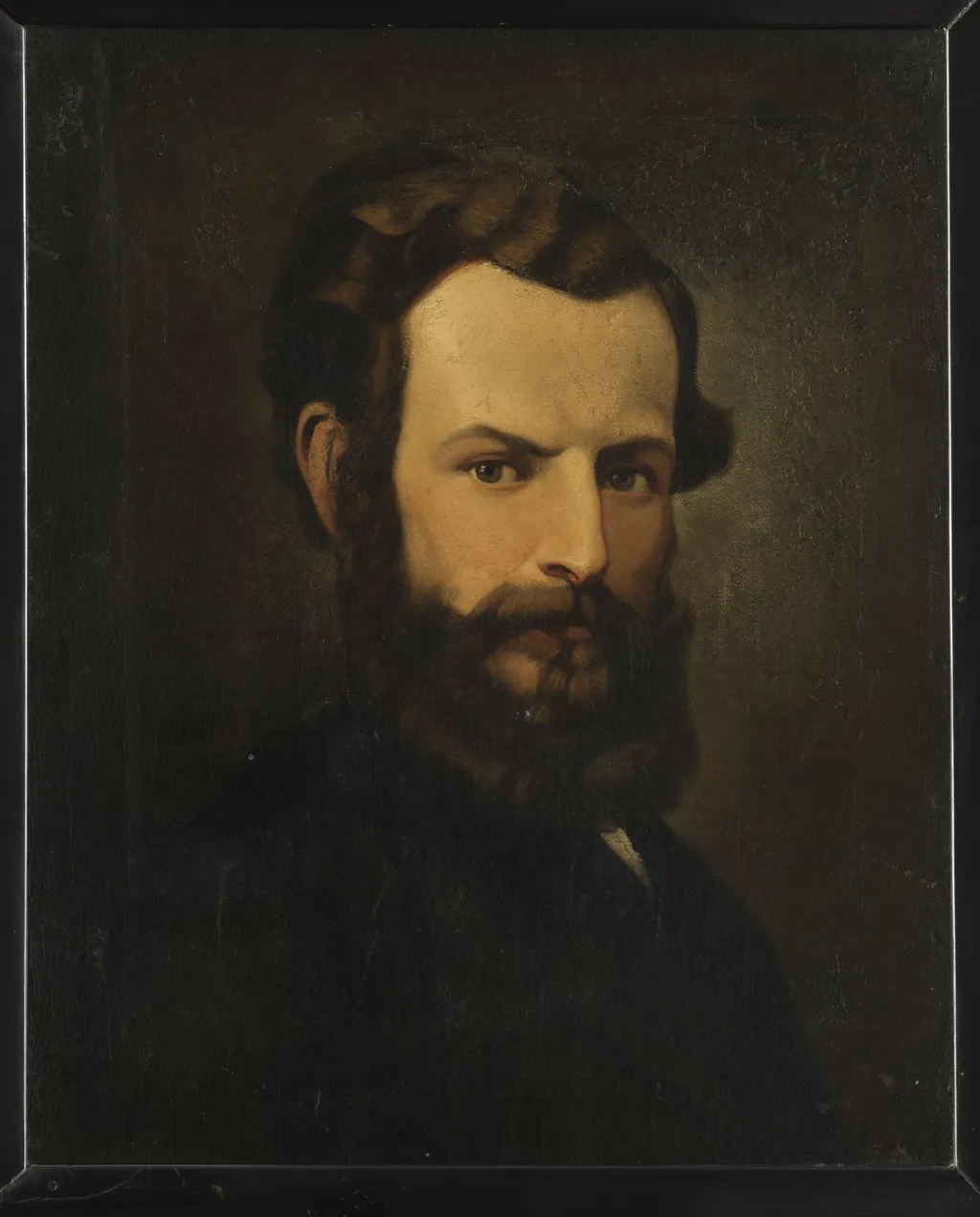
Portrait of Rafał Krajewski, member of the National Government in 1863 is an oil painting by the Realist artist Unknown. It dates from 1866 and is held in the collection of the National Museum in Warsaw. This oil painting depicts Rafał Krajewski, a participant in Poland’s 1863 National Government during the January Uprising.
About this work
Overview
This oil painting depicts Rafał Krajewski, a participant in Poland’s 1863 National Government during the January Uprising. Executed with focused precision, the portrait captures him in a close-up view, emphasizing his facial features against a dark, unadorned background. The composition isolates the subject to convey gravitas, typical of political portraiture from the period.
Subject & Meaning
Krajewski’s direct gaze and contemplative posture—chin resting on hand—suggest resolve and introspection. His dark beard and mustache, common among Polish patriots of the time, reinforce his identity as a nationalist figure. The portrait avoids embellishment, presenting him not as a celebrity but as a committed civic actor during a turbulent chapter in Polish history.
Technique & Style
The artist employs chiaroscuro to model the face with subtle gradations of light and shadow, lending volume and realism to the skin tones. The dark, neutral background enhances the three-dimensionality of the figure, directing all attention to the expression and texture of the face. Brushwork is restrained, prioritizing fidelity over flourish.
History & Provenance
Painted in the aftermath of the failed 1863 uprising, the portrait likely served as a record of those who held leadership roles in the provisional government. It entered the collection of the National Museum in Warsaw, where it remains as part of its 19th-century Polish political portraiture holdings, preserving the memory of individuals tied to the national cause.
Context
Created during a period of intense political repression under Russian rule, such portraits carried implicit resistance. Depicting members of the uprising’s leadership was an act of cultural preservation. The simplicity of the composition reflects both artistic restraint and the need for discretion in a climate of surveillance and censorship.
Legacy
The portrait endures as a quiet testament to the individuals who shaped Poland’s struggle for sovereignty. Its unembellished realism distinguishes it from grander state portraits, offering instead an intimate glimpse into the demeanor of a patriot during a moment of national crisis.
Artist & collection

 Domestic Scene
 Giacomo and Cardinal Marco, investing Andrea, Abbot of San Zeno, with his Benefice
 The Nymph of Fontainebleau
 Portrait of a Woman
 Madonna and Child with Saints in the Enclosed Garden
 Venus and Minerva
 Family Group of Four on Sofa
 Wall painting from Room H of the Villa of P. Fannius Synistor at Boscoreale