Artwork
Virgin and child
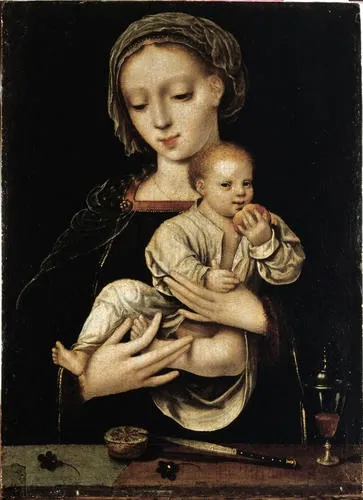
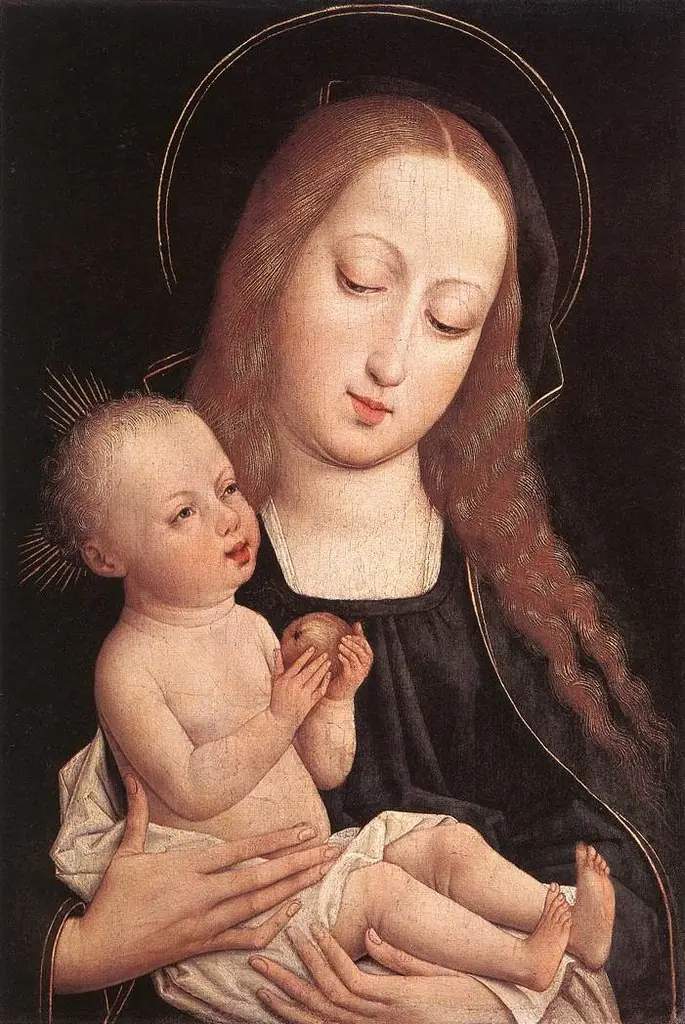
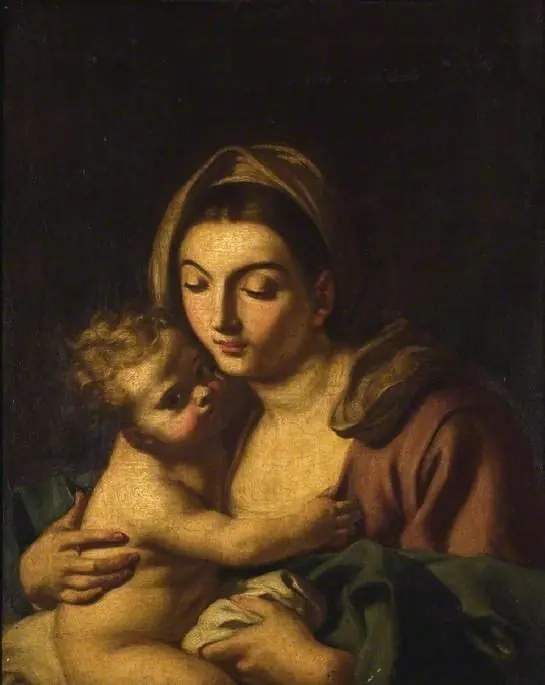
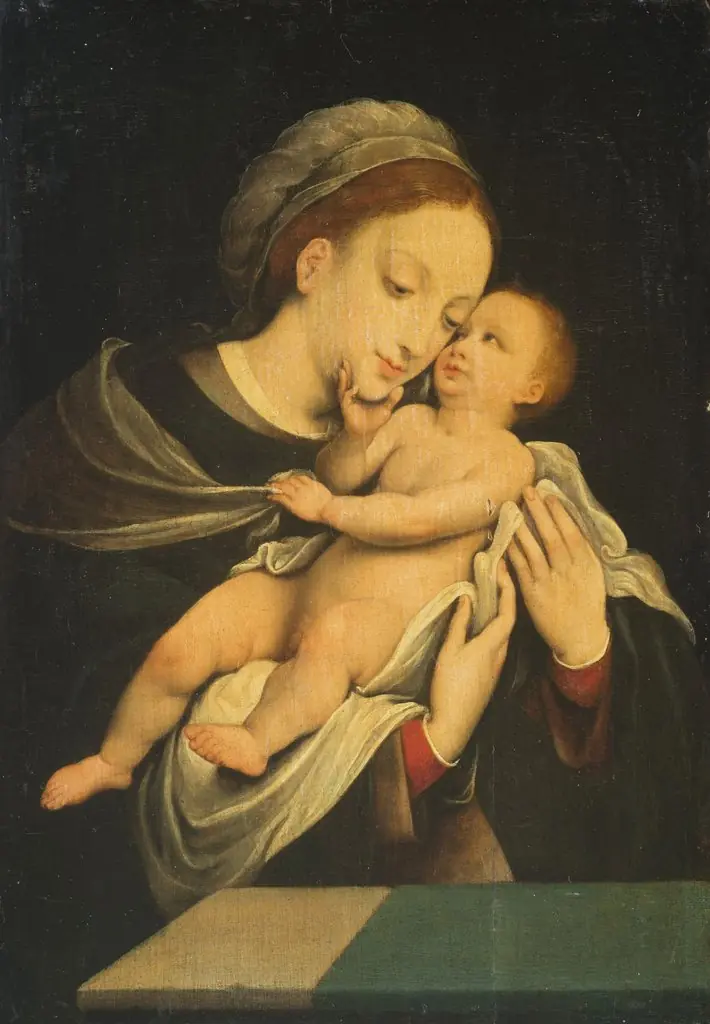
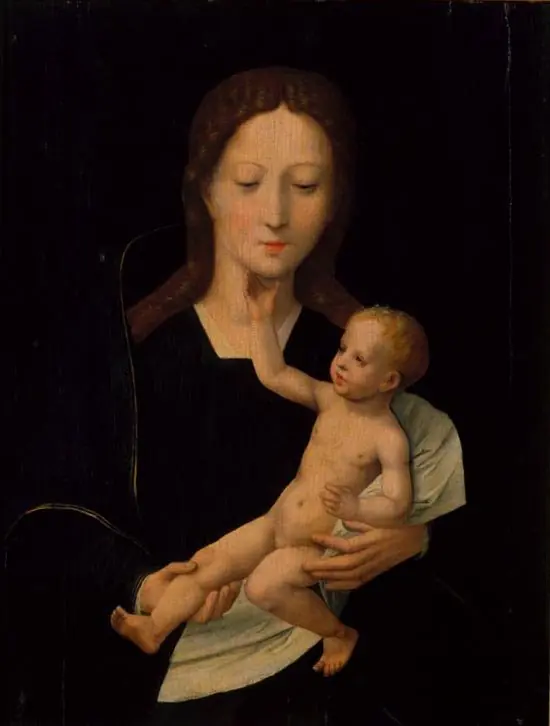
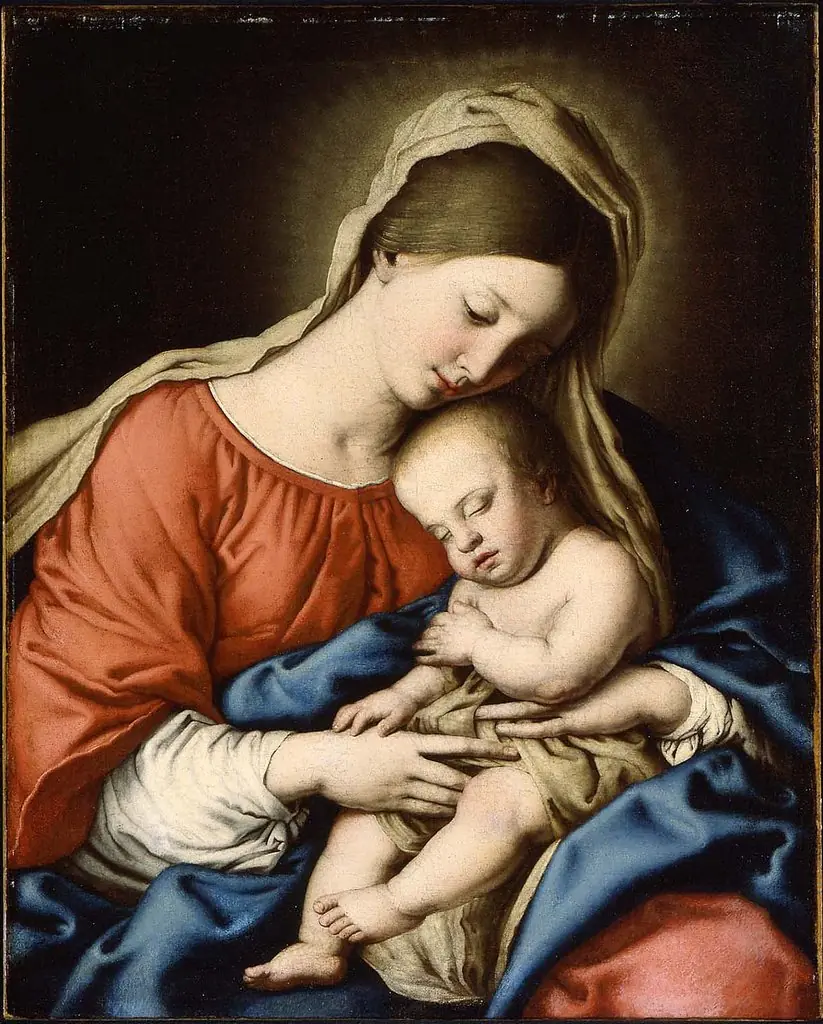
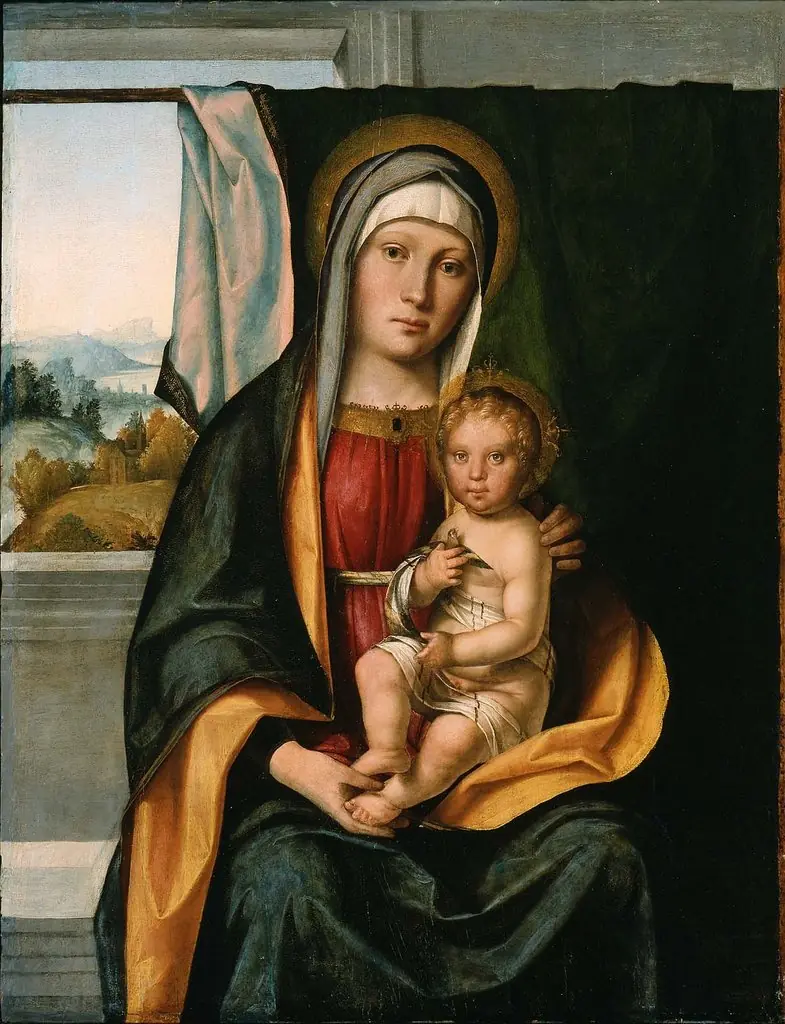
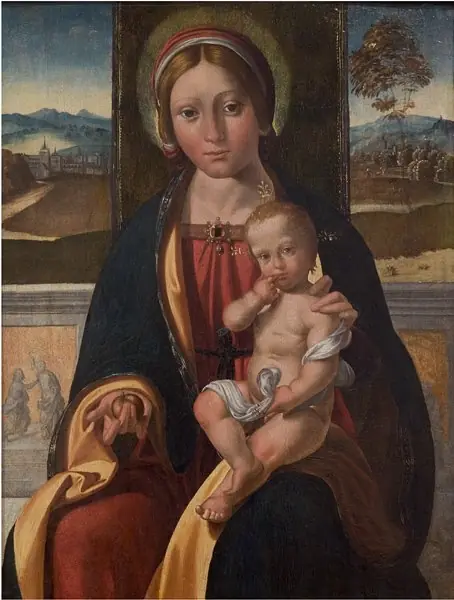
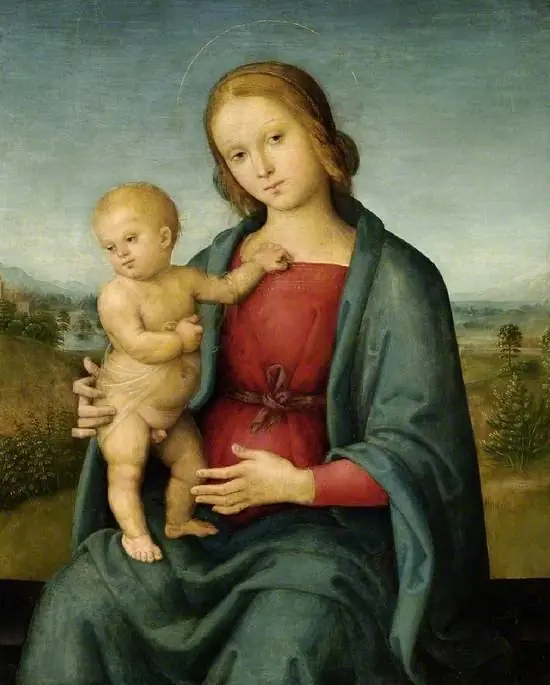
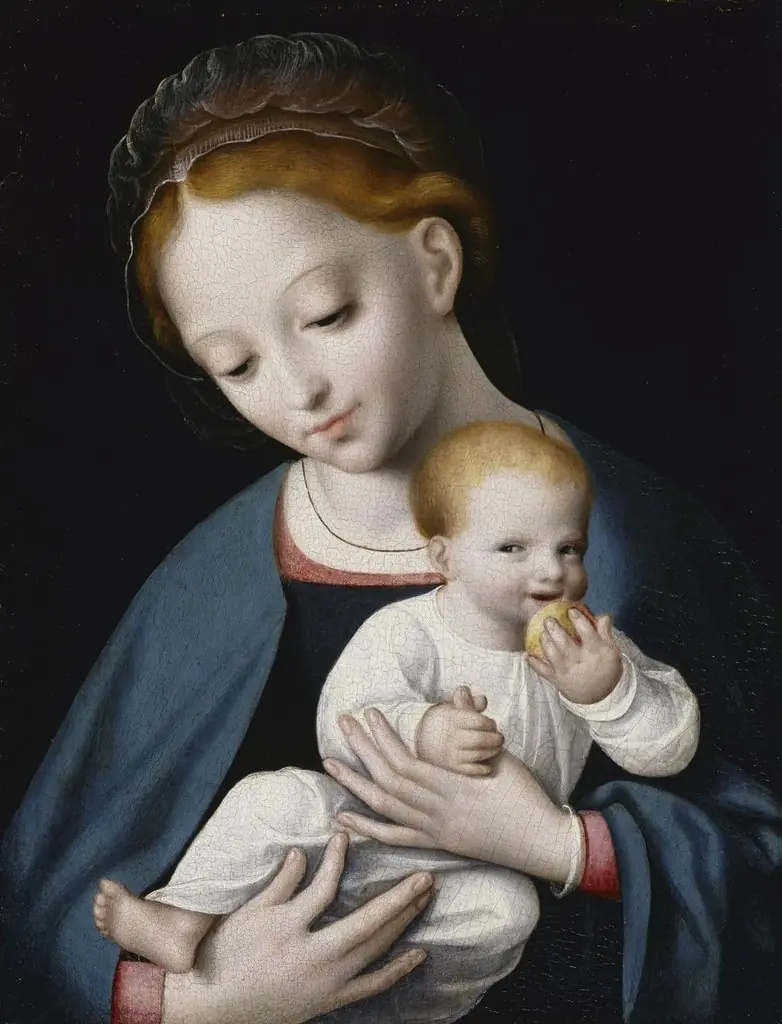
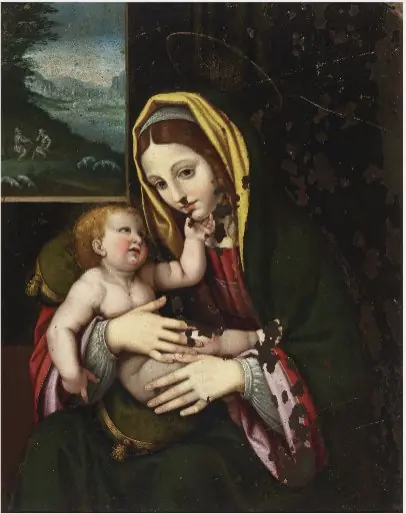
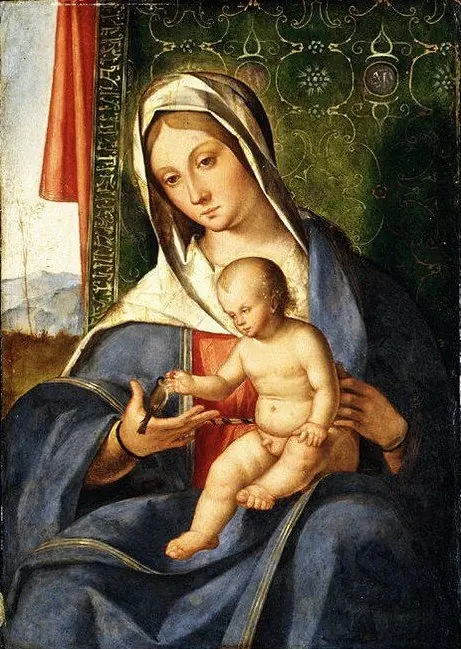
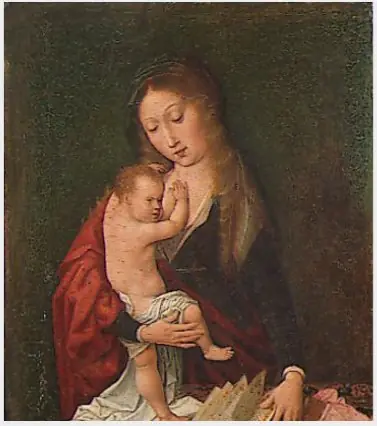
Virgin and child is an oil painting by the High Renaissance artist Unknown. It dates from 1520 and is held in the collection of the Accademia Carrara. This oil painting depicts the Virgin Mary seated with the infant Jesus on her lap.
About this work
Overview
The subdued palette and restrained lighting contribute to a contemplative atmosphere, typical of early Netherlandish devotional works.
This oil painting depicts the Virgin Mary seated with the infant Jesus on her lap. The figures are rendered in a quiet, intimate composition against a deep, unbroken background. A low table in the foreground holds symbolic objects, anchoring the scene in a domestic yet sacred space. The subdued palette and restrained lighting contribute to a contemplative atmosphere, typical of early Netherlandish devotional works.
Subject & Meaning
The Virgin and Child represent central figures of Christian devotion. The apple held by the infant Jesus alludes to the Fall of Man and his role as the redeemer. Mary’s protective gesture and solemn expression emphasize her role as both mother and intercessor. The objects on the table, though not fully described, likely include symbols of purity, sacrifice, or divine knowledge, common in religious iconography of the period.
Technique & Style
The painting employs oil glazing, a technique allowing subtle transitions of tone and luminous depth. The dark dress and red collar contrast sharply with the child’s pale garments, drawing focus to their forms. Fine brushwork renders textures of fabric and skin with quiet precision. The lack of landscape or architectural detail directs attention inward, reinforcing the painting’s meditative purpose.
History & Provenance
The painting’s origin is not documented in the provided details, but its style aligns with 15th-century Northern European devotional panels. It likely served private worship, commissioned by a wealthy patron for home use. Its preservation suggests it remained in private or ecclesiastical hands, avoiding the disruptions common to public altarpieces during periods of religious upheaval.
Context
Created during a time when personal piety flourished in the Low Countries, such images were tools for private prayer. Artists emphasized realism and symbolic detail to aid devotion. The intimate scale and restrained setting reflect a shift from grand altarpieces to smaller, more accessible works meant for individual contemplation in domestic settings.
Legacy
This work exemplifies the Northern Renaissance tradition of embedding theological meaning within everyday realism. Its influence can be traced in later devotional paintings that prioritize emotional resonance over grandeur. The use of glazing and symbolic objects became standard practices, shaping how sacred narratives were visually communicated for centuries.
Artist & collection

 Domestic Scene
 Giacomo and Cardinal Marco, investing Andrea, Abbot of San Zeno, with his Benefice
 The Nymph of Fontainebleau
 Portrait of a Woman
 Madonna and Child with Saints in the Enclosed Garden
 Venus and Minerva
 Family Group of Four on Sofa
 Wall painting from Room H of the Villa of P. Fannius Synistor at Boscoreale