Artwork
Fleischmarkt (Winter)
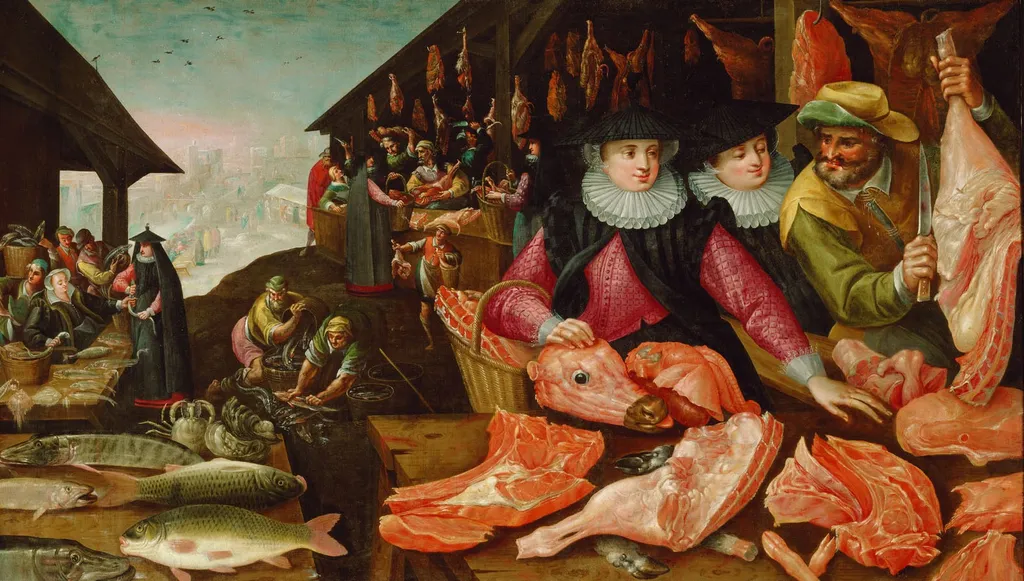
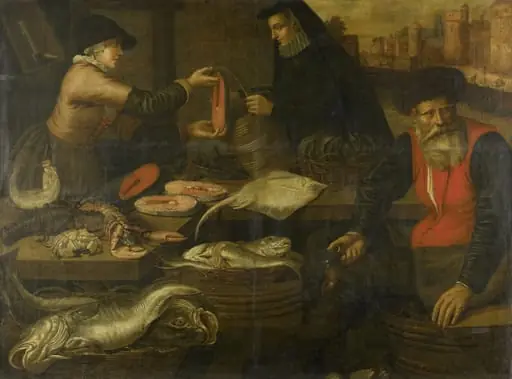
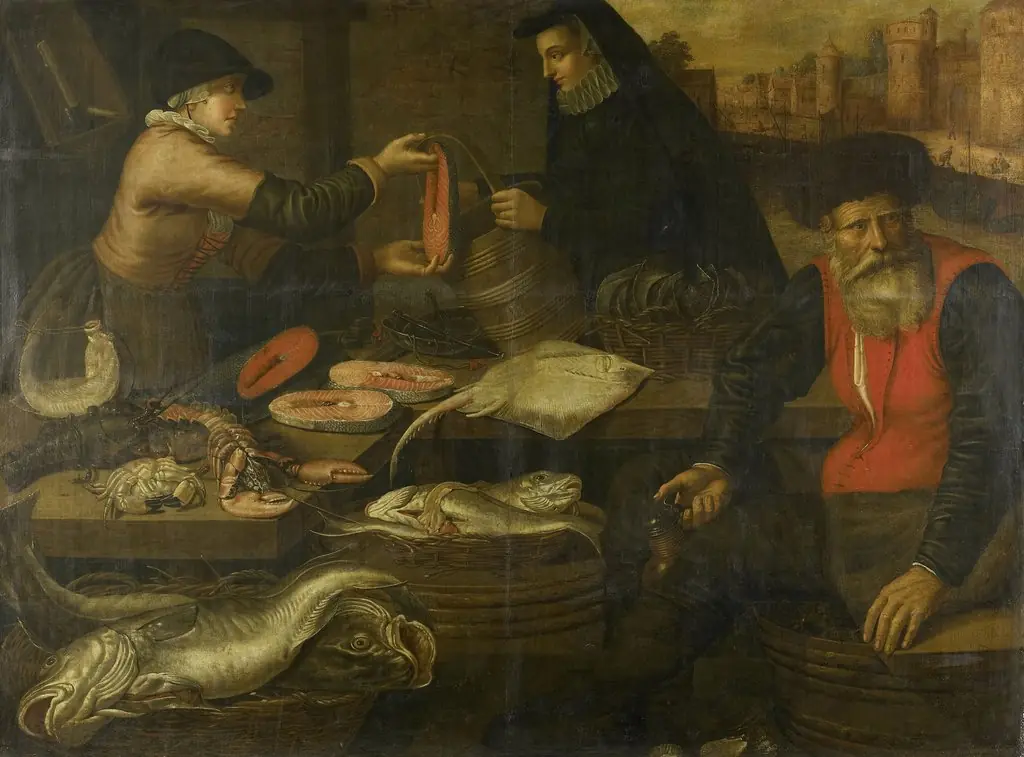
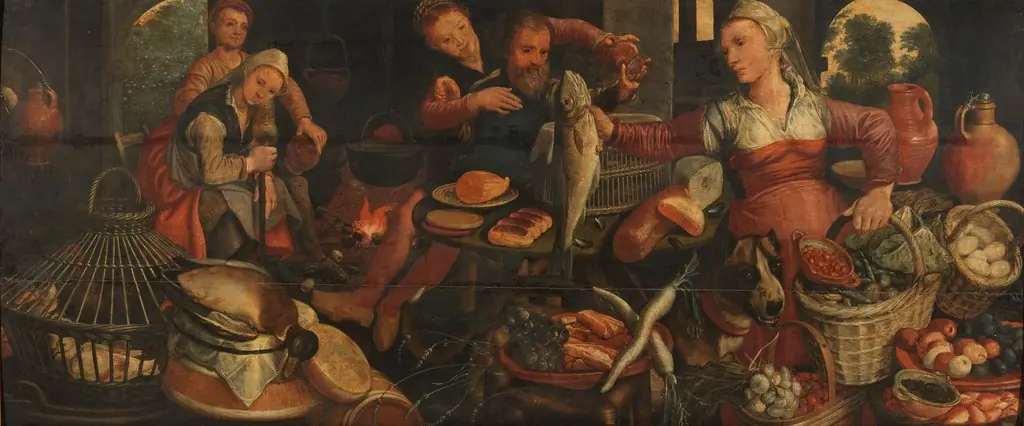
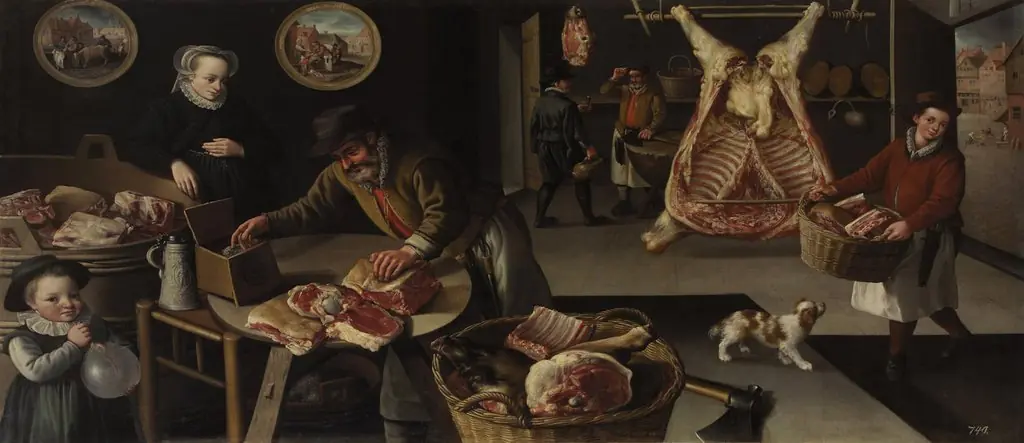
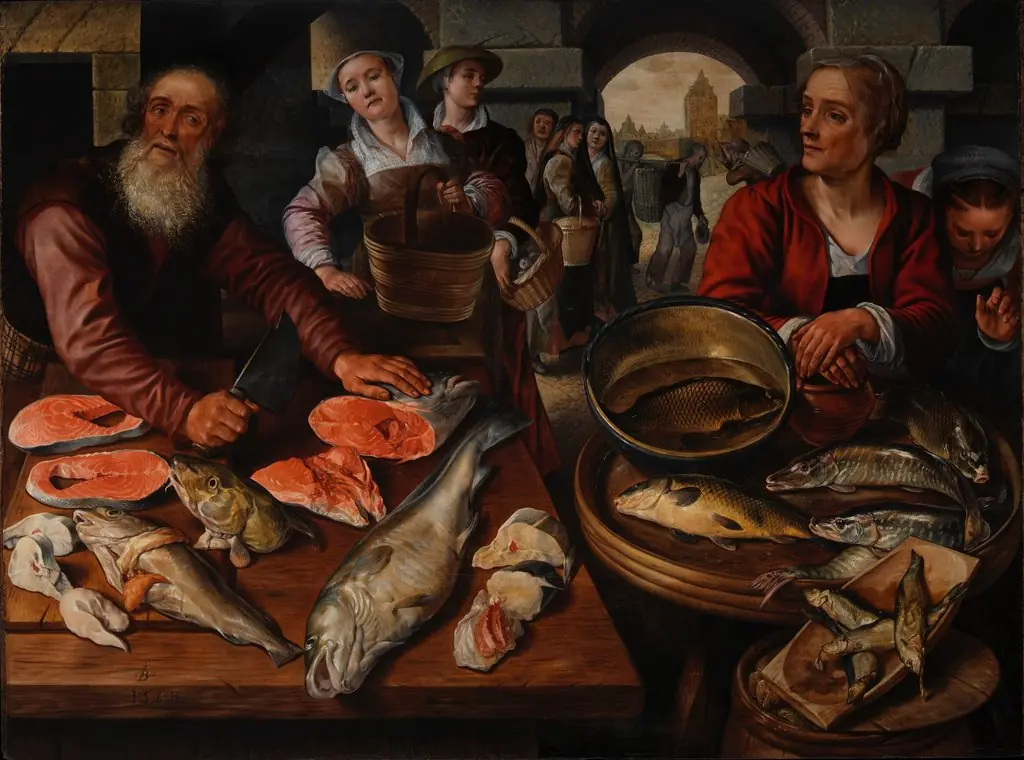
Fleischmarkt (Winter) is an oil painting by the Early Baroque Italian artist Unknown. It dates from 1596 and is held in the collection of the Kunsthistorisches Museum. This oil painting depicts a bustling winter fish market beneath a wooden canopy.
About this work
Overview
This oil painting depicts a bustling winter fish market beneath a wooden canopy. Figures move among stalls laden with fish, meat, and cured sausages, capturing daily commerce in a cold season. The composition centers on two elegantly dressed women, surrounded by vendors and shoppers, with a quiet urban backdrop suggesting a broader city life beyond the market’s confines.
Subject & Meaning
The scene portrays the ordinary rhythms of urban life, emphasizing trade and social interaction rather than idealized beauty. The presence of affluent women amid working-class vendors hints at class coexistence in public spaces. The abundance of perishable goods underscores the market’s role as a vital, transient hub of sustenance and economy in winter.
Technique & Style
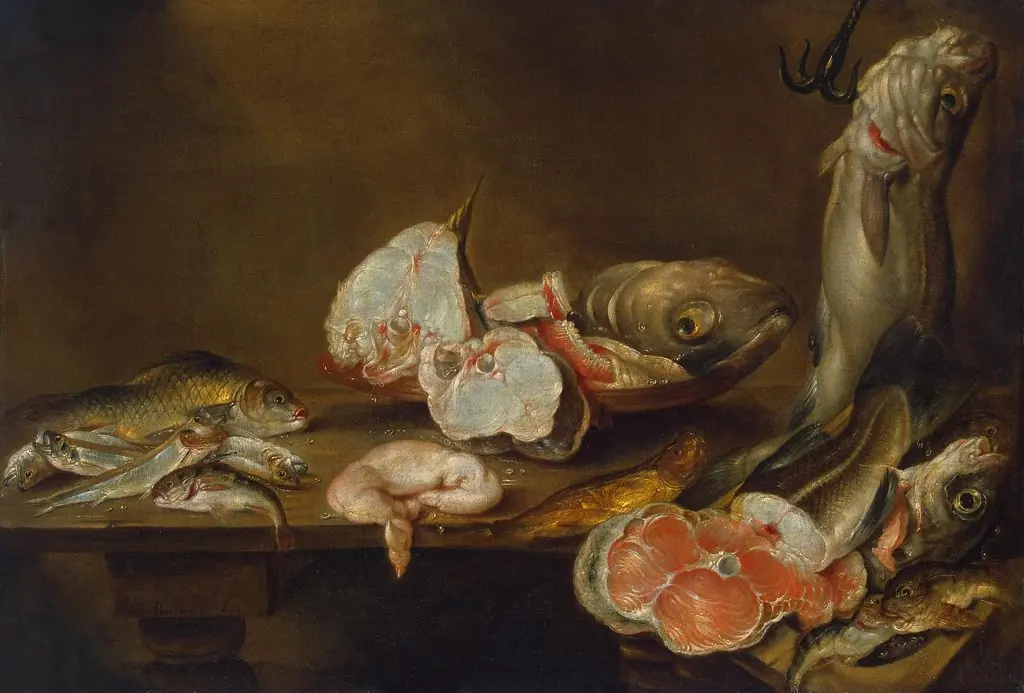
The artist employs precise brushwork to render textures: fish scales catch light with metallic sheen, meat appears moist and tender, and fabrics are rendered with subtle folds. Light is carefully directed to highlight the freshest goods, drawing the eye across the composition. The palette is muted yet nuanced, with warm tones emerging from the cold winter setting.
History & Provenance
The painting originates from a tradition of Northern European market scenes popular in the 16th and 17th centuries. It likely belonged to a private collector before entering a public collection, possibly the Kunsthistorisches Museum, where similar works by contemporaries are held. Its attribution remains consistent with regional artists focused on genre realism.
Context
During the period it was made, urban markets were central to civic life, especially in colder months when preserved foods were essential. Artists of the time documented these spaces not as grand events but as quiet, lived-in environments. This painting reflects a broader interest in depicting the dignity of everyday labor and commerce.
Legacy
The work contributes to a sustained tradition of Northern European genre painting that valued observational detail over narrative drama. Its focus on material texture and social nuance influenced later realist painters. While not widely known today, it remains a quiet testament to the visual culture of early modern market life.
Artist & collection

 Domestic Scene
 Giacomo and Cardinal Marco, investing Andrea, Abbot of San Zeno, with his Benefice
 The Nymph of Fontainebleau
 Portrait of a Woman
 Madonna and Child with Saints in the Enclosed Garden
 Venus and Minerva
 Family Group of Four on Sofa
 Wall painting from Room H of the Villa of P. Fannius Synistor at Boscoreale