Artwork
Portrait of Count Alexander Stroganov on His Death-Bed
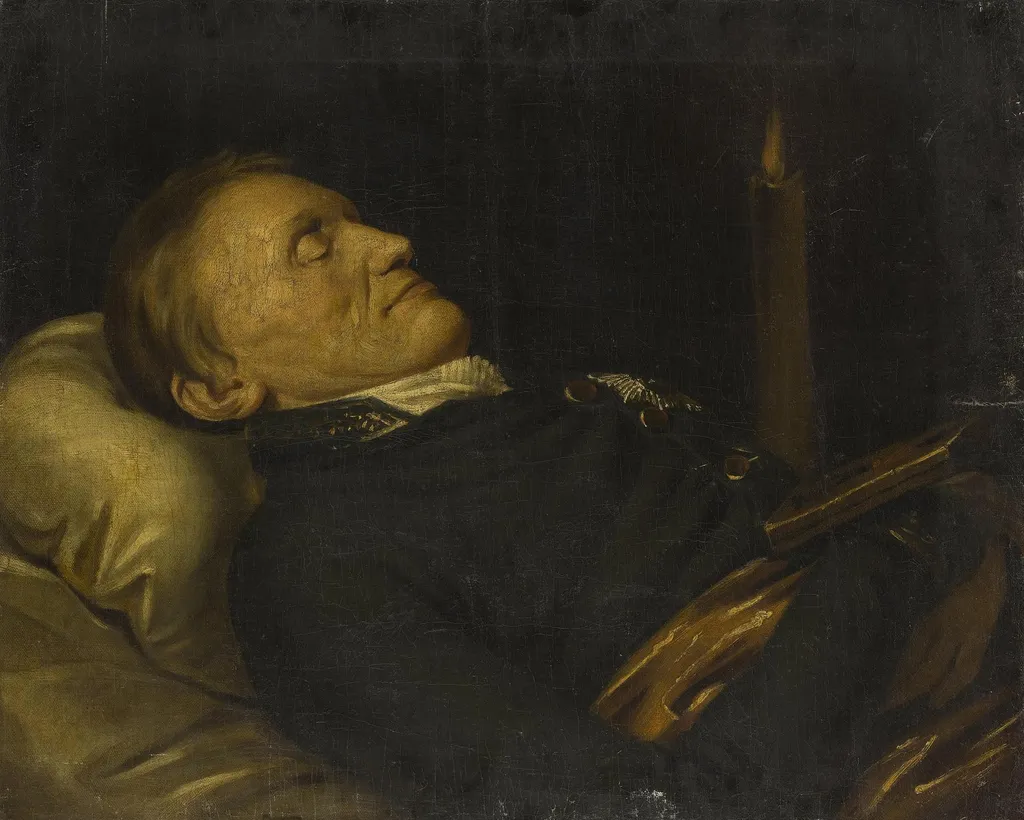
Portrait of Count Alexander Stroganov on His Death-Bed is an oil painting by the Neoclassicist artist Unknown. It dates from 1811 and is held in the collection of the Hermitage Museum. The work depicts Count Alexander Stroganov at the moment of his passing, reclined on a bed with his head supported by a pillow.
About this work
Overview
The work depicts Count Alexander Stroganov at the moment of his passing, reclined on a bed with his head supported by a pillow. He is dressed in a dark coat trimmed with gold, while a solitary candle stands beside him, its flame illuminating his tranquil visage. The composition conveys a quiet, contemplative atmosphere that invites reflection on mortality.
Subject & Meaning
The portrait captures the final instant of the Russian nobleman’s life, emphasizing the serenity of his expression despite the surrounding darkness. The candle’s glow serves as a symbolic reminder of life's fleeting nature, casting a gentle light that highlights the count’s dignified bearing and the solemnity of the scene.
Technique & Style
The artist employs chiaroscuro to accentuate the contrast between the candlelight and the surrounding shadows, creating a three‑dimensional effect that draws the eye to the count’s face. Subtle modeling of the fabric and skin, combined with a restrained palette, enhances the intimate mood and underscores the painting’s focus on light as a narrative element.
History & Provenance
The oil painting is part of the collection of the State Hermitage Museum in Saint Petersburg. It entered the museum’s holdings as part of the Stroganov family assets, which were transferred to the institution during the 19th‑century reorganization of private art collections.
Context
Created in the Russian aristocratic tradition of commemorative portraiture, the work reflects contemporary attitudes toward death and remembrance among the nobility. The emphasis on a dignified, peaceful passing aligns with the period’s cultural emphasis on piety and the moral contemplation of life's transience.
Artist & collection

 Domestic Scene
 Giacomo and Cardinal Marco, investing Andrea, Abbot of San Zeno, with his Benefice
 The Nymph of Fontainebleau
 Portrait of a Woman
 Madonna and Child with Saints in the Enclosed Garden
 Venus and Minerva
 Family Group of Four on Sofa
 Wall painting from Room H of the Villa of P. Fannius Synistor at Boscoreale
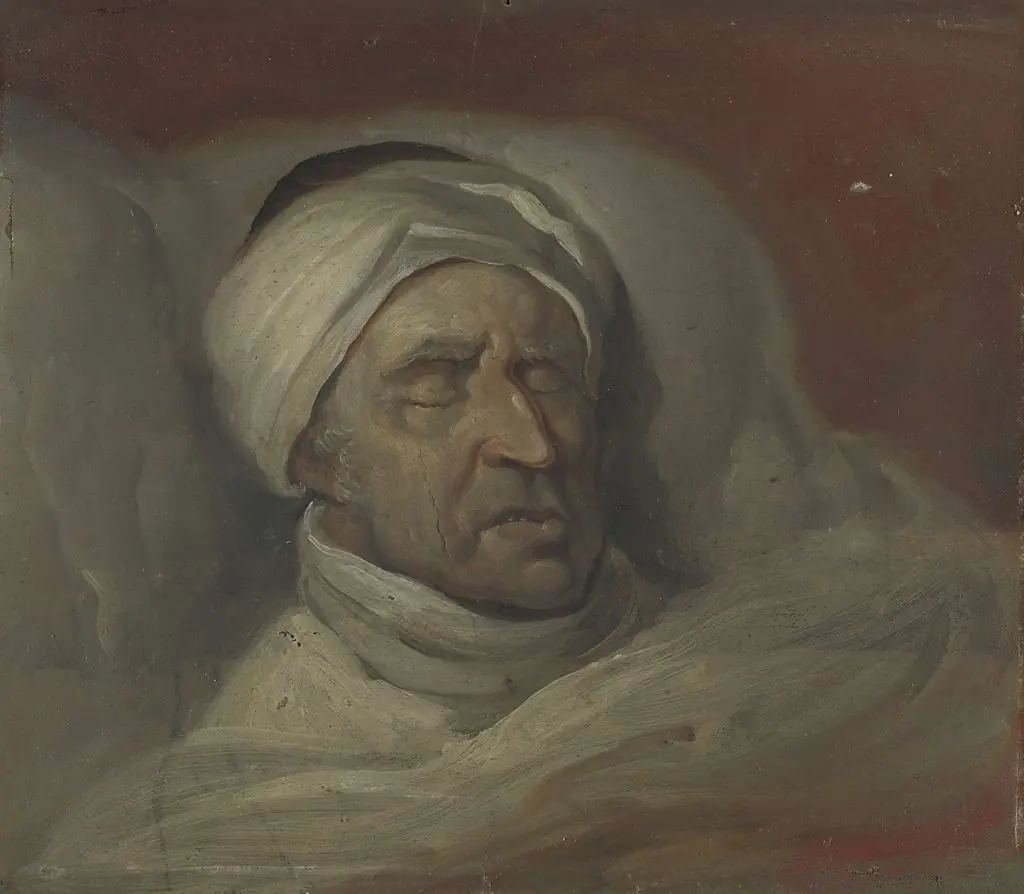 Mr. Willem Bilderdijk na zijn dood
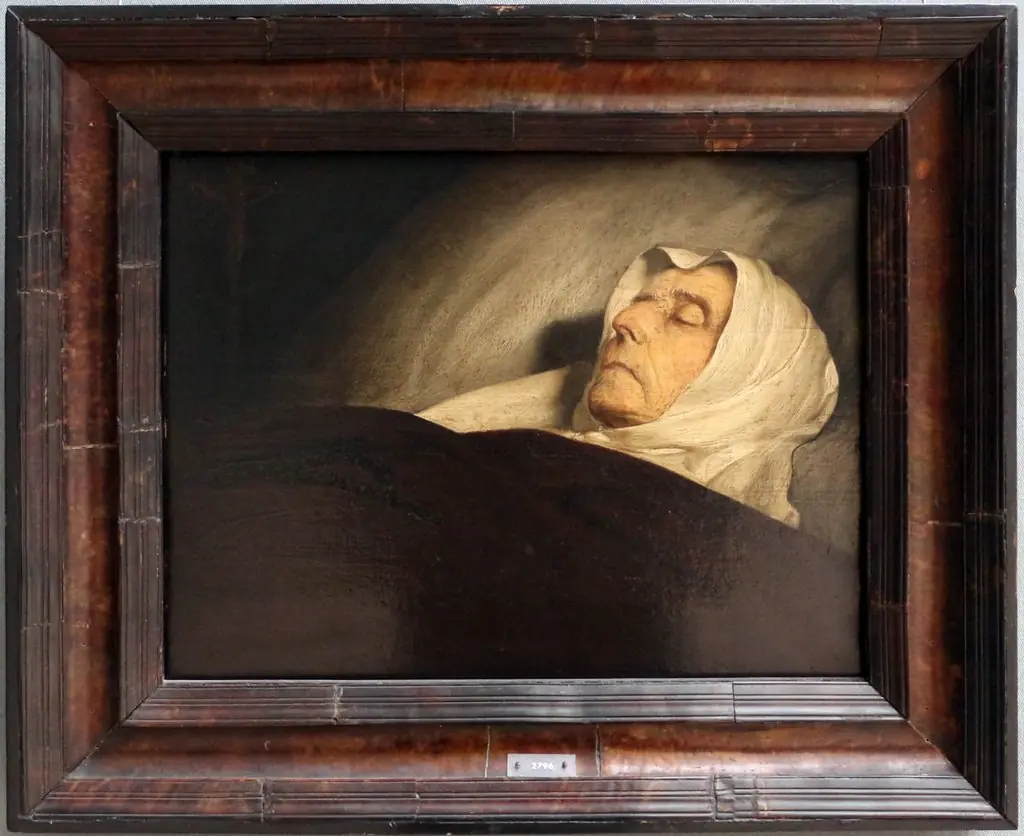 Portret van een onbekende oude vrouw op haar doodsbed
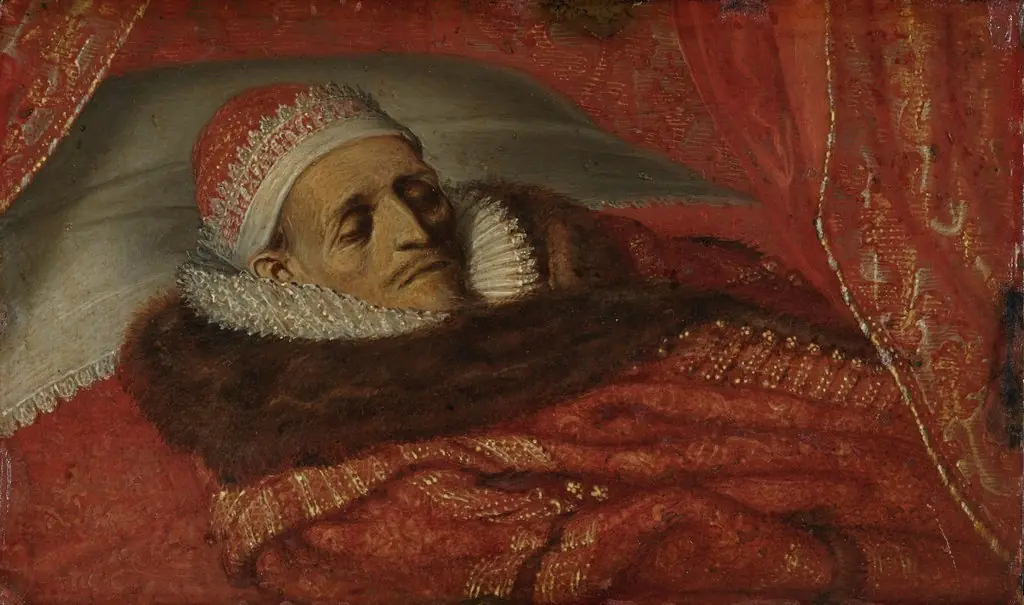 Stadtholder Prince Maurice Lying in State
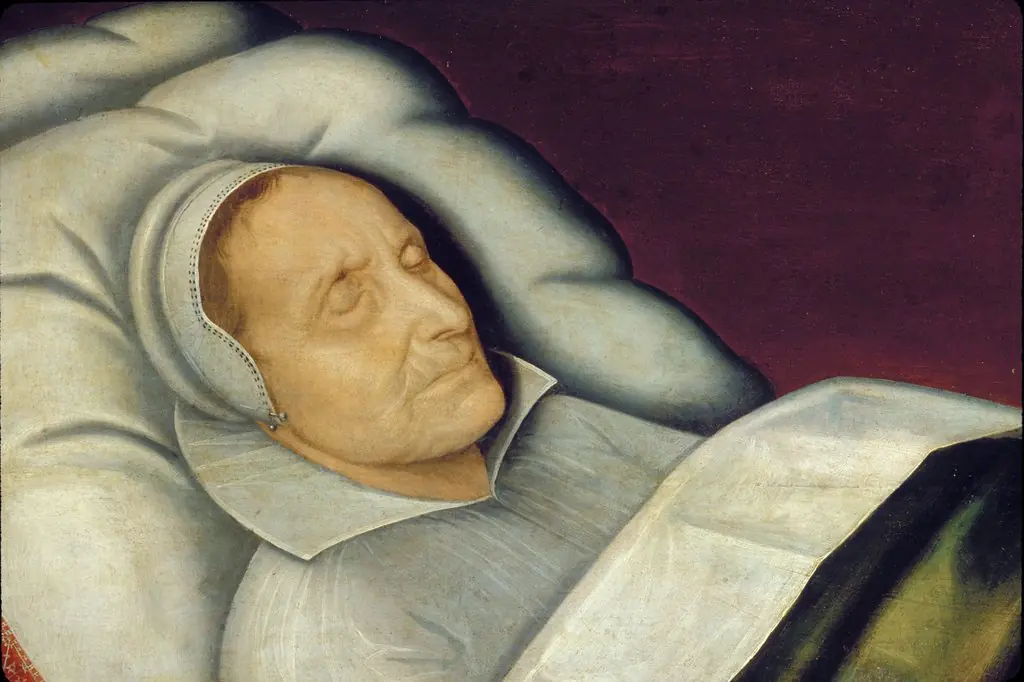 Portrait of a Dead Woman
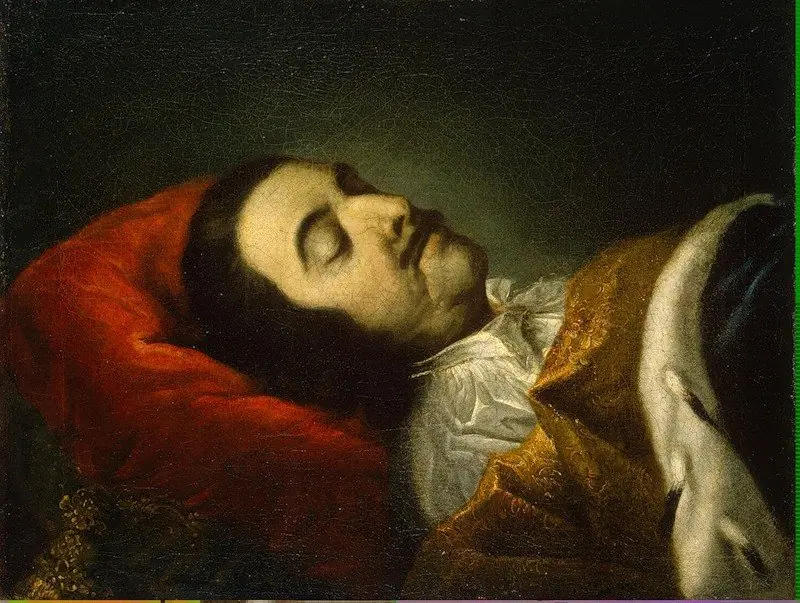 Peter I on His Death-bed
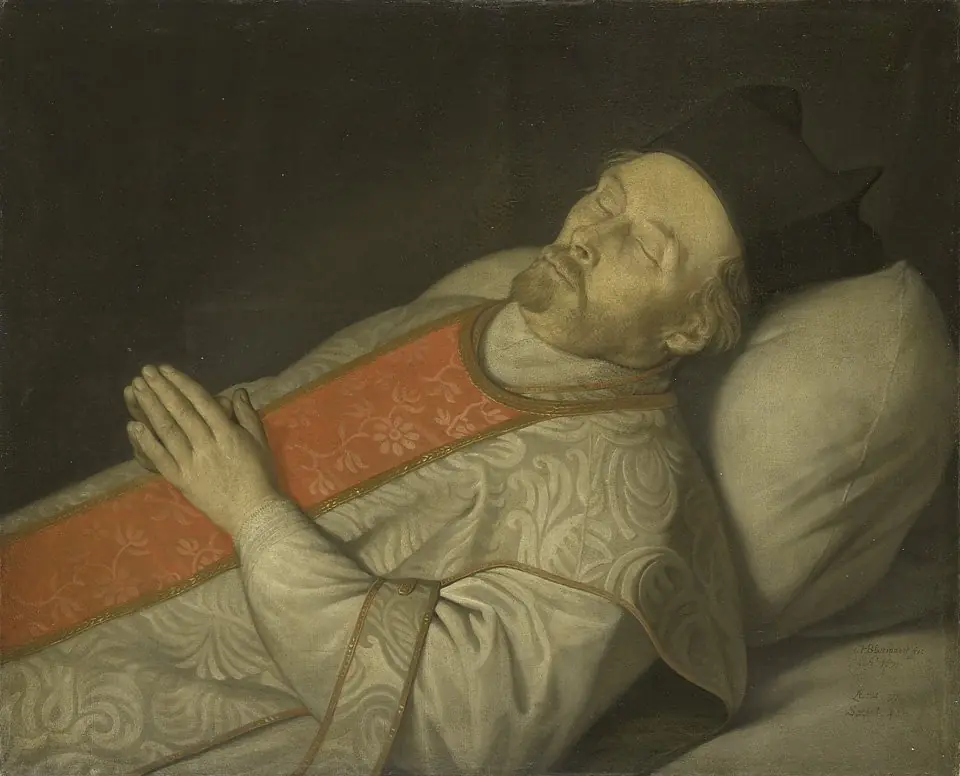 Johannes Puttkammer (1600-71). Licentiate in theology at the university of Utrecht, on his deathbed
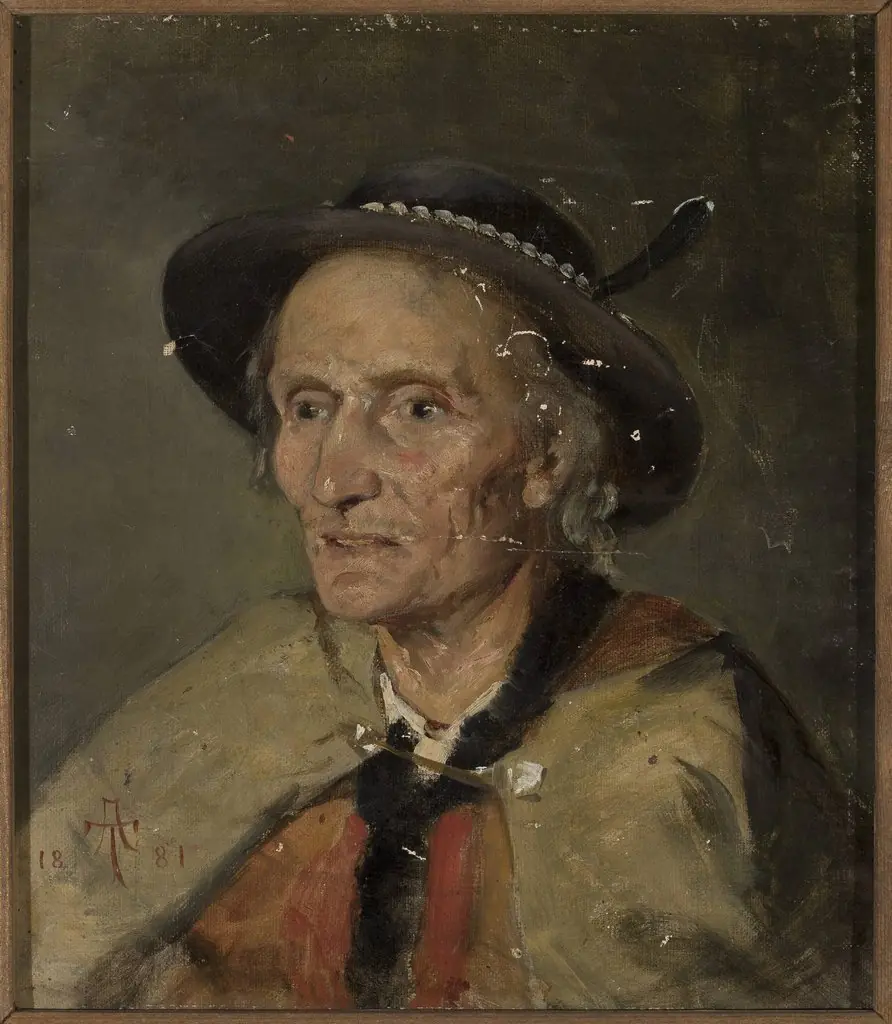 Portrait of a Highlander
 Tête de cadavre
 The Imaginary Illness
 Schlafende Frau