Artwork
Portrait of a Dead Woman
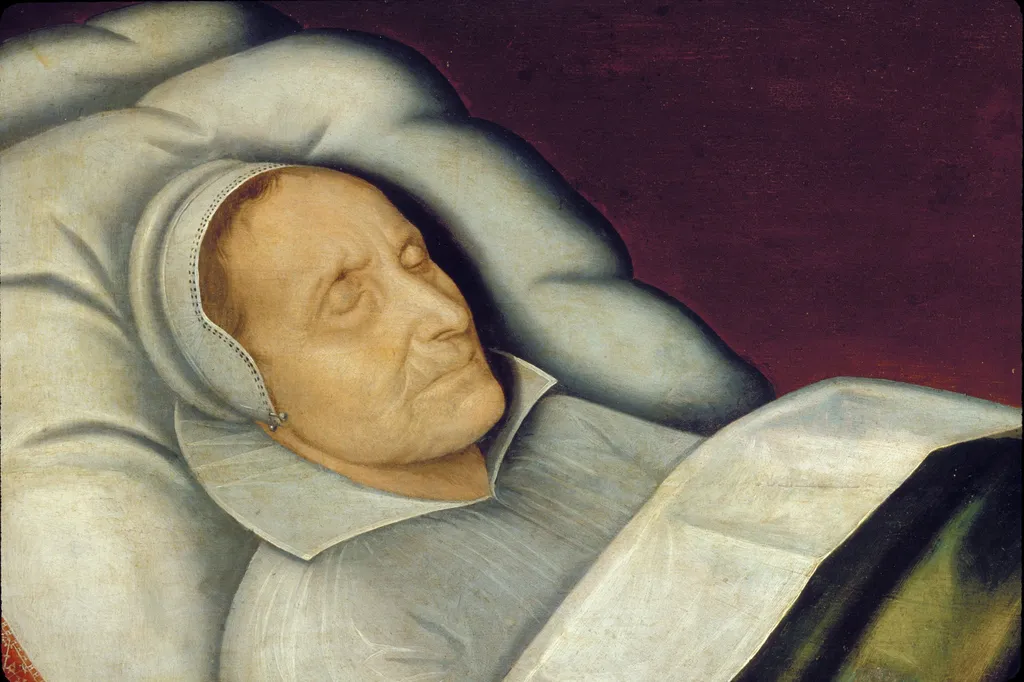
Portrait of a Dead Woman is an unspecified painting by the French Classical Baroque artist Unknown. It dates from 1700 and is held in the collection of the Detroit Institute of Arts. This painting depicts a woman reclining on a white pillow, her body still and serene.
About this work
Overview
This painting depicts a woman reclining on a white pillow, her body still and serene. Dressed in a high-collared white gown and covered by a white headwrap, she lies with her head gently tilted. Her closed eyes and pale complexion suggest stillness, while the dark red background intensifies the quiet focus on her form. The composition avoids narrative detail, emphasizing silence and containment.
Subject & Meaning
The figure appears lifeless, though not distressed. Her stillness, unadorned clothing, and the absence of any visible signs of illness or trauma suggest a peaceful passing rather than violent death. The white garments may reference purity or ritual, while the dark backdrop isolates her, inviting contemplation of mortality without sentimentality.
Technique & Style
The artist employs soft, even brushwork to render the woman’s skin and fabric, creating a smooth, almost sculptural surface. The contrast between the luminous white forms and the deep red background enhances the sense of stillness. There is no visible brushstroke drama; the restraint in technique mirrors the calm of the subject, avoiding theatricality.
History & Provenance
The painting’s origins are undocumented in public records. No artist, date, or early ownership is firmly established. Its survival suggests it was preserved within a private or familial context, possibly as a memorial. The lack of provenance contributes to its enigmatic quality, leaving interpretation open to the viewer.
Context
In the 19th century, depictions of the dead were often tied to mourning rituals or religious iconography. This work diverges from those traditions by omitting symbols of faith, grief, or the afterlife. Its quiet realism aligns with emerging secular approaches to death, reflecting a shift toward personal, intimate representations of loss.
Legacy
The painting endures as a quiet meditation on death, free from doctrinal or emotional embellishment. It has influenced later artists seeking to portray mortality with restraint, avoiding melodrama. Its anonymity and simplicity have allowed it to resonate across time as a universal image of stillness, rather than a specific historical record.
Artist & collection

 Domestic Scene
 Giacomo and Cardinal Marco, investing Andrea, Abbot of San Zeno, with his Benefice
 The Nymph of Fontainebleau
 Portrait of a Woman
 Madonna and Child with Saints in the Enclosed Garden
 Venus and Minerva
 Family Group of Four on Sofa
 Wall painting from Room H of the Villa of P. Fannius Synistor at Boscoreale
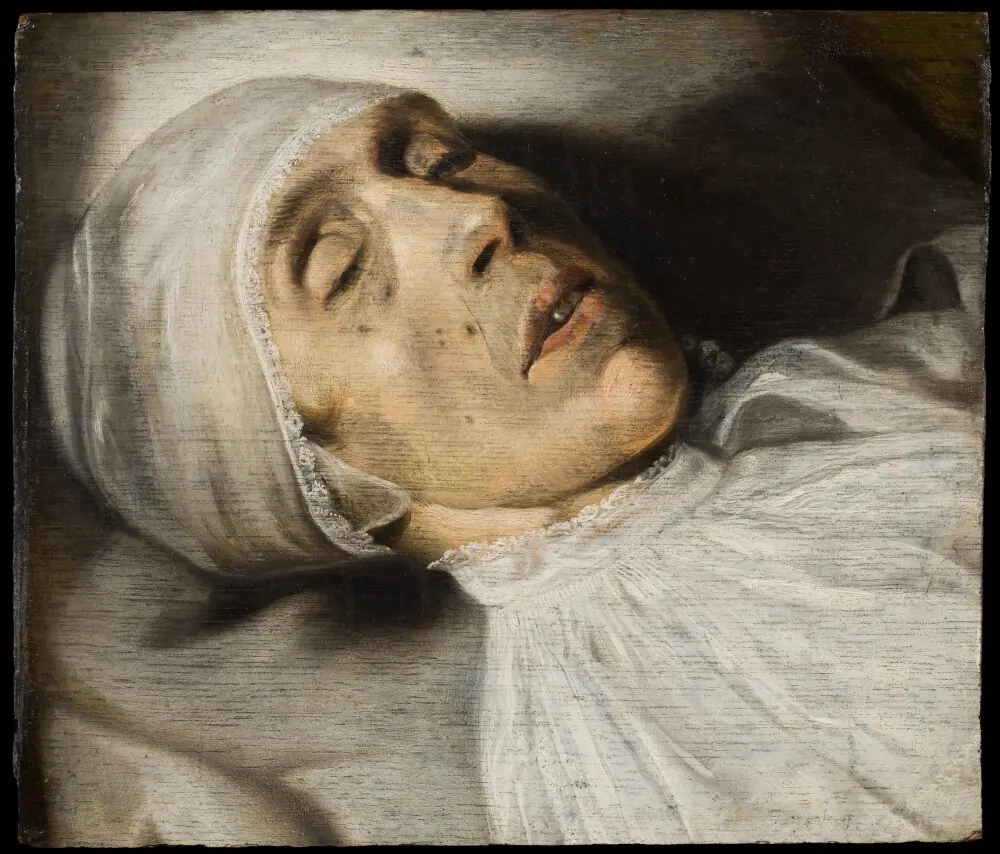 A Man at His Death Bed
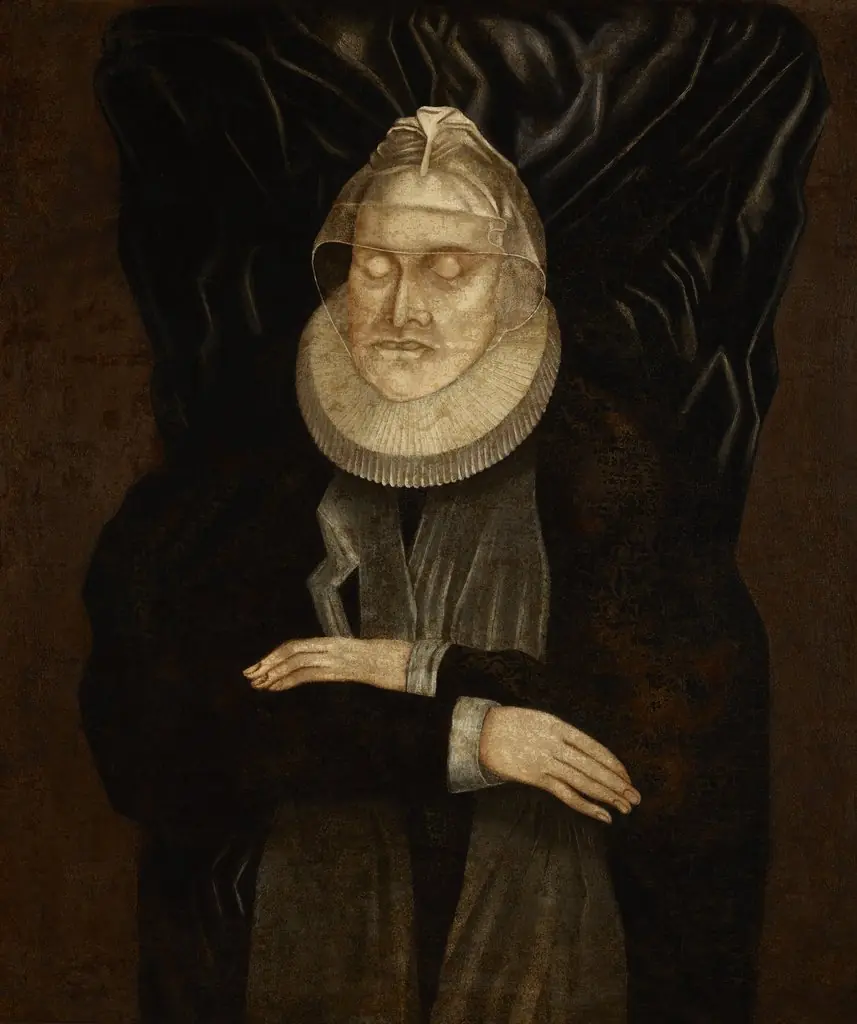 Sepulchral portrait of Anna Maria Brandenburska, Duchess, the wife of Barnim X (XII) the Younger (1567-1618)
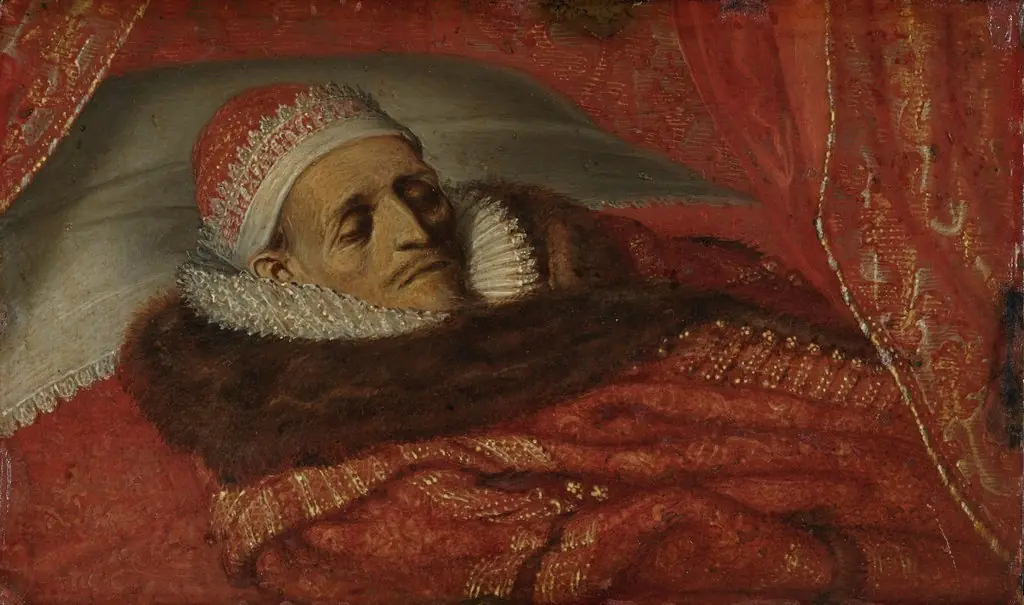 Stadtholder Prince Maurice Lying in State
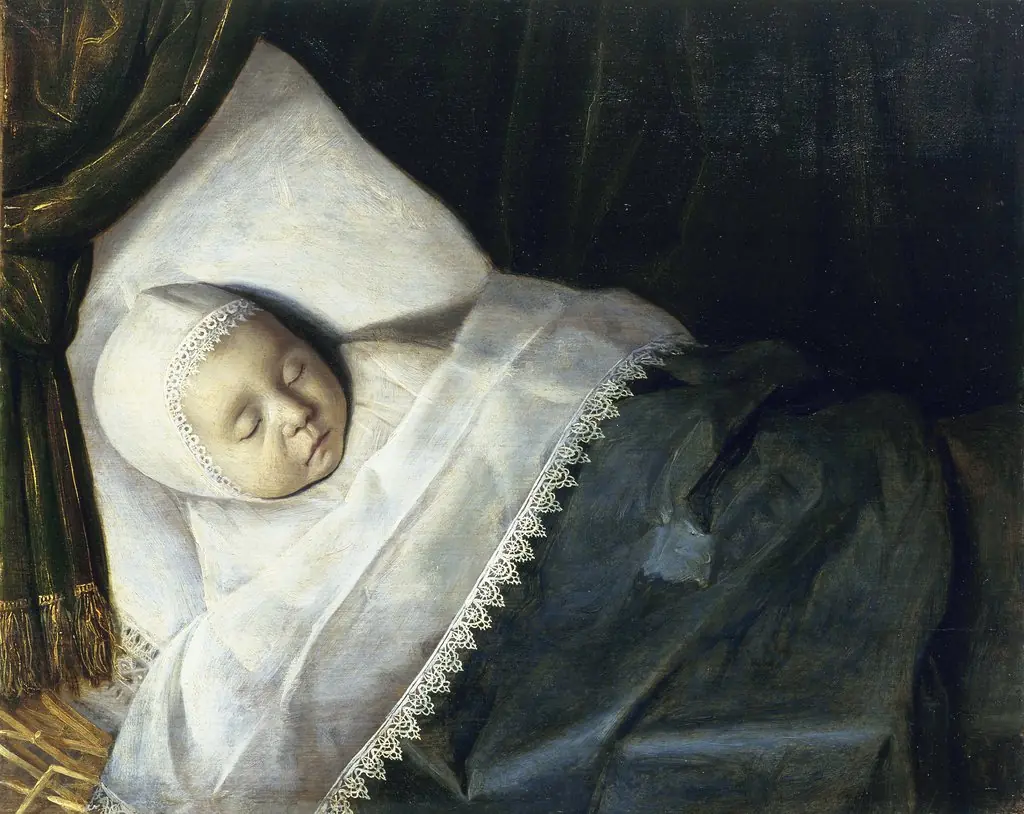 A Child of the Honigh Family on its Deathbed
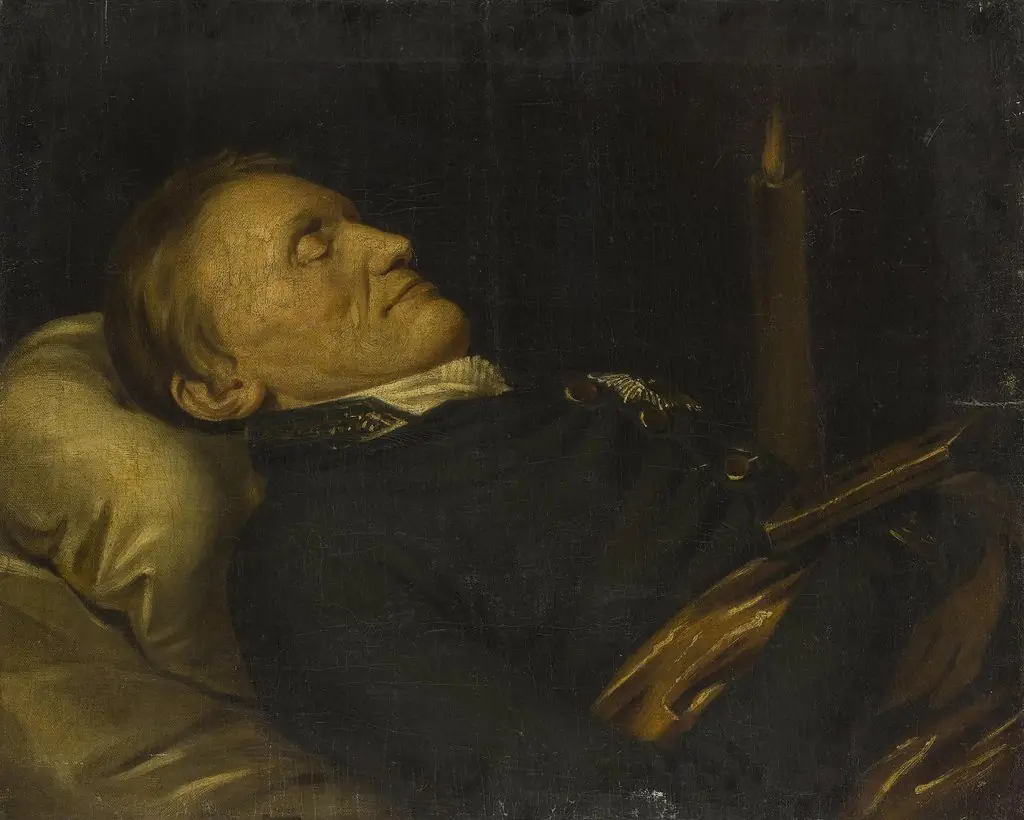 Portrait of Count Alexander Stroganov on His Death-Bed
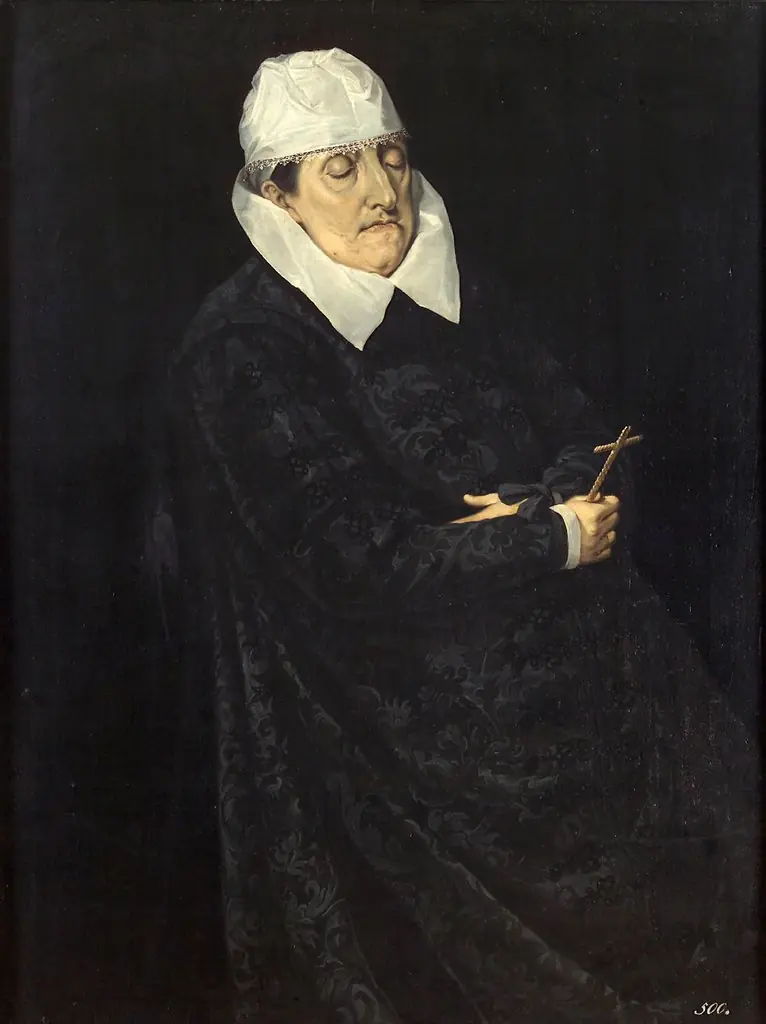 Maria Anna von Bayern (1551-1608), Gemahlin von Karl II. von Innerösterreich, auf dem Totenbett
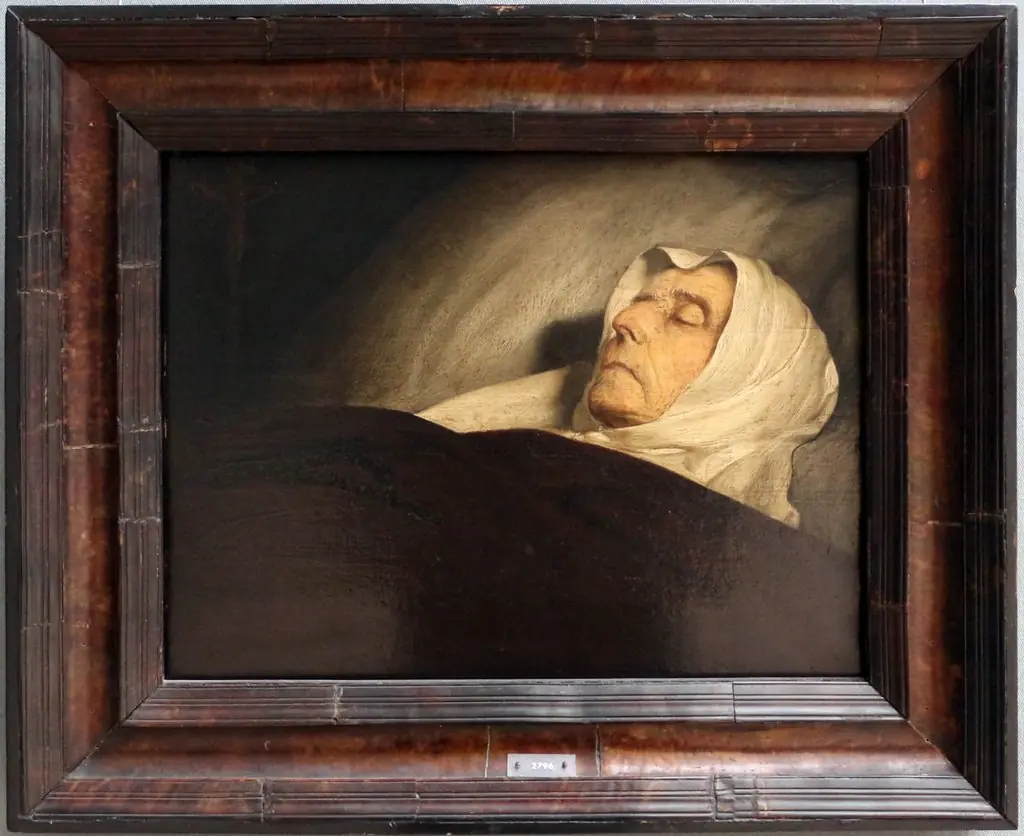 Portret van een onbekende oude vrouw op haar doodsbed
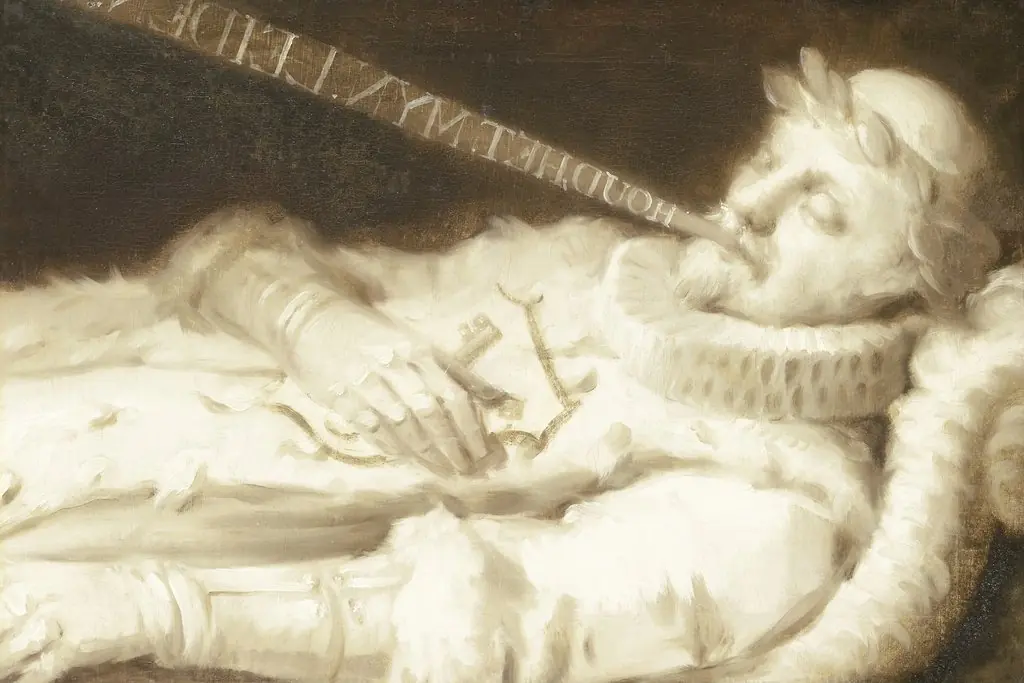 Willem I (1533-84), genaamd de Zwijger, prins van Oranje, op zijn ziekbed
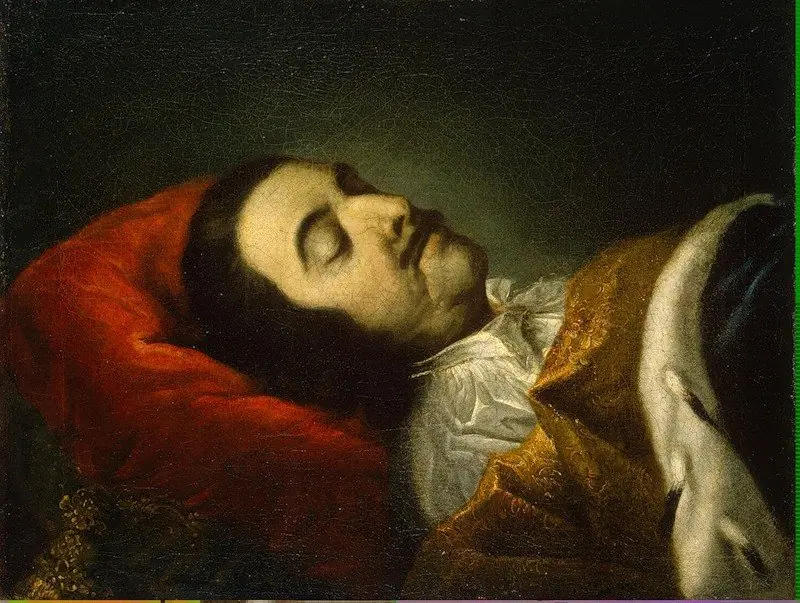 Peter I on His Death-bed
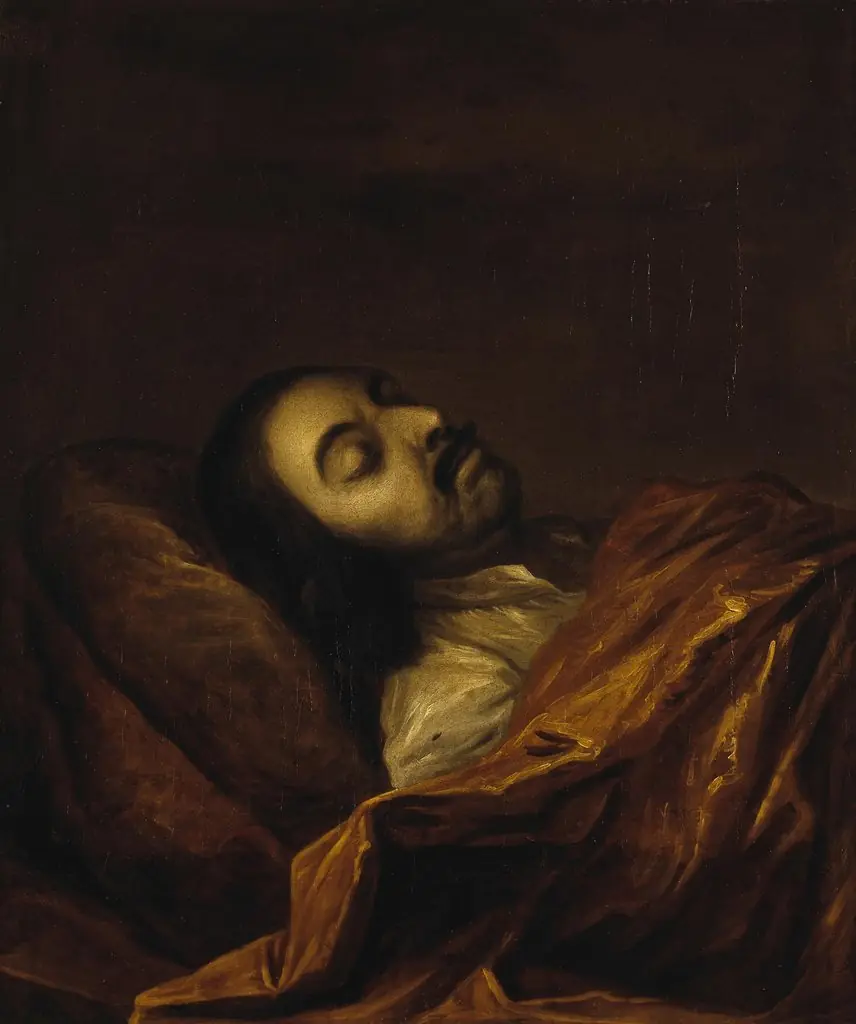 Portrait of Peter the Great on his Death-Bed
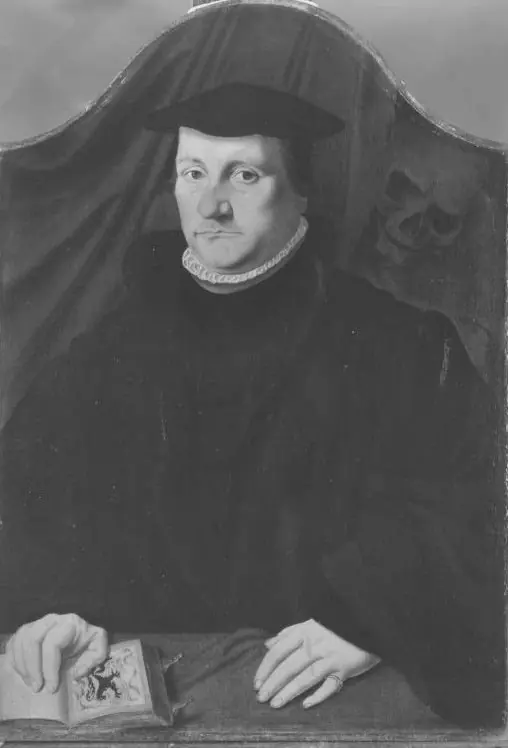 Bildnis eines Mannes (Vanitasbildnis)
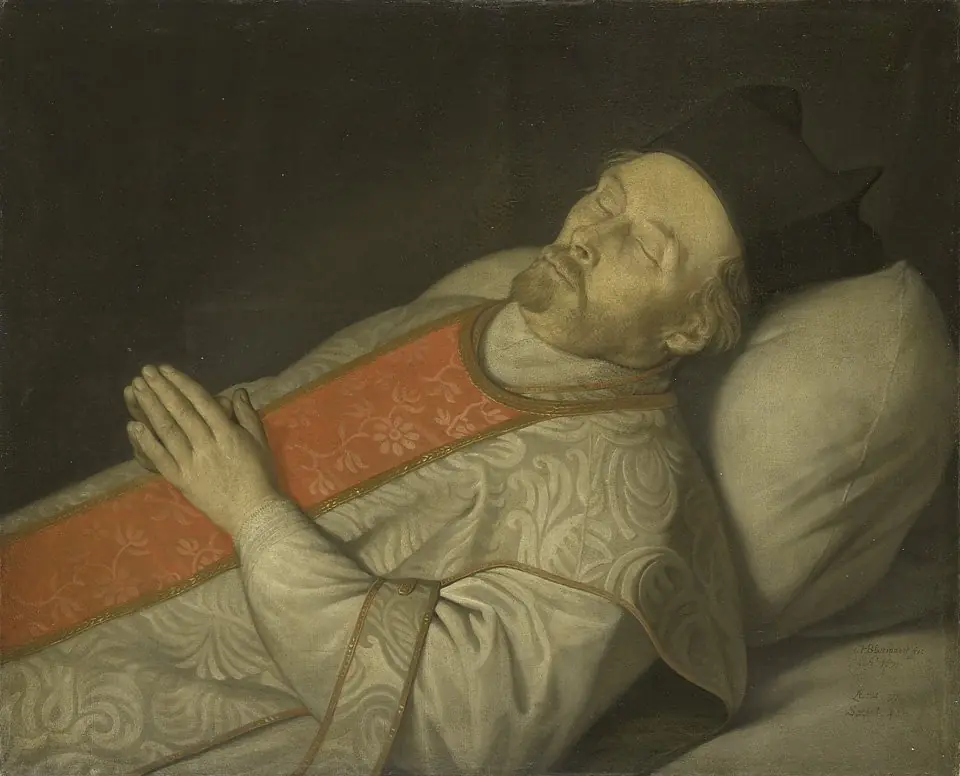 Johannes Puttkammer (1600-71). Licentiate in theology at the university of Utrecht, on his deathbed