Artwork
Zhenwu with the Eight Trigrams, the Northern Dipper, and Talismans
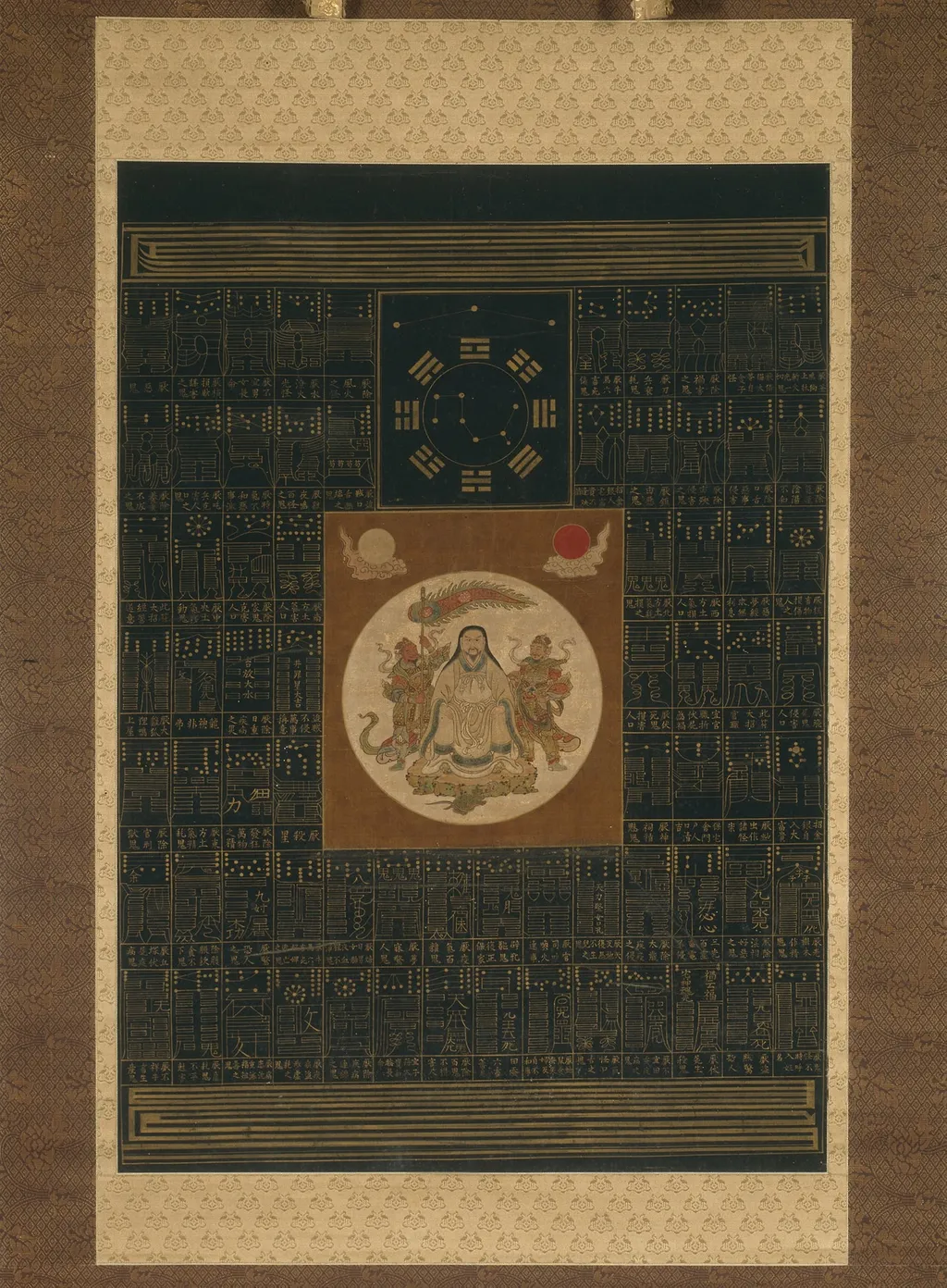
Zhenwu with the Eight Trigrams, the Northern Dipper, and Talismans is an unspecified painting by Unknown. It dates from 1700 and is held in the collection of the Art Institute of Chicago.
About this work
The painting is titled Zhenwu with the Eight Trigrams, the Northern Dipper, and Talismans.
The painting is titled Zhenwu with the Eight Trigrams, the Northern Dipper, and Talismans.
It was created in 1700.
The Art Institute of Chicago holds this work, which falls under the religious genre.
This painting has a specific title and date, giving us some context about its origins.
The title suggests it has symbolic elements, like the Eight Trigrams.
Check out the museum: Art Institute of Chicago.
Overview
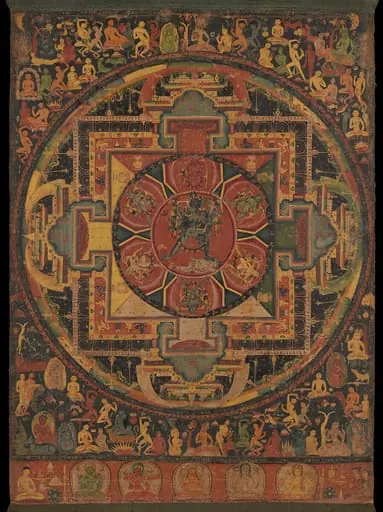
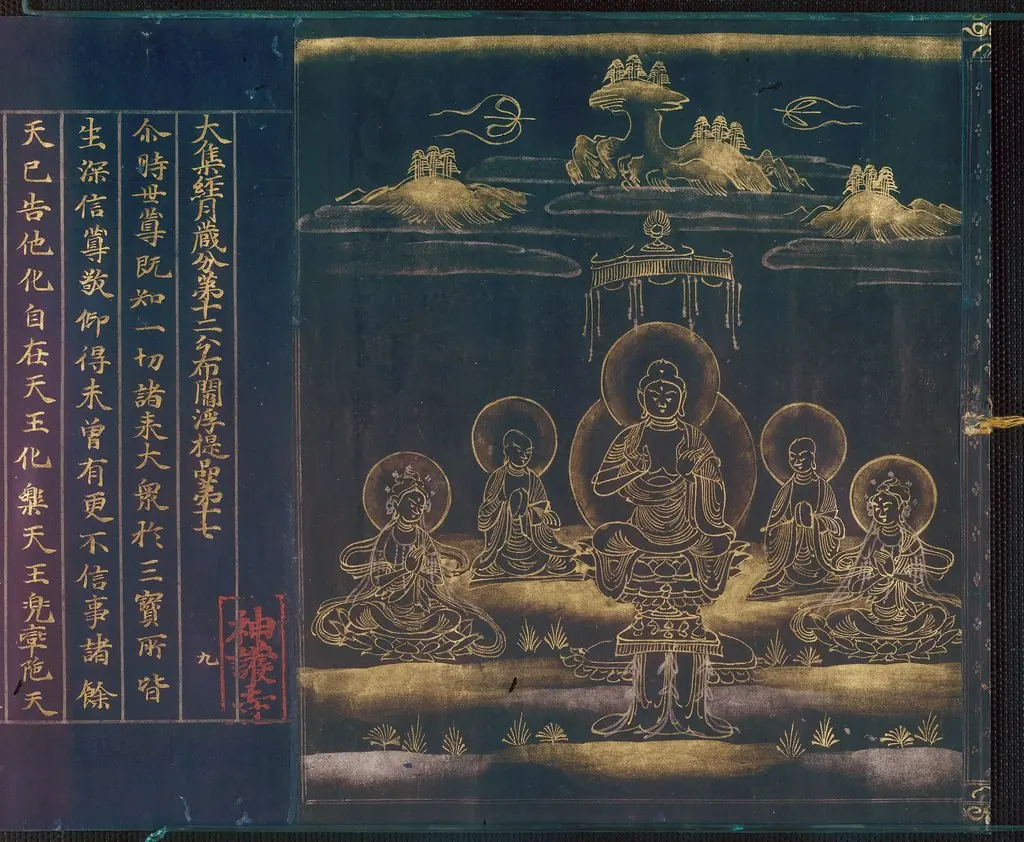
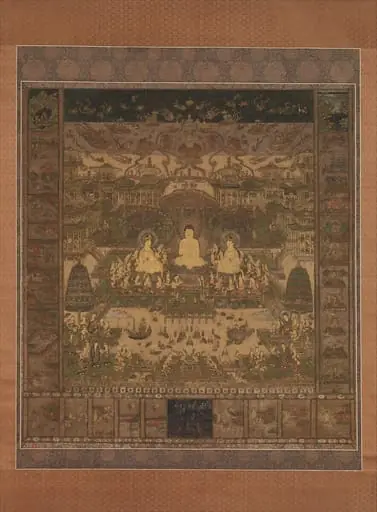
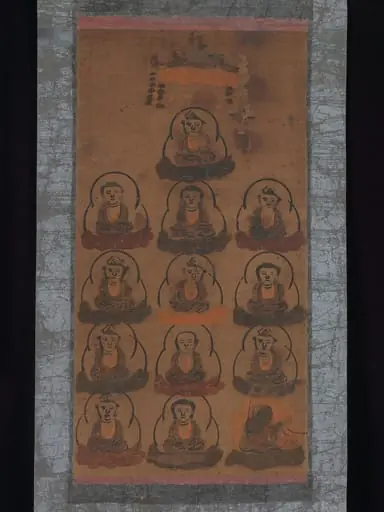
Created in 1700, this Chinese painting titled *Zhenwu with the Eight Trigrams, the Northern Dipper, and Talismans* is part of the Art Institute of Chicago’s collection. It belongs to the religious genre, depicting the deity Zhenwu surrounded by cosmological symbols that convey Taoist protective power.
Subject & Meaning
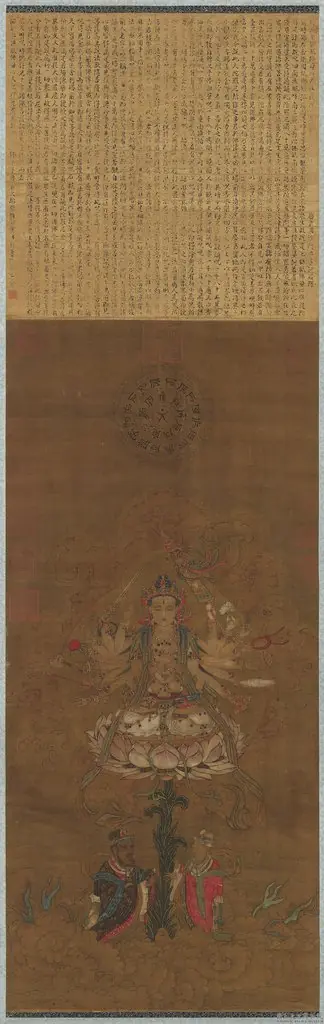
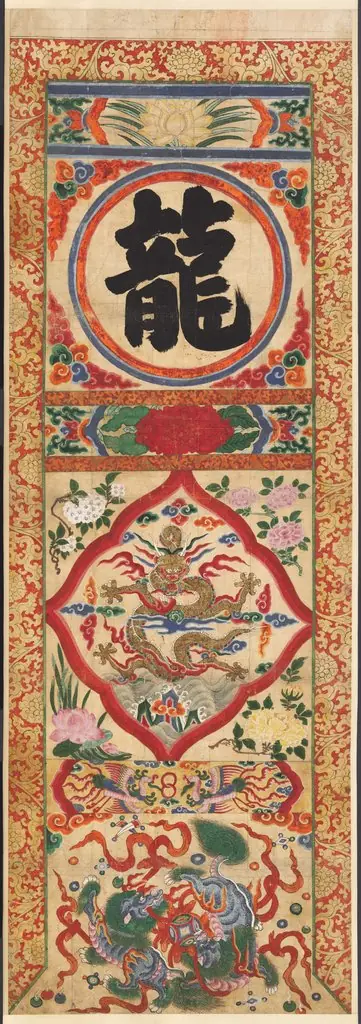
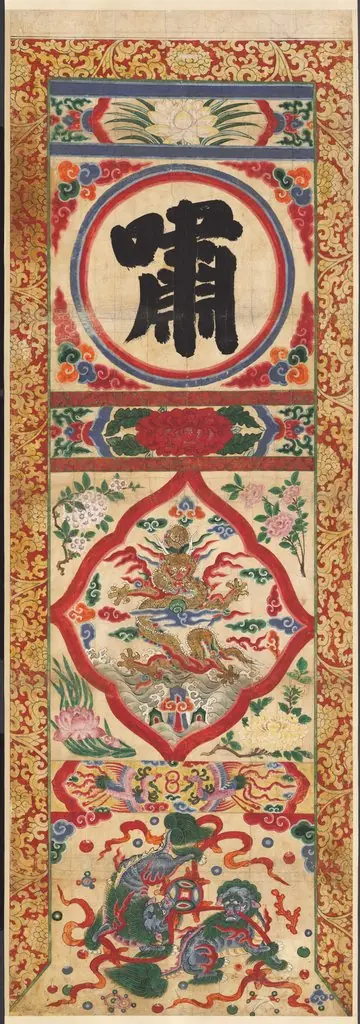
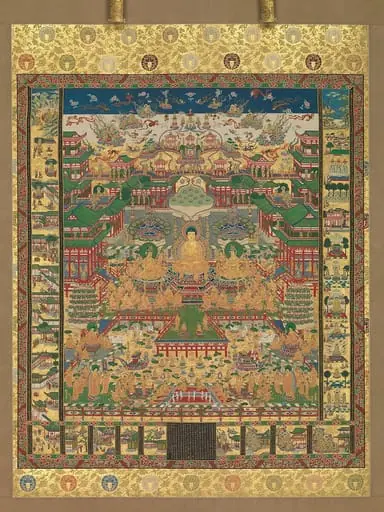
The central figure is Zhenwu, a deity associated with the north, winter, and martial protection. He is flanked by the Eight Trigrams—fundamental symbols of the I Ching that represent the interaction of yin and yang—and the constellation of the Northern Dipper, a celestial guide in Chinese astronomy. Talismans bearing script and seal characters complete the composition, underscoring the painting’s function as a visual invocation of divine safeguarding.
Technique & Style
Executed in traditional brushwork on silk, the work combines precise line drawing with subtle washes of ink and mineral pigments. The composition follows a vertical format, allowing the deity and celestial motifs to cascade upward, a layout typical of ritual paintings intended for altar display. The use of gold leaf highlights the talismans, enhancing their perceived potency.
History & Provenance
The painting entered the Art Institute of Chicago’s holdings through a mid‑20th‑century acquisition, reflecting the museum’s expanding focus on Asian religious art. Its dated inscription anchors it firmly in the early Qing period, a time when court patronage encouraged the production of devotional images for both private and public worship.
Context
During the Qing dynasty, Zhenwu worship was linked to imperial authority and military protection. The inclusion of the Eight Trigrams and the Northern Dipper aligns the work with contemporary cosmological thought, where celestial order mirrored earthly governance. Such paintings were often displayed in temples or elite households to invoke stability and ward off misfortune.
Legacy
As a rare example of early 18th‑century religious painting that integrates Taoist iconography with astronomical symbolism, the work offers scholars insight into the visual language of Qing devotional practice. Its preservation in a major U.S. museum facilitates comparative study with other East Asian ritual artworks.
Artist & collection

 Domestic Scene
 Giacomo and Cardinal Marco, investing Andrea, Abbot of San Zeno, with his Benefice
 The Nymph of Fontainebleau
 Portrait of a Woman
 Madonna and Child with Saints in the Enclosed Garden
 Venus and Minerva
 Family Group of Four on Sofa
 Wall painting from Room H of the Villa of P. Fannius Synistor at Boscoreale