Artwork
宋人畫千手千眼觀世音菩薩 軸
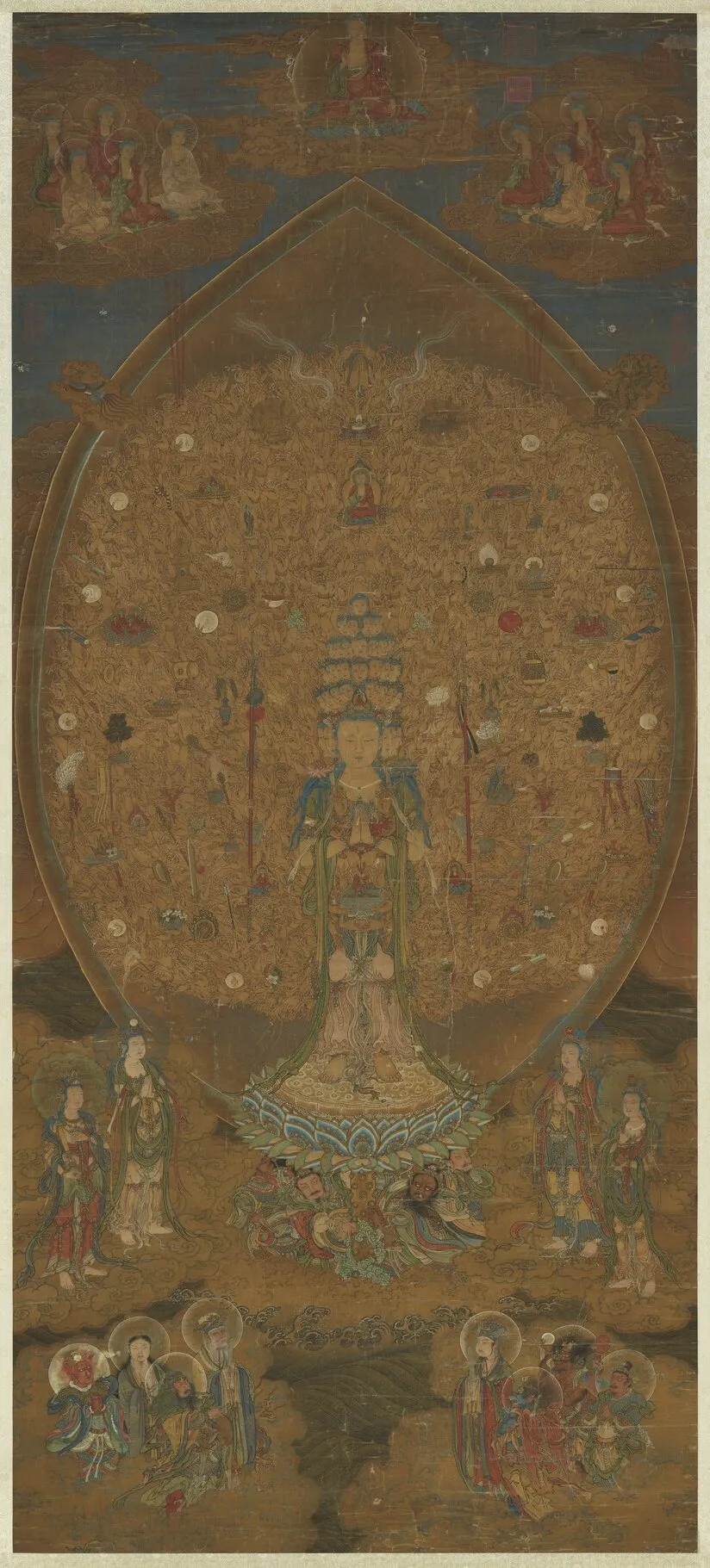
宋人畫千手千眼觀世音菩薩 軸 is an unspecified painting by the Romanesque artist Unknown. It dates from 1100 and is held in the collection of the National Palace Museum.
About this work
Overview
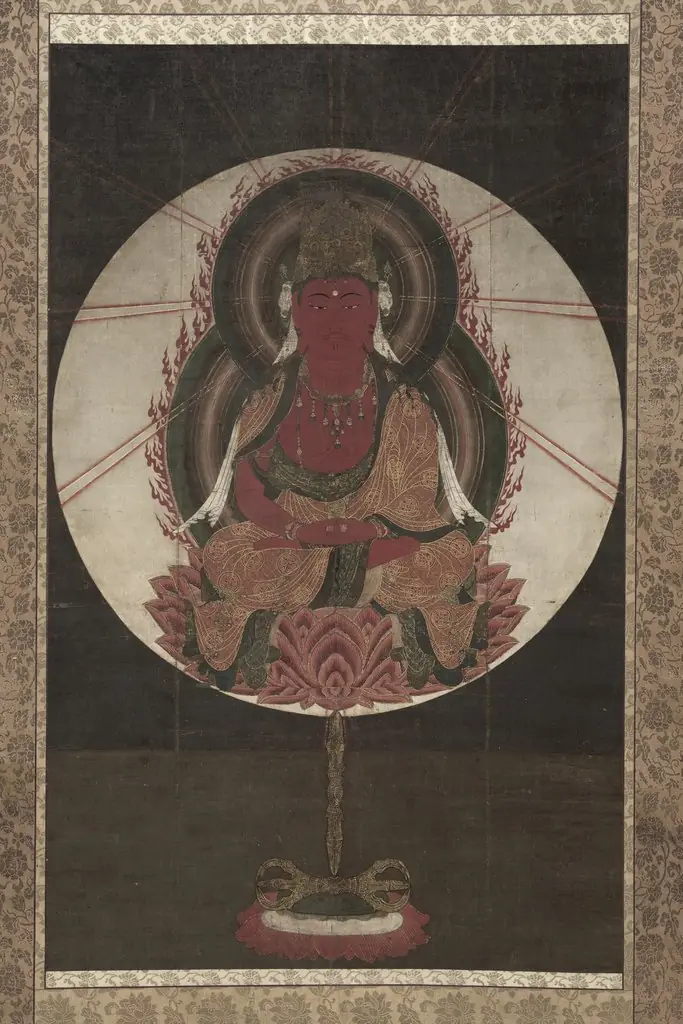
This silk painting depicts a central figure of Thousand-Handed and Thousand-Eyed Guanyin (Observation of the World Bodhisattva) surrounded by smaller attendants, set amidst a celestial backdrop of clouds and water, conveying an atmosphere of serenity.
Subject & Meaning
The subject is Guanyin, a bodhisattva of compassion, represented with multiple hands and eyes symbolizing omnipotence and omniscience. The composition emphasizes spiritual tranquility and the bodhisattva's protective presence.
Technique & Style
Executed on silk, the painting features muted earth tones and blues, with chiaroscuro techniques employing strong light-dark contrasts to achieve depth and volumetric form, characteristic of refined Chinese artistic traditions.
History & Provenance
The work is housed at the National Palace Museum, though specific dates of creation and historical ownership are not provided in the available information.
Context
This piece reflects the religious and artistic values of its time, blending Buddhist iconography with traditional Chinese painting aesthetics, likely intended for devotional or contemplative environments.
Legacy
As an example of chiaroscuro in Chinese silk painting, it influences the understanding of lighting techniques in Asian art history, while its serene depiction of Guanyin contributes to the icon's enduring cultural significance.
Artist & collection

 Domestic Scene
 Giacomo and Cardinal Marco, investing Andrea, Abbot of San Zeno, with his Benefice
 The Nymph of Fontainebleau
 Portrait of a Woman
 Madonna and Child with Saints in the Enclosed Garden
 Venus and Minerva
 Family Group of Four on Sofa
 Wall painting from Room H of the Villa of P. Fannius Synistor at Boscoreale
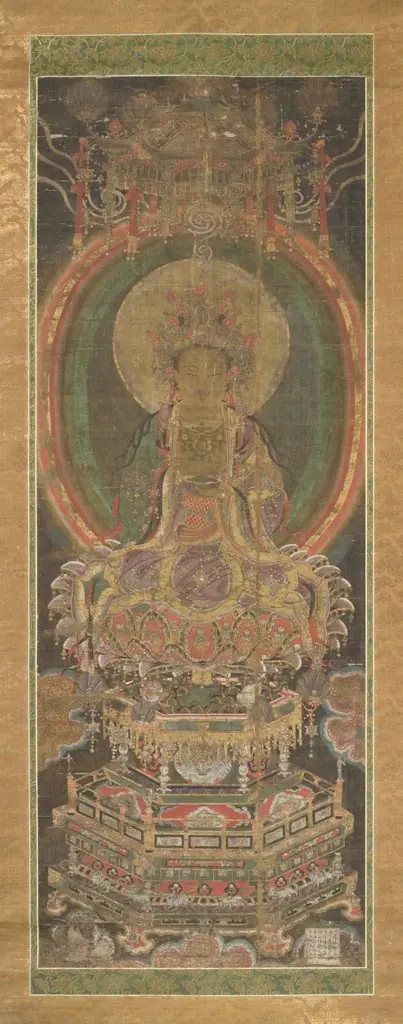 Avalokiteshvara (Guanyin), the Bodhisattva of Compassion
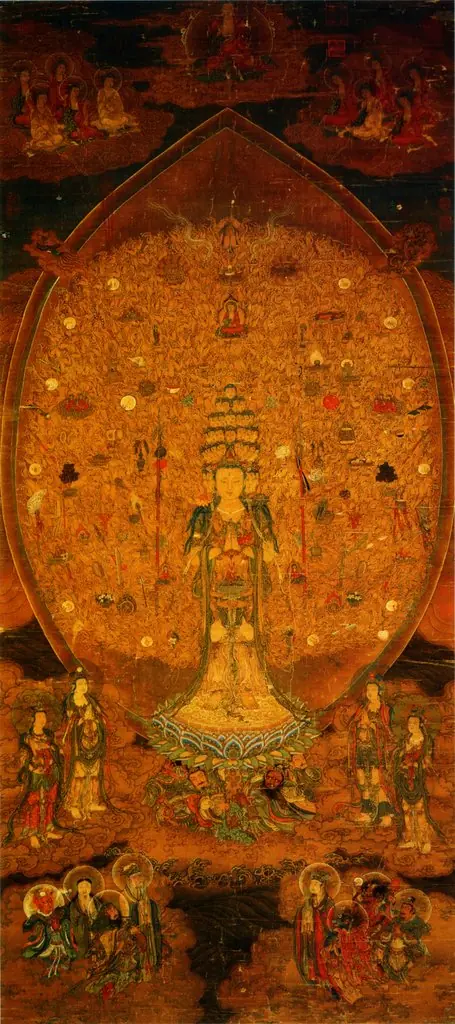 Kuan-yin of One Thousand Arms and Eyes
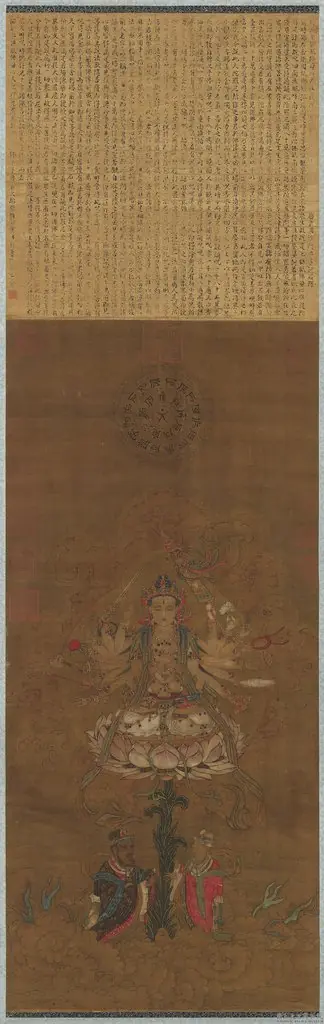 Cundi Bodhisattva
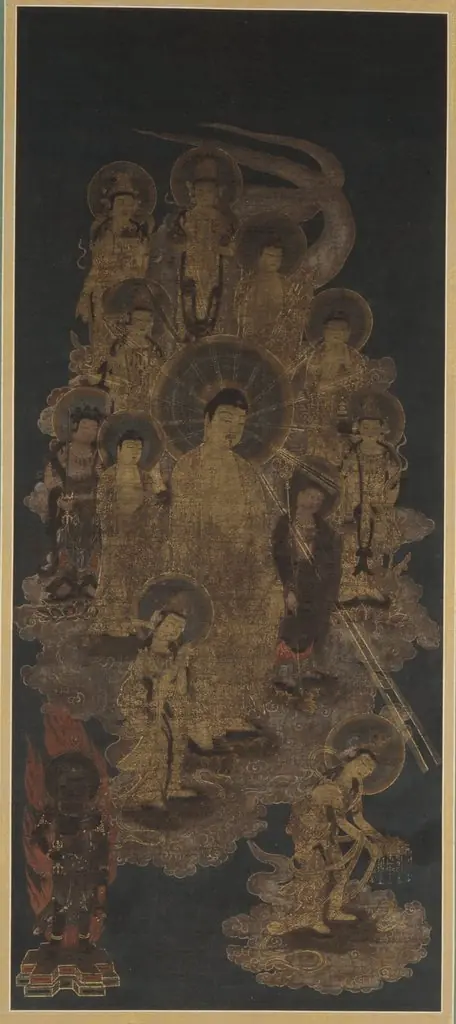 Thirteen Buddhas Welcoming the Dying Believer to the Western Pure Land
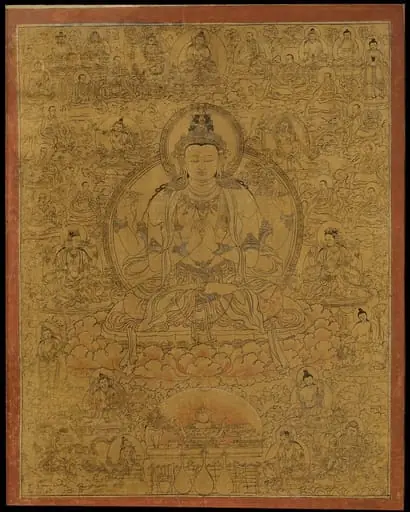 Untitled
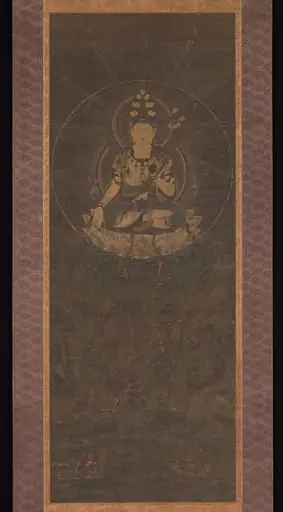 十一面観音影向図|Eleven-Headed Kannon on Mount Fudaraku
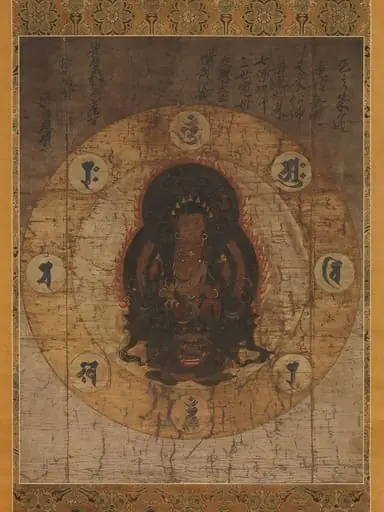 八字文殊菩薩像|Monju Bosatsu with Eight Sacred Sanskrit Syllables
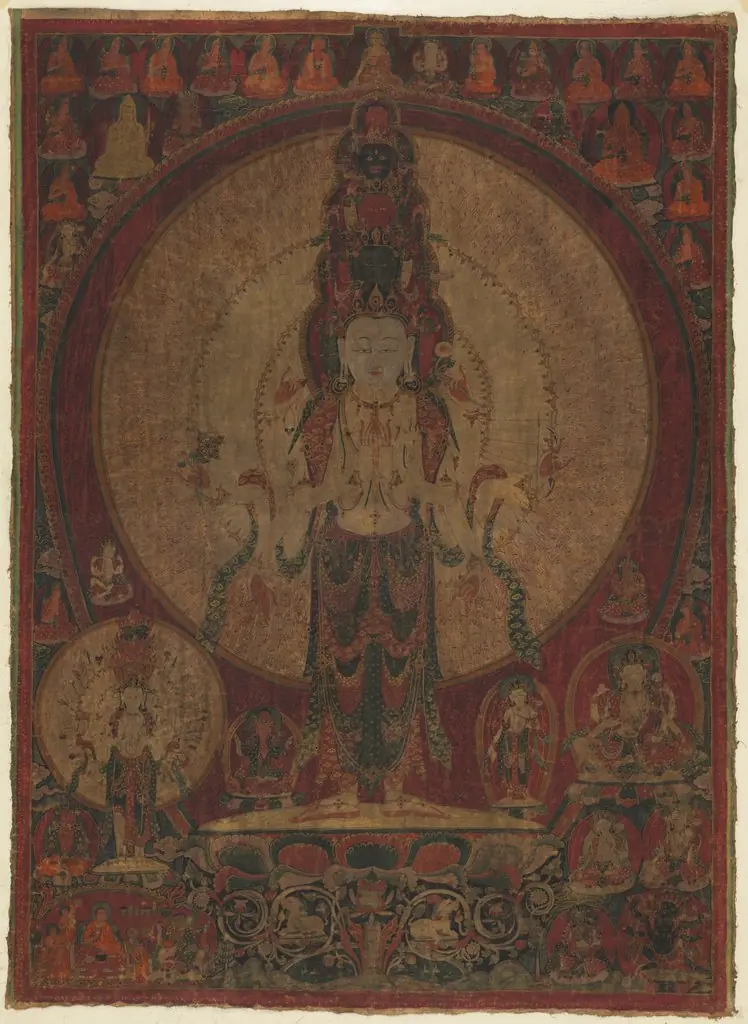 Eleven-Headed, Thousand-Armed Bodhisattva of Compassion (Avalokiteshvara)
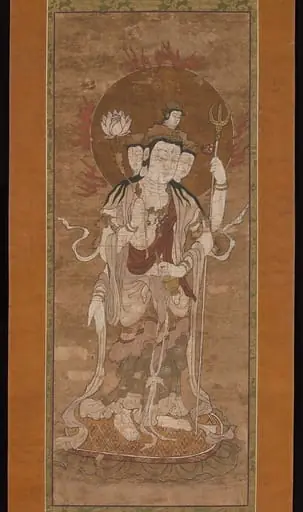 十二天像(梵天)|One of the Twelve Devas: Bonten
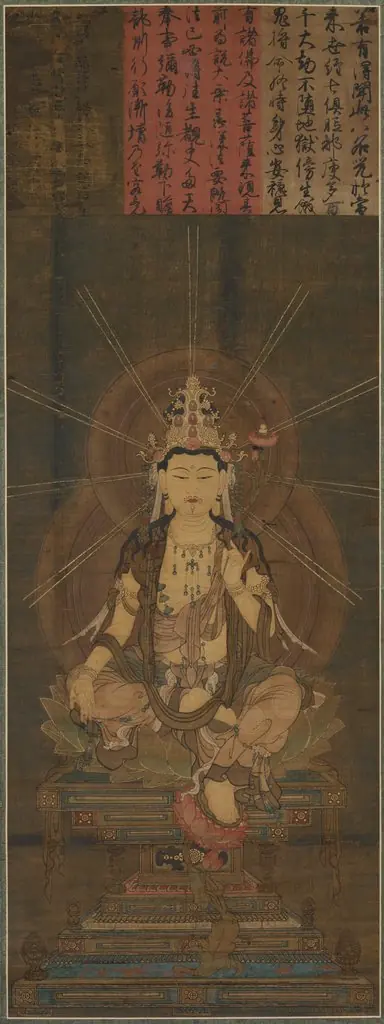 Miroku (Maitreya)
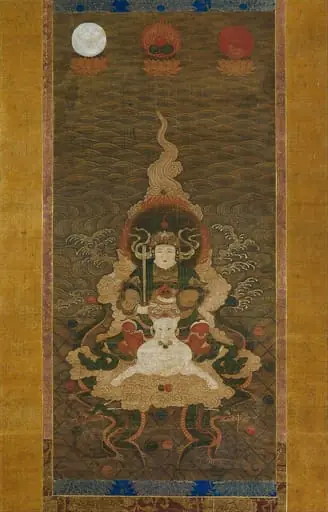 荼枳尼天像|Dakini
 Red Amida